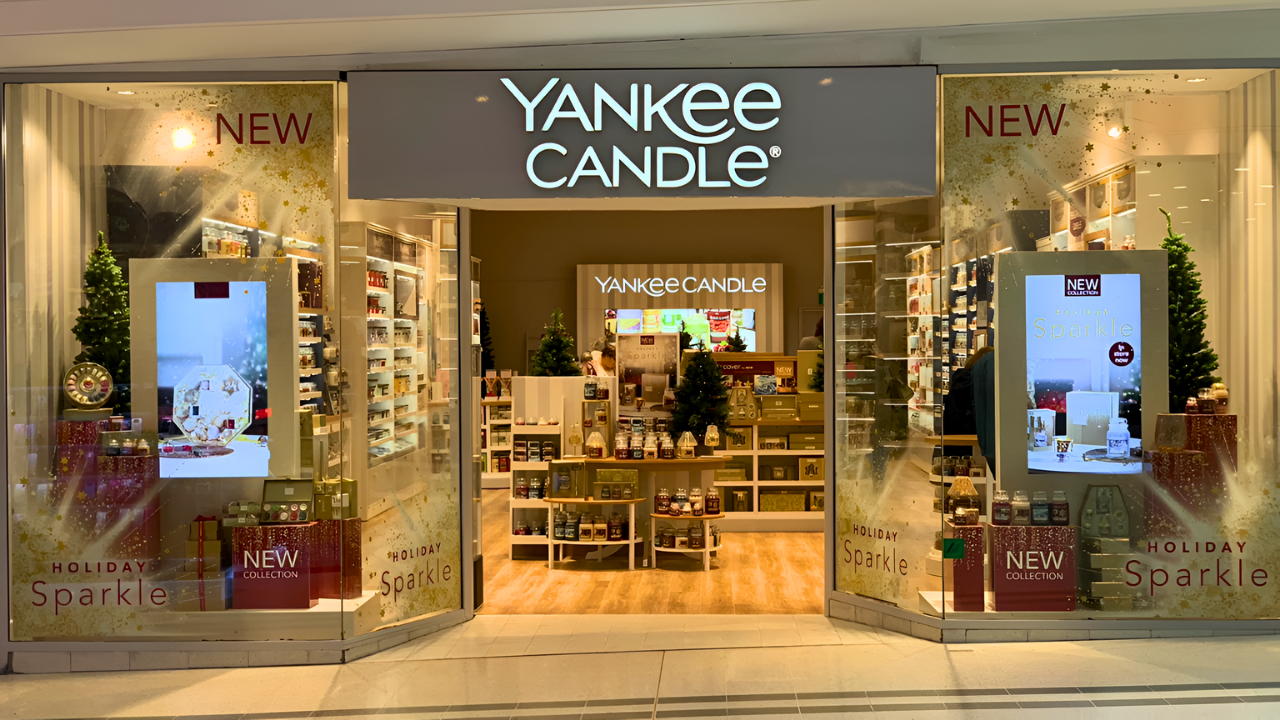
Recently, Newell Brands, the company behind iconic brands like Yankee Candle, has announced a restructuring that will impact workers and customers across North America.
The company is laying off more than 900 workers—approximately 10% of its workforce—and will close roughly 20 Yankee Candle stores across the U.S. and Canada early in 2026. U.S. layoffs began in December 2025. Retail employees and customers are adjusting to these sudden changes. Why now, just before the Christmas season? What led to this dramatic decision?
Why Now: The Turnaround Trap

In 2023, Newell Brands launched a turnaround plan after years of poor performance. Despite efforts to boost efficiency, the company’s stock has fallen nearly 62% this year, and third-quarter 2025 net sales declined 7.2% year-over-year.
To combat this, Newell has invested in automation and artificial intelligence to boost productivity. The restructuring is expected to cost up to $90 million, with plans to generate cost savings of up to $130 million over the longer term. Legacy brands are struggling as consumer habits shift toward online shopping and e-commerce.
Consumer Impact: Fewer Candle Stores, Tighter Selection
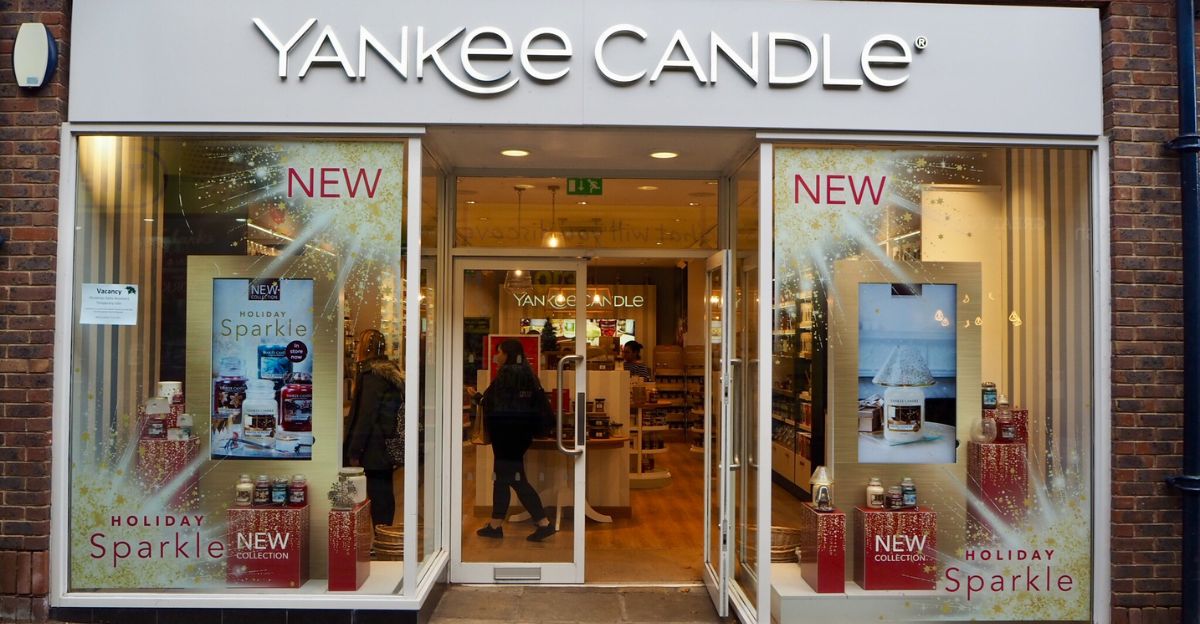
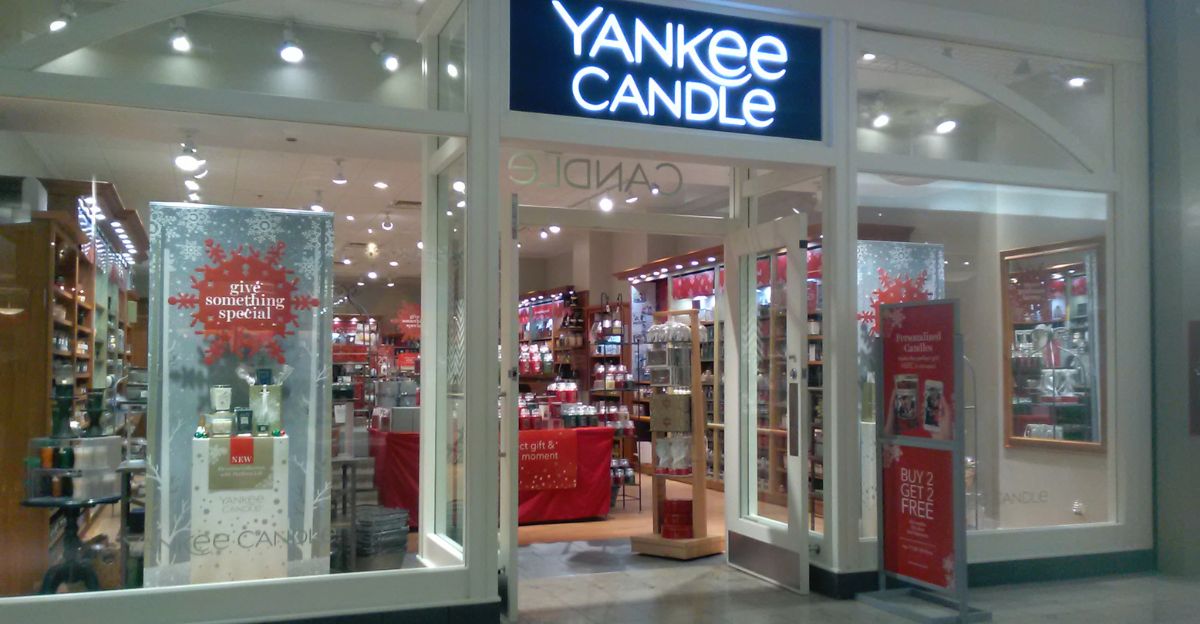
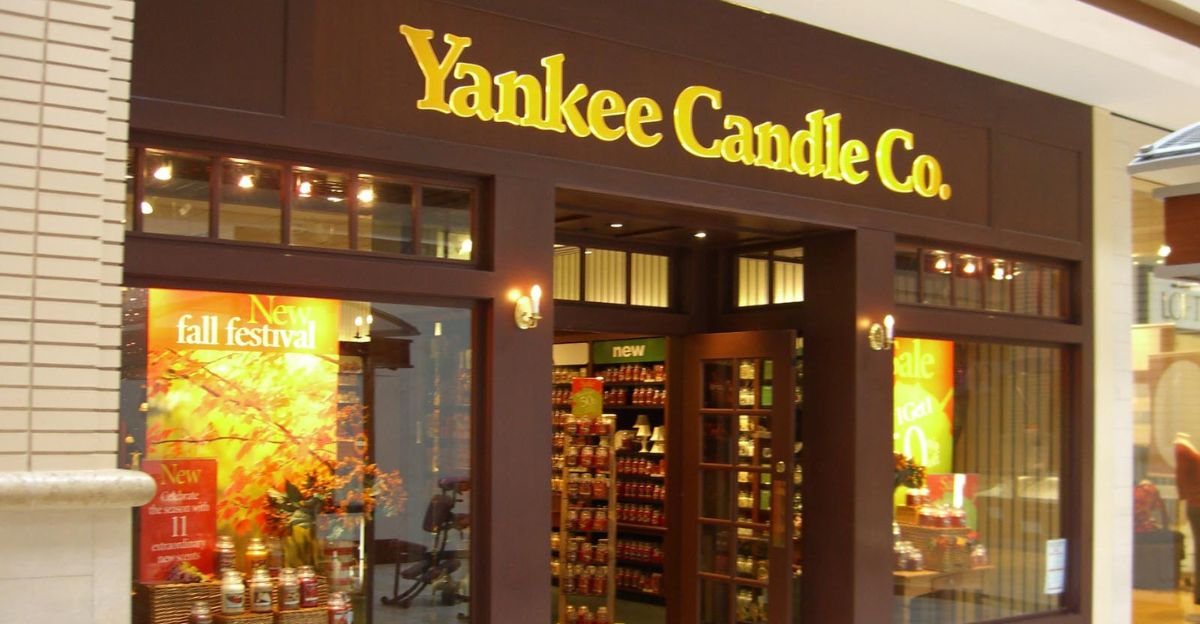
The closure of roughly 20 Yankee Candle stores affects only a small percentage of total sales but will still impact customers’ access to the brand’s seasonal releases. With fewer physical locations, customers accustomed to browsing in-store may explore alternative retailers.
This move reflects the shift in shopping habits, where more consumers prefer online platforms over traditional brick-and-mortar retail. It’s part of a broader trend affecting many physical retail stores.
Corporate Contagion: Retail Sector Braces for Broader Pressures

Newell’s decision comes at a time when the entire retail sector is feeling strain from tariffs, inflation, and moderated consumer demand. Companies are turning to technology—AI and automation—to reduce labor costs and improve efficiency.
This restructuring highlights how traditional brands are forced to evolve in a marketplace increasingly dominated by digital-first companies and direct-to-consumer models.
Substitute Markets: Competitors Gain Ground
With Yankee Candle scaling back its physical presence, competitors such as Amazon, Etsy, and retailers like Target and Walmart continue to offer candle products and broader selections.
Direct-to-consumer brands are taking market share, offering faster delivery and wider variety. Yankee Candle’s brand heritage remains an asset, but with fewer stores, its in-store visibility and impulse-purchase opportunities are at risk as shoppers explore alternative options.
Supply Chain Ripples: Manufacturing Largely Spared, Distribution Adjusted

Although Newell assures minimal disruption to manufacturing and supply chains, the store closures may shift logistics and distribution patterns. Suppliers providing wax, fragrance, and other materials may see adjustments in order volumes.
The restructuring indicates a move to streamline operations and reduce overhead while maintaining manufacturing output. Regional supply chains and logistics networks may experience some adjustments as retail locations close.
The Human Cost: Workers Face Disruption

More than 900 workers, including retail staff and professional/clerical employees, face layoffs. These cuts hit during the holiday season, a time of heightened financial vulnerability for workers.
The company will provide severance, but job loss during the most expensive time of year creates immediate hardship. Local economies and tax revenue from affected regions will also be impacted.
Experiential Retail Under Pressure
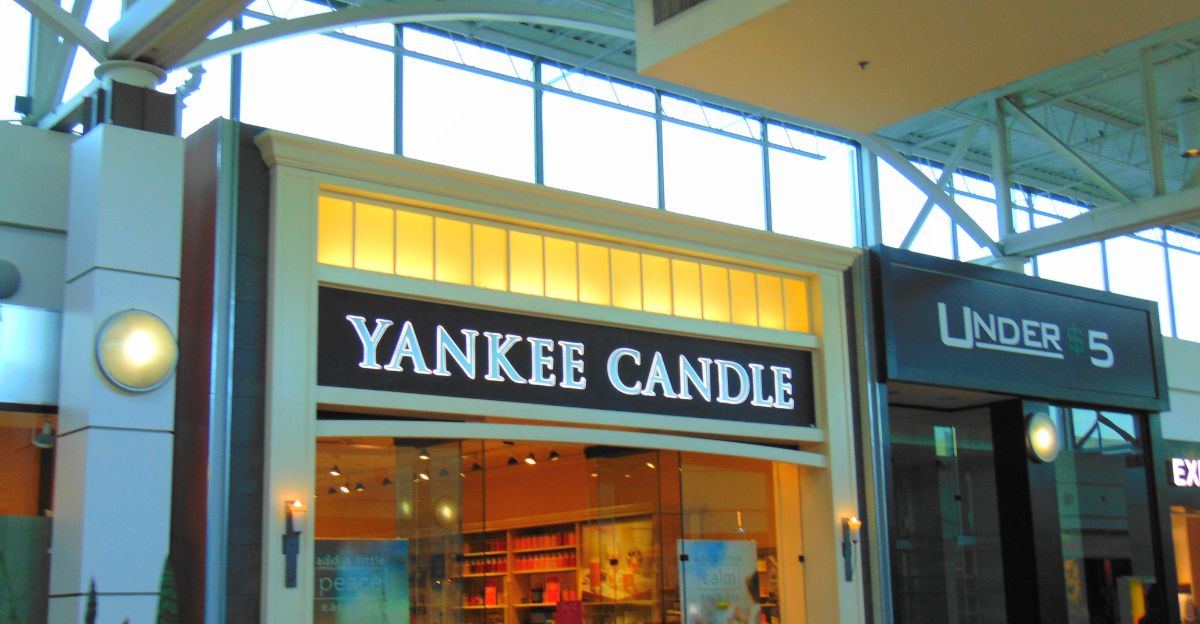
Yankee Candle stores were once holiday shopping destinations, but their closure signals the broader decline of “experiential retail.” The tactile in-store experience—smelling new scents and experiencing seasonal launches—is being replaced by online browsing.
This shift particularly impacts consumers who valued the interactive retail experience, potentially diminishing brand engagement and customer loyalty over time.
Margin Pressure and Pricing Dynamics
Newell’s cost-saving measures reflect industry-wide challenges with rising costs. Inflation, labor expenses, and raw material price increases are squeezing margins across the sector.
The $130 million in planned cost savings may help Newell maintain profitability, but restructuring measures could influence pricing strategy. As the candle market is price-sensitive, pricing changes could redirect shoppers toward more affordable competitors, affecting long-term sales.
Digital Transformation Imperative

The closures align with Newell’s broader digital transformation strategy. As the company emphasizes automation and artificial intelligence to improve operational efficiency, the reduction in physical retail footprint supports a digital-first business model.
The focus is shifting toward online sales channels and operational efficiency improvements through technology deployment.
Market Winners and Losers

The beneficiaries include technology and logistics providers supporting digital commerce, as well as online retailers.
However, the losers are workers displaced by layoffs, local communities losing jobs and tax revenue, and potentially Yankee Candle’s brand strength, which may diminish without its physical retail presence and direct consumer engagement.
Regulatory and Policy Scrutiny
Labor advocates are likely to scrutinize Newell’s holiday-season layoffs and the fairness of job cuts during the highest-spending time of year.
The optics of cutting jobs during the holidays while maintaining executive compensation structures could invite regulatory attention and reputational challenges, particularly as union organizers target retail workers for recruitment.
Newell’s Turnaround Strategy Continues
This restructuring is part of Newell’s ongoing turnaround strategy, which has faced years of underperformance. The company’s success depends on whether cost savings can boost competitiveness without eroding product quality or innovation.
Yankee Candle, with its established brand heritage, must adapt to a digital-first retail environment. Whether the company succeeds in this strategic pivot will determine the effectiveness of Newell’s broader turnaround plan.
Consumer Guidance: Navigate the Transition

Shoppers should monitor Yankee Candle’s online channels for product availability as the company reduces its brick-and-mortar presence. Loyalty program members should track any redemption deadlines as stores close in January 2026.
For displaced Newell employees, understanding severance packages and unemployment options is important during this transition. The shift to digital engagement presents an adjustment period for both the company and its customer base.
Forward Reflection: The Future of Legacy Retail

Newell’s restructuring illustrates the broader challenges legacy consumer goods brands face in a digital-first retail landscape. While automation and AI offer operational benefits, they cannot fully replace brand loyalty or innovative product development.
The future of Yankee Candle depends on how effectively it competes with more agile, digitally-native brands. The success of this restructuring will determine whether Newell can reposition the brand for long-term viability or face continued competitive pressures.
Source:
Newell Brands official press release and SEC filing (December 1, 2025)
CBS News, Reuters, USA Today reporting on December 1, 2025
Newell Brands Q3 2025 Earnings Report (October 31, 2025)
Nasdaq/Financial media analysis and Business Wire reports (December 1-2, 2025)