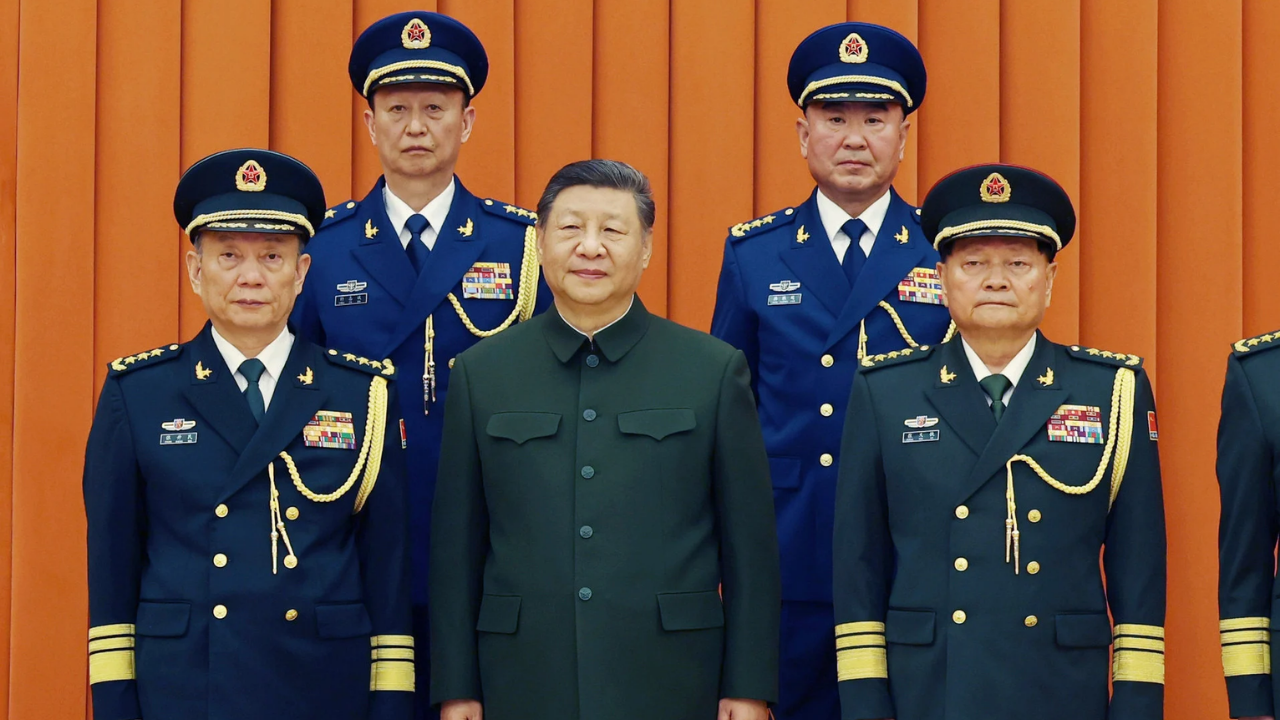
Xi Jinping has just reshaped China’s military command at its most sensitive pressure point. In late 2025, 2 of the generals responsible for Taiwan operations and Beijing’s defense were removed, one publicly disgraced, the other silently vanished. Their replacements were installed personally by Xi as a sweeping purge accelerated. Nearly 30% of his own top promotions are now tainted. Let’s look into this deeper.
China’s Military Leadership Under Siege
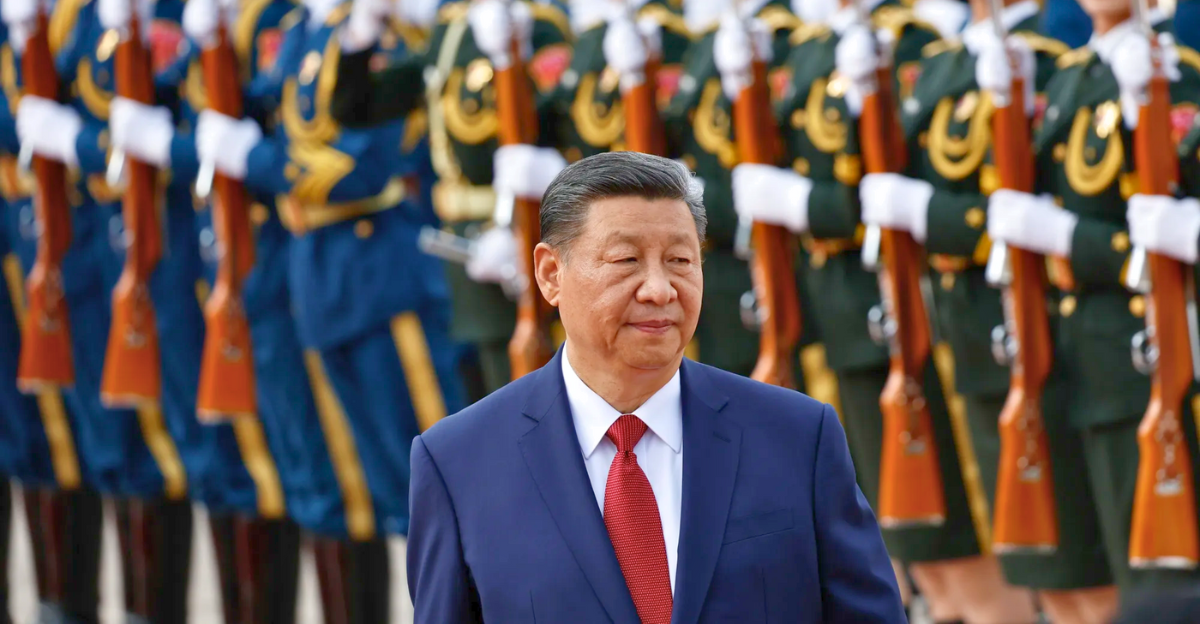
China’s senior military ranks entered unprecedented turmoil in late 2025. On December 22, at 2 p.m. Beijing time, Xi Jinping promoted 2 generals to the highest rank in his first ceremony of the year. Their rise followed months of purges inside the People’s Liberation Army. The formal expulsion of 9 officers on October 17 signaled crisis, but one absence carried far greater weight.
The Fall Of Xi’s Military Number Two
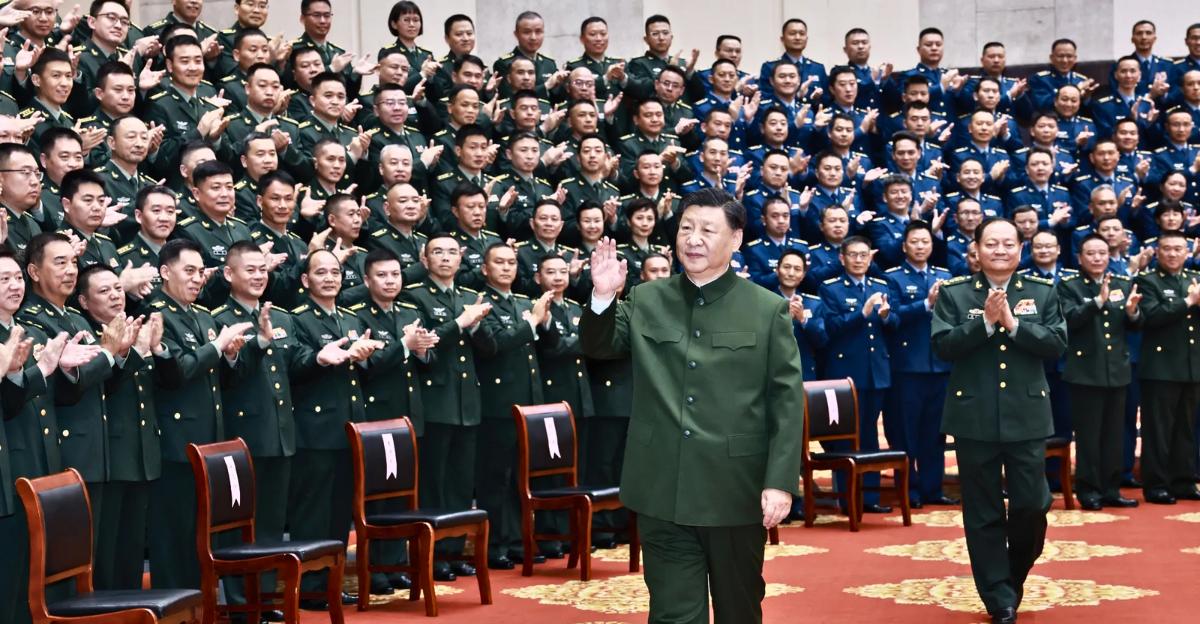
General He Weidong served as Central Military Commission vice chairman, effectively Xi’s military number 2. After disappearing from public view in March 2025, He was formally expelled on October 17. His removal marked the first ouster of a sitting CMC vice chairman since 1967. He had risen through Xi’s own patronage system, raising a troubling question about trust at the top.
Xi’s Fujian Network Gets Torn Apart
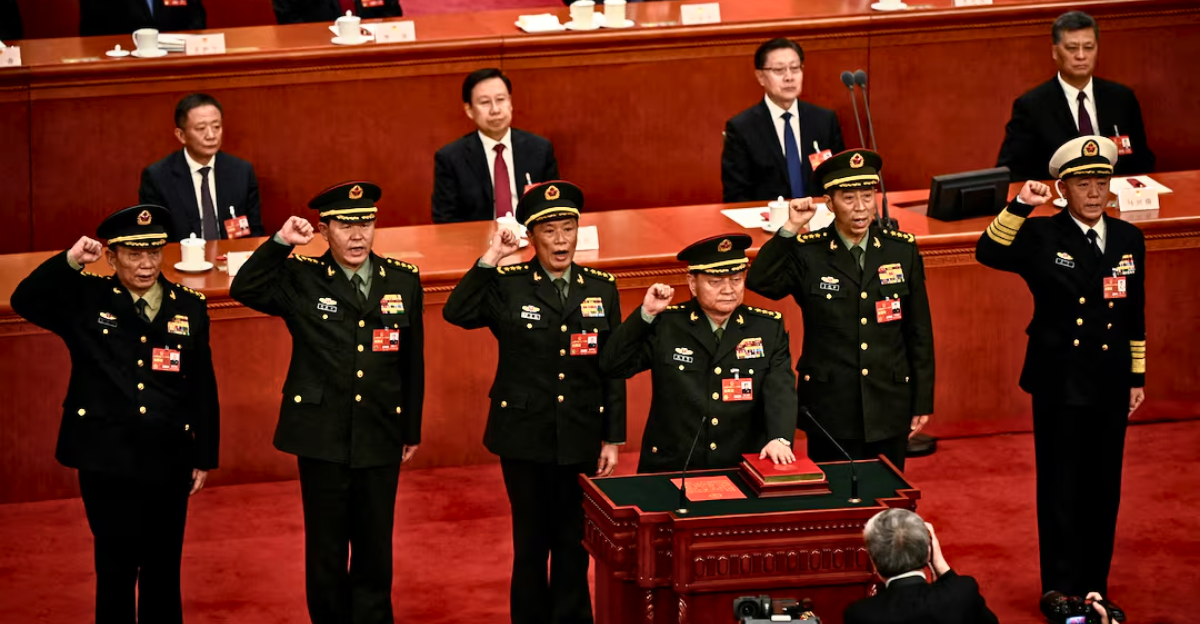
Several purged officers shared roots in the 31st Group Army in Fujian Province, where Xi spent 17 years before 2002. He Weidong, Miao Hua, and Lin Xiangyang all built careers there. All 3 were expelled on October 17 for “serious duty-related crimes involving extremely large amounts.” Their synchronized downfall effectively dismantled the so-called Fujian Clique within PLA leadership.
Nine Senior Officers Removed At Once
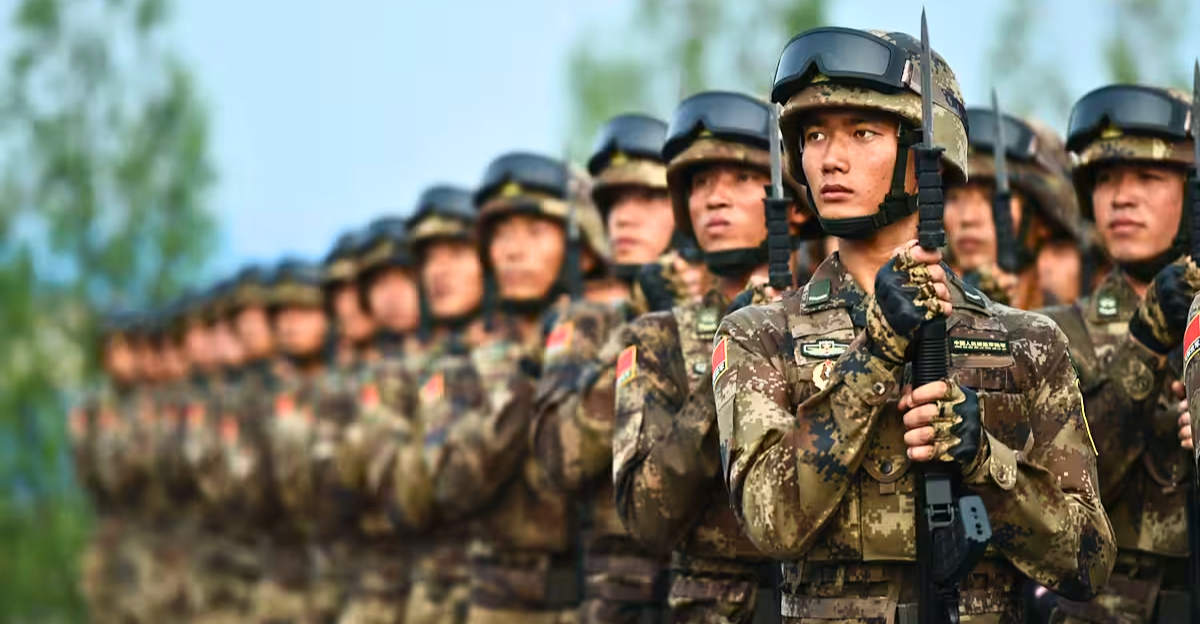
On October 17, 2025, China’s Ministry of National Defense announced the expulsion of 9 senior officers in a single statement. The timing came just 3 days before the Fourth Plenum on October 20. The list included He Weidong, Miao Hua, Lin Xiangyang, and others. Officials cited violations “of extremely serious nature and with extremely detrimental consequences,” language signaling coordinated action.
Promotions For Sale Inside The PLA
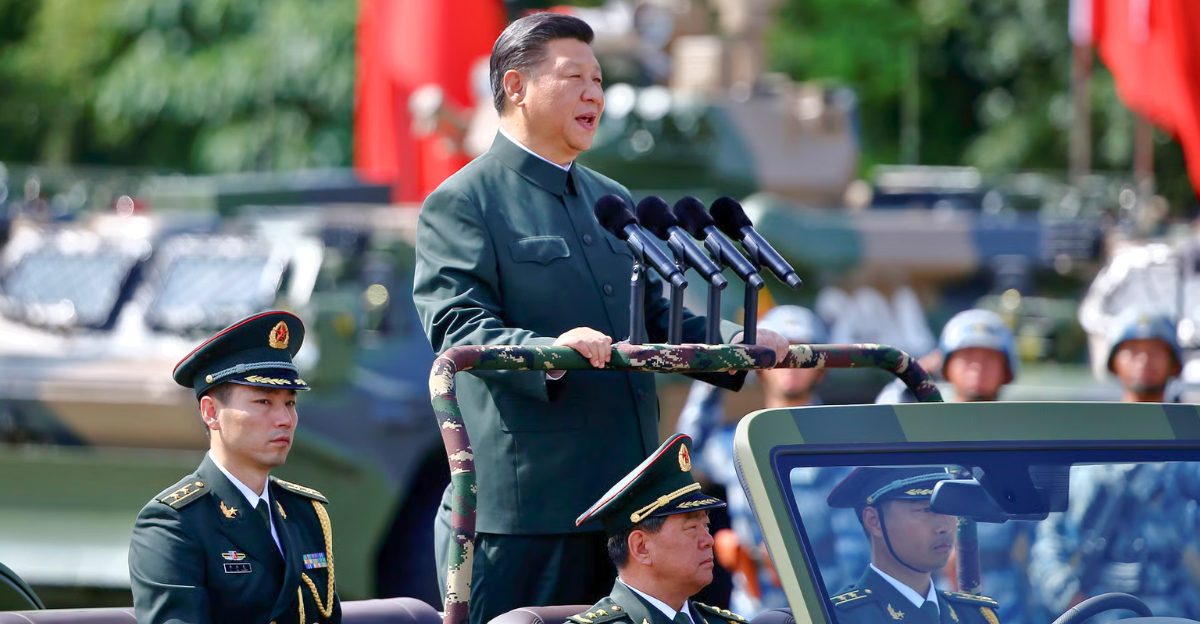
Authorities accused the expelled generals of corrupting the PLA promotion system. Beijing alleges He Weidong, Miao Hua, and He Hongjun traded promotions for bribes and advanced loyalists through improper networks. The October 17 statement said: “They seriously violated party discipline and were suspected of serious duty-related crimes involving huge amounts.” Corruption was central, but ideology soon dominated the narrative.
Loyalty Charges Eclipse Corruption Claims
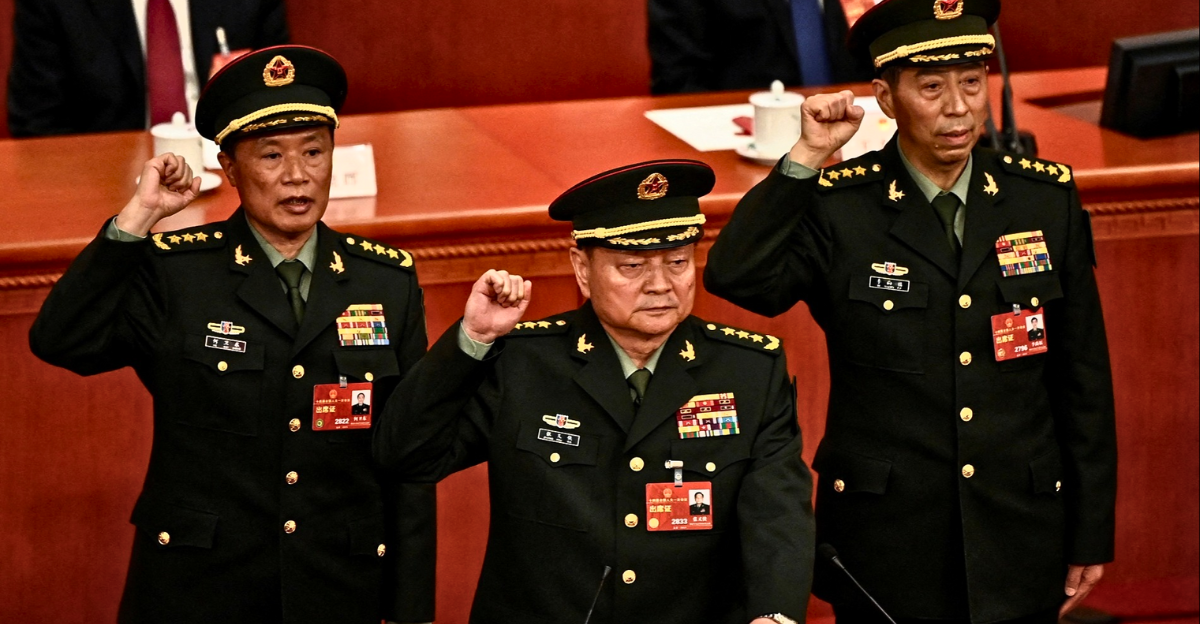
State media framed the purge as a loyalty crisis. PLA Daily accused the generals of “undermining CCP leadership of the PLA” and Xi’s Chairman Responsibility System. An October 18 editorial said some had “lost their chastity as Communists” and suffered “total collapse of their beliefs.” The wording showed allegiance to Xi personally had eclipsed institutional norms, prompting concerns about military cohesion.
Nearly 30% Of Xi’s Promotees Hit
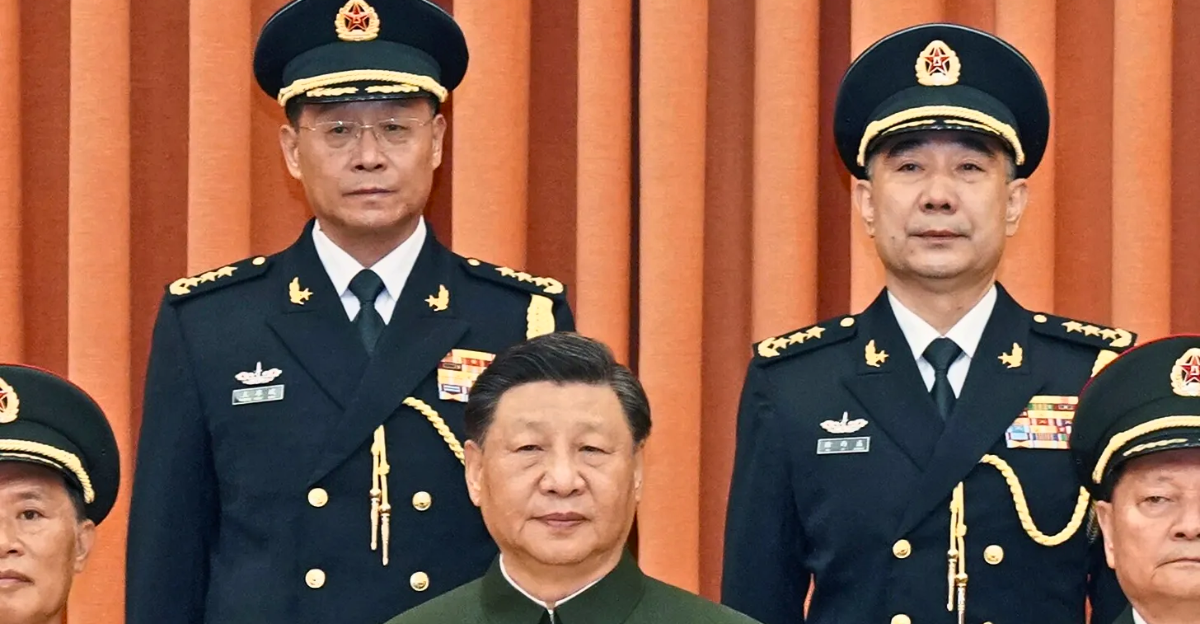
Since 2012, Xi Jinping personally promoted 79 generals to the top rank. By late 2025, at least 23 of them, nearly 30%, had been investigated, removed, or disappeared. Purges hit the Rocket Force, Navy, Ground Forces, and Strategic Support Force. One Western analyst noted in October 2025: “Every time you think it can’t get bigger, it does.”
The Command That Would Fight Over Taiwan
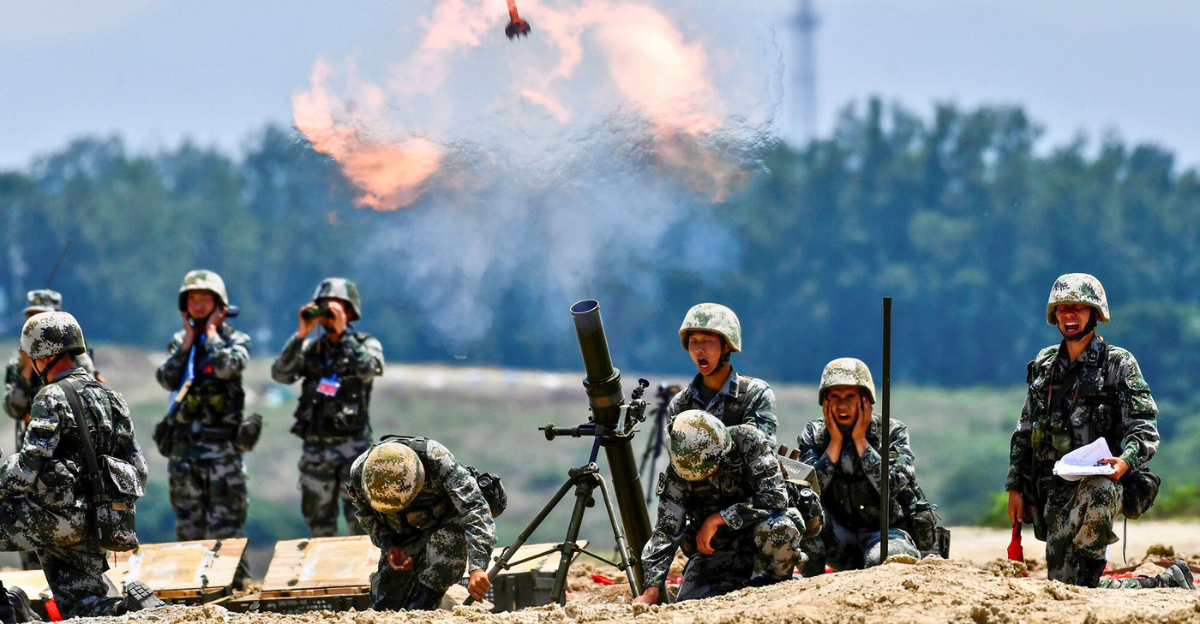
General Lin Xiangyang led the Eastern Theater Command until his expulsion on October 17, 2025. Based in Nanjing, the command oversees Taiwan Strait operations and potential action against Taiwan’s 23.4 million people. Its jurisdiction includes 5 provinces and Shanghai, China’s economic core. After Lin’s removal, the command lacked a confirmed leader for over 2 months.
An Air Force General Takes The Eastern Theater
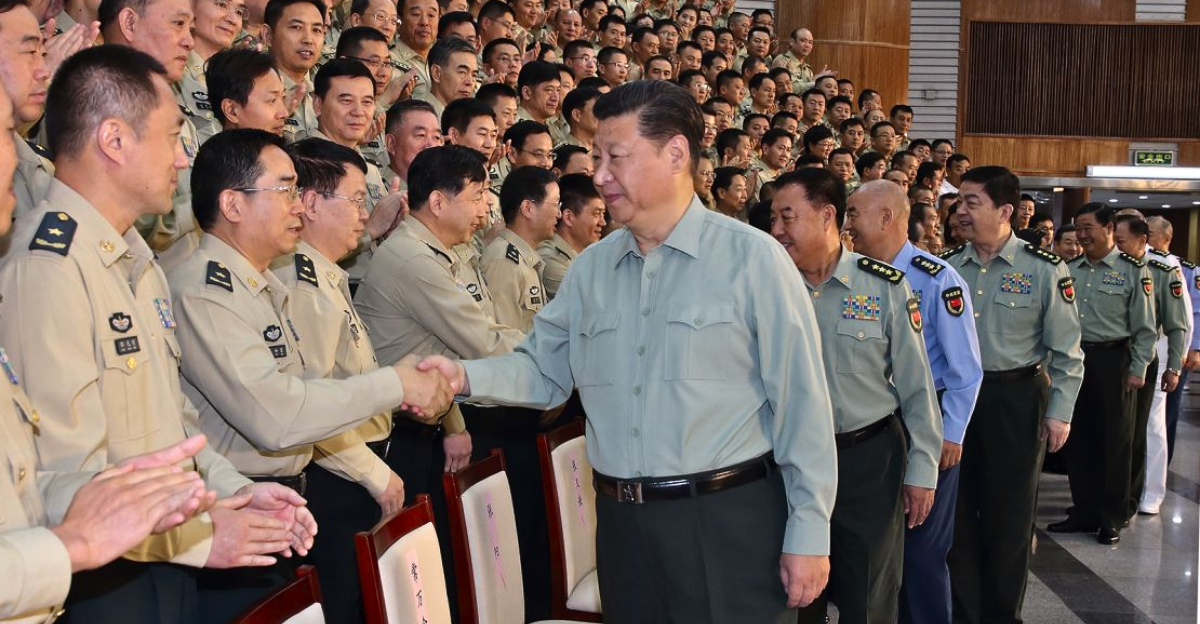
On December 22, 2025, Xi personally promoted General Yang Zhibin to full general and confirmed him as Eastern Theater commander. Born April 1963, Yang spent his career in the PLA Air Force and previously served as deputy commander. He led air force units in Wuhan and Fuzhou. His elevation hinted at greater emphasis on air superiority.
Why Xi Made The Promotion So Personal
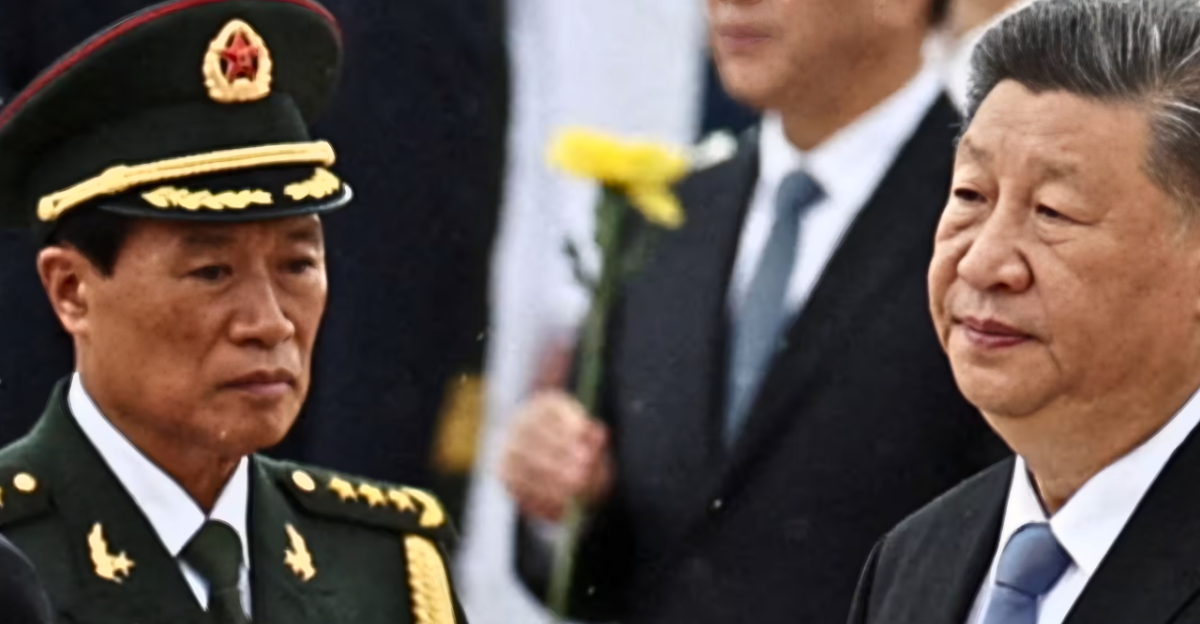
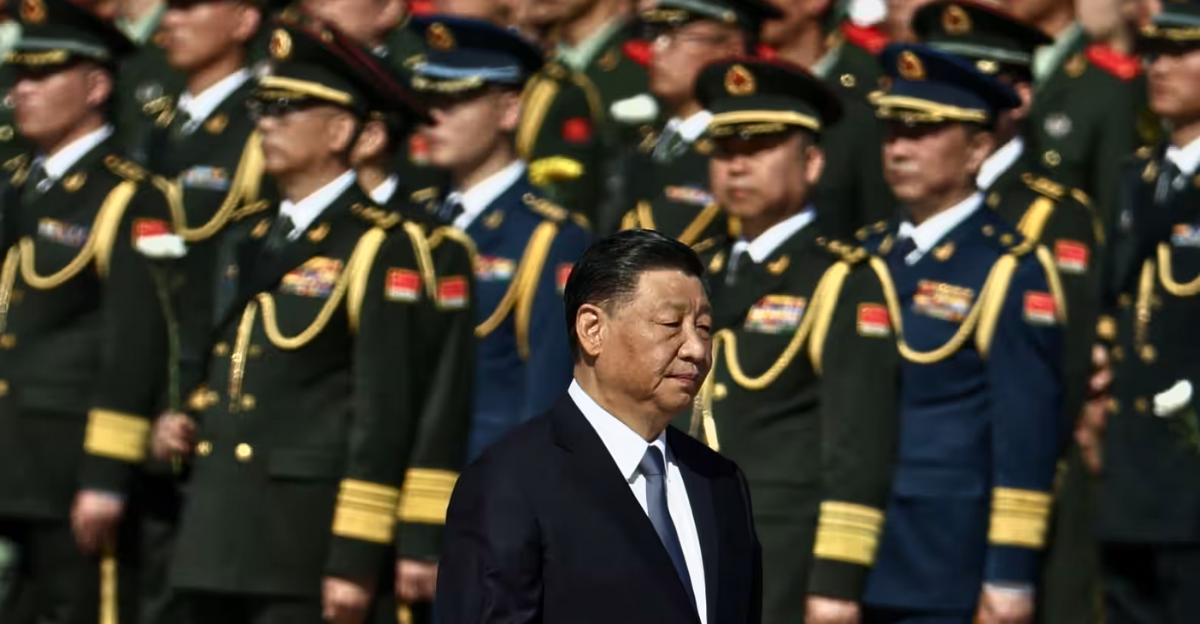
The December 22 ceremony was Xi’s first general promotion event of 2025, making it unusually rare. According to Xinhua, Xi “extended his congratulations to the two generals and posed for photos with them.” The imagery tied Yang Zhibin and Han Shengyan directly to Xi’s authority. In a climate of suspicion, the optics served as a public trust signal.
“Justice Mission 2025” Arrives Immediately
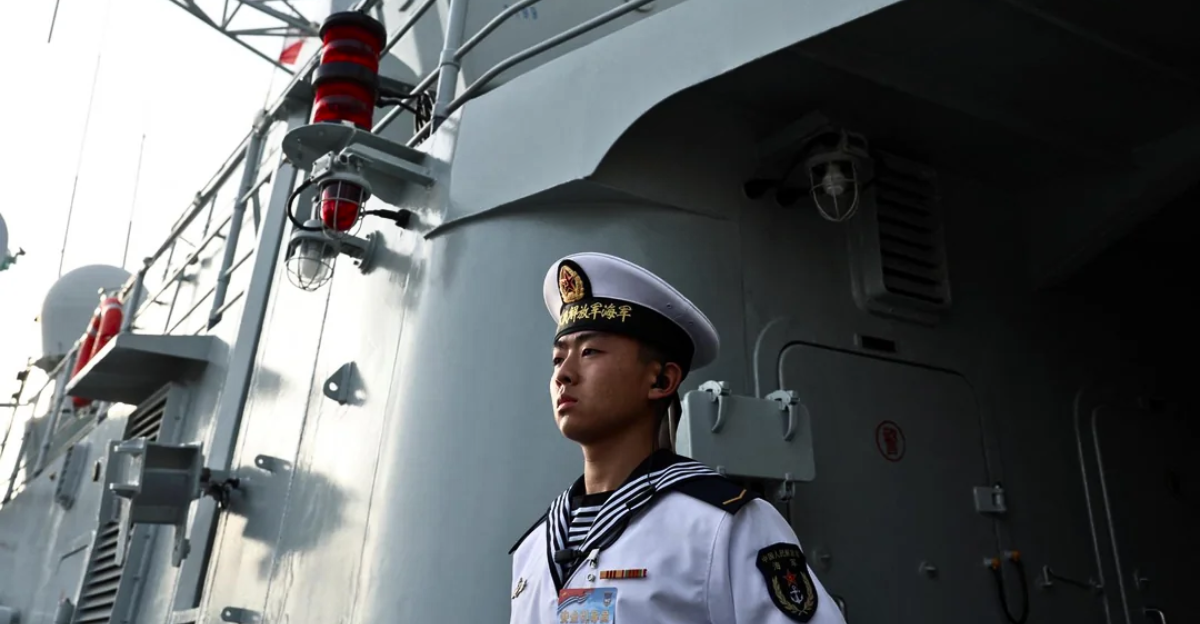
Just 7 days after Yang’s promotion, the Eastern Theater launched “Justice Mission 2025” on December 29 and 30. The drills encircled Taiwan and included maritime assault, air control, submarine operations, and live firing. Spokesperson Shi Yi called them “stern warnings against Taiwan independence separatist forces and external interference forces.” The timing projected continuity despite upheaval.
Beijing’s Protector Gets New Leadership
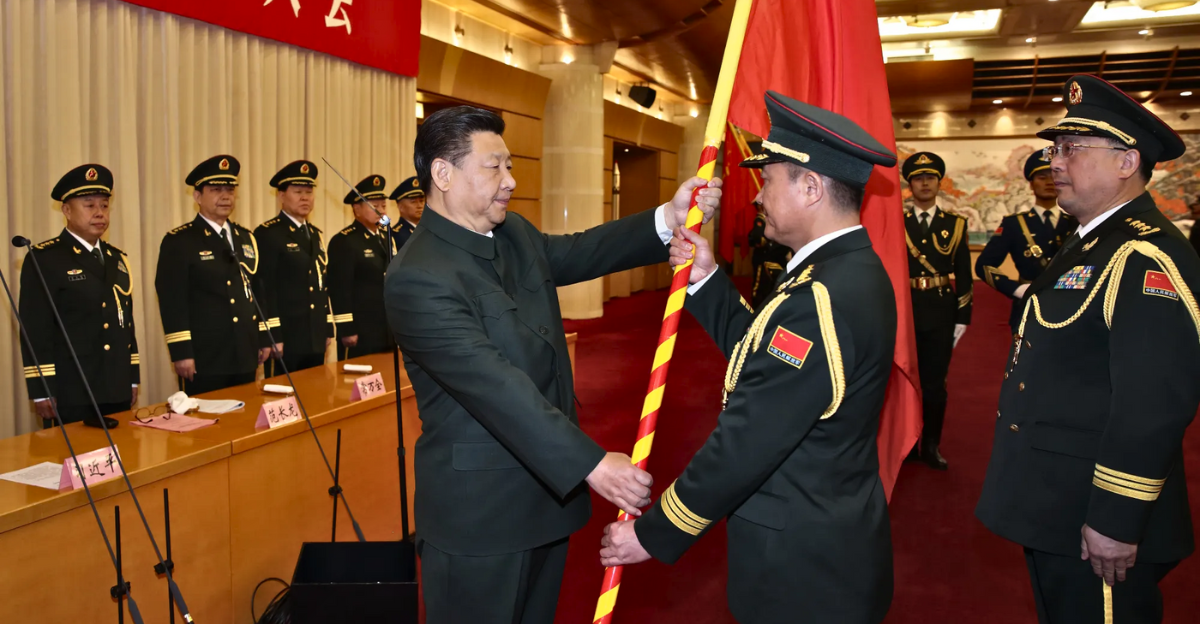
The Central Theater Command defends Beijing and roughly 340 million people across 7 regions. Its commander, General Wang Qiang, vanished after missing a September 3, 2025, parade. No investigation or charges were announced. On December 22, General Han Shengyan assumed command after promotion. Like Yang, Han is an air force career officer.
The Growing List Of Silent Disappearances
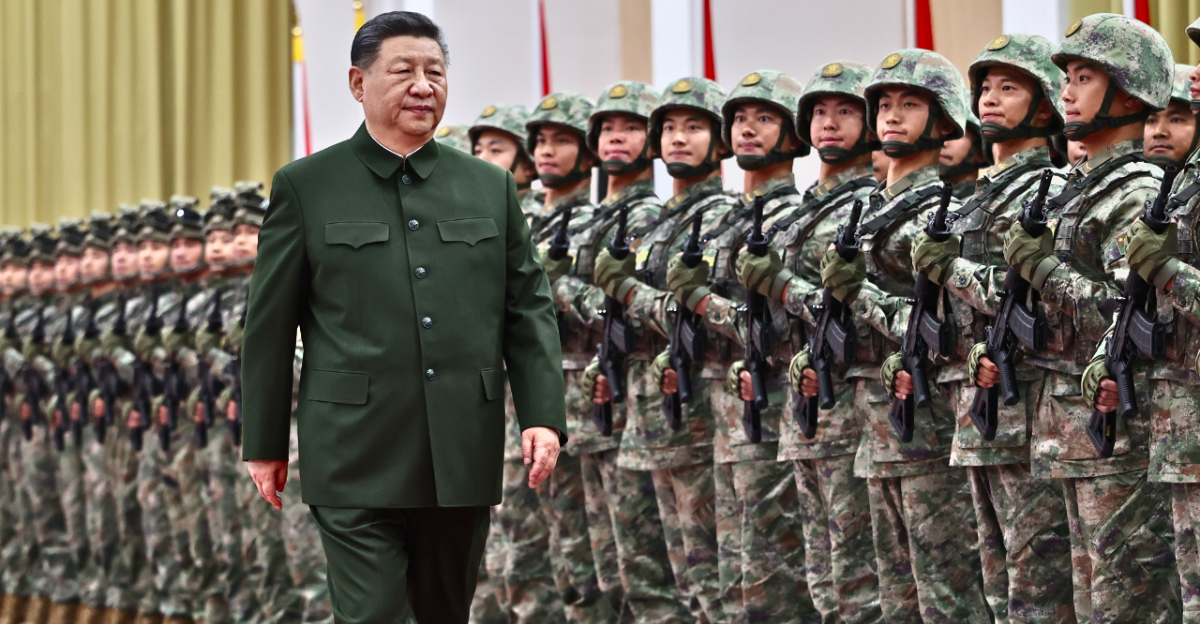
Beyond the 9 expulsions, at least 14 generals disappeared from public view between July and October 2025. Southern Theater Commander Wu Yanan and Western Theater Commander Wang Haijiang were among them. At a July 31 PLA anniversary reception, 9 active-duty full generals were absent. During the Fourth Plenum, about 1 in 6 Central Committee members failed to appear.
Rocket Force Purges Raise Nuclear Doubts
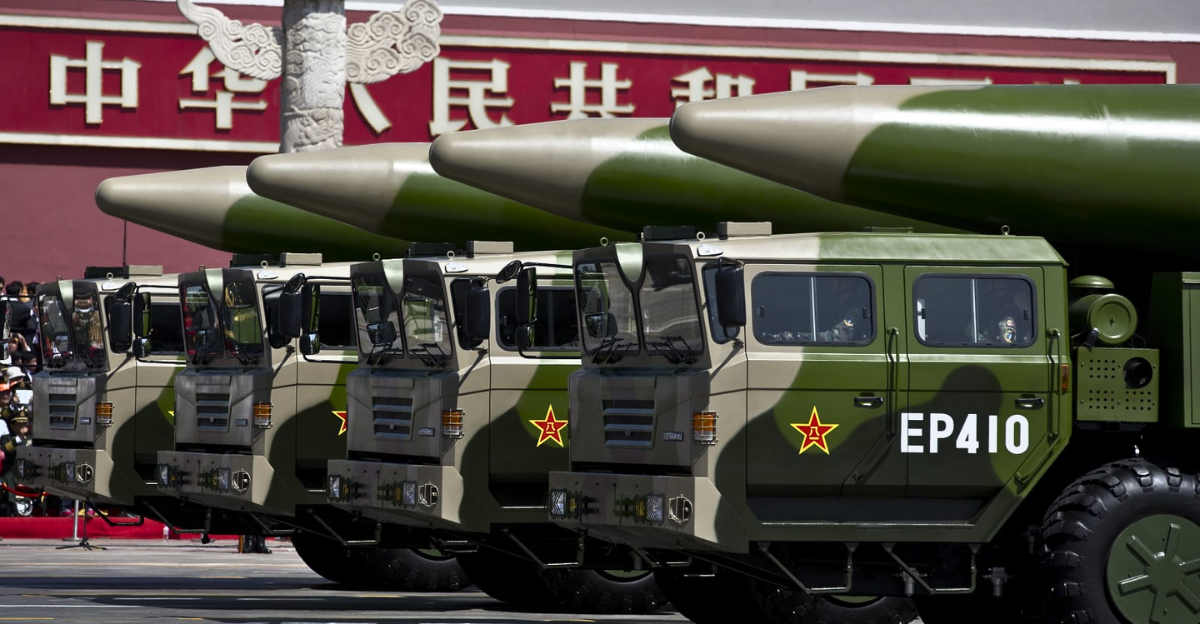
China’s Rocket Force has faced repeated purges since 2023. Former commander Li Yuchao was removed in July 2023. His successor, Wang Houbin, appointed September 2023, was expelled October 17, 2025. Pentagon analysts cite corruption affecting procurement and weapons reliability. Leadership churn in the force controlling nuclear missiles complicates deterrence credibility.
The CMC Shrinks To A Tight Inner Core
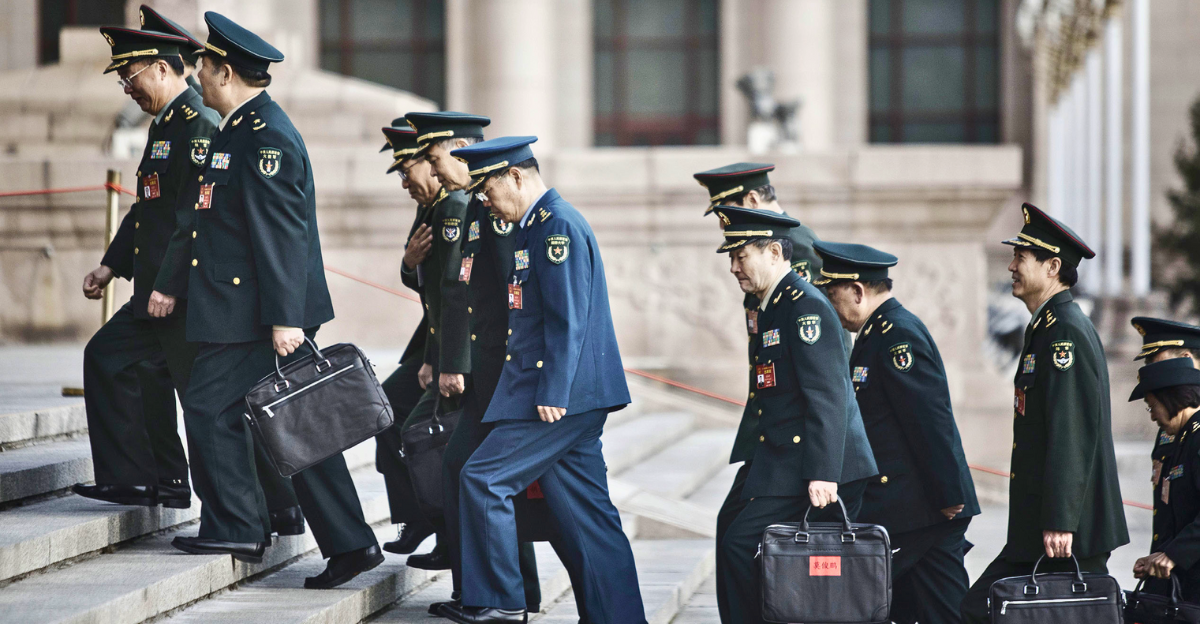
The Central Military Commission normally has 7 members. After October 17, only 4 remained: Xi Jinping, Zhang Youxia, Zhang Shengmin, and Liu Zhenli. It was the smallest CMC since the Mao era. Western analysts warn dissent is unlikely when “Xi’s opinions are unlikely to be questioned,” raising risks of strategic miscalculation inside a narrowed command circle.
The 2027 Goal Hanging Over Every Move
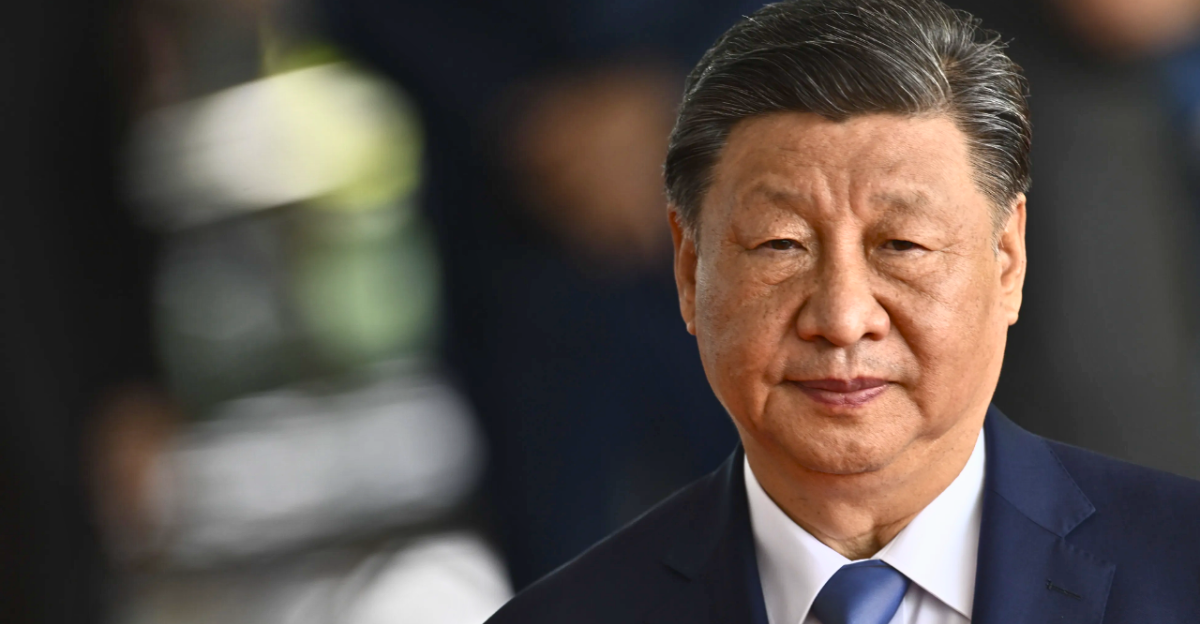
Xi has ordered the PLA to achieve readiness for “strategic decisive victory” by 2027, the PLA’s 100th anniversary. The deadline aligns with China’s next Party Congress. U.S. intelligence says Xi wants Taiwan options ready by then. The Pentagon’s December 2025 report warned corruption “has disrupted planning,” threatening continuity under intense political pressure.
When Officers Fear Factions, Innovation Slows
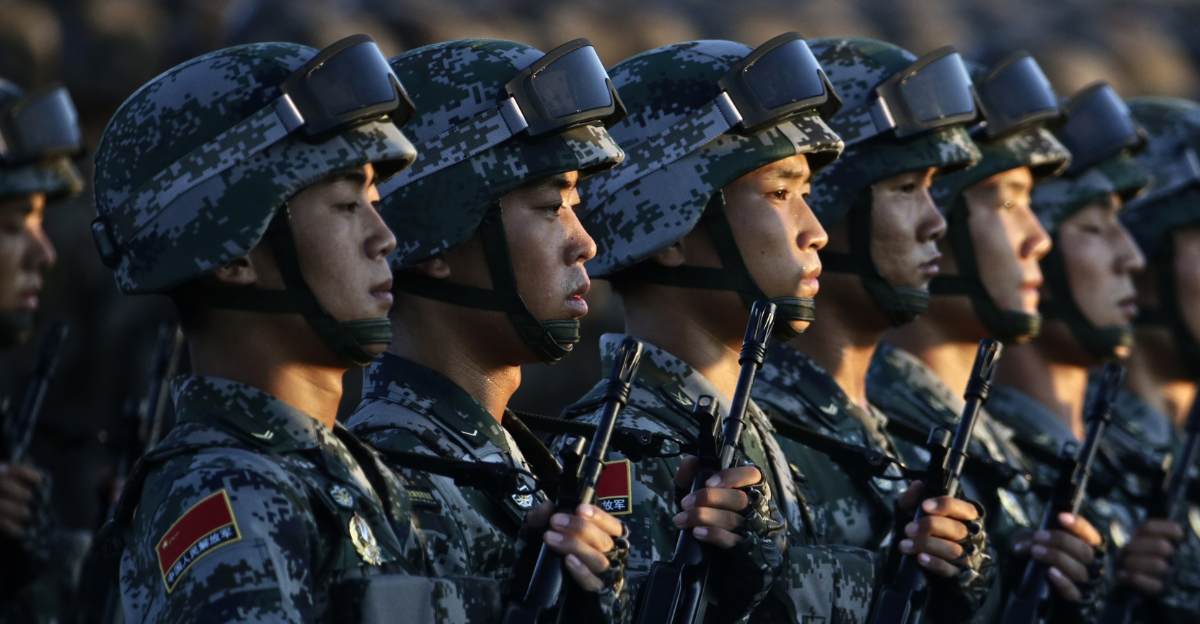
Analysts warn the purge climate discourages independent thinking. If peer coordination risks being labeled “forming factions,” officers become risk-averse. Decision-making shifts toward guessing Xi’s preferences rather than operational reality. A November 2025 assessment concluded: “Operating under increasing pressure will reduce incentives to innovate, challenge beliefs, and stand out.” That caution ripples through the force.
Defense Contractors Get Hit By Graft Probes
Military purges spilled into China’s defense industry during 2024 and 2025. NORINCO revenue fell 31% after corruption-linked leadership removals. China Aerospace Science and Technology Corporation revenue dropped 16%. AVIC slipped 1.3% amid delivery delays. SIPRI reported in November 2025 that Chinese defense firms suffered the steepest decline among major arms producers.
How Taiwan, Japan, And The U.S. Read It
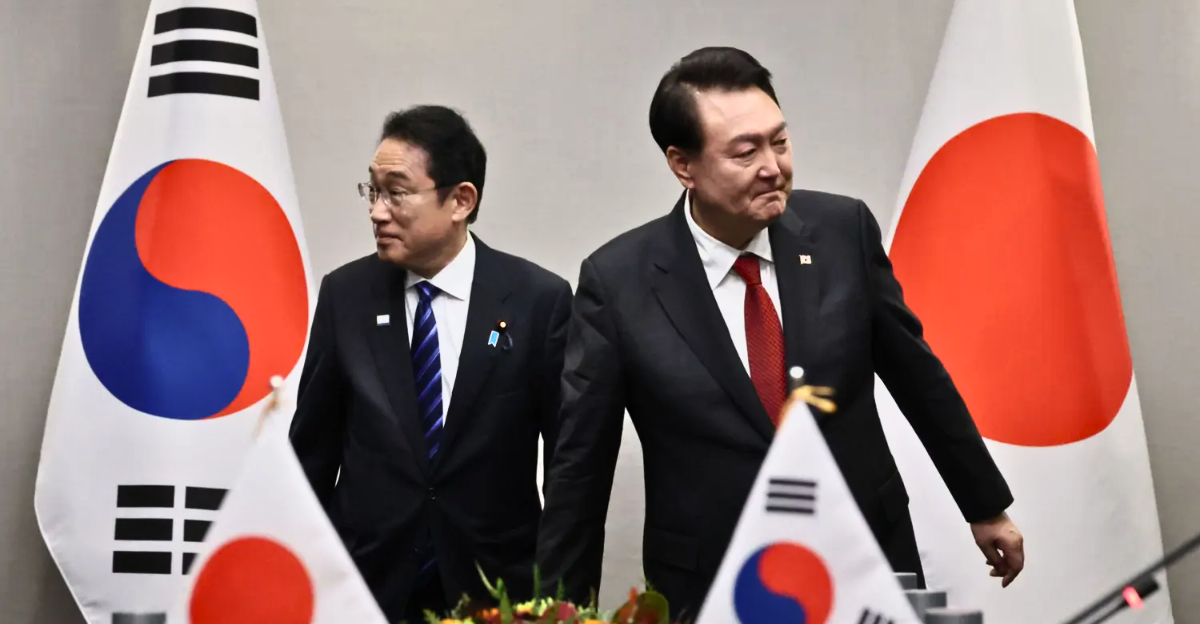
Taiwan views Eastern Theater leadership changes as disrupting near-term planning, though December drills showed continuity. Japan watches for instability during command transitions. U.S. intelligence suggests purges may restrain immediate risk-taking due to execution concerns. Yet analysts warn once Xi consolidates loyal commanders by 2027, fewer dissenting voices could enable bolder actions.
Xi Commands The Gun, Whatever The Cost
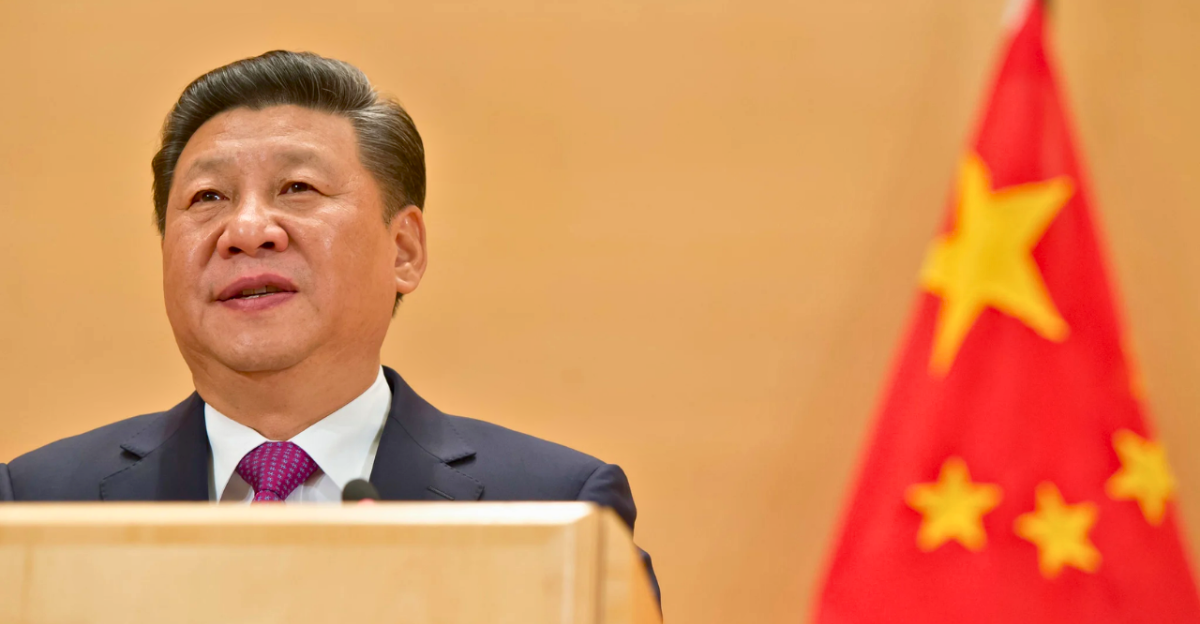
Xi Jinping’s overriding goal is absolute control of China’s military. By expelling generals he personally promoted, including He Weidong on October 17, 2025, he showed loyalty outweighs rank. The December 22 appointments reinforced that authority flows directly from Xi. The cost may be fear, disrupted planning, and weakened professionalism. Whether this command can execute complex war operations remains the unanswered test.
Sources:
CPC Expels Nine Senior PLA Officials. Ministry of National Defense of the People’s Republic of China, October 17, 2025
Xi Presents Orders to Promote Two Military Officers to Rank of General. Xinhua News Agency, December 22, 2025
Annual Report to Congress: Military and Security Developments Involving the People’s Republic of China. U.S. Department of Defense, December 23, 2025
Justice Mission 2025 Joint Military Drills Announcement. PLA Eastern Theater Command, December 29, 2025
Assessing China’s Fourth Plenum: Policy Continuity, Personnel Turmoil. Brookings Institution, October 2025