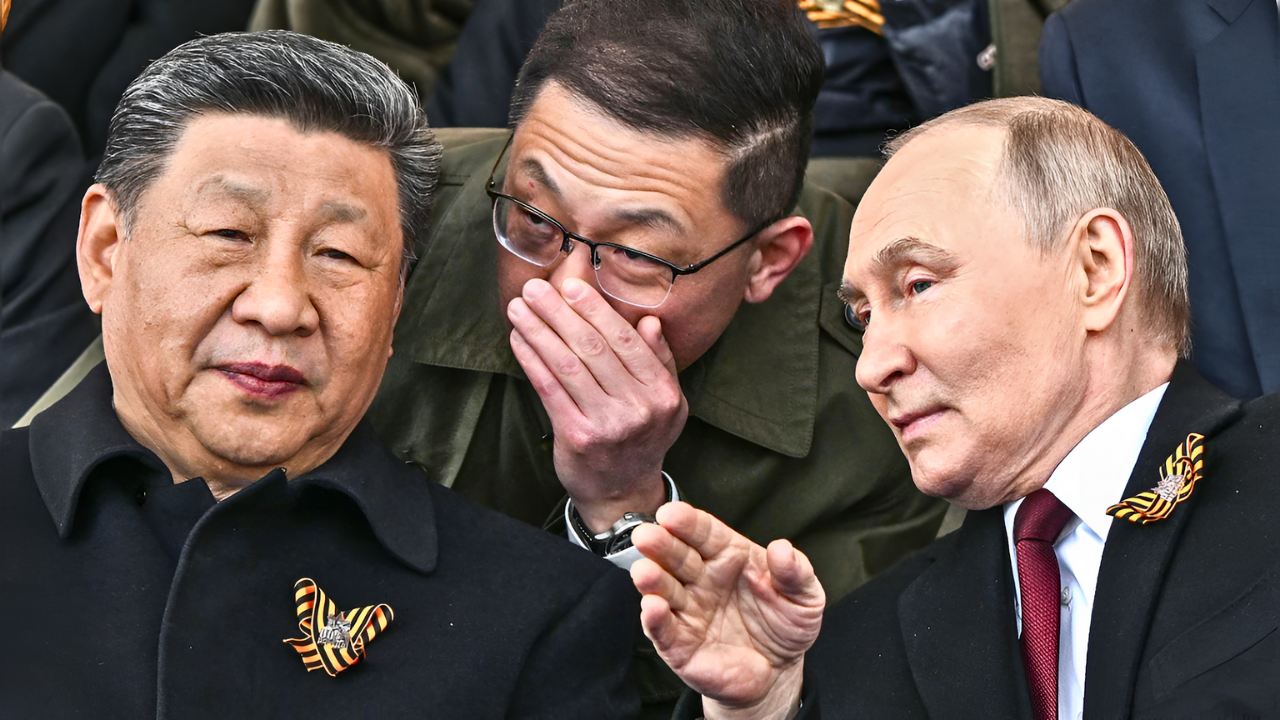
A bombshell cache of 800 classified pages has revealed what Western intelligence officials have long suspected: Russia is actively arming and training China’s military specifically to prepare for a potential military operation against Taiwan.
The Black Moon hacktivist group obtained the contracts and correspondence, which the Royal United Services Institute analyzed and verified as genuine in late September 2025, exposing one of the most significant military-industrial partnerships in the post-Cold War era.
The 2027 Timeline in Focus
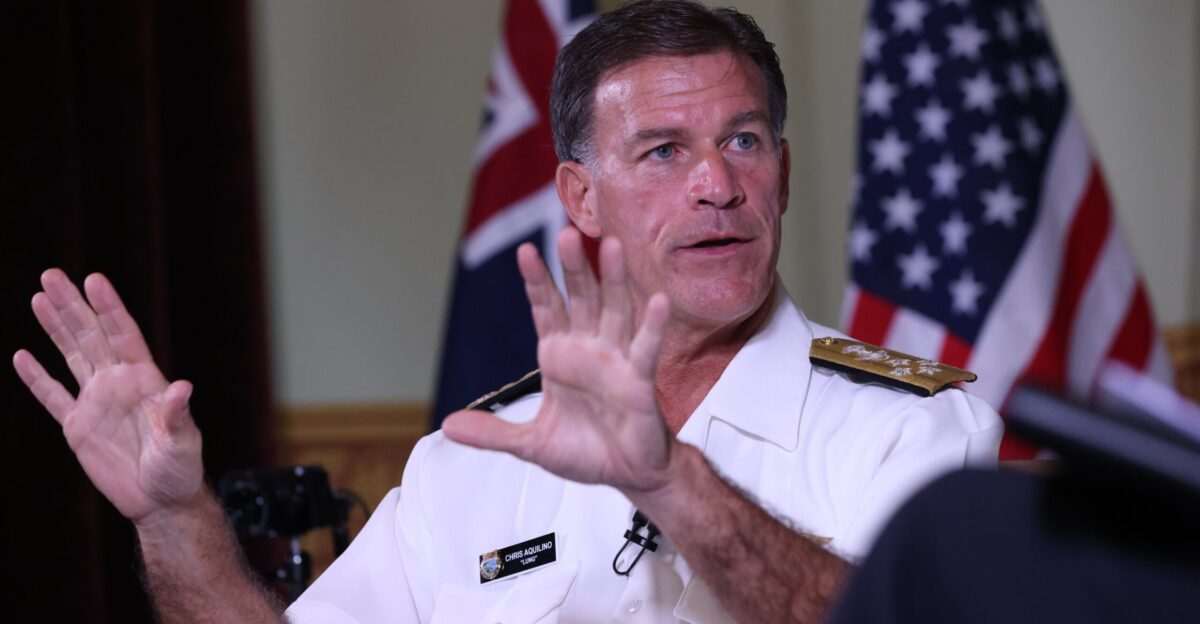
U.S. military officials have assessed that China is on track to have military capabilities ready by 2027. Admiral John Aquilino, head of U.S. Indo-Pacific Command, stated that “all indications point to the PLA meeting President Xi Jinping’s directive to be ready to invade Taiwan by 2027.” However, U.S. intelligence officials note this represents military readiness and does not mean Xi has decided to conduct an invasion in 2027 or any other year.
The leaked documents align with China’s military modernization timeline, suggesting Russia and China are coordinating equipment and training for advanced airborne capabilities.
A Deal Worth Over $200 Million
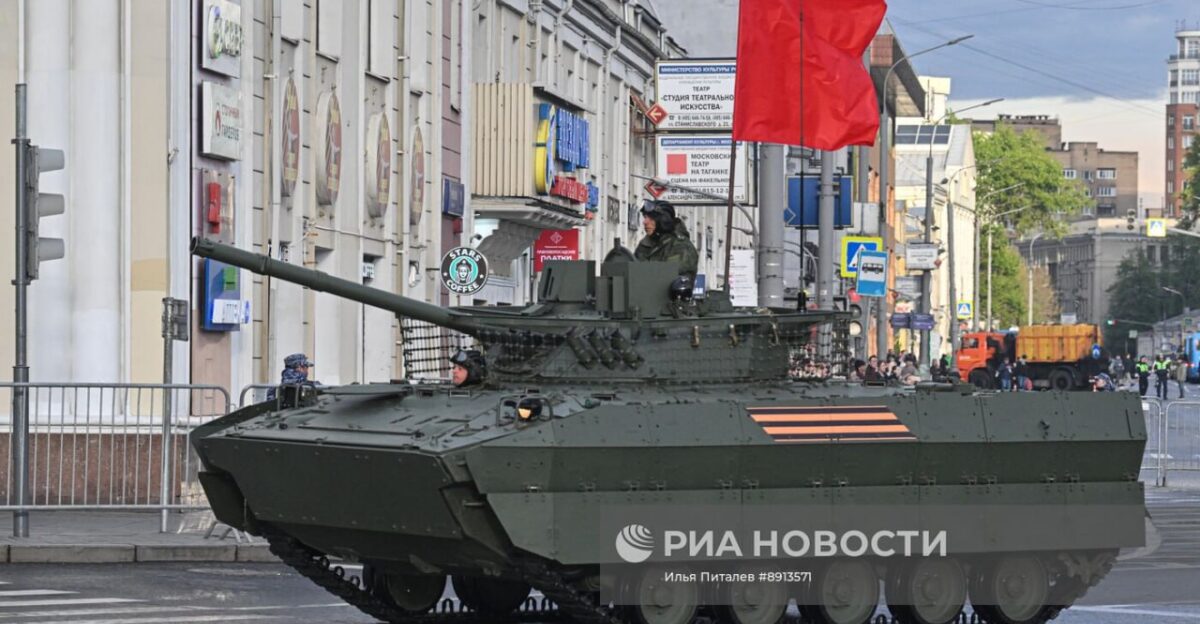
Russia formally agreed in 2023 to supply China with a complete airborne battalion package valued at over $210 million in base contracts. The deal encompasses 37 BMD-4M amphibious assault vehicles, 11 Sprut-SDM1 anti-tank guns, 11 BTR-MDM armored personnel carriers, command vehicles, drone systems, and specialized parachute equipment.
When including technology transfer agreements and long-term localization rights, the total value reaches significantly higher figures according to defense analysts.
Tanks That Fall From the Sky
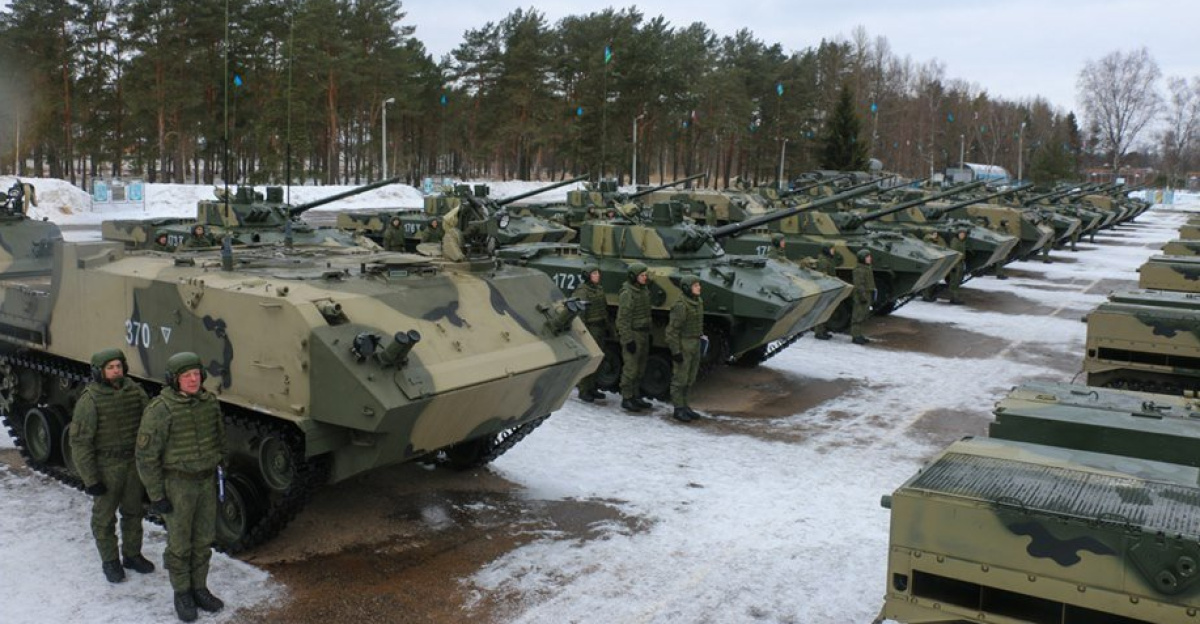
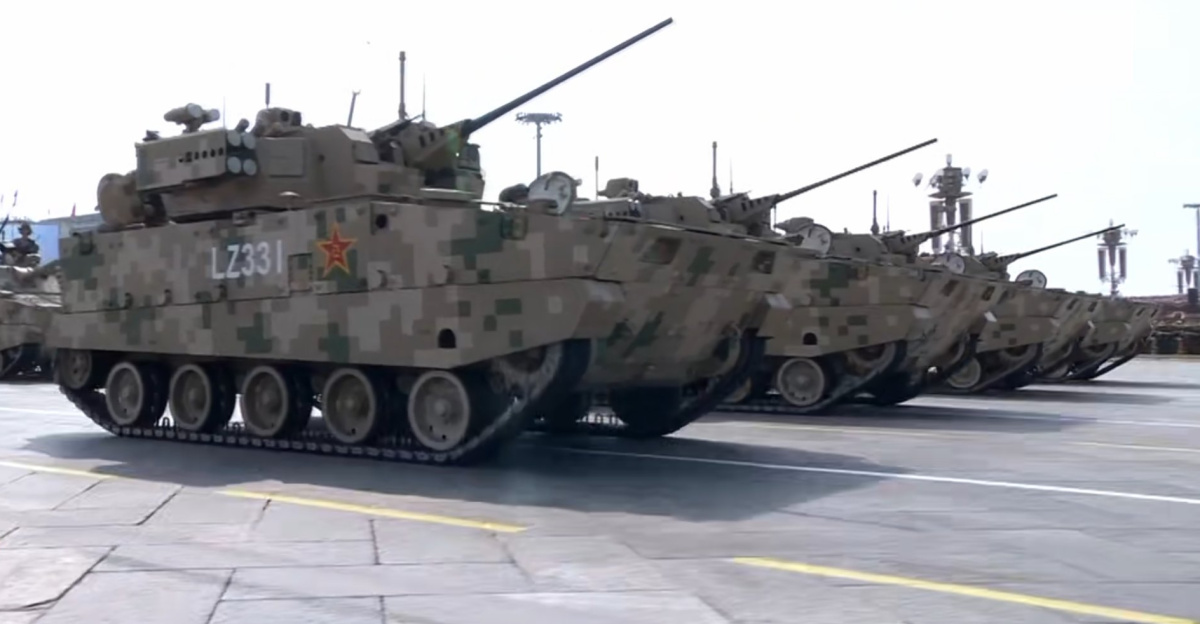
The 37 BMD-4M vehicles are not ordinary tanks—they’re designed to be airdropped directly onto target zones using specialized parachute systems. Each carries a 100mm gun and 30mm cannon, giving Chinese airborne forces unprecedented heavy firepower. The Sprut-SDM1 anti-tank guns add a 125mm cannon to the arsenal.
These vehicles represent a significant technological leap for China’s airborne capabilities, which previously lacked armored support for paratroopers.
Golf Courses as Invasion Drop Zones
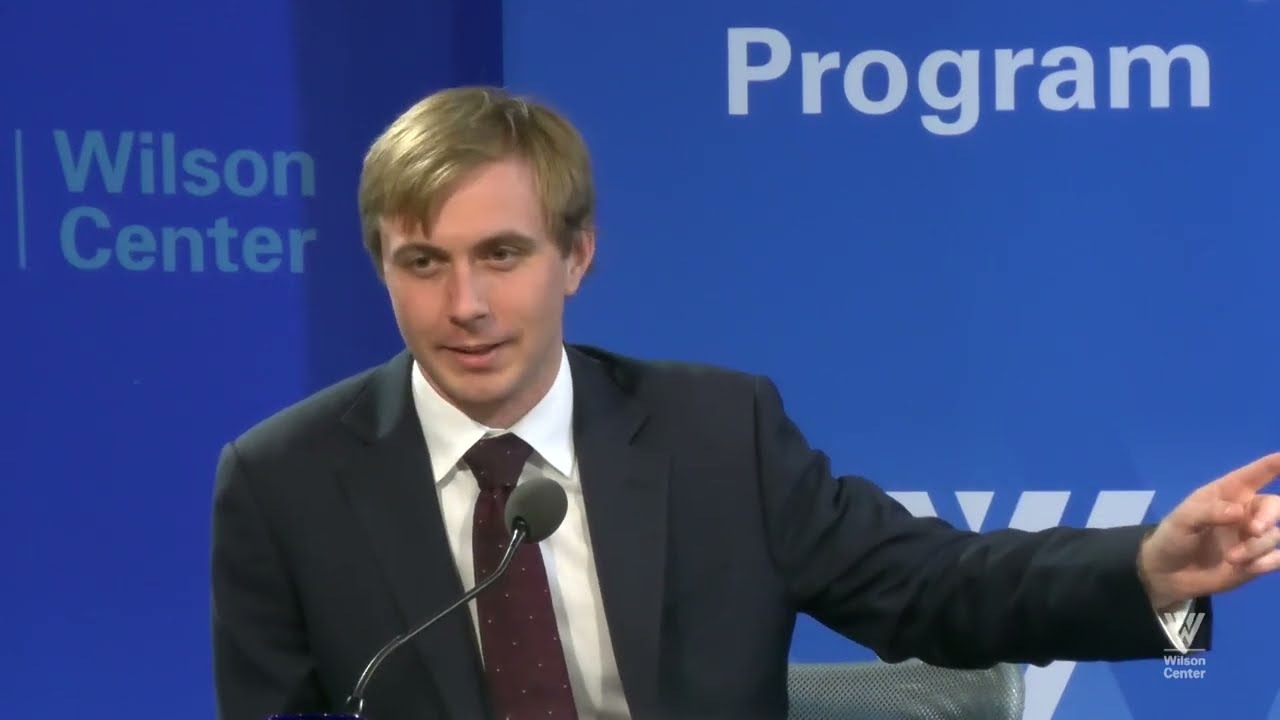
Dr. Jack Watling, Senior Research Fellow at the Royal United Services Institute, stated that the capacity to airdrop armored vehicles on golf courses or other areas of open ground near Taiwan’s ports and airfields would allow air assault troops to significantly increase their combat power and threaten seizure of these facilities to clear a path for follow-on forces.
The strategy targets Taiwan’s least-defended open terrain, representing a calculated shift from traditional beachhead invasions.
Russia’s Combat Experience as the Secret Weapon
The true value of this deal lies not in hardware alone, but in Russian expertise gained through years of airborne operations. RUSI analysts note that Russia possesses practical combat experience with air maneuver operations that China lacks, and this knowledge transfer could accelerate China’s airborne program by an estimated 10 to 15 years.
Russian instructors are training Chinese paratroopers in tactics, fire control, and coordination according to the leaked contracts.
Training Camps Across Two Nations
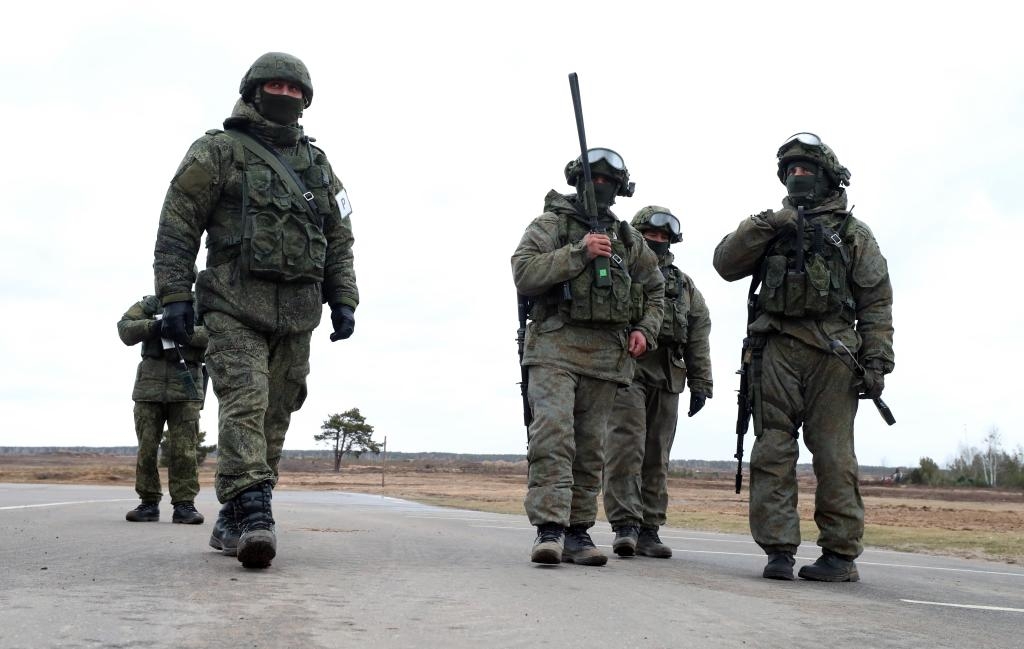
The agreements stipulate that Russian training will take place at multiple locations. Driver training for the armored vehicles takes place at the Kurganmashzavod base in Russia. In contrast, crew training for command vehicles and anti-tank guns happens in Penza at JSC NPP Rubin.
After simulator training, collective battalion-level exercises will be conducted on training grounds inside China with Russian instructors present, according to the leaked documents obtained by Black Moon hacktivists.
One Battalion Gets All the Tech
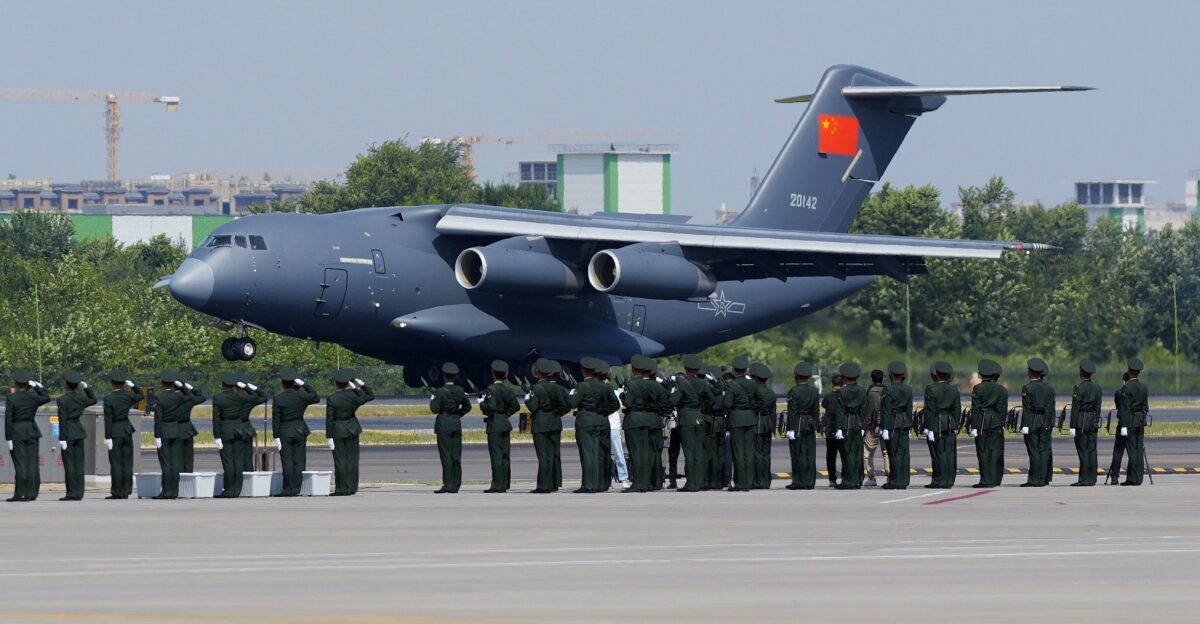
China already operates comparable airborne equipment on its own Y-20 transport aircraft; yet, it has committed to purchasing an entire Russian-equipped battalion set. Analysts suggest this reflects Beijing’s desire for intensive battalion-scale collective training conducted with Russian vehicles and command systems.
RUSI researchers say China is essentially learning Russia’s proven methods before scaling up internally, accelerating development timelines by acquiring both hardware and operational doctrine simultaneously.
The Dalnolyot Advantage
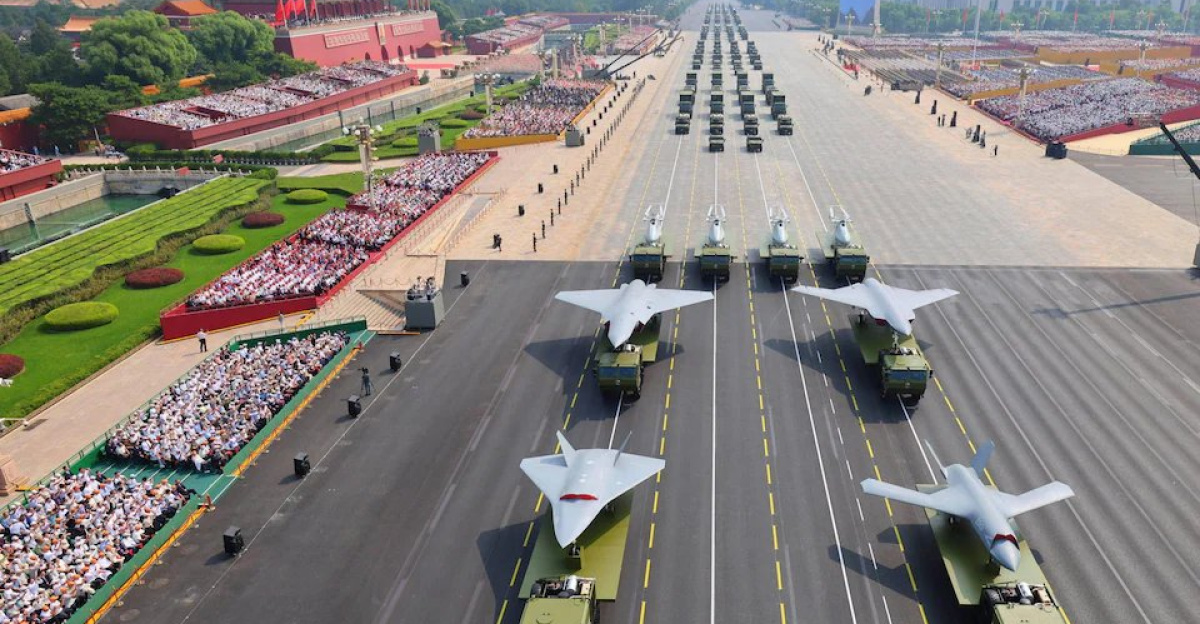
Russia is supplying special-purpose parachute systems called “Dalnolyot” that can insert loads of up to 190 kilograms from altitudes of 32,000 feet, achieving glide ranges of 30 to 80 kilometers, depending on the payload and atmospheric conditions. This allows Chinese special forces to infiltrate territory undetected from aircraft operating outside visible airspace.
According to contract documents reviewed by RUSI, China requested testing the system from 8,000 meters to determine the maximum glide distance, which would enable infiltration over extended ranges.
35 Transport Aircraft Required
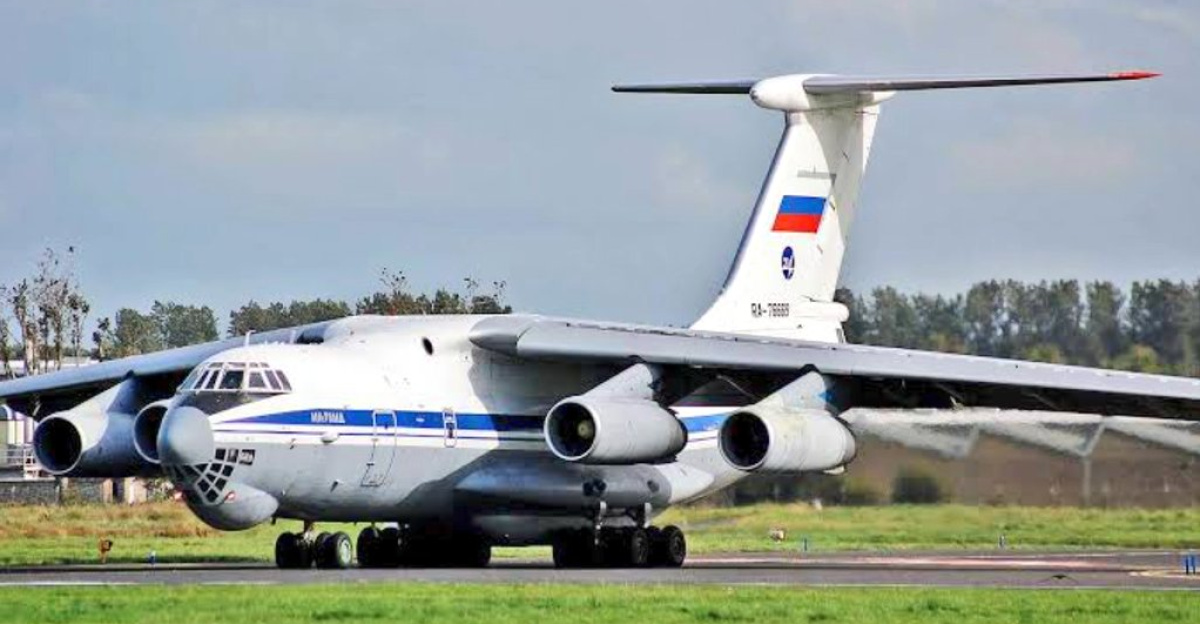
A single battalion airdrop operation would require approximately 35 Ilyushin Il-76 transport aircraft, according to RUSI military logistics assessments. China’s transport aircraft fleet comprises multiple Il-76s and primarily consists of newer Y-20 transport aircraft.
The Il-76 can carry up to 145 fully equipped paratroopers or significant cargo, making it suitable for large-scale airborne operations.
Why Russia Broke Its Old Rules
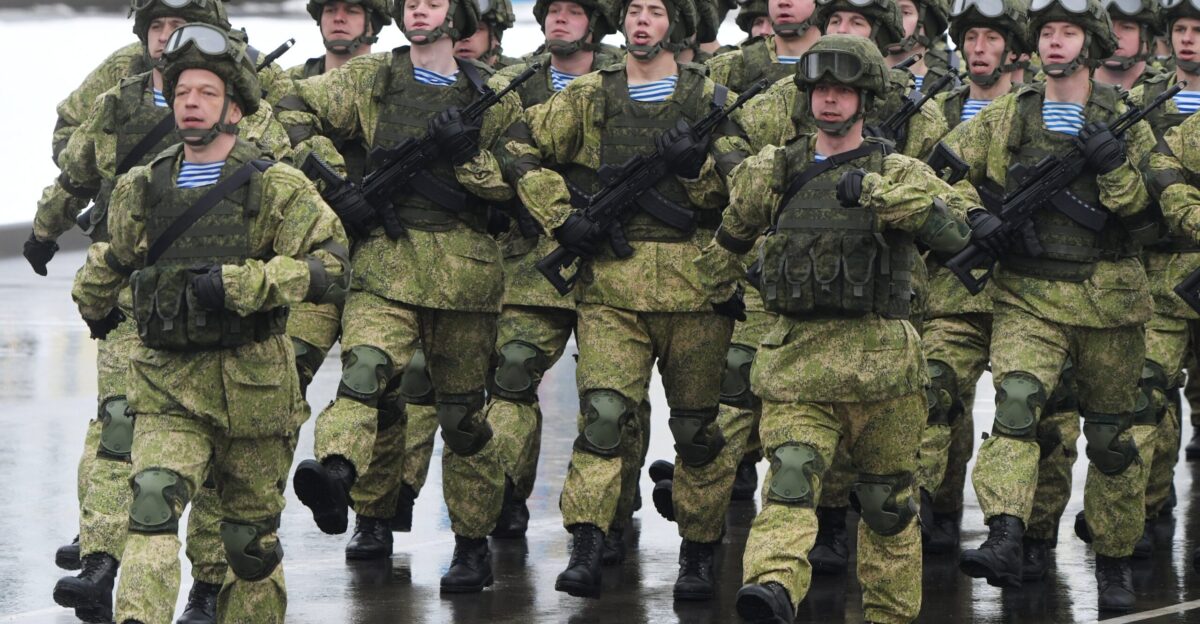
Historically, Russia guarded its airborne capabilities jealously, fearing China would steal and reverse-engineer the technology. Moscow is now willing to transfer these crown jewels because it sees value in strengthening strategic alignment with Beijing, according to RUSI researchers.
By becoming a supplier of critical military capabilities and raw materials, Russia aims to establish long-term Chinese dependence and geopolitical alignment, thereby creating a partnership that serves the strategic interests of both nations.
Tech Transfer Ensures Long-Term Production
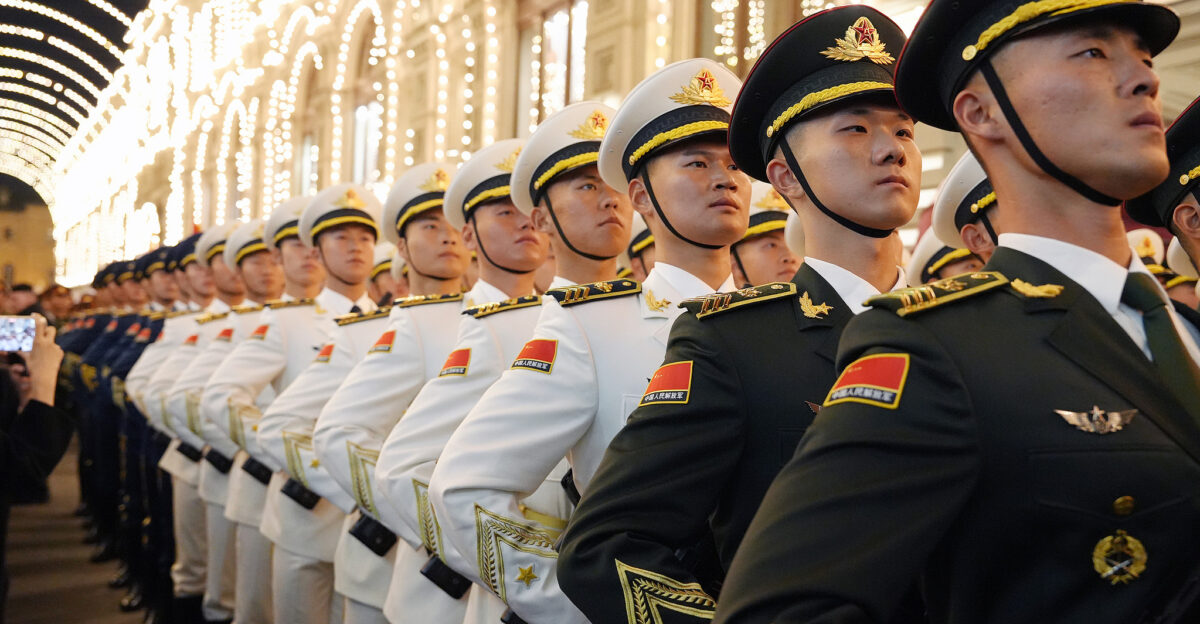
Russia isn’t just selling equipment—it’s transferring the technology to enable China to manufacture these systems independently. A Centre for Technical Maintenance and Repair of Russian Equipment will be established in China, complete with comprehensive technical documentation, allowing Beijing to localize production and modernize the platforms indefinitely.
This represents a fundamental shift in Russia-China military cooperation, moving beyond simple arms sales to comprehensive technology sharing and joint development capabilities.
A Decapitation Strike Strategy Takes Shape
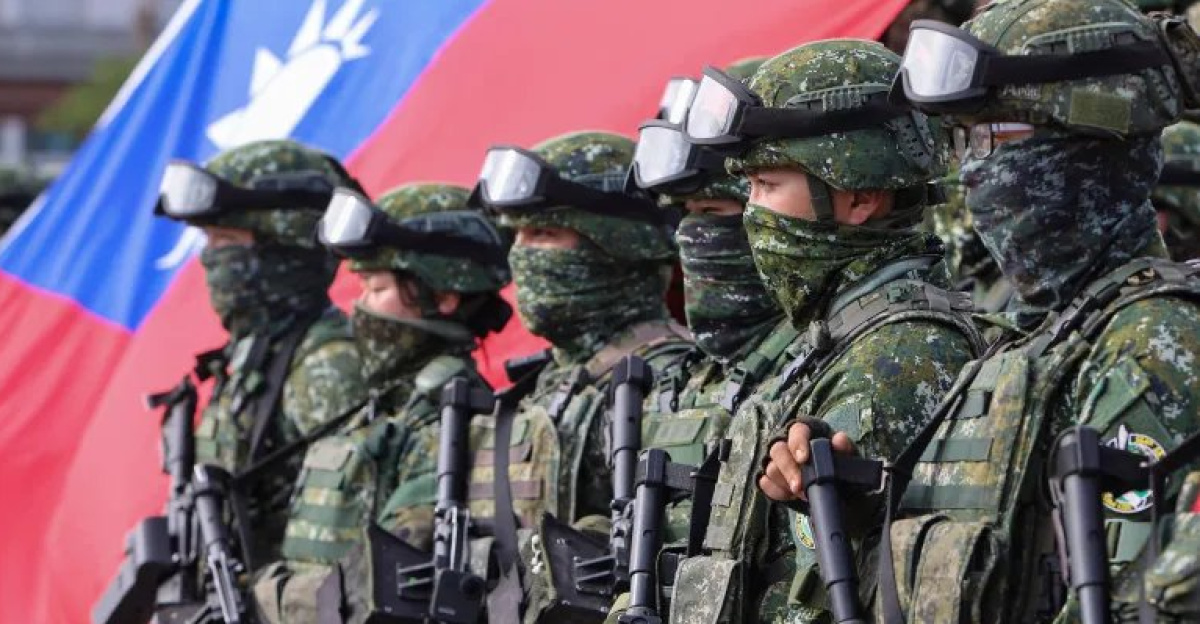
The operational goal described in analytical assessments is clear: Chinese airborne forces would seize Taiwan’s critical ports and airfields before Taiwanese defenders could fully mobilize. By inserting armored vehicles and special forces onto open terrain near these facilities, China would aim to establish secure lodgements for follow-on invasion forces.
RUSI analysts describe this as a “decapitation strategy” designed to disable Taiwan’s defensive response by capturing key infrastructure in the opening phase of potential military operations.
Taiwan’s Population and Strategic Importance

Taiwan’s population of approximately 23 million people represents a developed democratic society that would be directly affected by any military operation. The island’s beaches suitable for landing craft are limited, known, and dispersed, which is why military analysts assess that airborne invasion options bypass traditional amphibious risks.
Speed would be China’s advantage: once airborne forces secure key infrastructure, defensive countermeasures become exponentially more challenging to implement, according to Western military analysts.
The Philippines and South China Sea Are Secondary Considerations

The leaked documents reference military capabilities that could enable operations beyond the Taiwan Strait. RUSI analysts note the equipment also allows power projection across the South China Sea. China’s overlapping territorial claims with the Philippines and other nations could make these secondary objectives if regional conflict erupts.
An expanded air maneuver capability gives the People’s Liberation Army rapid power projection options throughout the region, potentially affecting multiple nations.
All Vehicles Get Chinese Modifications

Every vehicle supplied by Russia is being equipped with Chinese communication systems, command-and-control suites, and ammunition compatibility. This ensures operational cohesion with existing Chinese forces and secures Beijing’s technological preferences within the integrated system.
The modifications also allow China to maintain operational independence from Russian supply chains once the technology transfer is complete, according to contract specifications reviewed by RUSI researchers.
A Lesson From Hostomel
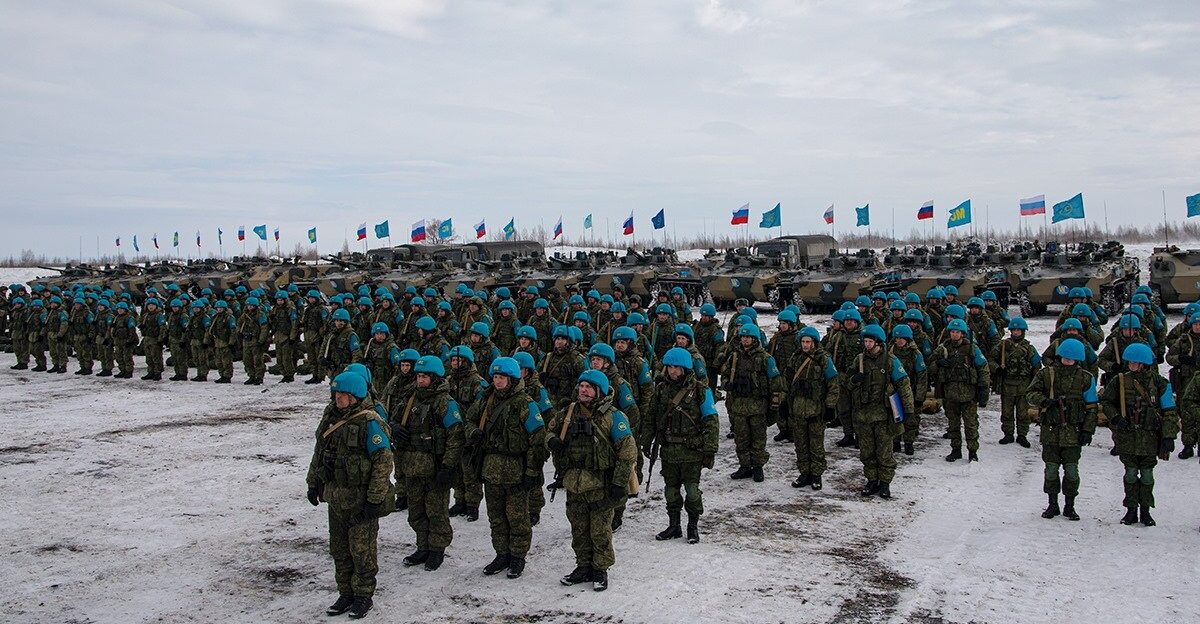
Russia’s airborne assault on Ukraine’s Hostomel Airport in February 2022 demonstrated the significant risks paratroopers face against coordinated defenses. By incorporating BMD-4M assault vehicles and Sprut anti-tank guns, military planners seek to enhance firepower support for airborne operations.
Russian military instructors are teaching Chinese forces lessons learned from Ukraine, where airborne operations faced significant challenges.
Training Timeline and Implementation
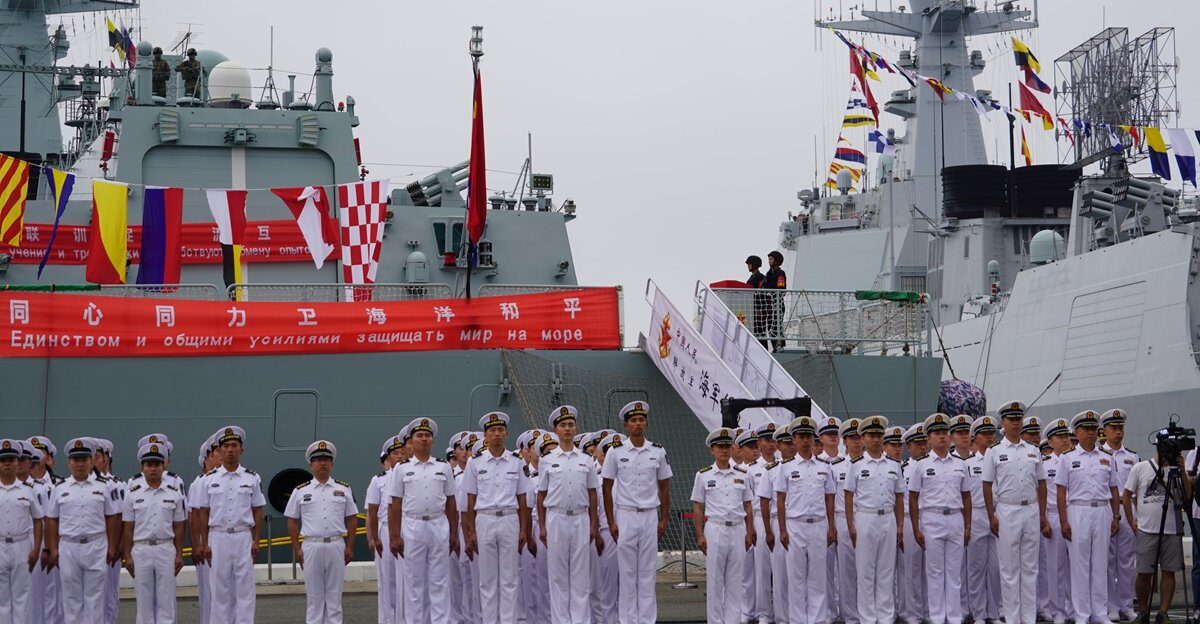
Initial framework agreements between Russia and China began in April 2021, but the formalized 2023 agreement represents the operational escalation. Documents dated September 2024 indicate that manufacturing stages one and two—including technical specifications analysis, software modifications, and equipment production—have been completed.
The timeline for training and delivery remains subject to the implementation of the broader agreement.
Why Moscow and Beijing Are Now Strategic Partners
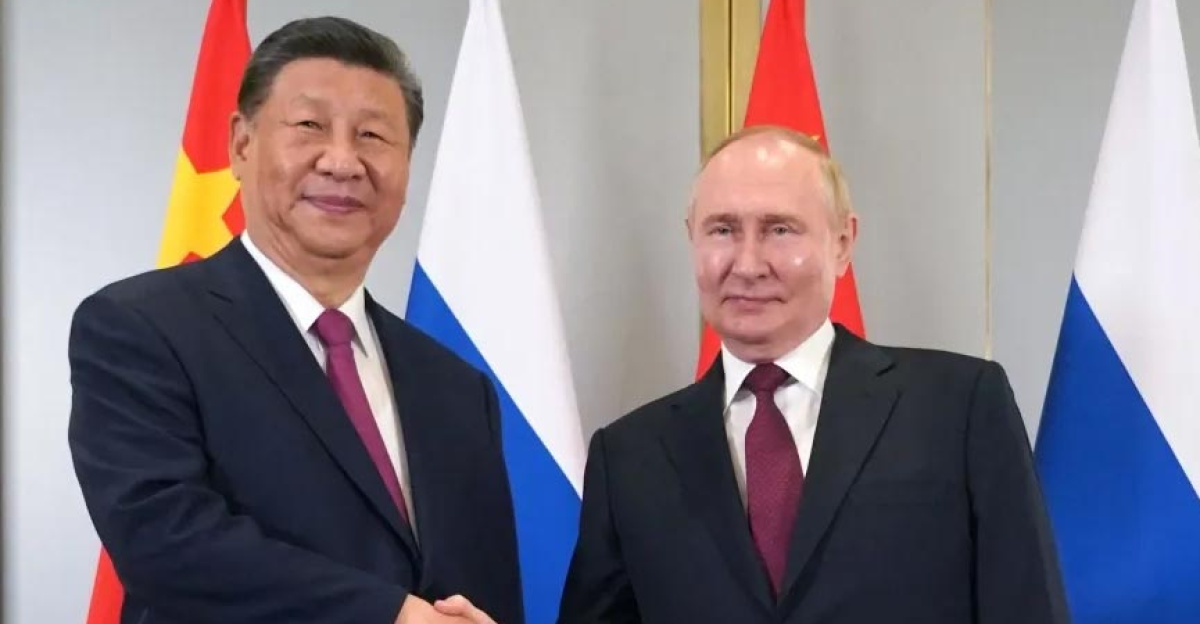
For Moscow, the partnership with Beijing serves strategic purposes, including strengthening military-industrial ties and fostering long-term dependence. For Beijing, the agreement provides advanced airborne capabilities while funding Russian defense contractors, supporting Russia’s broader military modernization.
The partnership represents a convergence of interests that could reshape military balances in Asia.
What Comes Next
The leaked documents represent a significant development in China-Russia military cooperation, highlighting concerns about Taiwan and its allies regarding the escalation of military capabilities. As the agreement transitions into implementation phases and the 2027 timeline for military readiness approaches, the window for preventive measures becomes increasingly narrow.
The documents confirm active preparation of advanced military capabilities, though the ultimate purposes and timelines remain subject to geopolitical developments and strategic decisions by all parties involved.