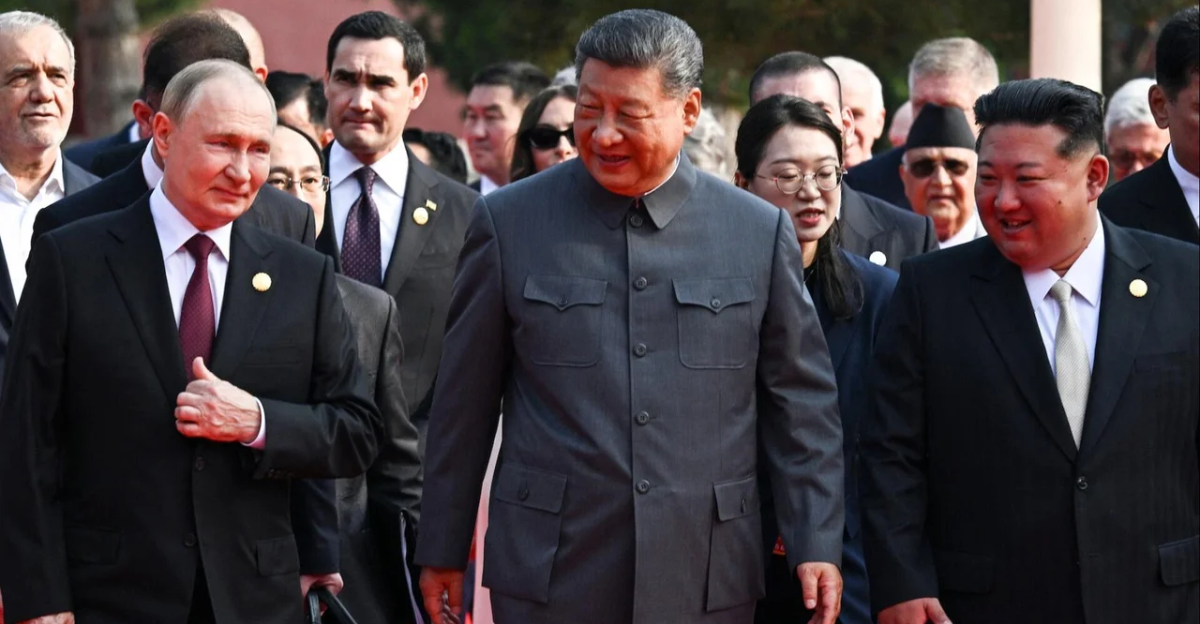
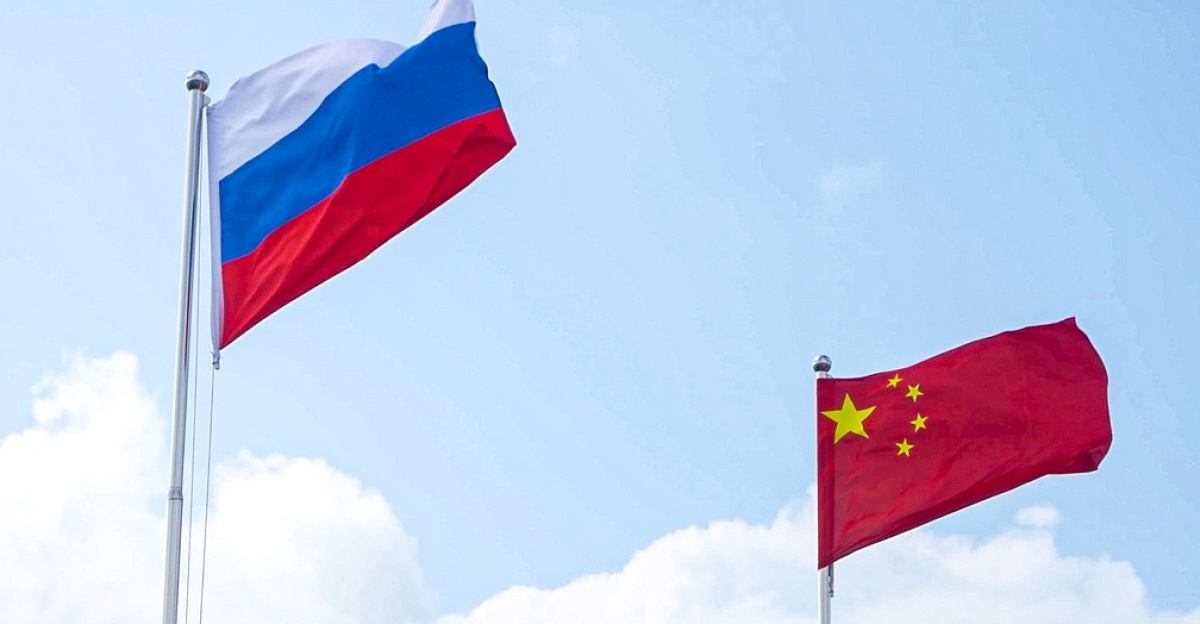
In September 2025, during a Beijing military parade that was viewed by roughly 1.9 billion people worldwide, Chinese President Xi Jinping and Russian President Vladimir Putin were overheard discussing biotechnology advancements that promised human longevity of up to 150 years or even “immortality.” This historic moment was captured on camera by a live microphone.
Both leaders, who are 72 years old and among the oldest heads of state in the world, have not made any plans for succession, which has increased rumors about their goals. Their open discussion, which was aired by China’s state media agency CCTV, exposed strategic goals that combine cutting-edge science, national legacy, and individual survival.
Leaders’ Search for Immortality in Historical Context

The story of rulers’ aspirations for immortality dates back thousands of years. Humanity’s enduring desire to transcend mortality is highlighted by historical figures such as China’s Qin Shi Huang, who is notorious for his unsuccessful search for elixirs of eternal life, and the Sumerian King Gilgamesh.
In order to secure an enduring legacy through culture and conquest, this quest frequently combined the physical desire to live forever. Leaders have created symbolic immortality throughout history by combining political power, religion, and mythology. Even though it is set in contemporary scientific terms, the recent discussion between Xi and Putin reflects this long-standing political and human concern. Their conversation represents a metaphorical search for long-lasting influence in a turbulent world as well as a literal hope to postpone death.
Expansion of the Scientific Foundation and Boundaries of Longevity

There are few but real ways that modern science can prolong human life, mostly through medical procedures like organ transplantation and regenerative medicine. Even with great advancements, we are still unable to achieve true immortality. Jeanne Calment of France established the current verified maximum human lifespan of 122 years, and there is no scientific agreement that a distinct biological limit has been exceeded.
Rapid advancements in technologies like stem cell therapy and 3D bioprinting organs may make it possible to replace failing tissues. But because of numerous logistical, immunological, and ethical obstacles, living to be 120 years old is more of an ideal than a reality. It is essential to counteract political rhetoric about immortality with this scientific prudence.
Psychological Foundations: Dualism and Terror Management Theory
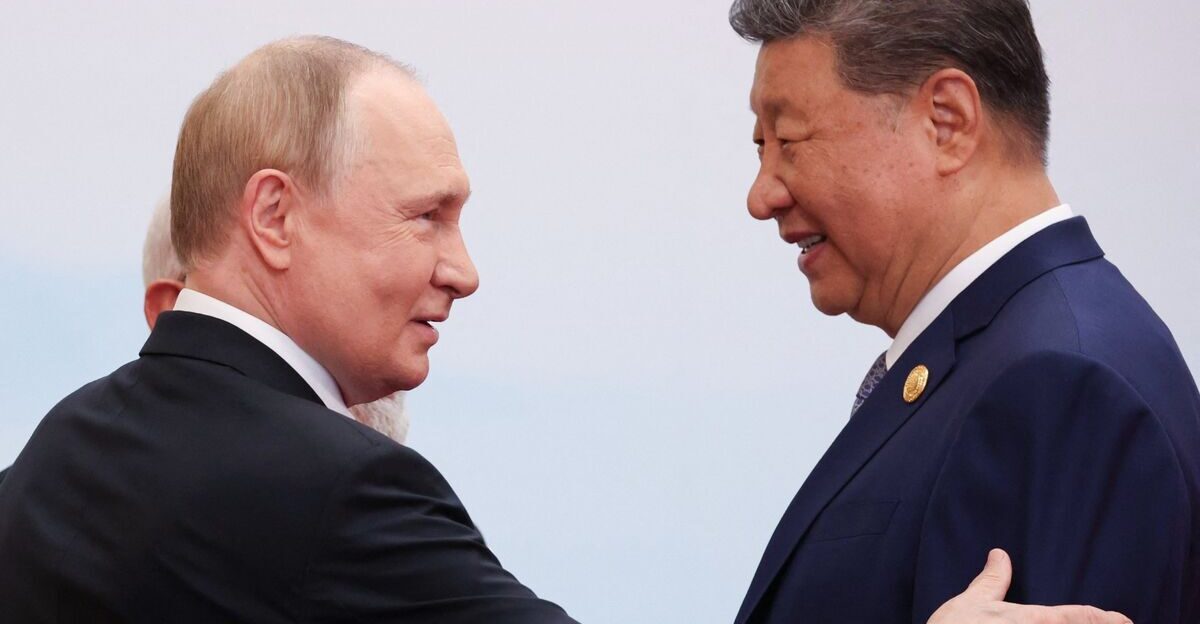
From a psychological standpoint, the obsession with immortality is closely related to terror management theory, which describes how people look for lasting meaning, whether it be biological, cultural, or religious, in order to deal with their fear of dying. Because of their demanding jobs and the need to appear invincible, leaders are more susceptible to compound mortality salience than other people.
Belief in life after death is further supported by the intuitive human dualism that separates mind and body. In order to allay existential fears and preserve their unchallenged power, authoritarian leaders such as Xi and Putin are motivated to focus resources and rhetoric on longevity, portraying mortality as something that can be overcome.
The Expanded Vision of Xi Jinping: Immortality via National Greatness
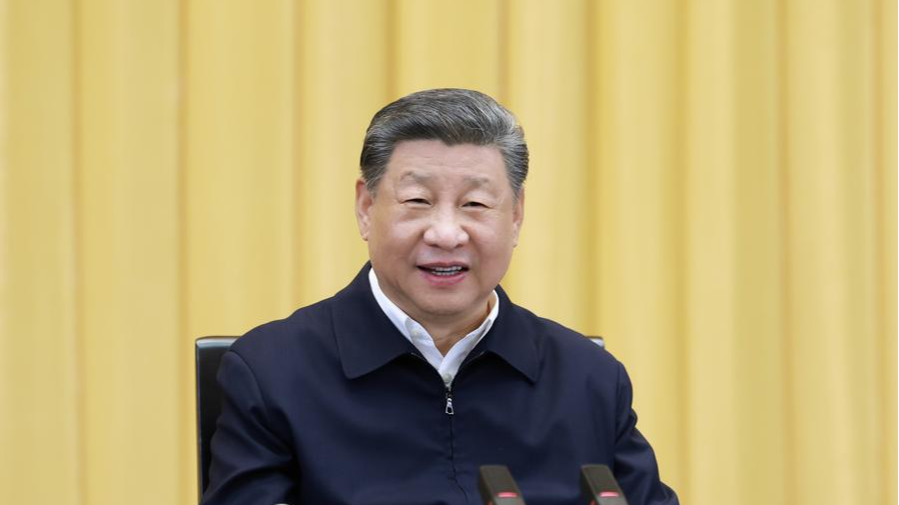
As evidenced by his goal of the “Chinese Dream,” Xi Jinping frames longevity less as a personal goal and more in the context of regaining China’s standing in the world. He positioned himself as the key player in China’s contemporary renaissance by abolishing term limits for presidents in 2018, indicating his intention to rule indefinitely.
Combining Confucian ideas of harmony and a lasting legacy, Xi’s “immortality” alludes to the Chinese nation’s enduring power and influence. His aspirations for longevity reflect a desire for more than just biological survival; they reflect a desire for political and historical permanence, with the goal of influencing China’s future and memory for future generations.
Putin’s Interest in Health Technologies and Personal Longevity
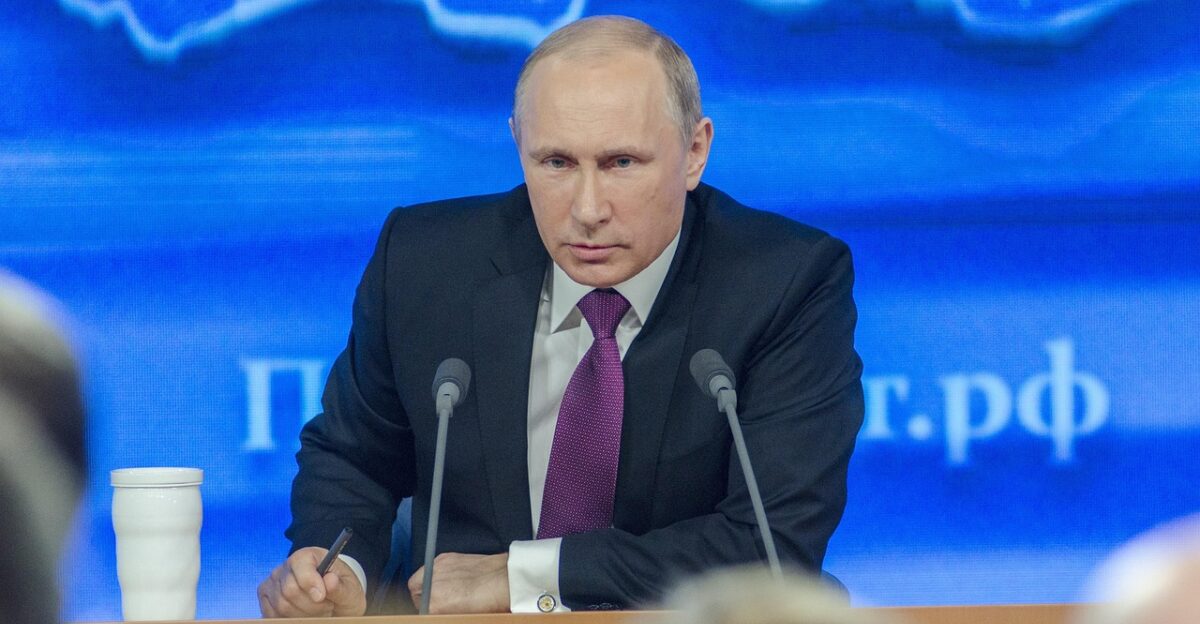
Putin’s quest for longevity is more obviously biotechnological and personal. Putin, who is well-known for his alleged health concerns and investments in anti-aging medicine, has allocated substantial funds to organ bioprinting and regenerative biomedicine in Russia.
In order to combat Russia’s demographic crisis and increase active life expectancies, his government places a strong emphasis on “New Health-Saving Technologies.” This quest combines national policy with family interests, as demonstrated by his daughter’s genetics research and state initiatives. By maintaining his hold on power as long as possible in the face of internal and international pressures, Putin’s obsession with longevity also serves political objectives.
Expanded: The Geopolitical Consequences of Longevity in Leadership
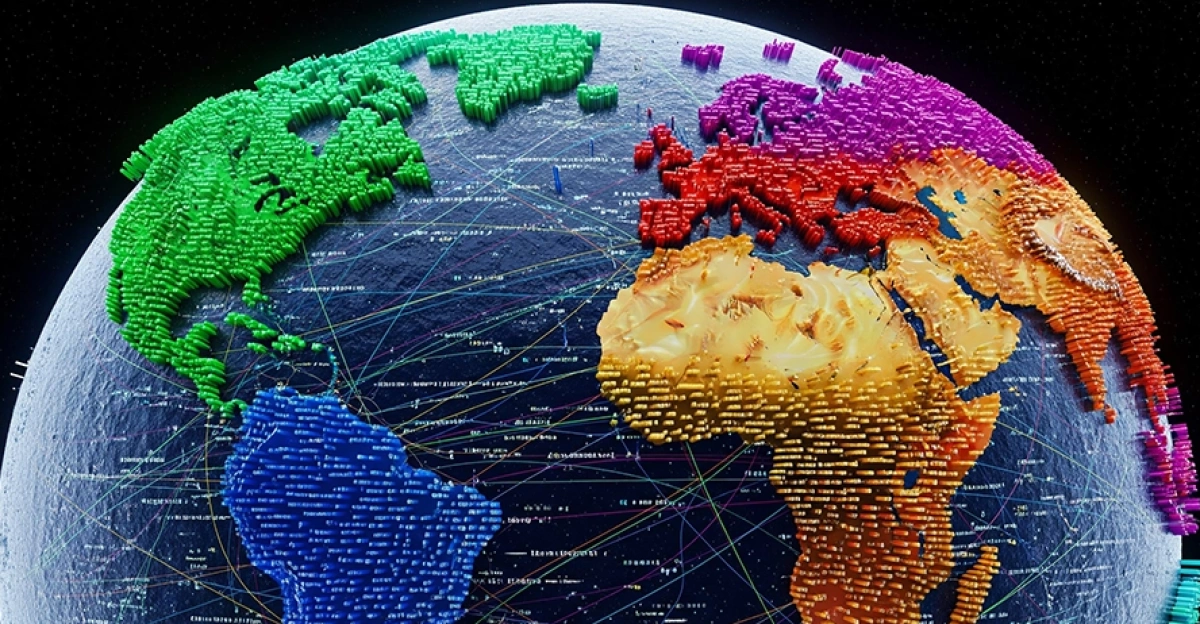
Geopolitical maps may be redrawn as a result of Xi and Putin’s prolonged leadership. Long terms guarantee policy coherence, but they also run the risk of authoritarian entrenchment in the absence of peaceful successions, which heightens the unpredictability of international diplomacy.
These leaders’ capacity to exercise power beyond accepted bounds has the potential to exacerbate regional conflicts, alter global power dynamics, and strain alliances that are leery of uncertainty. Negotiations and strategic planning may become more difficult for global actors as they adjust to more stable, long-lasting regimes. However, aspirations for longevity may push countries into biotech competition, introducing a new level of strategic rivalry.
Challenges in Technology and Ethics
There are serious ethical concerns with using biotechnologies to extend life. Social divisions may worsen if “immortal” elites are created, as access to organ transplants and regenerative therapies is already uneven. The biological replacement or alteration of the body raises questions of identity and consent.
Beyond medicine, the societal ramifications challenge ideas of equality, human rights, and political legitimacy. These disruptive technologies could be monopolized by autocratic governments like China and Russia, strengthening political repression. Global ethical frameworks and inclusive discourse are necessary to balance the risks and benefits of life extension.
Impact of the Media and Public Reaction
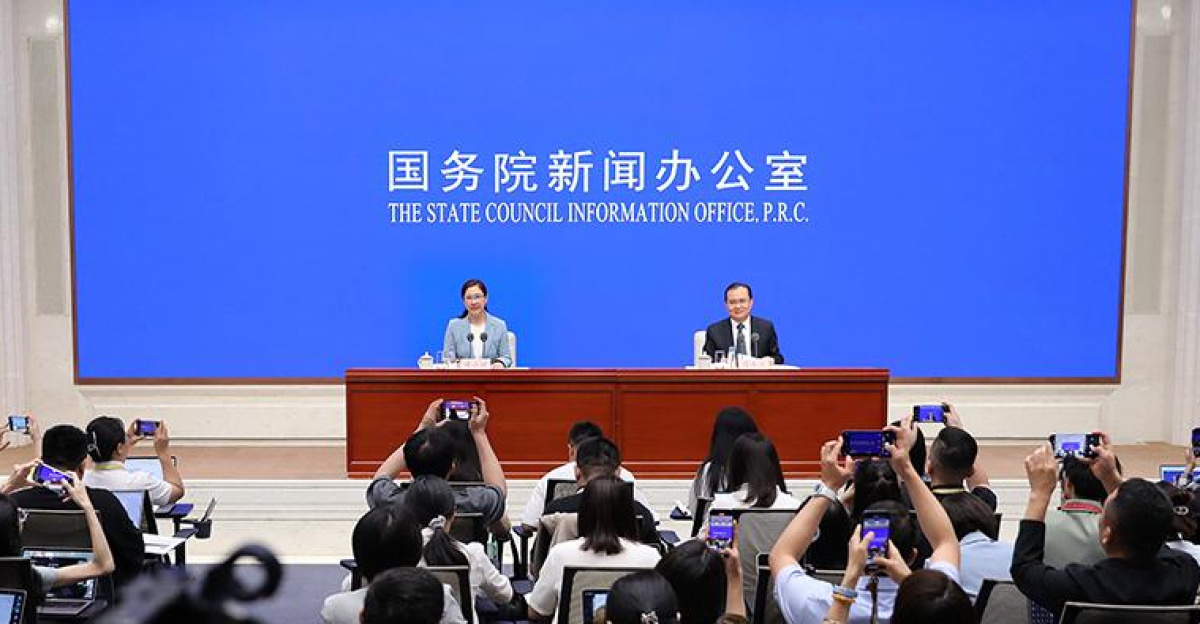
Global media responses to the revelations of Xi and Putin’s immortality debate were mixed. Western media questioned the dialogue’s viability and motivations, portraying it as a sign of paranoia and authoritarian excess. State media in China and Russia minimized sensationalism in favor of highlighting scientific advancements and leadership vision.
Discussions on the internet ranged from skepticism to fascination. This episode adds to the ongoing conflicts over public trust, information warfare, and narrative control in geopolitics. Additionally, it reveals cultural variations in how people view mortality, technology, and leadership, influencing how these influential people are understood globally.
Today’s Longevity Science: Expanded Discussion of Organ Transplants and Regenerative Medicine

Biological longevity goals are based on the proven lifesaving intervention of organ transplantation. Results have improved thanks to technological advancements in tissue engineering, immunomodulation, and stem cell therapies. Although regenerative medicine has made progress in mending damaged tissues and organs, the continuous replacement of all essential organs is still a long way off.
Although the idea of “younging” the body by replacing organs is alluring, there are ethical, surgical, and immunological compatibility issues that limit its use. Research is still focused on increasing lifespan and healthspan, emphasizing quality of life over the number of years gained.
Future Medical Technologies and Bioprinting

In the pursuit of longevity, 3D bioprinting, the process of creating living tissues and organs layer by layer, is revolutionary. Russia makes significant investments in this area with the goal of producing bioengineered blood vessels, livers, and possibly entire organs by 2030.
This advancement is accompanied by discussions about consent, genetic engineering, and long-term consequences from an ethical and legal standpoint. Although there are still many biomedical obstacles to overcome, bioprinting holds promise for lowering transplant rejection and organ shortages. The public’s expectations are framed by the harmony between hype and real progress. Integrating bioprinting with other cutting-edge treatments like gene editing and nanomedicine may ultimately determine immortality.
Leadership and Immortality: Historical Insights
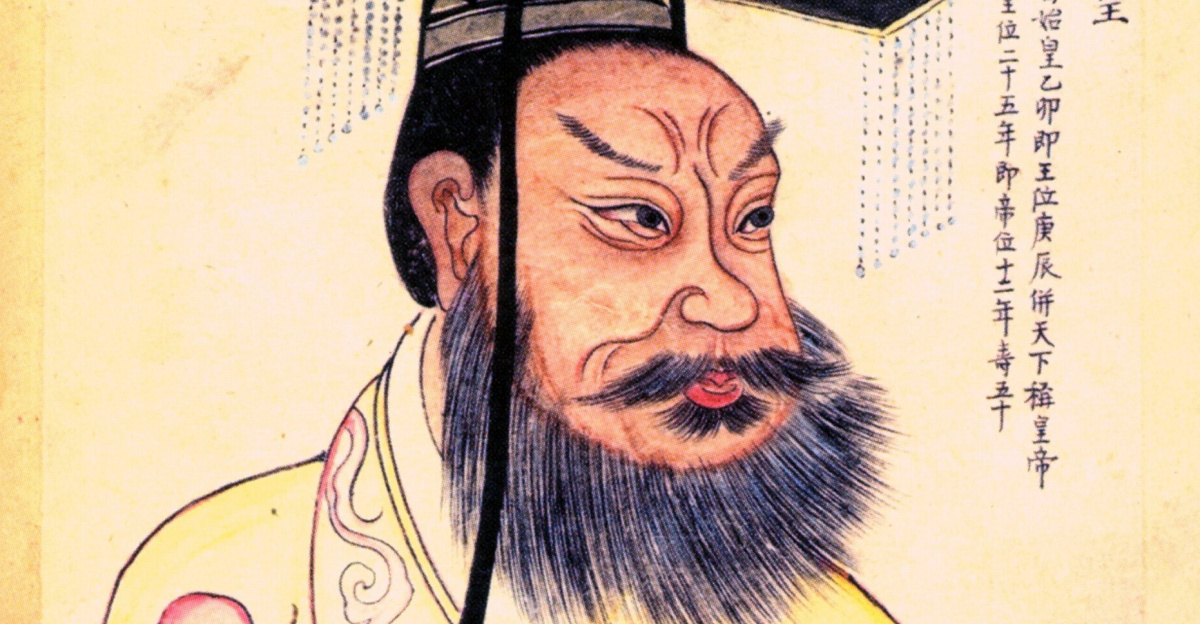
Symbolic immortality has influenced politics and cultures, but no leader in history has attained physical immortality. From Caesar to Alexander the Great, leaders created enduring legacies via institutions, art, and conquest. Although Qin Shi Huang’s quest ended tragically, it captured the potent combination of hope and fear surrounding death.
The modern iteration of this quest by Xi and Putin combines modern scientific aspirations with ancient human instincts. Their aspirations serve as an example of how political power frequently uses cultural, technological, and narrative tools to redefine or transcend biological limitations.
The Effect of Immortality on the Mind: Conclusions Regarding Leadership Style
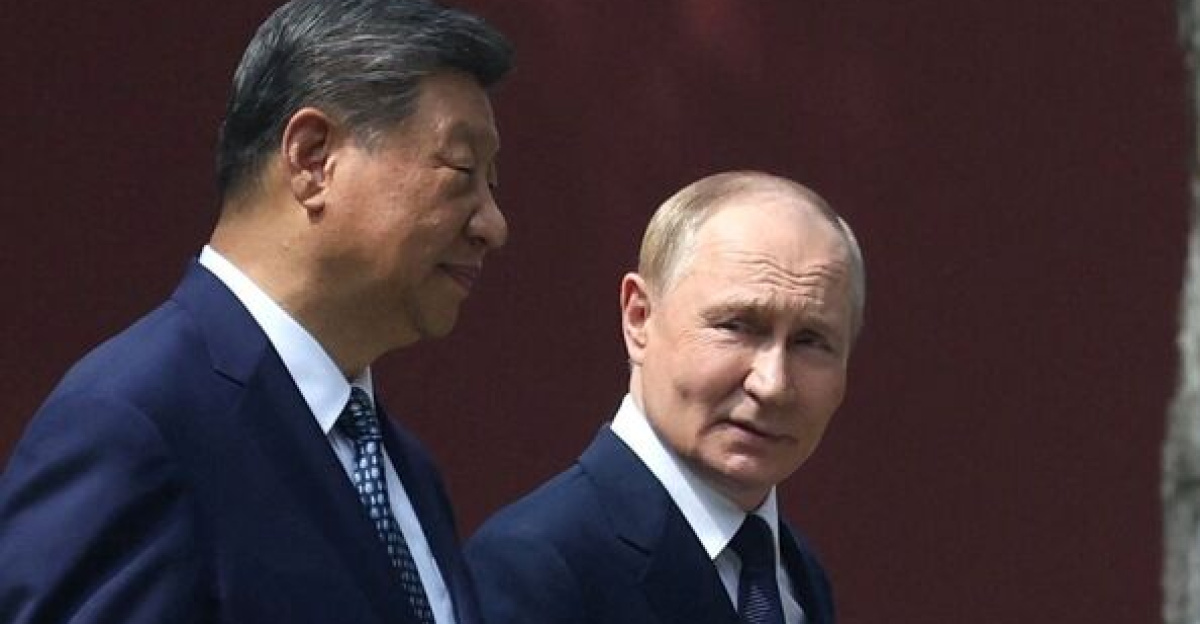
Leaders with a belief in or aspiration for a longer lifespan may exhibit unique psychological traits. Longer perceived horizons allow for long-term planning and risk tolerance, but they can also make leaders more paranoid as they face their own mortality. This kind of thinking can result in heightened authoritarianism, repression of dissent, and inflated self-esteem.
The candid discussion of longevity between Xi and Putin points to a merging of existential issues with the demands of governance, resulting in a complex psychological environment where political and personal survival are inextricably linked. Geopolitical risk assessments and diplomatic engagement strategies are informed by an understanding of this dynamic.
Power Theater Discussions on Immortality
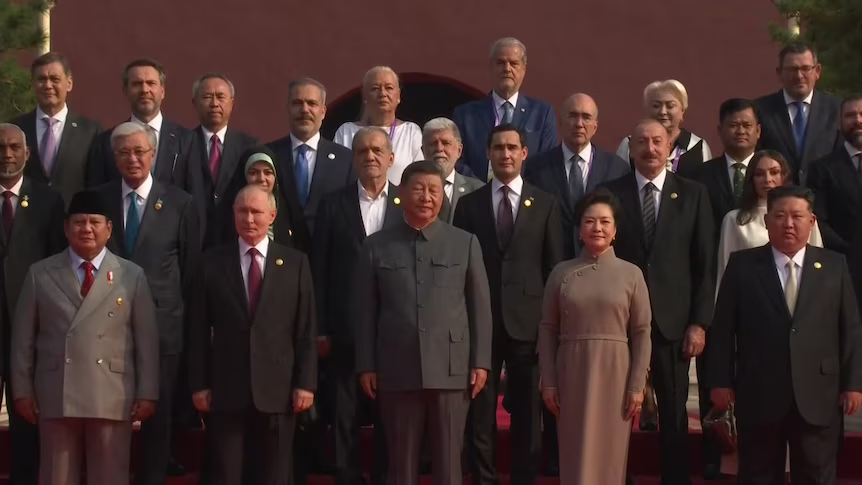
A cynical viewpoint contends that the immortality rhetoric is not intended literally but rather for theatrical and propaganda purposes. By projecting power beyond mortal bounds and creating a mythos of invincibility, the concept of immortality undermines opposition.
Such demonstrations serve as instruments for authoritarian leaders to sway public opinion, scare opponents, and strengthen allegiance. In contrast to scientific realism, immortality rhetoric can be interpreted as a symbolic declaration of long-term power in the face of global unpredictability, a form of political theater that combines science fiction and statecraft.
The Part Autocratic Systems Play in Longevity Goals

Leadership fixity is made easier by autocracies, which heighten incentives to seek political and personal longevity. In the absence of democratic succession procedures, leaders might look for technological ways to extend their reign indefinitely. The democratic checks and balances that restrict tenure stand in sharp contrast to this dynamic.
Ossification of power and innovation monopolies is a risk when scientific ambition and authoritarian control are combined. These regimes frequently present longevity research as patriotic endeavors, fusing personal growth with national pride and escalating tensions over science access and governance ethics on a global scale.
Philosophical and Societal Issues Raised

The pursuit of immortality calls into question fundamental philosophical issues: If death is perpetually delayed, what good is life? If life-extending technologies are only available to elites, what effects will this have on society?
There are issues with human nature, justice, identity, and intergenerational equity. Societies must struggle to incorporate radical longevity without undermining social cohesiveness or marginalizing the weak. In the face of technological disruptions, ethical frameworks and policies that strike a balance between innovation and social responsibility must be developed through public debate.
Possible Global Second- and Third-Order Impacts

The development of longevity technologies will have a profound impact on society. Economies may experience changes in consumption patterns, pension strain, and workforce polarization. Politically, if established leaders continue to hold power, it may hinder reform and strengthen reactionary governance.
However, innovation may also lead to the development of new sectors and international partnerships in biotechnology and health care. As “immortality elites” forge new class divisions, social stratification may get worse. To reduce risks and optimize benefits, these complex outcomes necessitate proactive policymaking and international collaboration.
Expanded: Media Strategies and Narrative Control
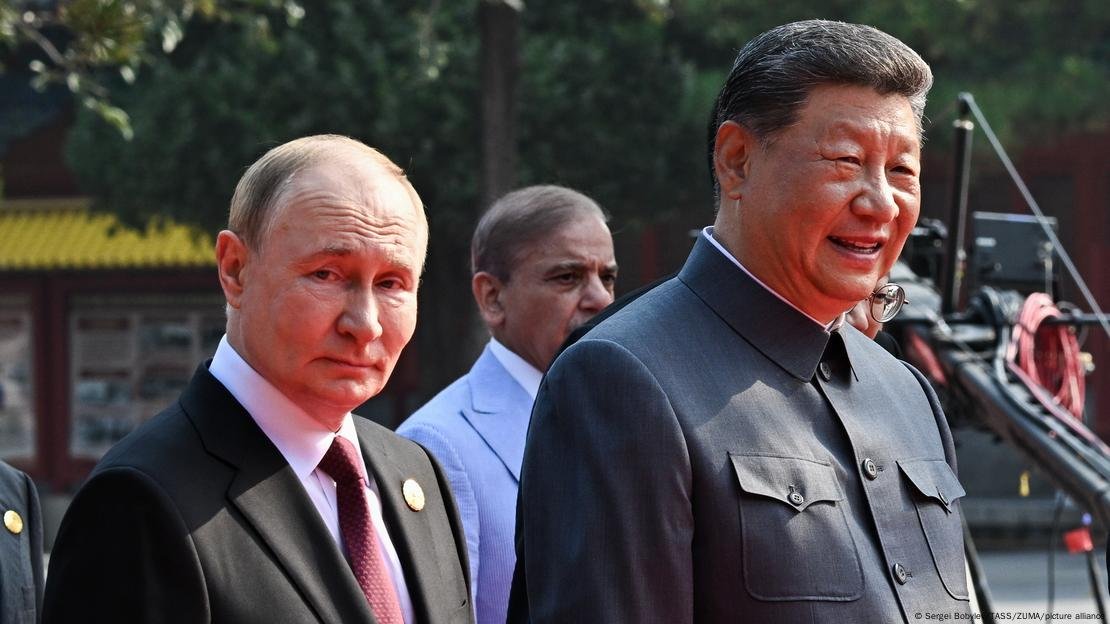
Ongoing conflicts over information narratives are highlighted by the media’s coverage of the immortality debate. Authoritarian governments conceal uncertainties by using positive framing to support the legitimacy of their leaders and their scientific abilities. Western media warn audiences by highlighting skepticism and possible abuses.
Polarized reactions, from fear to hope, are amplified on social media. This framing dispute is a component of larger geopolitical influence struggles that affect public opinion and international relations. Navigating these divisive narratives still requires media literacy and open journalism.
Immortality as Political and Psychological Capital
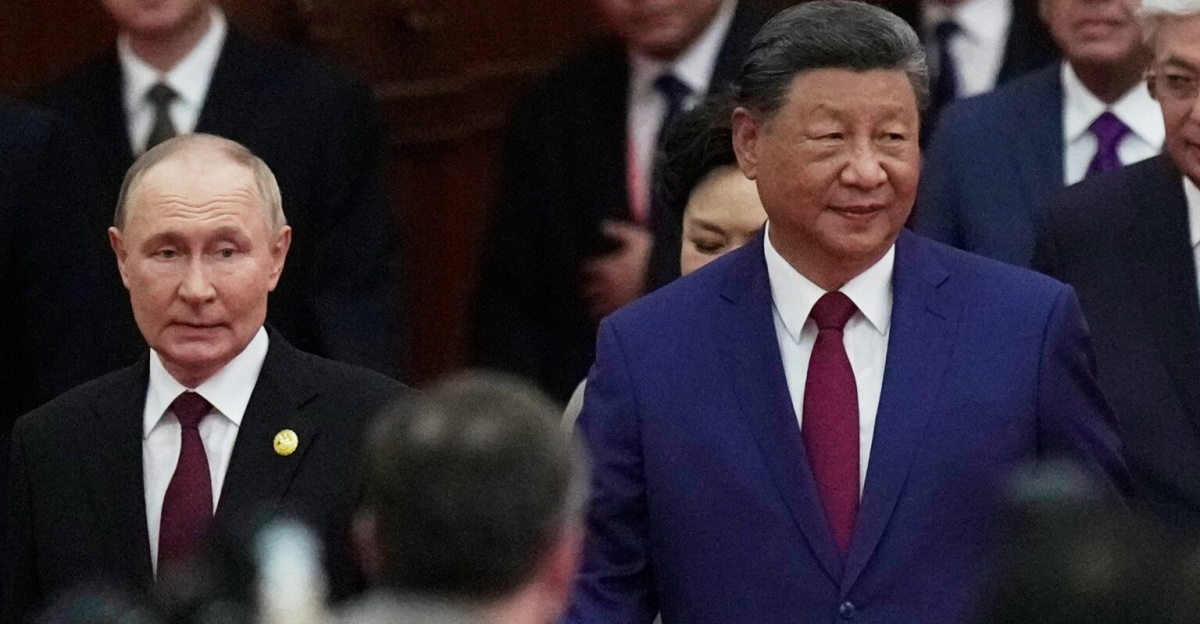
Consider the talk of immortality as a psychological and political capital in addition to a health goal. By evoking stories of invincibility, it strengthens legitimacy, discourages opponents, and motivates supporters for Xi and Putin.
It produces symbolic money that communicates strength to the outside world while securing power within. According to this viewpoint, assertions of immortality serve as strategic instruments in authoritarian stability, profoundly influencing elite dynamics and governance tactics, which explains why they have resonance beyond their scientific viability.
The Ambition for Immortality Reflects Ancient Desires in Contemporary Clothing
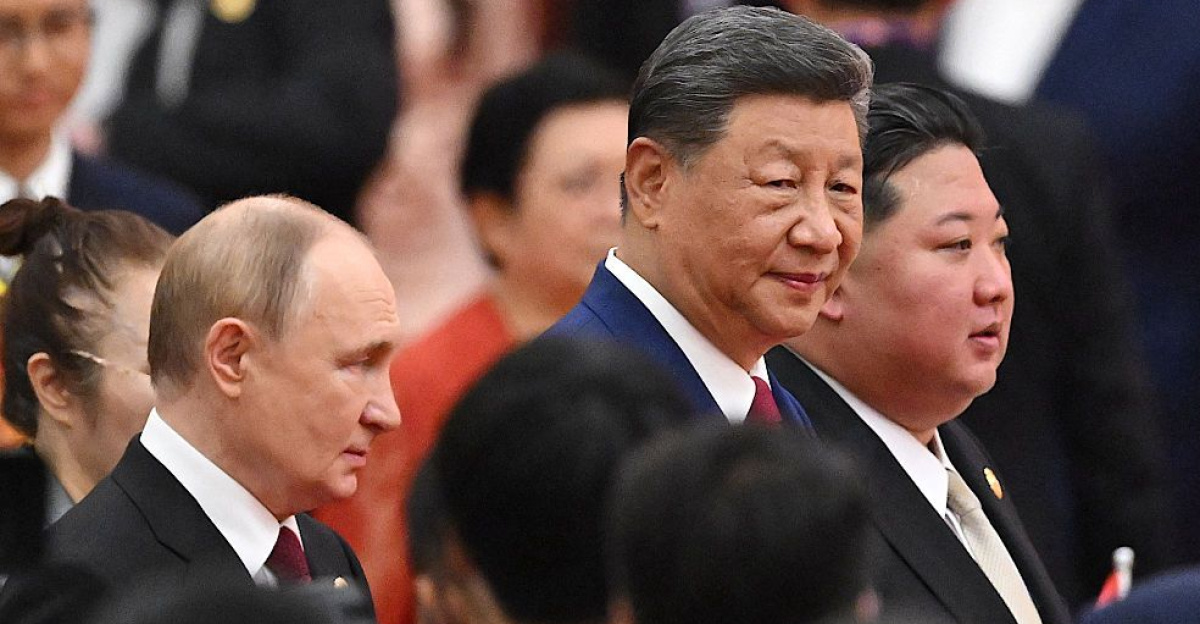
The hot mic exchange between Xi and Putin about immortality shows how the ancient human longing for eternal life takes on a distinct form in the current geopolitical environment. The intricacy of contemporary power and mortality is highlighted by the intersection of authoritarian politics, modern science, and ancient mythology.
Their aspirations are a reflection of the technological opportunities, strategic needs, and psychological forces influencing global futures. With ramifications that go well beyond these two leaders, comprehending this interaction deepens understanding of international relations, leadership psychology, and humanity’s never-ending battle with mortality’s boundaries.