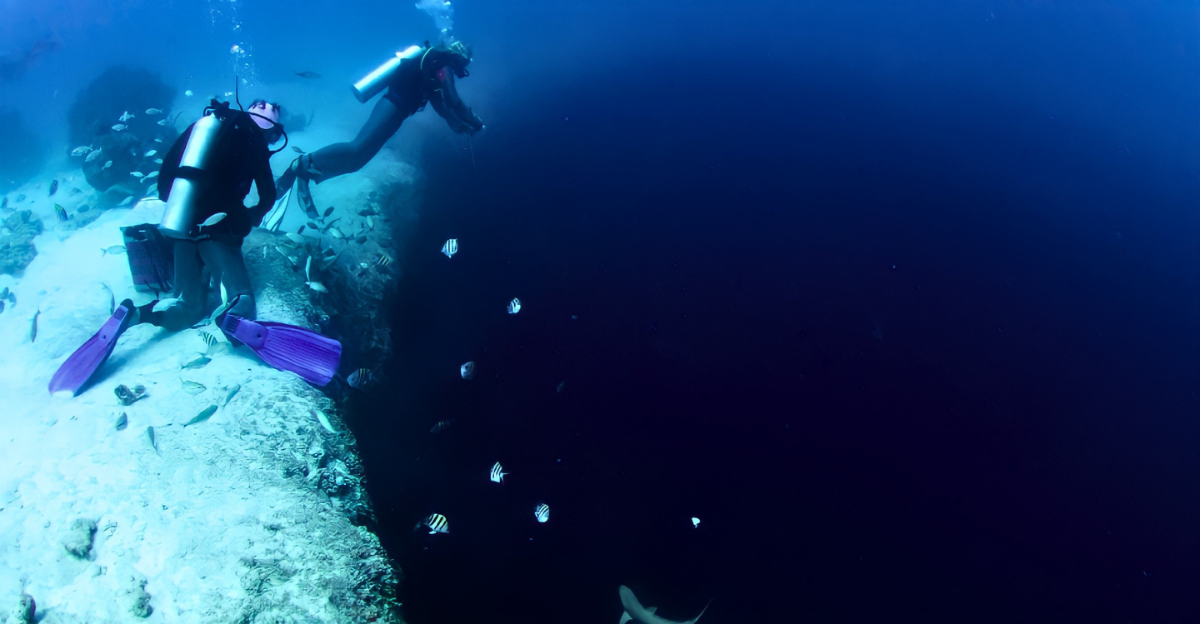
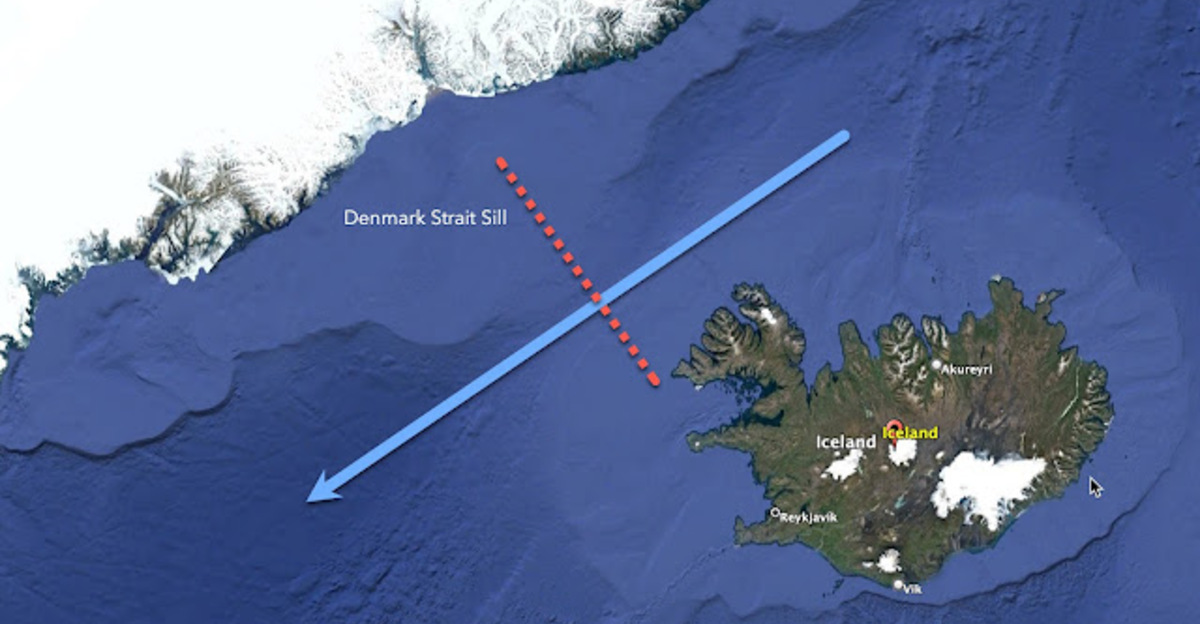
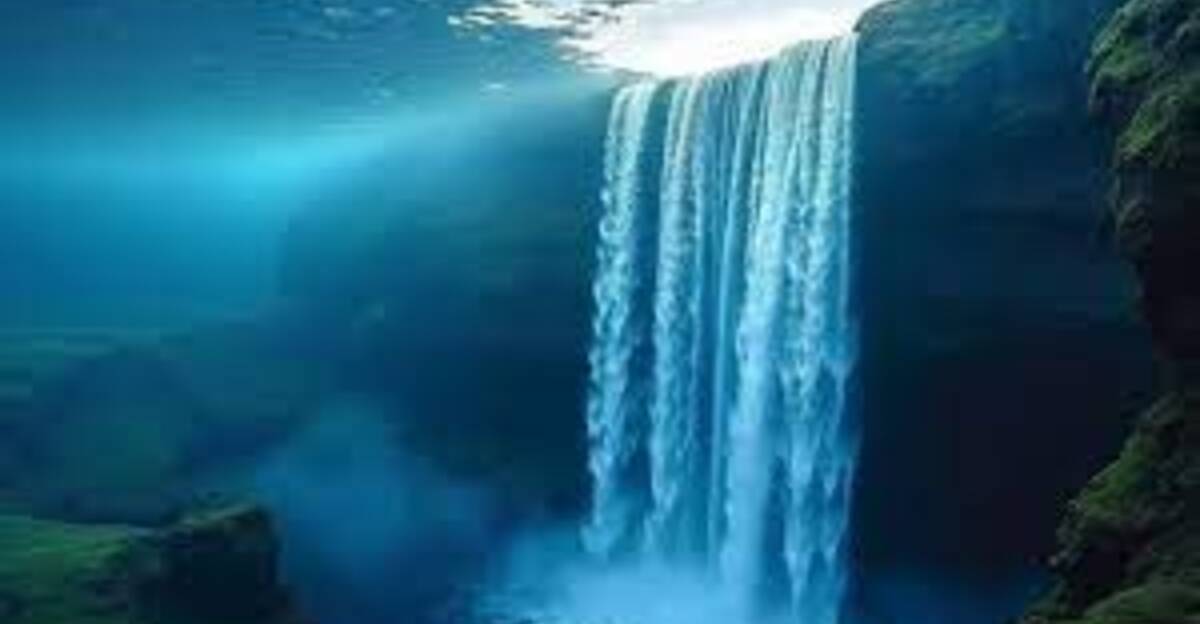
Beneath the icy Denmark Strait, separating Iceland and Greenland, lies an extraordinary secret—Earth’s largest waterfall.
Unlike any terrestrial cascade, this phenomenon exists underwater, plunging over two miles below the surface.
According to NOAA, at a depth of 2,000 feet, cold Nordic Sea water tumbles down the ocean floor in a massive descent that dwarfs anything visible on land.
Setting the Stakes
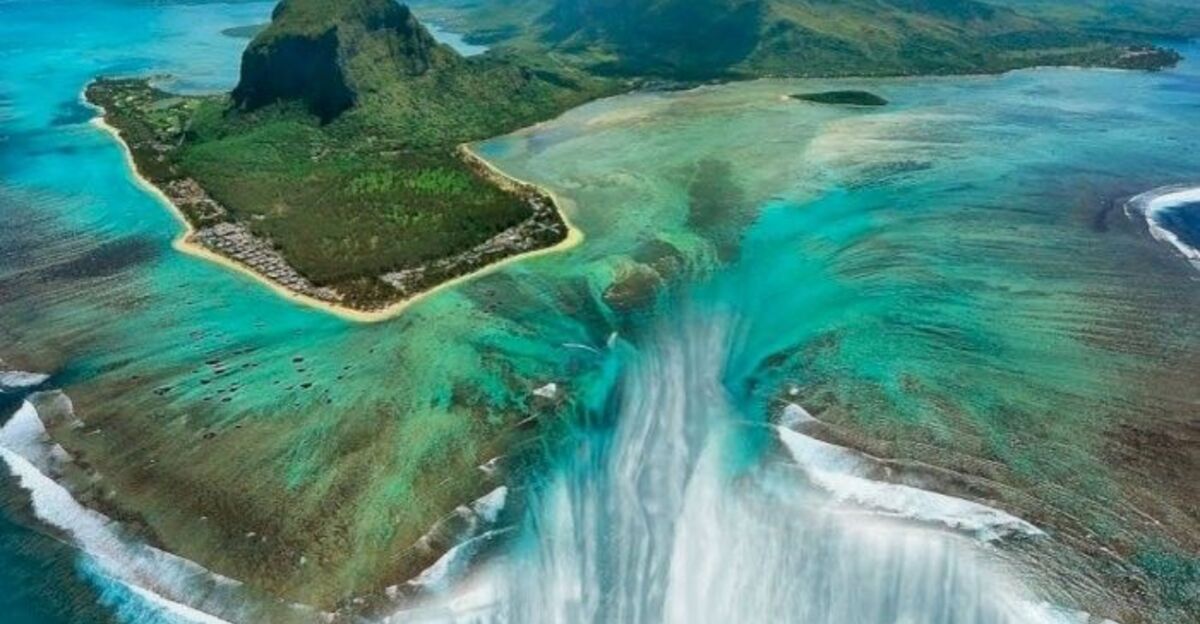
The Denmark Strait cataract is not just big—it’s transformative. Its underwater drop carries more water than any land waterfall, influencing global ocean circulation and climate patterns.
Scientists from Live Science assert, “Its size and power make it vital for Earth’s environmental balance,” positioning the cataract as a natural engine for the Atlantic’s water cycle.
A History Revealed
The story of this hidden marvel began decades ago. Oceanographers tracing currents between Greenland and Iceland suspected something immense was flowing underwater, but lacked technology to confirm it.
Advances in sonar mapping finally uncovered the Denmark Strait cataract, revolutionizing our understanding of the North Atlantic.
Pressure Builds
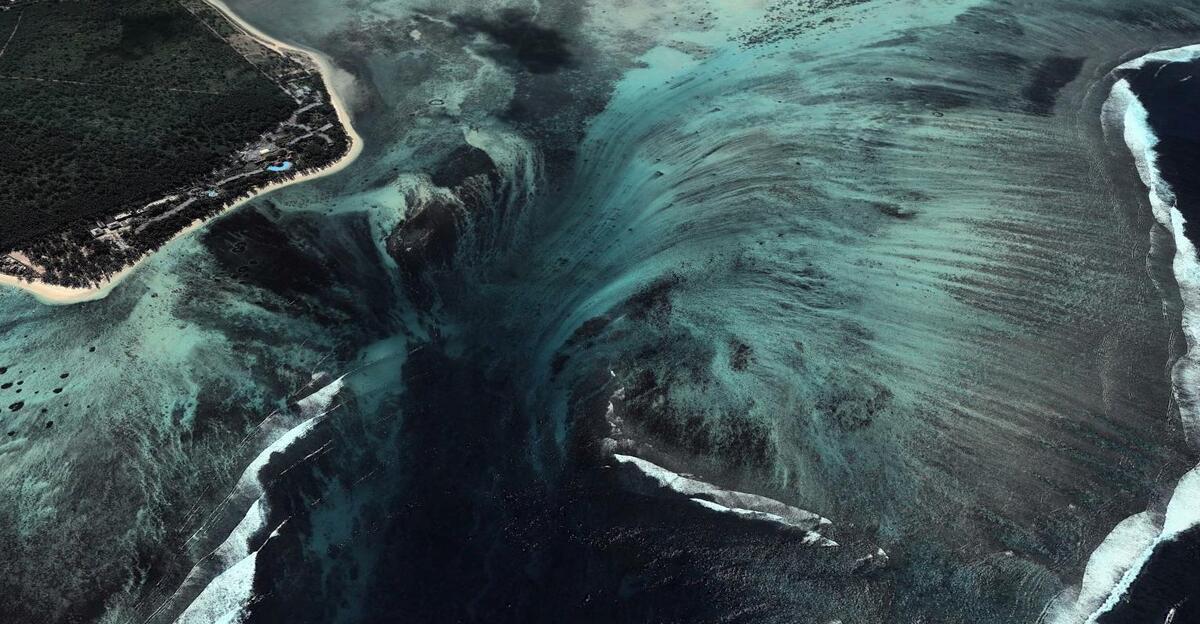
As Arctic exploration ramped up, researchers felt increasing urgency. Rising ocean temperatures and shifting currents brought new focus to deepwater phenomena.
“Every data point made us question what else was hidden beneath,” said Dr. Irene Sanchez Vidal, leader of recent expeditions. These trends pushed scientists to dig deeper for answers.
Official Confirmation
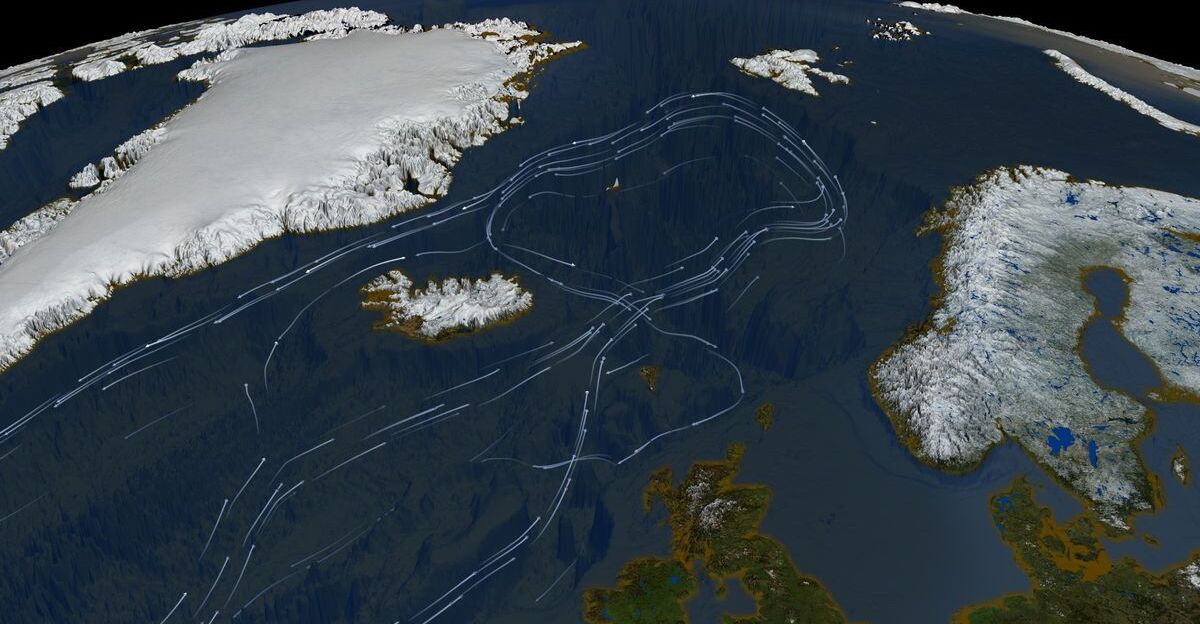
In 2017, NOAA and international scientists declared the Denmark Strait cataract the world’s largest waterfall.
Starting approximately 2,000 feet below sea level and dropping nearly 11,500 feet, it indisputably surpassed all land-based contenders. This confirmation established a new benchmark for natural wonders.
Regional Ripple
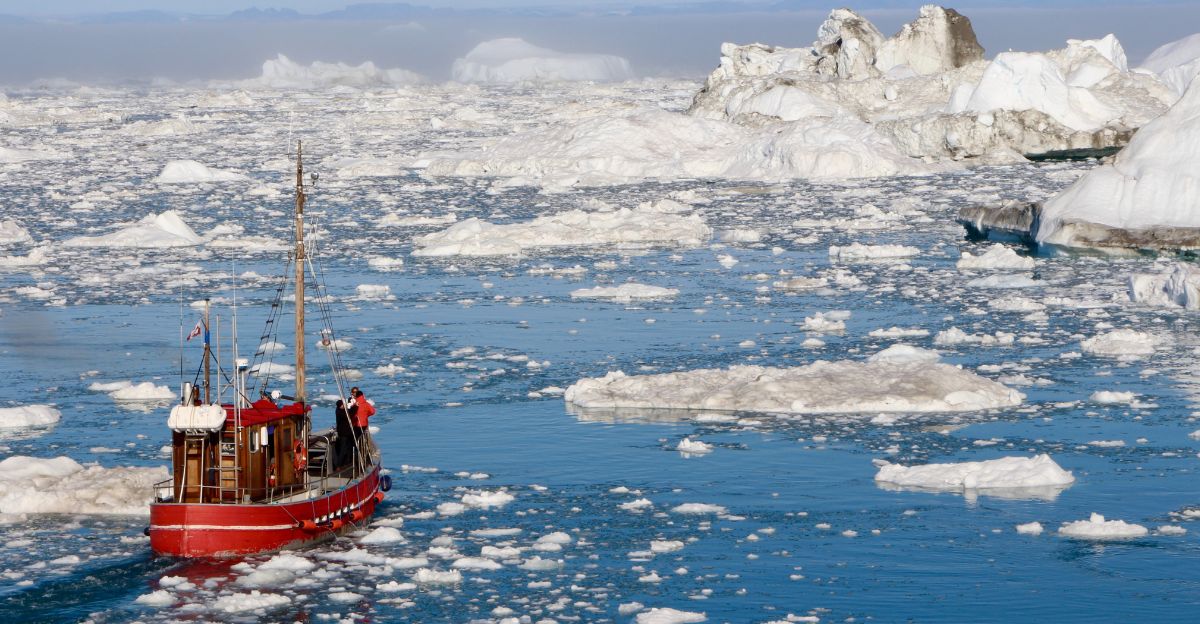
Local impacts ripple outward from the cataract’s undersea descent. Icelandic fisheries rely on nutrient-rich currents shaped by the waterfall; Greenland’s coastal communities track its influence on marine life. “It directly affects our fishing and weather,” said industry spokesperson Jónas Guðmundsson.
Years of Studying
Expert Mike Clare, leader at the U.K.’s National Oceanography Centre, notes, “This silent cascade beneath the waves has challenged everything we assumed about Arctic waters.”
Clare’s team spent years developing new instruments to measure the cataract’s massive flow and study its effects on the region.
Regulatory Shifts
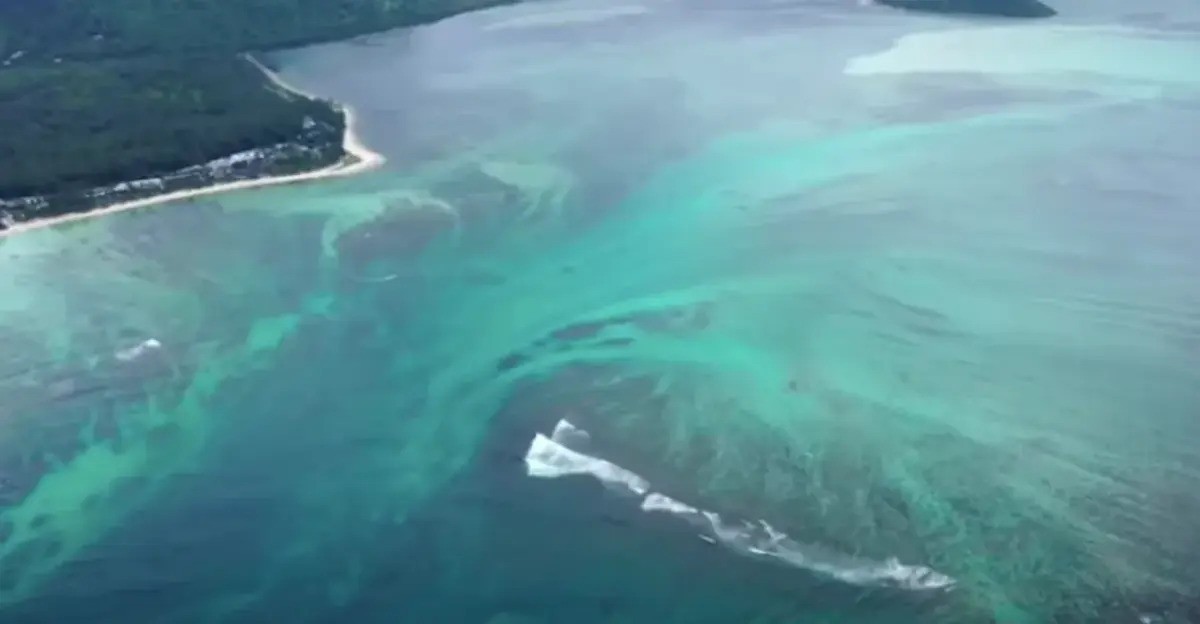
Maritime regulators quickly responded, updating international navigation charts and issuing new safety protocols for Denmark Strait passage.
Authorities stressed the importance of monitoring vertical water movement, citing the cataract’s role as a key factor in Arctic travel and shipping safety.
Climate Engine
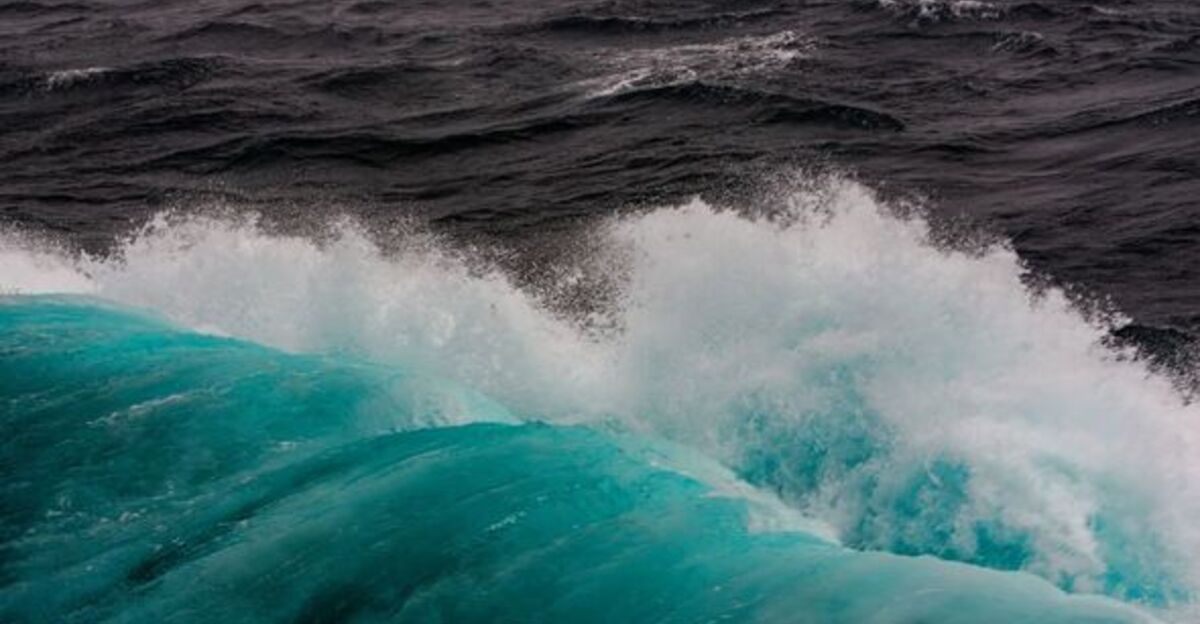
The Denmark Strait’s underwater waterfall acts as a powerhouse for global ocean circulation. Cold Nordic Sea water plunges down to mix with warmer Atlantic water, driving the Atlantic Meridional Overturning Circulation—a crucial system that helps regulate the climate across Europe and North America.
World Record
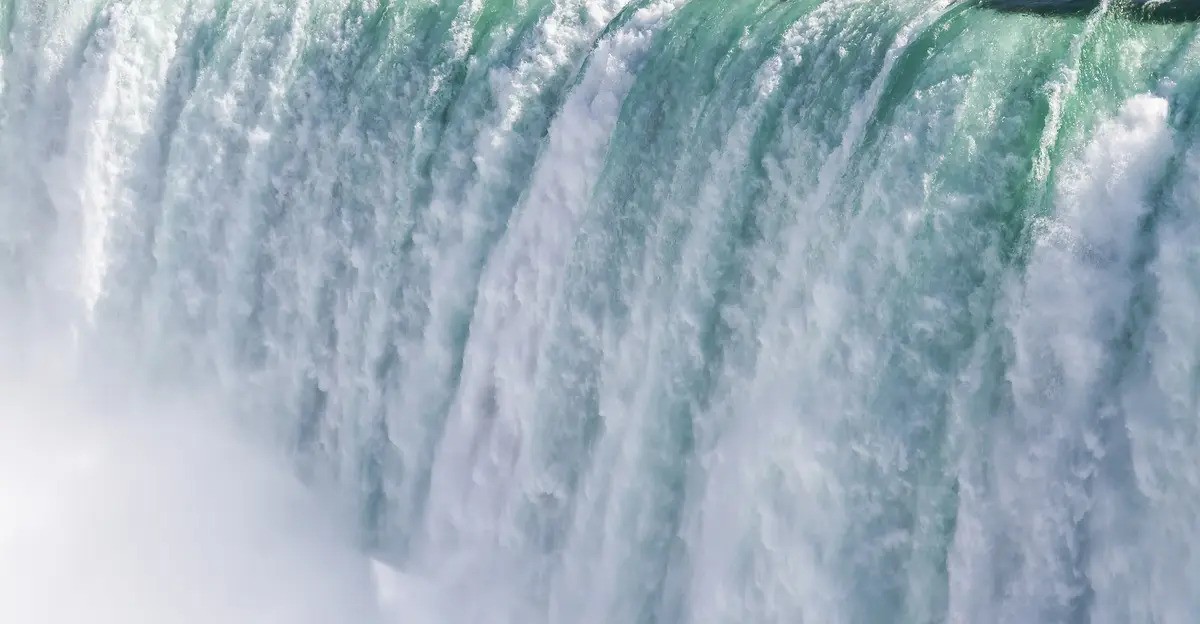
The waterfall’s flow rate exceeds 175 million cubic feet per second—more than 2,000 times greater than Niagara Falls and double Angel Falls in height.
Mike Clare adds, “If this were visible, it would be the greatest spectacle on Earth.” This record-breaking power is only just beginning to be studied.
Tensions Below
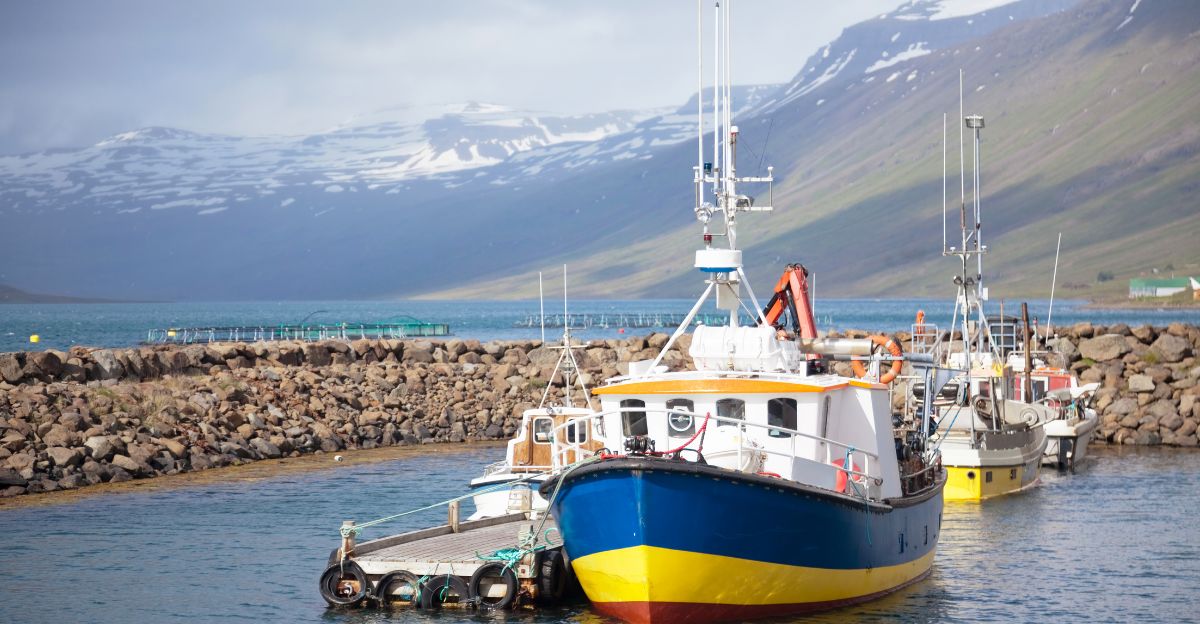
Fishermen in Iceland and Greenland have voiced concern over shifting current patterns linked to the cataract’s activity.
Variations in temperature and salinity impact local catches, and regulatory agencies are tracking these changes closely to safeguard regional economies.
New Research Leadership
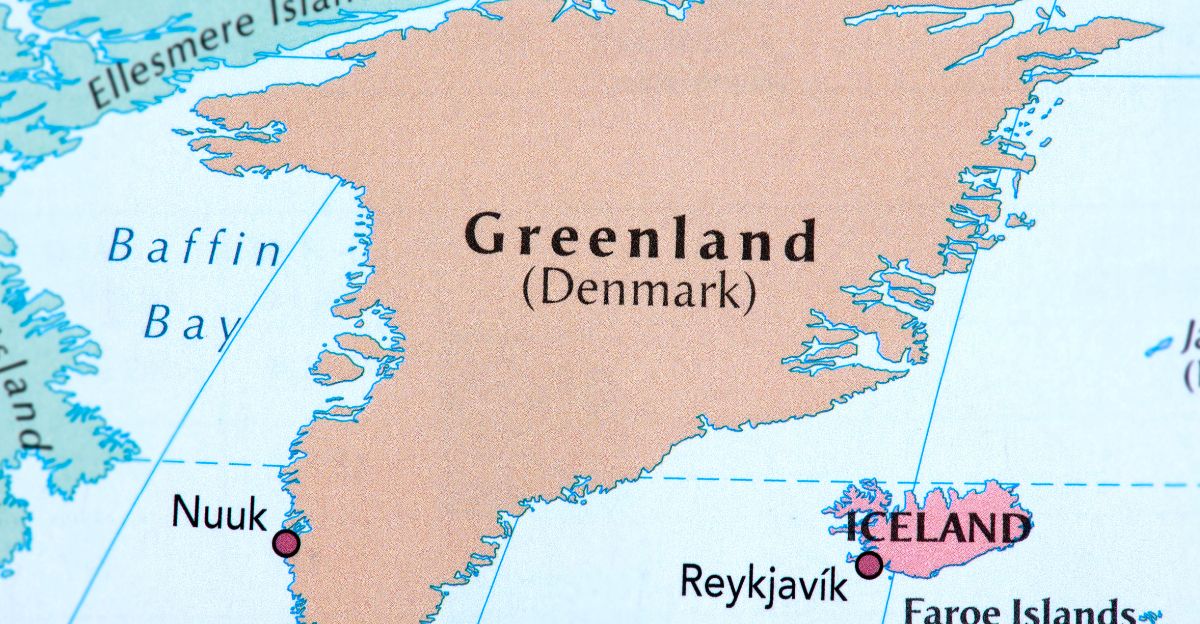
Collaborative efforts intensified as Iceland, Greenland, and European agencies prioritized the Denmark Strait cataract in joint research agreements.
Recent leadership changes at the Icelandic Marine Institute resulted in new programs to study and share findings globally.
Mapping Recovery
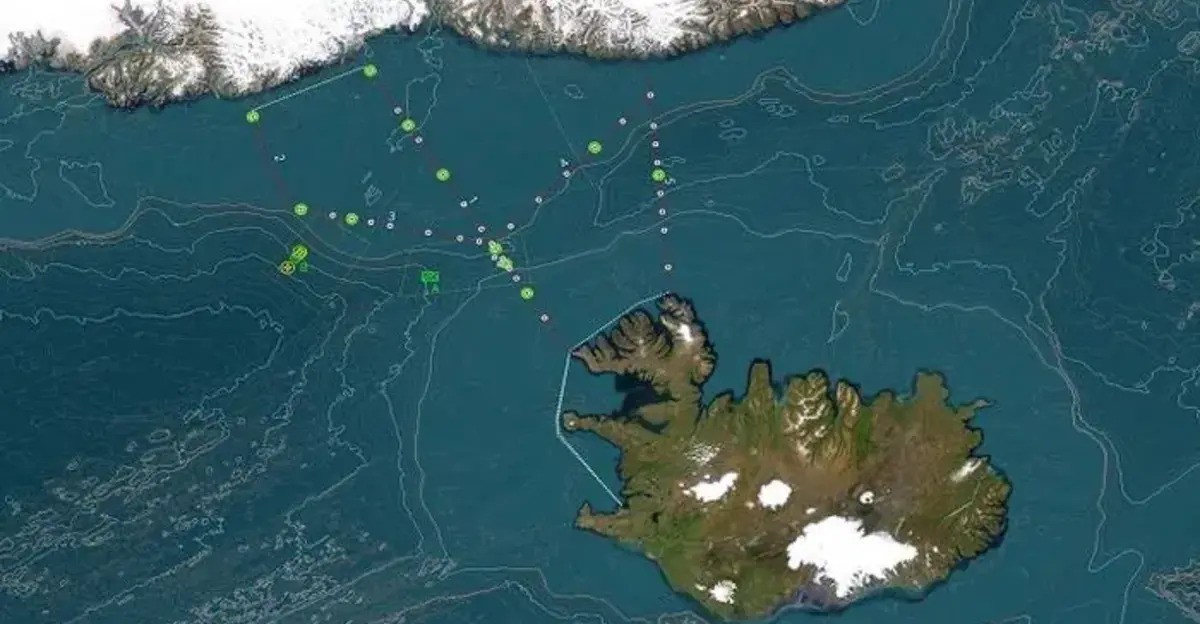
Restoration initiatives have launched near the Denmark Strait, aiming to preserve deepwater habitats affected by the cataract’s turbulence.
Subsidies from climate programs and the EU have accelerated ocean mapping projects, further expanding understanding of the region.
Expert Outlook
According to Dr. Sanchez Vidal, “The Denmark Strait overflow challenges conventional oceanography—its unpredictability forces us to rethink our climate models.” Calls for more advanced monitoring grow, as experts warn of continued surprises in the deep.
Looking Ahead
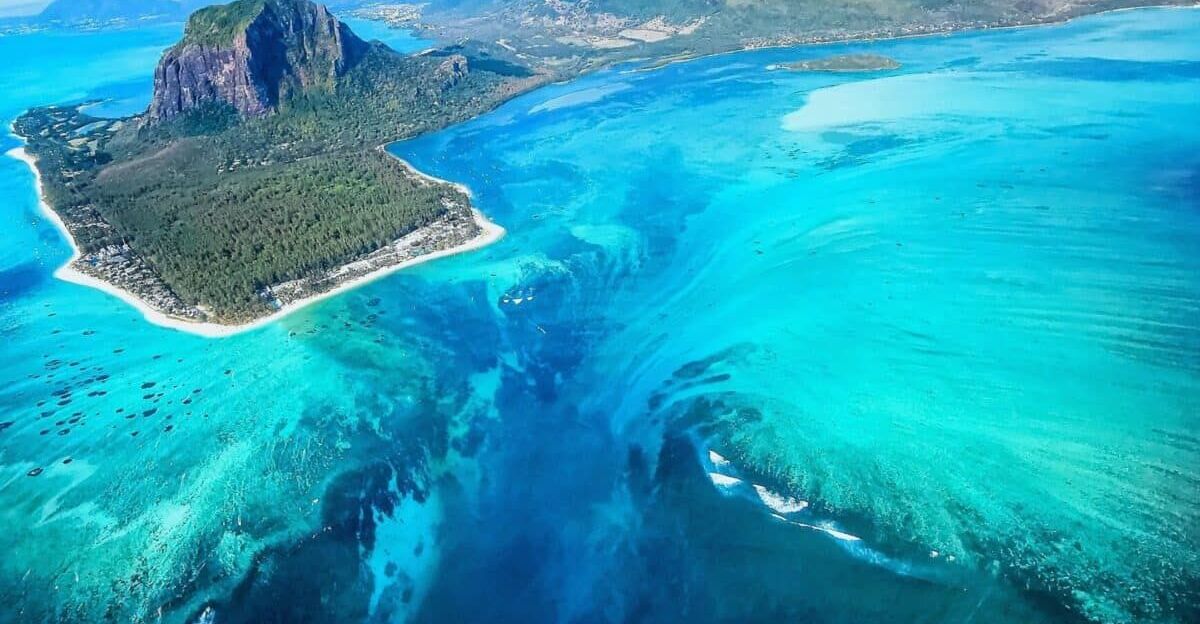
Will the Denmark Strait cataract intensify, or will warming seas decrease its flow? Scientists embark on longitudinal studies, hoping to forecast future shifts and their potential impact on both regional and global climate.
Protecting Coldwater Ecosystems
Policymakers responded to the waterfall’s discovery by updating conservation laws and creating new research partnerships.
There has been growing political emphasis on protecting coldwater ecosystems and sharing information across borders.
Alliances
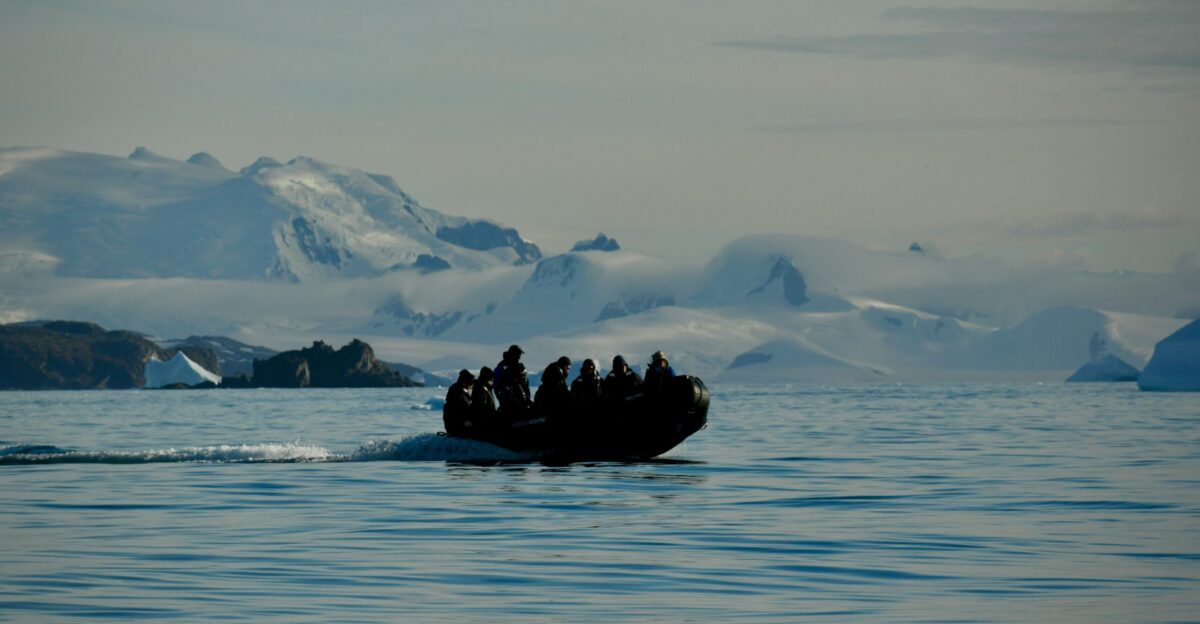
Greenland, Iceland, and EU agencies now coordinate efforts to measure cascading water and trace species migration. These alliances have strengthened regional data sharing and advanced global oceanography knowledge.
Environmental Effects
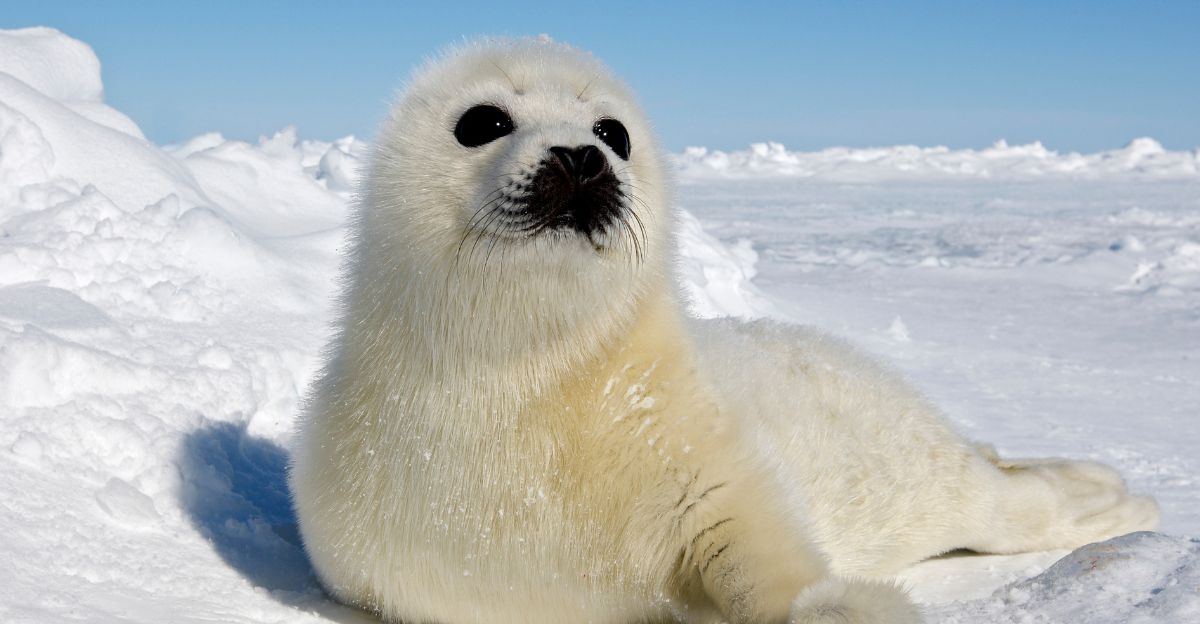
The Denmark Strait cataract redistributes sediments and nutrients, reshaping underwater landscapes and influencing the movement of Arctic marine species. Scientists warn that climate change may alter this delicate balance, with global implications.
Sparking Public Fascination
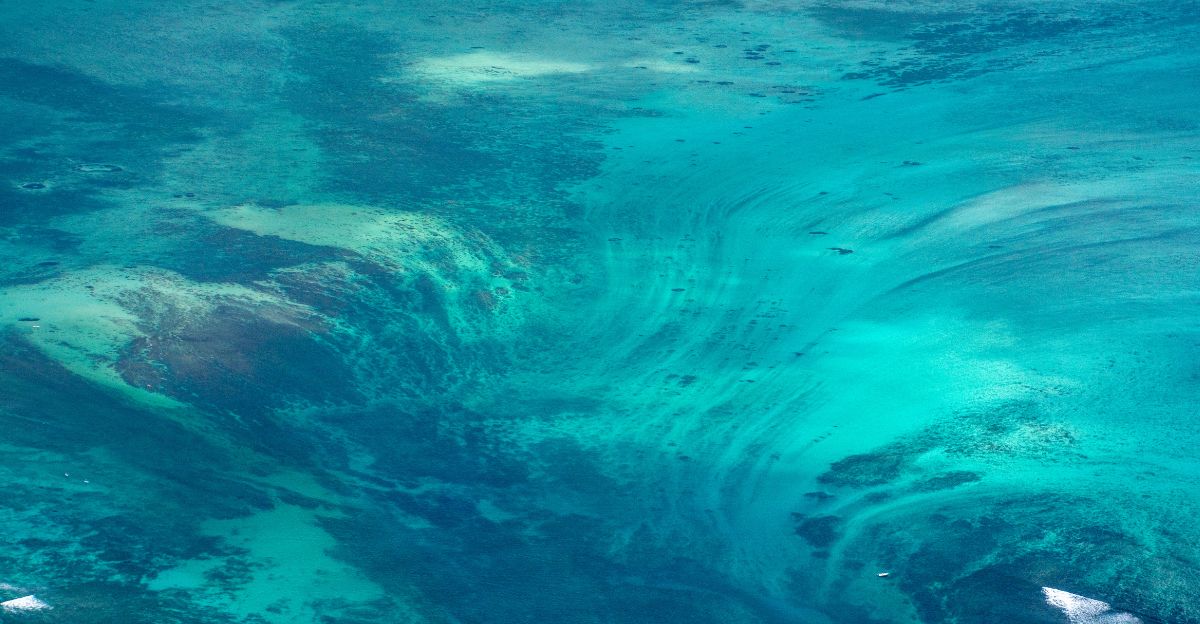
Once obscure, the Denmark Strait waterfall now appears in documentaries, textbooks, and local folklore. Its story is sparking public fascination with ocean health and inspiring a reevaluation of what natural wonders truly mean.
Lasting Significance
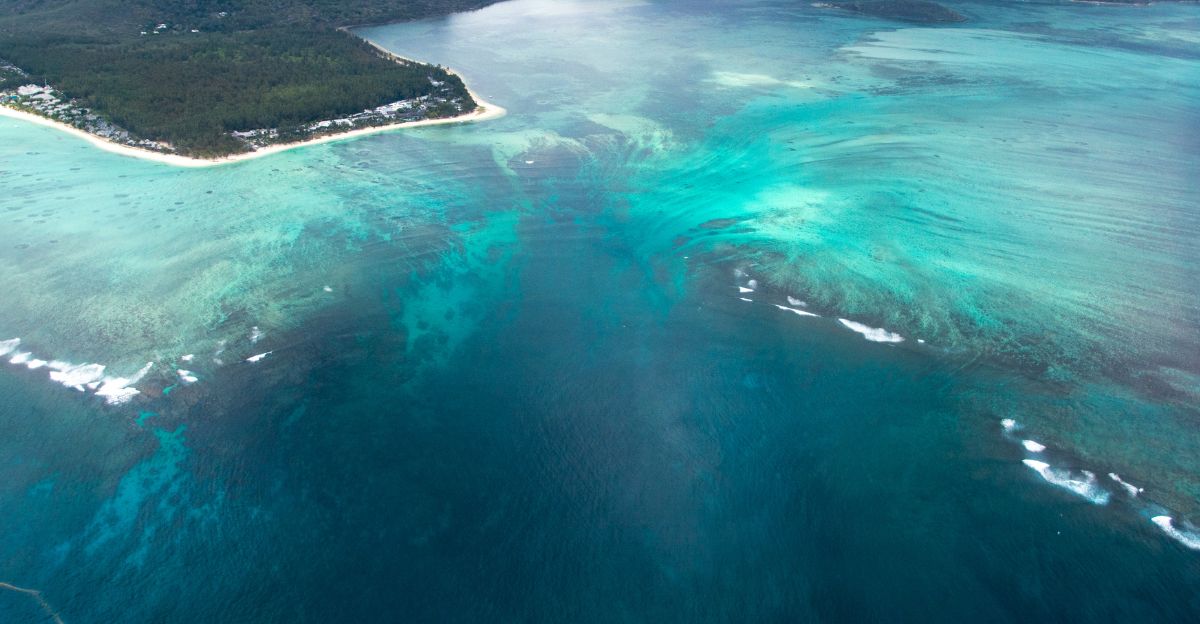
The Denmark Strait cataract redefines what scientists and explorers know about underwater mysteries. Unseen beneath the waves, its scale and influence signal Earth’s capacity for hidden power, urging ongoing discovery and stewardship as the final frontier deepens.