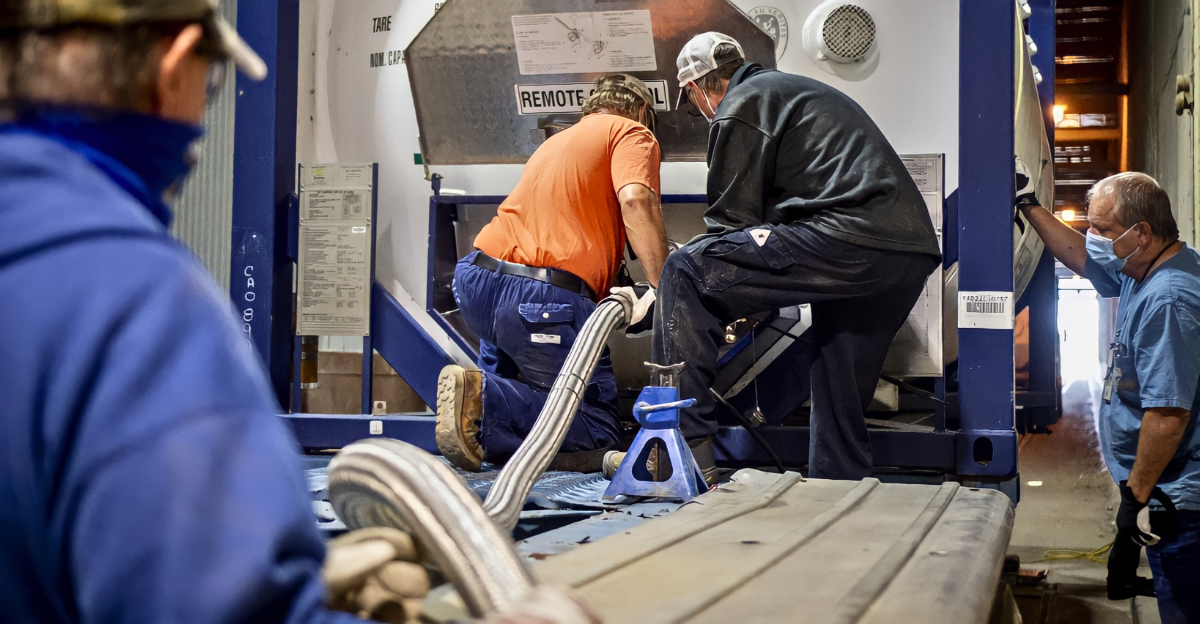
American utilities are scrambling for secure uranium supplies as Russia’s dominance threatens nuclear fuel security across the globe. According to the Atlantic Council, the United States currently imports approximately 95% of its enriched uranium from foreign sources, creating dangerous strategic vulnerabilities for the nation’s 93 operating nuclear reactors that collectively provide roughly 20% of America’s electricity. This dependency has become a critical national security concern as geopolitical tensions escalate.
Money Talks: $2.7 Billion Floods Nuclear Sector
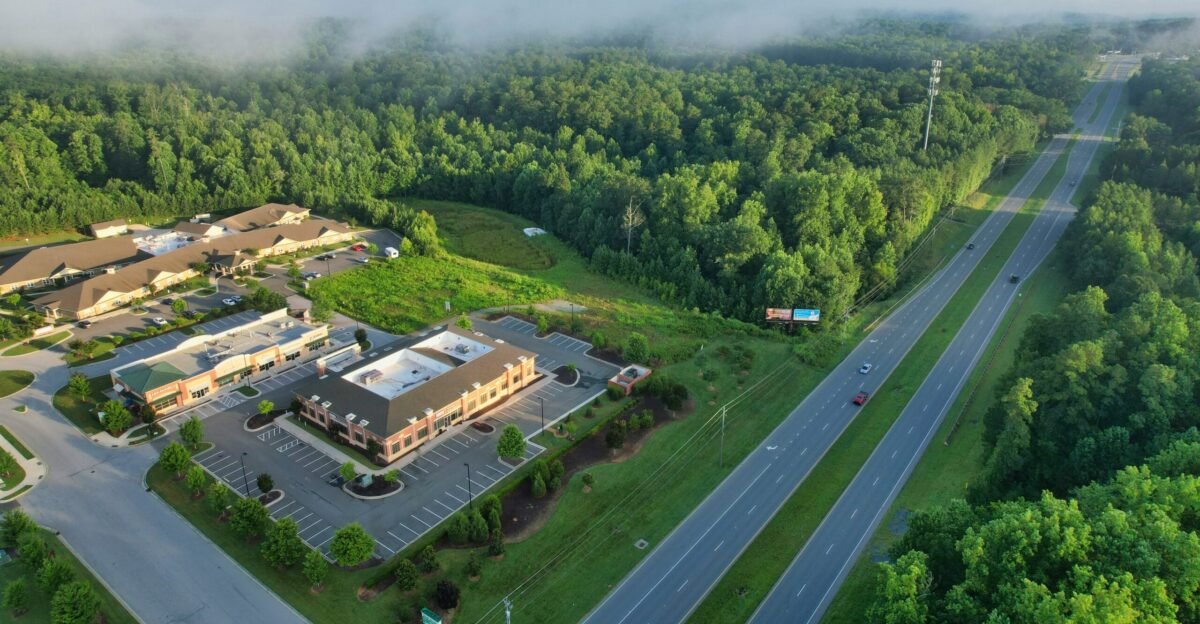
Private investors are pouring unprecedented amounts of capital into domestic nuclear infrastructure projects as energy demand from artificial intelligence systems and massive data centers soars nationwide. Third Way reports that nuclear power companies secured over $2.7 billion in federal contracts last year alone, marking the largest uranium enrichment investment commitment since the height of the Cold War era. This funding surge includes a DOE grant to General Matter under federal reindustrialization efforts.
Ghost Town: When America’s Uranium Giant Died
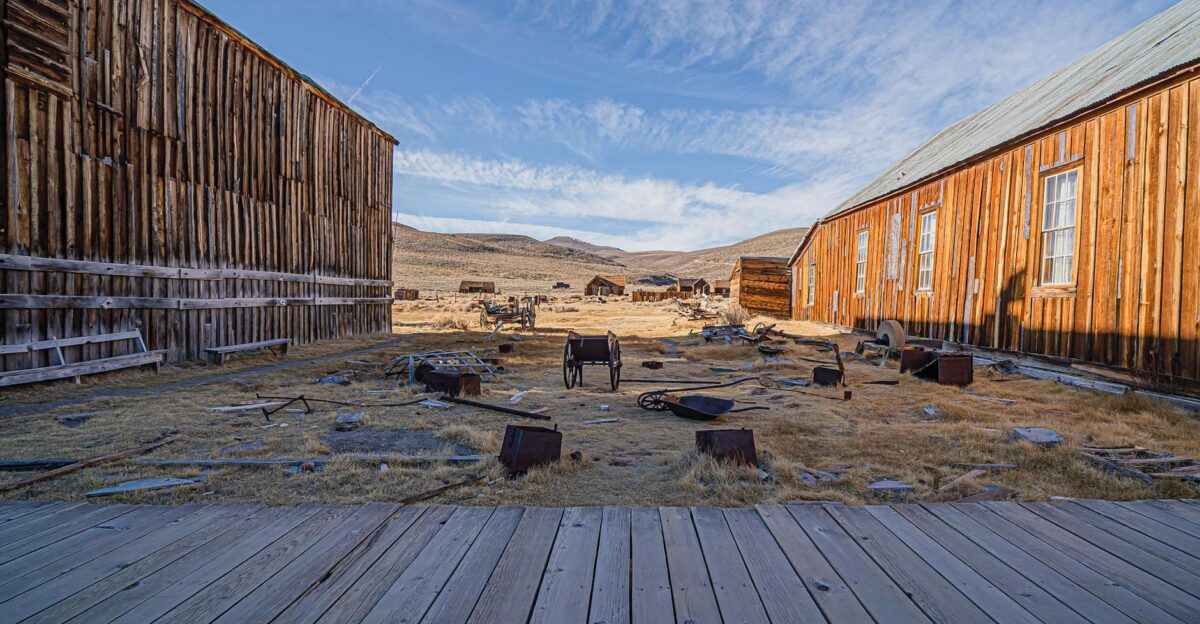
The Paducah Gaseous Diffusion Plant once powered 20–25% of the country’s nuclear electricity before closing in May 2013. For 61 years, the Kentucky facility enriched uranium using energy-intensive gaseous diffusion, consuming enough electricity annually to power Washington, D.C., DOE records show. Its shutdown eliminated over 1,200 high-paying jobs, leaving a regional economy recovering more than a decade later.
Tech Titans Go Nuclear: Silicon Valley’s New Obsession
Tech billionaires are now backing nuclear power as essential to America’s energy future and technological edge. Peter Thiel’s Founders Fund led a $50 million funding round for General Matter in April 2025, and reports say Thiel is listed as a director in state filings. The firm previously backed SpaceX and Palantir, and its move into uranium enrichment marks the most prominent Silicon Valley investment in heavy nuclear infrastructure.
Breaking: SpaceX Engineer Announces America’s Nuclear Comeback
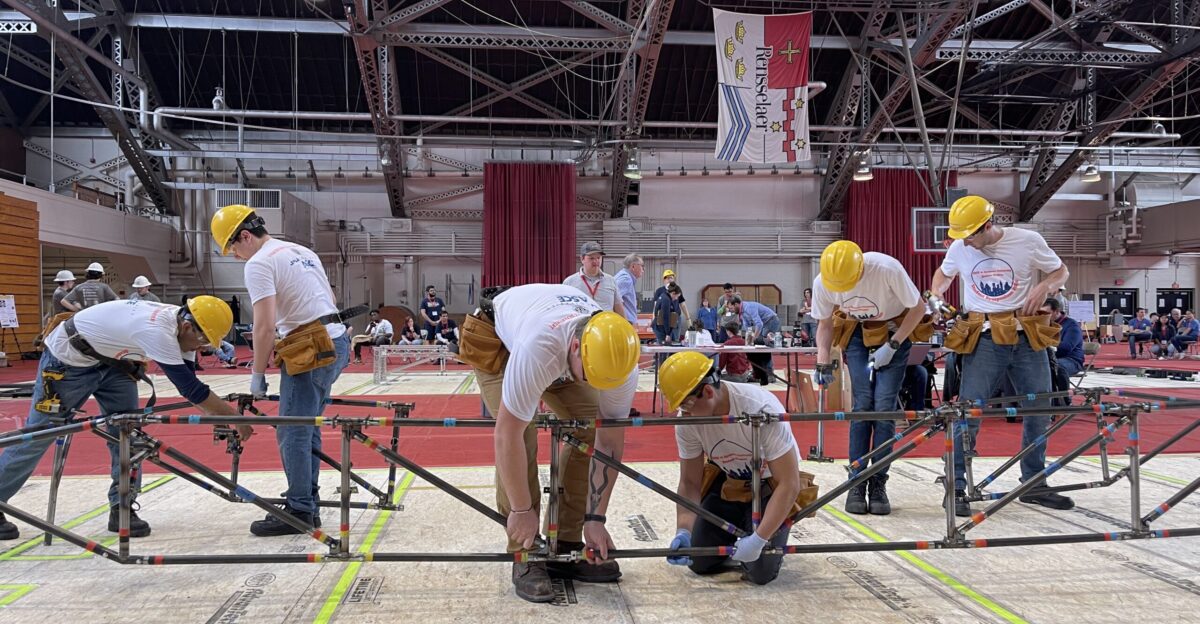
On July 25, 2025, General Matter announced plans to build the first privately owned, U.S.-developed uranium enrichment facility at the historic Paducah site in western Kentucky. Led by former SpaceX engineer Scott Nolan and backed by Thiel’s $50 million, the startup will employ laser isotope separation technology to produce High-Assay Low-Enriched Uranium (HALEU) for next-gen reactors.
Jobs Bonanza: Kentucky Prepares for Nuclear Renaissance
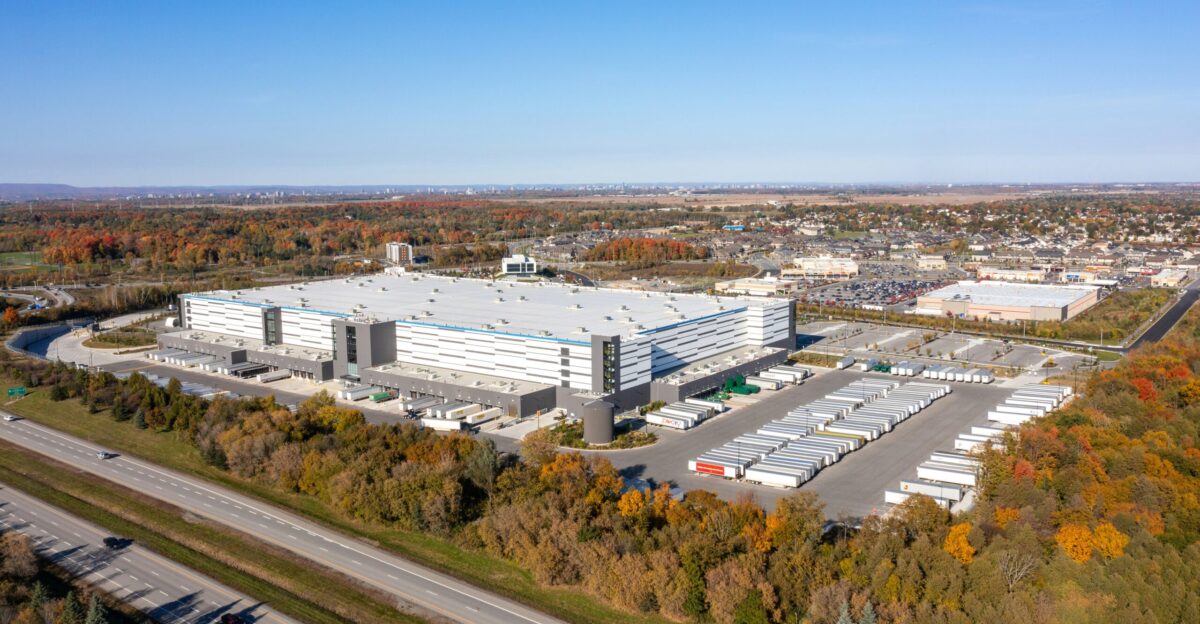
Western Kentucky officials expect hundreds of direct manufacturing jobs and thousands of indirect positions during construction and operations at the McCracken County site. Governor Andy Beshear will attend the August 5 announcement, underscoring state support. General Matter said the project, a planned $1 billion-plus investment, aims to start HALEU shipments by 2030, reports indicate.
“Historic Investment”: Company Promises Energy Independence
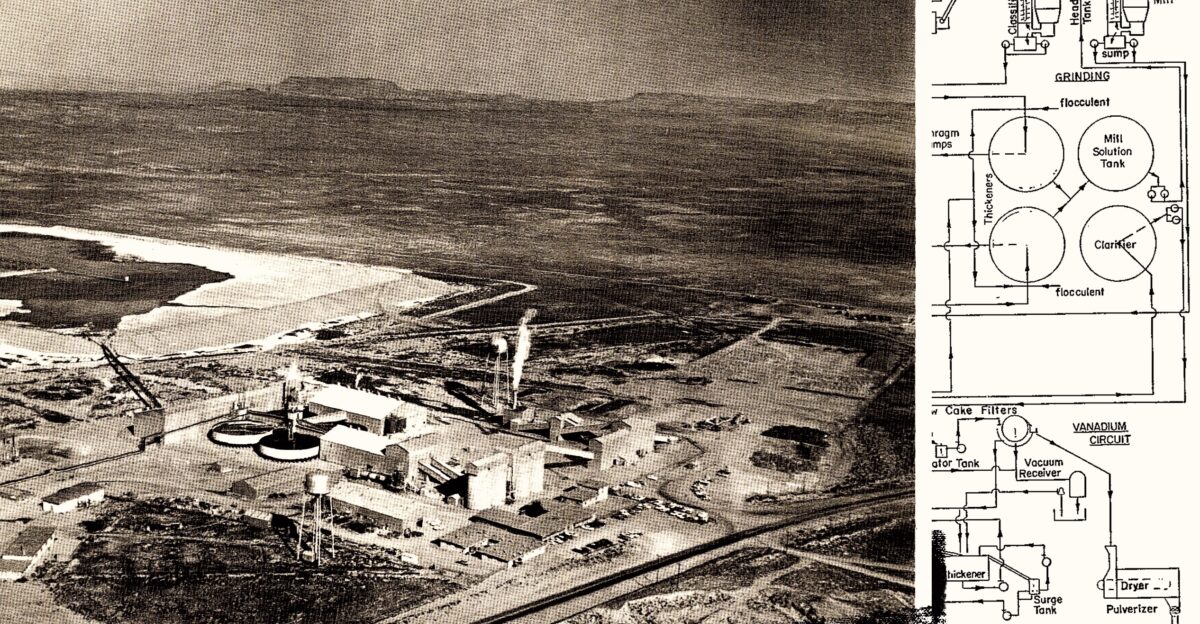
“We are extremely proud to return to and rebuild this historic site to power a new era of American energy independence,” General Matter announced. The project, including DOE grant funding, represents hope for a community recovering from the 2013 closure that cost 1,200 jobs, local leaders say. It’s billed as the largest private capital infusion into U.S. nuclear fuel since the 1960s.
Elite Club: Only Four Companies Win Uranium Jackpot
According to ANS, General Matter is one of four companies selected by the DOE for HALEU enrichment contracts worth up to $2.7 billion over 10 years. The startup competes with established firms like Centrus Energy, which produces commercial enriched uranium in Ohio. General Matter’s use of laser enrichment could leapfrog traditional methods in efficiency and output.
Trump’s Nuclear Mandate: End Russian Addiction by 2040
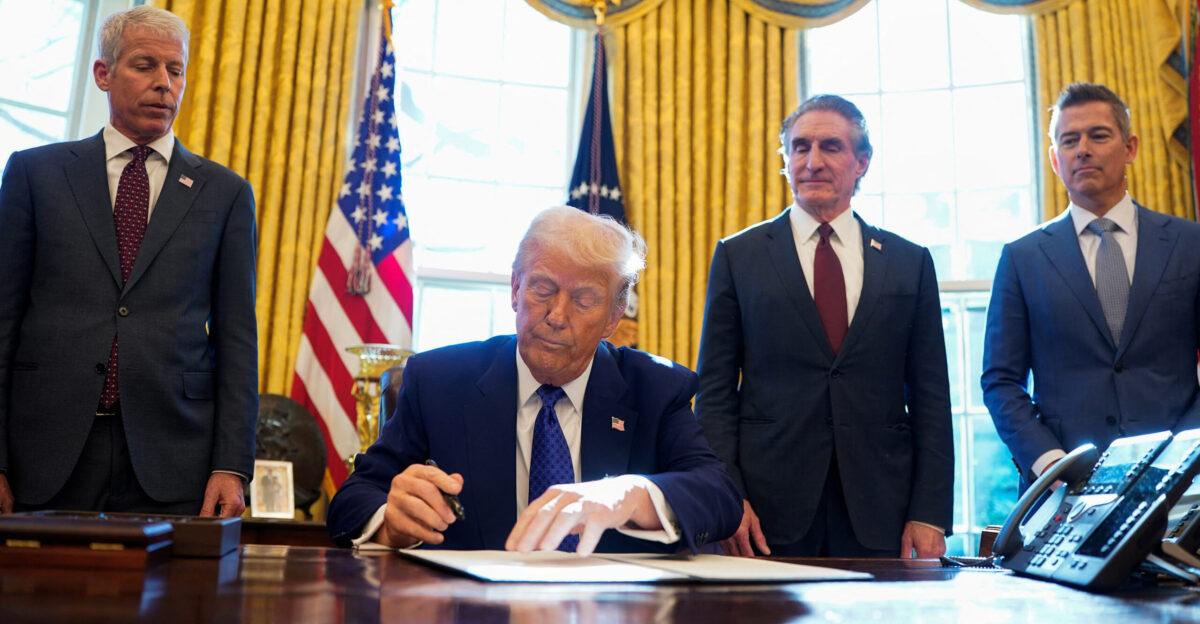
President Trump’s May 2025 executive orders mandate the rapid expansion of domestic uranium production to end reliance on Russia. The administration aims to quadruple U.S. nuclear capacity by 2050 and ban Russian imports through 2040 under bipartisan legislation. These moves, analysts say, set the stage for private ventures like General Matter.
Identity Crisis: Two Companies, Same Site, Different Tech

General Matter’s announcement has been confused with Global Laser Enrichment, a separate firm developing SILEX laser technology in Paducah. While GLE focuses on a different laser process, General Matter confirmed it will also use laser isotope separation for HALEU, creating healthy competition and market confusion, World Nuclear News reports.
Mission Impossible: Rebuilding America’s Lost Nuclear Skills
After decades of foreign dependence, Scott Nolan now faces the challenge of reviving U.S. uranium enrichment. Industry experts note that he must navigate NRC licensing, secure supply chains, and outpace state-backed competitors like Russia’s Rosatom. Success will hinge on combining Silicon Valley’s agility with nuclear safety rigor.
Power Player: Peter Thiel Joins Nuclear Revolution
In April 2025, Thiel formally joined General Matter’s board, state filings show. His venture capital expertise and influence add heft to the startup’s strategy. Observers say his involvement signals confidence in nuclear’s commercial potential and may attract further private funding.
Next-Gen Fuel: Racing Russia for Advanced Reactor Market
General Matter aims to supply HALEU by 2030 for advanced reactors, a market now dominated by Russia. DOE’s HALEU Availability Program underscores the urgency to rebuild U.S. capacity. The company could secure a prime spot in emerging small-modular and microreactor projects if successful.
Reality Check: Can Startups Beat State-Owned Giants?
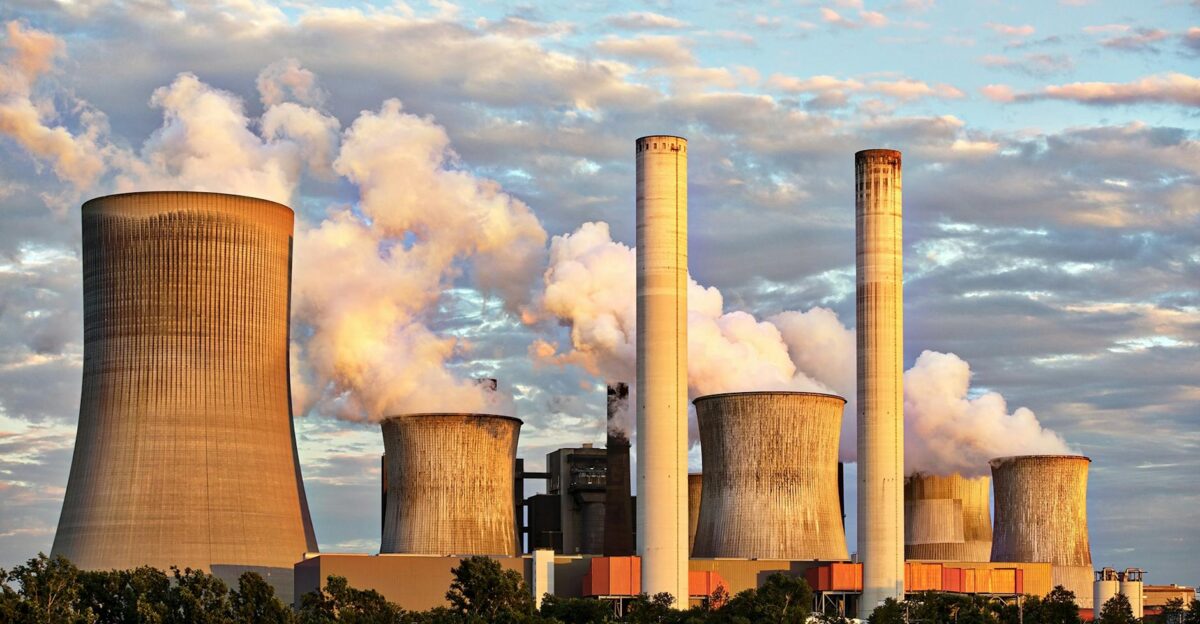
Analysts question whether new entrants can compete with well-funded state-owned enterprises like Rosatom. Rebuilding enrichment infrastructure demands billions, long timelines, and political backing. Venture-style approaches may need to adapt to nuclear’s capital-intensive and heavily regulated reality.
Make or Break: The Ultimate Test for Private Nuclear
General Matter’s future hinges on NRC licensing, market fluctuations, and continued federal support. A failed bid could deter further private investments, analysts warn. A successful launch may inspire more startups and bolster U.S. energy security through diversified supply chains.
Political Gold Mine: Rare Bipartisan Nuclear Support
The Paducah project embodies an “America First” push transcending party lines. Republicans highlight job creation and security; some Democrats back clean energy aspects. Lawmakers from both sides praise the venture’s potential, suggesting nuclear fuel policy could unite a divided Congress.
Global Shockwaves: Allies Watch America’s Nuclear Gambit

U.S. allies in Europe and Asia are monitoring Paducah closely. A revived domestic enrichment capability would lessen their reliance on Russian and Chinese suppliers. Energy security experts say successful U.S. HALEU production could reshape global nuclear fuel markets and alliances.
Toxic Legacy: Environmental Ghosts Haunt Paducah Site
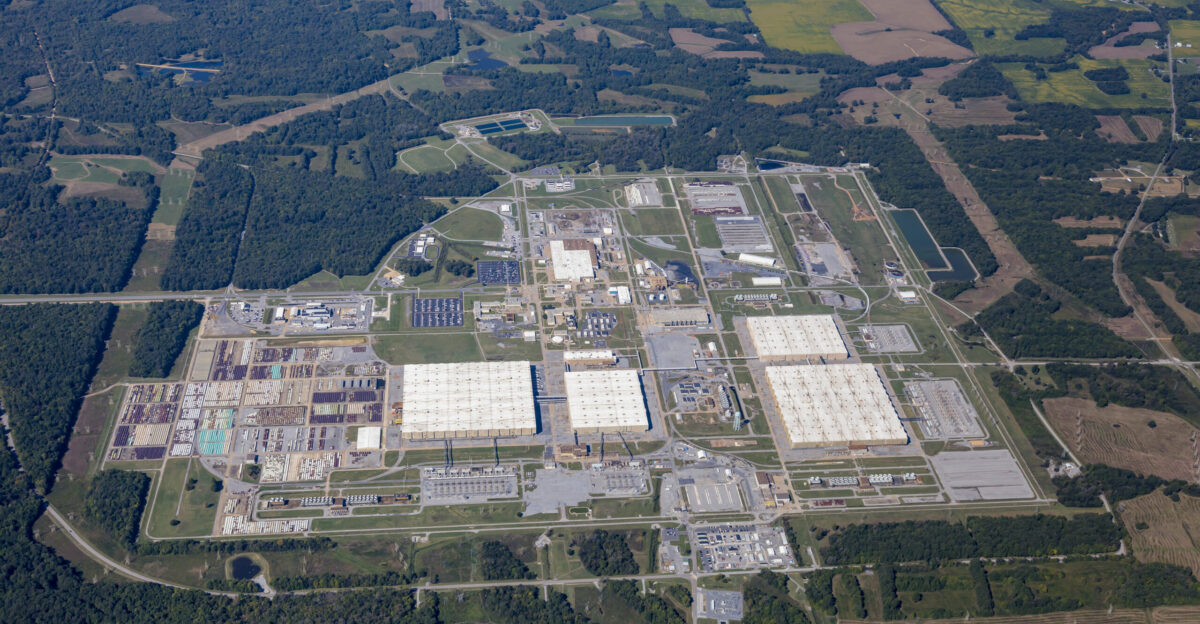
Paducah’s decades of uranium processing left contaminated soil and groundwater. Community activist groups urge strict NRC oversight and transparent cleanup plans. General Matter has pledged to work with regulators and local stakeholders to address legacy pollution before operations begin.
Culture Clash: Silicon Valley Meets Nuclear Industrial Complex
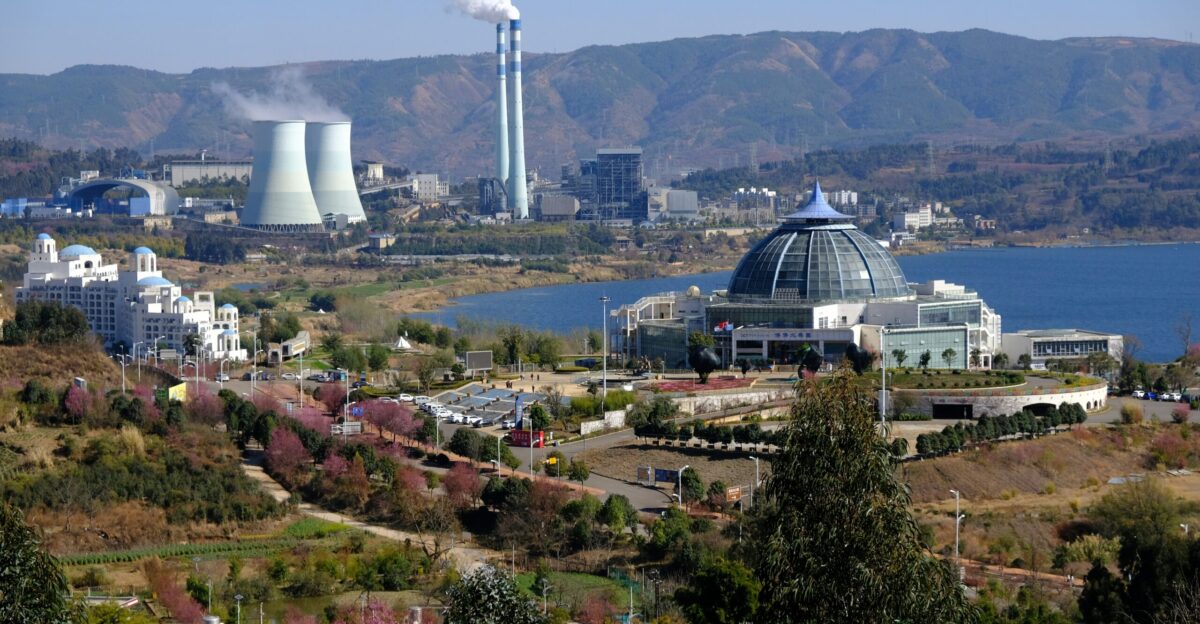
Silicon Valley’s move into nuclear infrastructure signals a shift in energy investment. Startups bring rapid iteration and private capital but face Nuclear’s rigorous safety culture. Bridging these worlds will require clear communication, robust compliance, and respect for industry norms.
The Ultimate Question: Can Private Enterprise Save America’s Nuclear Future?
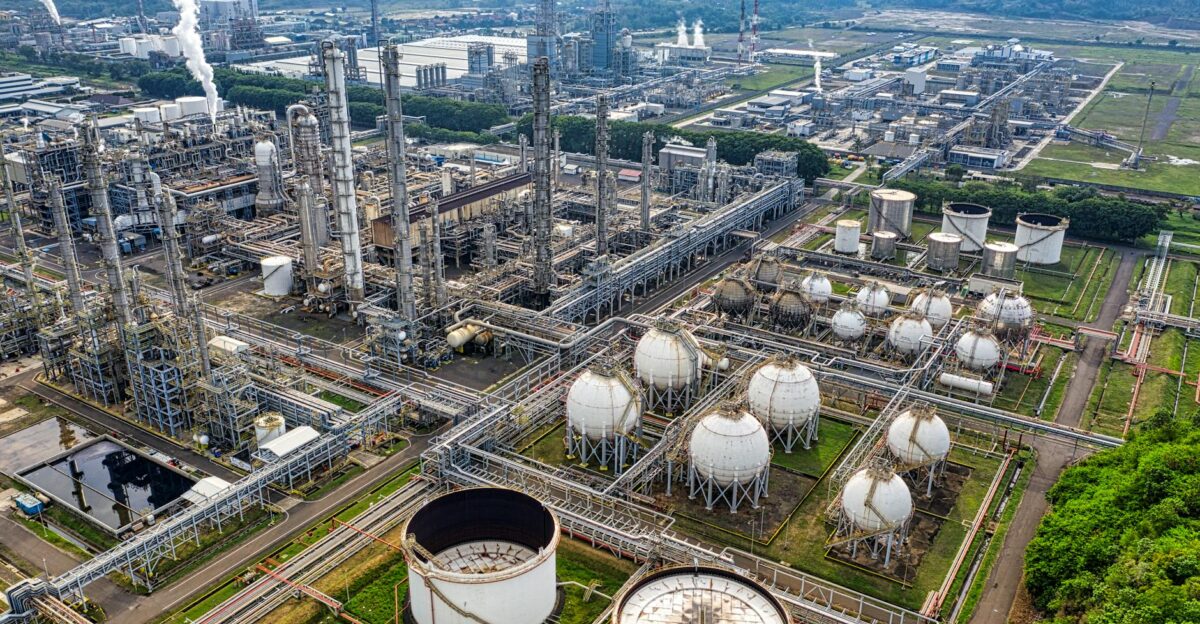
General Matter’s Paducah venture symbolizes a test of private innovation in a field once dominated by government. Its outcome will influence whether the U.S. can achieve true fuel independence and national security through market-driven solutions—or if nuclear remains the domain of state actors and established firms.