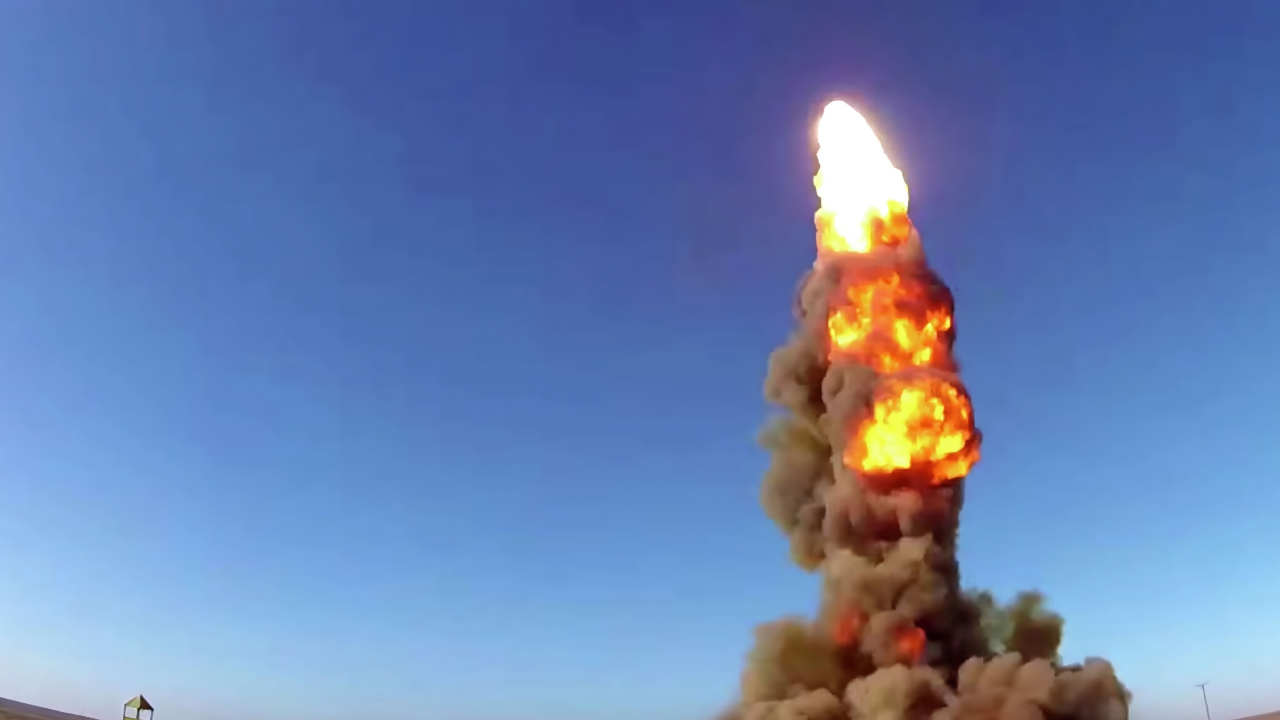
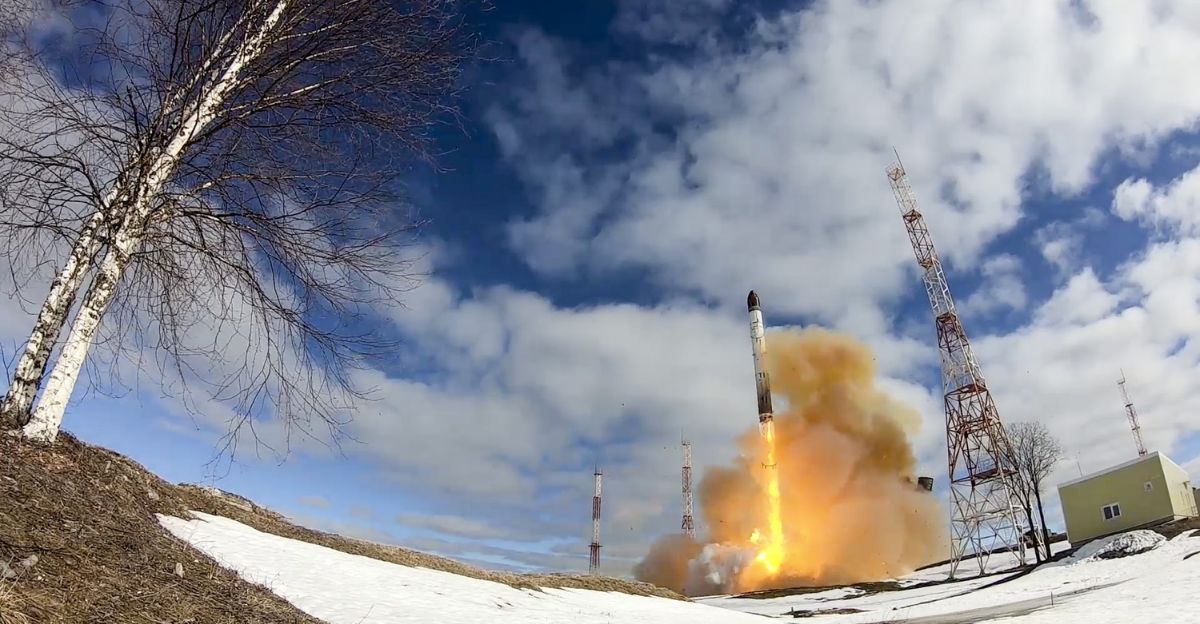
Russia’s RS-28 Sarmat missile, often referred to as “Satan II,” is touted as a revolutionary component of the Kremlin’s nuclear arsenal, promising devastating capabilities by potentially delivering 10 to 16 warheads over vast distances. Conceived to replace old Soviet missiles, its path has been riddled with setbacks.
Initially scheduled for deployment in 2018, the Sarmat has faced design flaws, escalating costs, and delays, culminating in its introduction as a symbol of modernity in the realm of nuclear deterrence. However, the looming specter of failure has cast doubt on its reliability, with escalating concerns regarding Russia’s military modernization efforts in light of recent events.
Smoke and Rubble
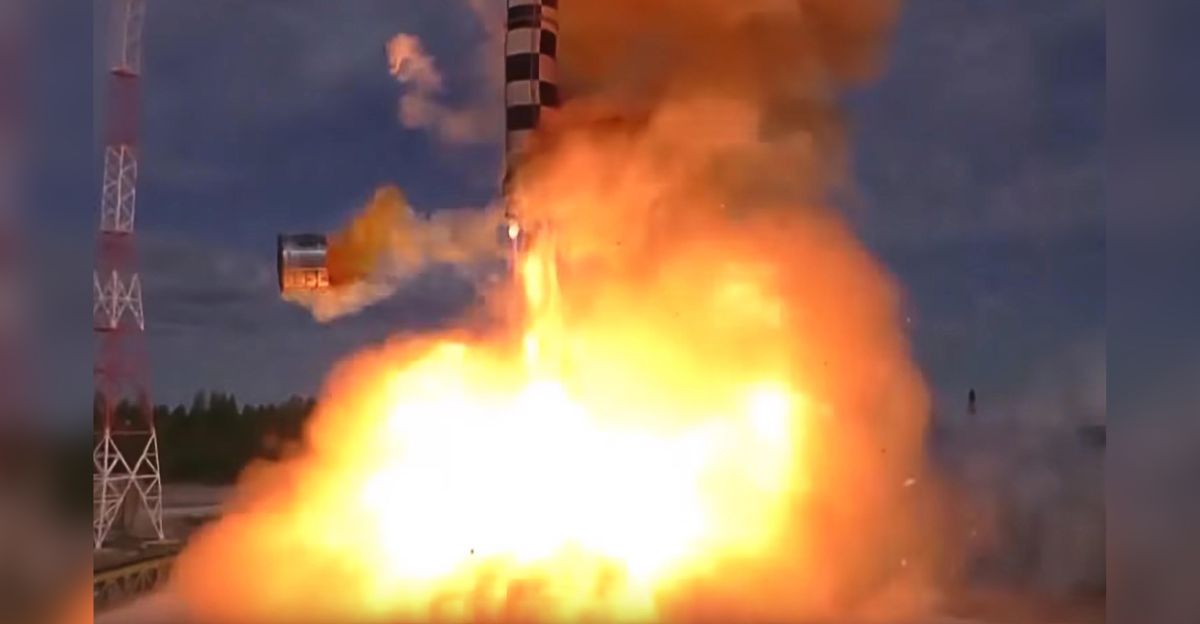
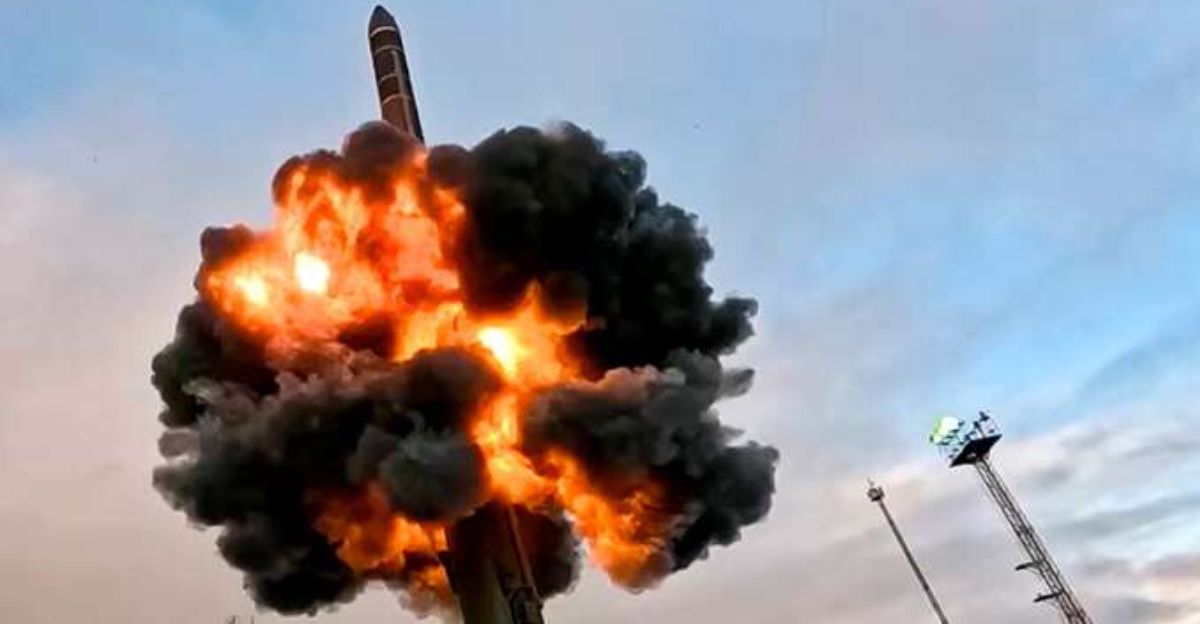
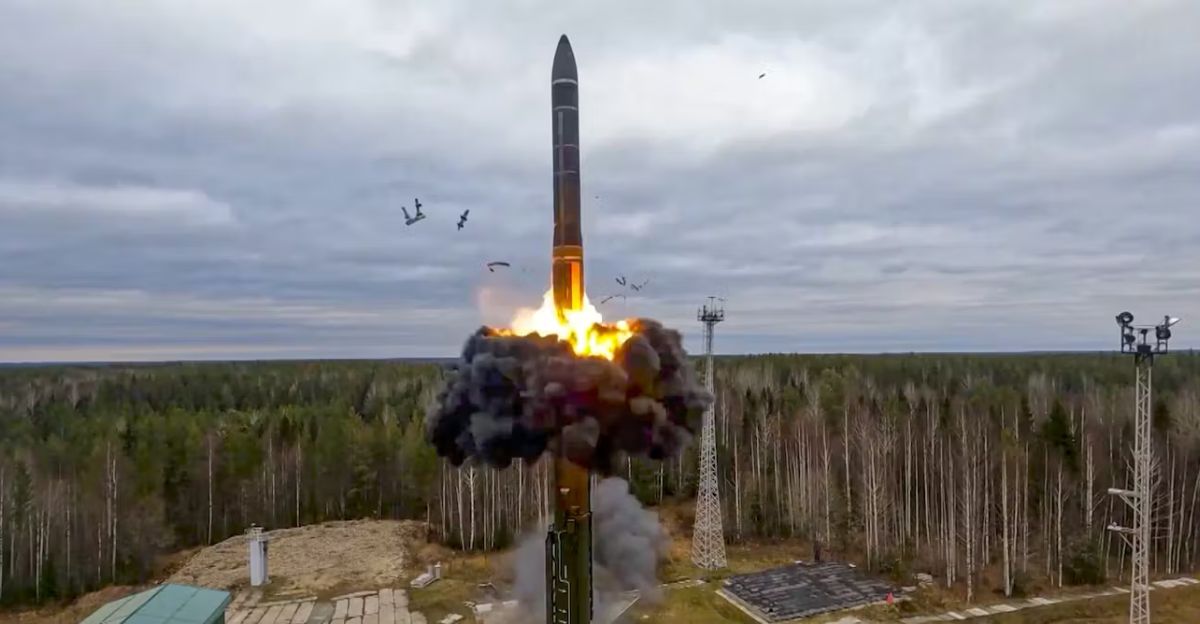
A Catastrophic Test Launch. The situation escalated during a test launch on November 28, 2024, when the Sarmat suffered a catastrophic failure. Just seconds after ignition, the missile veered off course, emitting thick clouds of black and purple smoke before exploding about half a mile from its launch silo.
Eyewitness footage captured the dramatic sequence of events, highlighting the severity of the malfunction and reinforcing fears regarding Russia’s missile program. Analysts noted that this incident exemplified a complete systems failure at a crucial moment, raising significant questions about Russia’s technological capabilities in nuclear weaponry.
Design Flaws Surface
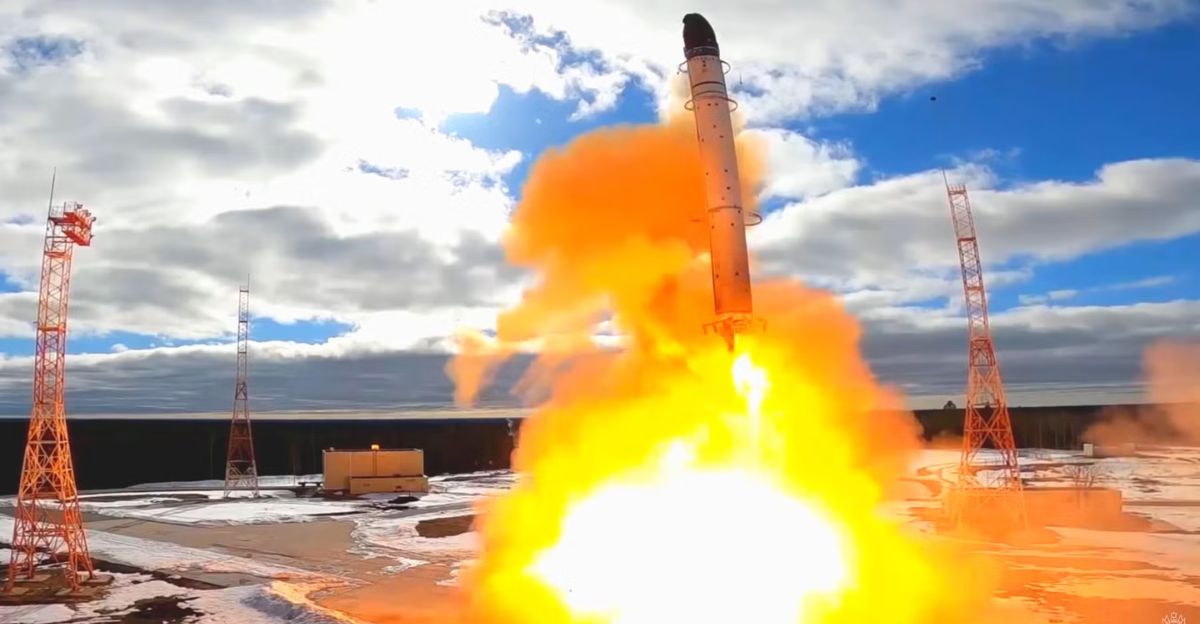
The Design Flaws Come to Light. Initially heralded as a solution to outdated Soviet-era weaponry, the Sarmat program has faced relentless hurdles, including engineering flaws and funding complications. Russia’s defense ministry promoted the missile as unmatched globally, boasting capabilities to strike targets worldwide.
Yet, the repeated failures have triggered skepticism among experts. President Putin’s previous assertions concerning the missile’s readiness stand in stark contrast to its ongoing issues. The Sarmat’s troubled development journey prompts a reevaluation of claims made by Russian officials regarding its nuclear readiness and overall efficacy, casting a shadow over the perceived modernization of their military arsenal.
Credibility Crisis
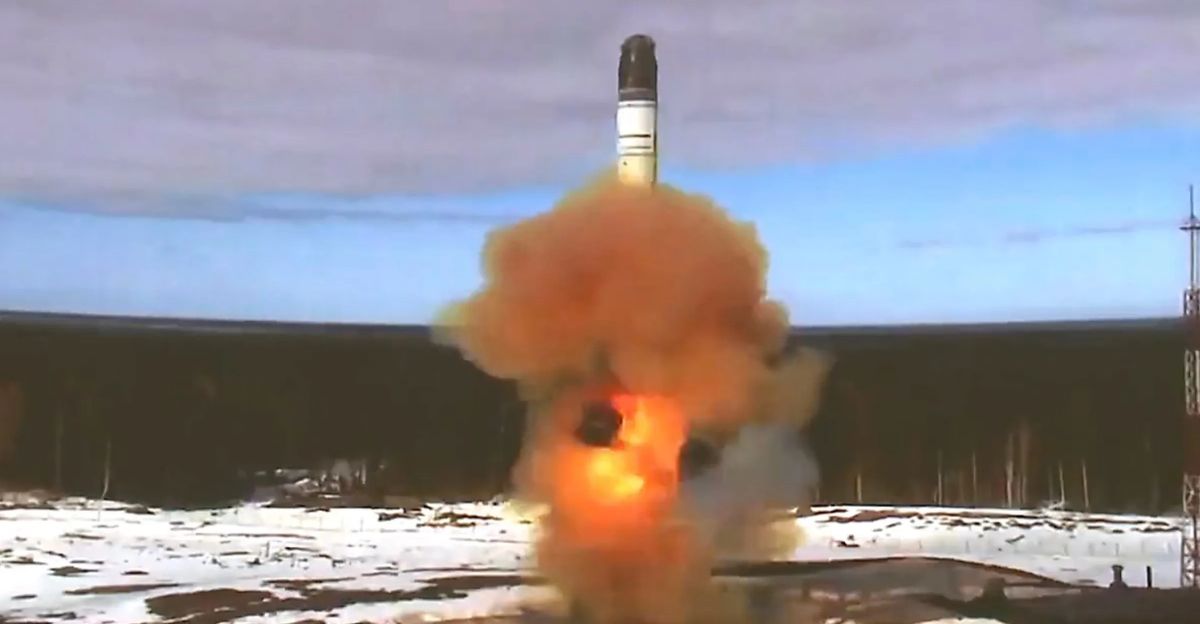
A Crisis of Credibility. The failures of the Sarmat missile have sparked a crisis of credibility for Russia’s military modernization efforts. The ongoing conflict in Ukraine has starkly highlighted deficiencies in production capabilities, especially those tied to aging Soviet-era systems.
The Sarmat missile represents a critical component of Russia’s strategic plan against Western missile defense; however, its failures raise questions about the dependability of Russia’s deterrent capabilities. With the November test marking a fifth consecutive failure, analysts emphasize the unprecedented nature of such a streak for a strategic weapon system, amplifying fears about Russian military readiness in the face of modern warfare challenges.
Failure Confirmed
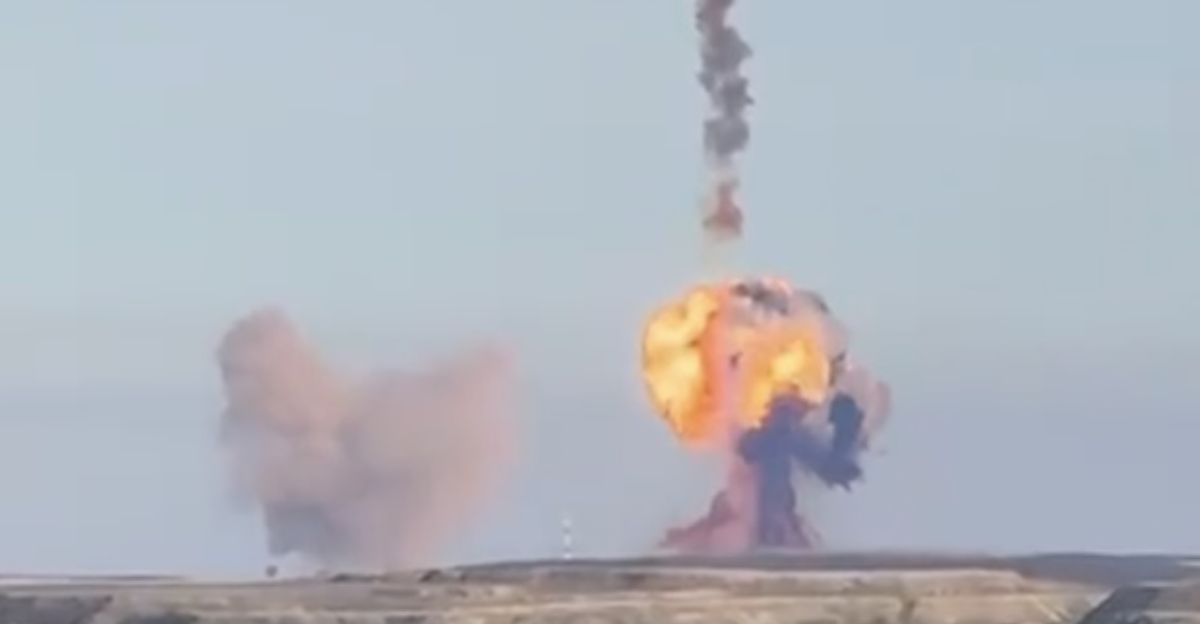
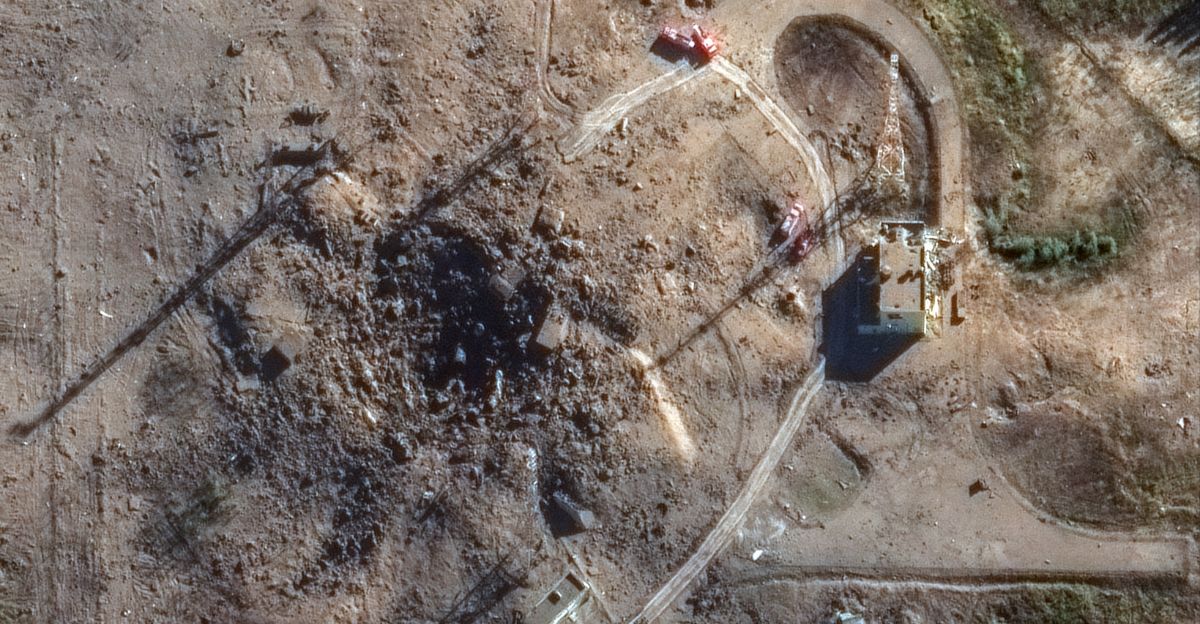
The Missile Failure Confirmed. Clear evidence confirmed the November 28, 2024, test failure as catastrophic. Satellite imagery from Maxar Technologies showcased significant damage at the launch site. At the same time, expert analysis from Pavel Podvig, director of the Russian Nuclear Forces project at the UN Institute for Disarmament Research, underscored the seriousness of the incident.
Podvig noted, “By all indications, it was a failed test. There’s a big hole in the ground.” The fallout includes extensive damage to the Yasny test facility’s infrastructure, raising concerns about future testing capabilities and further crippling Russia’s ability to validate a crucial element of its nuclear deterrent.
Test Sites Compromised
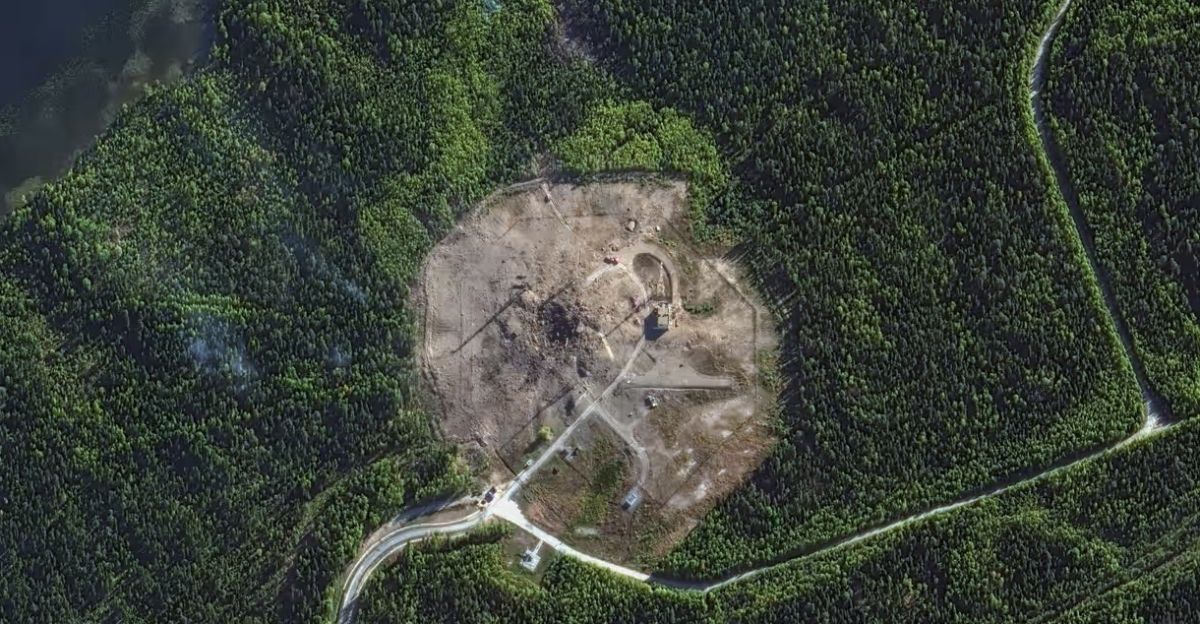
Test Sites Under Threat. Adding to the gravity of the situation, this November failure arrived on the heels of another catastrophic testing incident at Plesetsk Cosmodrome just weeks earlier, which obliterated its primary launch silo. The blast left a crater 60 meters in diameter, forcing testing operations to relocate to the Yasny facility hastily.
With both sites heavily compromised within such a short span, experts predict significant ramifications for the Sarmat program moving forward. The inability to utilize these crucial test sites severely hampers Russia’s ability to conduct adequate missile validation, threatening to derail its strategic ambitions.
Silence Speaks Volumes
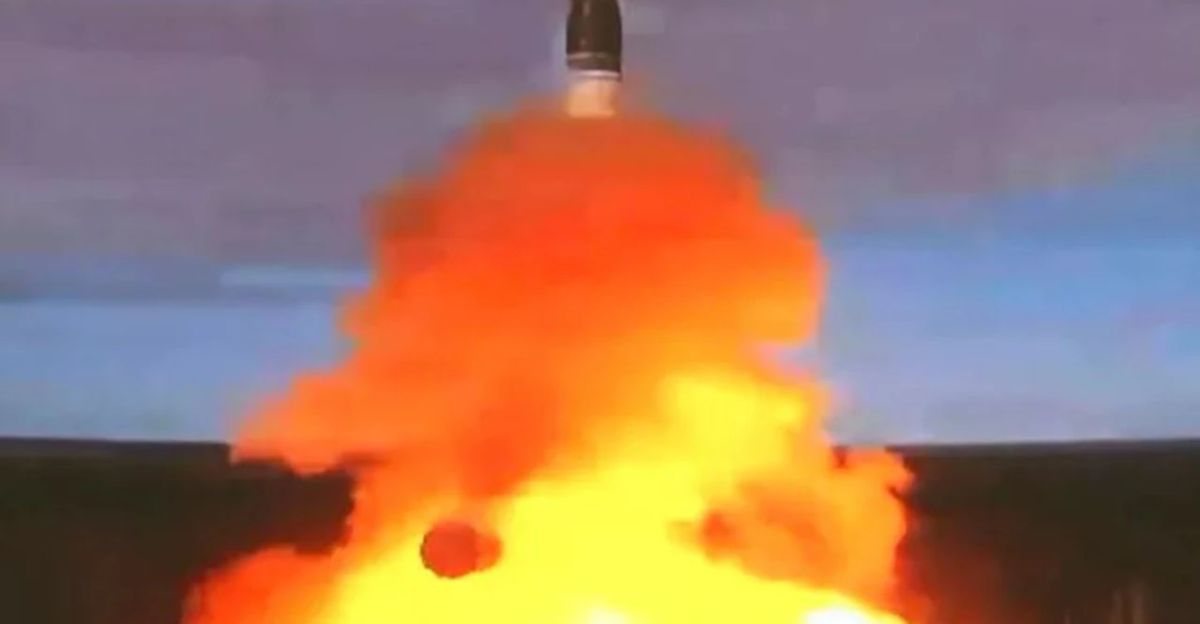
Silence Speaks Volumes. In the aftermath of the latest failure, Russian military officials have remained notably silent. This stark contrast to their exuberant announcements following the missile’s only successful test in April 2022 signals a critical shift in narrative. Analysts observe this public silence as indicative of the mounting pressure surrounding the Sarmat program.
Russian submarine-launched ballistic missile systems, such as the Bulava class, have similarly faced repeated failures, compounding the perception that the reliability of Russia’s entire nuclear arsenal is in jeopardy, further undermined by the continued silence of military leaders on these pressing issues.
Cost-Effectiveness in Question
Cost-Effectiveness in Question. The financial implications of the Sarmat program are staggering. Analysts estimate that each missile has a unit production cost of approximately $35 million. However, expenditures associated with the broader program substantially multiply this figure. The Russian government allocated around 16 billion rubles (roughly $274 million) for facility upgrades by 2019.
With a significant annual budget exceeding 50 billion rubles ($850 million) for the nuclear weapons complex, the five consecutive failures mark an alarming trend that raises serious concerns about cost-effectiveness and efficient allocation of defense resources in Moscow’s grand strategy.
Stakeholder Reactions

Stakeholder Reactions: The Impact on Morale. The ongoing failures of the Sarmat missile have been met with concern not just within defense circles but also among the Russian populace. Local analysts warn that repeated failures could lead to a decline in confidence among military personnel and the broader public in the Kremlin’s ability to maintain a robust nuclear deterrent.
As one analyst noted, “When the technology repeatedly fails, it threatens both military morale and national pride.” The emotional weight of such failures can weaken perceptions of military strength and amplify doubts regarding Russia’s strategic position on the world stage.
Global Security Implications

The Implications of Failure. With the ongoing failures, observers question the reliability of Russia’s strategic deterrent. The implications for global security are substantial, with the potential for escalating tensions if reliance on failing technology persists. Experts fear a breakdown in the strategic balance if Russia cannot deliver on its promises of effective deterrence.
The persistence of failures could provoke unpredictable responses in the global power dynamics, leading to heightened caution among nuclear powers. As military modernization falters, Moscow may find itself increasingly isolated, with its atomic assurances turning into vulnerabilities.
Global Response
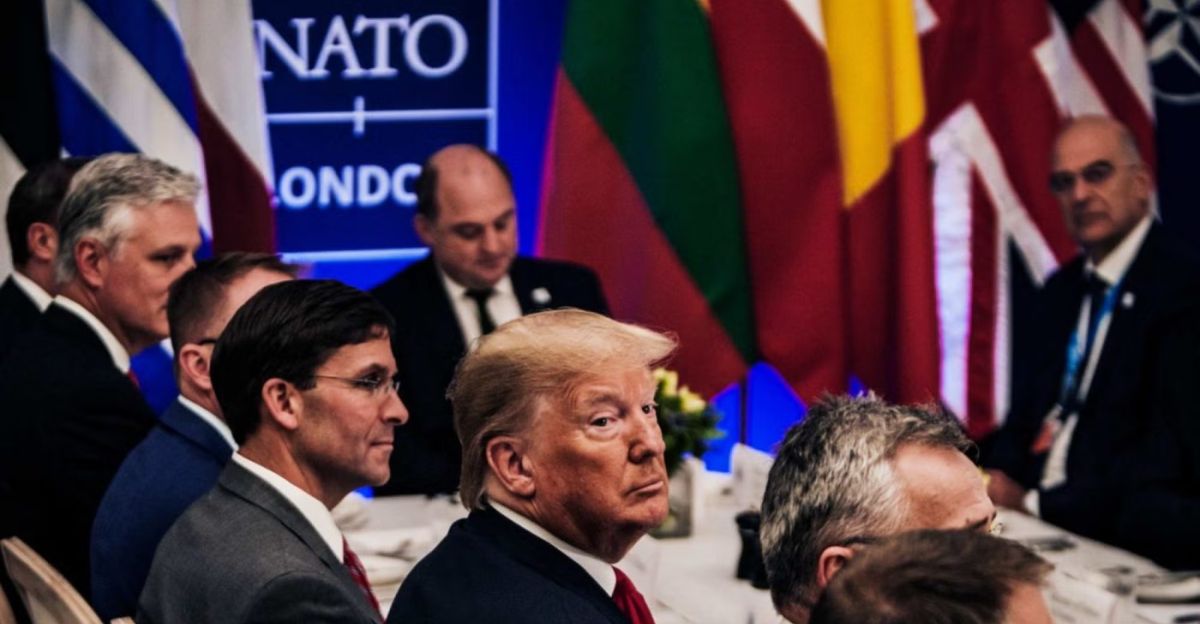
The Global Response. Internationally, the implications of Russia’s Sarmat missile failures are prompting a reassessment of military strategies among NATO allies and global security frameworks. As analysts examine the repercussions, they observe a shift in focus towards enhancing missile defense systems in response to perceived vulnerabilities within Russia’s strategic capabilities.
Countries such as the United States and NATO members are encouraged to review their preparedness and defense initiatives in light of these developments, thereby reinforcing their commitments to maintaining stability in the face of evolving military threats, particularly from nuclear powers.
Technology at a Crossroads
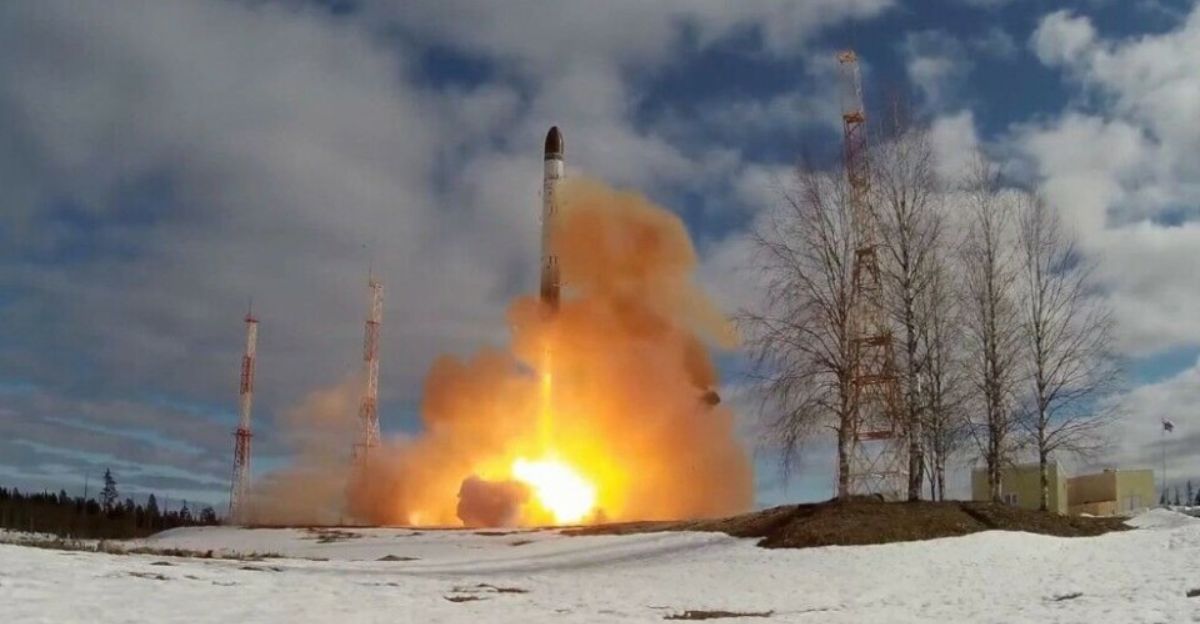
Technology at a Crossroads. The Sarmat missile’s repeated failures mark a significant turning point in Russian military technology, highlighting potential deficiencies in research and development efforts. Analysts argue that these failures reflect broader issues within the Russian defense industry, an industry already facing scrutiny due to resource allocation and innovation.
Experts assert that the apparent decline in Russia’s strategic capabilities presents an opportunity to identify weaknesses in its defense spending and technological advancements, thereby significantly altering the landscape of future military engagements.
The Road Ahead
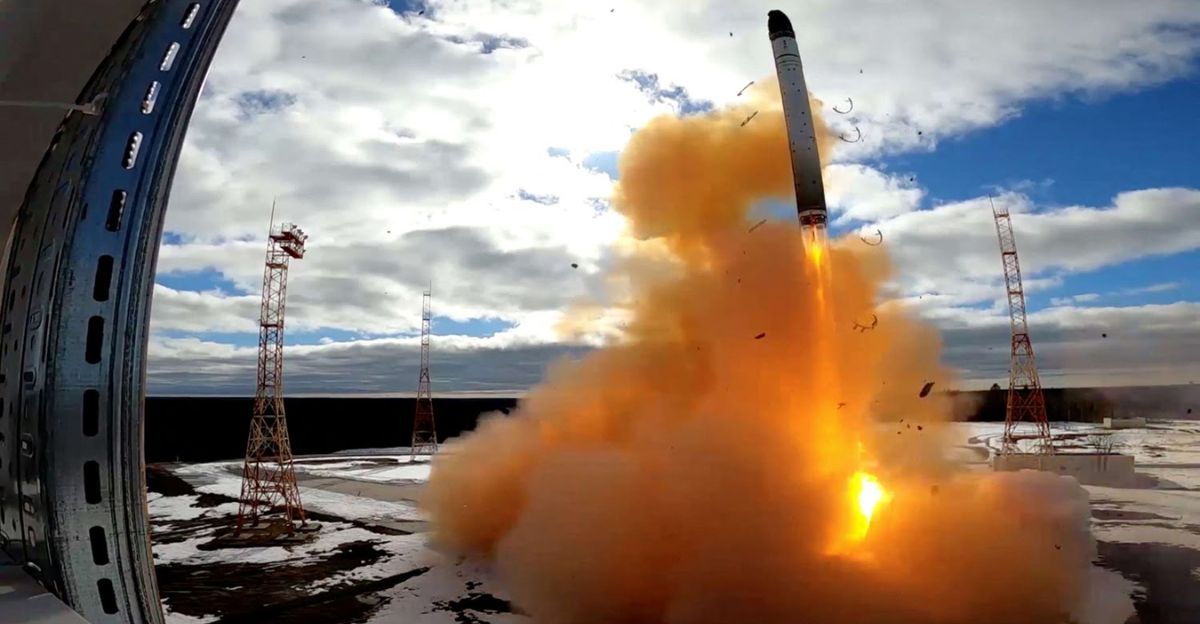
The Road Ahead for Russia. Moving forward, Russia will face immense challenges in restoring credibility to the Sarmat program. Experts call for urgent reforms within the military-industrial complex to address the underlying issues contributing to the missile’s failures.
While some Russian officials attempt to downplay the significance of these setbacks, the reputational damage extends beyond missile tests, affecting overall military readiness and effectiveness. How the Kremlin addresses these challenges will be crucial for both its national defense policies and its standing in the international arena amid rising tensions.
Impacts on Analysts

Impacts on Independent Analysts. In the face of ongoing failures, independent analysts have amplified calls for transparency and policy reevaluation within Russia’s defense spending. Recognizing that the repercussions of military failures extend beyond mere technological issues, these experts provided valuable commentary on the challenges of maintaining military credibility.
Observers note that a transparent approach could benefit not only Russia but also global peacekeeping efforts. As grassroots movements encourage dialogue, the focus turns towards shared security and stability, highlighting the importance of engaging with domestic voices on defense matters.
Geopolitical Landscape
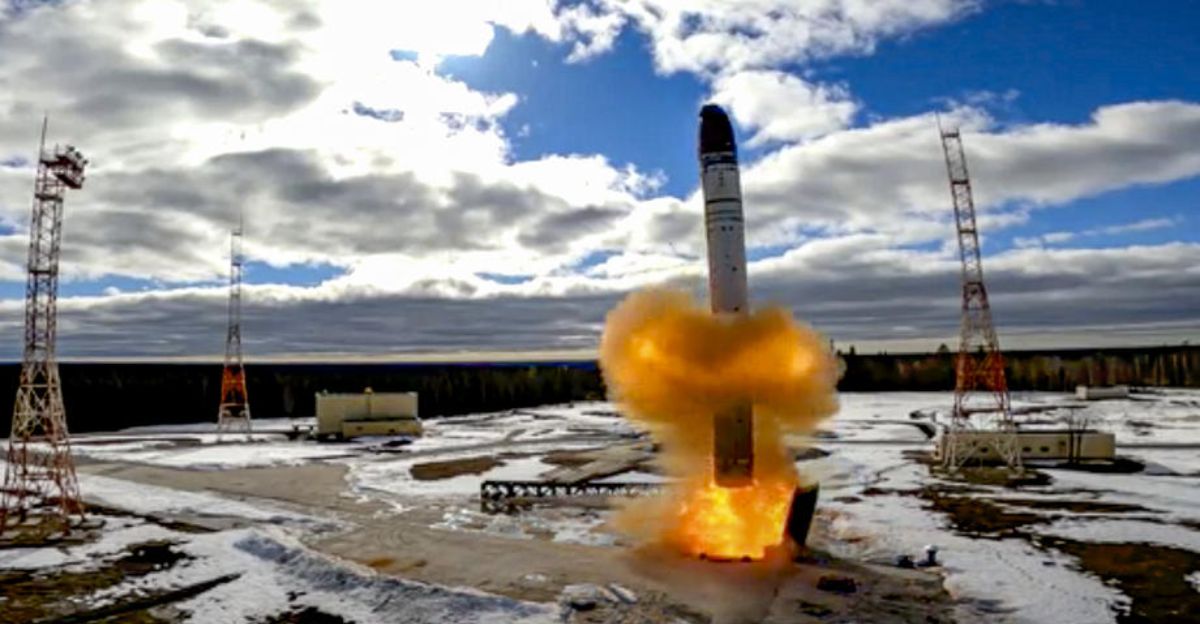
The Broader Geopolitical Landscape. The Sarmat missile failures play into a larger narrative of shifting global power dynamics. As the effectiveness of Russia’s deterrent capabilities comes increasingly into question, the implications for diplomatic efforts and negotiations around nuclear arms control are profound.
The credibility of Russia as a nuclear power is under scrutiny, urging countries to rethink not only their own defense policies but also their engagement strategies with Moscow. The narrative surrounding Russia’s atomic might is now part of a complex geopolitical chess game, demanding deft moves by all players involved.
Public Perception Shift

A Public Perception Shift. The ongoing tumult surrounding the Sarmat missile has undoubtedly affected public perception of military initiatives within Russia. Detractors are vocal, pointing to failures as evidence of systemic issues within the military-industrial complex.
The narrative is changing; citizens and analysts alike now question the efficacy of a once-revered weapon system. As one resident succinctly stated, “How can we trust our defense when its cornerstone keeps falling apart?” Such sentiments resonate deeply, reflecting a broader unease about national security and the direction Russian military power takes amidst continued failures.
International Relations Shift

International Relations in Flux. The repercussions of the Sarmat missile’s failures extend into the realm of international relations, where trust and deterrence are put to the test. With Russia’s reliability as a strategic partner waning, other nuclear states may reconsider their alliances and engagements with Moscow.
Beyond military issues, this shift could invite changes in diplomatic discussions on arms control and disarmament. The evolving landscape may necessitate renewed negotiations on treaties as global powers respond to the emerging vulnerabilities within Russia’s military posture and their implications for the strategic balance.
Nuclear Doctrine Reassessment
Revisiting Nuclear Doctrine. As the Sarmat missile saga unfolds, analysts are compelled to revisit and analyze Russia’s nuclear doctrine. A failure of this significance complicates the Kremlin’s narrative of invincibility, necessitating possible changes in deterrent strategies.
Observers recommend a thorough examination of how nuclear doctrines can adapt in light of technological shortcomings. This examination could lead to broader discussions on the future posture of atomic states and how they engage with one another, ultimately shaping the discourse surrounding global nuclear policy.
Historical Context
Reflecting on Historical Context. Historically, the failure of nuclear missile programs is not unique to Russia; however, the intense scrutiny surrounding the Sarmat’s shortcomings prompts comparisons with past efforts. The Sarmat’s tribulations echo similar moments in military history where national pride and credibility faced severe tests.
Analysts suggest that understanding these historical contexts could illuminate future paths for military innovation and technological advancements, providing invaluable lessons as Russia navigates its current challenges and prepares for the complexities of future conflicts.
Evolving Military Dynamics
Evolving Military Dynamics. In summary, the Sarmat missile’s repeated failures are indicative of deeper challenges within Russia’s military establishment, casting uncertainty over its future role in international security. As geopolitical dynamics continue to evolve, both global powers and citizens alike will be monitoring the fallout from the Sarmat’s failures.
The path ahead for Russian military modernization remains fraught with obstacles, and how it addresses these failures will shape its strategic positioning for years to come. The world watches, awaiting Moscow’s next move in a high-stakes game of nuclear deterrence.
Sources:
Reuters – “Images show Russia’s new Sarmat missile suffered major test failure, researchers say”
CNN – “Images show Russia’s new Sarmat missile suffered major test failure, researchers say”
Al Jazeera – “Russia’s new Sarmat missile suffered ‘catastrophic failure’: Researchers”
CSIS Missile Threat – “RS-28 Sarmat”
Jamestown Foundation – “Russia’s Sarmat ICBM Faces Development Problems”
Pavel Podvig (Russian Nuclear Forces Project) – Expert analysis and commentary
Maxar Technologies – Satellite imagery and analysis of Plesetsk and Yasny test sites
Defense Express – “Russia’s Sarmat missile tests fail: second accident in a year”