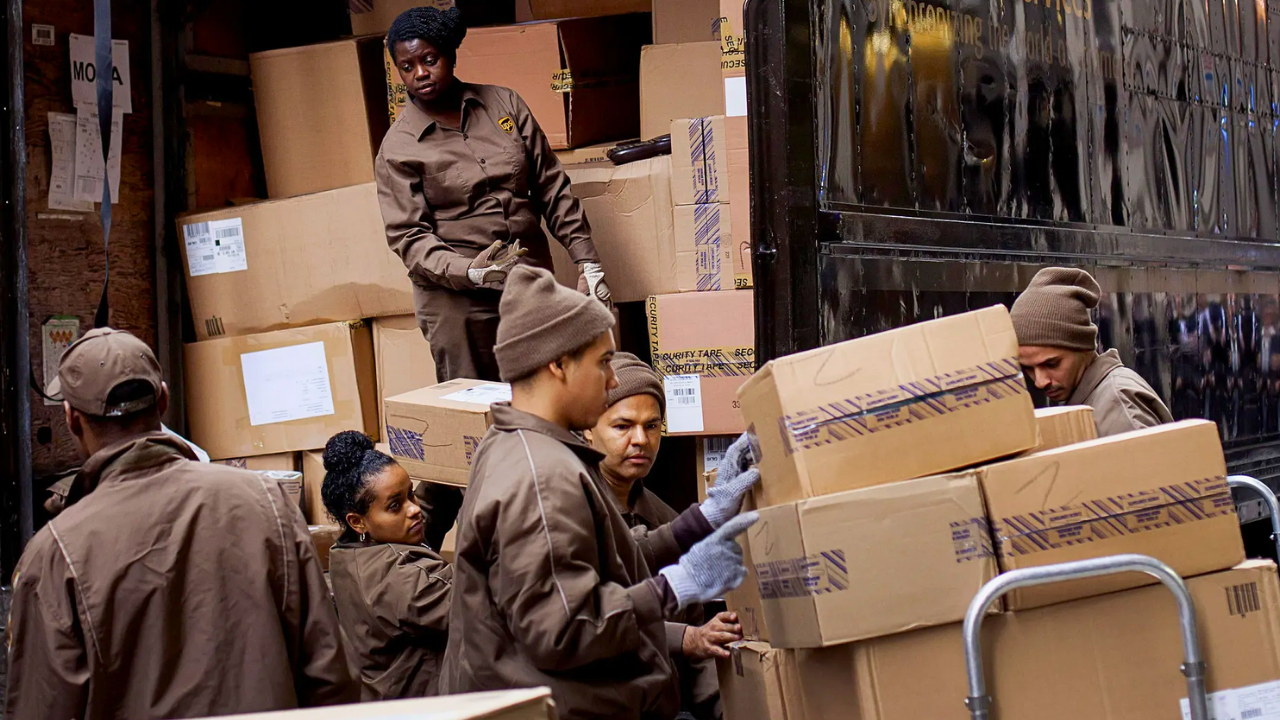
The United States changed a major customs rule on August 29, 2025, and this change caused thousands of packages to get stuck in warehouses across the country. Before this date, any package coming from another country valued at less than $800 could enter the U.S. without paying customs fees or undergoing detailed inspections.
This old rule, called the “de minimis exemption,” made online shopping from overseas quick and easy. Now, every international package must undergo full customs clearance before delivery. The government made this change to better protect American businesses and close enforcement gaps; however, the result has been massive delays and confusion.
Shipping companies did not prepare for the sudden increase in paperwork, and many customers did not realize they needed to provide detailed documentation. Industry experts describe the situation as “totally unprecedented,” with missing or incomplete forms causing thousands of packages to get held up. UPS, one of the world’s biggest shipping companies, has faced especially severe challenges.
The company normally handles 3.2 million international packages daily. After the rule change, packages needing customs clearance jumped from 13,000 per day in March to 112,000 by September. While most packages (over 90%) still clear on the first day, about 11,200 require extra processing daily.
UPS CEO Carol Tomé said that many delays occurred because customers didn’t understand the new requirements and failed to submit the proper paperwork. Due to the uncertainty, UPS will no longer offer its money-back delivery guarantee for international packages, effective October 2.
What Happens to Stuck Packages
The customs changes have created serious problems for businesses and individual customers. NBC News found dozens of cases where packages were delayed or lost completely, including everything from tea and telescopes to expensive glassware and wedding saris.
One tea company has over $100,000 worth of shipments stuck at UPS’s Louisville facility, while a Swedish candy exporter has hundreds of packages in limbo. UPS announced in October that if it can’t clear a package through customs after reaching out to the customer three times, it may dispose of the package. However, UPS has not explained exactly how the company disposes of packages—whether it burns them, sends them to landfills, auctions them, or destroys them in another way.
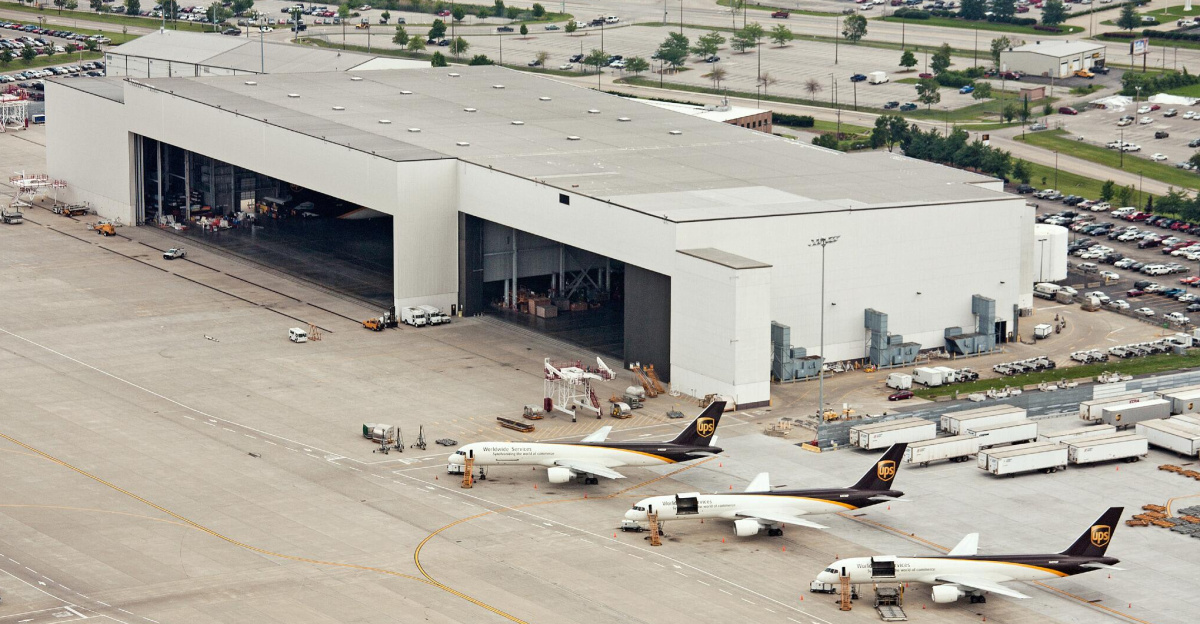
This lack of clarity has left many customers frustrated and worried. The situation has been especially difficult at Worldport, UPS’s main hub in Louisville. This enormous 5.2 million-square-foot facility typically processes approximately 2 million packages daily, utilizing high-speed sorting machines that can handle hundreds of thousands of parcels per hour.
Despite hundreds of daily flights, paperwork issues have caused a noticeable backlog. Some frustrated customers and businesses have switched to competitors, such as FedEx, due to delays, high costs, and unreliable delivery times.
Plane Crash Makes Things Worse

The customs problems got even more complicated in early November when a separate disaster struck. On November 4, a UPS MD-11 cargo plane crashed during takeoff from Louisville after suffering a catastrophic engine failure. The crash killed more than a dozen people and was unrelated to the customs issues, but it forced UPS to temporarily shut down Worldport operations the next day so investigators could examine the scene.
This shutdown of the world’s busiest cargo hub caused even more delays across the entire UPS system, affecting workers and the local economy. UPS is now attempting to recover from both crises simultaneously by investing in improved customs processing technology, hiring additional customs brokers, and striking agreements with the U.S. Postal Service to handle certain deliveries.
The company has also started charging new import processing fees. Many analysts worry that UPS cannot rebuild customer trust because the company has disposed of so many packages and failed to communicate clearly with customers.
As the busy holiday shipping season approaches, questions remain about whether the global shipping system can handle the combined pressure of new, stricter customs rules and major operational disruptions—and whether affected customers will ever receive their packages or receive fair compensation for their losses.