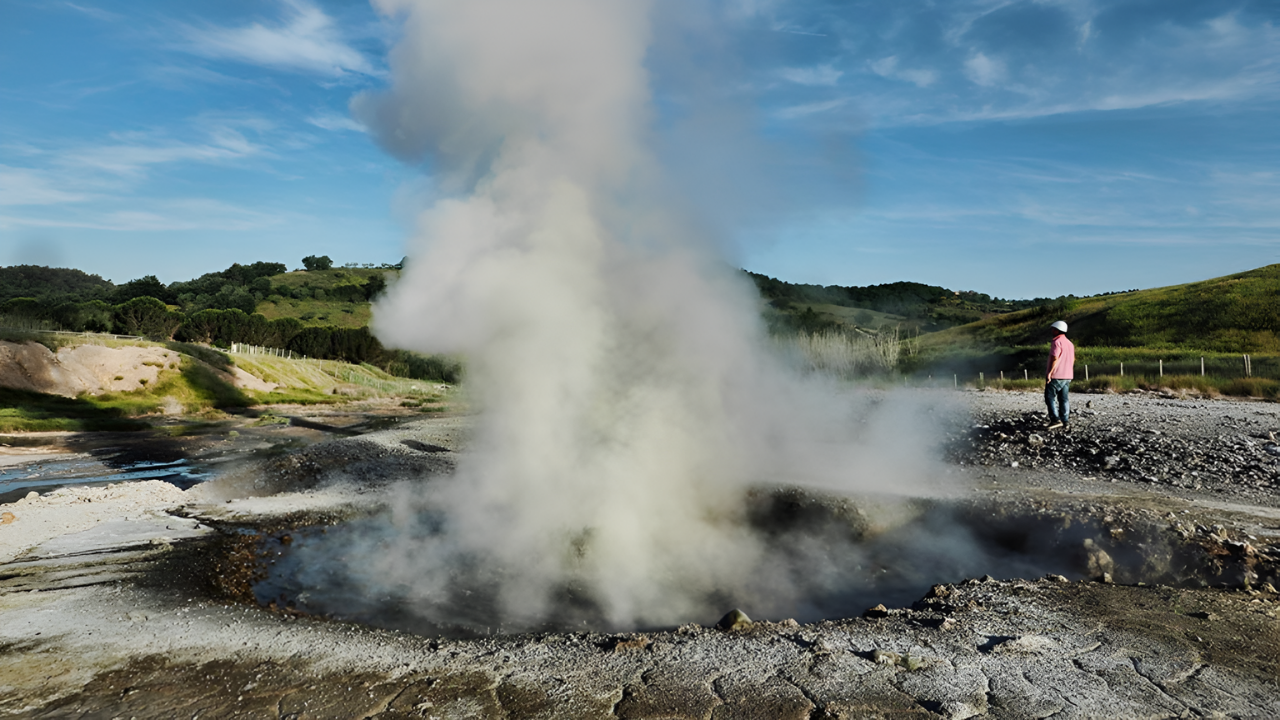
Deep under Oregon’s forests, a Texas‑based company, Mazama Energy, is working on one of the most advanced geothermal projects in the United States. They are drilling into extremely hot rock about two miles beneath the surface of Newberry Volcano, aiming to tap temperatures in the superhot range that can drive next‑generation geothermal power.
This effort is part of a broader push to create clean, reliable electricity that does not depend on sun or wind and can operate around the clock. Early project updates suggest record‑setting temperatures in the well and a successful creation of a man‑made reservoir in very hot volcanic rock. Company leaders describe this as a major step toward always‑on renewable power, while outside experts frame it as a promising, but still developing, demonstration of enhanced geothermal technology.
Rising Power Demand
Electricity demand is climbing steadily across the United States, driven by growth in data centers, AI computing, electric vehicles, and general economic activity. Traditional power grids, many built decades ago, can struggle to keep up with these new requirements, especially during extreme weather or rapid demand spikes.
Wind and solar energy have expanded quickly and are now vital parts of the clean energy mix, but they depend on weather conditions and daylight, which can create fluctuations in power output. Grid operators increasingly value resources that can run at a steady output, day and night, to balance variable renewables. Geothermal energy, where available, offers that type of stable, 24/7 power.
Why Geothermal Matters
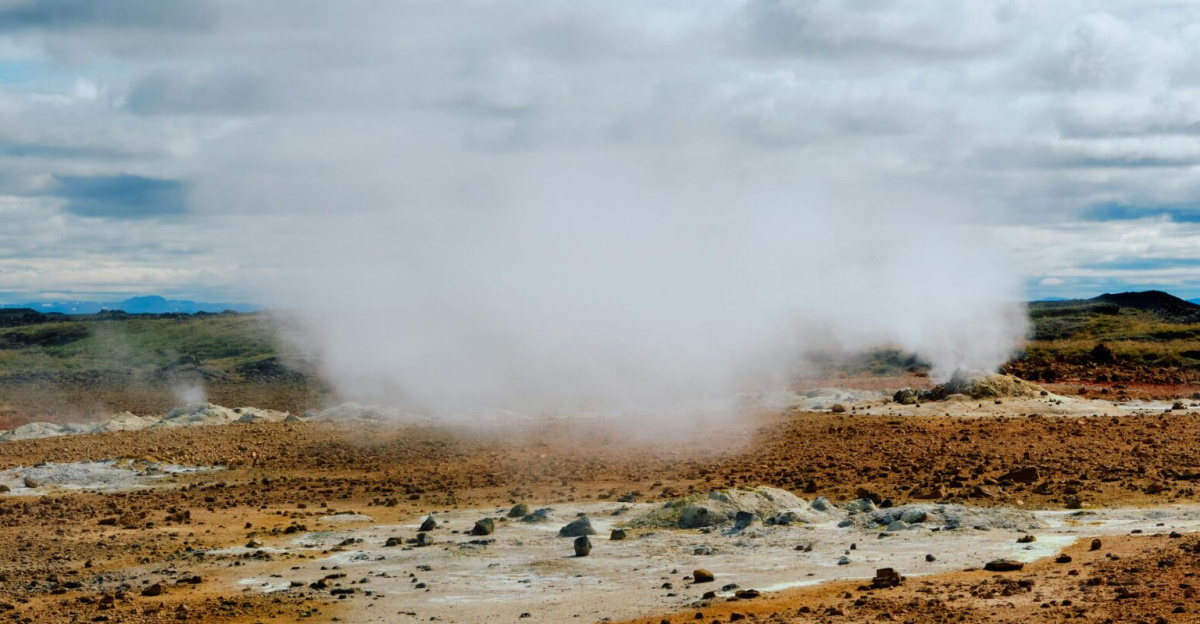
Geothermal energy draws heat from beneath Earth’s surface and uses it to generate electricity or provide direct heating. In conventional geothermal plants, naturally occurring hot water and steam in porous rock are brought to the surface and used to spin turbines. That resource exists in only certain locations, which has historically limited geothermal deployment.
Newer enhanced geothermal systems are aiming to dramatically expand the potential by creating artificial reservoirs in hot, relatively dry rock, then circulating water through the system to capture heat. This concept could allow geothermal plants to be built in many more regions, not just the handful of places with ideal natural conditions.
Volcanic Roots at Newberry
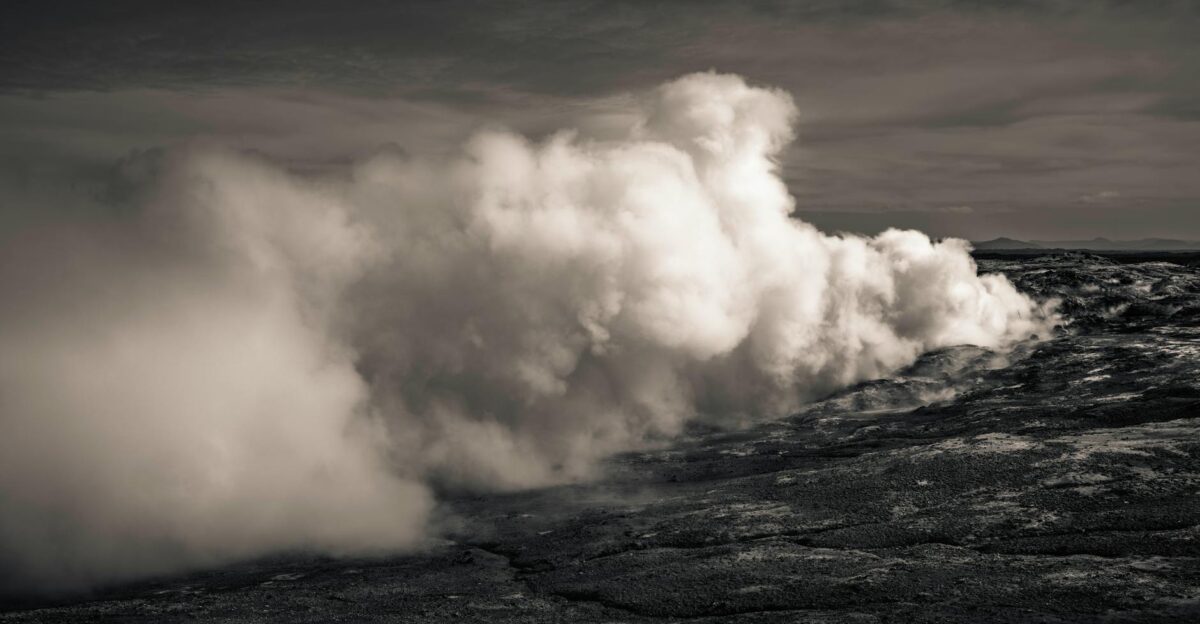
Newberry Volcano, in central Oregon, is one of the largest volcanoes in the Cascade Range and has long attracted scientific interest. Its last known eruption occurred roughly 1,300 years ago and left extensive lava flows and obsidian deposits that are still visible today. Because Newberry sits above a substantial heat source, researchers and energy companies have spent years studying its geothermal potential through test wells, temperature measurements, and geophysical surveys.
Earlier demonstration projects helped map the underground conditions and test reservoir‑creation methods in hot, dense volcanic rock. Recent advances in drilling technology, high‑temperature tools, and subsurface engineering have enabled Mazama Energy and its partners to reach deeper, hotter zones than before.
Technological Progress Underground
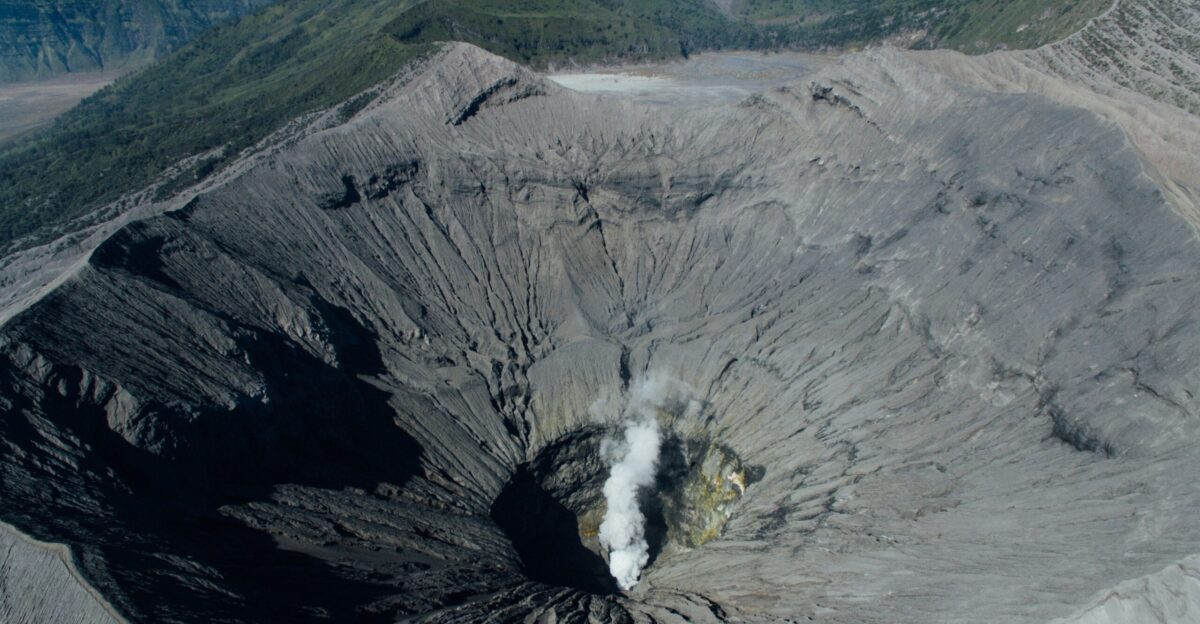
Drilling into very hot, hard rock presents major engineering challenges, from protecting equipment to managing pressures and temperatures safely. At Newberry, the project has used advanced drilling techniques and specialized tools designed for high‑temperature conditions to extend wells to depths of about two miles. As the well deepened, measurements confirmed extremely high temperatures, setting new benchmarks for enhanced geothermal systems.
The team also worked to create a man‑made reservoir in the hot rock by carefully stimulating the formation so water can circulate and absorb heat. This step is crucial because enhanced geothermal relies on engineered flow paths rather than naturally porous, water‑rich rock.
Potential Clean Power Output
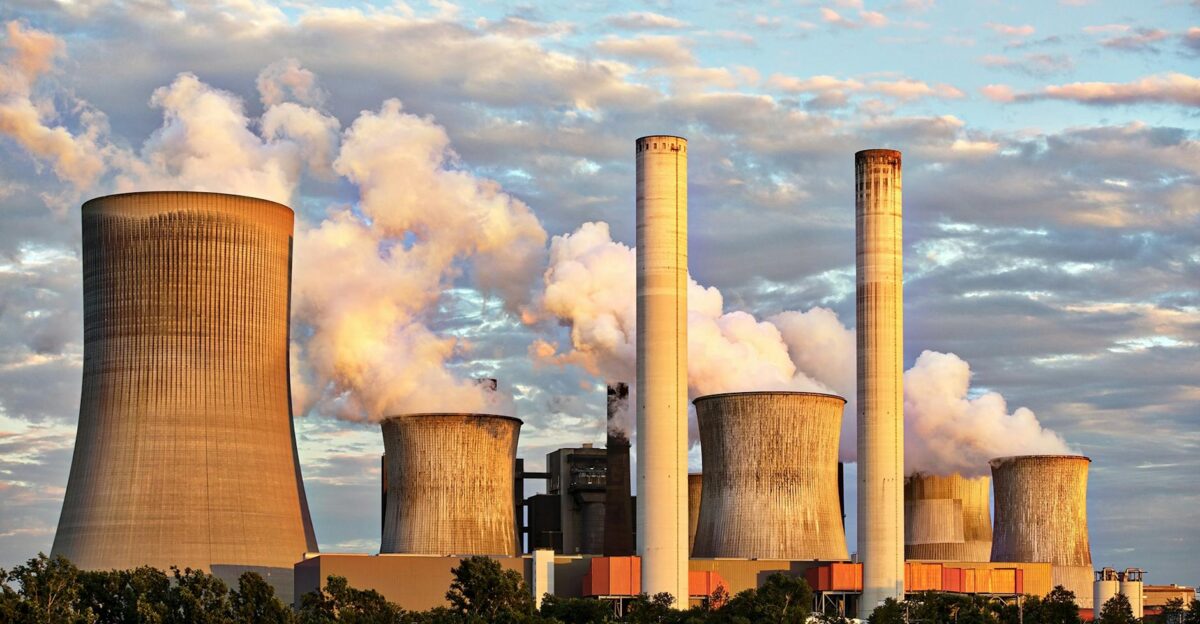
If the Newberry system performs as planned, the superhot reservoir could drive a power plant capable of generating substantial electricity. Project materials often frame potential output in terms of tens of megawatts, enough to serve many thousands of typical homes, depending on actual performance and local usage patterns.
These figures are generally presented as estimates or targets based on modeling and engineering assumptions rather than guaranteed outcomes. Any full‑scale plant would require additional production and injection wells, surface facilities, and grid connections, followed by rigorous testing and permitting. Because superhot geothermal could extract more energy per unit of water and per well than lower‑temperature systems, successful demonstrations might show a path to high‑density, always‑on renewable power.
Local Setting in Oregon
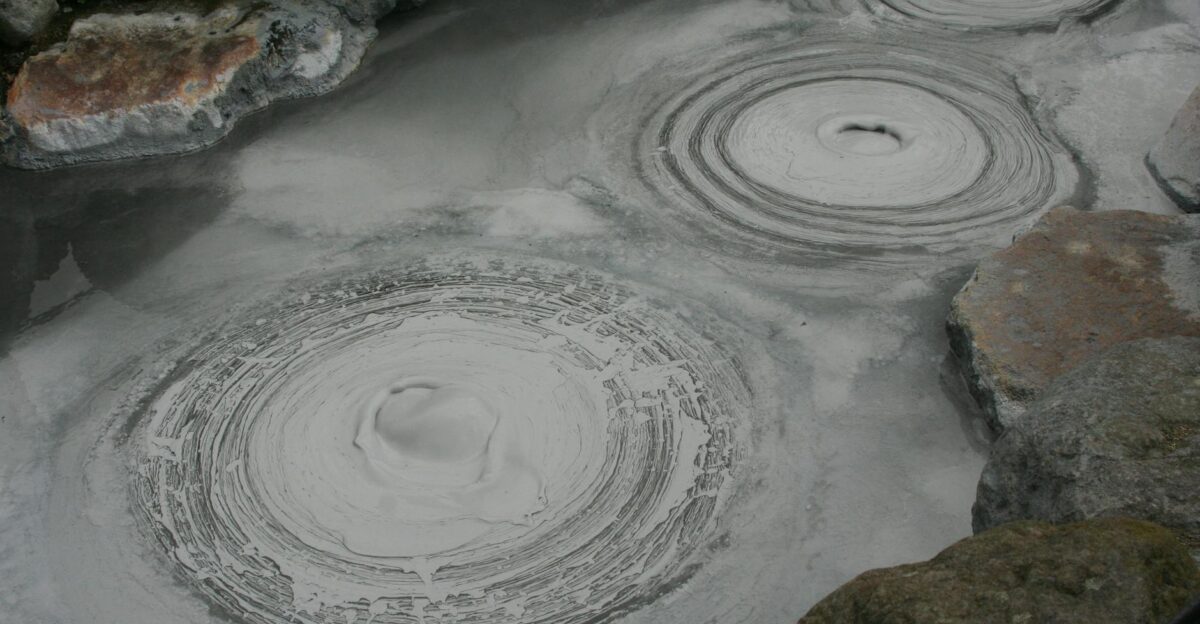
The Newberry geothermal site lies within Oregon’s Deschutes National Forest, near Bend and adjacent to the Newberry National Volcanic Monument. The area is popular for recreation and tourism, with forests, lava flows, lakes, and hiking trails that attract visitors year‑round. Because of this sensitive setting, the project is designed to occupy a relatively small industrial footprint, with drilling pads, roads, and support infrastructure located outside the monument boundary.
Local communities in the Bend region rely on a mix of hydro, natural gas, and other resources to meet electricity needs, and new clean, firm power sources could help support regional growth. If a commercial plant is ultimately built and performs well, it could contribute a meaningful share of local demand, particularly during peak periods. .
Economic and Community Prospects
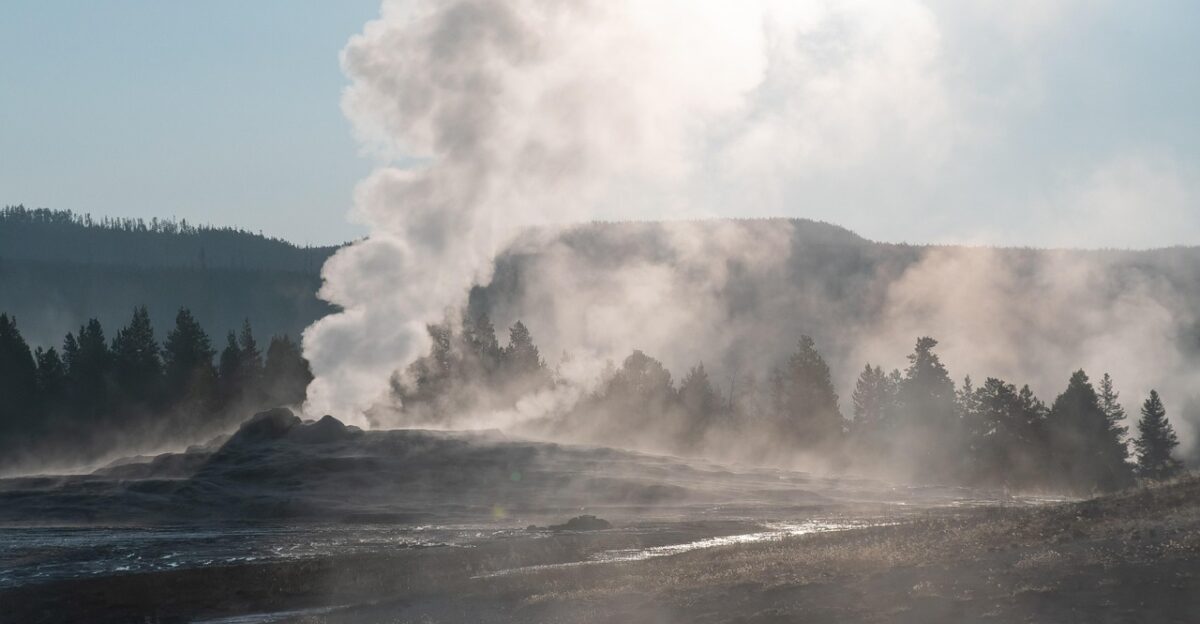
Geothermal development at Newberry could bring a range of economic effects to nearby communities if it advances from demonstration to commercial operation. Construction and drilling activities support skilled jobs in engineering, geology, equipment operation, and related services.
Longer‑term plant operations could create ongoing positions in maintenance, monitoring, and facility management. Local businesses may benefit from additional spending on lodging, food, and supplies during active work periods. Educational partnerships with universities and training programs can help build a regional workforce that is prepared for future geothermal projects in Oregon and beyond.
Environmental Oversight and Safety
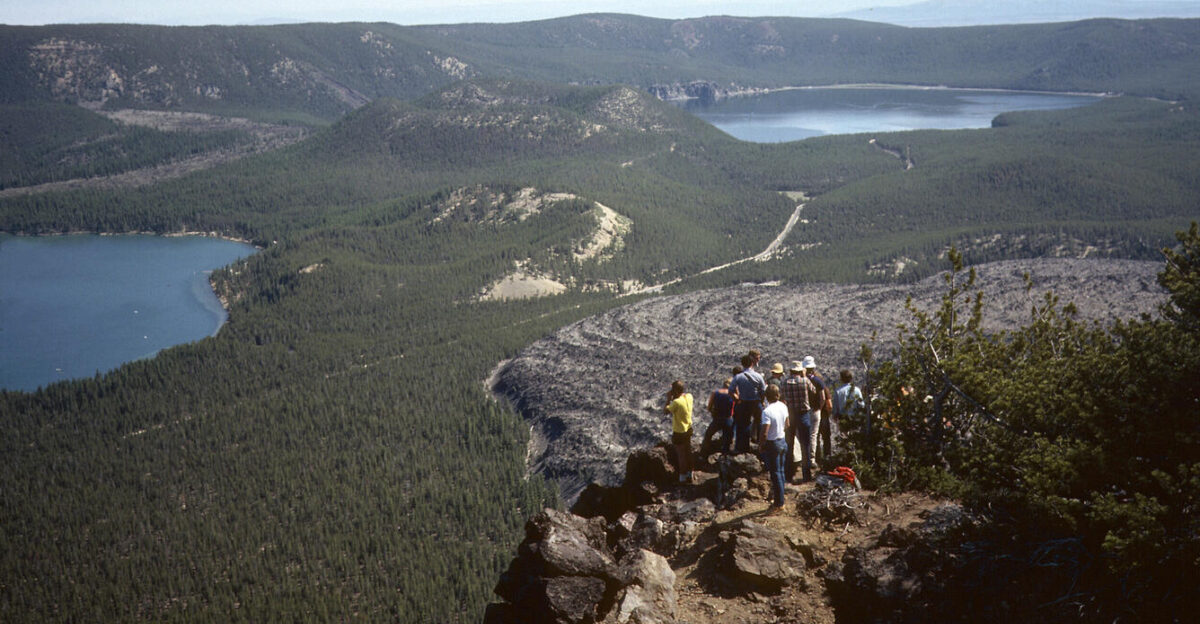
Because Newberry is classified as an active volcano by the U.S. Geological Survey, any drilling and stimulation work is subject to detailed environmental and safety review. Multiple agencies oversee permitting related to land use, water resources, wildlife, and cultural or recreational values. Project operators collaborate with national laboratories, university researchers, and independent experts to monitor seismic activity, subsurface pressures, and groundwater quality around the site.
Induced seismicity, small earthquakes triggered by fluid injection, is a known risk for enhanced geothermal systems, so injection rates and pressures are managed carefully and adjusted based on monitoring data. Environmental assessments typically include plans for minimizing surface disturbance, protecting habitats, and restoring land after drilling.
Global Geothermal Context
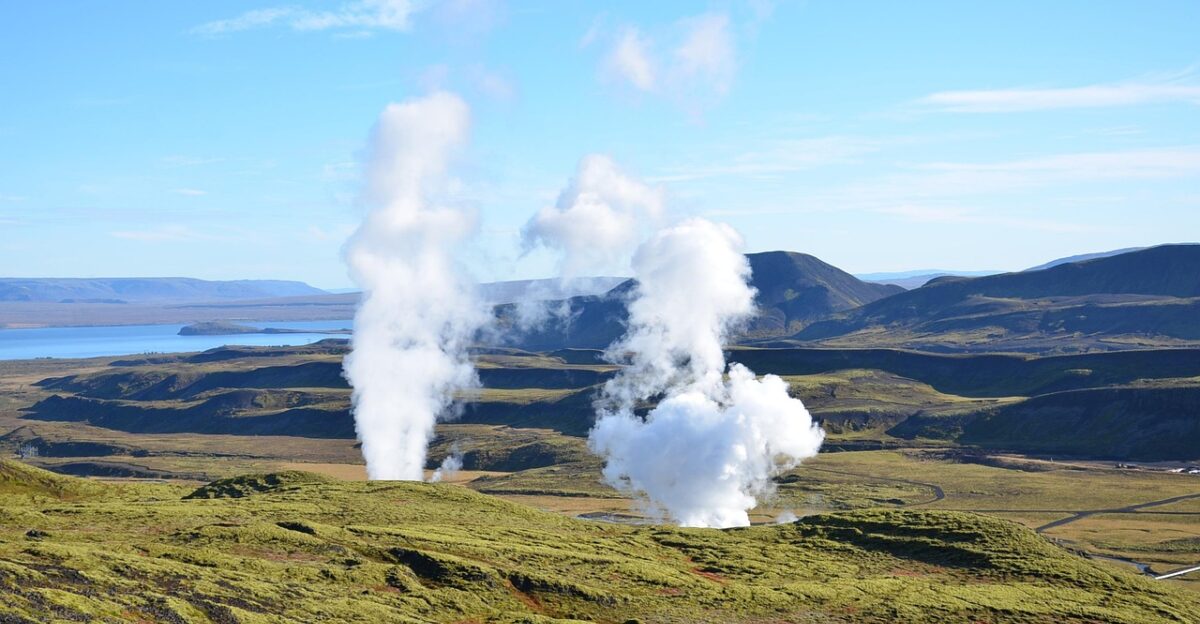
Around the world, countries such as Iceland, Kenya, Indonesia, and the United States already use geothermal energy for electricity and heating, often relying on naturally porous, water‑rich formations. In Iceland, for example, abundant high‑temperature resources and steam fields make geothermal a cornerstone of the national power mix.
Sites like Newberry involve hot, relatively dry, and hard rock that require engineered solutions to create flow paths for water. This approach has been tested at various scales in the U.S., Europe, and elsewhere, but only a few projects have reached high temperatures and meaningful reservoir performance. Newberry’s recent progress places it among the hottest enhanced geothermal demonstrations reported to date.
Water Use and Sustainability
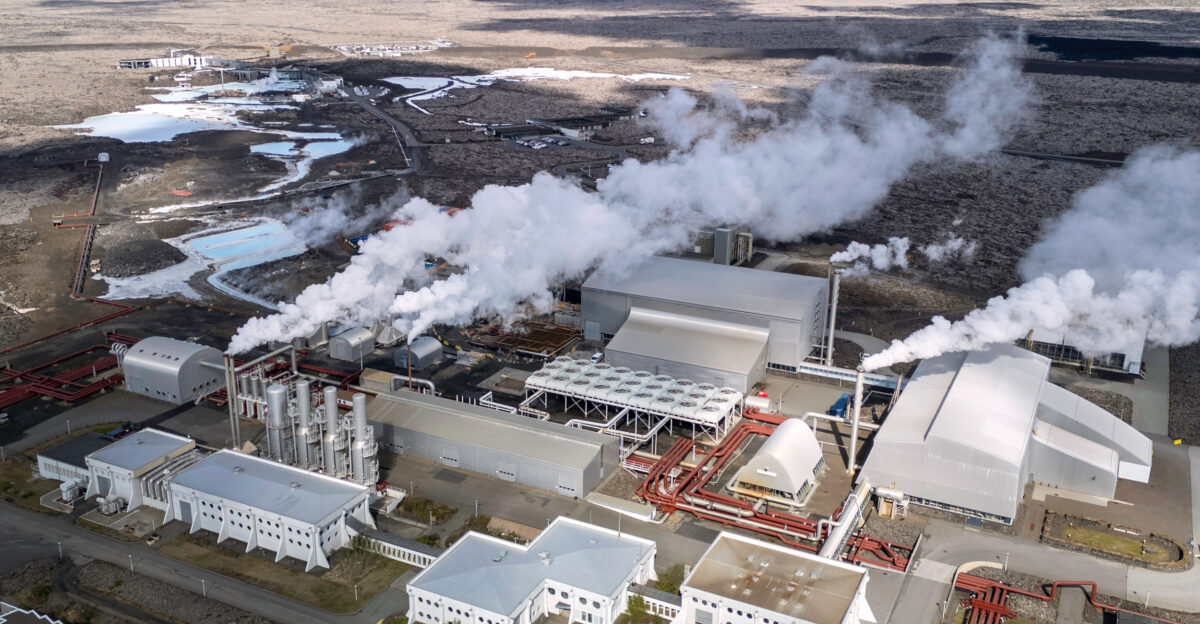
Traditional geothermal plants can use significant amounts of water, especially in cooling systems, which may create challenges in dry regions. Enhanced geothermal designs like Newberry increasingly focus on recycling water within a closed or mostly closed loop, where fluid is injected into the hot reservoir, heated, brought back to the surface to produce power, and then re‑injected.
Engineering studies for Newberry describe approaches intended to reduce net water use substantially compared with older designs, though exact percentages depend on plant configuration and local conditions. Using air cooling, careful management of losses, and sourcing water responsibly can further limit environmental strain.
Addressing Community Concerns
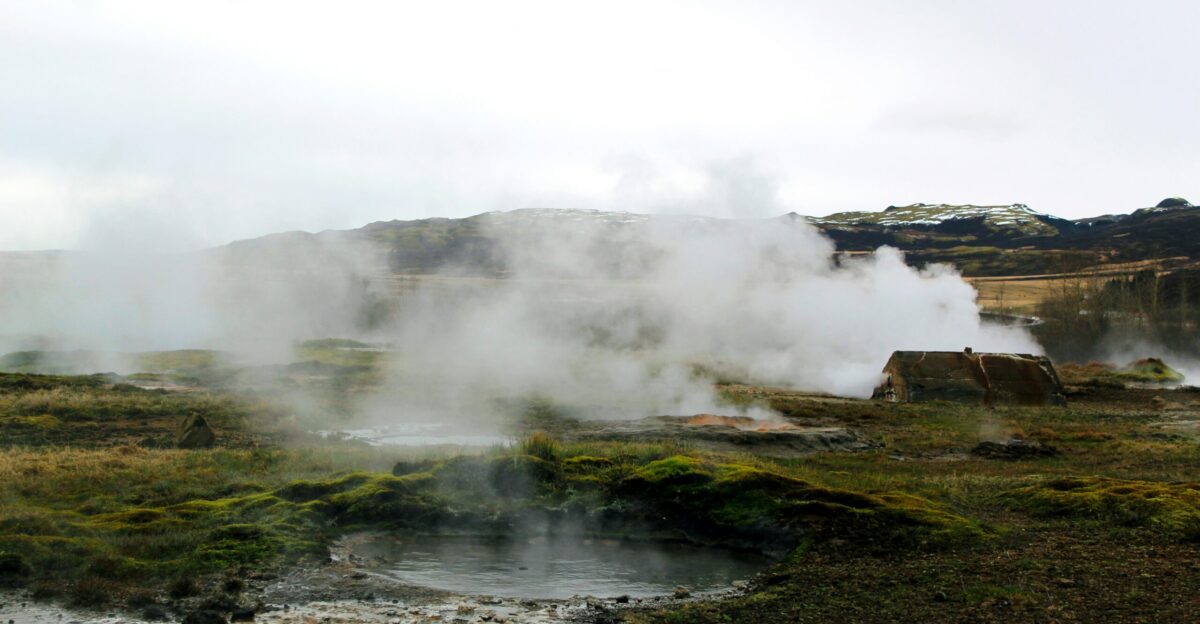
Some residents and stakeholders around Newberry have raised questions about potential risks associated with enhanced geothermal activities. Common concerns include the possibility of induced earthquakes linked to underground fluid injection, changes in groundwater levels or quality, noise or visual impacts from drilling operations, and effects on recreation or natural scenery.
Project developers have responded with commitments to transparency, including public meetings, informational materials, and collaborations with universities to explain the science and monitoring programs. Detailed seismic networks, groundwater sampling, and environmental reporting are used to track any changes and adjust operations where needed.
Partnerships and Funding

Mazama Energy’s work at Newberry builds on previous efforts by organizations such as AltaRock Energy and national laboratory teams that tested enhanced geothermal concepts at the site. The current project benefits from a mix of federal support, private investment, and technical collaboration with research institutions.
The U.S. Department of Energy has designated multiple enhanced geothermal demonstration sites, including Newberry, as part of a broader initiative to prove out technologies that could be replicated in other locations. Private investors see potential in firm, clean power that could serve data centers, industrial customers, and regional grids if costs become competitive.
Path to Commercial Scale
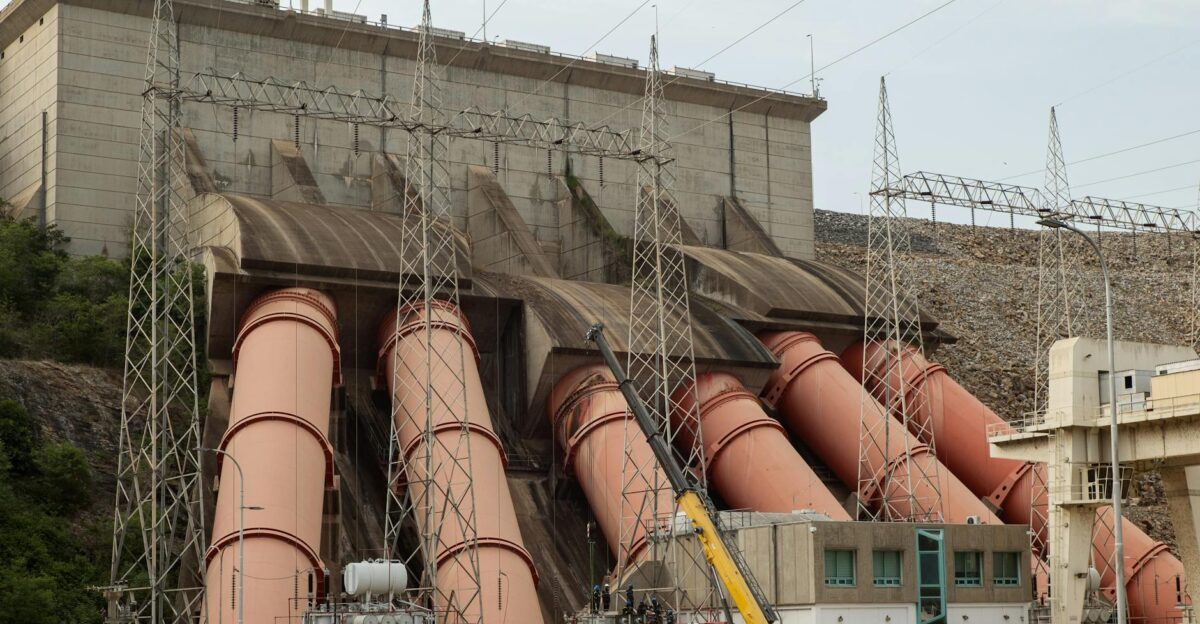
Moving from a successful demonstration well to a full‑scale geothermal power plant involves several stages. First, operators must confirm that the reservoir can sustain adequate flow and temperature over time without causing unacceptable seismic or environmental effects. Next, they would design and drill additional production and injection wells, followed by construction of surface power facilities and grid interconnection.
Throughout this process, developers must secure permits, complete environmental reviews, and negotiate power purchase agreements with utilities or large customers. Timelines discussed for Newberry envision potential commercial operations later in the decade, but actual dates will depend on technical results, financing, regulatory approvals, and market conditions.
Energy’s Next Frontier
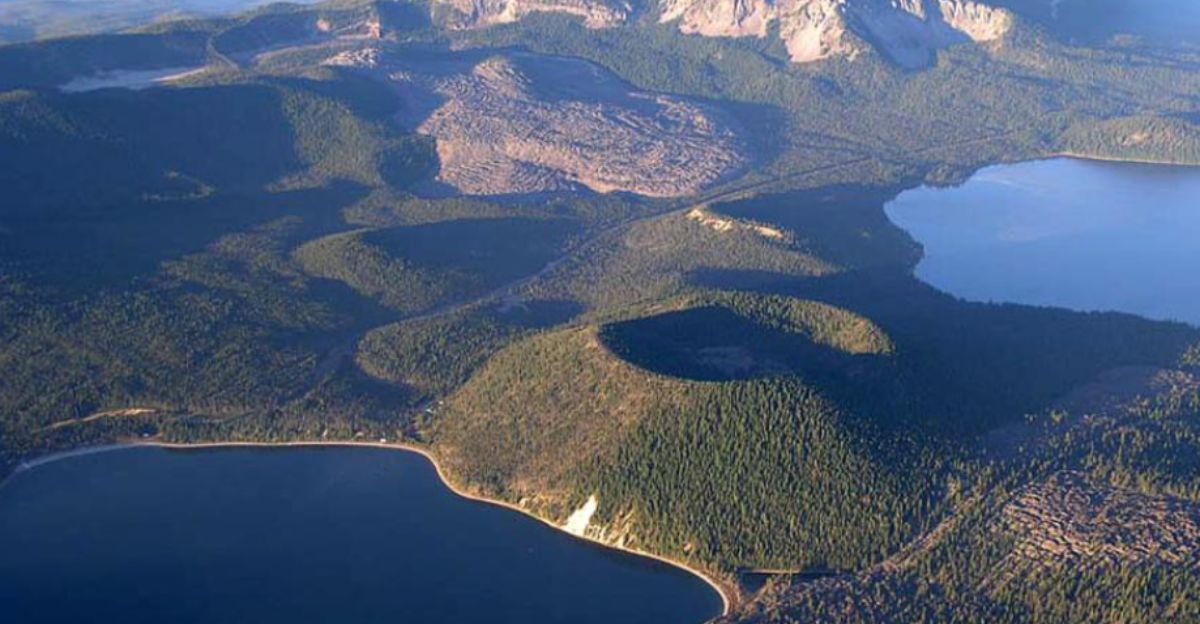
The work under way at Newberry Volcano illustrates how deep geothermal projects may contribute to the next phase of the clean energy transition. By drilling into extremely hot rock and engineering an underground reservoir, Mazama Energy and its partners are testing whether enhanced geothermal systems can provide dense, always‑available power that complements wind, solar, and storage.
Success is not guaranteed; challenges around cost, drilling complexity, induced seismicity, and long‑term reservoir performance remain. However, the combination of record‑setting temperatures, close scientific monitoring, and strong institutional interest suggests that Newberry will be closely watched as a bellwether for superhot rock development.