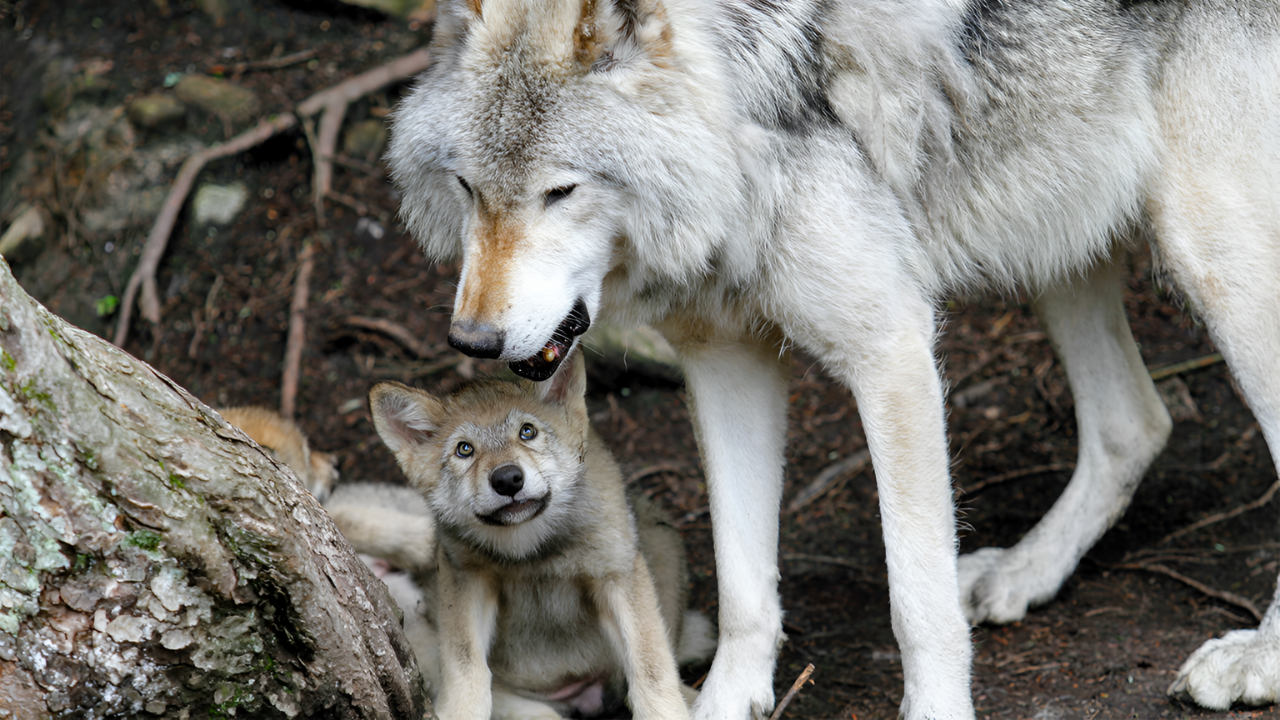
For nearly a century, Yellowstone’s northern range has been devoid of the vibrant growth of young quaking aspen (Populus tremuloides) beneath its aging canopies.
However, in a stunning turn of events, these trees have begun to thrive once again, signaling the end of an 80-year regeneration gap.
This quiet yet dramatic ecological shift marks a pivotal moment in the park’s history, offering new insights into the restoration of damaged landscapes.
Scientists believe this resurgence holds key lessons about predator-ecosystem dynamics and how nature is adapting. Continue reading to discover how this unexpected forest comeback is transforming the future of conservation efforts.
Hidden Architects
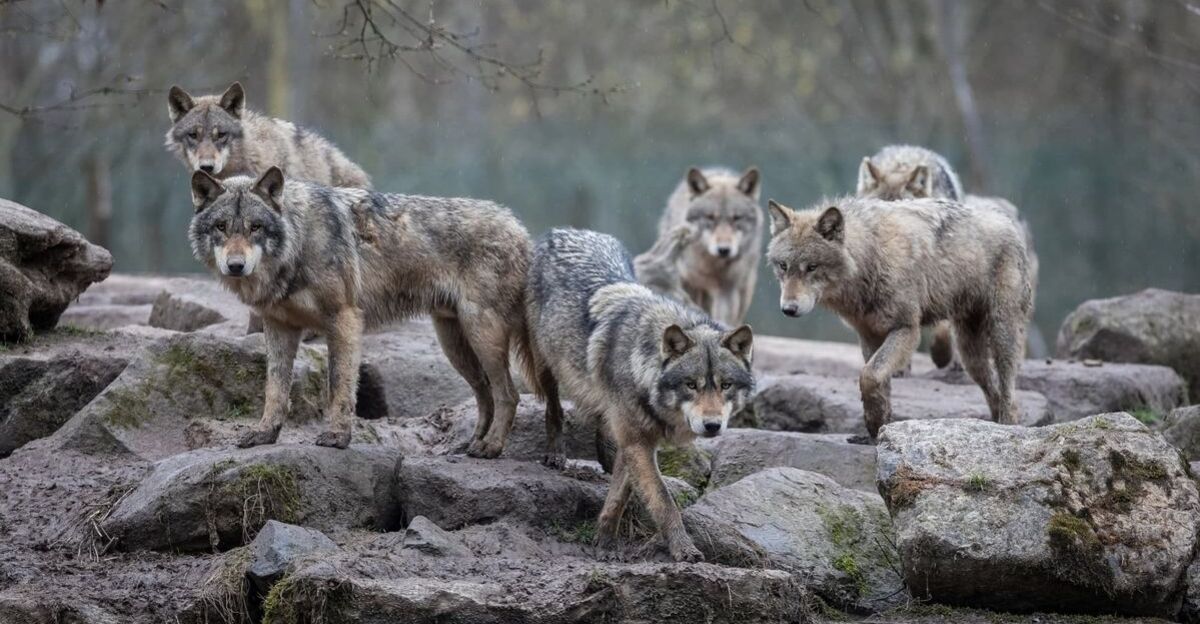
Gray wolves, reintroduced to Yellowstone in 1995 after a 70-year absence, triggered cascading changes from elk behavior to the riverbanks. Ecologists describe wolves as “ecosystem architects.”
Their return offers a rare, large-scale rewilding experiment. The implications extend far beyond Yellowstone’s trees, influencing global debates about carnivore restoration and landscape recovery.
Predator Erased
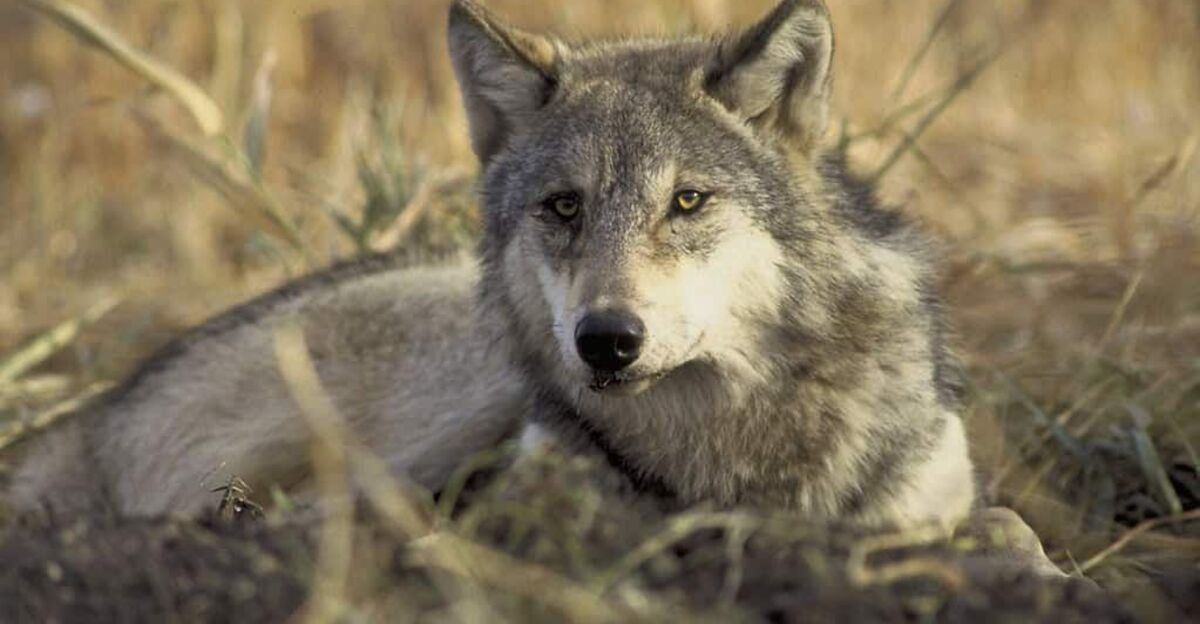
Wolves vanished from Yellowstone by 1930 due to habitat loss and government eradication efforts. Elk, freed from predation, surged to nearly 18,000. These herds intensely browsed young willows, aspens, and cottonwoods across the northern range.
The relentless grazing pressure set the stage for eight decades of forest stagnation, leaving landscapes frozen in ecological time.
Ecosystem Under Strain
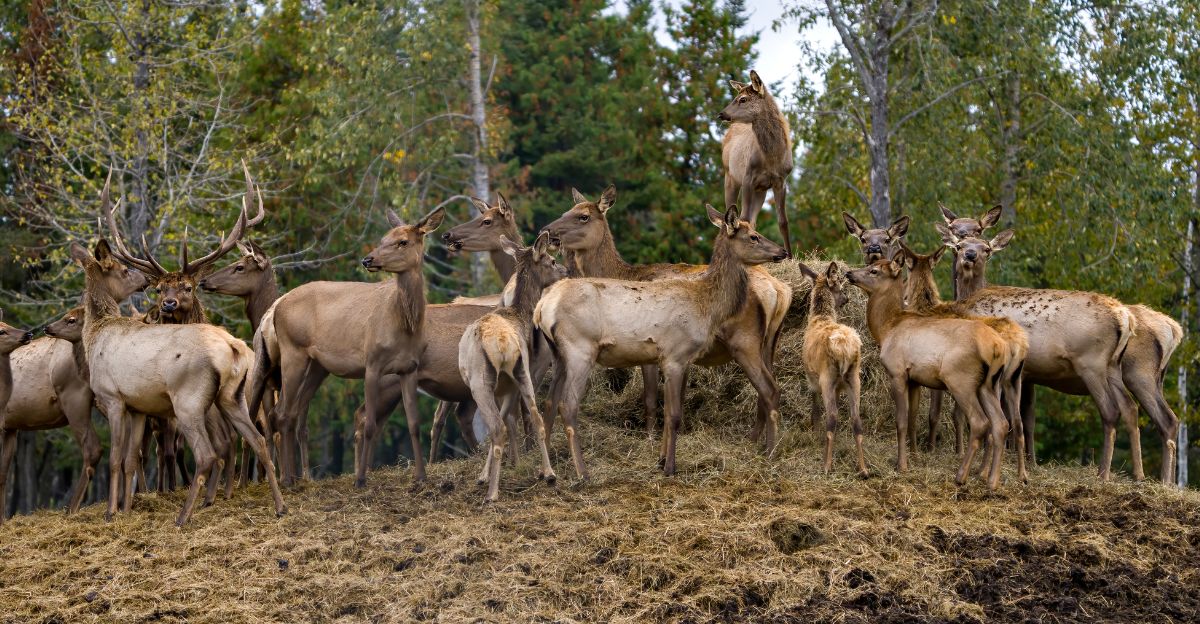
By the late twentieth century, biologists warned that riparian corridors and aspen stands faced collapse. Unchecked elk herds stripped saplings before they reached the canopy. Erosion worsened, habitat declined, and biodiversity plummeted.
These mounting ecological crises sparked calls from conservationists and federal agencies for bold restoration—but solutions seemed elusive without addressing the predator void.
Wolves Return, Forests Respond
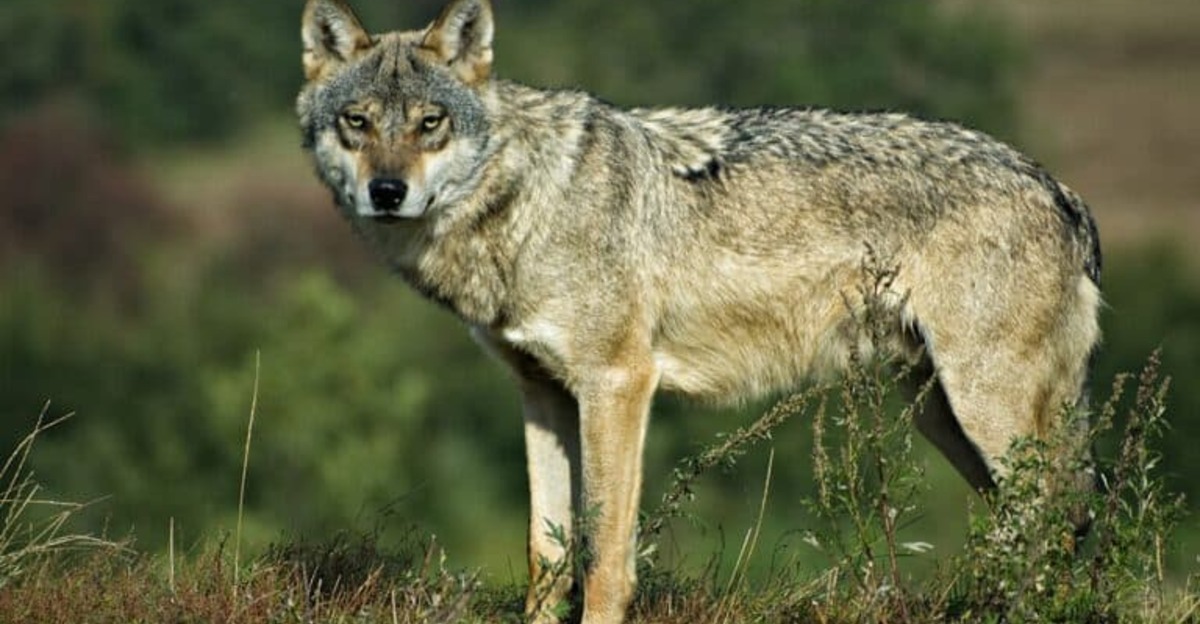
January 12, 1995: wildlife officials released the first gray wolves into Yellowstone from Canada. By 1996, 31 wolves inhabited the park. Three decades later, researchers documented the first significant aspen regeneration since the 1940s.
The 90% decline in elk—from ~18,000 to ~2,000—directly correlates with forest revival, validating the trophic cascade hypothesis.
Northern Range Revival

In 87 surveyed aspen stands, about 33% now display dense clusters of saplings, while another 33% contain scattered young trees. This marks the first widespread recruitment into the canopy in eight decades.
Saplings exceed 2 inches in diameter at chest height—a critical survival threshold indicating escape from intense browsing pressure and establishment into the overstory.
People On The Ground
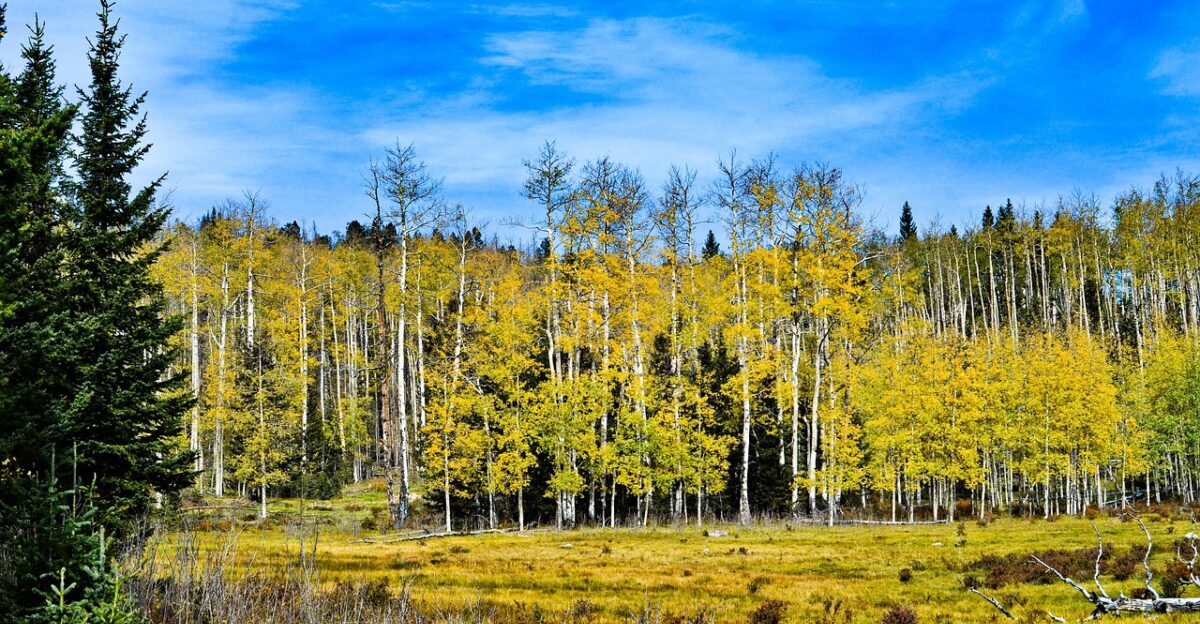
Oregon State University ecologist Luke Painter, revisiting study areas first surveyed in 2012, documents the transformation. He recalls the prior landscape: “The stands basically had older trees… and those were dying out, and then there wasn’t any new growth underneath, of young aspens, to replace those older trees.”
Today, waves of saplings survive past browsing height. Local guides in gateway towns now highlight recovering aspen pockets as tangible evidence of ecosystem-wide ecological restoration unfolding.
Cascading Through Species
Wolf return collapsed elk numbers from ~18,000 to ~2,000, dramatically reducing browsing pressure on young woody plants.
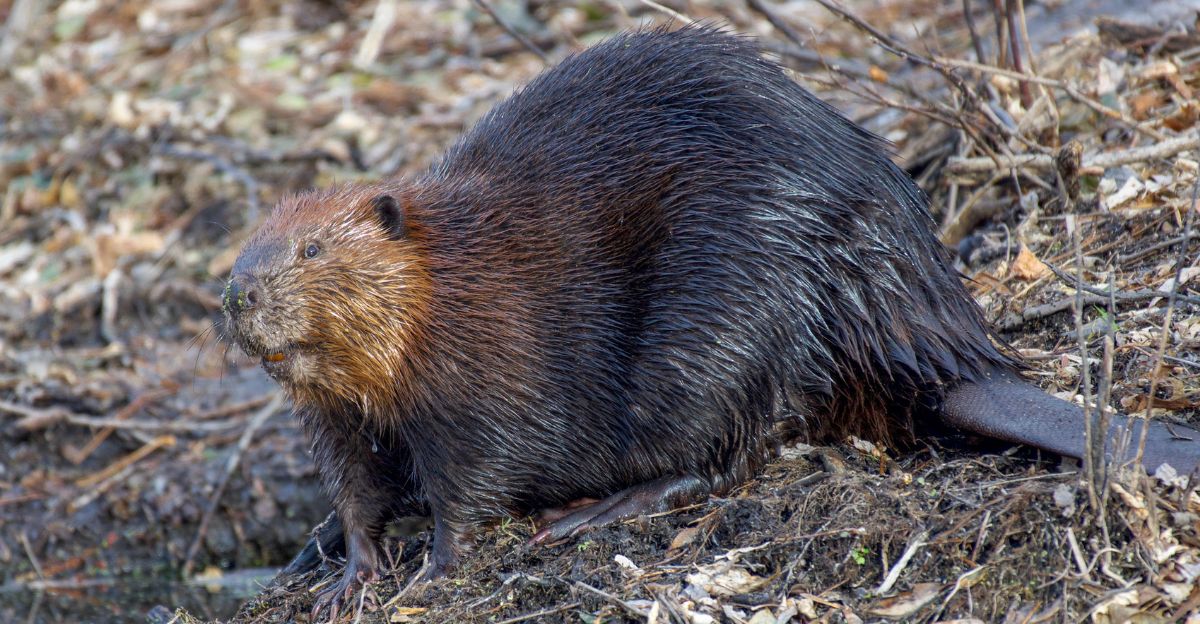
As willows and aspens recovered, beaver colonies expanded from one known site in the mid-1990s to multiple locations.
Beavers now build dams, reshaping streams, storing water, and creating diverse habitats for fish, songbirds, and aquatic species.
A Rare Natural Laboratory
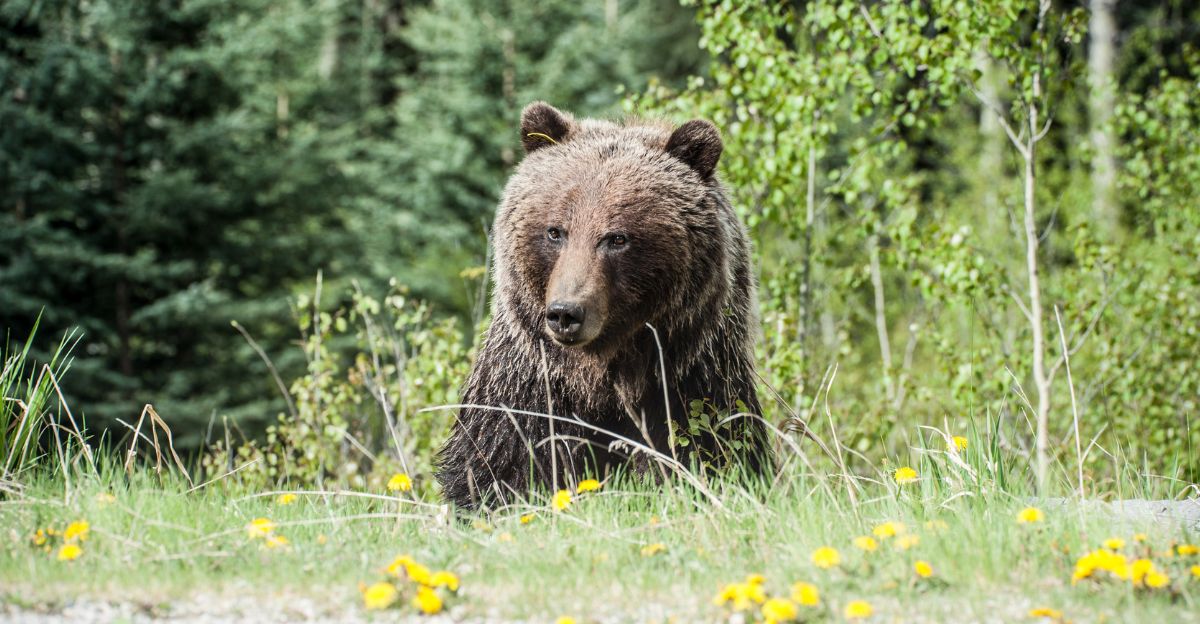
Yellowstone functions as an unparalleled outdoor laboratory for studying trophic cascades. With wolves, elk, beavers, bears, and cougars interacting across a protected landscape, researchers document how food-web changes ripple through vegetation, hydrology, and scavenger communities across decades.
This natural experiment offers insights that are impossible to replicate in controlled settings or within shorter timeframes.
Economic Impact
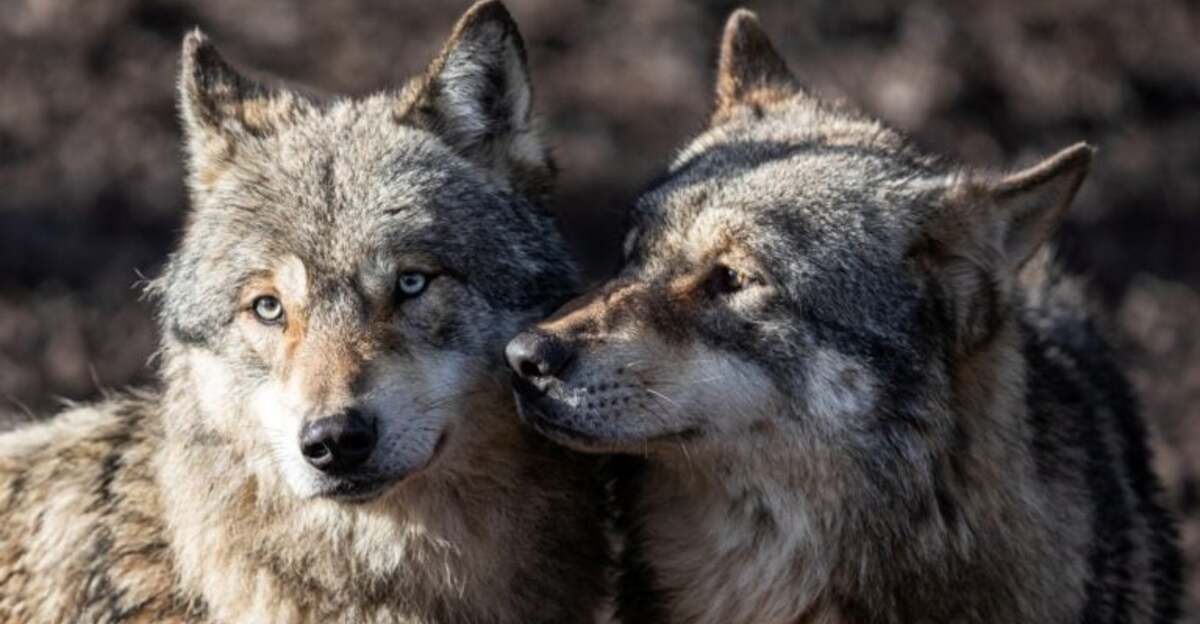
Wolf recovery transformed local economies. Wolf-watching tourism, concentrated in Lamar Valley, generates over $35 million annually for the communities of Wyoming, Montana, and Idaho.
This “watchable wildlife” boom has converted once-controversial predators into significant regional revenue sources. Gateway towns now benefit economically from the very species ranchers and hunters historically opposed.
Ranchers Push Back
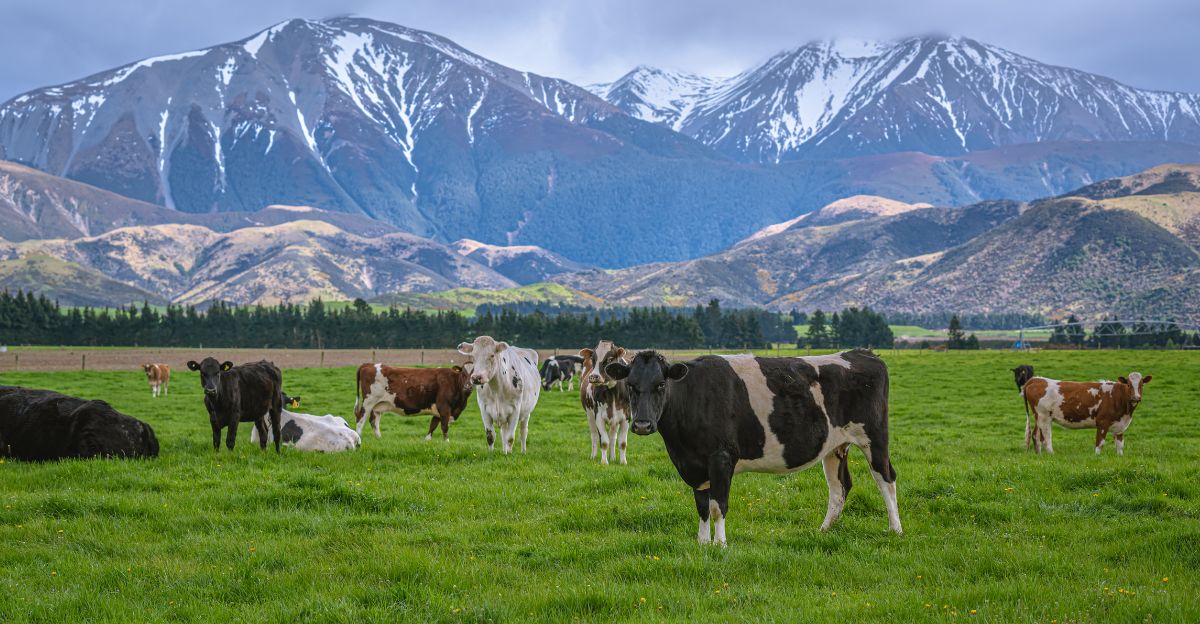
Not everyone celebrates wolf recovery. Ranchers argue that wolves leaving park boundaries kill cattle and sheep, adding stress to volatile operations. Lawsuits and state management conflicts continue.
Disputes center on wolf population limits outside the park and who bears the costs of livestock losses—tensions revealing deep divides between conservation priorities and rural livelihoods.
Policy And Power Shifts
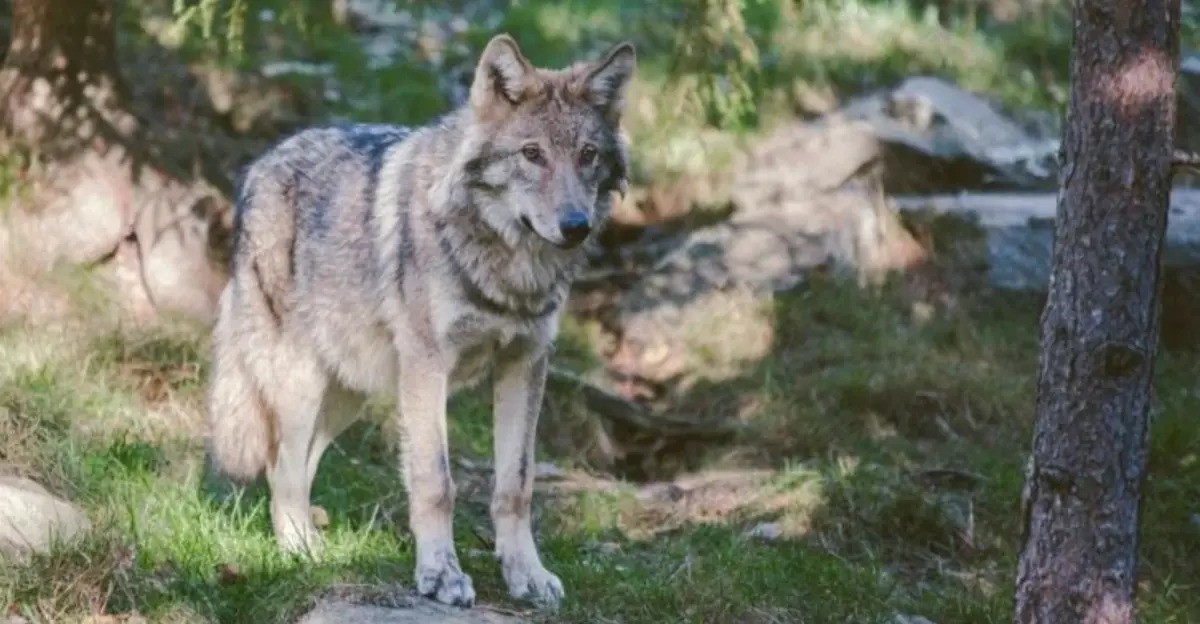
The U.S. Fish and Wildlife Service used the Endangered Species Act’s experimental population provision for reintroduction, granting managers flexibility.
However, court rulings and delisting decisions repeatedly shifted authority between federal and state agencies.
This political complexity mirrors the ecological one, creating overlapping jurisdictional conflicts that shape wolf management outcomes today.
Managing A Comeback
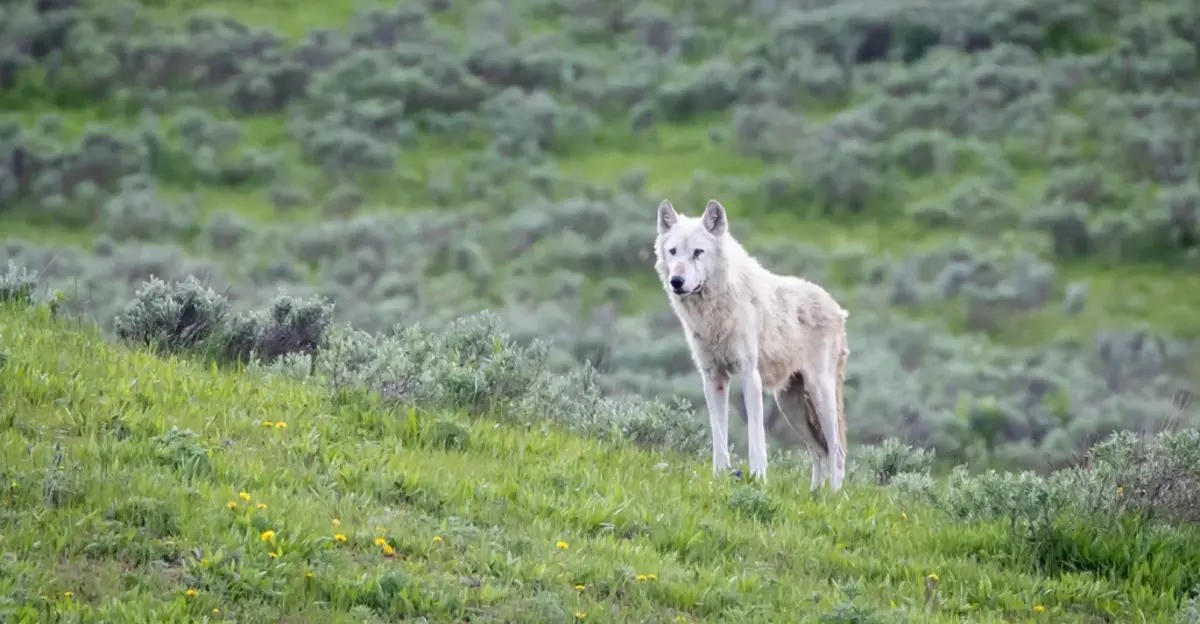
Today, wolf packs thrive within Yellowstone while state agencies manage hunting and trapping outside park boundaries. Park biologists monitor wolf territories and vegetation plots to assess the ecosystem’s capacity.
This adaptive management balances predator population growth with forest recovery goals, requiring constant calibration as the landscape responds to the long-term effects of reintroduction.
Skepticism And Nuance
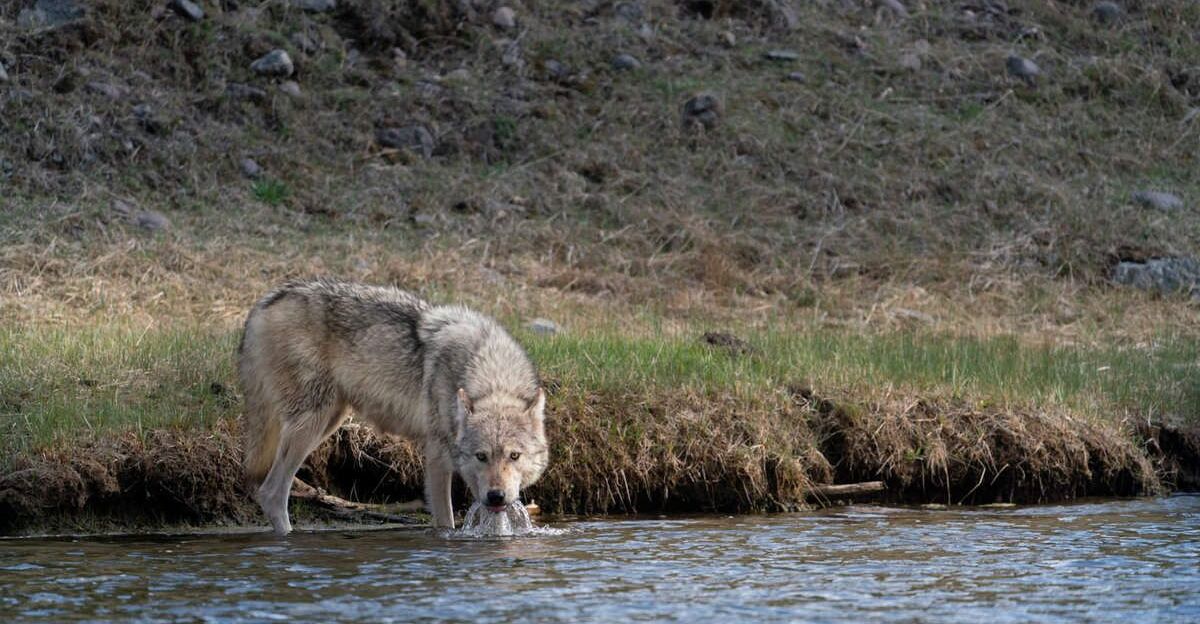
Some researchers caution against attributing recovery solely to wolves. The National Park Service acknowledges that human hunting, drought, and climate variability also contributed to the dramatic decline in elk populations.
While the trophic cascade is evident, aspen recovery remains patchy across the landscape. Ongoing studies continue to unravel the complex interactions between predators, herbivores, and environmental factors.
Lessons For Other Lands
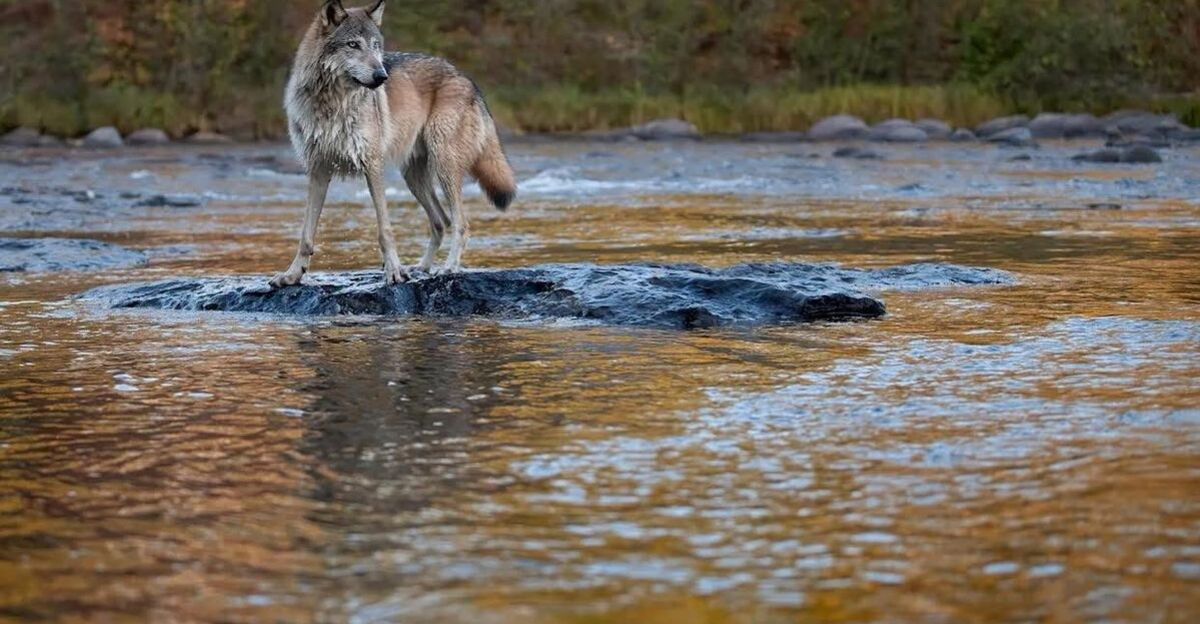
As Yellowstone’s 30-year wolf experiment matures, policymakers globally watch closely. Supporters argue that it proves carnivores help repair degraded ecosystems; critics highlight social conflicts and costs.
The central question remains: Can rewilding successes be scaled beyond iconic valleys? Yellowstone offers a template but not a guaranteed blueprint for other regions with different contexts.
Policy Ripple Effects
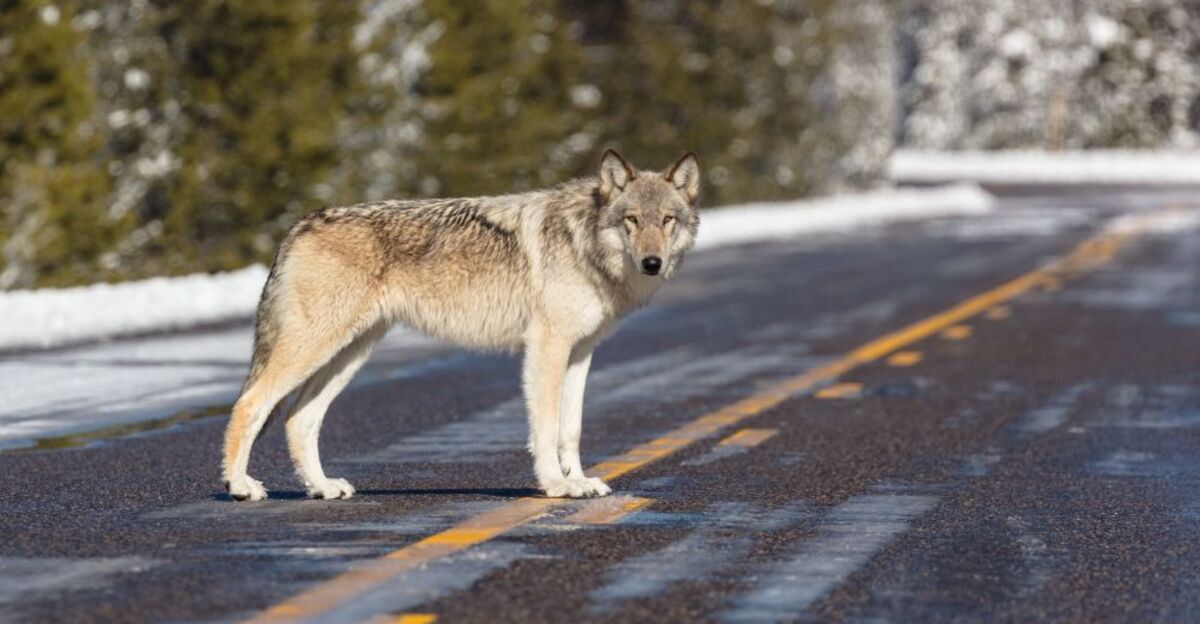
Yellowstone’s wolf success influences debates on carnivore management in Colorado, Washington, and beyond. Conservation advocates cite aspen recovery as evidence for stronger protections.
Some Western lawmakers counter that rural communities bear disproportionate costs and deserve greater local control. This ideological tension shapes policy decisions in multiple states today.
Global Rewilding Echoes
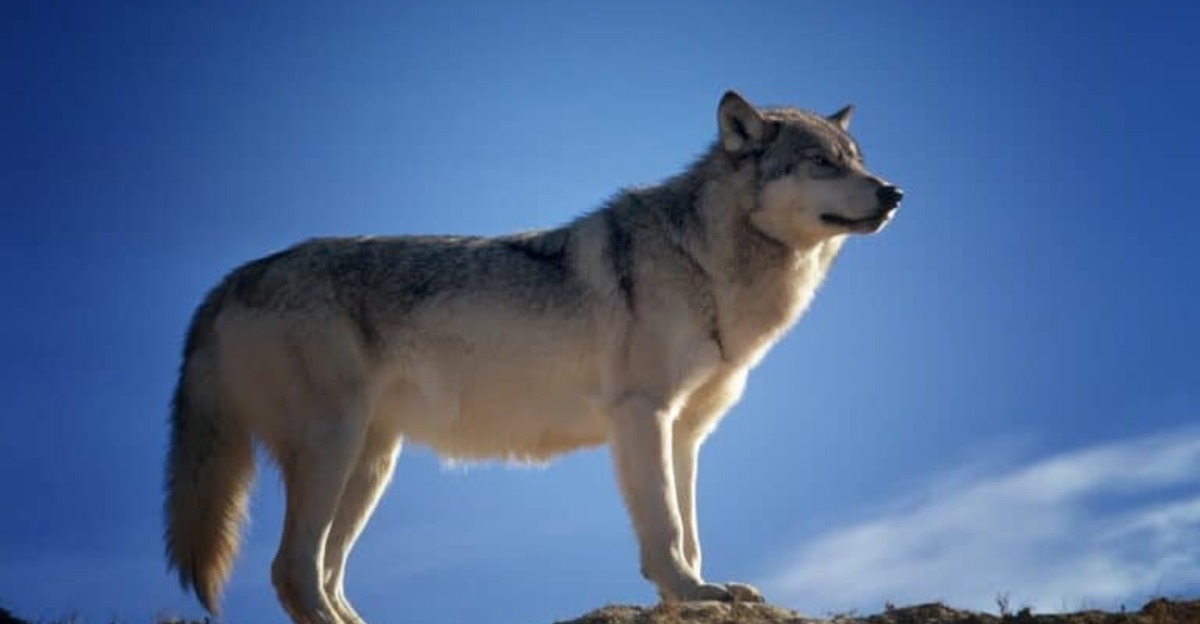
Internationally, Yellowstone serves as a reference point for rewilding projects, from the Scottish Highlands to continental Europe.
Scientists highlight aspen rebound as evidence that apex predator restoration can reset ecosystems where forests and deer populations are imbalanced. Yellowstone demonstrates ecological possibility; political will remains the limiting factor elsewhere.
Environmental Benchmarks
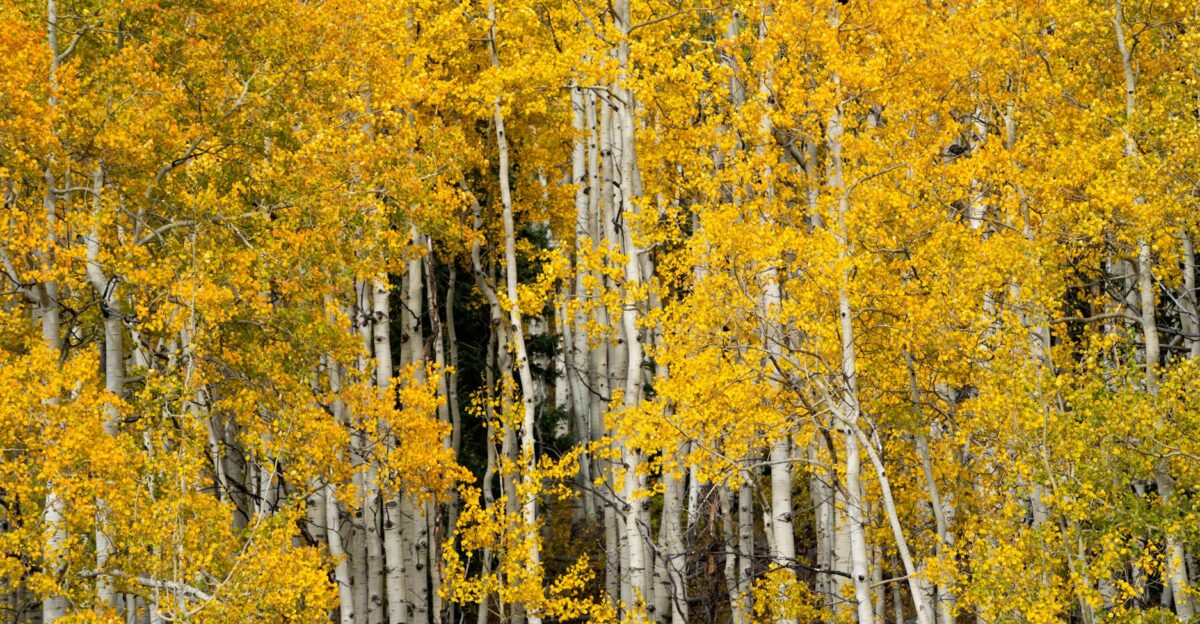
Aspen now functions as an ecological barometer within Yellowstone. The new wave of trees has exceeded 2 inches in diameter at chest height—a critical survival milestone proving escape from browsing to join the overstory.
These recovering stands will soon provide habitat for hundreds of dependent species, from insects to bears, fundamentally reshaping the forest community.
Shifting Attitudes Toward Wolves
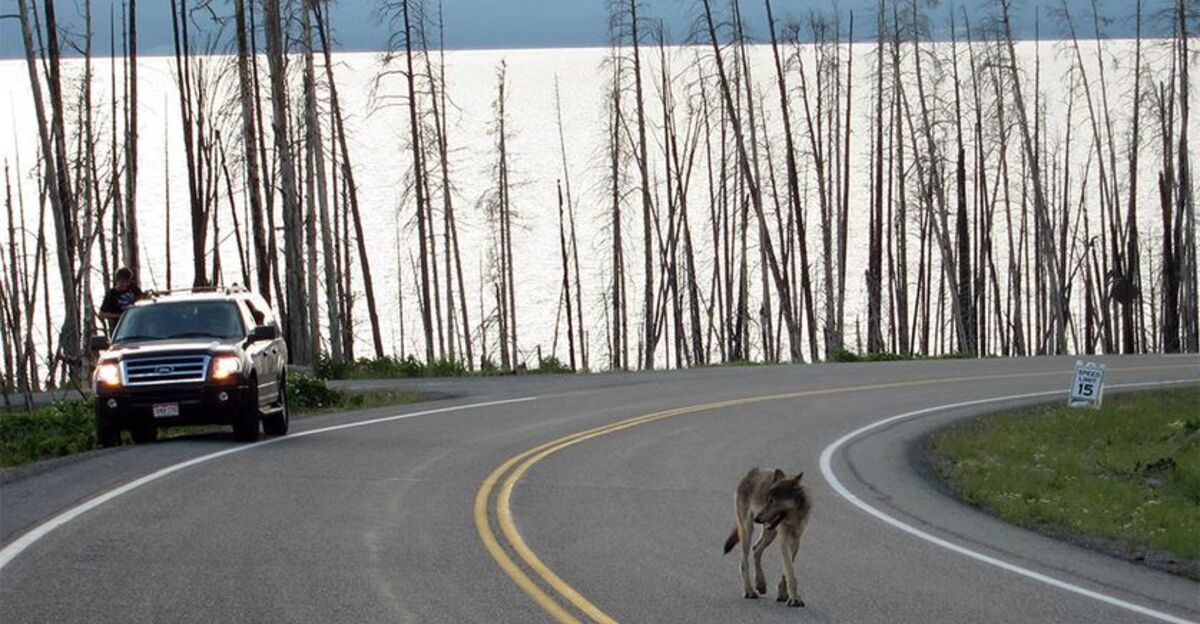
Public attitudes toward wolves have shifted dramatically since the 1990s, when their arrival sparked protests alongside celebrations. Today, social media and documentaries present wolves as symbols of wildness and restoration.
Yet division persists: conservation advocates regard them as ecological heroes, while ranchers and hunters view them as threats to tradition and livelihoods.
What Yellowstone Signals

Yellowstone’s 80-year aspen gap and subsequent regeneration reveal how the loss of apex predators freezes landscapes in ecological time.
As climate change and biodiversity loss accelerate, the park’s unfolding story raises a pressing question: where else will societies embrace the difficult work of restoring top predators to heal damaged lands and secure ecological futures?
Sources:
National Park Service, History of Wolf Management, Yellowstone National Park (2025)
U.S. Fish and Wildlife Service, Gray Wolf Reintroduction Records (1995–1996)
Luke Painter et al., Forest Ecology and Management, Oregon State University (2024)
Yellowstone Wolf Project Annual Reports, Northern Range Elk Population Data
Defenders of Wildlife, Wolf-Watching Economic Impact Study (2025)
Smithsonian Magazine, Aspen Regeneration and Trophic Cascade Research (2025)