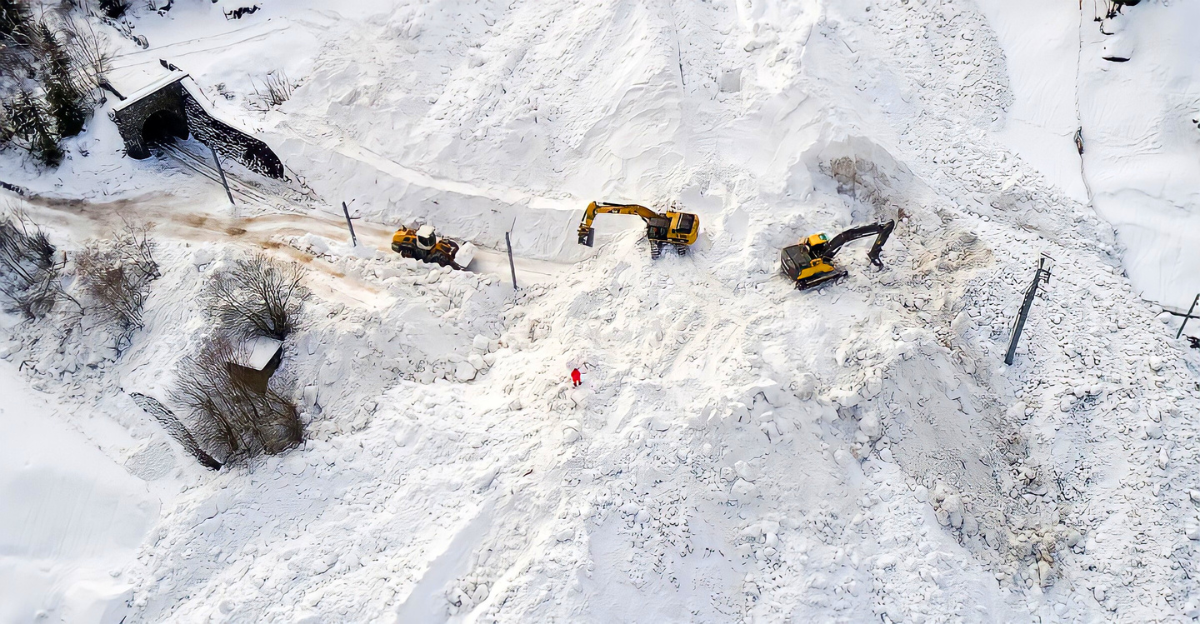
On September 22, 2025, a powerful snowstorm unexpectedly blanketed Rocky Mountain National Park, catching many off guard. What should have been a serene autumn day was transformed as wet, heavy snow began to fall. It was a sight to behold, with roads and forests rapidly covered in white, leaving thousands scrambling to adapt.
Local meteorologist Jim Hawkins remarked, “It’s a surprise of epic proportions. We rarely see this much snow this early.” Travelers’ plans were disrupted as weather alerts circulated, prompting authorities to shift into emergency mode. Just days after the summer, the unusual timing signaled a significant shift in seasonal patterns.
The Storm Escalates
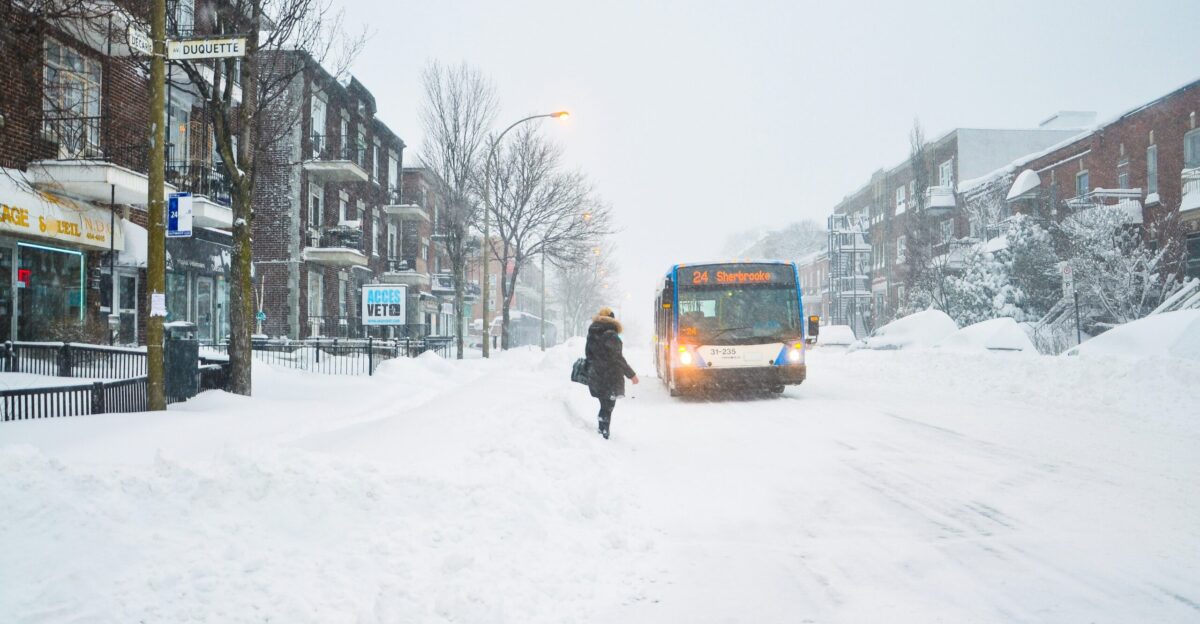
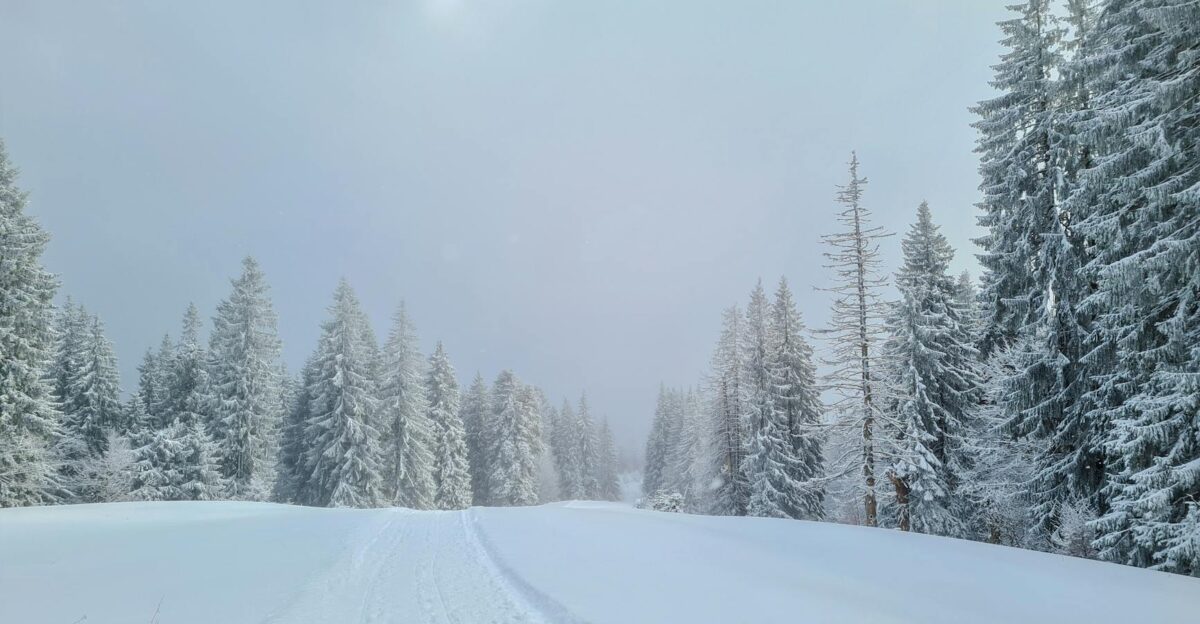
As the storm intensified, park officials reported over a foot of snow accumulating in alpine areas above 10,000 feet. The National Weather Service dubbed it the most enormous early-fall storm in half a decade, creating a sense of urgency. Emergency warnings were issued, and local roads were closed as residents and tourists faced heightened anxiety.
Experienced mountain traveler Sarah Donovan shared her concerns: “This storm is a wake-up call. The weather here is unpredictable, and it’s a reminder to respect nature.” As conditions worsened, the storm presented challenges even to seasoned visitors, illustrating the volatile nature of mountain weather.
A Look at History
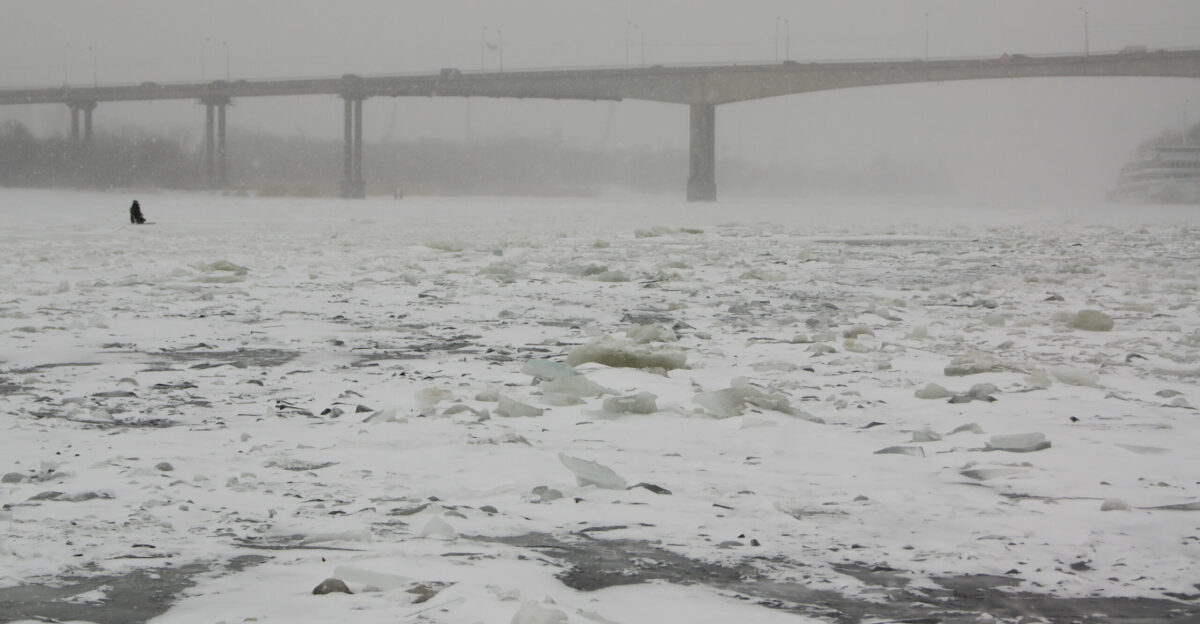
While September snow in Colorado’s high country isn’t unprecedented, storms of such magnitude are rare. Historical patterns show that multi-inch snow events occur less than once a decade before October. Park ranger, Mike Turner, drew comparisons to the October 2013 storm, the last significant autumn disruption in recent memory.
“That one caught us by surprise, too,” he recalled. The unique nature of this storm prompted park officials to analyze past weather patterns, seeking insight into how climate dynamics could shift. They aimed to understand better and prepare for future events, as Mother Nature clearly remained unpredictable.
Chaos Amid Peak Tourism
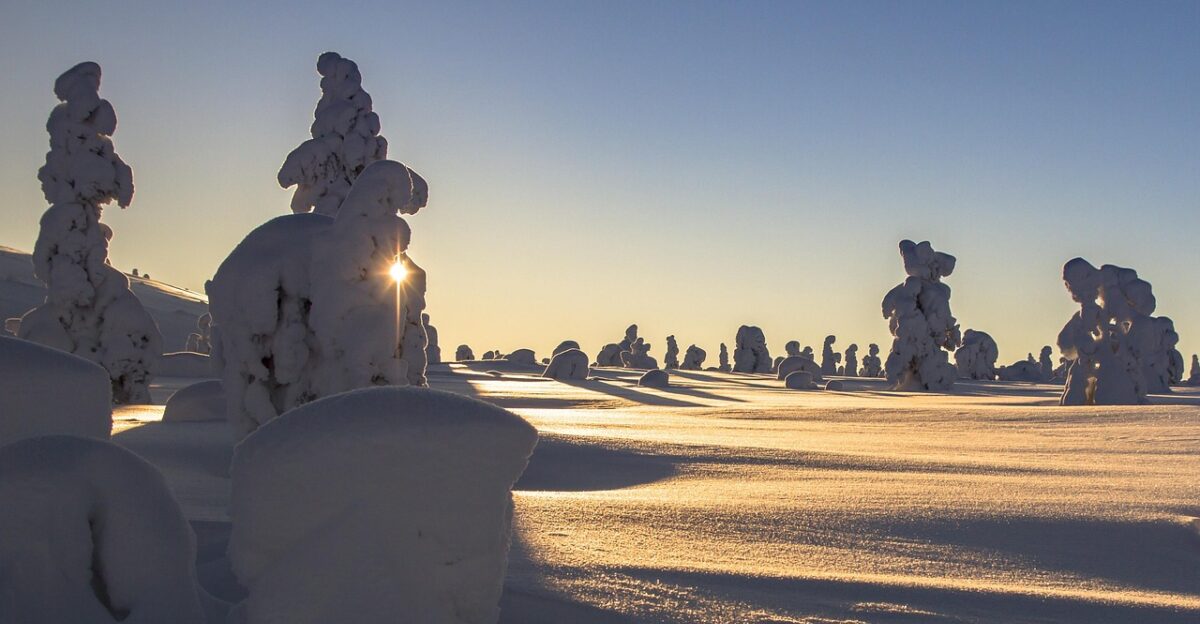
The stunning fall foliage typically draws throngs of tourists to Rocky Mountain National Park in late September. Visitor numbers soared this year as the snowstorm hit, leading to chaos. Attractions were bustling, yet the weather challenge made emergency responses increasingly complex. “We had to turn people away,” said hotel manager Linda Carter, reflecting on overflow from mountain lodges.
Stranded sightseers filled the streets, emphasizing the storm’s impact. With snow removal teams dispatched and rangers working overtime, the park faced mounting pressures that challenged logistics and visitor safety. The beautiful scenery quickly gave way to a fight for safety.
The Storm Hits Hard

On September 22, 2025, the storm abruptly hammered Rocky Mountain National Park, enforcing the famed Trail Ridge Road and Old Fall River Road closures. Continuous snow fell relentlessly from late afternoon into the next day. Rangers had to close access points at Rainbow Curve and Colorado River Trailhead.
Park spokesperson Jennifer Larson stated, “Public safety is our utmost priority. We had to act fast.” The sudden storm transformed the landscape and put everyone on high alert, driving home the unpredictability of mountain weather conditions. People were left scrambling for safe havens amidst the chaos.
Alpine Areas Severely Affected
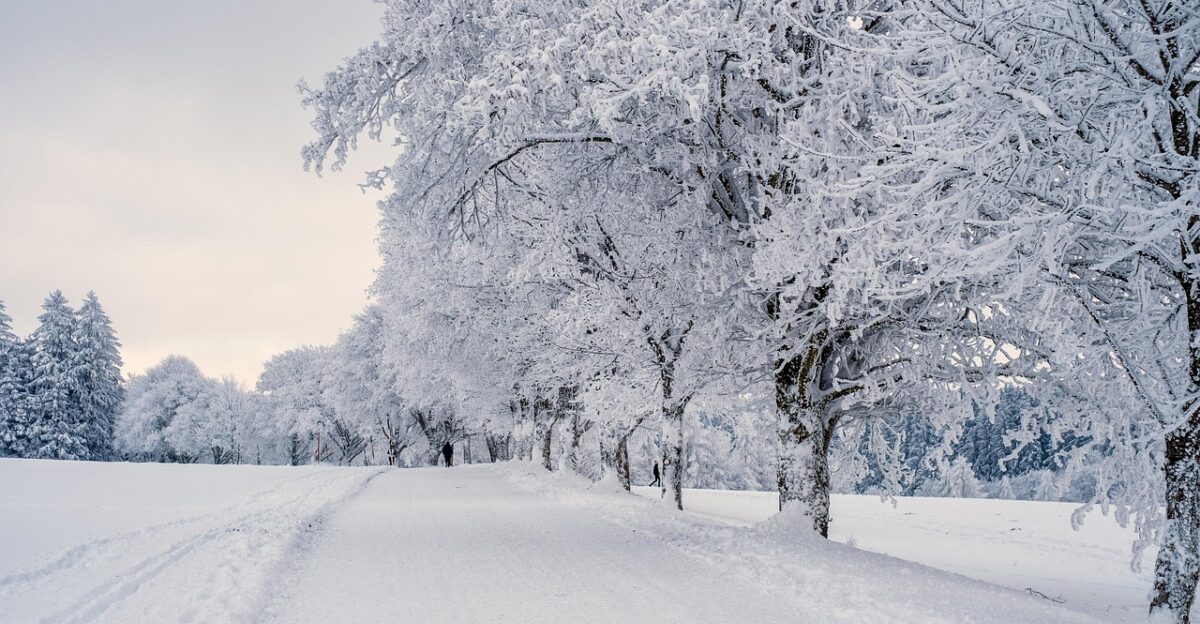
In alpine areas above 10,000 feet, accumulations exceeded 12 inches in many locations, burying the Alpine Visitor Center and its surrounding trails. Visibility dropped to dangerously low levels, hampering vehicle access and essential rescue services. Snow blanketed pathways and created challenging conditions nearly overnight. “We never expected it to be this bad,” remarked hiker Ben Richards.
Authorities urged travelers to avoid all non-essential travel through mountain passes until further notice, highlighting the urgent need for caution amid hazardous conditions. The beauty of snow quickly turned into a serious safety concern, with officials working tirelessly to assist those in distress.
Voices of the Stranded

As the storm descended, many caught in its grip turned to social media to share their experiences. One tourist recounted, “We turned back near the top; there was no way to see the road beneath the snow.” The rapid changes in conditions caught even experienced visitors off guard.
Rangers heroically rescued several stranded motorists overnight, exemplifying the dangers of unpredictable weather and the need for preparedness. It was a night many would not forget, highlighting the snowstorm’s wrath while emphasizing the incredible resilience and determination of those affected by nature’s surprise.
Repercussions Stretch Statewide
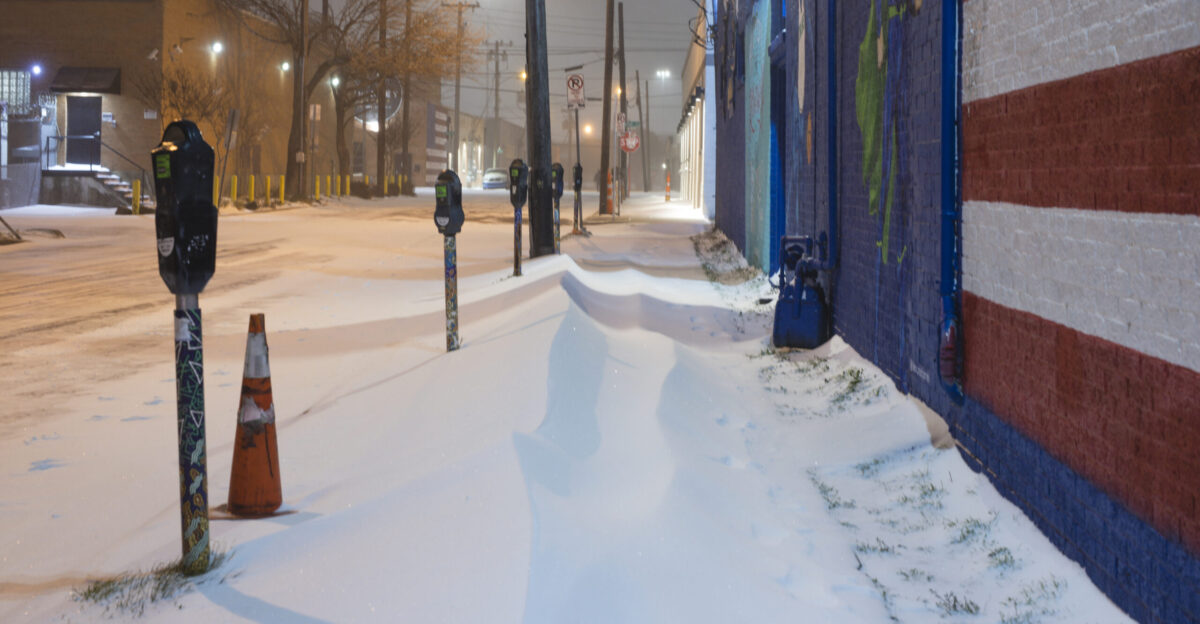
This storm’s reach extended far beyond the boundaries of Rocky Mountain National Park. Numerous state highways and high-elevation routes faced temporary blockages, creating a ripple effect across Colorado. The Colorado Department of Transportation activated snowplows and winter warning systems earlier than usual. “We’re living in unpredictable times,” said transportation director Laura Miller.
The department braced for potential repeat events as the season progressed, focusing on preparedness. The expansive nature of the storm’s impact signaled a new dynamic for travelers, with state agencies working collaboratively to keep the public informed and safe during adverse weather conditions.
Signs of a Changing Climate

Climatologists have been watching weather patterns closely, and this storm may signify larger climate variability trends across the region. Boulder-based researcher Dr. Emily Collins stated, “While autumn snow isn’t freakish, the intensity and timing of this storm hint at shifting patterns.” Long-term data show an uptick in abrupt weather swings in Colorado’s Front Range, merging late-summer warmth with sudden, unseasonal cold.
The implications of such phenomena are essential to consider as the state grapples with unpredictable seasons, making it crucial for residents and tourists to adopt adaptability as the new norm in how they approach their outdoor plans.
The Aspen Leaf Dilemma
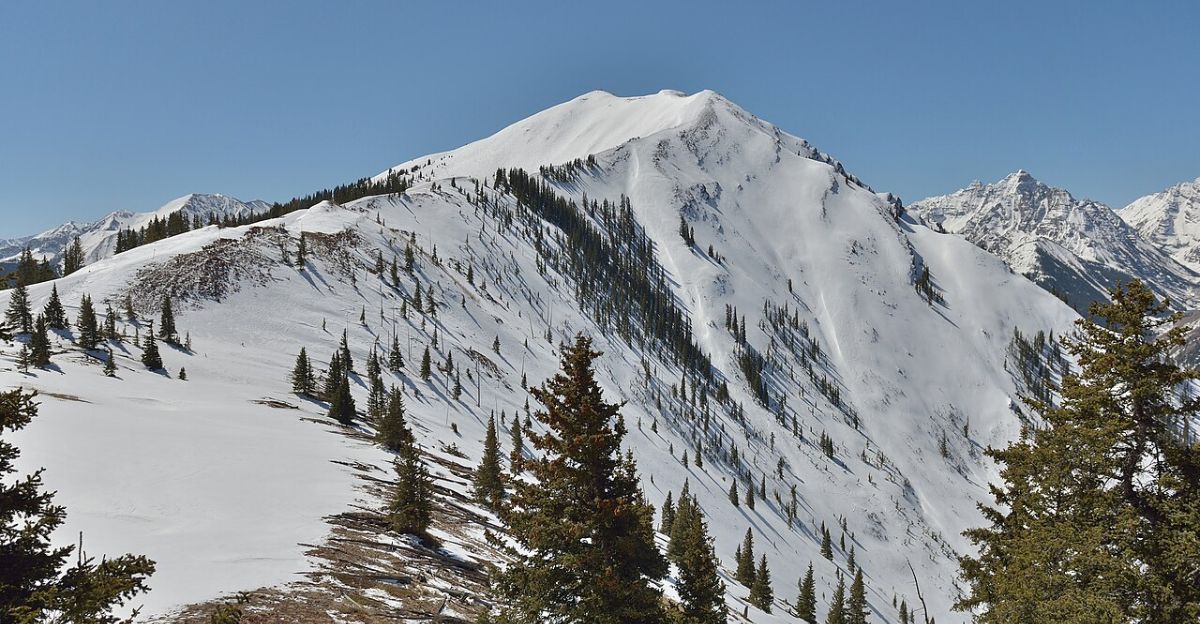
An unexpected outcome of the snowstorm was its impact on aspen leaf forecasts. Local guides reported that some areas might see a shortened display, with premature snow load weighing heavily on branches. “It’s that strange paradox of beauty and destruction,” remarked forest ranger Jess Thompson.
Visitors, often called “color chasers,” were warned that peak foliage might not last as long due to heavy accumulations. With heavy snow potentially breaking branches and damaging trees, the normal awe-inspiring vistas of golden aspens could be fleeting. Nature’s unpredictability adds complexity to what many seek, highlighting the delicate balance of seasons.
Frustrated Visitors Speak Out
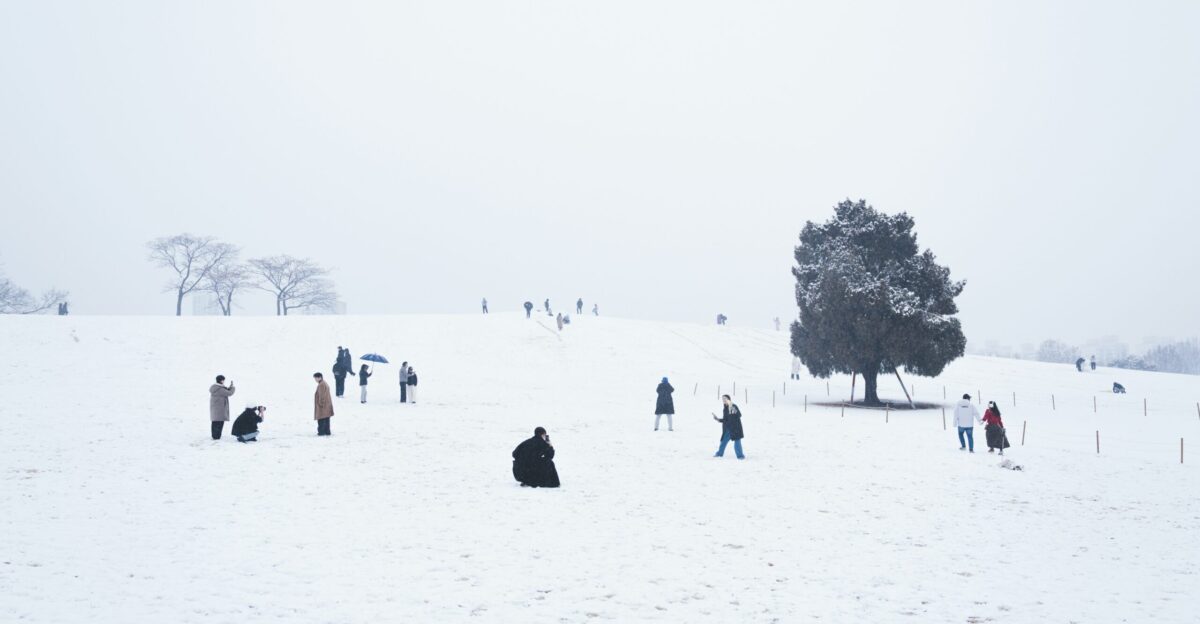
Public frustration grew among disappointed tourists and residents in the aftermath of the snowstorm. Many voiced concerns over the lack of clear and timely warnings. Hotel manager Linda Carter lamented, “We received many calls from confused guests; communication was the biggest challenge.” Visitors overwhelmed park information lines, seeking updates about conditions and travel assistance.
Park officials realized that stronger communication channels are essential, especially in emergencies. Moving forward, a key emphasis would be balancing visitor safety with effective information dissemination, learning from the week’s tumultuous events, and enhancing their protocols for future storms.
Leadership & Commitment
Amid public frustration, Rocky Mountain National Park administrators sought to convey their commitment to safety and transparency. Superintendent Darla Sidles said, “We prioritize the safety of our visitors and staff. Our closures are not made lightly.” Her assuring words addressed public concerns while confirming that comprehensive post-event reviews would be conducted to improve responsiveness.
Park leadership needed to maintain trust within the community. When nature throws curveballs, the transparency and adaptability of park officials become vital in ensuring the safety of all who venture into the wilderness.
Recovery & Reopening Efforts
Following the storm, snow teams launched plowing operations at dawn on September 23. Park officials worked swiftly to assess the condition of Trail Ridge Road and Old Fall River Road, hoping to reopen them “as soon as conditions permit.” Clear communication was essential during this phase. Ranger Mark Henley stated, “Safety inspections are crucial before we can allow anyone back.
We want to ensure a secure experience.” Behind-the-scenes efforts intensified as staff focused on clearing debris and restoring normal traffic flow. The storm had disrupted life in the park, but recovery efforts aimed to return some semblance of normalcy to the area.
A Cautious Future
As winter looms, meteorologists urged continued vigilance, warning of potential ground and air temperature fluctuations that could affect weather patterns. “It’s a reminder to prepare for anything,” noted weather expert Dr. Clara Evans, encouraging the public to remain alert as conditions evolve.
The unpredictability of weather has become a recurring theme, with the recent storm serving as a critical benchmark for future fall and winter considerations. Awareness and preparedness will be paramount as Colorado settles into potentially erratic seasons ahead, making it crucial for residents and visitors alike to heed warnings as nature remains capricious.
Building Community Resilience
In facing such unexpected weather events, local communities prioritize resilience in the face of future storms. Meetings and partnerships are forming among park officials, local businesses, and organizations to develop comprehensive response strategies. “We cannot control nature, but we can control how we respond to it,” local community leader Hannah Fisher emphasized.
Engaging in future planning efforts will help the region better prepare for severe weather and manage logistics more effectively. Building a united front, locals envision a prepared community that embraces adaptability in embracing both nature’s allure and its unpredictable challenges.
Emphasizing Safety Education
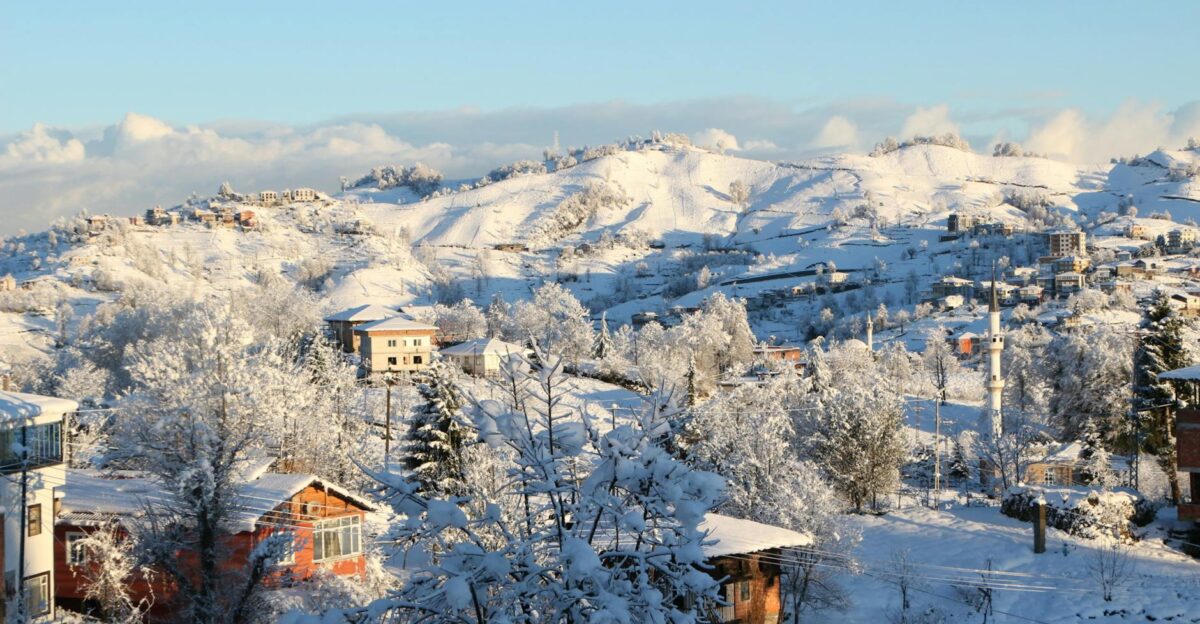
One key outcome from the storm has been an emphasis on improving safety education for visitors. Park rangers are collaborating with local organizations to launch new initiatives, providing resources on weather preparedness and safety protocols. “We want everyone to be informed before setting off on their adventures,” ranger Sarah Monroe stated passionately.
Workshops and informational materials are being developed to educate visitors about tracking weather changes and adapting plans accordingly. The goal is to turn unexpected challenges into valuable lessons, ensuring that park visitors remain aware of the dynamic nature of Colorado’s mountain weather.
Enhancing Communication Strategies
Park officials are exploring innovative ways to enhance communication strategies, ensuring accurate, timely information reaches the public. Social media, website updates, and direct notification systems are all being evaluated to keep visitors informed. “We’ve learned the hard way how important immediate communication is,” said technology coordinator Tim Anderson.
Collaborating with local emergency services for real-time updates will become a priority, aiming to ensure that every traveler has access to critical information before and during unexpected weather events. The aim is always to prioritize safety and minimize the chaos that can arise when severe weather strikes.
Engaging the Public
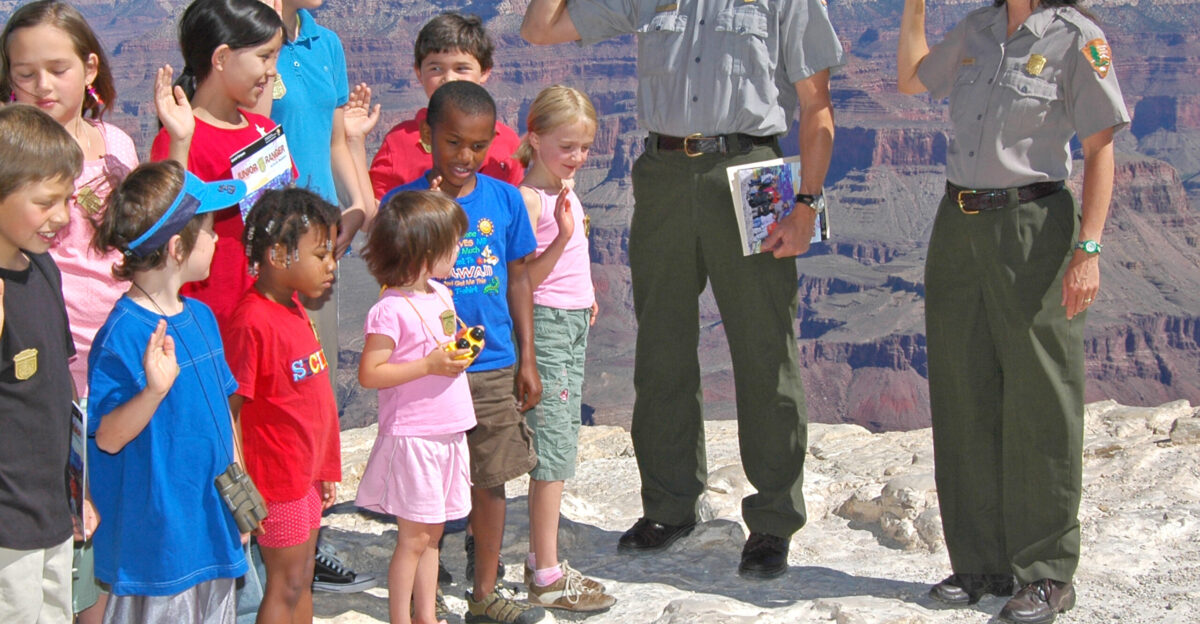
To improve public relations after the snowstorm, park officials are initiating outreach efforts aimed at transparency and engagement. Community meetings will be held to gather feedback on how the park can best serve both visitors and locals. “We want to hear your thoughts,” park spokesperson Amelia Gray asserted. Residents and tourists alike are encouraged to participate in these dialogues.
Building a sense of community around shared experiences fosters relationships. It promotes a collaborative environment, allowing park staff to address concerns better and strengthen their commitment to safety in the face of unpredictable weather challenges.
Reevaluating Visitor Expectations

Regarding the storm’s impact, park officials reevaluate visitor expectations regarding weather-related closures and operational adjustments. Administrator Darla Sidles pointed out, “We want to set realistic expectations while ensuring that everyone understands the potential for rapid changes in conditions.” Regularly updating guidelines while fostering a culture of preparedness will be essential.
Awareness campaigns focused on the importance of adaptability in outdoor adventures will help tourists navigate the uncertainties of mountain weather. The balance between exploration and safety lies in understanding how unpredictable nature truly is, prompting visitors to prepare adequately for all possibilities.
Embracing Nature’s Uncertainty
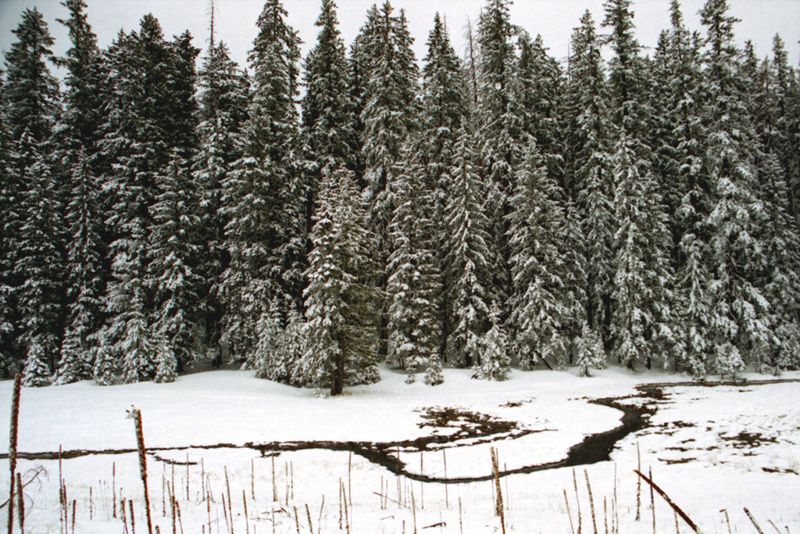
In the end, the storm of September 2025 stands as a testament to nature’s unpredictable beauty and power. The Rocky Mountain National Park community emerged stronger, united by shared experiences and enhanced knowledge about preparation and resilience. Acknowledging the unpredictability of the weather has become a priority, reflecting a broader shift in understanding climate impacts.
Local leaders and park officials are dedicated to working together to anticipate future weather challenges, ensuring that all residents and visitors alike can embrace the wonder of the outdoors while respecting its mighty unpredictability. After all, in nature’s dance, one must always be ready for the unexpected.