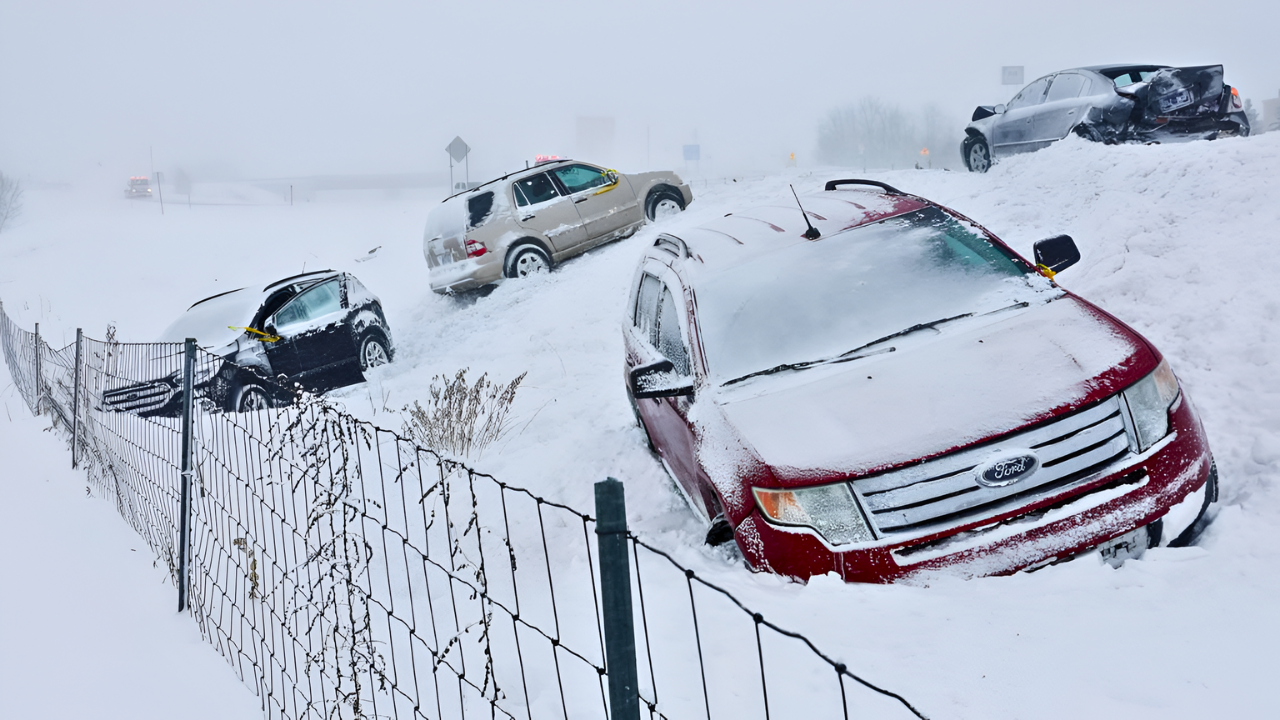
More than 230 million Americans are in the path of a powerful winter storm that could reshape the weekend for much of the country. Winter Storm Fern is sweeping toward the United States with brutal cold and fierce winds that may drive wind chills down to 50 degrees below zero in parts of the northern Plains and Upper Midwest. The National Weather Service warns this outbreak of Arctic air could be “as cold as some have seen in years,” especially for communities not used to such long stretches of extreme cold.
As the storm approaches, governors, emergency managers, and utility companies are activating response plans and moving crews into place. More than one-third of the continental U.S. is under some type of winter weather alert, with tens of millions facing winter storm warnings, ice advisories, or extreme cold alerts through early next week.
A Storm Compared to 2021’s Grid Disaster
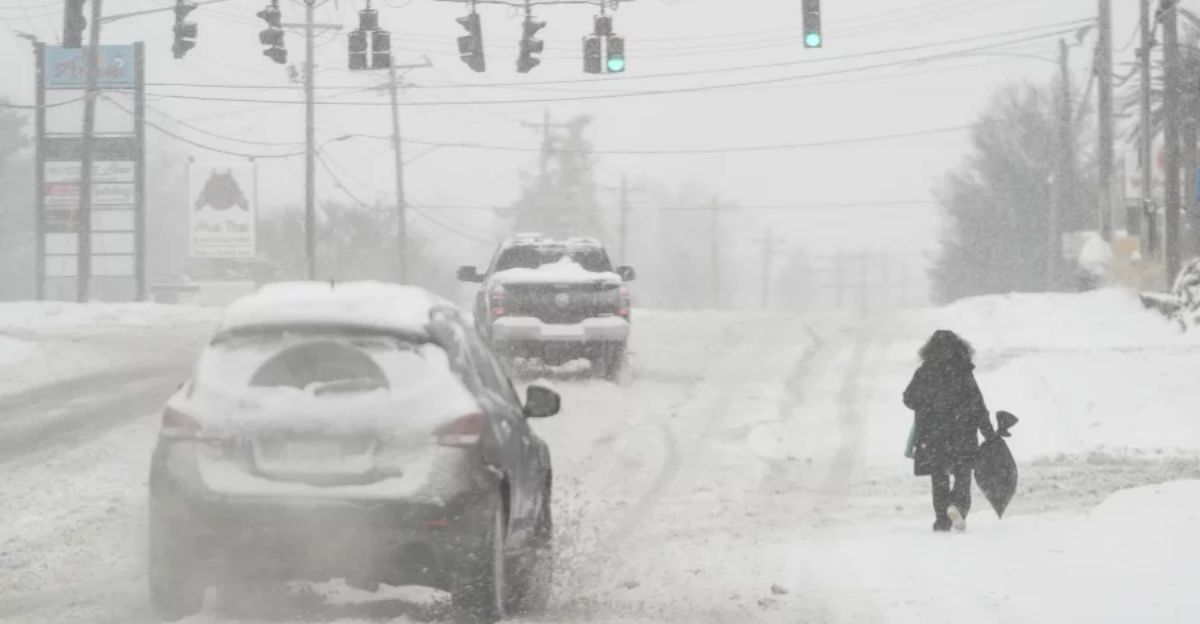
Meteorologists and energy experts are already comparing Winter Storm Fern to Winter Storm Uri, the 2021 disaster that crippled the Texas power grid and left millions without heat during deadly cold. Fern’s footprint is even larger, stretching close to 2,000 miles from the Southwest across the South and Midwest and into the Northeast.
Along that path, forecasters expect a dangerous mix of heavy snow, sleet, and freezing rain, especially in a corridor from Texas through the Tennessee Valley and into the Carolinas. The weekend timing adds another layer of concern as many utilities must lock in fuel supplies by Friday, leaving little flexibility if demand surges or gas systems freeze at the worst possible time.
Why Southern Grids Are at Special Risk
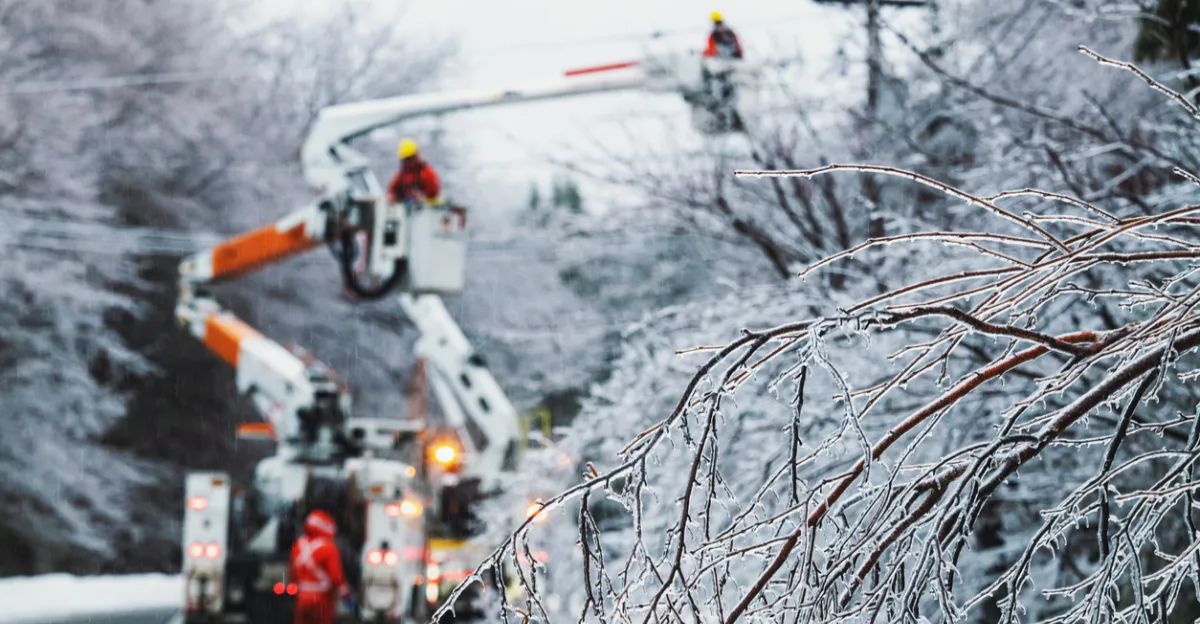
The South’s energy system is built mainly for blistering summers, not deep freezes, and that difference matters when storms like Fern arrive. Power plants across the region often lack full winterization, equipment like insulation, heat tracing, and building enclosures that are standard farther north. During the 2021 Texas crisis, roughly half of the state’s power generation went offline at various points as gas plants, coal units, and even some wind turbines failed in the cold.
A key vulnerability is natural gas. In extreme cold, wellheads, pipelines, and compressor stations can seize up in freeze-offs, sharply reducing fuel flowing to power plants just as homes and businesses crank up the heat. A similar pattern emerged during Winter Storm Elliott in 2022, when gas supply shortfalls and surging demand caused widespread grid stress and price spikes across multiple regions.
Fragile Local Lines, Long Repairs
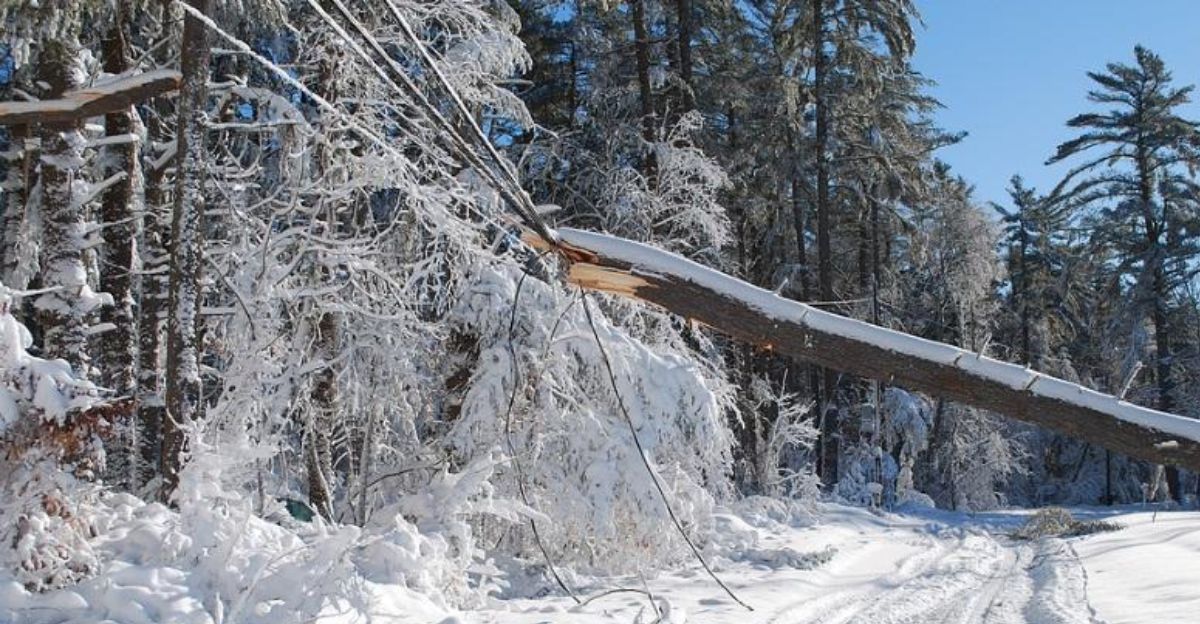
Most people picture giant steel towers when they think of the power grid, but the lines most likely to fail in a winter storm are the smaller ones running down neighborhood streets. These “distribution” lines carry electricity from substations directly into homes and businesses, and they are often strung on wooden poles that are vulnerable to wind, ice, and falling trees.
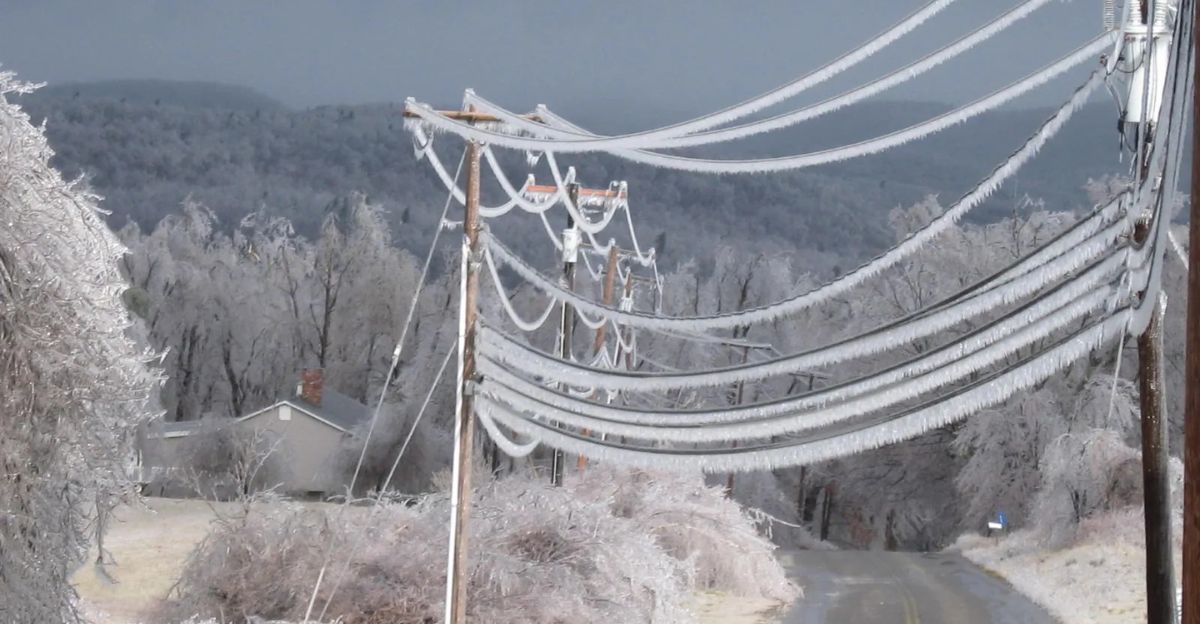
When ice coats branches and wires, the added weight can snap poles or pull lines to the ground in seconds. Unlike a single failure on a big transmission line, which can sometimes be rerouted, distribution failures require crews to patrol neighborhoods, find each break, and fix them one by one.
Multiple States Move Into Emergency Mode
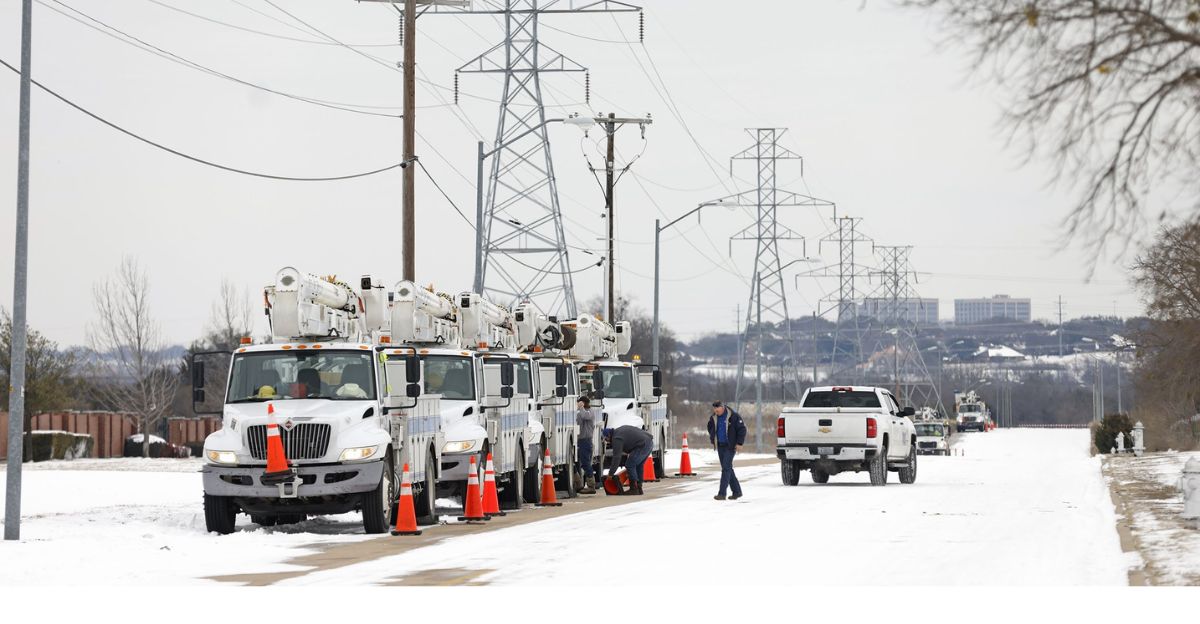
Ahead of Winter Storm Fern, governors across the South and Southeast have started declaring states of emergency and activating response plans. Texas, North Carolina, and South Carolina have all issued formal emergency declarations, with officials warning of “crippling ice,” dangerous roads, and the possibility of major power outages.
Georgia’s governor declared a statewide emergency, directing agencies to mobilize resources and coordinate closely with local governments as the storm nears. Arkansas also issued an emergency order, citing the risk of severe winter weather, fuel distribution problems, and threats to public safety and essential services.
Ice Threatens the South’s Power and Roads
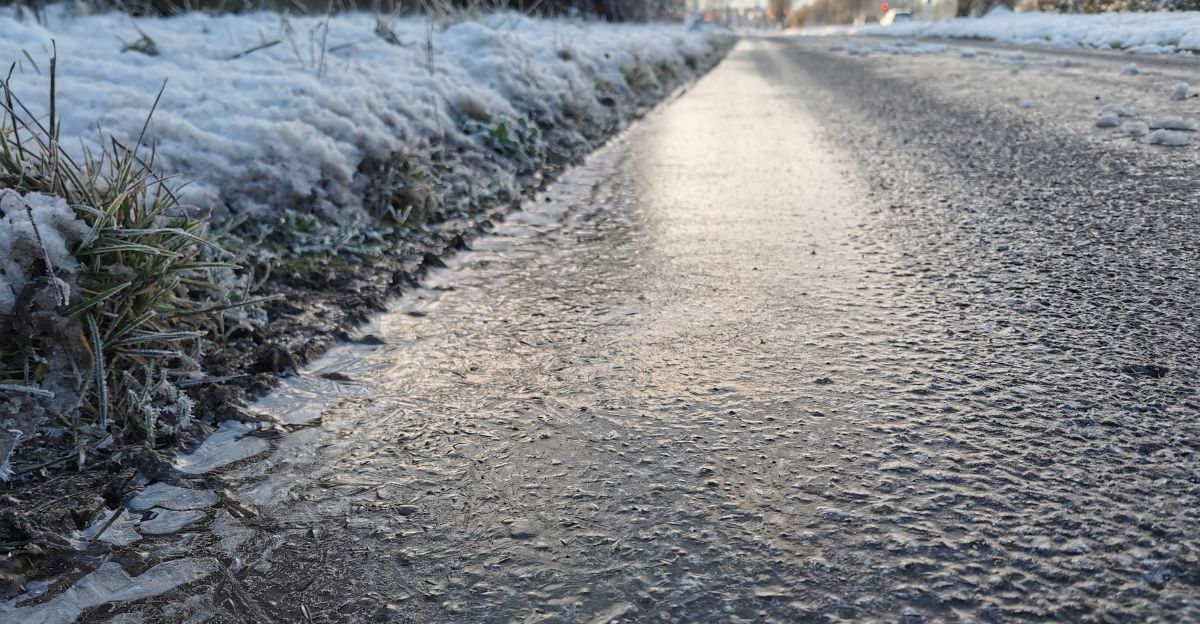
For much of the South, the most dangerous part of Winter Storm Fern may not be snow, but ice. Forecasts show a long band of freezing rain developing from Texas through northern Louisiana, Mississippi, Alabama, and into the Carolinas, especially near and north of Interstate 40. In these areas, a glaze of ice could quickly thicken into a heavy coating on trees, power lines, and bridges.
Even a quarter-inch of ice can bring down limbs and lines; a half-inch or more often leads to widespread outages and blocked roads. Cities like Dallas, Little Rock, Memphis, Atlanta, Charlotte, and Raleigh all face some level of icing risk, with temperatures staying at or below freezing long enough to prevent melting between waves of precipitation.
Midwest Faces Deep Snow and Brutal Cold
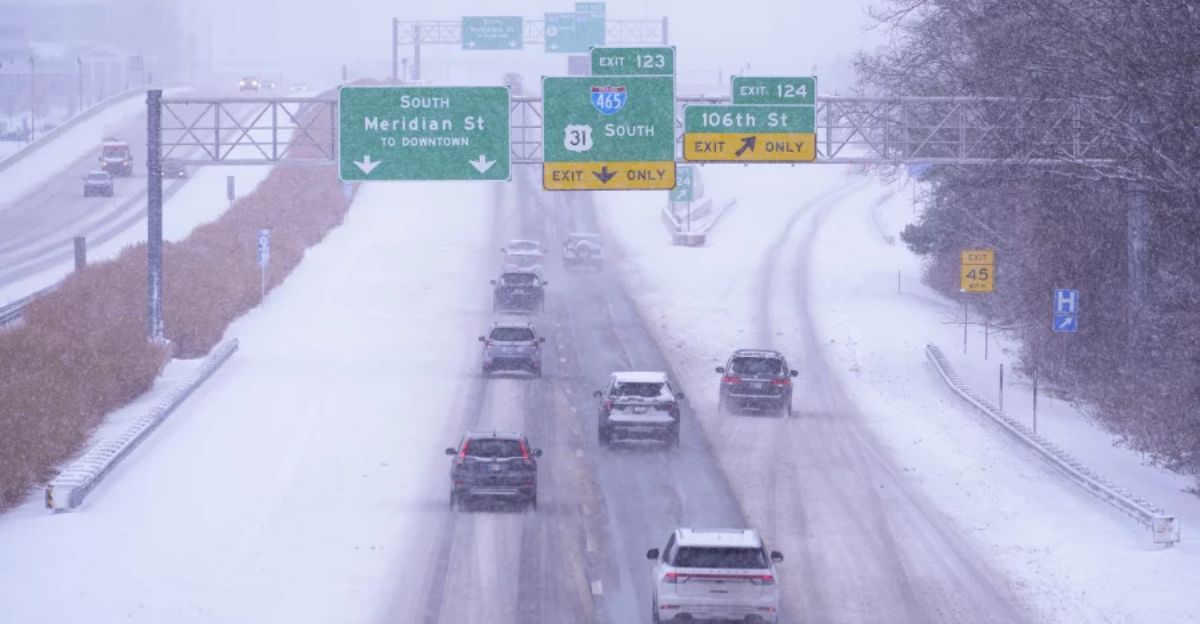
While the South battles ice, the Midwest is bracing for some of the heaviest snowfall and harshest cold from Winter Storm Fern. Forecast models show a broad zone of 8 to 12 inches or more stretching from parts of the central Plains through the Midwest and into the interior Northeast, with localized higher totals where snow bands stall.
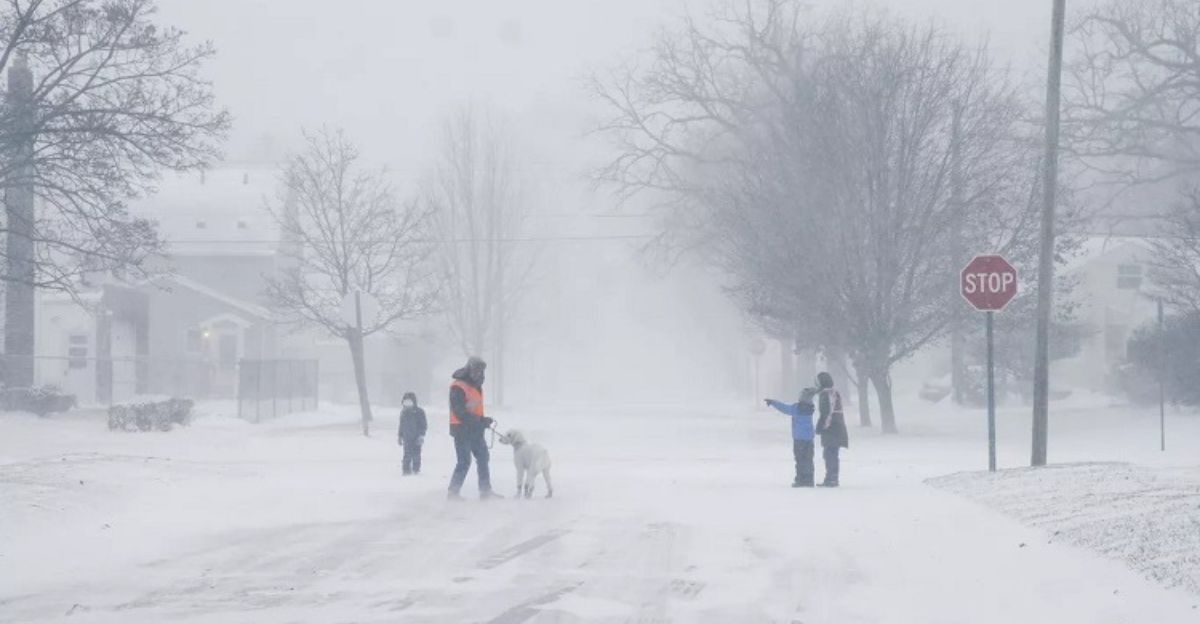
Cities near key highway corridors could see dangerous whiteout conditions at times, especially where strong winds whip around powdery snow. Behind the storm, an Arctic air mass will drive temperatures sharply lower, sending wind chills well below zero and possibly near minus 50 degrees Fahrenheit in parts of the northern Plains.
Northeast Readies for a Major Snow Event
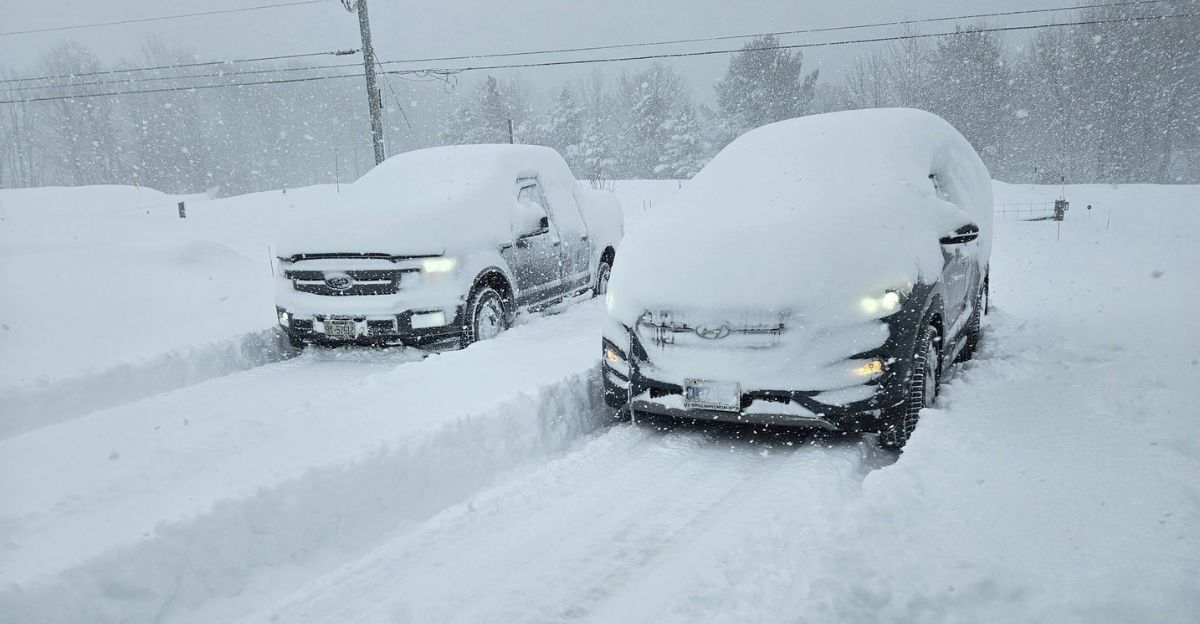
The Northeast will likely experience the final and perhaps most disruptive phase of Winter Storm Fern. As the system swings northeast late Sunday into Monday, heavy snow is expected to push up the I‑95 corridor, targeting major population centers from Washington, D.C., through Philadelphia and New York City to Boston.
Early estimates suggest 6 to 12 inches of snow for many inland areas, with higher totals possible in the higher elevations of Pennsylvania, New York, and New England. Coastal sections may see a messy mix of snow, sleet, and rain that still snarls travel and complicates cleanup.
Air Travel Disruptions Spread Nationwide
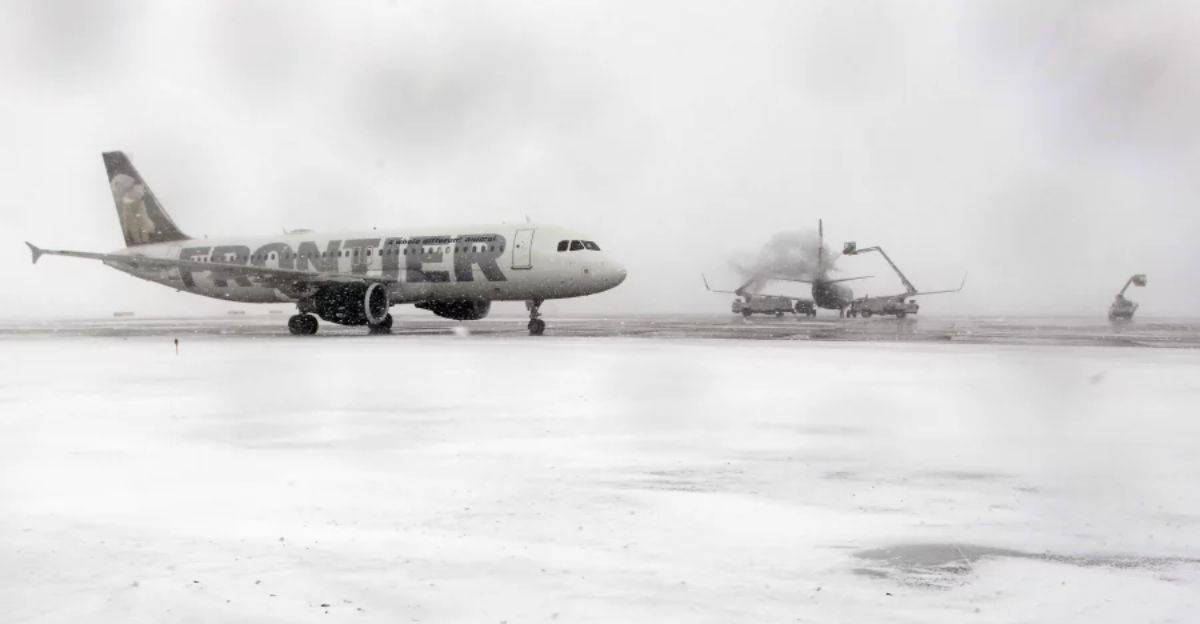
Airlines are racing to get ahead of Winter Storm Fern by issuing broad travel waivers and preemptive cancellations. Major hubs from Dallas and Atlanta to Charlotte, Chicago, and New York are all in the storm’s sprawling impact zone, making a nationwide ripple effect almost certain.
As of late Thursday, nearly 1,300 flights had already been canceled through Saturday, with thousands more expected as conditions deteriorate. Carriers are allowing many passengers to rebook without change fees, urging travelers to adjust plans before the storm peaks.
Natural Gas and Power Supply Fears

Behind the scenes, grid operators and utilities are watching another threat: the fuel that keeps many power plants running. In much of the United States, natural gas is the backbone of both electricity generation and home heating, especially during cold snaps. But during severe winter storms, gas infrastructure can freeze, and spot-market supplies can dry up quickly as demand spikes.
In past events, some utilities that did not secure firm contracts for gas supply found themselves short on fuel just as demand soared, forcing them to cut back power generation or buy very expensive emergency supplies.
Forecasting Challenges Add to the Danger
Power grids must always balance supply and demand, but predicting winter electricity use in the South and lower Midwest is trickier than in colder regions. Many utilities simply do not have decades of data on extreme cold events because such outbreaks have historically been rare.
When forecasts underestimate how many people will turn up their heat, or how long dangerous temperatures will last, grids can suddenly find themselves short of power at the worst possible time. During Winter Storm Elliott, the Tennessee Valley Authority and several other utilities misjudged demand and generation, leading to rolling blackouts for hundreds of thousands of customers.
Families Rush to Prepare as Shelves Empty
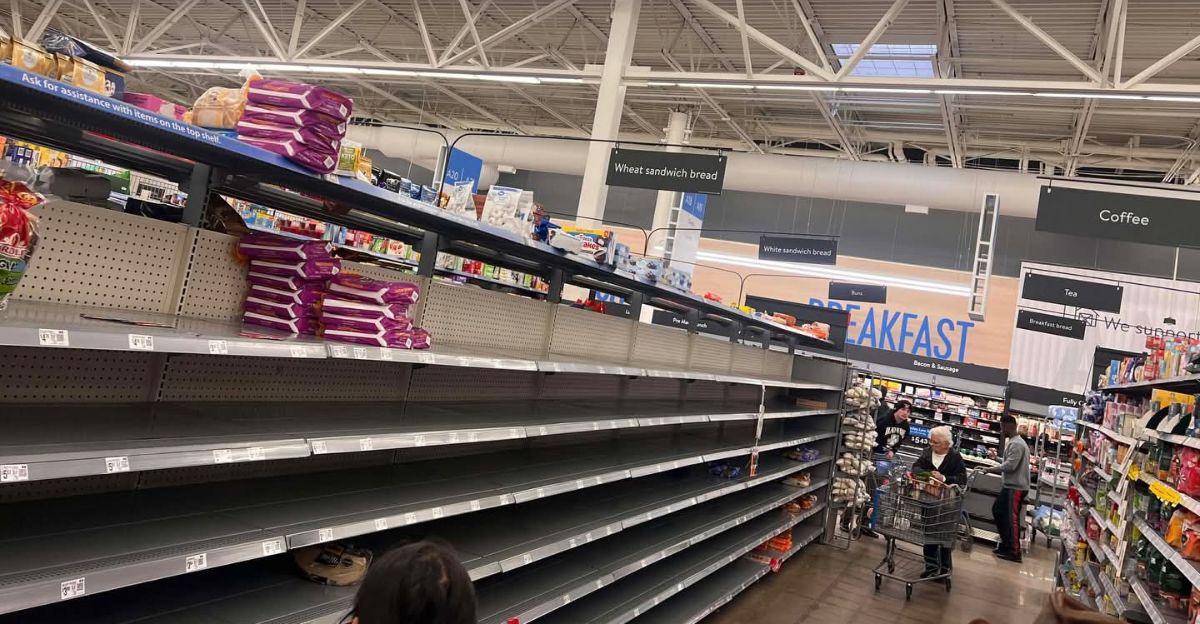
As warnings about Winter Storm Fern grew louder this week, scenes of empty grocery store shelves began spreading across social media. Shoppers in Southern and Midwestern states not accustomed to long-duration winter storms cleared out staples like bread, milk, eggs, and bottled water. Emergency officials say stocking up is a reasonable response, but urge people to focus on practical, shelf-stable supplies instead of panic buying.
The Federal Emergency Management Agency and local agencies recommend keeping at least several days’ worth of food that doesn’t require cooking, along with one gallon of water per person per day.
Grid Resilience and Renewables Back in Focus
Every major winter storm in recent years has raised the same hard question: is the U.S. power grid keeping up with a changing climate and more extreme weather swings? While local distribution lines are usually the first to fail, experts warn that rare but severe transmission failures, on the high-voltage backbone of the grid, can plunge entire cities or regions into darkness.
After Hurricane Ida in 2021, for example, all eight transmission lines feeding New Orleans went down, cutting power to the whole city and leaving some neighborhoods in the dark for more than a week. During past winter storms, renewable generation has helped reduce the severity of emergencies and speed up recovery once the worst conditions passed.
Safety Steps Residents Should Take Now
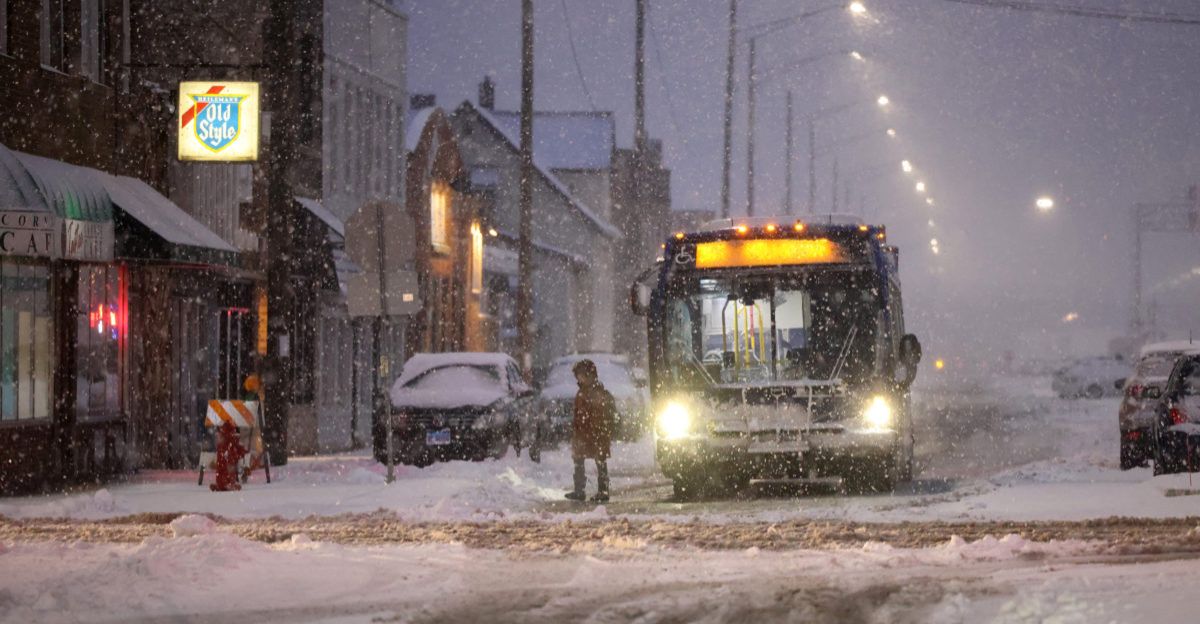
With Winter Storm Fern closing in, weather and emergency officials are urging residents to act before conditions deteriorate. The National Weather Service advises people in the storm’s path to prepare for at least several days of potential disruption, including power outages, blocked roads, or school and business closures.
Basic steps include stocking nonperishable food, water, necessary medicines, baby supplies, and pet food, and making sure everyone in the home has warm layers and blankets. Residents should fully charge phones, battery packs, and medical devices and check that flashlights and radios have fresh batteries. Generators should never be used indoors or in enclosed spaces like garages because of deadly carbon monoxide buildup.
A Major Test for America’s Power System
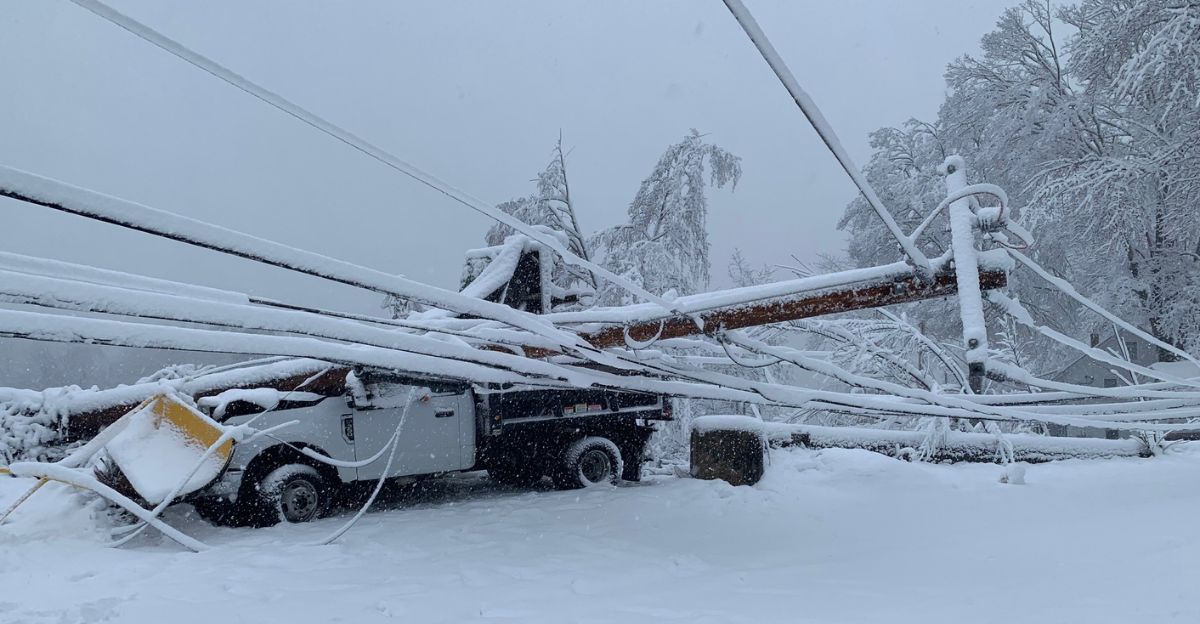
As Winter Storm Fern barrels toward the South, Midwest, and Northeast, it is shaping up to be one of the most significant tests of the U.S. power system since 2021. The storm combines nearly every threat grid planners fear: widespread snow, crippling ice, record cold, intense wind, and the risk of natural gas supply disruptions.
More than 200 million people could feel its effects in some form, from flight cancellations and closed schools to prolonged outages in neighborhoods hammered by ice and wind. But experts say one thing is clear: lessons learned, or ignored from Fern will help shape how utilities, regulators, and lawmakers prepare for the next major winter storm in a rapidly warming, but increasingly volatile, climate.
Sources:
Time – “Monster winter storm will impact millions of Americans this weekend” – January 22, 2026
People – “What to Expect from Monster Winter Storm That Will Impact Millions of Americans” – January 22, 2026
FOX Weather – “Historic winter storm: 235 million in path of dangerous snow, ice with first impacts in less than 24 hours” – January 21, 2026
The Weather Channel – “Winter Storm Shifting Track Targets 230 Million With Ice, Snow From South to Northeast” – January 21, 2026
Evrim Ağacı – “Winter Storm Fern Threatens Deep South And East Coast” – January 19, 2026
Economic Times – “Winter storm ‘Fern’ threatens South, Midwest, and Northeast” – January 21, 2026