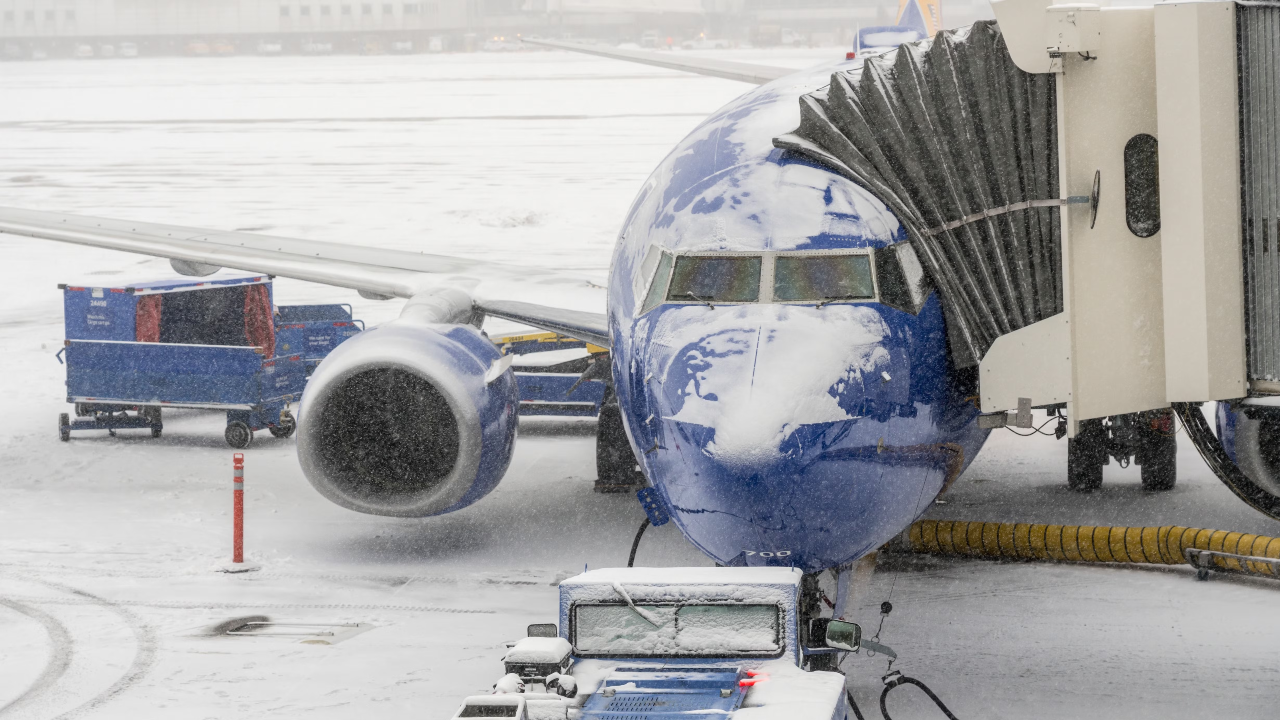
Millions of Americans checked airline apps for weekend getaways, oblivious to the warnings forecasters issued Thursday evening about Winter Storm Fern. By Friday, preemptive cancellations rippled nationwide, grounding flights well before the storm hit.
The Ripple Effect Reaches Coast to Coast
As Winter Storm Fern gathered strength over the South, its disruptions extended to West Coast hubs like Los Angeles and Seattle. Travelers through Denver, Chicago, and Minneapolis saw schedules shift abruptly, despite those cities lying outside the storm’s core path. AccuWeather’s Dan DePodwin noted that ripple effects would reach these major connecting hubs, halting the broader system when they slowed.
Winter’s Grip: A Five-Year Milestone
This marked the first extreme cold snap in the American South and East since 2021, ending a five-year respite fueled by shifting climate patterns and El Niño warming. A polar vortex dislocation drove Arctic air southward, bringing freezing rain, dangerous travel, and temperatures unfamiliar to regions from Texas to the Carolinas. Infrastructure there, unadapted to such severity, faced risks of tree damage, downed power lines, and outages.
The Airlines See It Coming
Delta Air Lines acted first on January 22, canceling flights at airports in North Texas, Oklahoma, Arkansas, Louisiana, and Tennessee ahead of snowfall. Southwest, American, United, JetBlue, Frontier, and Spirit quickly issued travel waivers, allowing rebookings, date changes, or refunds without fees. These measures reflected operations teams’ calculations of the storm’s vast scope across two dozen states.
The Estimate: 15,000 Flights in Limbo
Hopper, a travel app tracking disruptions in real time, projected up to 15,000 delays as Fern swept from the Deep South through the Mid-Atlantic and Northeast. Hopper’s co-founder anticipated thousands of cancellations over Saturday through Monday. With an average of 150 passengers per flight, this affected roughly 2.25 million travelers facing rebookings or stranding.
The Southeast Braces for Infrastructure Strain
Utilities in the Carolinas, Georgia, and Mississippi readied crews for ice buildup and sub-freezing cold, which the National Weather Service linked to tree damage and widespread power outages. Such failures threatened vulnerable residents, hospitals, and services, while a blackout at Atlanta’s Hartsfield-Jackson could delay thousands more continent-wide. Freight firms like YRC Worldwide and J.B. Hunt paused long-haul trucking, bottlenecking post-holiday supplies.
The Traveler’s Dilemma
Passengers like Sarah Chen, a Charlotte business consultant, grappled with non-refundable plans. Her Saturday Chicago flight offered waivers through January 29, but alternatives sold out fast. Hopper saw a 17% rise in disruption insurance purchases. Families weighed stranding risks against lost events, while budget carriers like Spirit and Frontier limited waivers to specific cities, unlike broader policies from legacy airlines.
Competitors Move in Different Directions
Southwest, American, and United extended wide waivers, while Spirit covered 13 cities for January 23-25 and JetBlue 11 in the Northeast. Department of Transportation rules allow discretion, highlighting tensions between thin-margin budget operators and larger carriers absorbing costs.
The Macro Forecast: How Bad Could It Get?
Weather.com flagged 12 states for high ice risk—up to one inch, termed “catastrophic”—and others for heavy snow. Alerts covered 230 million Americans, evoking past events like the 2022 bomb cyclone. Data centers in affected states risked shutdowns, disrupting e-commerce and finance; airport workers voiced safety concerns over road closures and unclear guidance.
Tech Solutions and Their Limits
Platforms like Hopper used algorithms for predictions and rebooking alerts, but regional shutdowns overwhelmed options. Passengers often waited in limbo between forecasts and official notices. Aviation economist Dr. Sebastian Kirschner at MIT estimated $200-400 million in waiver costs, preferable to brand damage from stranding.
As Fern moved offshore late Sunday, stranded travelers and delayed effects lingered into midweek. Federal audits loomed, alongside talks of incentives for resilient infrastructure amid rising climate volatility, questioning if current models suffice for future extremes.
Sources:
Reuters – US airlines issue travel waivers as winter storm threatens widespread disruptions
AccuWeather – Dan DePodwin VP of Forecasting Operations statements and Winter Storm Fern forecasts
Hopper – Travel app data on flight delays, disruption assistance purchases, and real-time disruption tracking
Weather.com – Winter Storm Fern historic ice, heavy snow forecast, and catastrophic weather coverage
National Weather Service / NOAA Weather Prediction Center – Winter storm alerts, ice accumulation warnings, and power-outage risk discussions
FOX Business – Airlines cancel flights, offer waivers as winter storm approaches