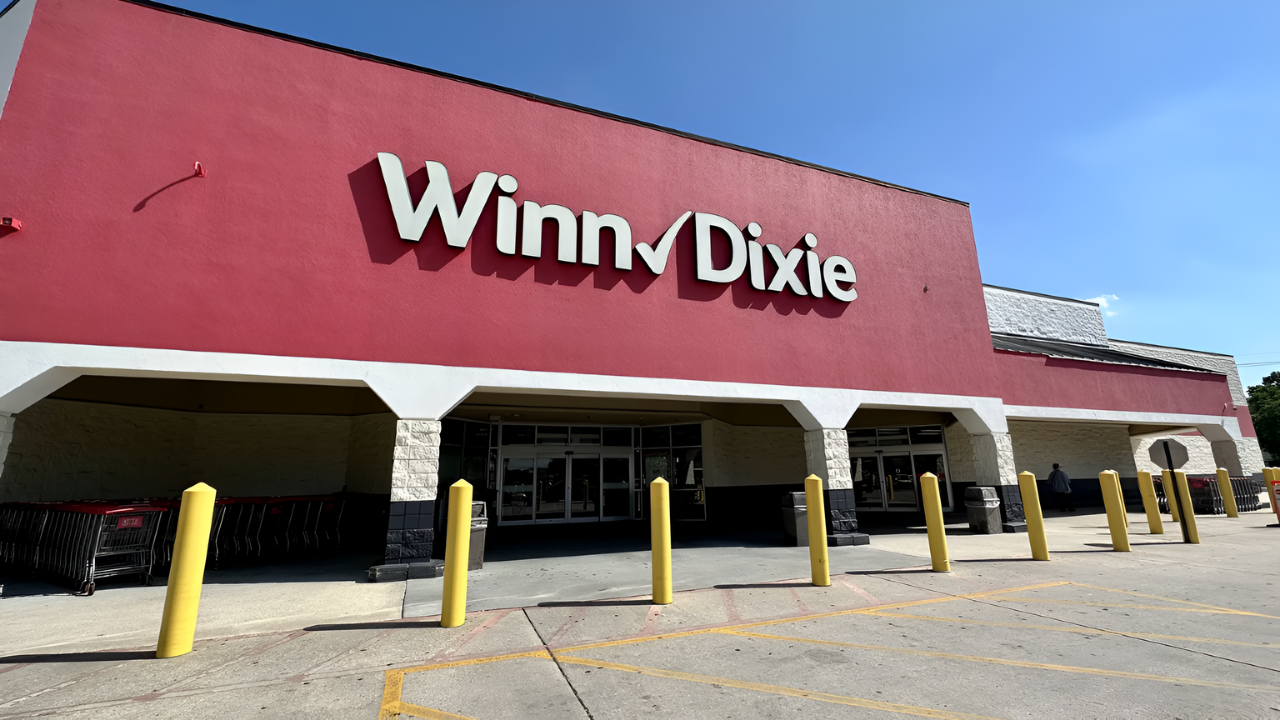
In October 2025, Winn-Dixie, a century-old fixture in Southern grocery retail, announced a sweeping strategic transition that will see 40 stores—32 Winn-Dixie locations and 8 Harveys Supermarkets—close or change hands across Alabama, Georgia, Louisiana, and Mississippi.
This move, set to begin in early 2026, signals a major shift for Southeastern Grocers, Winn-Dixie’s parent company, as it refocuses its operations on Florida and southern Georgia. The decision marks a pivotal moment for the company, which has weathered economic storms since its founding in 1925, and now faces the realities of a fiercely competitive and consolidating grocery market.
Workforce and Community Impact
The transition will affect approximately 80 employees at the impacted stores. Southeastern Grocers has stated that many locations are being sold to new operators who plan to retain existing staff, limiting overall job losses relative to the number of stores involved. This approach aims to minimize disruption for workers, allowing most to continue employment under new ownership.
However, in communities where stores are closing outright, particularly in rural Alabama and Louisiana, residents may face temporary challenges in accessing fresh food and traditional grocery services. Regional competitors are stepping in to acquire several locations, helping to maintain continuity of service, but some areas will see increased travel times for grocery shopping, underscoring the importance of local food access in these regions.
Legacy and Market Evolution
Winn-Dixie’s roots stretch back to its founding in Miami in 1925. Over the decades, the company has survived the Great Depression, multiple recessions, and significant restructuring, including a major overhaul in 2000 and bankruptcy-related adjustments in 2018. The current transition is not an isolated event but part of a broader pattern of adaptation among regional grocers.
Southeastern Grocers’ decision to concentrate on core markets reflects shifting dynamics in the grocery sector, where thin profit margins and rising costs have made it increasingly difficult for regional chains to compete with national giants. The move is a strategic response to industry-wide pressures, including supply chain disruptions and escalating overhead expenses.
Competitive Pressures and Geographic Focus

The grocery retail sector has become increasingly competitive, with large national retailers and discount grocers expanding aggressively in the Southeast. Companies like Walmart, Amazon, and Aldi leverage scale and efficiency advantages that regional chains struggle to match.
Southeastern Grocers’ exit from Alabama, Louisiana, Mississippi, and parts of Georgia is a calculated effort to consolidate resources in markets where it maintains operational strength. By narrowing its geographic focus to Florida and southern Georgia, the company aims to reduce complexity, improve supply chain efficiency, and bolster financial performance. This strategy is designed to ensure long-term sustainability in a market environment dominated by larger, more resourceful competitors.
Regional Competitors Step In
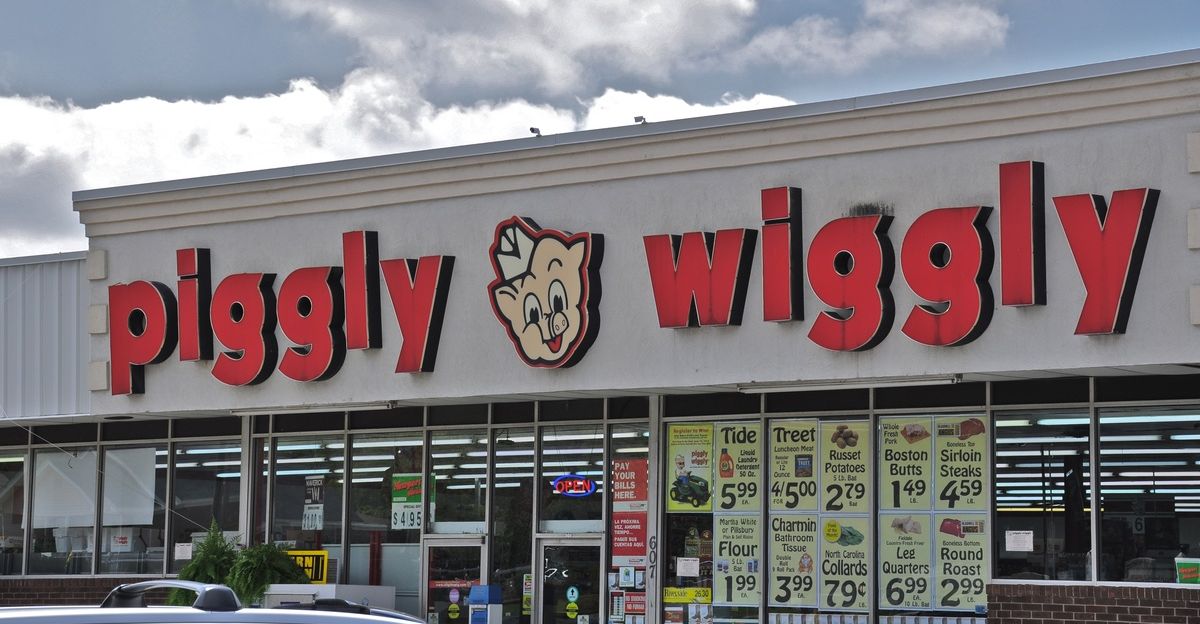
As Winn-Dixie withdraws from these states, regional grocery chains are moving quickly to fill the void. Food City has acquired three Alabama stores—Fultondale, Trussville, and Jasper—marking a significant expansion into new territory. Piggly Wiggly and other independent operators are also acquiring and reopening former Winn-Dixie locations, investing in these stores to serve local communities and strengthen their regional presence.
The acquisition activity extends beyond these chains, with multiple local and regional grocers seeking to expand their market share by taking over established locations. For employees at stores being acquired, new operators are generally retaining staff to maintain service continuity and preserve customer relationships. Those at stores not being acquired will need to seek opportunities elsewhere, but the overall approach aims to minimize unnecessary worker displacement.
Adapting to Industry Trends
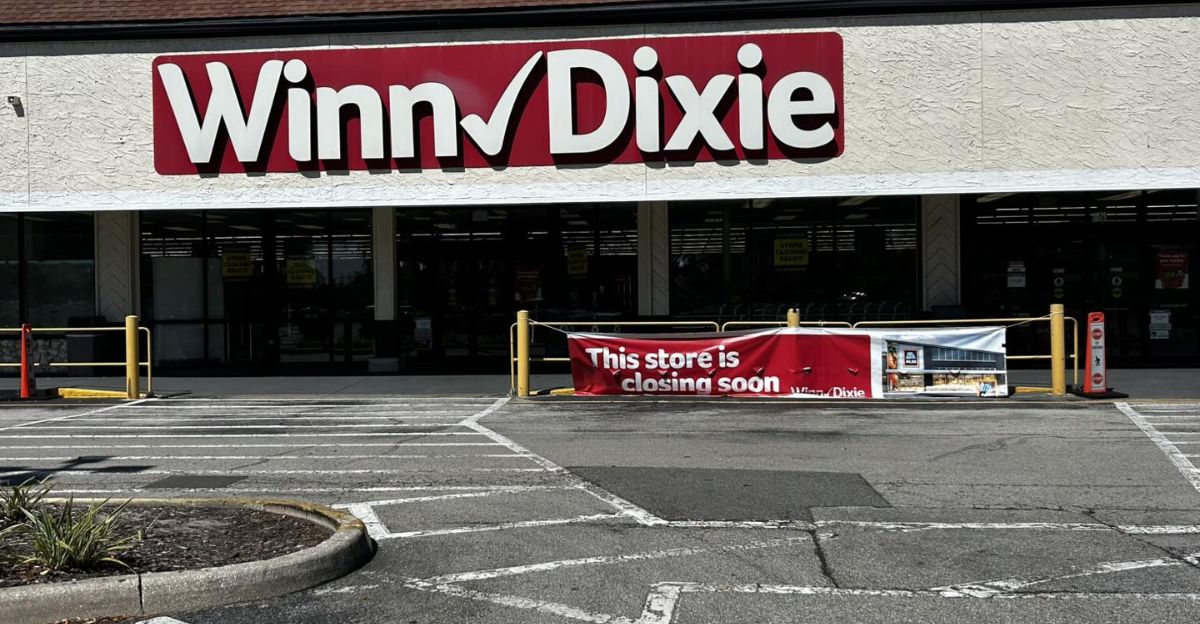
The transition of Winn-Dixie stores is emblematic of broader trends in the grocery industry. Post-pandemic supply chain disruptions, rising transportation and labor costs, and the expansion of digital and e-commerce services are reshaping how regional grocers operate. Many of the stores acquired by new operators are integrating online ordering and delivery services, reflecting the shift toward omnichannel retail strategies.
Communities losing Winn-Dixie locations are adapting through alternative shopping options, including regional chains, convenience stores, and online delivery platforms. While some rural areas may experience temporary adjustments, the continued interest from regional competitors demonstrates a commitment to serving these markets.
Looking Ahead
Southeastern Grocers’ decision to concentrate on Florida and southern Georgia represents a pragmatic strategy for long-term business stability. By focusing on markets where it holds competitive advantages, the company aims to improve operational efficiency and financial health. The transition underscores the ongoing evolution of the Southern grocery landscape, as regional players adapt to new competitive realities and industry consolidation. For customers, employees, and communities, the changes bring both challenges and opportunities, setting the stage for a new chapter in Southern grocery retail.