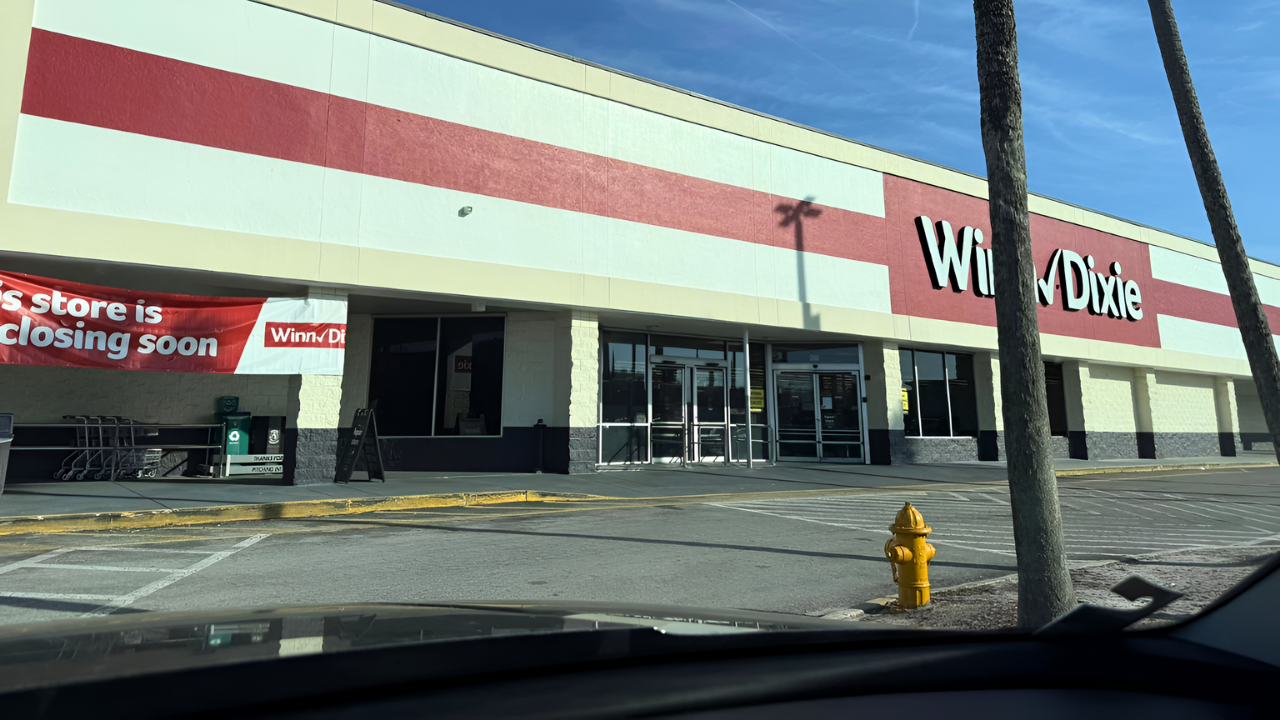
On October 20, 2025, Winn-Dixie announced a major strategic transition affecting 40 stores across four states (32 Winn-Dixie locations and 8 Harveys Supermarkets). The announcement marks a significant shift for the iconic Southern grocery chain, reshaping operations in Alabama, Georgia, Louisiana, and Mississippi.
The closures and transitions, set to begin in early 2026, reflect Southeastern Grocers’ decision to focus on Florida and southern Georgia. The 100-year-old company, which survived the Great Depression and multiple recessions, is undertaking a strategic repositioning to strengthen its long-term market position.
Impact on Workforce
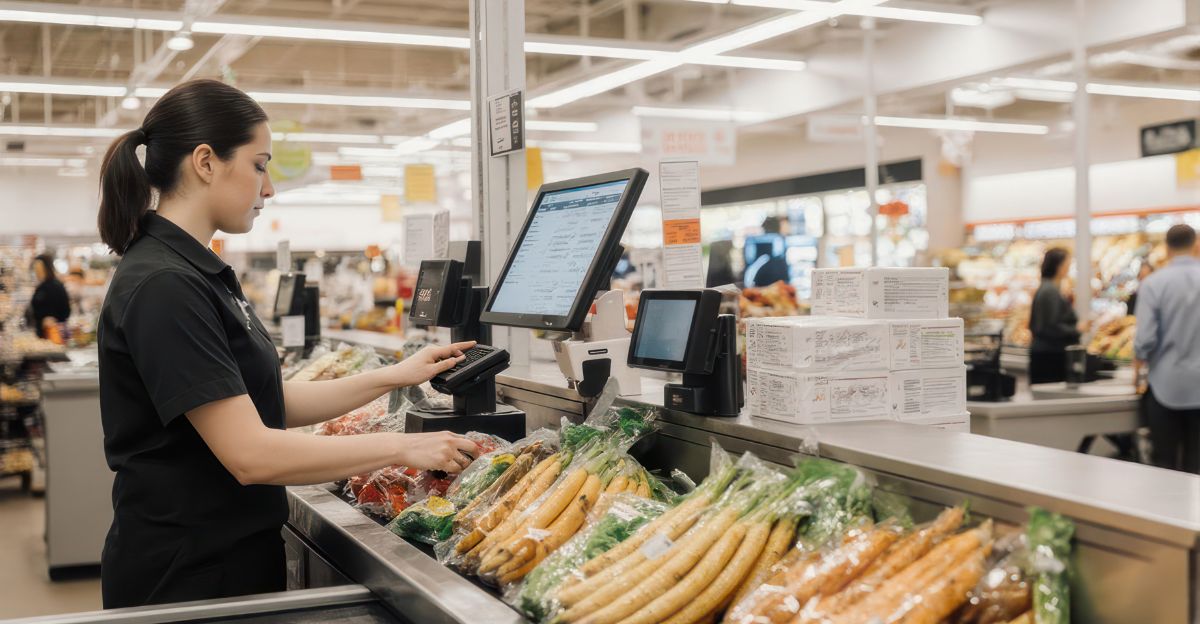
The transition will affect approximately 80 employees across affected stores, according to Southeastern Grocers. Many stores are being sold to new operators who will retain employees, meaning the overall job impact is limited compared to the total store footprint.
Employees at stores transitioning to new operators will maintain employment opportunities through the acquiring companies. This approach minimizes worker displacement while allowing the company to focus its operations strategically.
The Strain on Communities
Many communities will lose their local Winn-Dixie presence, particularly in rural Alabama and Louisiana. While some areas may experience temporary disruptions in grocery access, regional competitors are acquiring several locations to maintain service continuity.
In areas where stores are not being sold, residents may need to travel farther for traditional grocery shopping options. Fresh food access remains important for these communities, particularly in rural regions.
A Century of Legacy Evolves
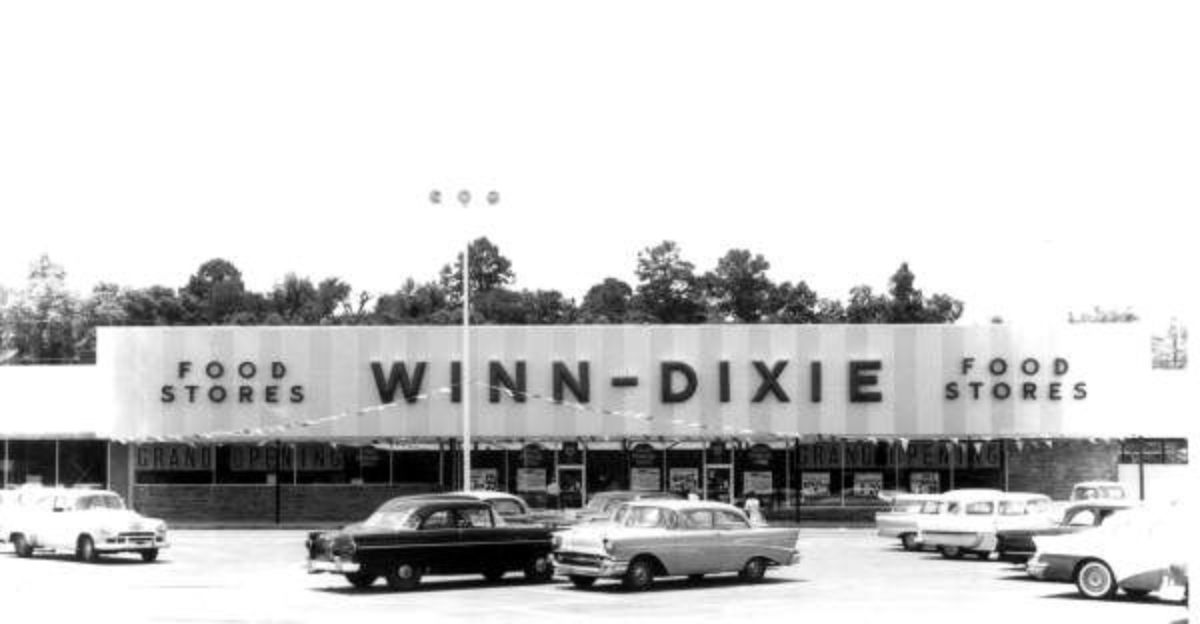
Founded in 1925 in Miami, Winn-Dixie has been a cornerstone of Southern grocery retail for a century. The company survived the Great Depression and multiple recessions throughout its history.
The current strategic repositioning marks a significant evolution in how the company operates within its core markets. Southeastern Grocers’ decision to concentrate operations reflects changing market dynamics in the competitive regional grocery landscape.
Why the Strategic Exit?
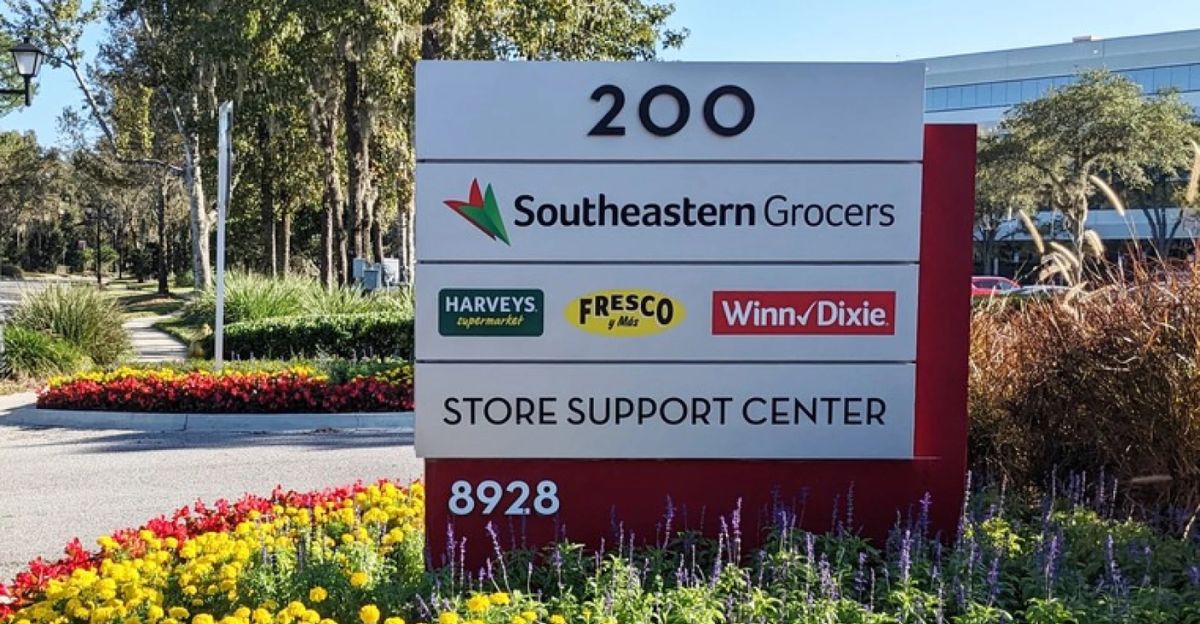
Winn-Dixie’s parent company, Southeastern Grocers, is focusing its operations on Florida and southern Georgia as a long-term strategic decision. Rising supply chain costs and competitive pressures have challenged profitability in these markets.
The company faces intensifying competition from larger national retailers and discount grocers. The decision to concentrate resources represents a necessary strategy for long-term operational sustainability and improving financial performance.
Market Consolidation Pressures
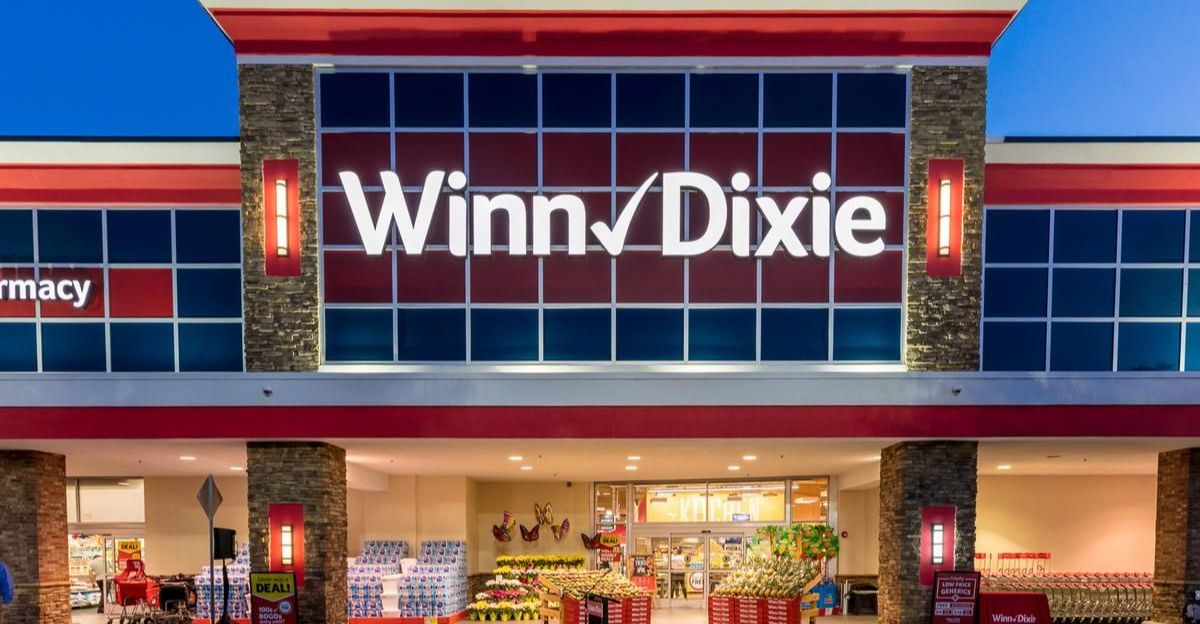
The grocery retail sector is characterized by thin profit margins and intense competition. Rising overhead costs—including labor, energy, and rent—continue to pressure regional grocers.
Supply chain disruptions post-pandemic have affected margins across grocery retail broadly. Southeastern Grocers’ strategic repositioning reflects industry-wide challenges facing regional chains competing against larger national operators.
Geographic Focus Strategy
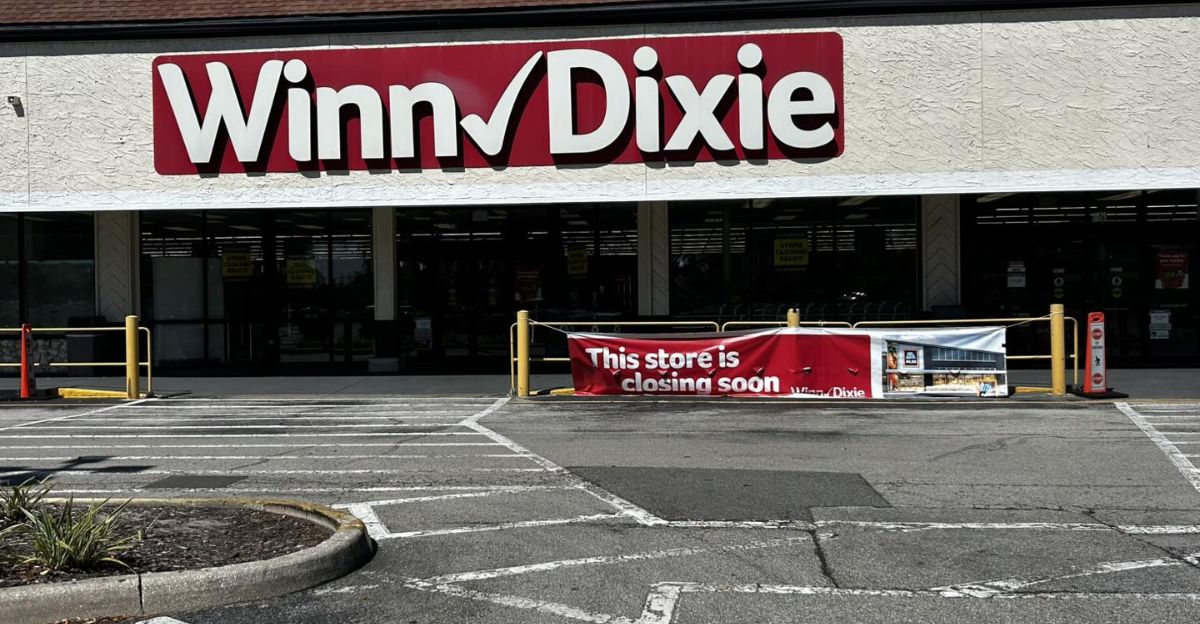
By exiting Alabama, Louisiana, Mississippi, and parts of Georgia and focusing on Florida and southern Georgia, Southeastern Grocers is concentrating resources in markets where it maintains stronger operational efficiency.
This geographic consolidation allows the company to reduce operational complexity and improve supply chain efficiency. The strategy reflects a decision to operate in more manageable market segments where the company can compete effectively.
What’s Next for Customers?
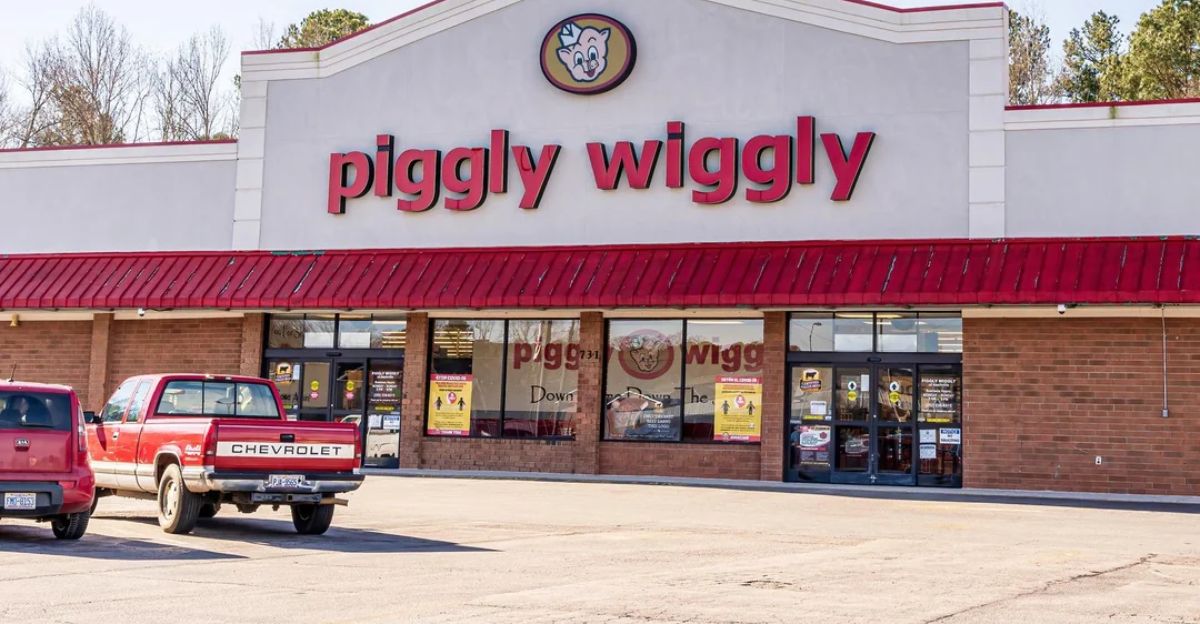
As Winn-Dixie transitions out of these regions, other regional competitors are acquiring select locations. Food City has acquired three Alabama locations (Fultondale, Trussville, and Jasper), while Piggly Wiggly and other regional operators are acquiring additional stores from this transition.
These regional chains are expanding their presence in affected markets to serve existing customer bases. Shoppers in acquired locations will transition to new operators while maintaining local grocery access.
Food City’s Expansion
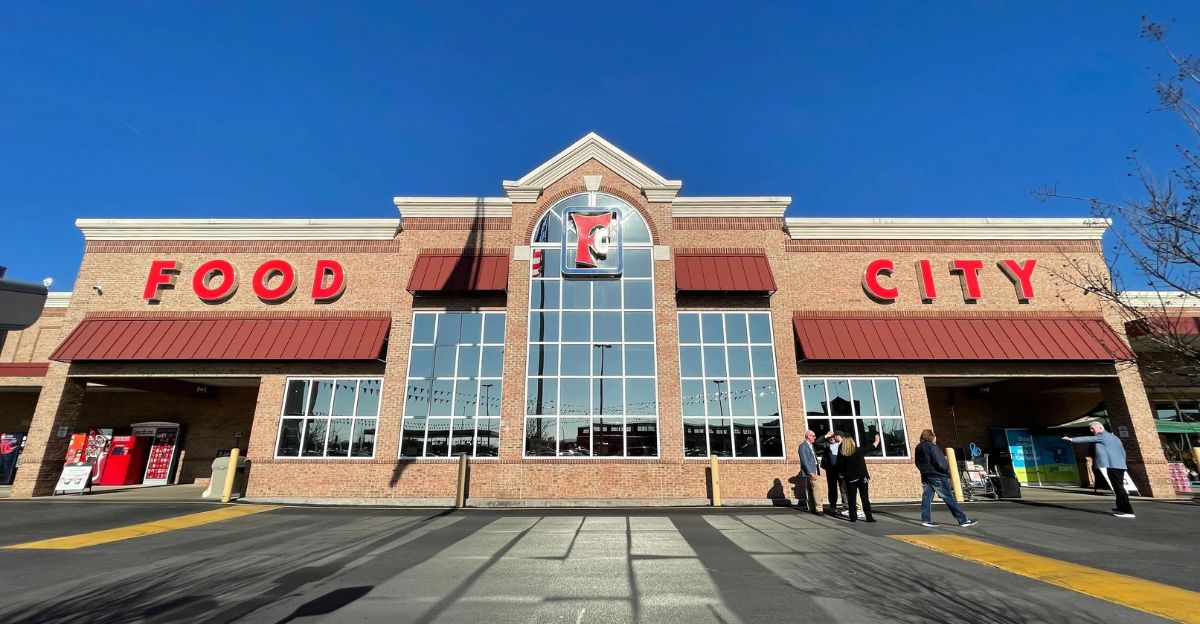
Food City has emerged as a significant beneficiary of this transition, acquiring three Winn-Dixie locations in Alabama. The expansion represents Food City’s strategic growth into new markets within the region.
By acquiring established locations with existing customer bases, Food City can quickly expand its footprint. These acquisitions strengthen Food City’s competitive position in the Alabama market.
Piggly Wiggly’s Market Growth
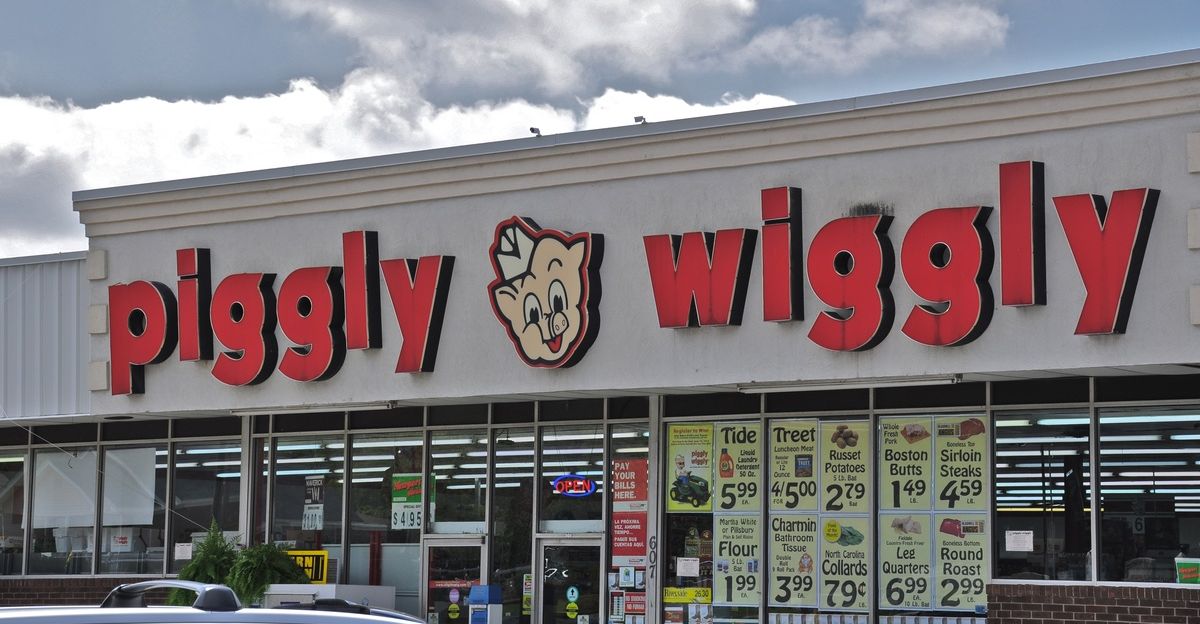
Piggly Wiggly is among the regional operators acquiring and reopening former Winn-Dixie locations. The acquisition of the Prattville store and other locations represents Piggly Wiggly’s expansion strategy in the region.
Independent Piggly Wiggly operators are investing in these locations to serve local communities. These transitions allow Piggly Wiggly to strengthen its regional presence.
Other Regional Competitors Benefit
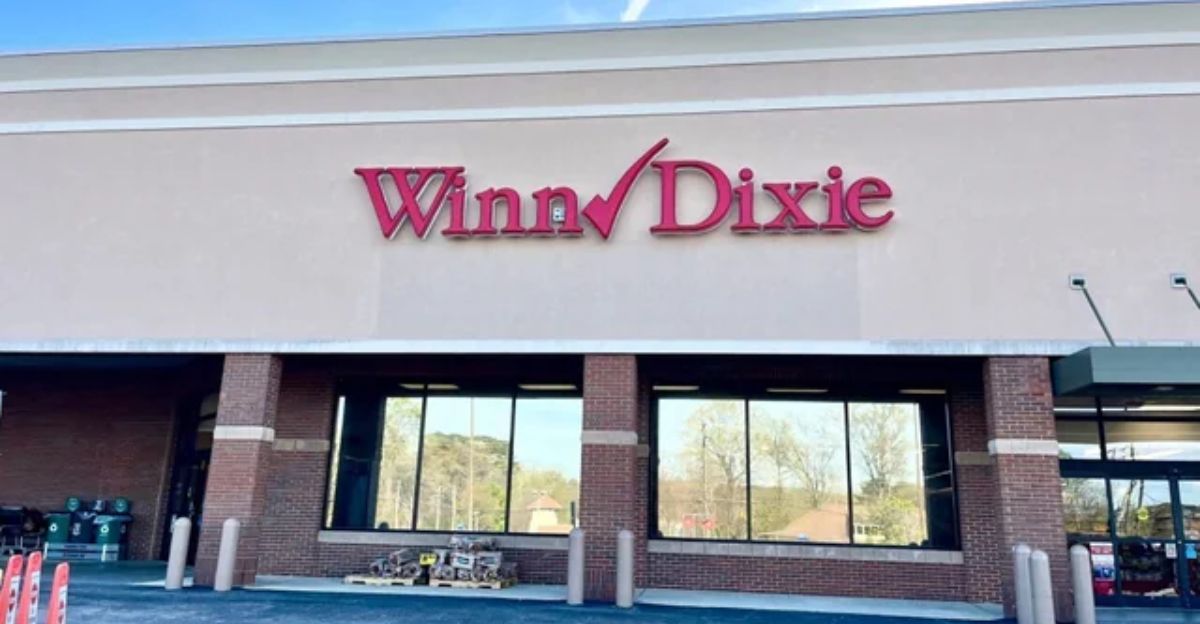
Beyond Food City and Piggly Wiggly, other regional grocery operators are acquiring select Winn-Dixie locations. These include local and regional grocers seeking to expand their market share.
The acquisition activity demonstrates ongoing interest from regional competitors in these established market locations. Multiple operators acquiring stores indicates continued commercial interest in these geographic areas.
Employment Transitions
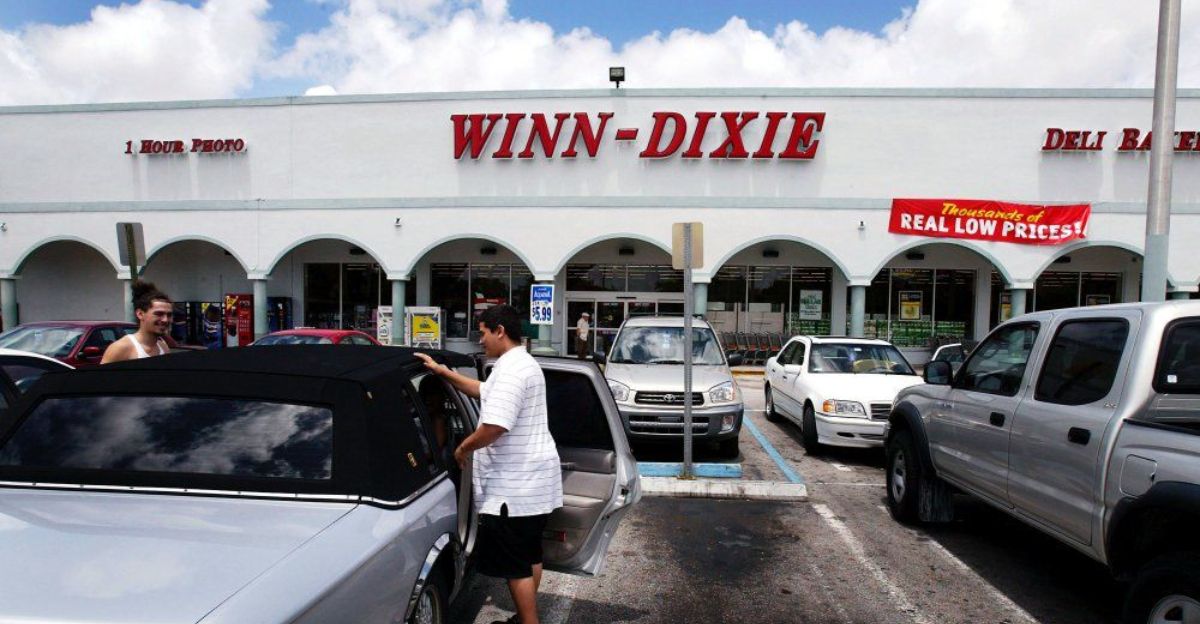
Employees at stores being acquired by new operators will have opportunities to continue employment with the acquiring companies. Many new operators are retaining existing staff to maintain service continuity and preserve established customer relationships.
Employees at stores not being acquired will need to seek employment opportunities with other retailers. The company is managing transitions to minimize unnecessary worker displacement.
Historical Context of Store Closures
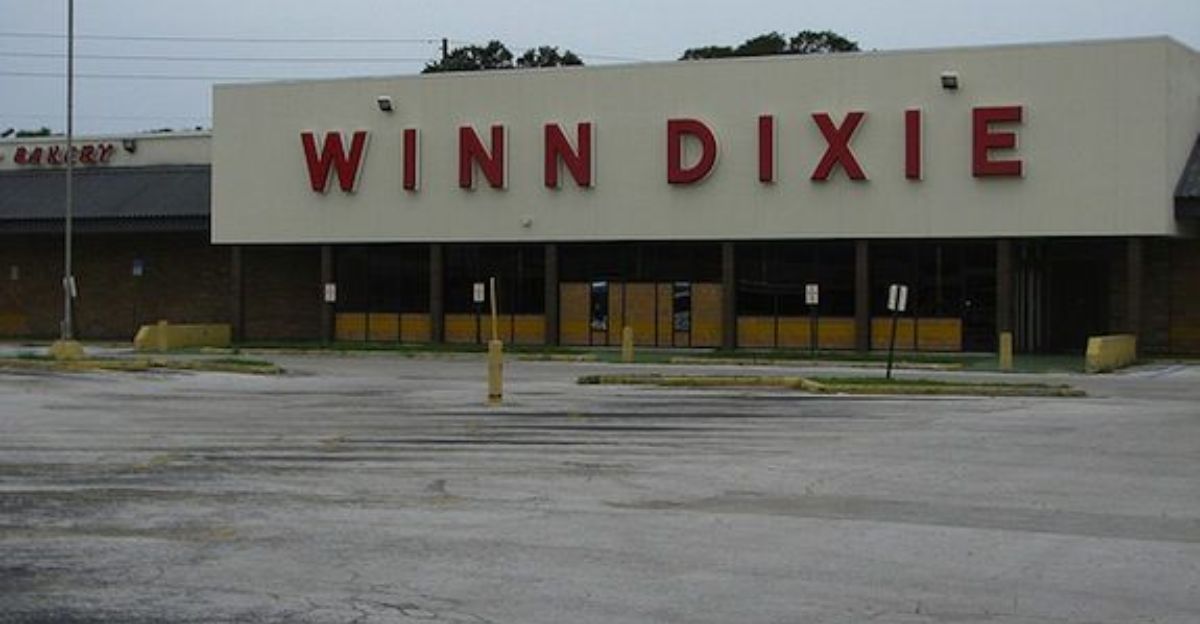
The current 40-store transition reflects market evolution rather than extraordinary industry disruption. Winn-Dixie has undergone significant restructuring in previous decades, including a 2000 restructuring and 2018 bankruptcy-related adjustments.
The 2025 transition represents a strategic refocusing consistent with how regional grocers adapt to market changes. Understanding this historical context shows ongoing industry consolidation affecting regional chains.
Supply Chain Challenges

Southeastern Grocers faces supply chain pressures affecting regional grocers broadly. Post-pandemic supply chain disruptions continue impacting operational efficiency across the grocery sector. Rising transportation costs and labor disruptions affect margins regionally.
These systemic industry challenges contribute to decisions by regional chains to streamline operations and reduce market footprint.
Competitive Pressure from National Retailers

Large retailers like Walmart and Amazon continue expanding their grocery presence, particularly in the Southeast. Discount grocers like Aldi are intensifying competition in core markets.
These national operators leverage scale advantages that regional chains cannot match. Southeastern Grocers’ strategic repositioning reflects competitive realities in markets where larger operators dominate.
The Retail Landscape Shifts
This transition signals ongoing consolidation in the Southern grocery market. The strategic exit of a 100-year staple in certain states reflects broader industry trends toward market concentration.
Surviving regional chains are strengthening competitive positioning in core markets where they can operate efficiently. The Southern grocery market continues evolving as regional players adapt to new competitive dynamics.
Digital and E-Commerce Trends

Regional competitors acquiring stores are increasingly integrating digital capabilities and online ordering services. The evolution toward omnichannel retail—combining physical stores with digital services—is shaping competitive strategy in grocery retail.
Stores transitioning to new operators often incorporate enhanced delivery and digital services. These technological investments help regional grocers compete against larger national operators.
Community Adaptation and Options
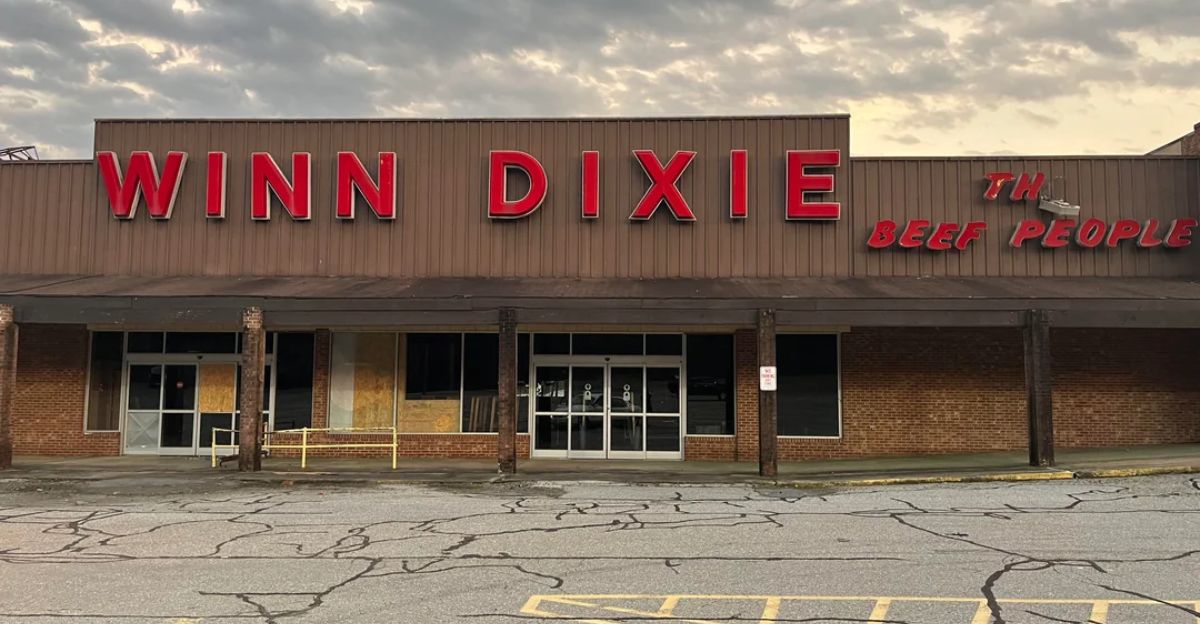
In areas losing Winn-Dixie locations, communities will adapt through alternative shopping options. Acquired stores under new operators will continue serving local needs.
Regional grocery chains, convenience stores, and online delivery services provide alternative shopping channels. While some rural areas may face temporary adjustments, competitive acquisitions demonstrate ongoing commercial interest in serving these communities.
Long-Term Strategic Positioning
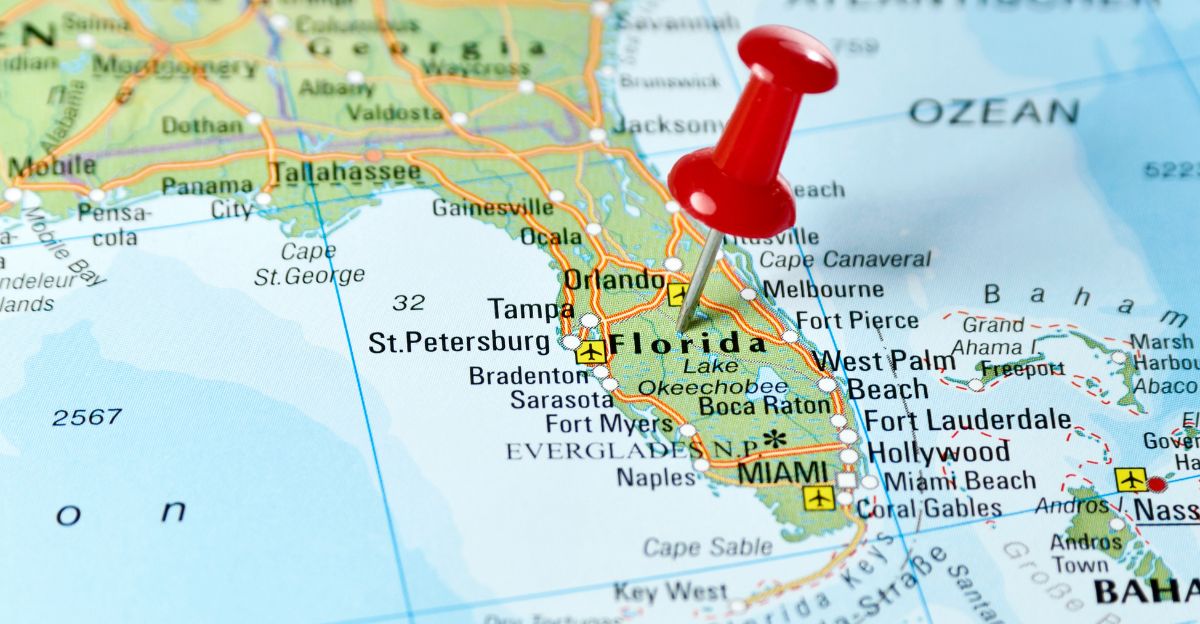
Southeastern Grocers’ decision to concentrate on Florida and southern Georgia positions the company for long-term operational sustainability. By reducing market complexity, the company can improve operational efficiency and financial performance.
Focus on core markets where the company maintains competitive advantages supports business stabilization. This strategic approach aligns with survival strategies adopted by regional grocers nationally.
The Path Forward
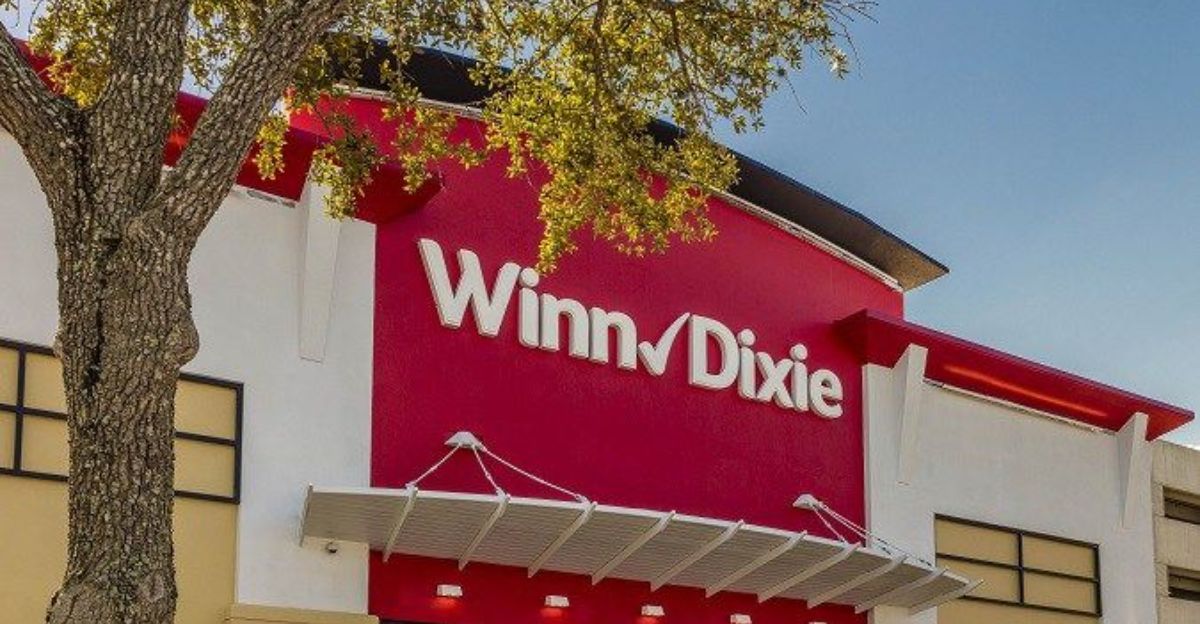
The transition of Winn-Dixie stores across four states reflects competitive realities and strategic repositioning in the grocery industry. From employment management to competitive acquisitions, the transition demonstrates how regional grocers adapt to market evolution.
Southeastern Grocers’ focus on core markets represents a pragmatic approach to long-term business sustainability. The 100-year-old company’s evolution continues as it navigates modern competitive dynamics in Southern grocery retail.