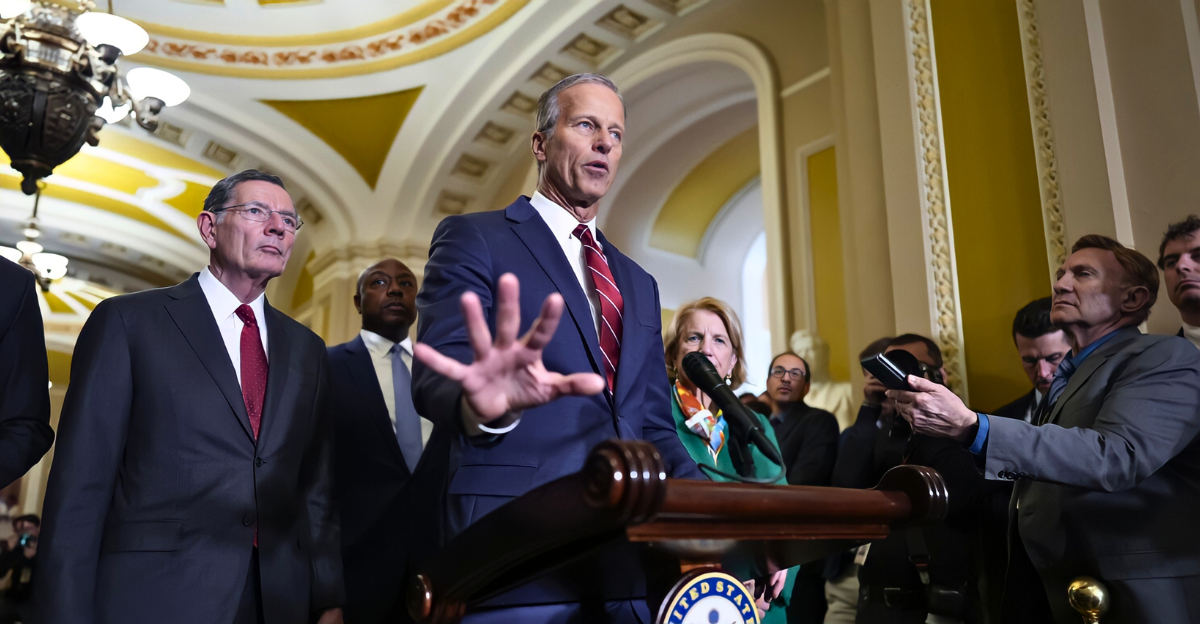
The GOP’s growing “willingness to defy” signifies a dramatic change in conservative politics in the United States. A growing faction that is willing to deviate from the party’s established discipline and challenge the party’s long-standing leadership style is what defines this phenomenon. This insurgent group uses defiance as a tactical tool to change the GOP’s identity and policy direction, in contrast to previous Republican factions that mostly followed party conventions.
This spirit of rebellion has led to widespread defection, which is both a sign of more profound ideological shifts and a driving force behind the emergence of a new group with aggressive conservative objectives. This defiant willingness is not just dissent; it is a deliberate strategy for gaining power that prioritizes populist agenda loyalty over party affiliation, legislative obstruction, and public confrontation.
Historical Roots and Precedents
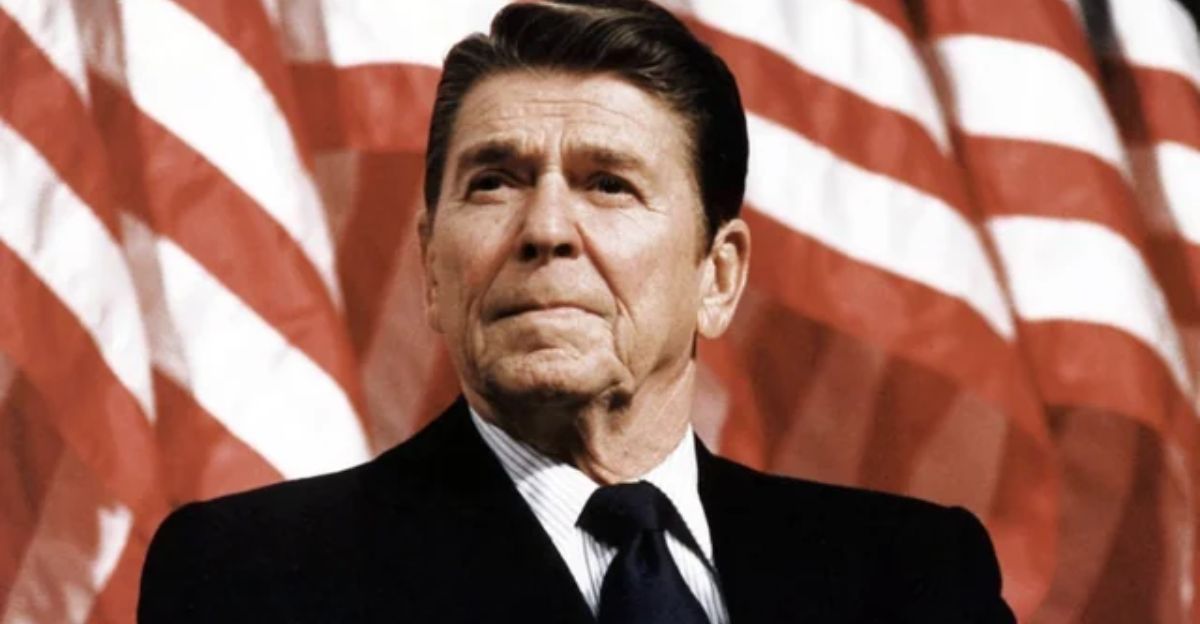
The current disarray within the GOP is reminiscent of past conservative uprisings, such as the Tea Party movement and the Reagan Revolution, which brought insurgent politics into the party’s structure. Reagan’s “Mandate for Leadership” established a framework for governance decades ago, and its support for drastic changes and mistrust of federal bureaucracy continues to inspire the faction today.
More recently, today’s mass defection was predicted by the Tea Party’s readiness to undermine and thwart GOP leadership. By using obstructionist strategies and ideological purity tests, they reshaped Republican identity and used their minority status to influence legislative outcomes and move the party to the right.
The Psychology of Political Disobedience
This defiance is psychologically rooted in a deep disenchantment with the current situation and a tribal devotion to an ideology that is seen as being under attack. Members of the defiant faction frequently have a combative mentality and are driven to overthrow institutions both inside and outside the party that they perceive to be dishonest or unaccountable.
Opposition to rival parties and intra-party conflict are fueled by this “us versus them” mentality and a desire for power restoration. In a zero-sum political environment, defiance turns into a strategy for negotiating power and claiming identity.
Obstacles to Party Unity

The emergence of this group poses serious obstacles to GOP unity and puts the leadership’s ability to control dissent to the test. Mass defection upsets the discipline and group effort that are essential to the traditional party system. Leadership must choose between enforcing discipline, which could lead to more defections or legislative paralysis, or caving in to insurgent demands, which could alienate moderates and establishment allies.
These conflicts make essential legislative procedures and party tactics more difficult, which could reduce GOP clout at the state and federal levels. A cycle of intransigence that exacerbates polarization both within and between parties is also fueled by the faction’s defiant stance, which makes compromise challenging.
Implications for Policy and a Radical Agenda

In contrast to conventional GOP platforms, the defiant faction’s policy agenda is noticeably more radical. Wide-ranging federal agency layoffs, harsh deportation measures, eliminating alleged “deep state” components, and emphasizing a “America First” strategy with strict immigration and trade policies are among the recommendations.
They have the power to aggressively reshape legislation and stall bills that don’t align with their vision because they control necessary committee votes. Driven by a desire to restore a narrowly defined conception of American sovereignty and national identity, these policy demands are part of a larger populist conservative revolt against perceived liberal encroachment and bureaucratic overreach. The agenda of the faction shifts Republican policy in the direction of maximalist conservative leadership.
Contrarian Opinions
In the Republican Party Some contend that by bringing in new ideas and electoral competition, this insurgency revitalizes conservative ideology, defying the notion that defiance only leads to chaos. The faction forces a fresh discussion on fundamental ideas and governance tactics by challenging the complacency of the establishment.
Critics caution that this disobedience could cause the party to split and alienate larger segments of the population, which could give Democrats an advantage. A crucial juncture for the GOP is represented by the conflict between pragmatism and rebellion: either adapt through insurgent innovation or risk becoming irrelevant through division. This dialectic highlights current discussions regarding the direction of party politics in the US.
Possible Effects in the Second and Third Orders
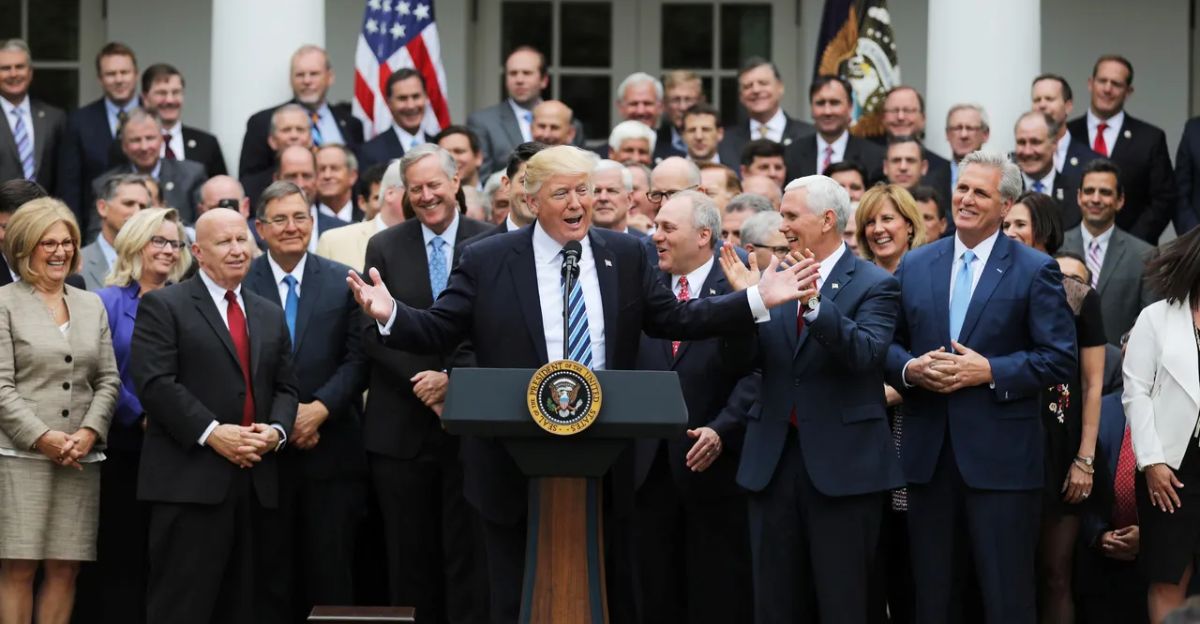
The GOP’s disintegration could have a domino effect on the country’s party brand, empower radical factions, and increase legislative deadlock, among other second- and third-order consequences. As voters reevaluate their allegiance amid factional infighting, defections run the risk of undermining the GOP’s performance in general elections.
However, considering that almost half of Republicans say they would be willing to leave if the leadership does not reflect their beliefs, the faction’s defiant stance may also encourage a more widespread right-wing realignment or the creation of a new party. This could eventually lead to changes in American partisanship, electoral alliances, and governance standards, which could result in a more divided and polarized political environment.
Historical Comparisons to Gain Understanding

Throughout history, factionalism and mass defections have changed political parties all over the world. Similar to Weimar Germany, British Labour, or Japan’s LDP, where insurgent groups pushed for fundamental ideological and structural changes, the GOP’s current dynamic is reminiscent of party realignments.
Such movements frequently resulted in either terminal fragmentation or revitalized party platforms, though the outcomes varied. This analogy emphasizes how the GOP’s defiance faction could either lead the way in a new political vision or cause organizational collapse—the results depend on how the leadership reacts and how the electorate reacts.
Strategic Consequences for Republican Leadership
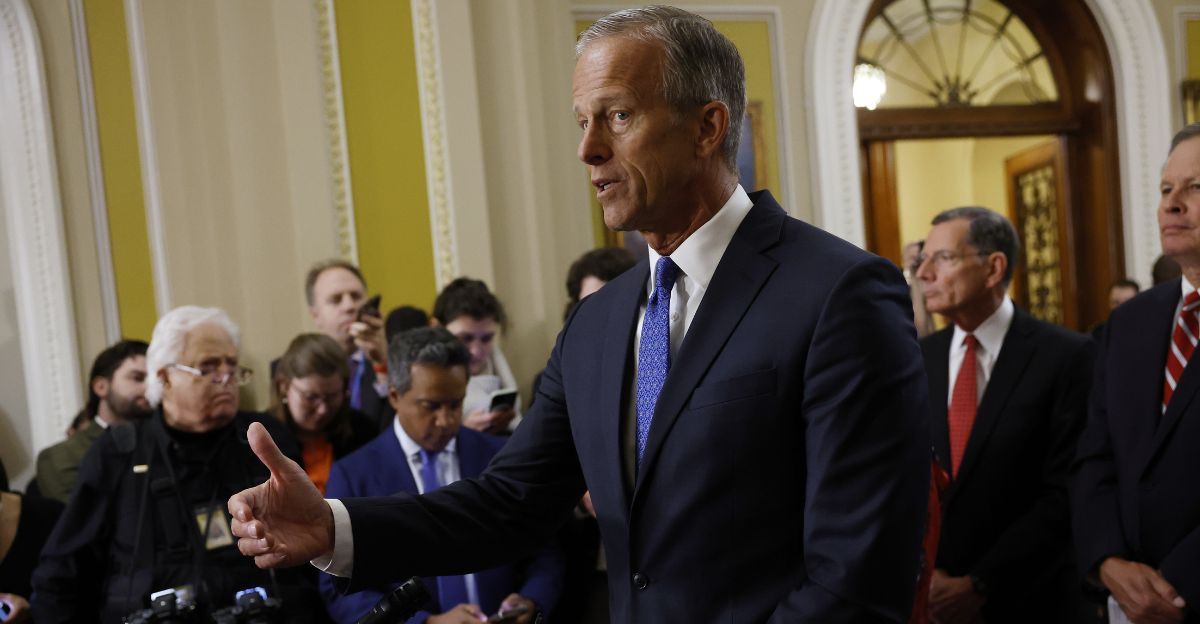
In order to maintain party unity while juggling conflicting interests, GOP leadership faces an unprecedented strategic challenge. The party’s legislative efficacy and electoral chances are shaped by its decision to either accommodate or suppress dissent.
Innovative coalition-building that upholds core party governance while honoring insurgent demands may be necessary for effective leadership. Ignoring factional issues could lead to continued defections; severe retaliation could hasten the disintegration of the party. Navigating this unstable stage requires strategic flexibility, open communication, and a clear policy direction.
Impact on the GOP’s Presidential Campaign in 2028
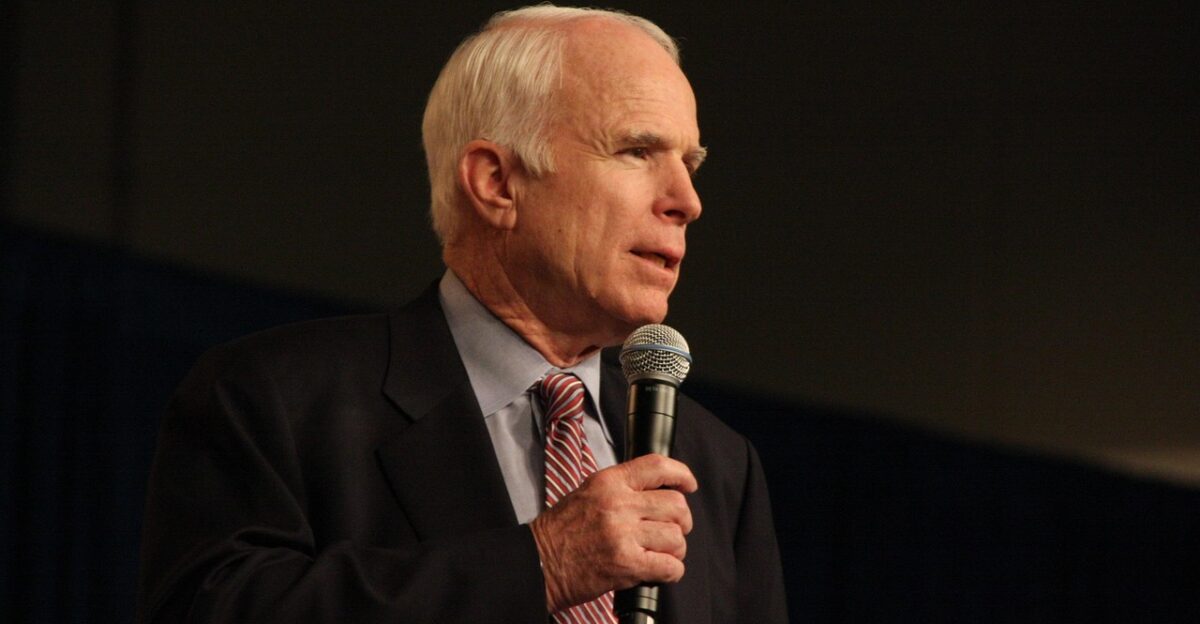
The influence of the defiant faction is significant as Republicans look to 2028. In this divided environment, candidates must balance appealing to moderates and wooing insurgent voters. This group has the ability to influence nomination races by giving influence to candidates with aggressive conservative platforms who are supported by insurgents.
These factors could cause the GOP presidential field to move further to the right or turn into a battlefield for party introspection. Campaigns for president become more complex as candidates must balance the demands of various factions with concerns about electability.
Interaction with More General Political Trends in America
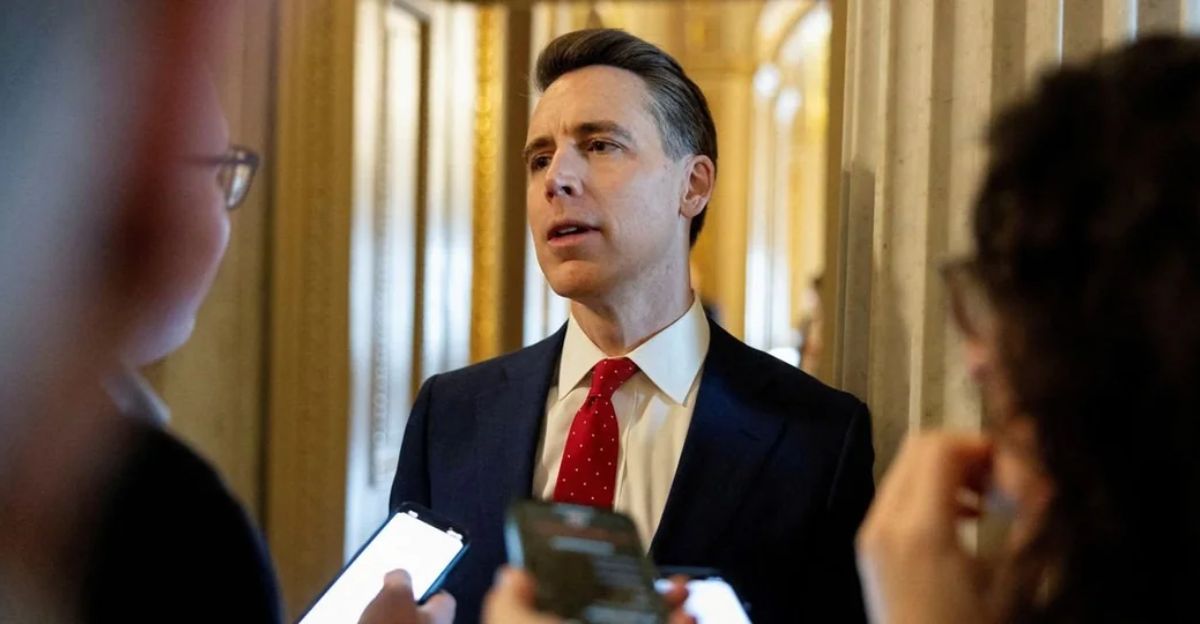
The phenomenon of GOP defiance is comparable to the growing polarization and division in American politics. As America’s political center erodes, moderates in the Democratic Party face similar factional upheavals. This is consistent with worldwide patterns of populist uprisings upending both established conservative and progressive political parties.
Voting patterns, media narratives, and political activism all reflect the phenomenon’s underlying societal divisions over identity, governance, and the future course of the country. It is necessary to place GOP defiance within these larger changes in the political fabric in order to comprehend it.
Media’s Role in Amplifying Defiance

GOP disobedience is amplified and encouraged by media ecosystems, especially conservative and social media. Platforms encourage combative language and rebellious stories, making dissident leaders more visible and influential.
Leadership attempts to preserve unity are made more difficult by this media feedback loop, which speeds up factional consolidation and dialogue polarization. A media landscape that promotes conflict as a source of political capital and values spectacle and ideological purity is advantageous to the defiant faction.
The Model of Defiance-Leverage
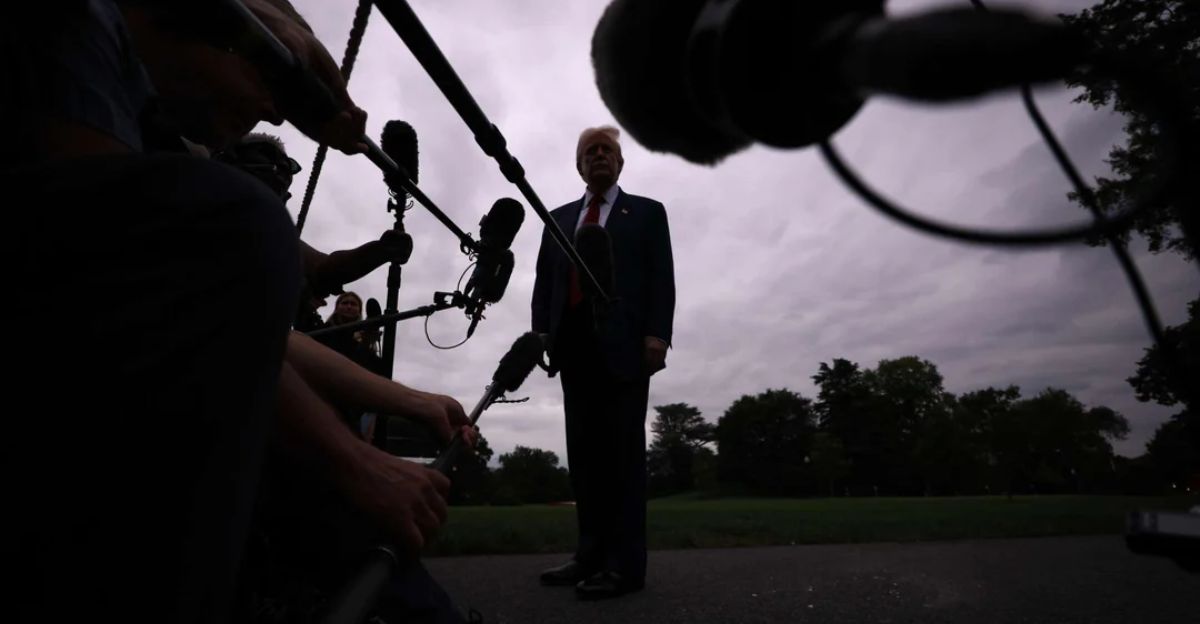
The Defiance-Leverage Model offers a fresh interpretation of the GOP faction’s success: defiance gains leverage by taking advantage of the party’s slim legislative margins, which compels leadership to give up policy ground.
By obstructing and threatening a coordinated uprising, the faction’s voting bloc increases its power beyond measure. This framework illustrates how political power is a function of strategic defiance calibrated to institutional vulnerabilities, explaining how minority factions change majoritarian outcomes in closely divided legislatures.
The Legacy of the Tea Party as a Model
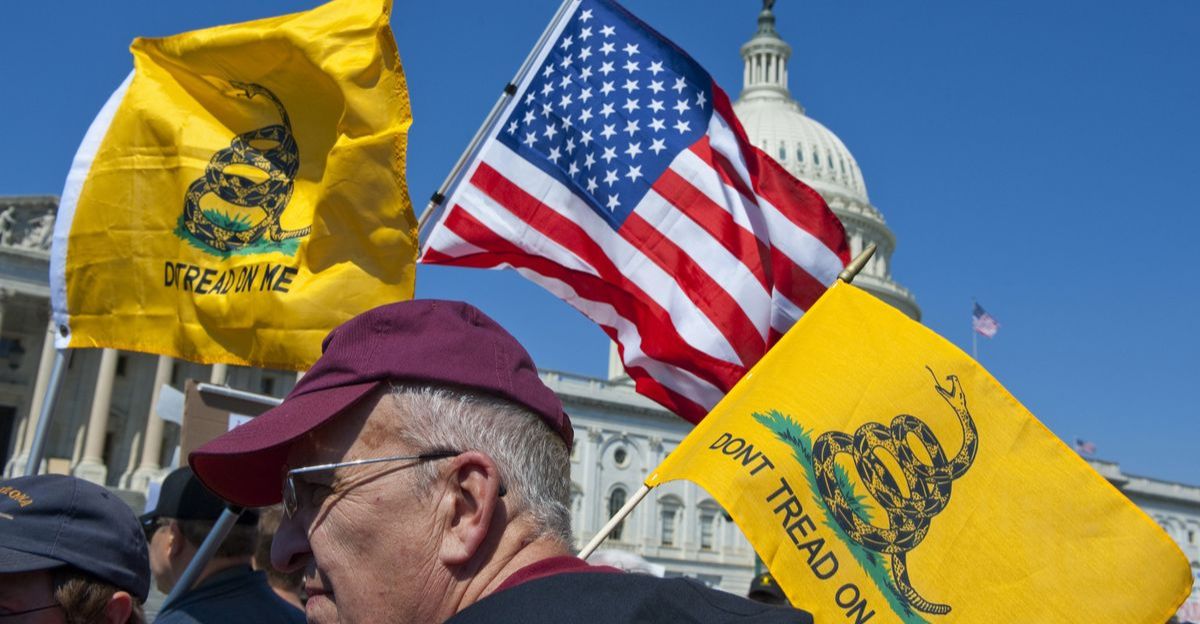
The present rebellious group uses the Tea Party as a case study archetype. Beginning as a populist insurgency, it used media campaigns and legislative obstruction to change the GOP’s leadership and policy focus starting in 2010. It demonstrated how a small group can change the course of a large party by fusing legislative power with grassroots activism.
However, Tea Party tactics also exacerbated legislative deadlock and party divisions—lessons that are essential to understanding today’s factional strategies and their possible outcomes.
Cross-Industry Mixup: Similarities in Corporate Boardrooms

It’s interesting to note that the GOP’s factional defiance has similarities to corporate boardrooms, where activist investors challenge established management in an effort to impose strategic change. Minority powerholders use governance mechanisms to rearrange priorities in both situations.
This analogy highlights the universal dynamics of power negotiation and organizational adaptation, demonstrating that defiance is a valid and frequently required tactic to overcome ingrained interests in both politics and business.
Unexpected Information on Changes in Party Loyalty
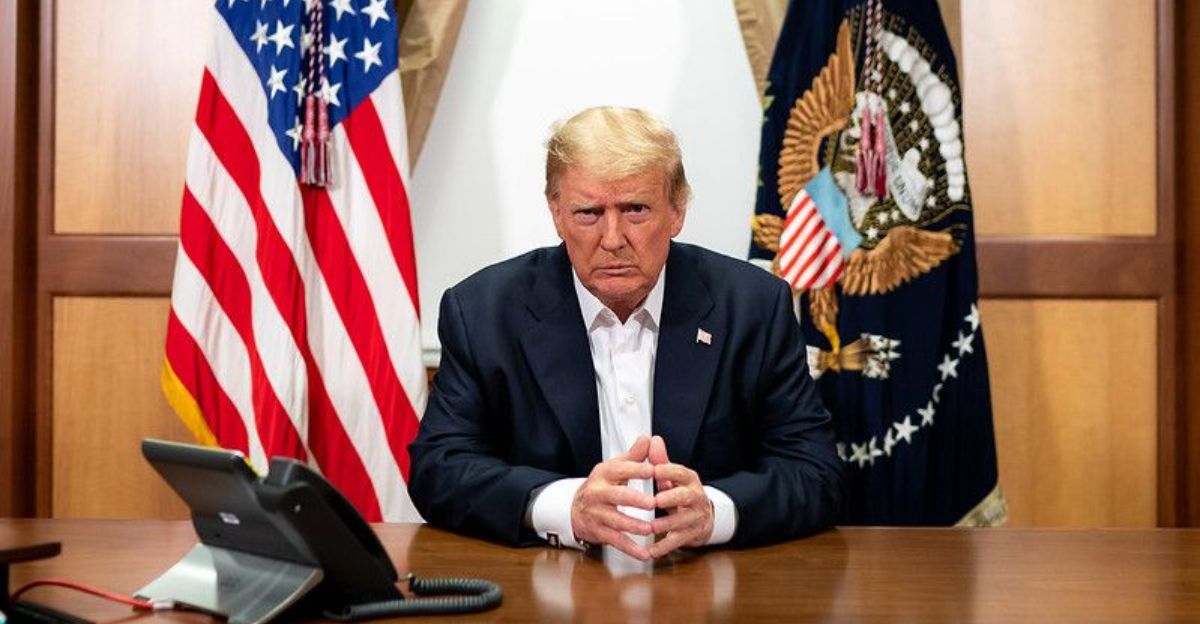
The defiance faction’s growing base is highlighted by data showing that almost half of Republicans in recent polls would think about leaving the party if leadership does not reflect insurgent priorities. Voting trends show a rise in legislative rebellion and split-ticket votes.
According to these statistics, the GOP is experiencing previously unheard-of internal instability, where allegiance is based on ideological adherence rather than party affiliation. This calls into question long-held beliefs regarding the durability of partisan alignment.
Possible Dangers of Fragmentation Caused by Defiance

Unchecked factionalism runs the risk of alienating moderate voters and decreasing overall electoral competitiveness, while defiance gives insurgents more power. A protracted legislative deadlock could weaken national GOP influence and public confidence.
Conservative policy goals may be hampered by fragmentation, which may also encourage Democratic domination or third-party instability. To maintain long-term viability, defiance must be balanced with coalition building, cautioning against revolutionary zeal without practical governance.
Theoretical GOP Realignment Hypothesis
According to an unsubstantiated theory, this faction’s defiance may spark a more extensive realignment, erasing conventional party lines and resulting in a multi-party or factionalized political system in the United States.
Bipartisan dynamics could be permanently changed or a new conservative party could emerge if the GOP makes a clear split between insurgents and moderates. In light of growing ideological division and insurgent politics, this theory calls for a reexamination of American two-party stability.
In Conclusion
With roots in historical insurgencies but heightened by current political and psychological dynamics, the GOP’s growing willingness to defy its own leadership heralds a turning point in American conservatism. This widespread switch to a different faction poses a serious threat to national governance and party unity, as well as an opportunity for ideological renewal.
Whether the GOP uses this defiance to reinvent itself or breaks into irrelevance will depend on the leadership’s calculated reactions. The stakes go beyond partisan politics and reveal deeper conflicts regarding the identity, power, and democratic resilience of the United States in the twenty-first century.