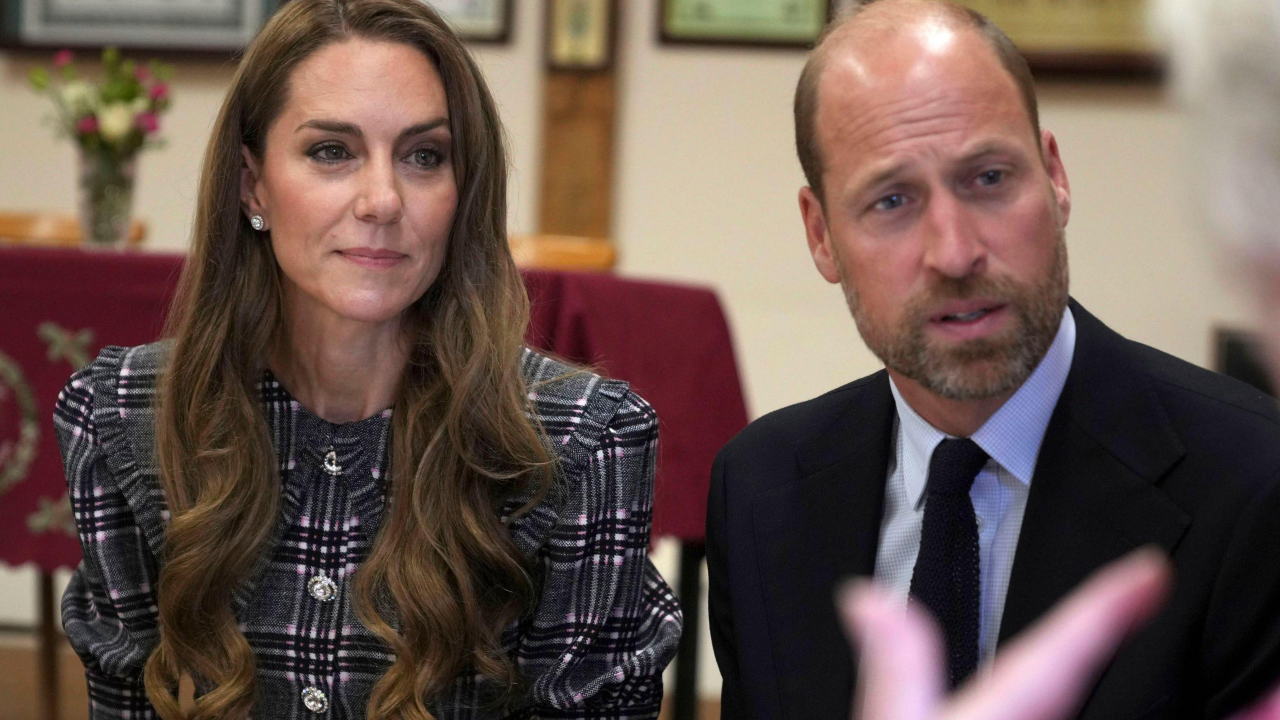
Christmas at Sandringham has been the monarchy’s most sacred ritual for over a thousand years. This year, Prince William and Kate Middleton will skip the formal Christmas lunch and ceremonial toasts at the royal estate. Instead, they’ll attend church and then retreat to Anmer Hall, their private home on the Sandringham grounds.
This marks the third consecutive year they’ve bypassed the main family event, signaling a deliberate pattern rather than a one-time scheduling conflict.
The Parallel Christmas
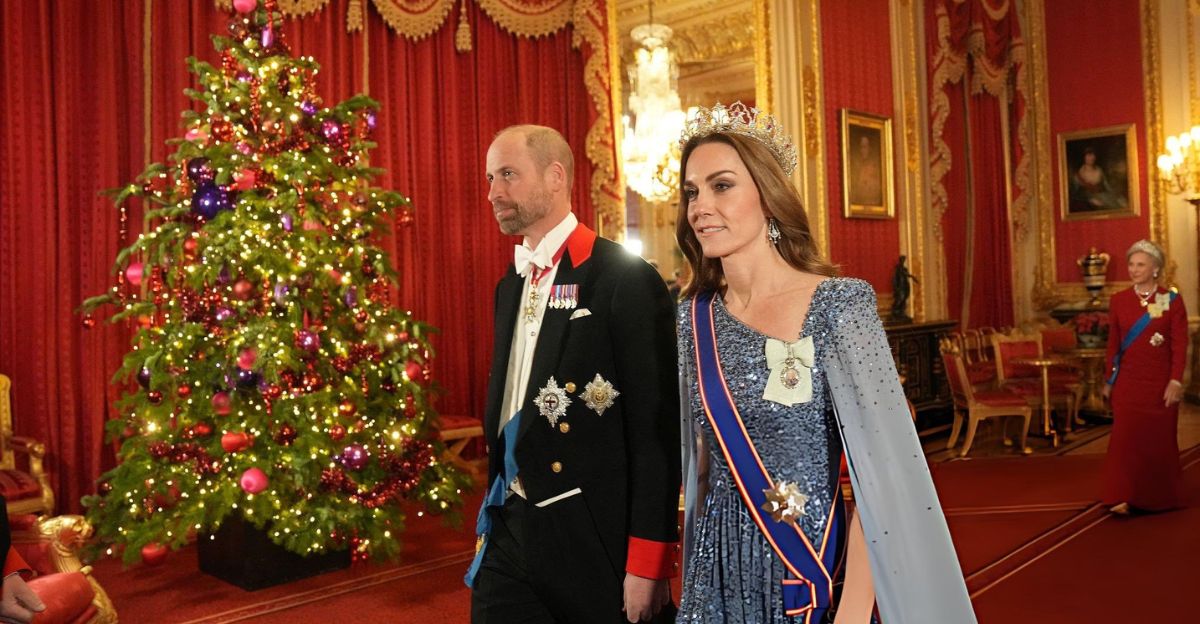
Sources say that William and Kate have hosted their own Christmas celebrations at Anmer Hall, described as more informal gatherings that contrast sharply with the ceremonial formality of Sandringham. A friend told the Daily Beast the couple maintains what has been described as a “slightly covert” alternative Christmas at their house.
The reporting indicates that these Anmer Hall celebrations represent the couple’s preferred model of family time: less formal, more private, and centered on the immediate family rather than the broader royal gathering expected by tradition.
A Year of Tension
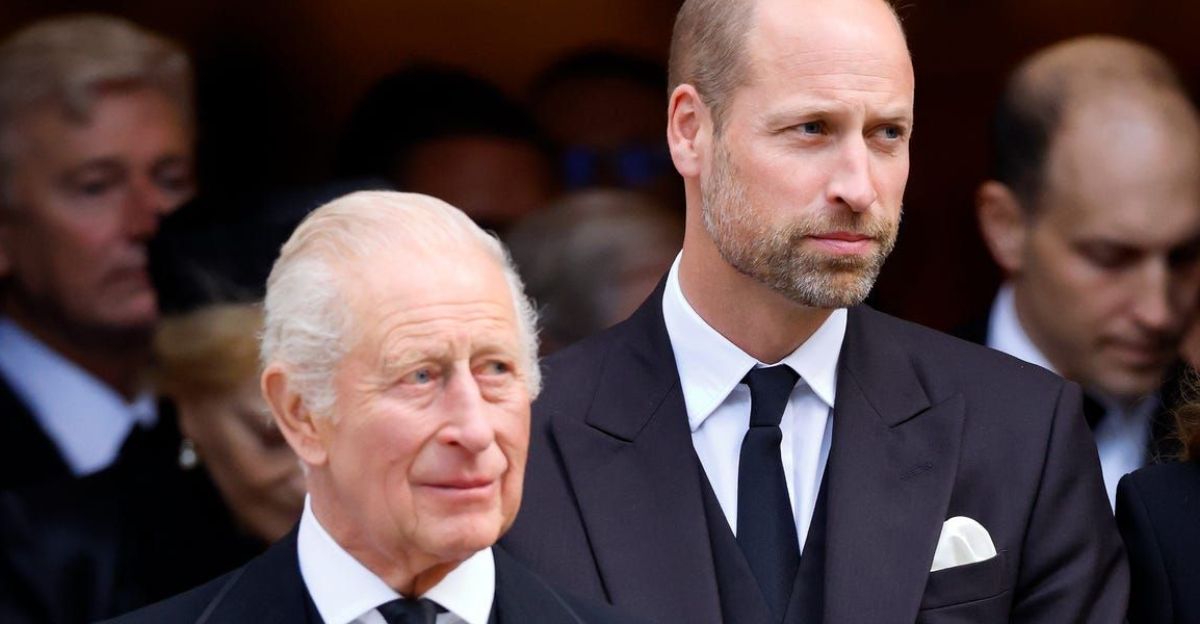
Behind palace walls, 2025 has been described by insiders as an “extremely difficult year,” marked by multiple sources characterizing it as a period of “nonstop disagreements” and “icy moments” between William and Charles. A friend close to William told The Daily Beast that the tensions have become fundamentally incompatible worldviews rather than simple disagreements.
These aren’t surface-level disputes but deep philosophical divisions about what the monarchy should be and how it should operate in the modern world.
Institution vs. Accessibility

William and Kate have grown increasingly vocal about their belief that the current model of monarchy—emphasizing pomp, ceremony, and rigid protocol—makes the institution appear disconnected from the lives of ordinary people. They argue that this approach risks making the crown irrelevant to the generations it must ultimately serve.
For Charles, schooled in traditional duty and institutional identity, this critique represents a fundamental challenge to everything he has built his life around.
Tradition as Legitimacy
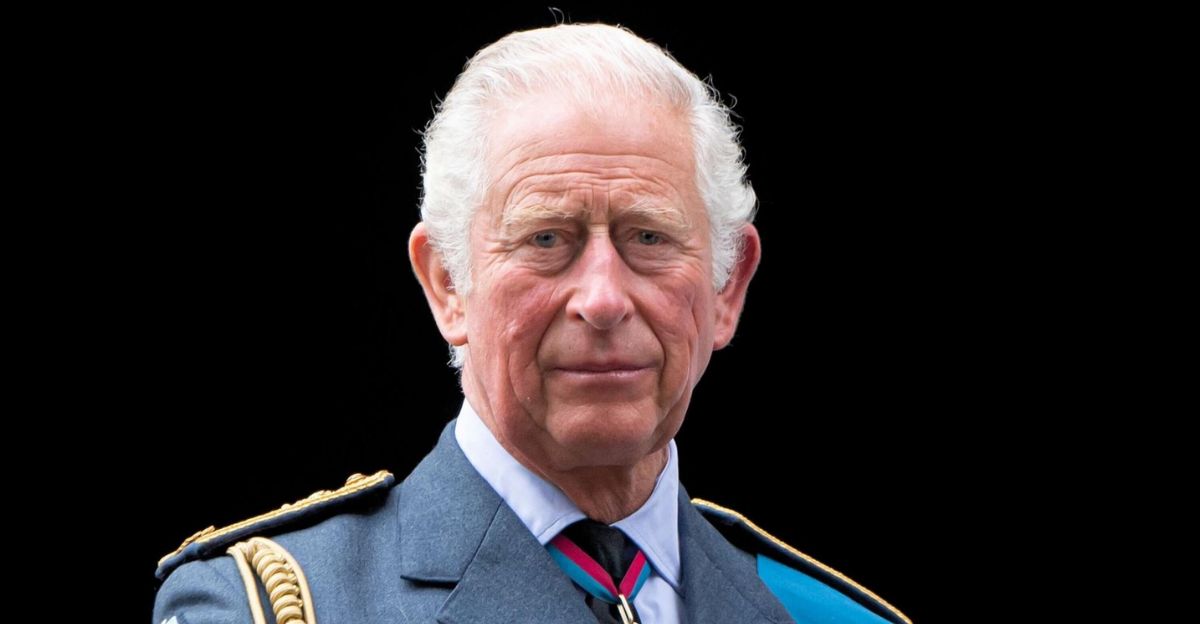
King Charles believes that the monarchy’s legitimacy stems from its ceremonial distance and formal rituals, which distinguish it from ordinary life. In his view, the institution’s power derives from its mystique, its connection to history, and its refusal to be reduced to ordinary experience.
He maintains that tradition and visible ceremony remain essential to the monarchy’s role and its ability to command public respect and allegiance.
William’s Public Case
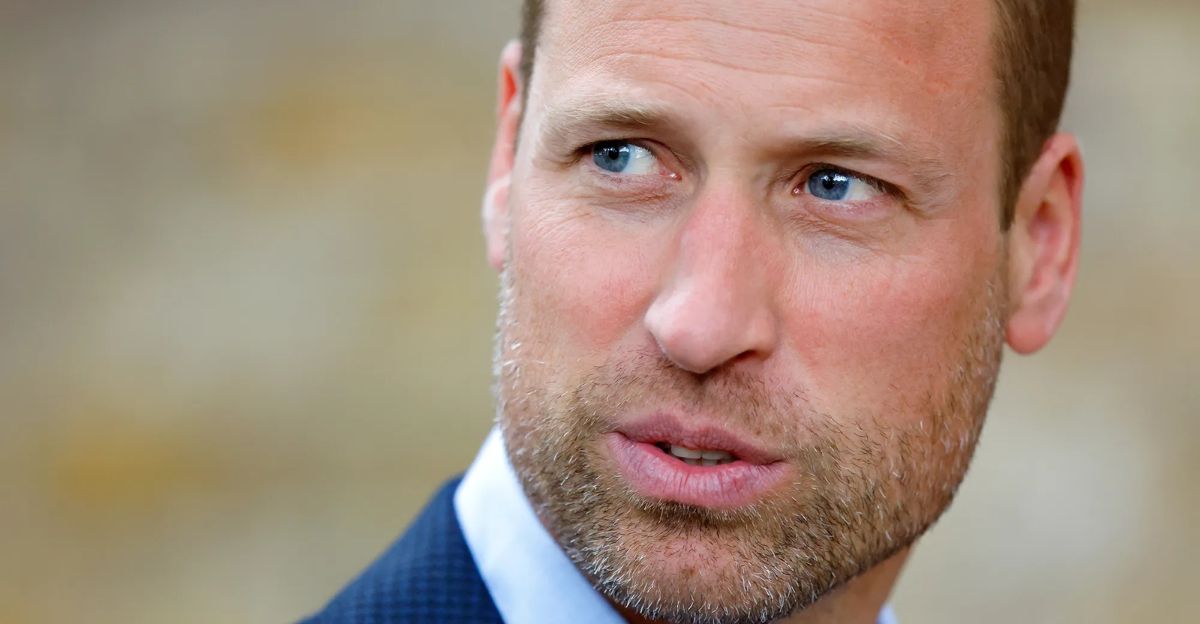
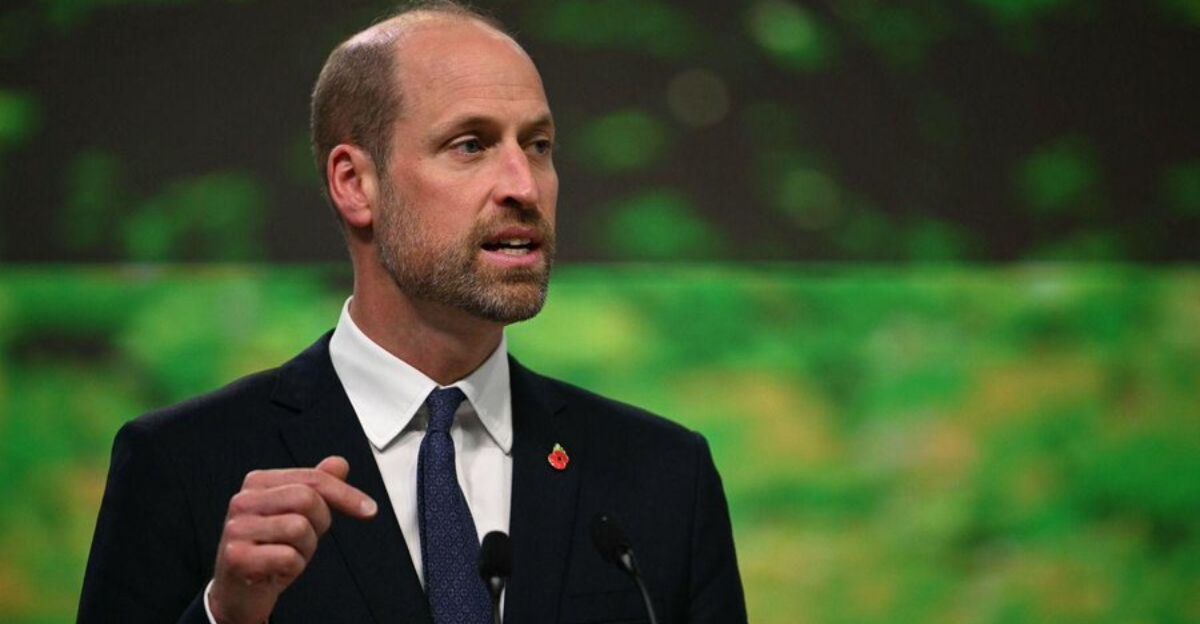
William has begun arguing publicly that the Charles approach needs to change. Speaking to Apple TV+ earlier this year, the Prince of Wales stated that he wants to create “a world in which my son is proud” of the institution and where it “impacts people’s lives for the better.”
In his appearance, he also stated explicitly, “Change is on my agenda.” Royal sources indicate that William believes the current model requires modernization to remain relevant to future generations, and he is not waiting for succession to express this view.
Where Philosophy Becomes Personal
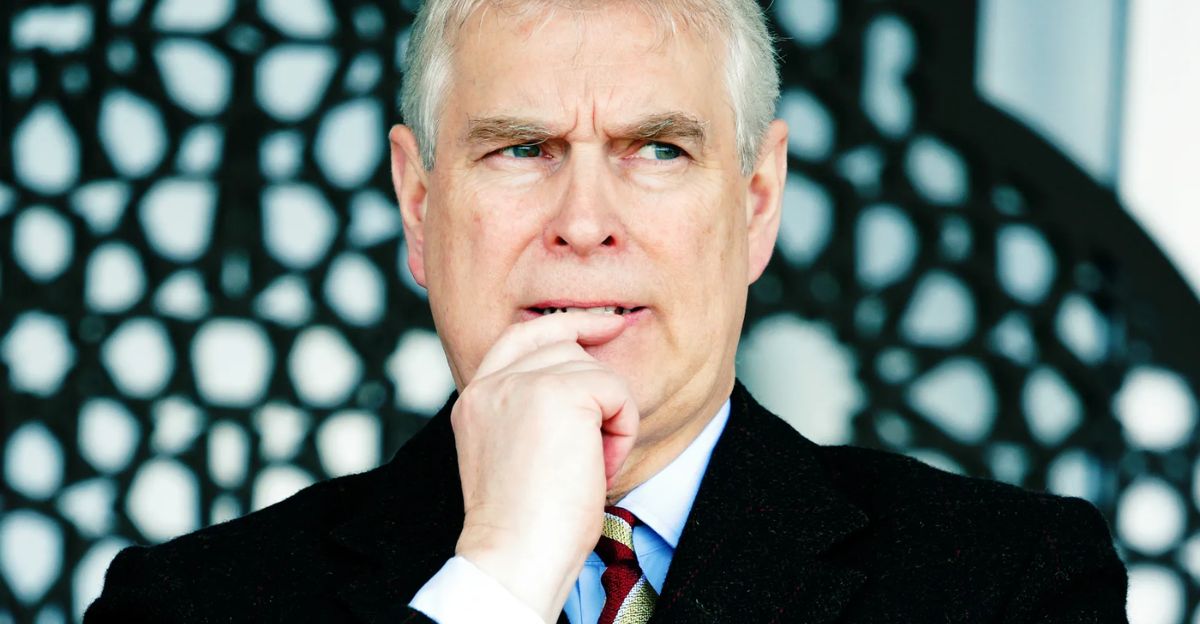
The philosophical divide has crystallized around Prince Andrew’s position within the family. Earlier this year, as scrutiny of Andrew’s connections to Jeffrey Epstein intensified, William made his position crystal clear: when he becomes king, Andrew will not be invited to his coronation.
According to sources briefed on palace conversations, what troubled William is that King Charles has not moved as decisively to distance the institution from Andrew.
A Different Strategy
Instead of the clean break William advocates, reporting suggests Charles has explored the possibility of including Andrew’s daughters, Princesses Beatrice and Eugenie, in formal royal events—a decision sources say William views as insufficient distance from the scandal.
For William, the path is simple: you sever, cleanly and completely. For Charles, apparently, you navigate, manage carefully, and maintain family relationships.
Shifting Family Priorities
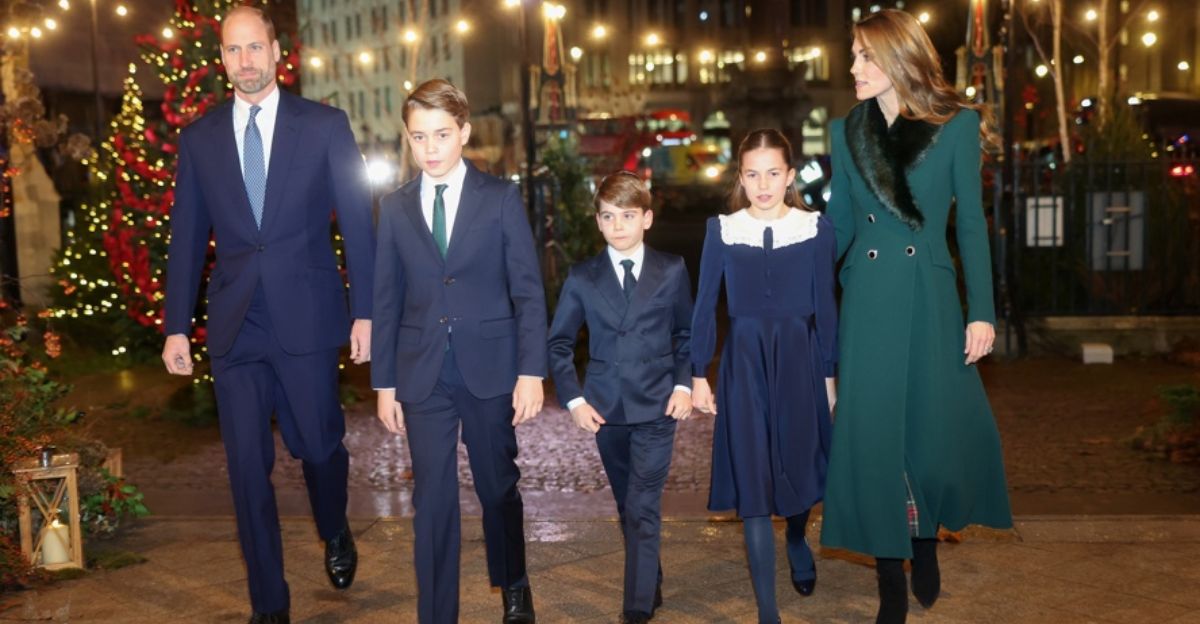
According to reports, William and Kate will spend Christmas with her family rather than navigating both sides as royal protocol traditionally requires. The Middletons are described as grounded in middle-class values and characterized by visible warmth.
By choosing to center their Christmas around Kate’s family, sources suggest that the couple is prioritizing a different model of family celebration—one that emphasizes accessibility and direct connection over institutional hierarchy.
Reframing Obligations
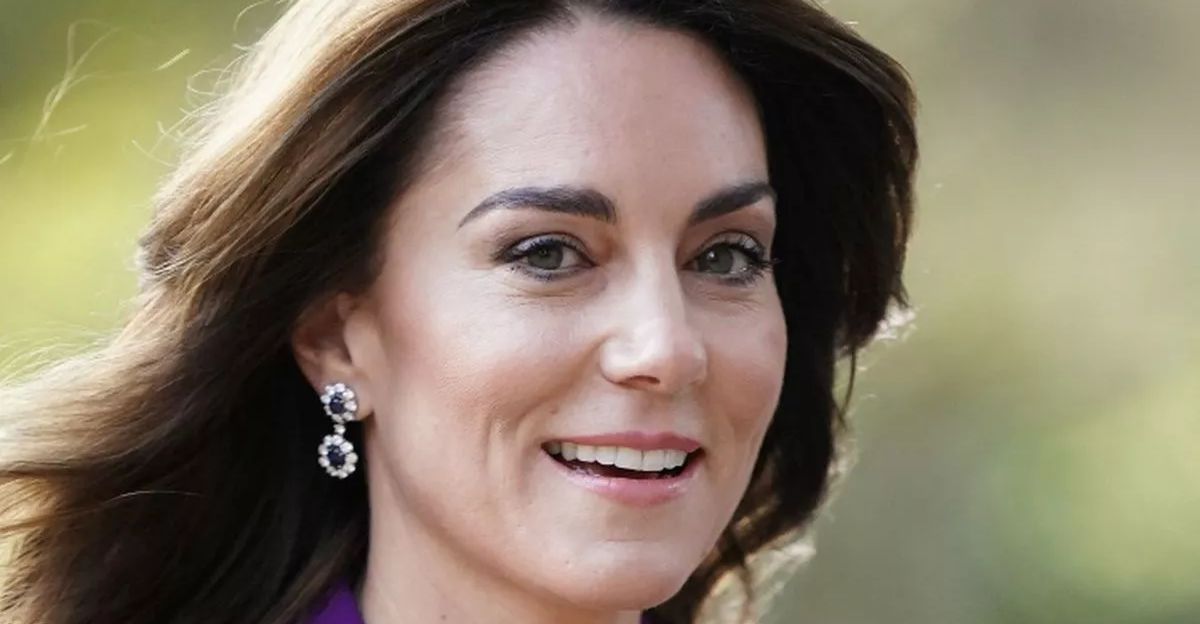
Princess Kate’s cancer diagnosis and ongoing recovery have reshaped how the couple approaches their commitments fundamentally. Sources indicate William and Kate have been “setting boundaries” around royal obligations, with Kate’s medical team advising her to avoid stressful situations.
The health crisis has provided context for their decisions about Christmas and their approach to balancing institutional duty with personal well-being.
The Modernization Agenda
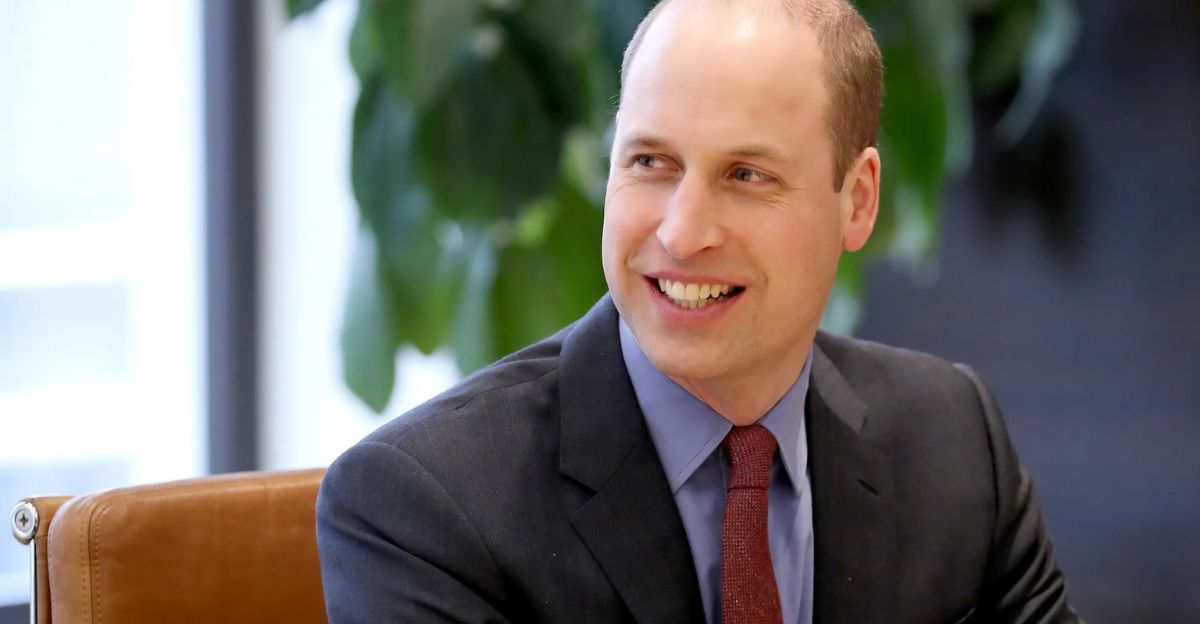
William has been explicitly vocal about his intentions to modernize the monarchy when he becomes king. According to royal commentator Hilary Fordwich, the Prince of Wales is actively “moulding the monarchy” through his current choices and public statements that signal his future direction.
Sources indicate William has discussed plans to reshape how the monarchy operates, the rituals it maintains, and how accessible it appears to the public.
Breaking Buckingham Palace Tradition
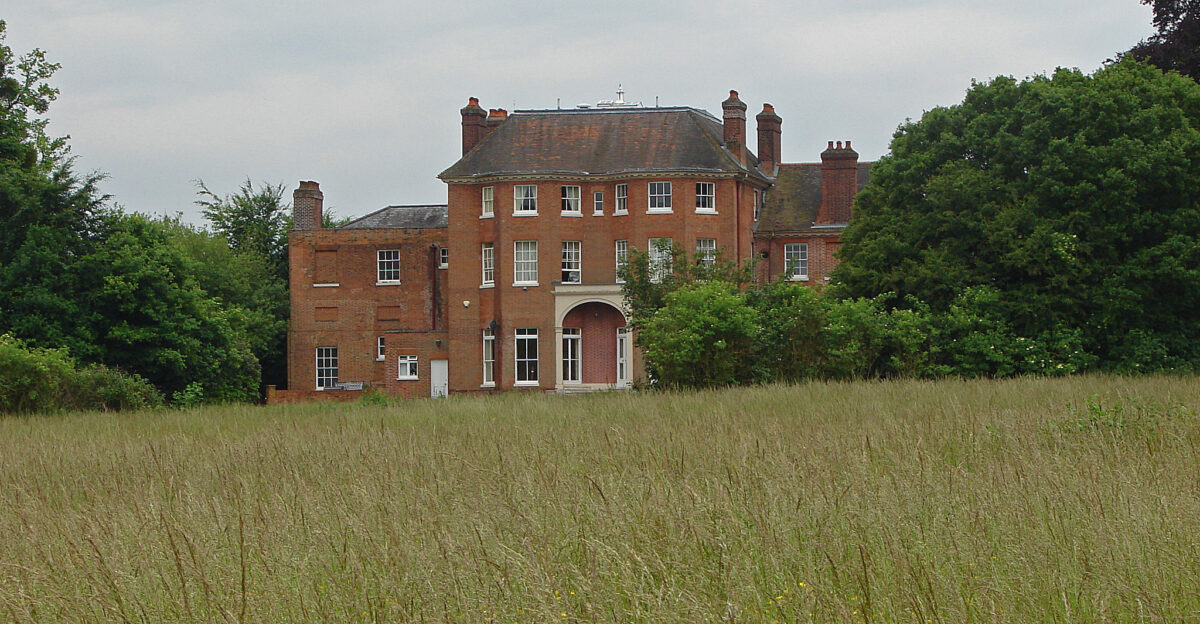
Multiple reports confirm that William intends to make Forest Lodge in Windsor Great Park his primary residence when he becomes king, using Buckingham Palace primarily for official functions. William’s stated preference for a family home outside the palace reflects his stated priority of emphasizing family life over ceremonial residence.
Royal advisors have cautioned him about this approach, warning he “needs to be careful” about such significant departures from tradition that could affect public perception.
The Residence Decision
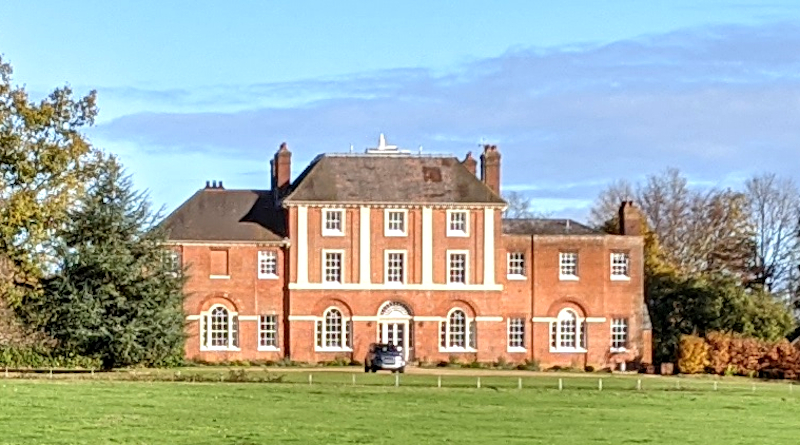
This would represent a substantial shift: historically, the reigning monarch has resided at Buckingham Palace as the symbolic center of royal authority. By making Forest Lodge his primary home, William would signal that family intimacy matters more than ceremonial grandeur, that a king can be a father first.
Palace advisors worry this sends the wrong message about the monarchy’s power and presence. For William, it sends the right message: that the institution exists to serve human flourishing, not the other way around.
Eliminating Hierarchy

The Daily Mail reported that William plans to eliminate or substantially reform the traditional Christmas gift-giving ceremony, which currently involves distributing presents in strict order of royal seniority. William reportedly views this ritual as hierarchical and outdated, incompatible with the image he wants the monarchy to present.
This reflects a broader pattern: sources indicate William intends to modify various royal customs he considers incompatible with a more modern, less formally hierarchical approach to the institution.
Official Messaging Strategy
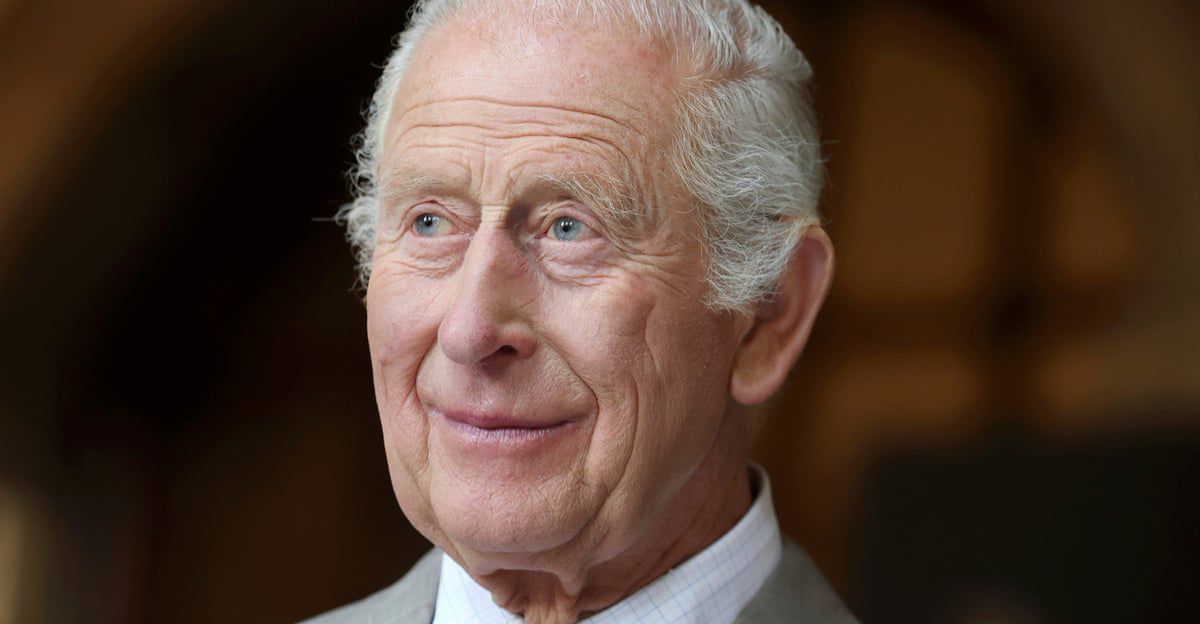
King Charles’s circle has instructed friendly media outlets that William’s absence from Sandringham Christmas should not be characterized as a breach or crisis. According to a friend of the King, William is “of course invited” and “of course free to do his own thing”.
This messaging attempts to frame the Christmas decision as routine rather than significant. However, observers note the careful language suggests institutional awareness that the absence carries symbolic weight, even as official statements minimize its significance.
Christmas 2025 Looks Different
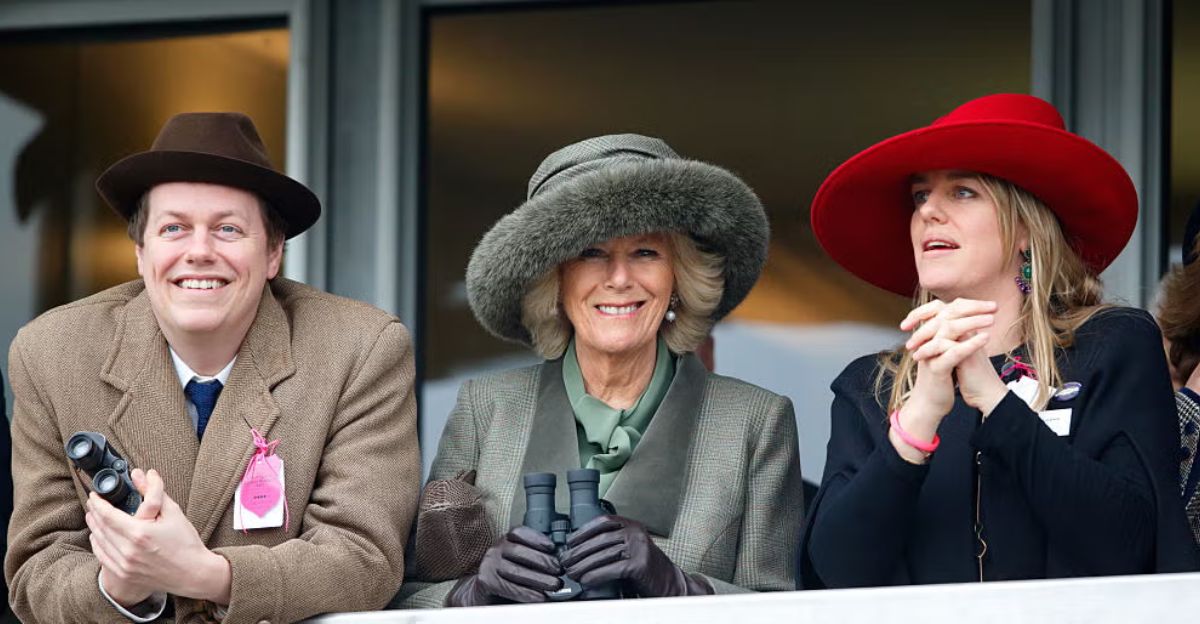
William and Kate are not alone in changing their Christmas plans. Queen Camilla’s children announced they will not attend Sandringham this year, citing an alternating schedule.
Additionally, Princesses Beatrice and Eugenie were absent from Kate’s Christmas Carol Service in early December, with sources suggesting their absence reflected complicated feelings surrounding their father’s ongoing scandal and family dynamics.
Different Definitions of Duty
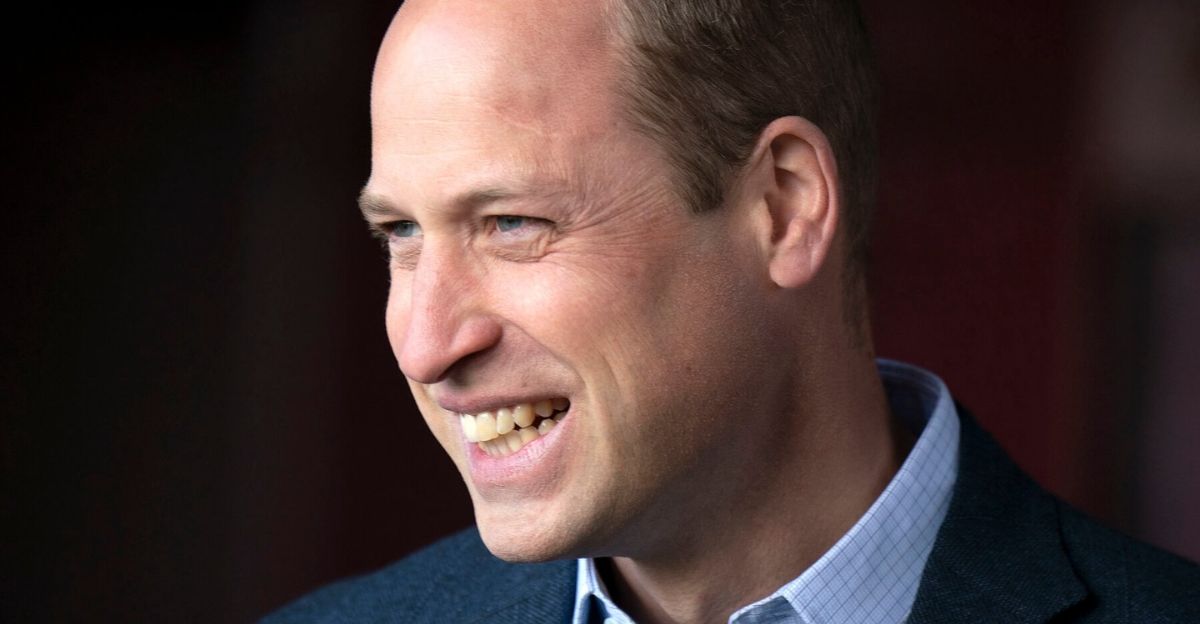
Royal historians have noted that tensions between monarch and heir are common, but they argue that current disagreements reflect a fundamental shift in how William’s generation views the monarchy’s purpose. Charles came of age believing that survival depended on maintaining ceremonial distance and adhering to rigid protocol.
William, shaped by different experiences—including his mother’s deliberate approach to making the monarchy emotionally accessible—has arrived at a different analysis about what institutional survival actually requires in the modern world.
The Transition Begins
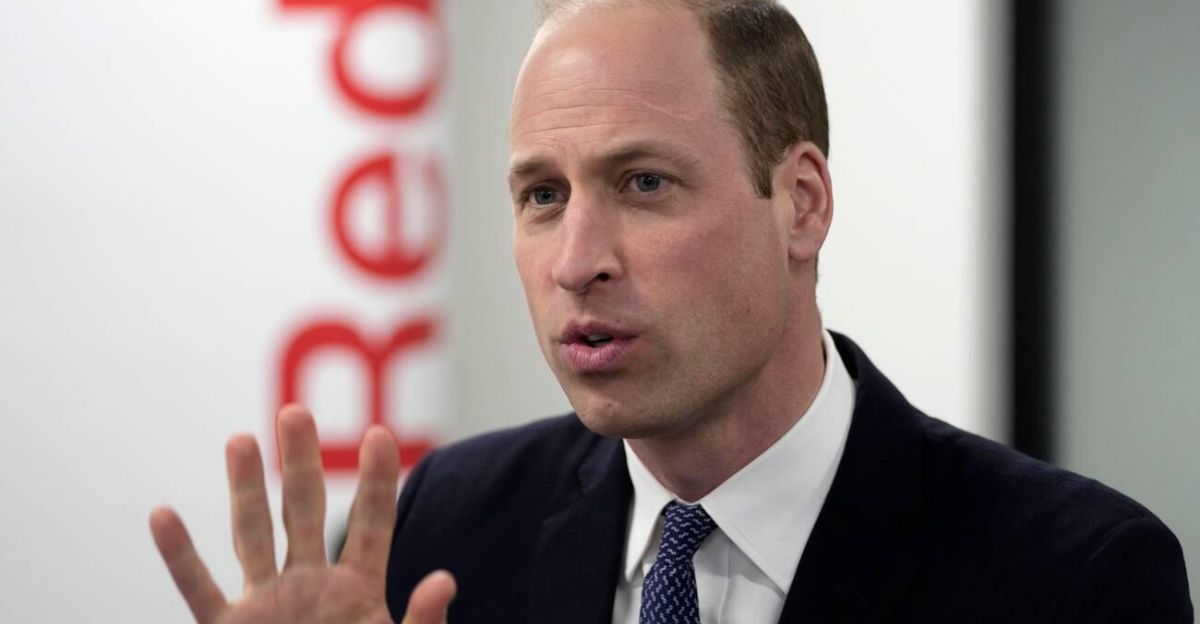
Rather than waiting for succession, William has made clear through both statements and actions that his modernization of the monarchy is already beginning. His public comments about wanting change, his decisions about which events to attend, and his articulated plans for reshaping the institution all signal this is an active, ongoing process—not a distant future event.
The Christmas absence at Sandringham represents one visible manifestation of this broader shift already underway.
What Comes Next
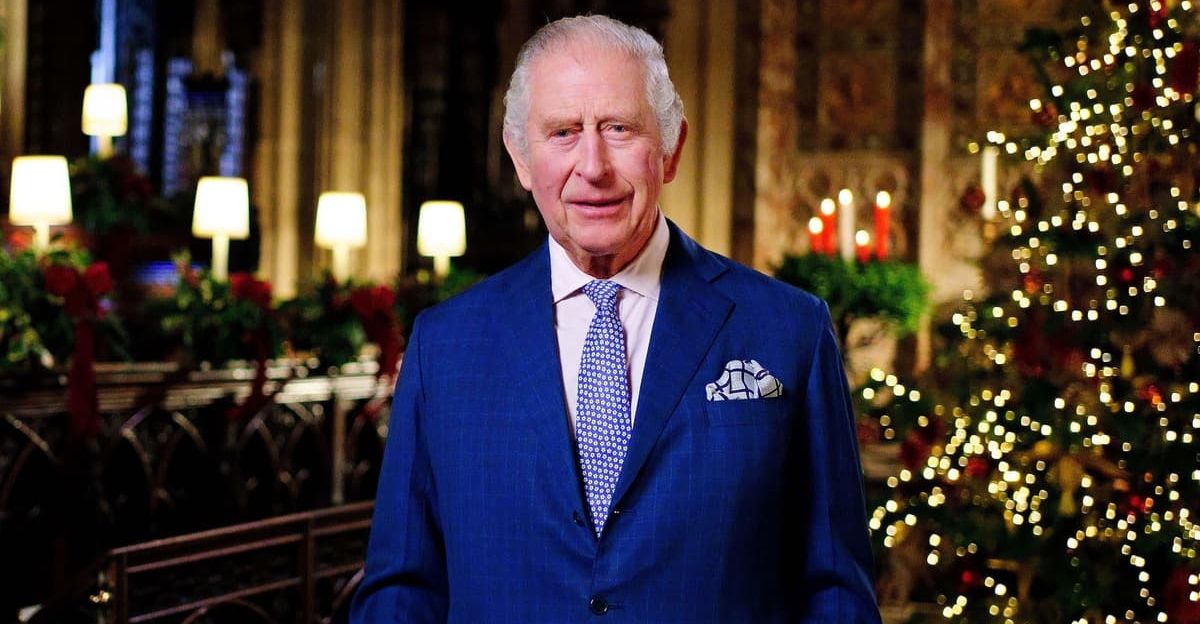
As King Charles continues to age and manage his health challenges, observers view the emerging tensions between his vision and William’s as the defining dynamic of this phase of the monarchy.
The central question is not whether William will modernize it—reporting and his own statements make that clear—but how smoothly that transition will occur and whether his approach can maintain public support during a period of significant change for the institution.
A New Monarchy Takes Shape
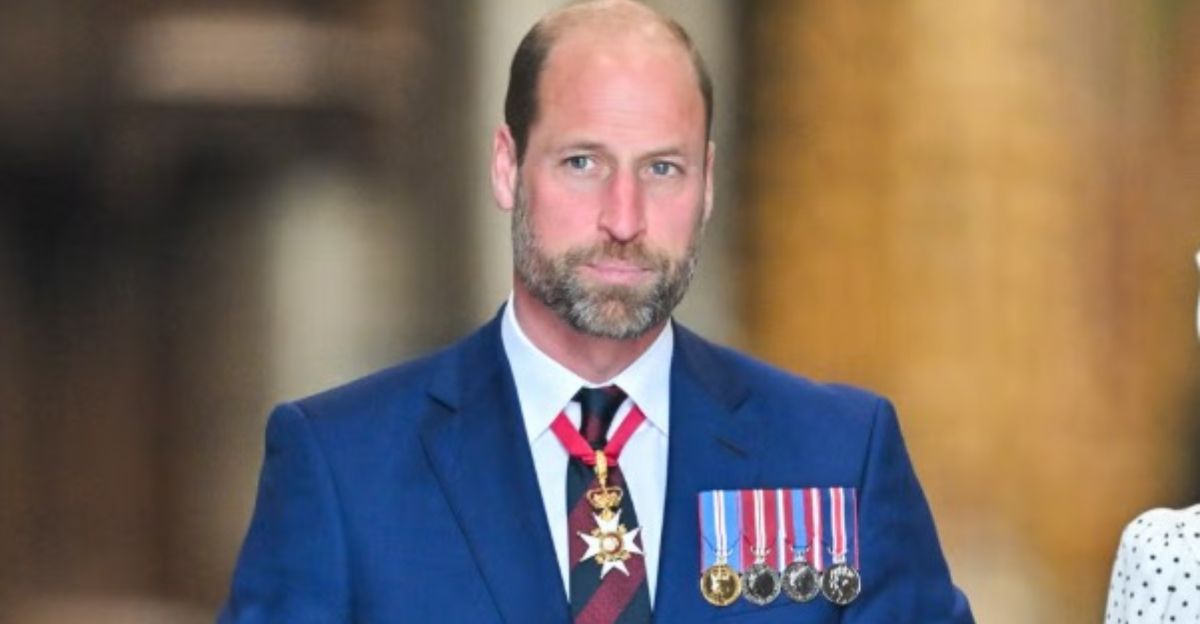
William is not waiting for the throne to implement his modernization agenda. He is doing so now, through deliberate choices about his schedule, his public statements, and his expressed intentions for how the institution should operate.
On Christmas Day, with the formal lunch proceeding without the heir, the palace already has its answer about what comes next: a fundamental reshaping of what it means to be royal in the modern world.