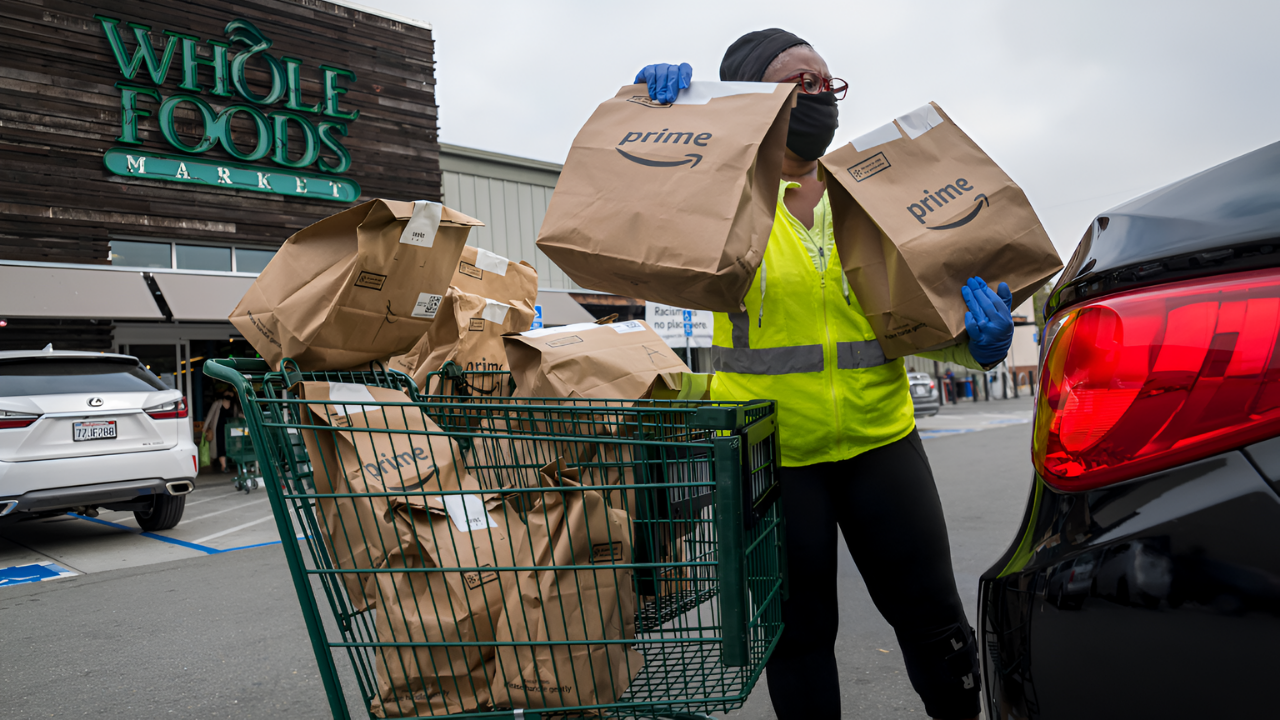
Amazon is dismantling the very identity that made Whole Foods iconic, according to retail analysts tracking the transformation, replacing premium shelves with automation, mass-market brands, and stripped-down efficiency.
Eight years after acquiring the natural-foods pioneer for $13.7 billion in 2017, Amazon is pursuing a radical reimagining driven by brutal market realities: Whole Foods’ sales growth has flatlined relative to competitors, and Amazon’s grocery empire remains a distant second to Walmart. The reckoning is here, and it’s accelerating.
Growth That Looks Good on Paper, Fails in Practice
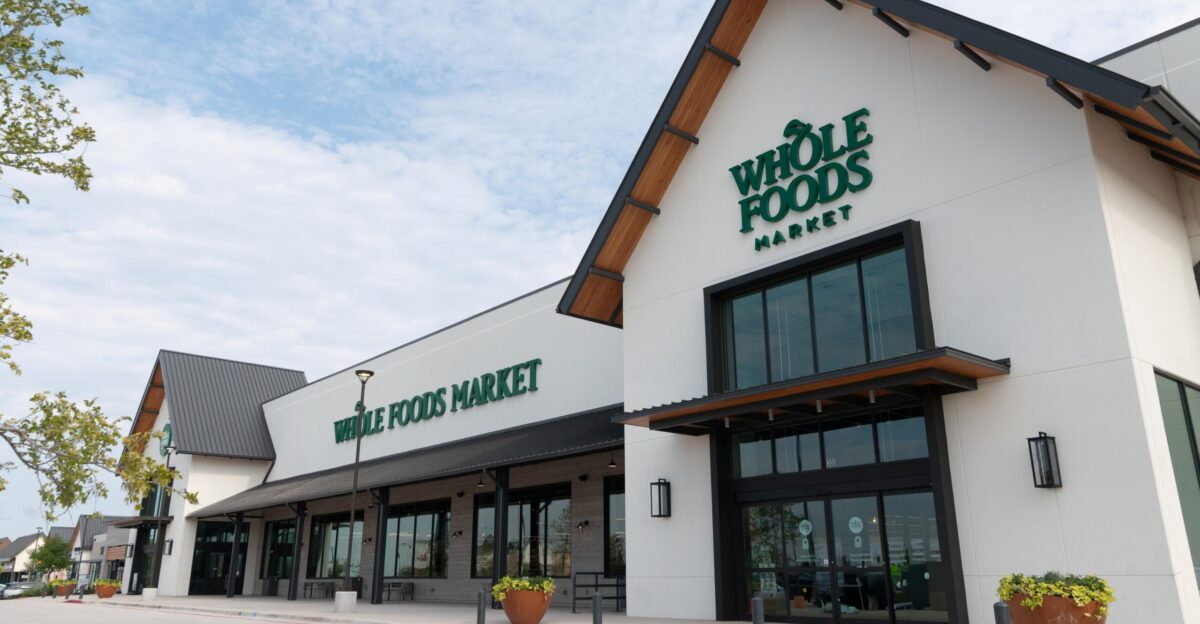
Whole Foods sales have grown 40% since Amazon’s 2017 acquisition, translating to approximately 5% annual growth, but here’s the painful part—pre-Amazon, the grocer routinely achieved double-digit annual expansion.
This slowdown reflects Whole Foods’ core problem: its premium positioning that alienates the mass market, yet lacks the scale advantages of competitors who aggressively undercut prices.
The Market Share Bloodbath
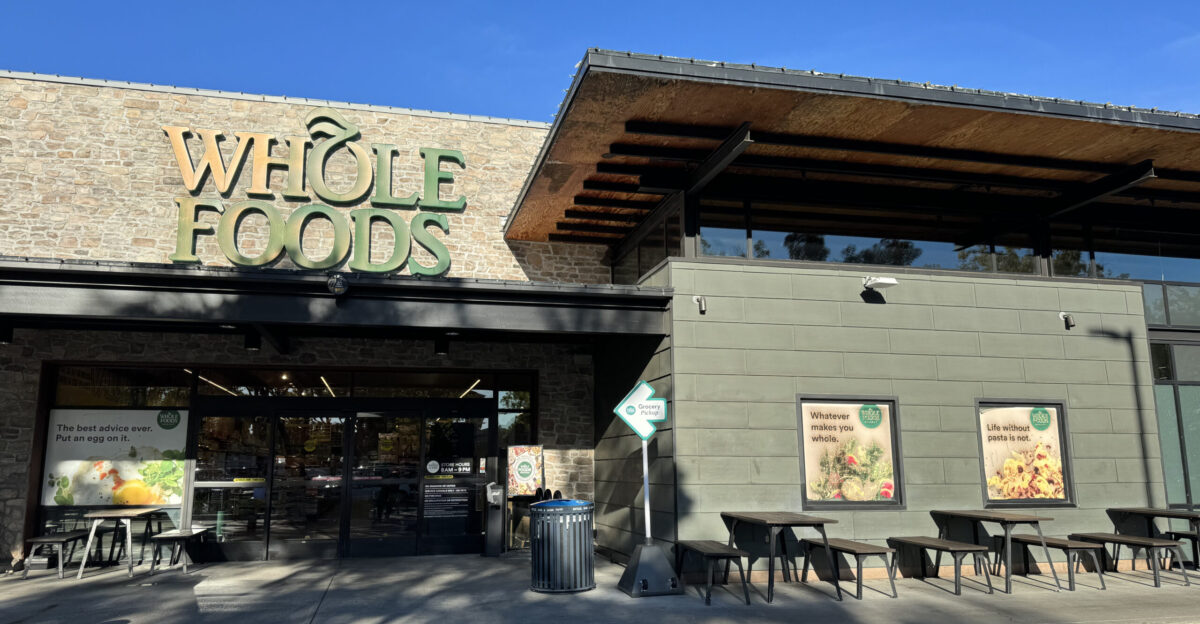
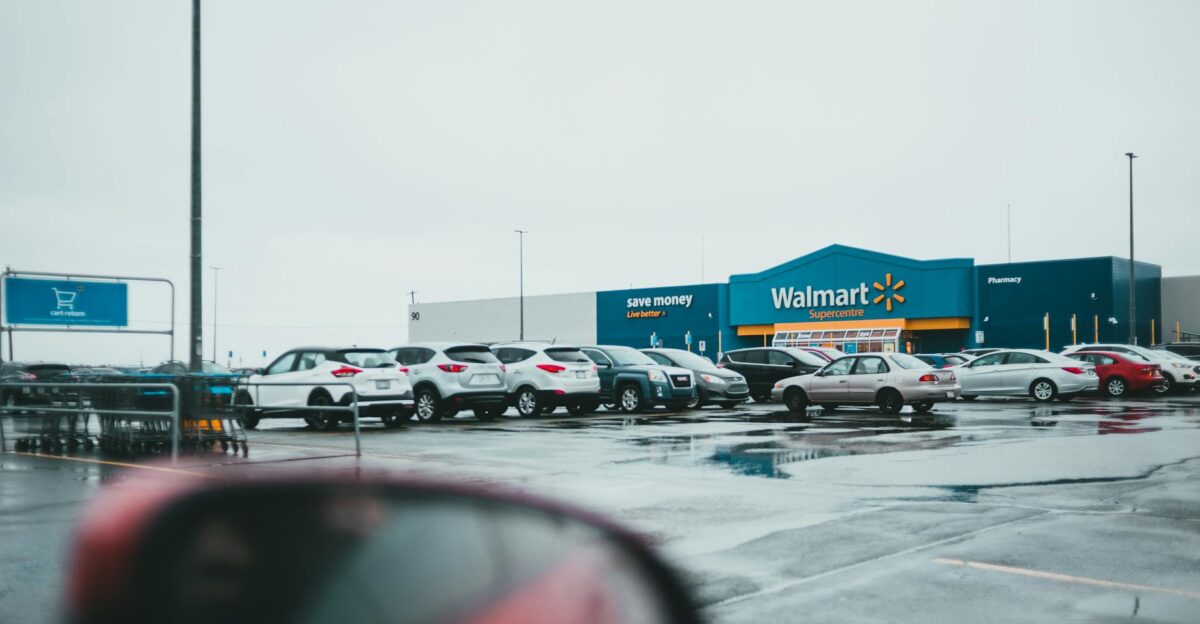
Amazon’s entire grocery ecosystem—including Whole Foods, Amazon Fresh, and other initiatives—commands less than 4% of the U.S. grocery market, according to 2025 market analysis. Walmart, by contrast, controls 21% of traditional grocery sales.
This 5.25-to-1 dominance gap has forced Amazon’s hand. Whole Foods, once positioned as a category disruptor, now appears as an expensive liability dragging on Amazon’s ability to compete at scale.
The Expansion Deficit That Sealed Fate

In 2023, Whole Foods opened around 10 new stores, while competitor Sprouts Farmers Market, operating in a similar premium niche, opened about 30 stores that same year, nearly four times the volume. By 2024, Sprouts added 33 additional locations, another reminder that Whole Foods is falling behind.
This 3.75-to-1 expansion gap signals to Amazon that organic growth through traditional retail is insufficient. Whole Foods now operates 535 locations globally, while Sprouts operates 440 stores across 24 states, with accelerating momentum.
October 2025 Layoffs Hit Corporate Ranks Hard
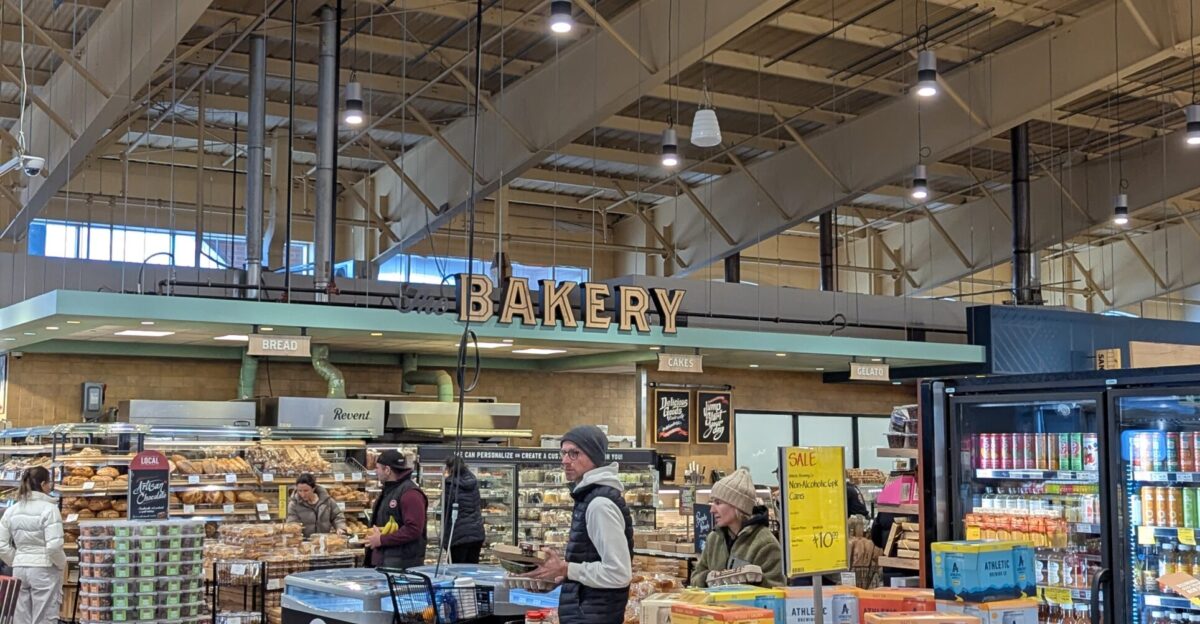
On October 28, 2025, Amazon announced 14,000 corporate job cuts, according to company statements, marking the first wave of a projected 30,000-position reduction that will affect 10% of its white-collar workforce. While the announcement framed cuts as AI-driven restructuring, insiders confirm Whole Foods’ corporate staff faces disproportionate exposure.
In a transition effective December 2025, corporate employees relocating to Amazon payroll will lose the traditional 20% in-store discount at Whole Foods—which phases out completely after one year—and will see performance bonuses replaced with Amazon stock options.
The ShopBot Revolution in Philadelphia
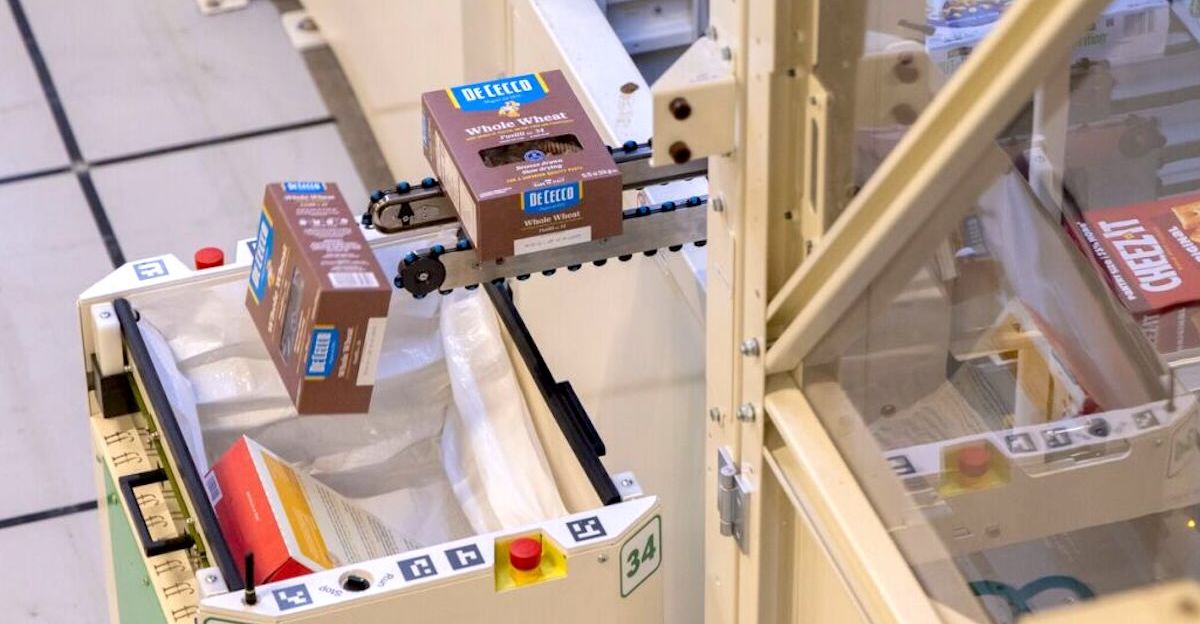
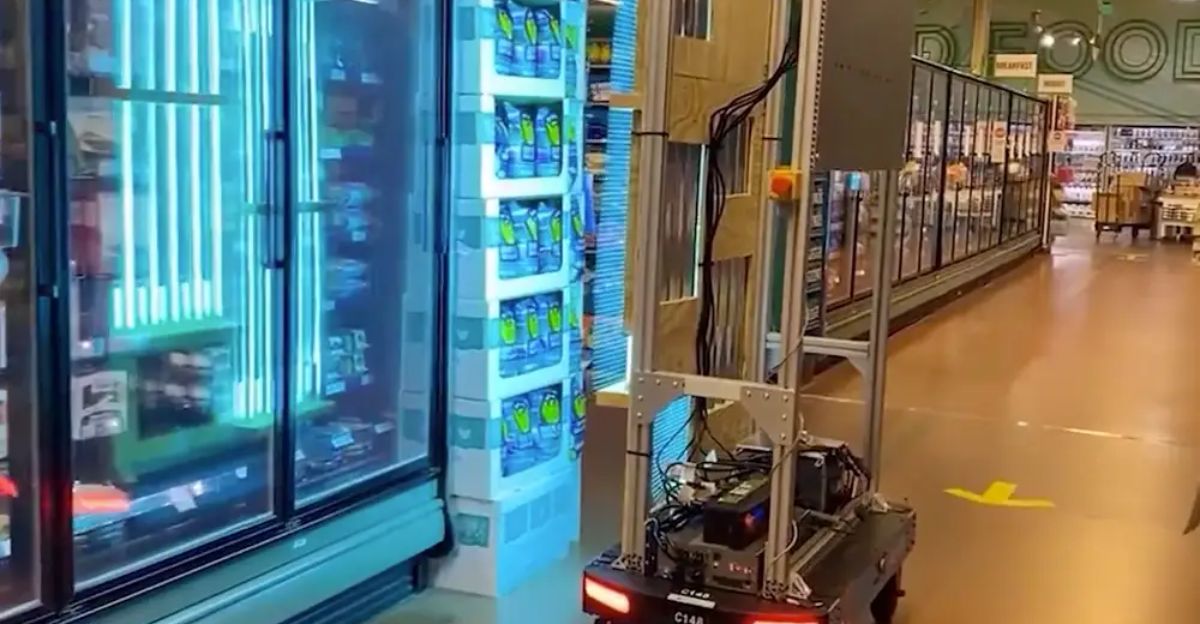
In November 2025, Amazon unveiled its most provocative experiment yet: a Whole Foods location in Plymouth Meeting, Pennsylvania, now housing a 10,000-square-foot micro-fulfillment center powered by autonomous “ShopBot” robots, according to Amazon’s announcement. These machines retrieve non-Whole Foods inventory, such as Pepsi, Doritos, Tide, and Kraft products, while customers shop for organic kale and grass-fed beef.
Scanning QR codes scattered throughout the store, customers order mainstream brands that arrive at a pickup counter within minutes, delivered by machines rather than store staff.
The Amazon Grocery Kiosk Replaces Coffee Culture
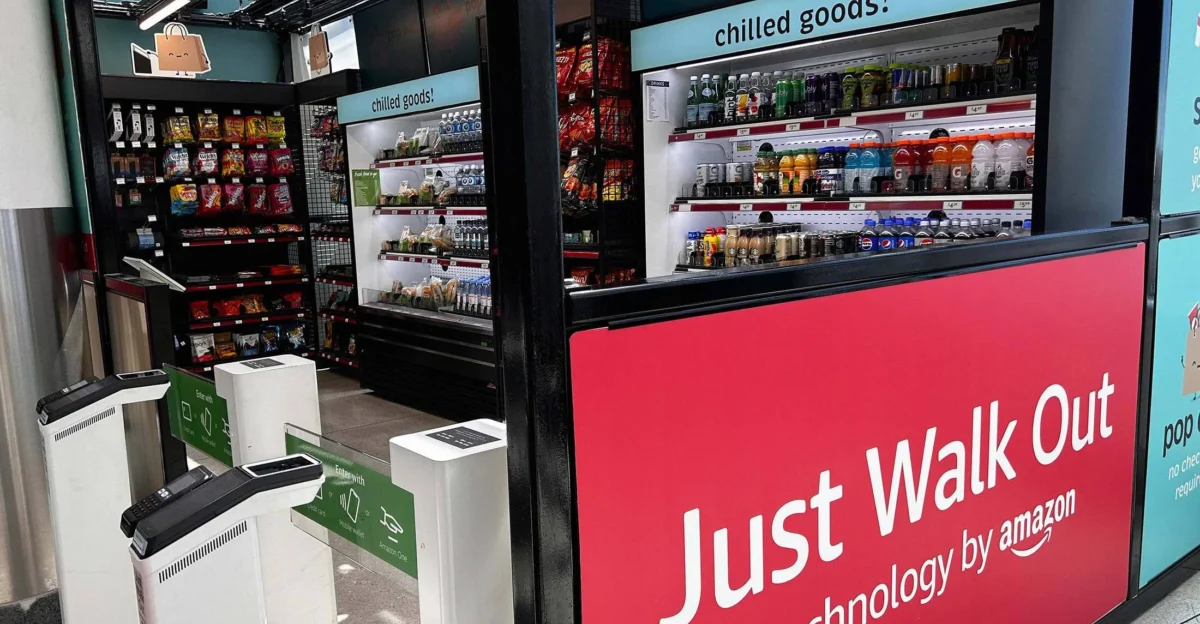
At Chicago’s flagship Whole Foods downtown location, a 3,800-square-foot “Amazon Grocery” kiosk now occupies the space where the company’s revered espresso bar once stood, according to retail reporters covering the transformation. This concept directly contradicts Whole Foods’ carefully curated aesthetic—a premium, artisanal experience designed to justify premium pricing.
The kiosk stocks mass-market groceries and household essentials unavailable on traditional Whole Foods shelves, cementing Amazon’s vision: Whole Foods as a location first, a cultural experience a distant second.
Over 12,000 SKUs Hidden Behind the Scenes
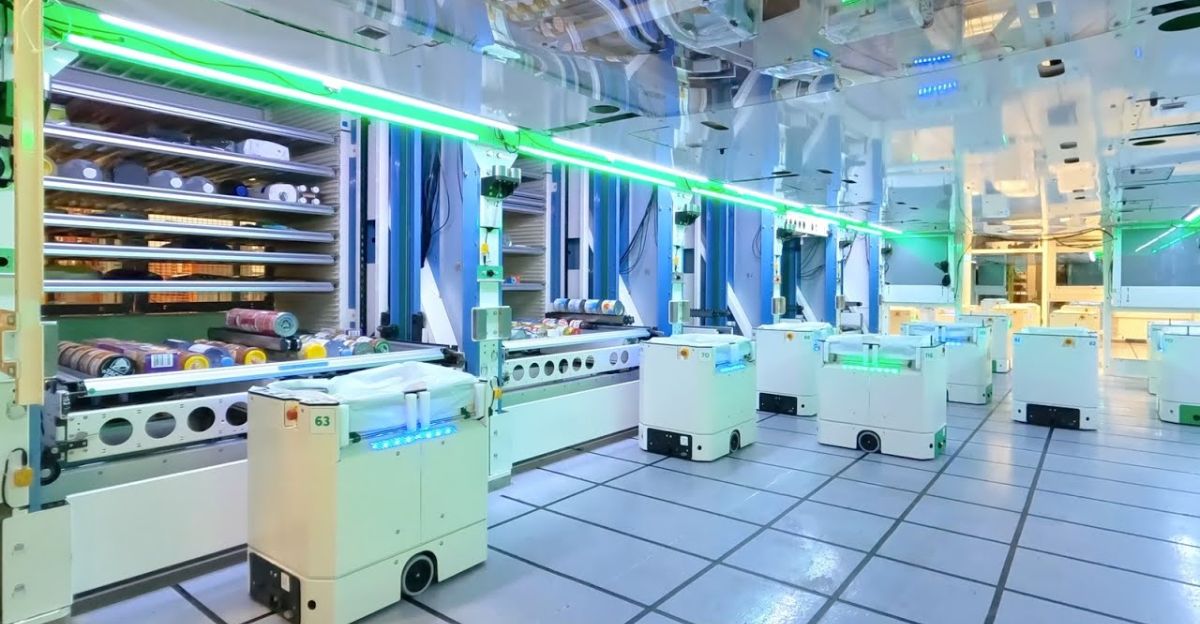
The Plymouth Meeting micro-fulfillment center houses over 12,000 unique items spanning Whole Foods’ organic catalog and Amazon’s national brands, according to the company’s technical specifications. This hidden inventory allows Whole Foods to maintain its premium aesthetic on public-facing shelves while serving customers who need both organic produce and Goldfish crackers.
For Amazon, this solves a 45-year-old brand positioning problem—Whole Foods’ purity mandate. For loyalists, it represents cultural erosion happening in plain sight.
The Death of a 45-Year Legacy
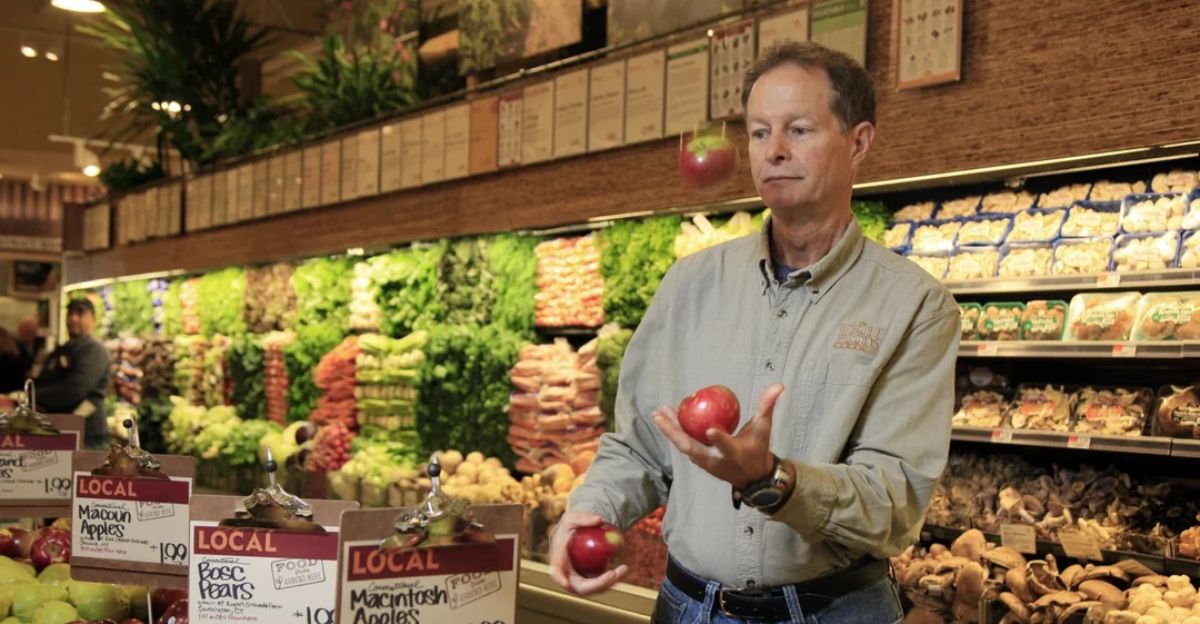
Whole Foods was founded in 1980 in Austin, Texas, building a counterculture brand around environmental sustainability, animal welfare, and ingredient transparency. For over four decades, the company rejected mass-market products, processed foods, and conventional agriculture.
This identity, the carefully maintained “Whole Foods way,” is now being systematically dismantled. Co-founder John Mackey, who led the company for 44 years before stepping down in September 2022, watched this erasure unfold without authority to reverse it.
Mackey’s Forced Exit Foreshadowed Today’s Reckoning
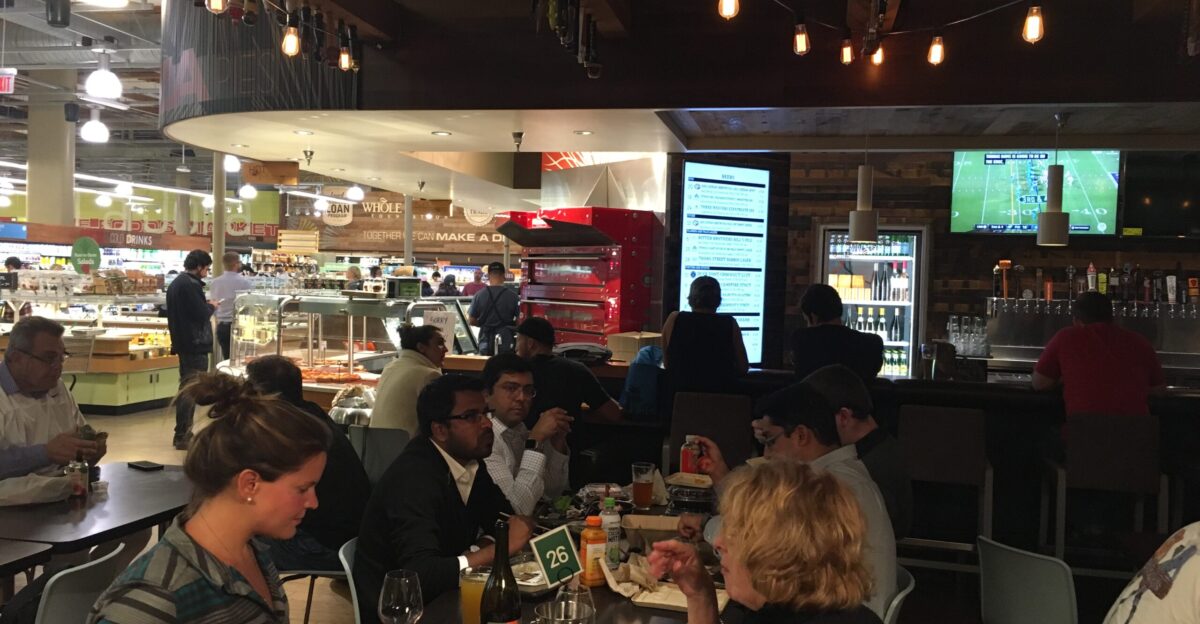
In October 2024, Mackey revealed in a candid podcast interview that Whole Foods’ 2017 sale to Amazon was not a voluntary transaction. Activist hedge fund Jana Partners had acquired an 8.8% stake and threatened a board takeover, forcing Mackey and leadership to seek alternatives.
“We didn’t want to sell to Amazon,” Mackey said candidly on the Habits and Hustle podcast in October 2025. “It’s just that Amazon was the best solution to a problem we had.” Within six weeks of initial discussions, the $13.7 billion deal was announced.
The “Married Off My Daughter” Confession
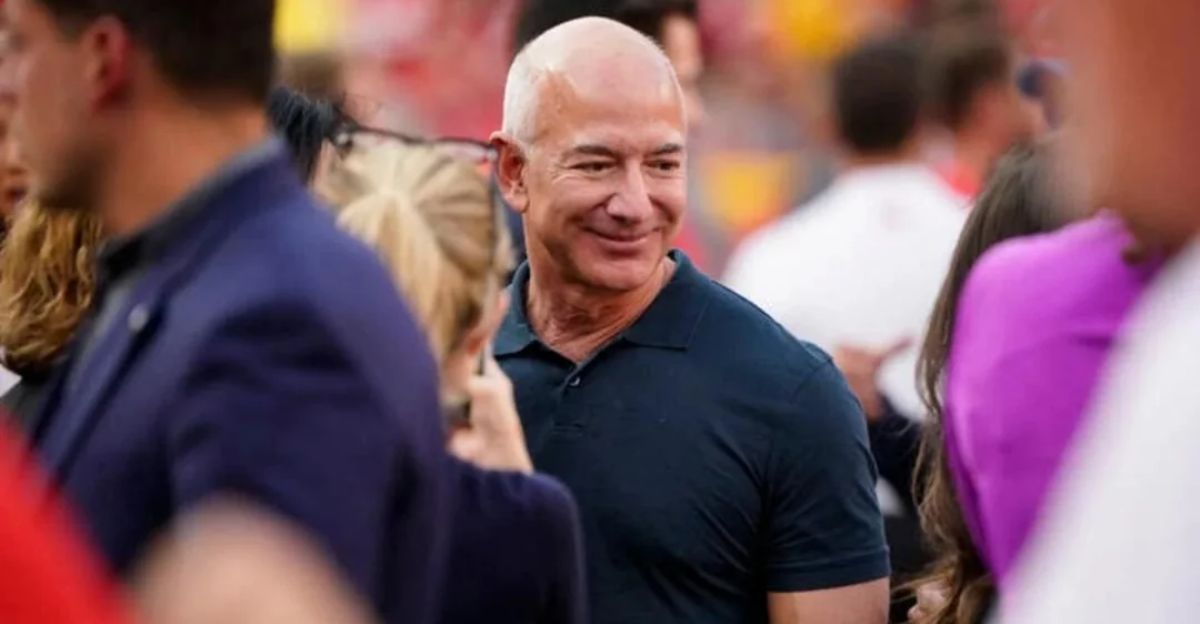
In his October 2025 appearance on the Habits and Hustle podcast, reflecting on the acquisition’s trajectory, Mackey offered a stark metaphor that captures the resignation many founders feel as they watch their life’s work transform. “It’s like my daughter. I make the joke that I married my daughter off to the richest man in the world,” he said, referencing his willingness to let Amazon—led by Jeff Bezos—transform Whole Foods to ensure the company survived activist pressure.
The comment reflects a founder watching his life’s work systematized, repurposed, and stripped of its original philosophy. Jana Partners’ $300 million profit in two months appears prescient in light of Mackey’s current cultural reckoning.
Discount Cliffs and Incentive Reshuffling

Corporate employees relocated to Amazon’s payroll are experiencing immediate financial consequences, according to internal communications and reports from The Wall Street Journal on the transition. The 20% employee discount—a cornerstone of Whole Foods’ culture for decades—phases out completely by December 2026, effectively becoming a retention penalty for long-tenured staff.
Performance bonuses, which were previously tied to Whole Foods’ operational metrics, now depend on Amazon’s stock performance.
Amazon Grocery’s Broader Rollout Plans Imminent
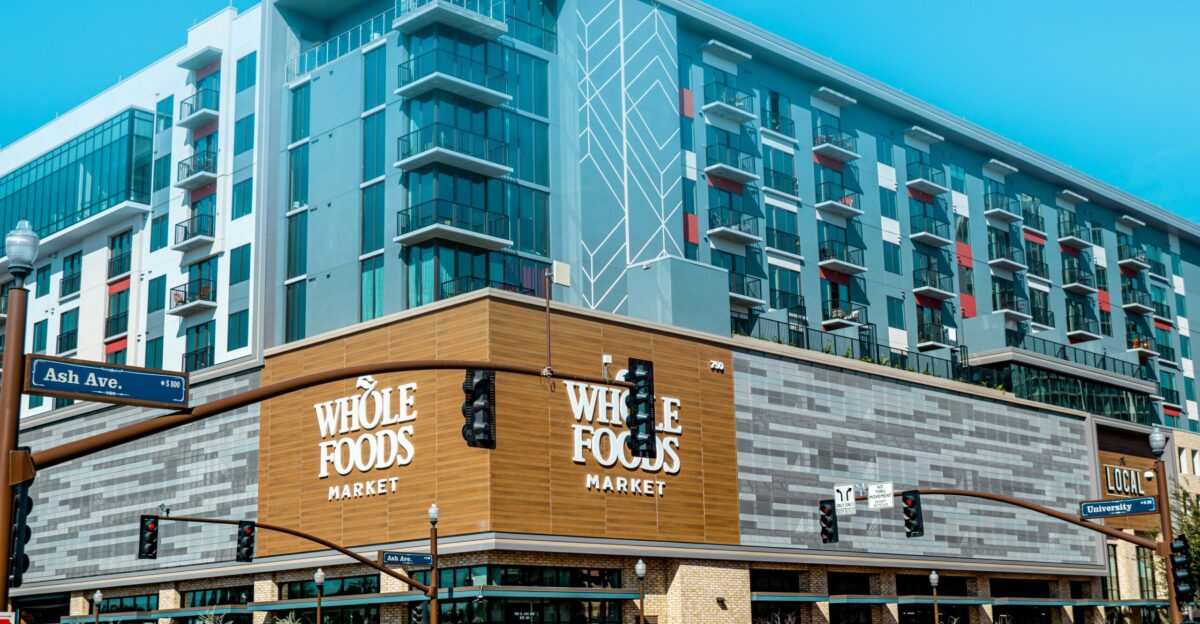
On November 4, 2025, Amazon confirmed plans to “refine and expand this offering to additional stores over time,” according to the company’s public statement. The careful language masks an aggressive blueprint. With 535 Whole Foods locations providing real estate and customer infrastructure, Amazon has identified a tested model for national deployment.
If each location follows Plymouth Meeting’s specifications—a 10,000-square-foot micro-fulfillment center—Amazon could deploy hundreds of automated grocery hubs within 18 months, fundamentally transforming Whole Foods from a brand into a warehouse network.
The Customer Experience Reimagined as Transaction Optimization
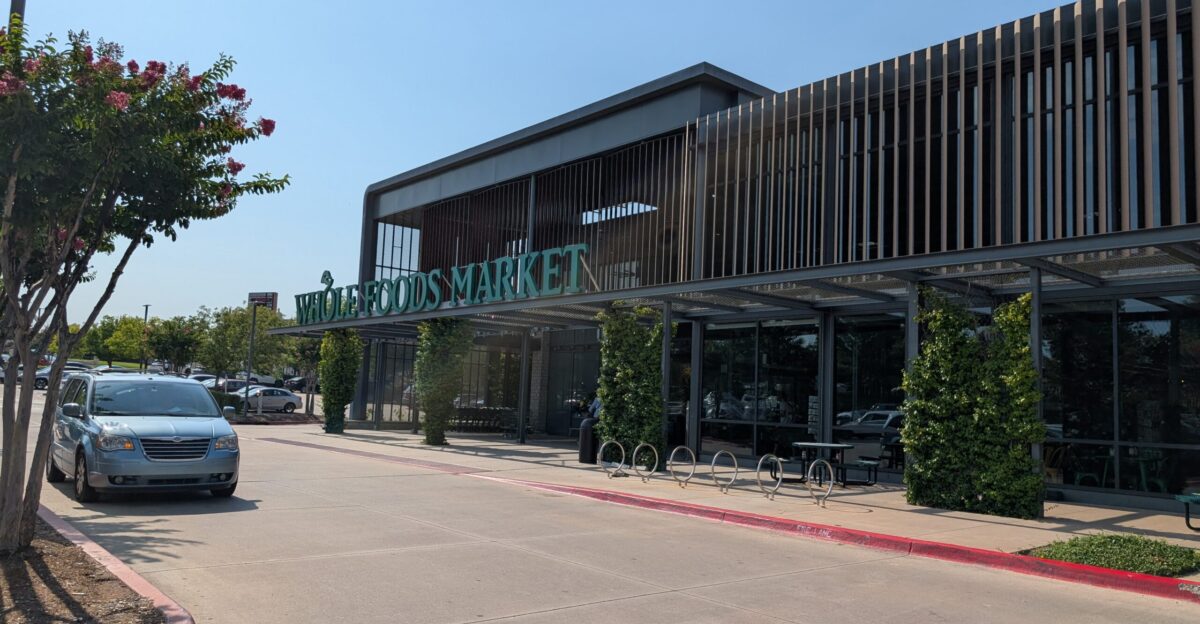
The ShopBot model radically redefines what “Whole Foods” means to customers, according to technology analysts examining the innovation. Rather than a carefully curated shopping experience, Whole Foods becomes a hybrid—organic vegetables are purchased traditionally, while household staples are acquired via app and robotics.
This two-tier system serves Amazon’s real interest: capturing the entire customer wallet within a single location, erasing traditional grocery shopping segmentation.
Market Timing Suggests Strategic Acceleration

Amazon’s November 2025 public rollout of the Plymouth Meeting and Chicago concepts, coupled with the October corporate layoffs, suggests a coordinated timing, according to business strategists tracking the company’s moves. The company is announcing infrastructure changes while announcing workforce reductions—normalizing disruption before expansion accelerates.
Whole Foods employees, investors, and suppliers are now watching two parallel narratives: the official story of technological innovation and the implicit story of brand dissolution unfolding simultaneously.
Sprouts’ Success Exposes Whole Foods’ Strategic Failure
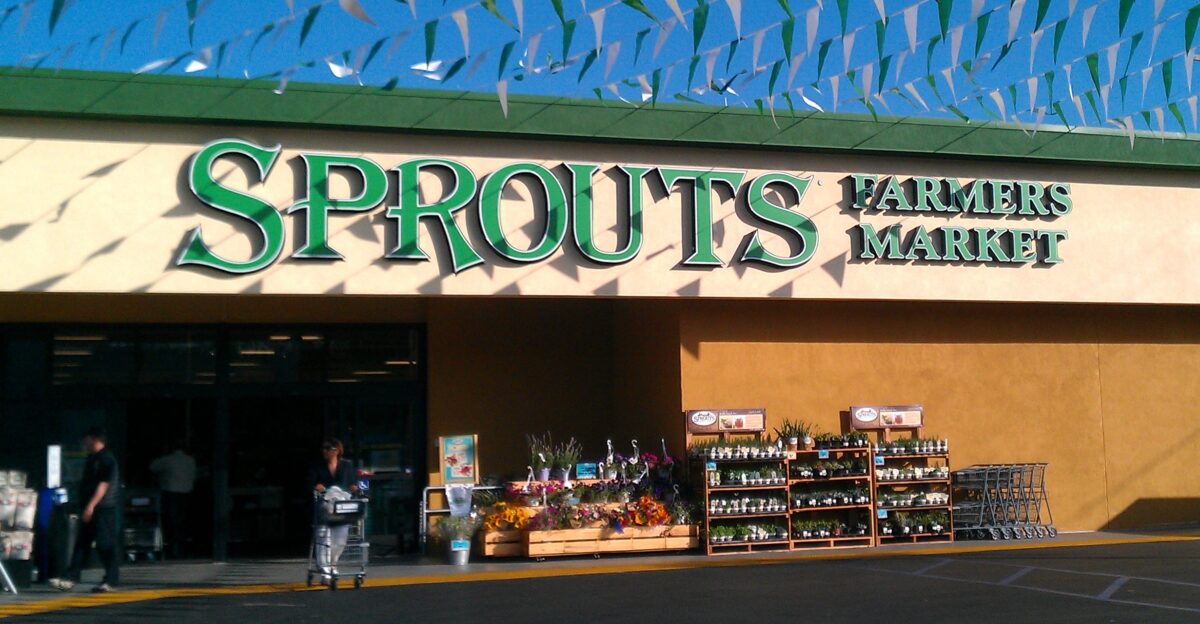
Sprouts Farmers Market’s 33-store expansion in 2024 and targeted 35-store plan for 2025 demonstrate that premium grocery can still grow aggressively, according to retail performance data. Sprouts maintains cultural integrity—focusing exclusively on natural and organic categories—while Whole Foods dilutes its positioning with robotic Doritos delivery.
The contrast highlights Amazon’s philosophical surrender: rather than compete on Whole Foods’ terms, Amazon is erasing those terms entirely.
Activist Investor Pressure Never Truly Receded
While Jana Partners sold its stake at $42.87 per share in 2017 for $300 million profit, its activist campaign left permanent scars on Whole Foods’ culture. Mackey’s subsequent departure and Amazon’s increasing cost-cutting reflect ongoing shareholder pressure from new activist investors, according to corporate governance analysts.
Amazon faces relentless demands to prove its grocery bet can compete with Walmart’s 21% market dominance.
The “Amazonification” Debate Intensifies
Industry analysts increasingly use the term “Amazonification” to describe Whole Foods’ transformation—cultural erasure through integration. Retail analyst Neil Saunders has noted that while the concept “may come under fire from brand purists,” it represents “an appropriate response to customer demand,” according to his published analysis.
The framing obscures a fundamental question: Are customers demanding this transformation, or is Amazon simply redefining what Whole Foods customers will accept?
Layoffs and Store Restructuring: The Precedent
Amazon’s October 2025 announcement of a 14,000-employee cut marks its aggressive commitment to the restructuring already underway at Whole Foods, according to company announcements and business press coverage. Unlike previous “optimization” announcements, this one targets corporate functions.
The message to Whole Foods staff: autonomy is ending; standardization is beginning. Expect further consolidation announcements before the end of 2025.
The Reckoning for Brand Legacy in the Amazon Era

Whole Foods’ decline and reboot encapsulate a larger corporate reality: legacy brands cannot resist integration into tech-driven parent companies pursuing market dominance, according to business historians and brand strategists.
The company has grown 40% since the acquisition, yet faces the liquidation of its original identity. By 2026, Whole Foods will likely resemble Whole Foods in name only, a cautionary tale for any premium retailer entering a tech-giant portfolio.