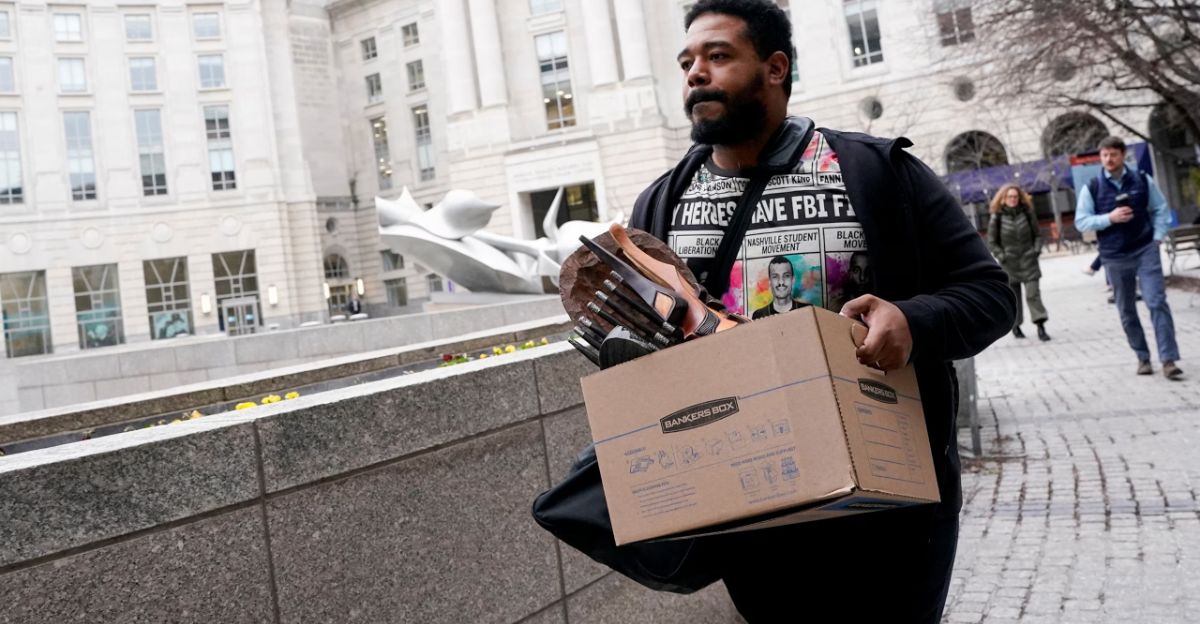
Washington is bracing for a moment unlike anything in recent memory. If lawmakers fail to break a funding deadlock, the White House has ordered agencies to prepare for sweeping layoffs—potentially eliminating more than 100,000 federal jobs.
According to Politico, the reductions would represent a significant departure from previous shutdown furloughs, with plans for permanent workforce cuts rather than temporary measures.
Agencies Told to Draw Up Lists

The instructions to agency leaders were stark: identify which jobs can go. According to Politico, the Office of Management and Budget issued a memo directing departments to submit “reduction in force” plans that target roles in programs lacking mandatory funding.
Unlike past shutdowns, these cuts would be final. For thousands of federal employees, the difference is devastating—this wouldn’t be a temporary leave, but the end of a career.
Scale That Hasn’t Been Seen in Generations

Analysts warn the scope could rival historic cutbacks. Reuters reported that roughly 300,000 federal civilian workers are expected to have left their jobs by the end of 2025, with about 154,000 workers accepting buyouts.
According to multiple sources, Washington hasn’t contemplated a shake-up like this in generations, and the ripple effects could reach far beyond the capital into communities that rely on government paychecks.
How Workers Would Be Chosen
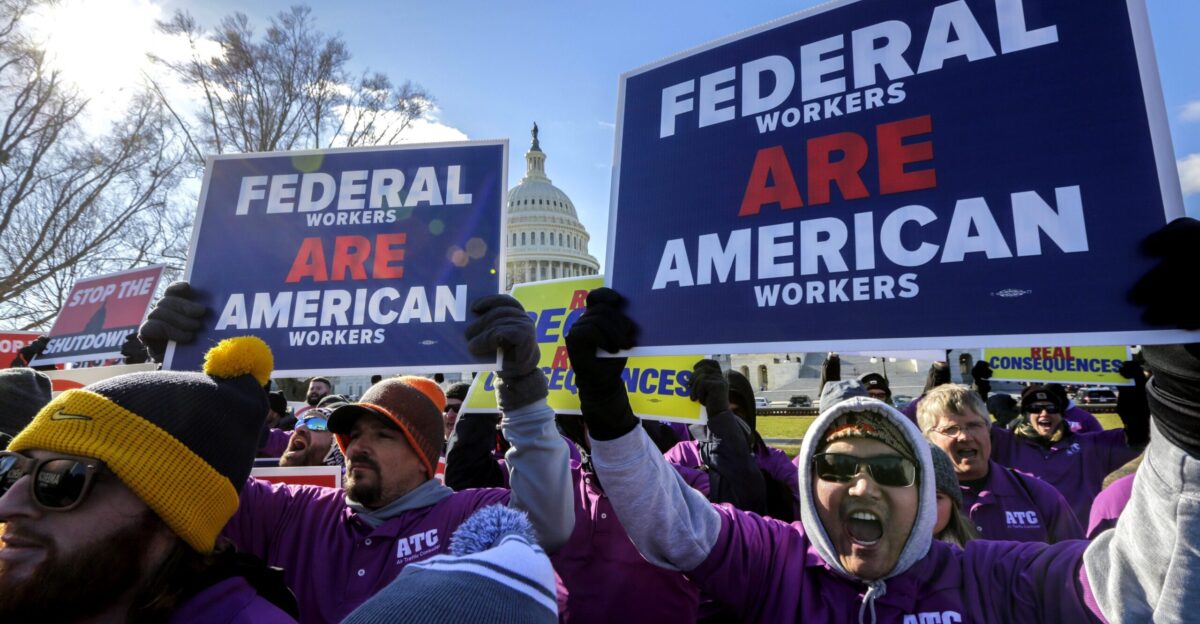
Federal rules say layoffs must be ranked based on tenure, job performance, and veteran status. But legal experts have warned that compressing such decisions into a shutdown crisis could trigger a wave of lawsuits.
In practice, thousands of livelihoods might hinge not just on policy, but on judges’ rulings in packed courtrooms.
From Furloughs to Final Goodbyes
For decades, shutdowns meant furloughs—workers went without pay, but most were called back once funding was restored. This time, the White House is signaling something different.
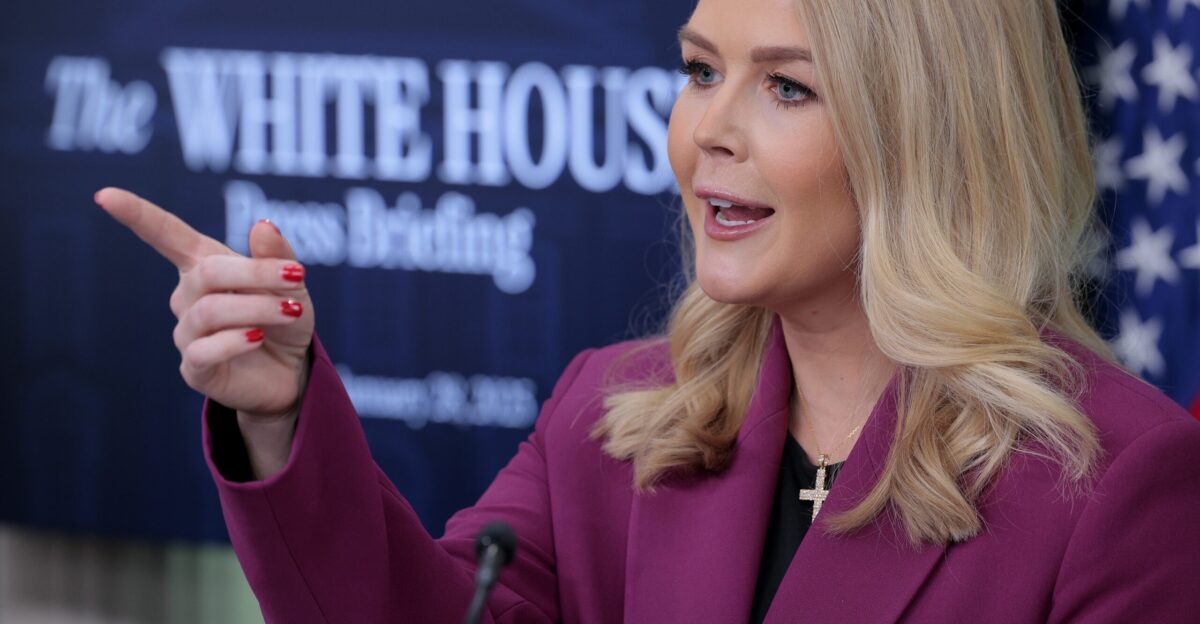
According to White House Press Secretary Karoline Leavitt, layoffs are “imminent” and could affect workers in the “thousands.” For families who have weathered past shutdowns, expecting eventual relief, the prospect of permanent separation lands like a gut punch.
Trump Sees It as an Opportunity
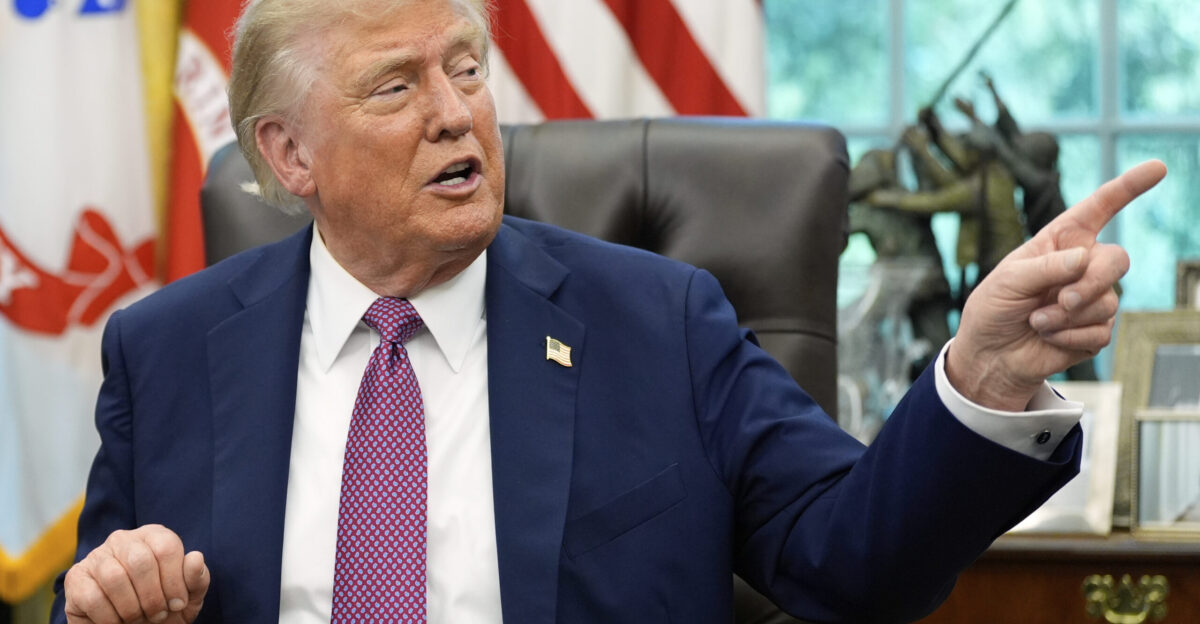
President Donald Trump has framed the standoff as an “unprecedented opportunity” to slim down government. In a Truth Social post, he stated, “I can’t believe the Radical Left Democrats gave me this unprecedented opportunity” and announced plans to meet with Budget Director Russell Vought to determine which “Democratic Agencies” to cut.
Supporters see decisive reform; critics see a political purge dressed up as budget discipline.
Democrats Push Back
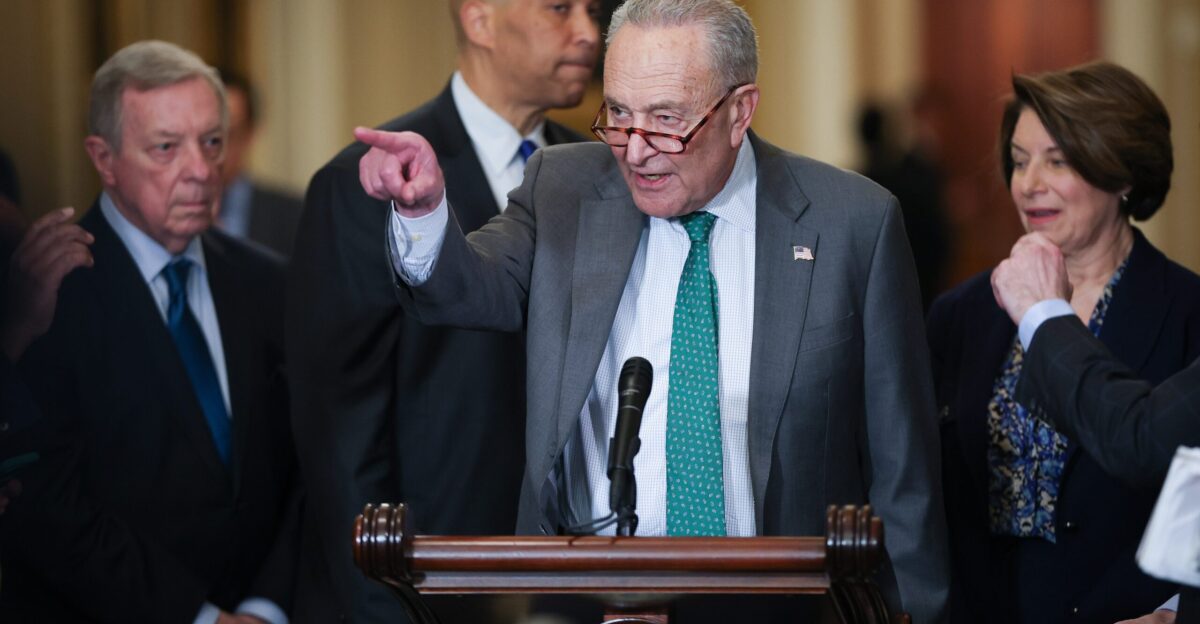
Democratic leaders have denounced the plan as “intimidation tactics,” vowing to challenge it in court. Politico said Senate Minority Leader Chuck Schumer called the memo an “attempt at intimidation.” At the same time, federal employee unions have filed lawsuits challenging what they term “unlawful threats” of mass firings. They’ve promised a legal fight, but acknowledge the White House has already put the machinery of layoffs in motion.
A Budget Fight With Human Stakes

Behind the looming cuts is a bitter budget standoff. Democrats want enhanced Affordable Care Act subsidies to prevent health insurance premiums from spiking. The White House insists on deep agency cuts and has blamed what it calls “partisan demands” for the stalemate.
Multiple sources reported that the dispute has turned thousands of federal workers into pawns in a high-stakes political chess match.
Union Leaders Sound the Alarm
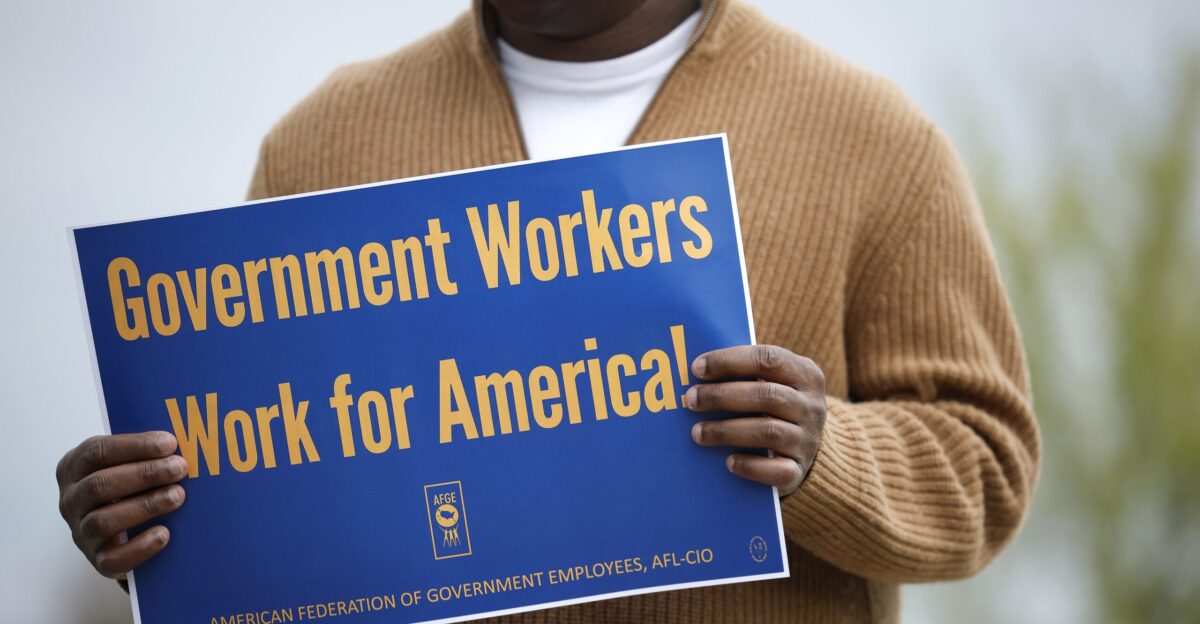
For federal employee unions, the danger goes beyond paychecks. Leaders warn that stripping away so many workers would threaten everyday services Americans rely on.
Multiple unions have filed lawsuits against the Office of Management and Budget, arguing the firings would violate federal worker protections. From air traffic control to food safety, the fear is not just lost jobs—but lost safeguards.
Echoes of History, With Higher Stakes
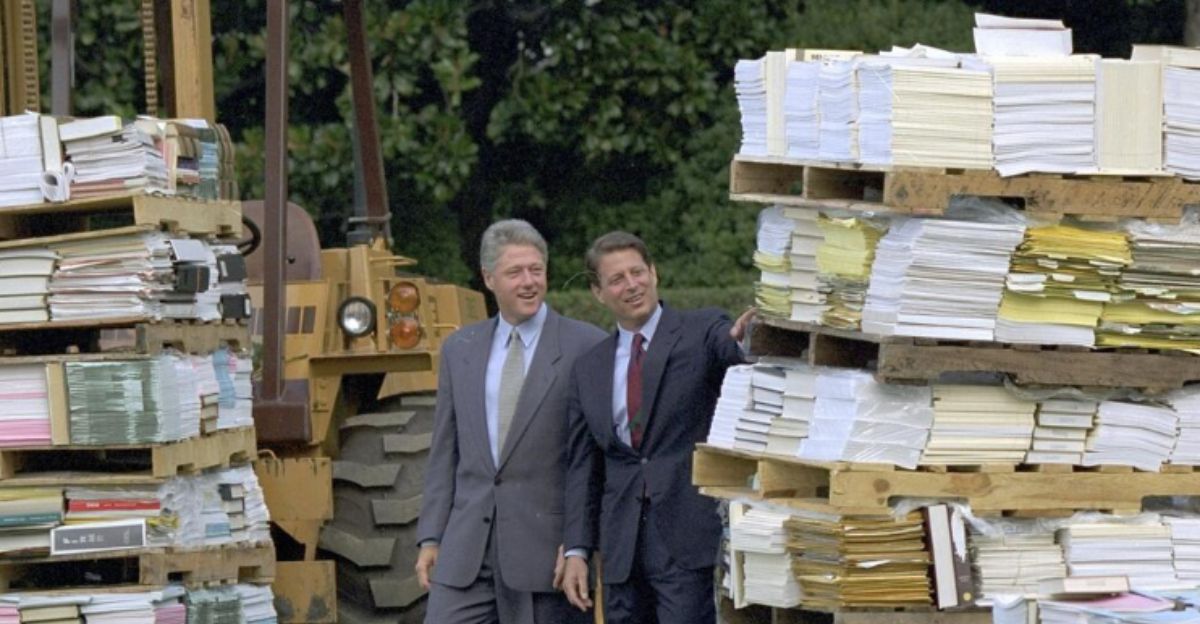
Historians note the parallels to past waves of downsizing, from McCarthy-era dismissals to Clinton-era buyouts. However, as multiple analysts have observed, those earlier efforts never involved permanent cuts on this scale during a shutdown.
Once expertise is gone, it’s not easily replaced. The concern now is whether today’s short-term battle could leave agencies weakened for years.
Framing It as Targeting ‘Democrat Agencies’

The White House has focused its narrative on what Trump calls “Democrat Agencies,” casting many of the at-risk workers as part of programs he opposes. Trump referenced agencies focused on environmental protection and social programs in his Truth Social posts.
Critics counter that it politicizes the civil service and undermines the long tradition of nonpartisan government work.
Legal Challenges Already Taking Shape

Courtrooms are preparing for the fallout. Federal employee unions have already filed lawsuits to block the administration’s layoff plan, and legal scholars warn that more challenges are inevitable if pink slips start going out.
According to multiple legal experts quoted in various reports, the legality of mass firings during a shutdown remains highly questionable. Whether the courts slow or stop the cuts, the uncertainty for workers grows heavier by the day.
Essential Services Already Tested

Some jobs flagged for elimination have already had to be reinstated after concerns about public safety. According to sources, cuts to roles in food inspection and disease control were quickly rolled back once officials realized their absence could cause immediate risks.
It’s a reminder of how delicate the balance is between savings and survival..
Voluntary Departures Weren’t Enough

Earlier this year, the White House offered buyouts and incentives for voluntary resignations. Tens of thousands accepted, according to Reuters. But officials now say the reductions fell short of what’s needed.
That has set the stage for the more drastic step of permanent layoffs, despite the disruption they may cause.
How Many Could Be Lost

Some officials have suggested that as many as one in three federal jobs could be vulnerable. Analysts caution that these figures are projections, not final numbers, and that uncertainty alone is destabilizing.
As The Washington Post reported, whole departments may be thinned to levels unseen in modern history.
Which Agencies Are in the Crosshairs
Insiders say departments focused on environmental protection, regulatory oversight, and social programs will likely be hardest hit. Reuters reported that some staff in these areas have already received early warnings.
Advocacy groups argue that such cuts would hollow out the protections millions Americans depend on daily.
When the White House Reconsiders
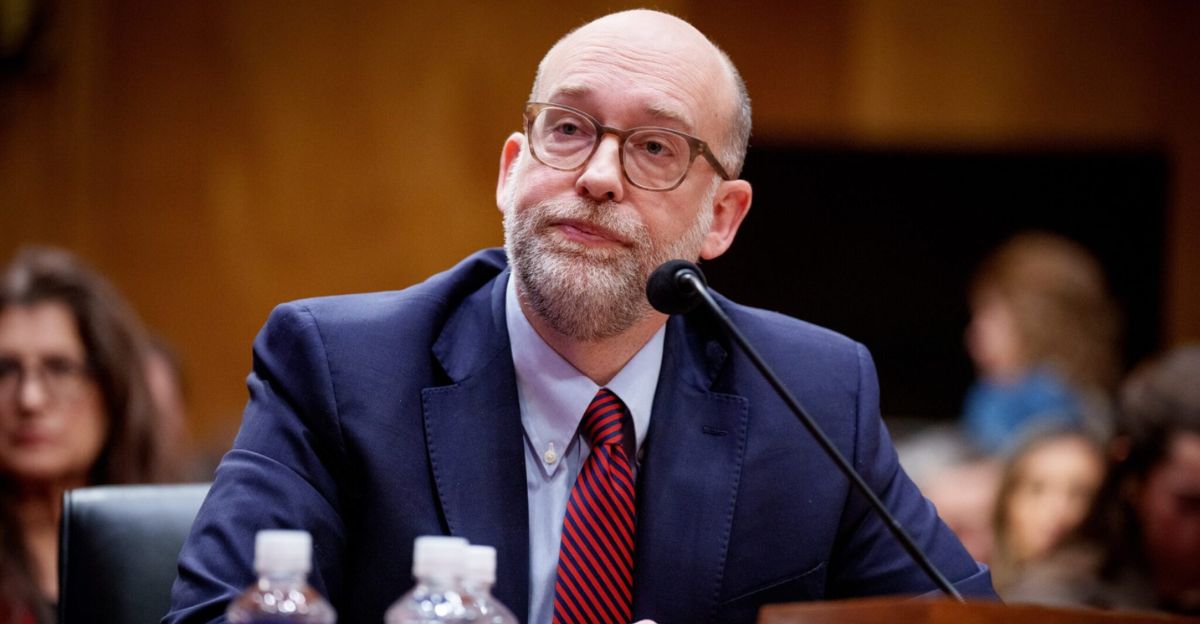
Not all proposed eliminations have stuck. After internal reviews, the administration reinstated a small number of positions deemed critical to public safety.
Officials told AP News that these reversals are rare but show how quickly the line between “nonessential” and “indispensable” can shift when real-world risks become apparent.
The Economic Ripples Beyond D.C.

Economists warn the impact will stretch well beyond Washington. Communities that rely heavily on federal jobs—particularly near military bases and government hubs—could face sudden economic strain.
Local businesses tied to stable federal paychecks may be among the first to feel the pinch.
The Deadline That Matters
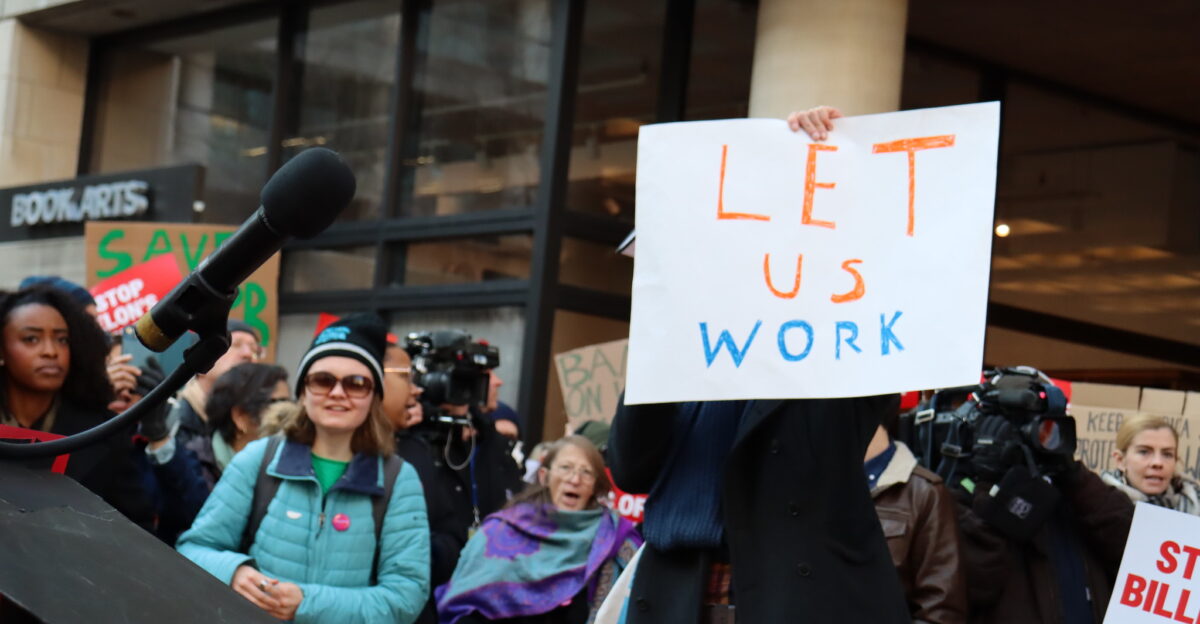
Time is running out. According to NBC News, OMB Director Russell Vought told House Republicans in a private call that layoffs would begin in “one to two” days. PBS NewsHour confirmed Vought’s timeline, reporting that he informed lawmakers the firings could start Thursday or Friday.
As the shutdown reaches its third day, negotiators describe the talks as tense, with little progress toward resolution.