
Rows of federal office lights flickered back on as nearly 400 GSA employees streamed through doors they hadn’t entered in months. Desks sat exactly as they left them — nameplates untouched, monitors dark, mail piled high. After DOGE-driven layoffs emptied these halls, the sudden rush of returning staff felt like a system jolting awake. But this dramatic comeback raises a bigger question:
What forced the administration to reverse course so quickly?
Why the Reversal? Public and Political Pressure Mounts
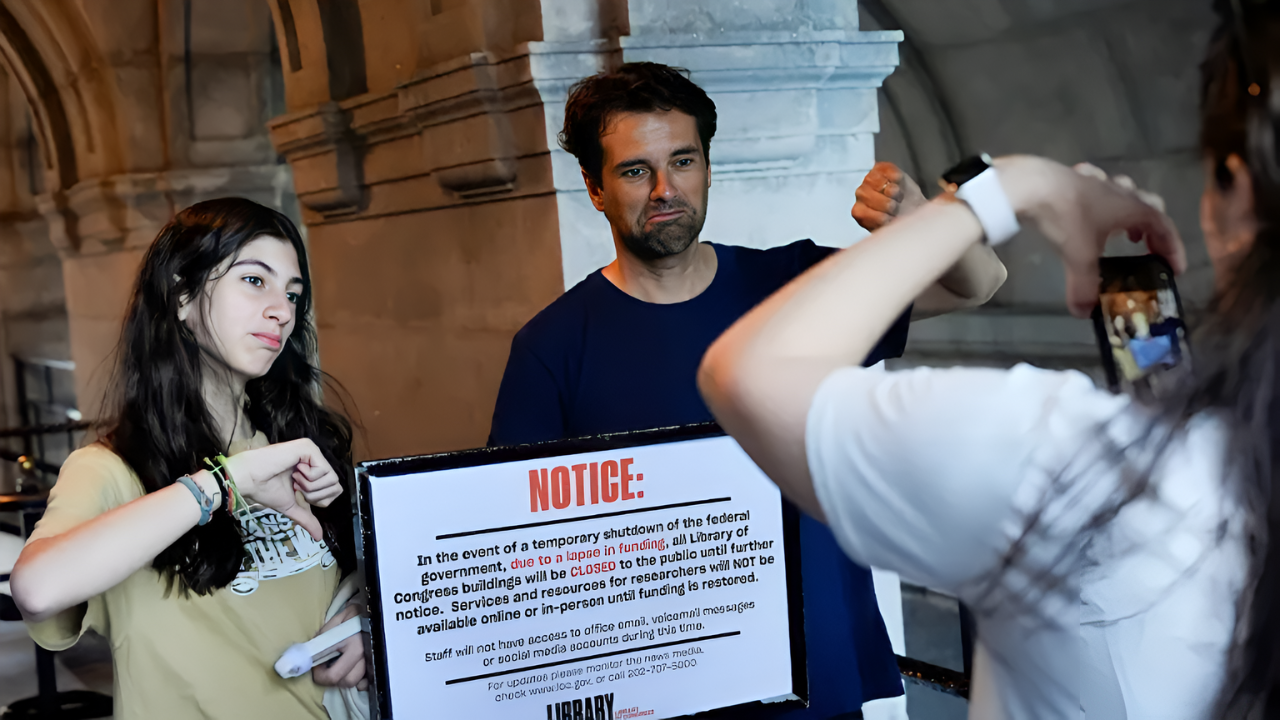
The decision to reverse the layoffs stemmed from mounting public outrage, union action, and bipartisan alarm over lost federal capacity. Federal workers and legislators argued that the GSA was rendered “broken and understaffed,” unable to fulfill essential duties.
As policies under DOGE’s sweeping efficiency agenda drew criticism for operational disruptions, the administration responded to both service-delivery gaps and political backlash. This reversal reflects the interplay of institutional need and accountability.
Federal Workers Get Their Jobs Back
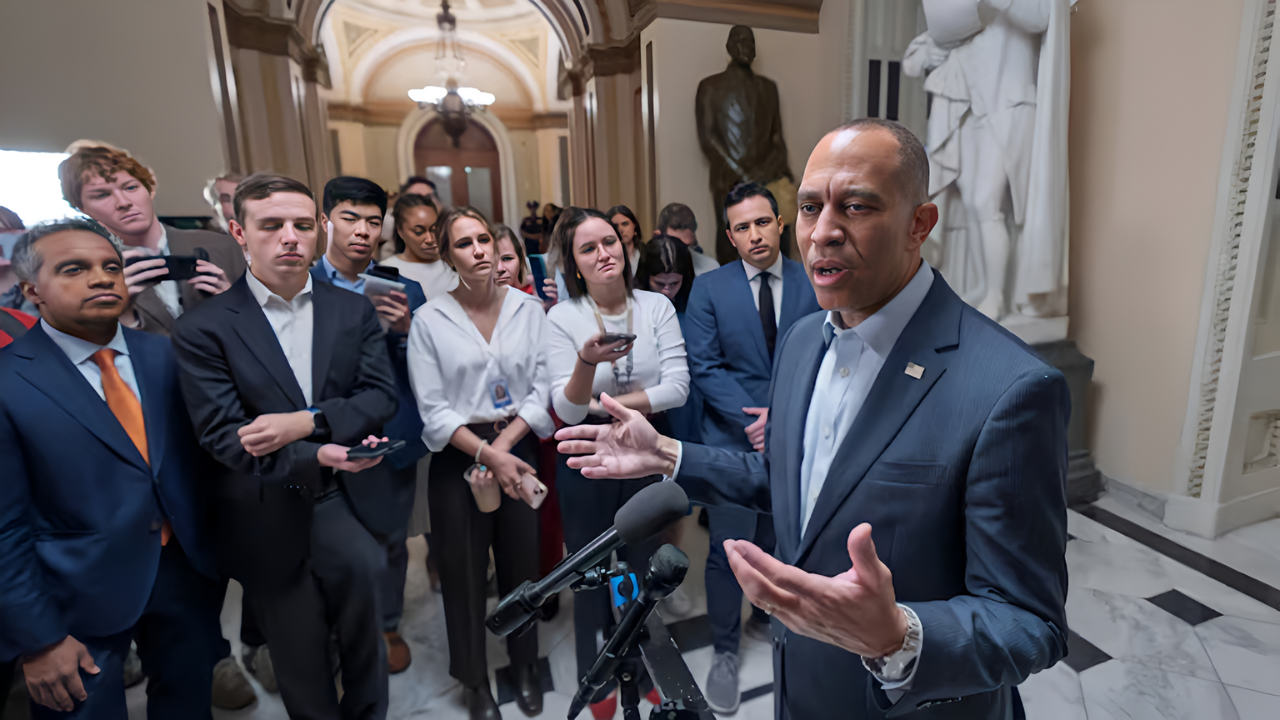
For nearly 400 GSA employees, the reversal means return to work, restored incomes, and relief after months of limbo. Many had spent weeks or months on administrative leave pending final decisions.
The agency allowed employees to accept reinstatement by the end of the week of September 26, targeting an October 6, 2025, report-back date. This concrete outcome offers a rare win in a year marked by large-scale federal workforce shake-ups.
Agency Response: GSA Scrambles to Restore Capacity
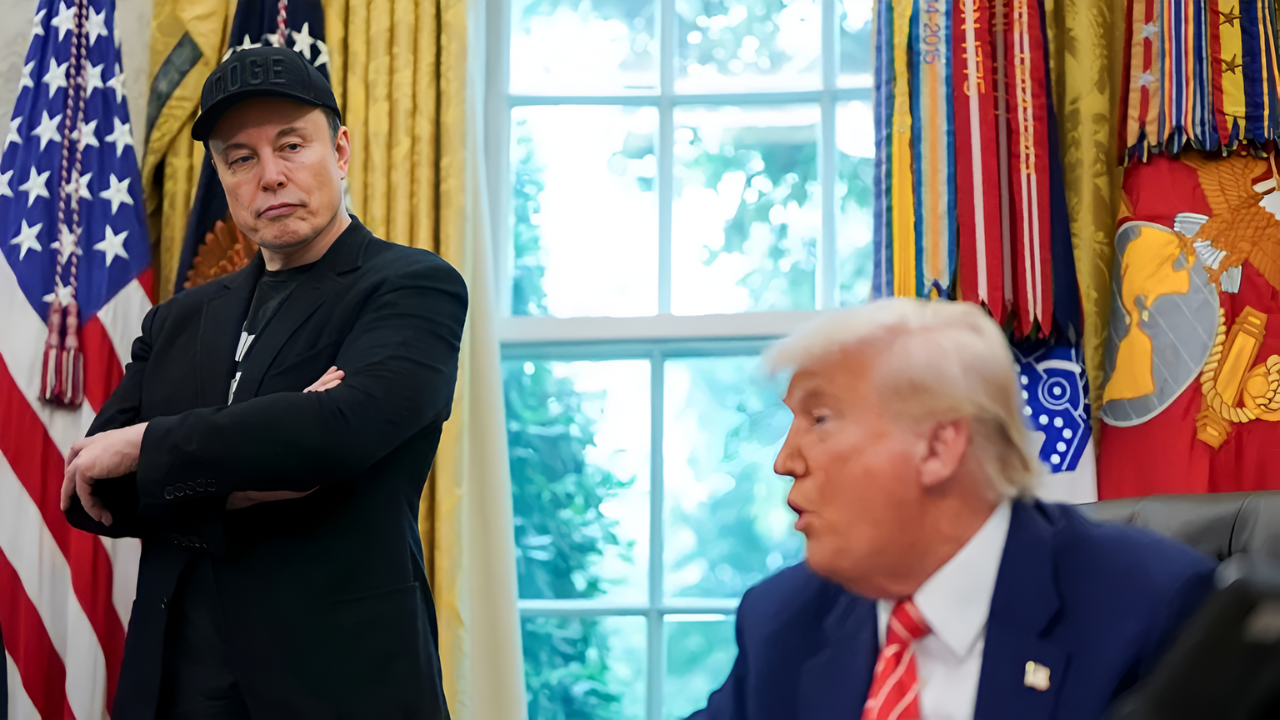
With its core staff decimated under prior cuts—some units reportedly facing reductions of 35% to 79%—the GSA now faces the urgent task of rebuilding. That includes revitalising portfolio management, facility operations, leasing functions, and vendor oversight.
The rehiring is meant to stabilise services and avert further delays in federal building management. The scale and speed suggest how deeply staffing choices had compromised agency routine.
Contractors and Service Providers

Beyond federal workers, the staffing changes impacted contractors, property services, and local vendors tied to GSA operations. Lease cancellations and staffing shortages disrupted government building occupancy, contract fulfilment, and vendor pipelines.
The restoration of GSA staffing suggests those knock-on businesses may now recover. The interconnectedness of federal employment and private sector supply chains underscores how public-sector policy can ripple outward.
U.S. Aid and Diplomacy Recalibrated

While this reinstatement is focused on domestic real-estate management, it comes amidst a wave of federal workforce instability—including foreign-aid agencies and global programmes.
For example, the United States Agency for International Development (USAID) and other diplomacy arms had been affected by broader federal workforce and budgetary cuts. The GSA move helps signal restoration of baseline administrative capacity, which underpins the U.S.’s global commitments and bureaucratic readiness.
Workers Share Relief and Uncertainty
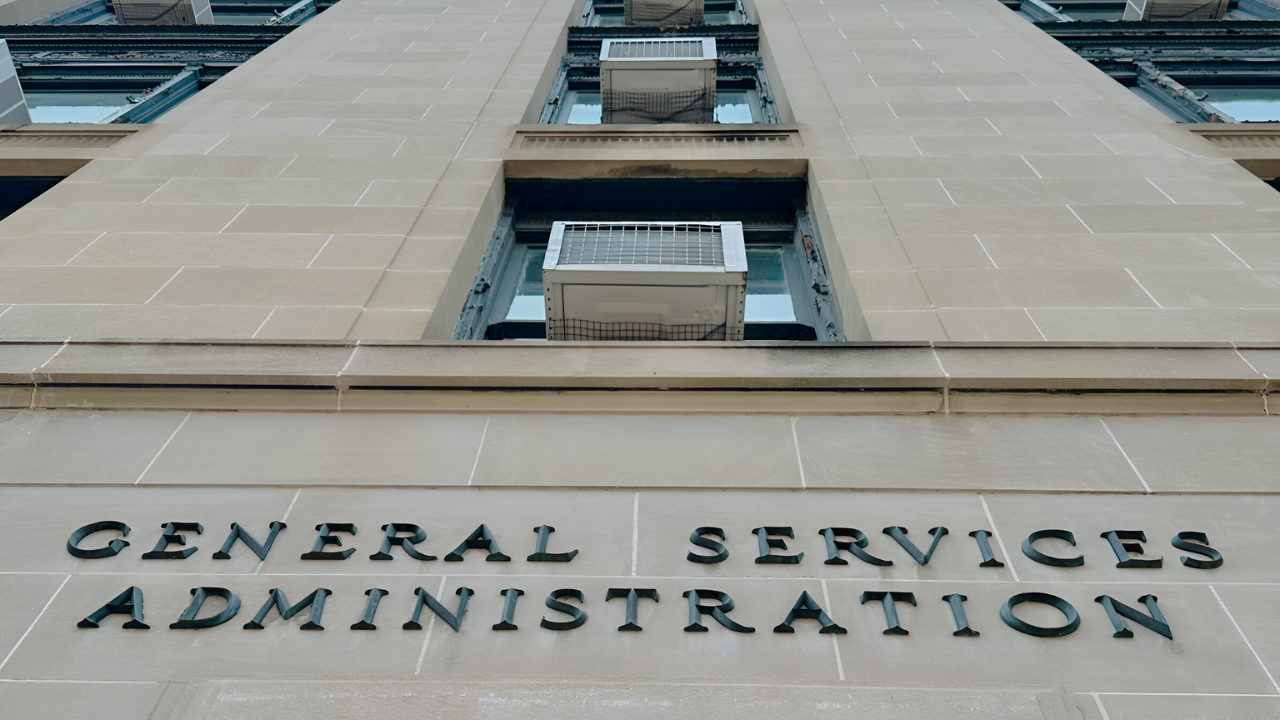
Individual stories reflect both relief and residual anxiety. Many employees had been on paid administrative leave for months, unsure of their future or agency role.
GSA leadership communicated that the “Reduction in Force (RIF) notice” had been rescinded and returning was voluntary. Nonetheless, after such upheaval, workers face the challenge of rebuilding momentum, trust, and workplace cohesion after a period of instability.
Lawmakers React, Policy Debates Intensify
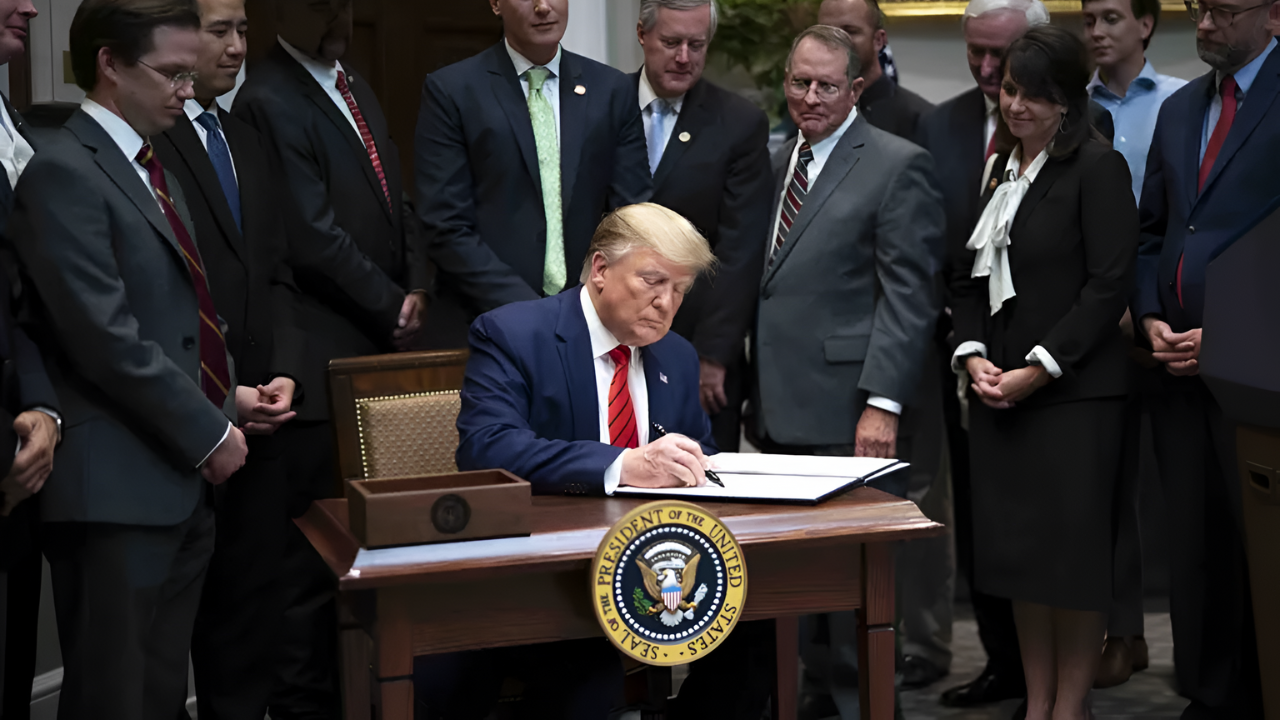
Congressional oversight figures seized on the reversal to critique the prior cuts and raise questions about executive agencies’ strategic competence. Some lawmakers asserted that the reductions did not yield promised savings, and instead undermined essential services.
The reversal energised debate over the proper balance between fiscal discipline, government size and effective public administration. The GSA case becomes a flashpoint in those larger policy arguments.
Lease Reversals Show Costs of Rushed Cuts

Initial claims from DOGE had projected savings of roughly $460 million via lease cancellations, but that estimate was later trimmed to around $140 million as many leases remained intact.
This mismatch reveals the cost of hastily implemented workforce and real-estate changes. The reversal of many lines of action underscores how aggressive cuts can backfire financially when contracts, leases and agency functions are disrupted.
Adapting to Federal Workforce Fluctuations
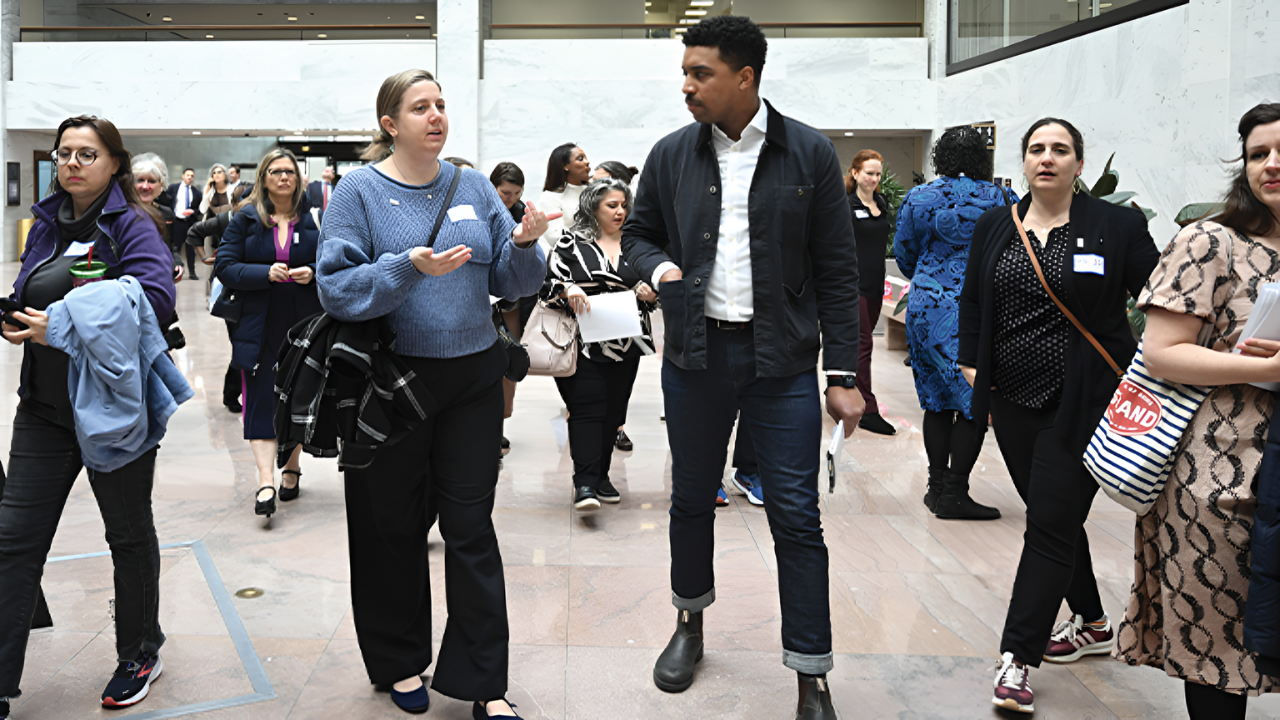
In regions with sizable federal employment concentrations, retailers had already felt the knock-on effects of workforce reductions. With federal workers returning, local businesses—shops, service outlets, cafés—are adjusting inventory and incentives to match renewed demand.
The situation illustrates how public-sector employment trends can have immediate local business impacts. Consumers and retailers alike remain sensitive to federal head-counts and stability.
Hotels and Restaurants Welcome Return
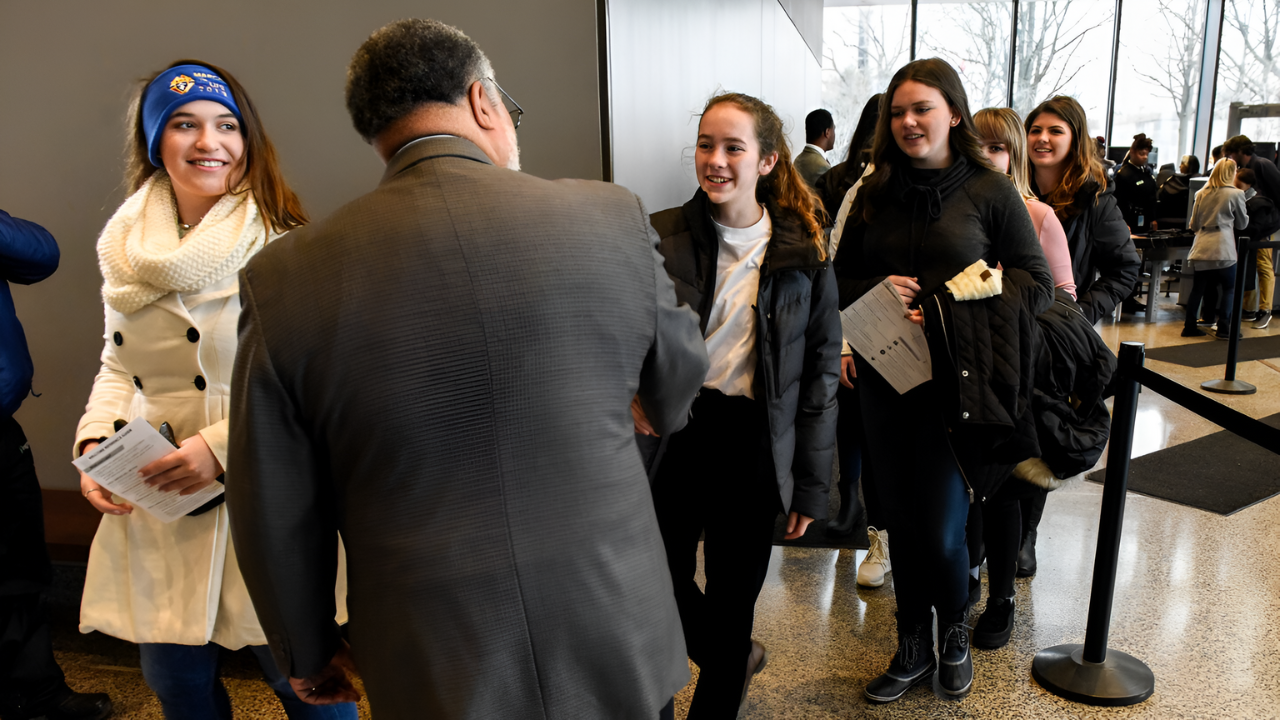
Hotels, restaurants and hospitality providers near federal agency hubs experienced quieter corridors during staffing turbulence. With employees rehired and returning to physical offices, foot-traffic and business travel are expected to rebound.
This restoration may inject welcome life back into adjacent hospitality ecosystems in major administrative centres like Washington D.C. and potentially other federal employment hubs across the country.
From Office Supplies to Tech Vendors

Lower staffing at GSA and other agencies disrupted procurement, facility management and office-services ecosystems. Vendors supplying office furniture, IT hardware, maintenance services and janitorial contracts reported delays or cancellations.
The re-staffing means those supply chains may return to normal cadence. It highlights the hidden verticals impacted by federal workforce shifts—well beyond direct employment numbers.
U.S. Stability Reassures Markets

From an international vantage point, reversal of major workforce cuts signals a stabilising U.S. public-sector posture. Markets and observers often interpret abrupt staffing swings as signs of operational risk or policy over-correction.
The GSA move therefore serves as a modest confidence signal that the administration is recalibrating after aggressive streamlining moves. Such signals matter for global investors and allied governments.
Access to Services Restored

The broader federal workforce turmoil had affected agencies responsible for services ranging from tax processing to national parks. As agencies like GSA reverse cuts—and others follow suit—citizens may experience fewer delays, improved access and better continuity.
The GSA example adds to the broader trend of restoring administrative capacity, which in turn supports citizen-services and public-sector responsiveness.
The Role of Government in Society

This episode reignites fundamental questions about government scale, staffing and mission. Critics argue that the initial GSA cuts were shortsighted and disrupted core functions. Advocates of DOGE’s approach claim large-scale workforce trimming is essential for fiscal discipline and modernisation.
The reversal opens fresh debate about how to balance lean government design with reliable service provision.
Unexpected Outcomes

Among the winners are the reinstated GSA employees—and by extension their communities and local economies. However, the initial layoffs and subsequent reversal created costs: paid leave bills, lease-termination penalties, business disruption.
Meanwhile, private firms that stepped in during understaffing may now face reduced demand. The net effects show that even corrections carry costs and unintended consequences.
Investors Watch for Policy Signals

Financial analysts and investors view federal workforce decisions as signals of broader policy direction—on regulation, spending, efficiency and political risk.
The GSA reversal may be read as acknowledgement that cuts went too far. But uncertainty remains: will the pendulum swing back toward aggressive restructuring? The markets, always wary of “who pays and who stays,” are watching closely.
Navigating Uncertainty
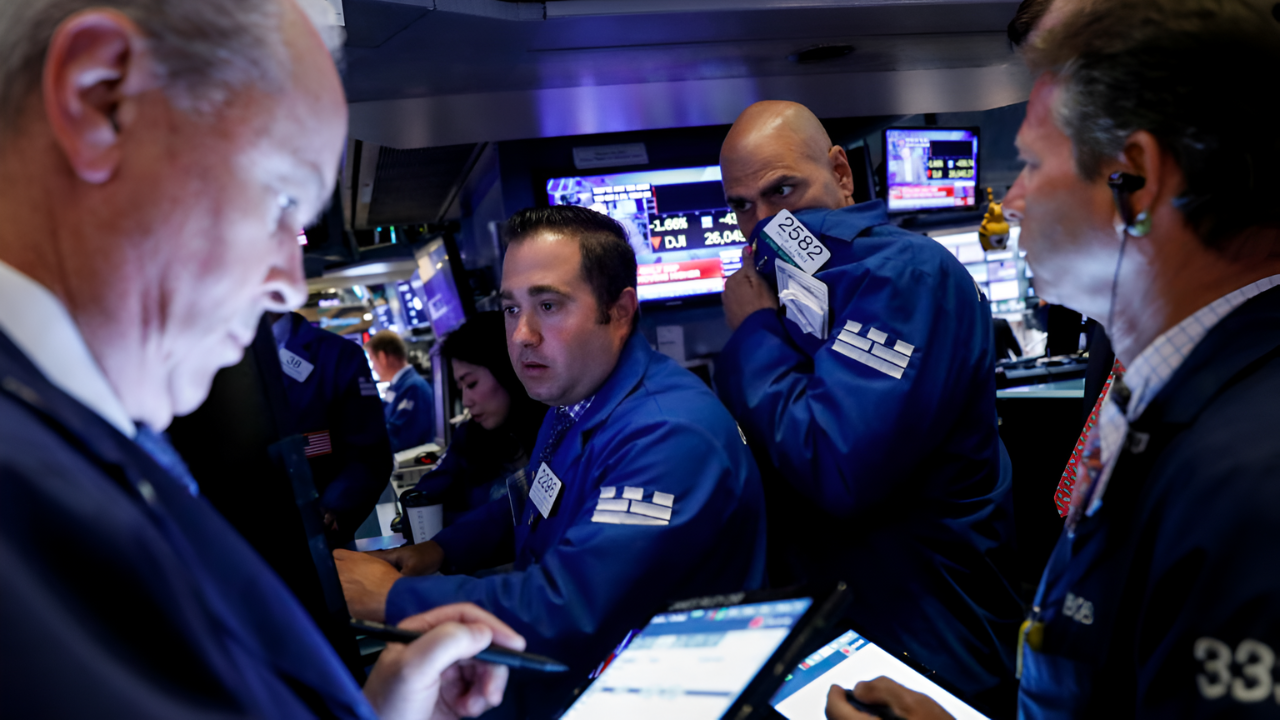
For consumers in regions tied to federal employment, the message is stay alert. Workforce instability can ripple into local visibility, incomes and services.
Financial advisors recommend maintaining emergency savings, monitoring local job-market shifts, and staying informed on federal service-delivery changes. While the GSA reversal is positive, the broader federal-employment story remains dynamic.
Ongoing Monitoring and Oversight
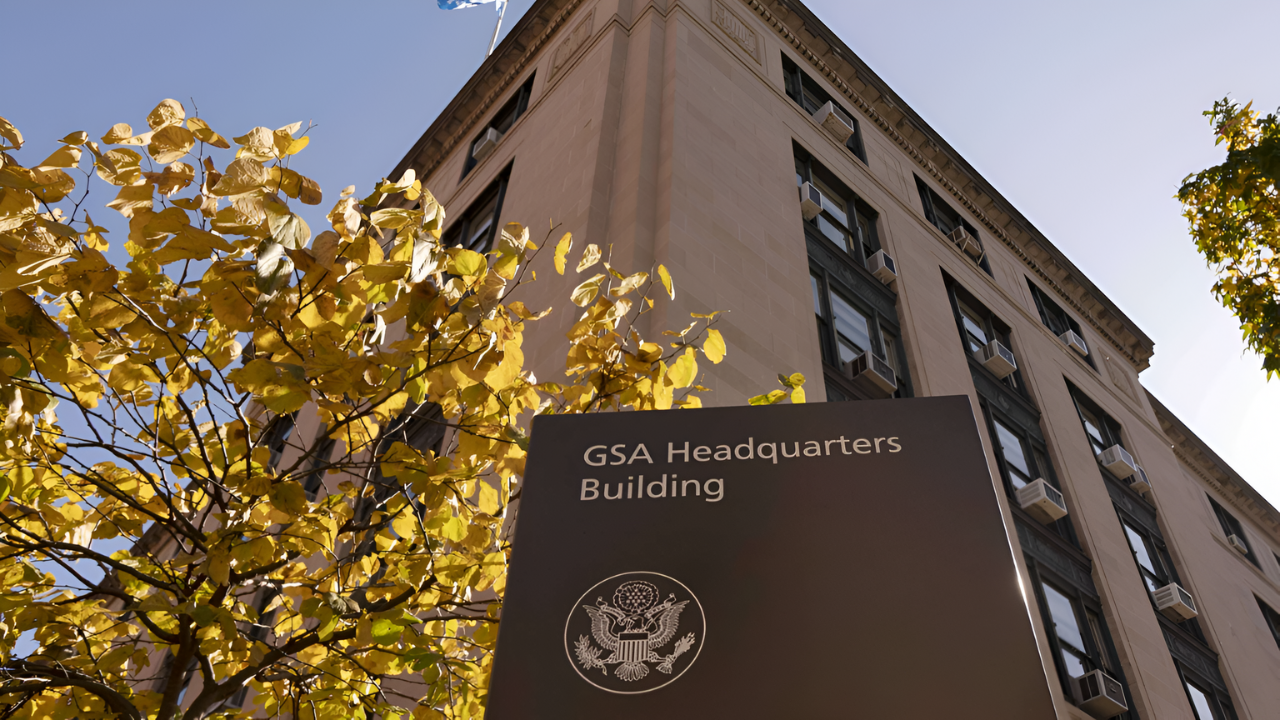
The Government Accountability Office (GAO) and congressional committees are now probing GSA’s workforce reductions, lease terminations and building-sell decisions.
Investigations and hearings are expected in coming months. Lawmakers and watchdog groups vow to scrutinise not just the reinstatement, but the process that led to the cuts in the first place. The oversight phase is now in motion.
Lessons from a Policy Reversal
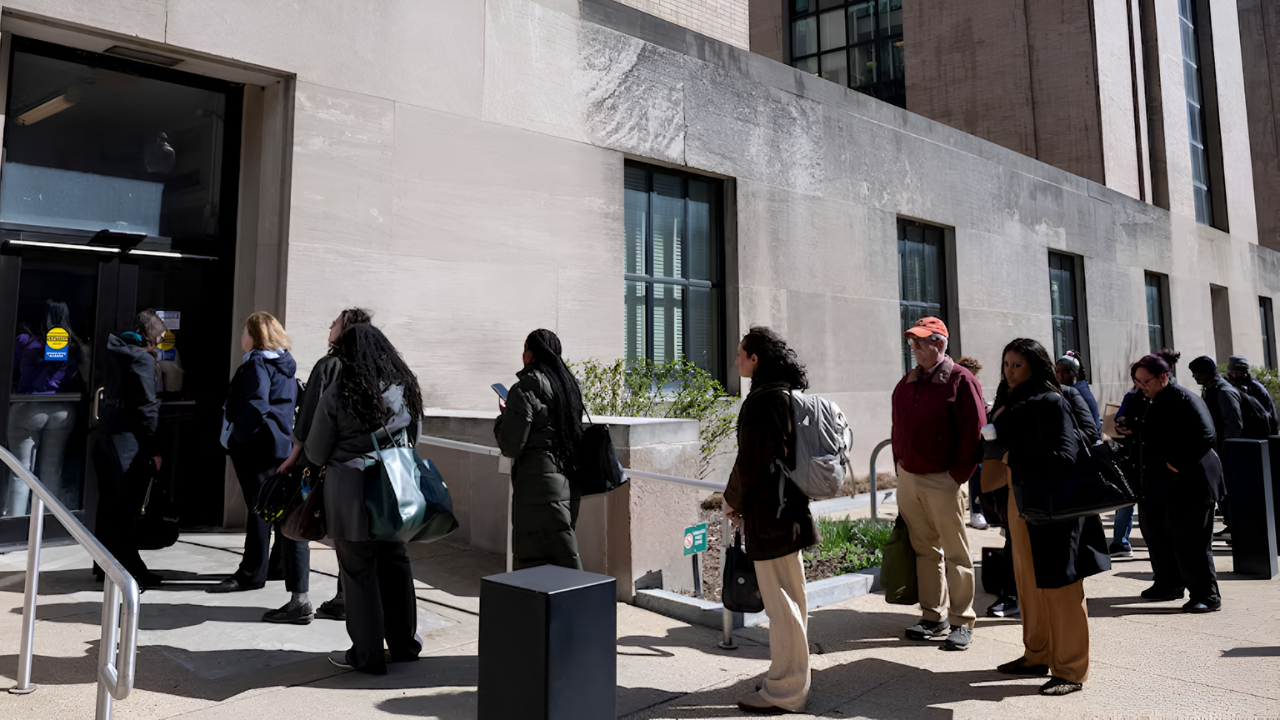
This reversal at GSA is more than an isolated event; it is a case-study in how rapid policy shifts, workforce reductions and bureaucratic restructuring can ripple across agencies, communities and markets.
It underscores the need for careful planning, adequate capacity assessment and recognition that federal workforce decisions have far-reaching consequences beyond immediate budget considerations.