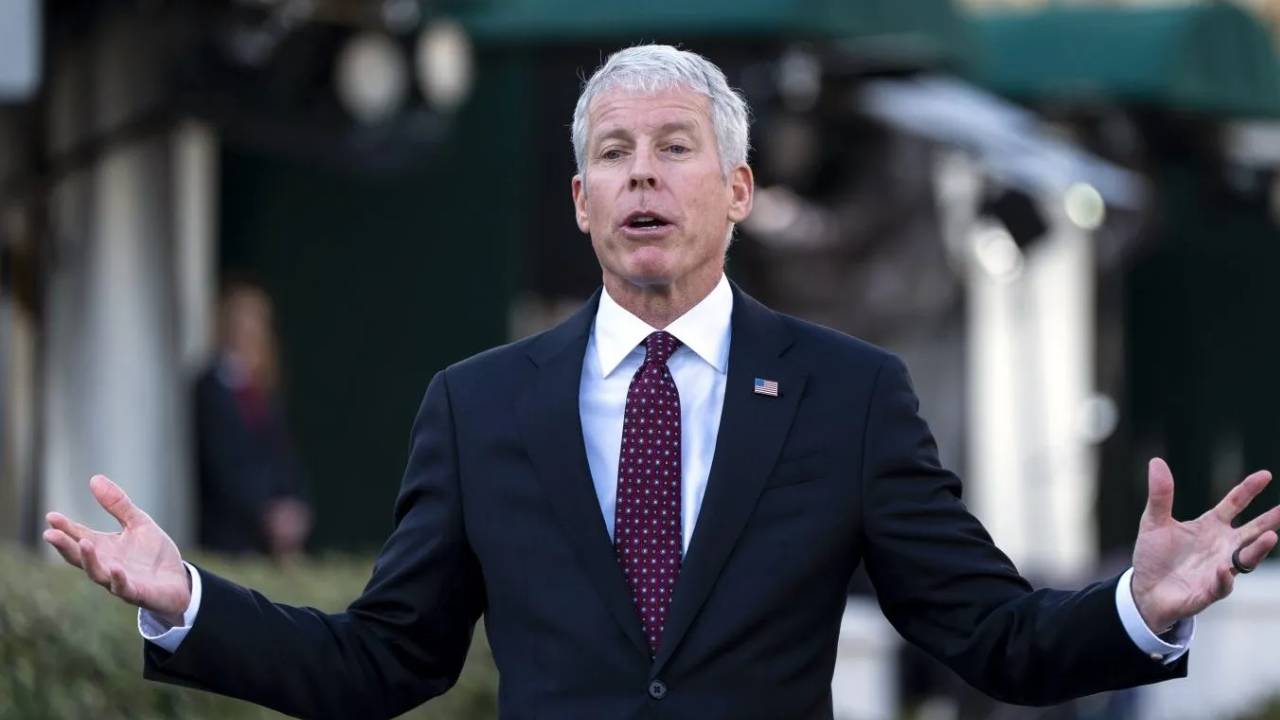
Federal officials stunned the energy sector when they abruptly rescinded $7.56 billion in hydrogen‑hub awards across 16 states, abruptly halting 223 projects and jeopardizing more than 200,000 California jobs.
The cancellations hit every state that backed Kamala Harris in the 2024 election. News broke on Oct. 2 – the first day of a government shutdown – and activists quickly labeled it political retribution.
An Unprecedented Termination of Public Works

The scale of the termination dwarfed any modern energy program cancellation. More than $7.5 billion – nearly double NASA’s annual exploration budget – vanished, wiping out grants spanning ports in Washington and industrial corridors in New Jersey.
At least 223 clean‑energy projects were nullified, including two federally designated regional hydrogen hubs, illustrating a sweeping redirection of U.S. energy priorities.
A National Hydrogen Network
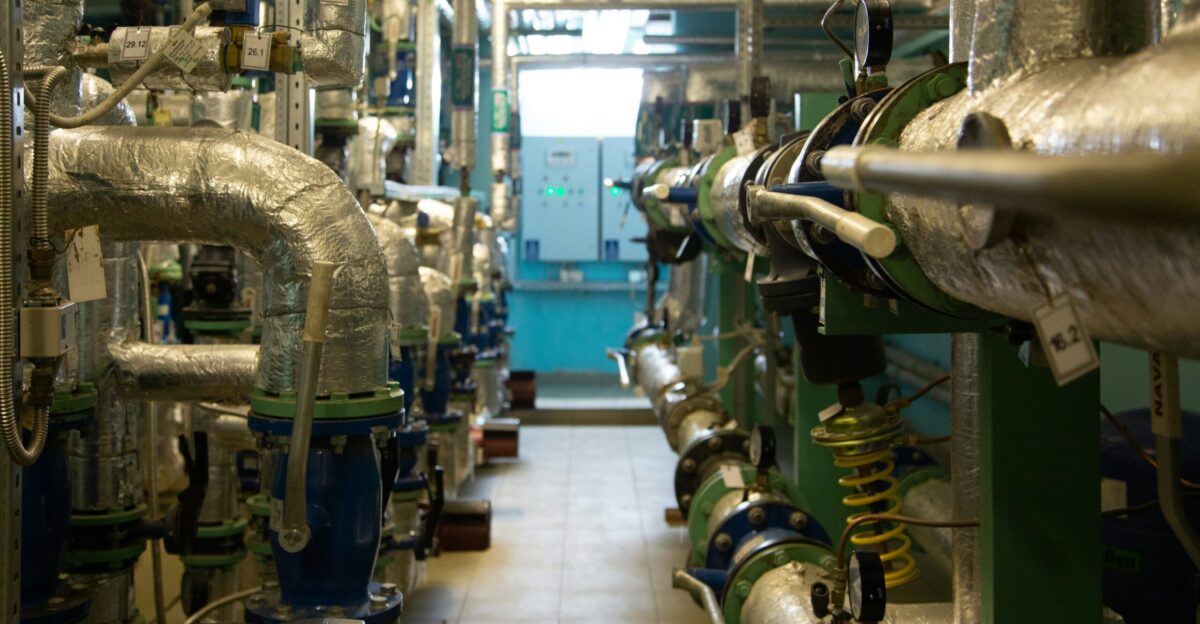
President Biden’s 2021 infrastructure law championed clean hydrogen. In 2023, the Department of Energy (DOE) awarded $7 billion to create seven regional hydrogen hubs, expecting them to produce more than 3 million metric tons of hydrogen annually and cut 25 million metric tons of carbon dioxide – the emissions of roughly 5.5 million gasoline cars.
California’s ARCHES hub secured the largest single award at $1.2 billion, positioning the state as a global leader in hydrogen production.
Cost‑Cutting Crusader: Chris Wright’s Mission
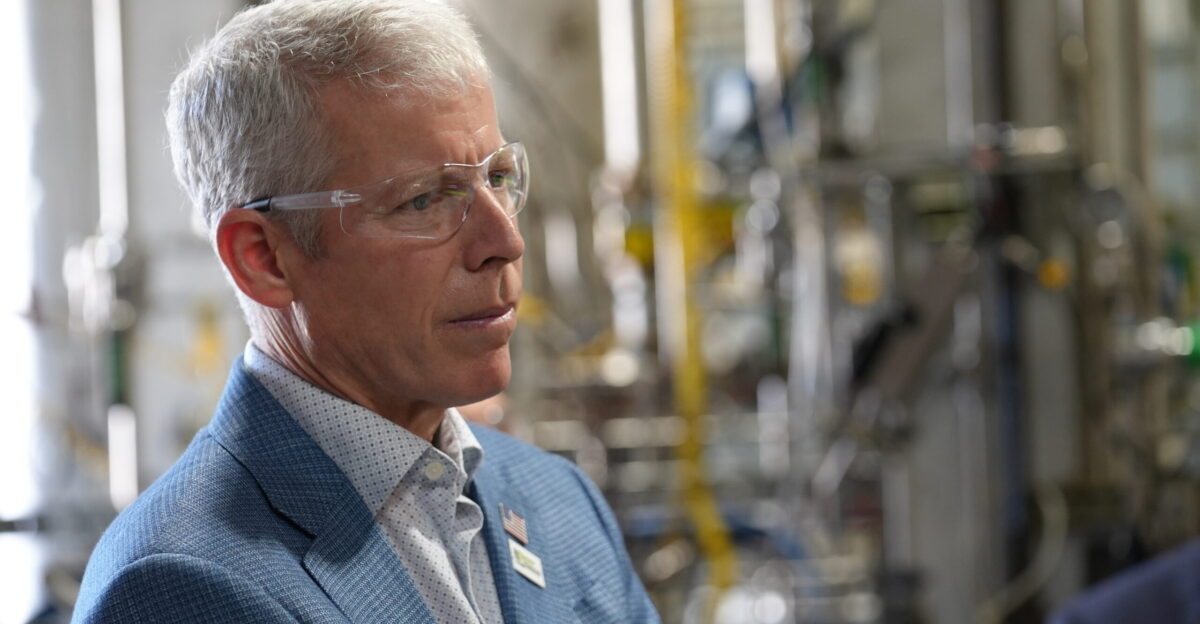
Energy Secretary Chris Wright spearheaded aggressive cost‑cutting after taking office. At a June 2025 congressional hearing, he said his team identified $15.2 billion in Biden‑era commitments that lacked a “positive taxpayer return.”
Wright created new review protocols to ensure each project delivered tangible returns, setting the stage for October’s mass termination.
The Post Heard Around the Country
At 8:47 p.m. on October 2, White House Budget Director Russell Vought posted on X: “Nearly $8 billion in Green New Scam funding to fuel the Left’s climate agenda is being cancelled.”
The timing during a government shutdown amplified its impact. Vought’s boast underscored a politically motivated purge: every canceled project was in a Democratic‑voting state, even though red‑state projects existed.
California’s $1.2 Billion Disaster
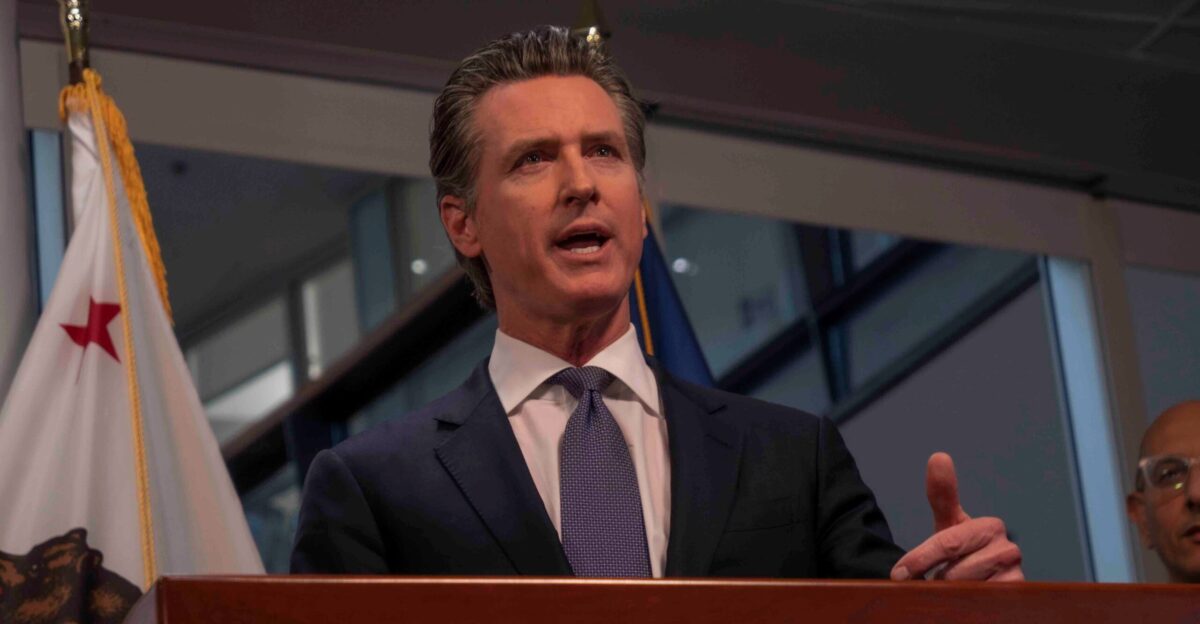
ARCHES was supposed to transform California’s economy, leveraging $12.6 billion in combined federal and private investment to create 220,000 jobs, build 60 fueling stations, 165 miles of hydrogen pipeline, and cut 2 million tons of CO₂ while saving $2.95 billion in health costs.
Governor Gavin Newsom condemned the cuts as “vindictive” and vowed to continue with state and private funding. CEO Angelina Galiteva promised ARCHES would proceed despite federal abandonment.
Workers and Communities React

Galiteva warned that the termination ignores the hub’s benefits: “220,000 American jobs and stronger national energy security”. Pacific Northwest union officials said 10,000 construction jobs disappeared overnight and estimated that 138,000 positions nationwide were at risk.
Senator Maria Cantwell called the cancellation “unprecedented and corrupt,” warning it would erase more than 10,000 jobs in Washington and stall $5 billion in local investment.
Industry Scrambles to Adapt
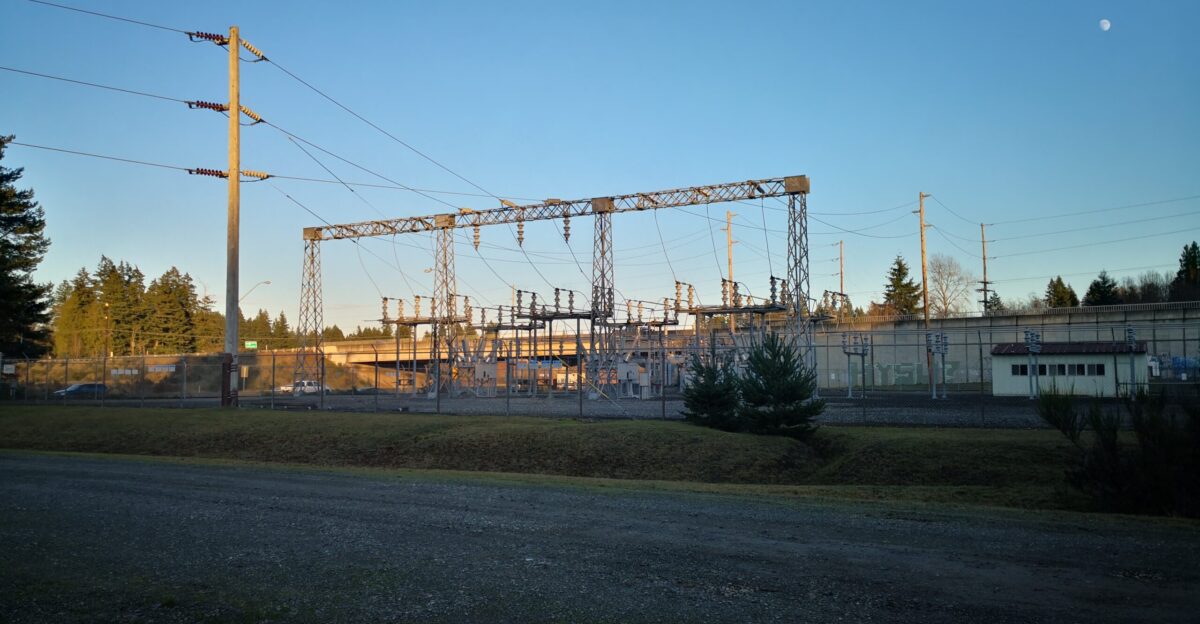
Energy giants Air Liquide, Puget Sound Energy, and Portland General Electric paused billion‑dollar hydrogen plans as federal certainty evaporated.
Linde CEO Sanjiv Lamba cautioned that the cuts occur “at a pivotal juncture” and said industry progress depends on “binding offtake agreements” that assure investors. Without a stable policy, companies risk abandoning U.S. projects, diverting billions overseas.
Rival Nations Accelerate

While Washington retreats, global investment surges. The Hydrogen Council reported that companies have committed over $110 billion across more than 500 hydrogen projects worldwide, with investment growing roughly 50 % year-over-year.
Only about 3 % of announced projects have been canceled. Analysts warn that Japan, Germany, and South Korea continue to pour billions into hydrogen infrastructure, threatening to steal America’s technological edge.
Blue States in the Crosshairs
Every terminated project was located in Colorado, Connecticut, Delaware, Hawaii, Illinois, Maryland, Massachusetts, Minnesota, New Hampshire, New Jersey, New Mexico, New York, Oregon, Vermont, Washington, and California—all states that backed Kamala Harris in 2024.
No Republican‑voting states lost hydrogen hub funding despite having active projects. DOE said recipients have 30 days to appeal the terminations, but critics argue the pattern reveals partisan targeting.
Leaders Cry Foul

Senators Alex Padilla and Adam Schiff denounced the cuts as “vindictive retaliation” and an “unlawful elimination” of congressionally approved funds. Washington Attorney General Bob Ferguson said the DOE punished blue states and vowed to fight the “illegal action” that would reduce costs, create jobs, and cut pollution.
Representative Rick Larsen warned the decision would raise living costs and vowed to reverse it.
Appeals and Legal Battles Ahead

Under federal regulation 2 CFR § 910.128, DOE must attempt informal dispute resolution and then issue a final determination; grant recipients have up to 90 days to appeal.
DOE claimed the projects “did not adequately advance the nation’s energy needs” and lacked a “positive return on investment. Legal experts say selectively cancelling projects in Democratic states raises equal‑protection concerns that could reach the Supreme Court.
States and Private Sector Resist
California pledged state funds to keep ARCHES alive while Washington and Oregon governors promised coordinated regional financing. More than $10 billion in private matching funds remains committed.
Ferguson’s office highlighted benefits beyond jobs: lower electricity costs and cleaner air. Larsen insisted that thousands of jobs and competitive energy prices justify continuing the Pacific Northwest hub.
Analysts Warn of Long‑Term Damage

Industry analysts caution that terminating hubs mid‑stream will cause long delays. The Hydrogen Council noted the U.S. hydrogen industry has made strong progress over five years, and scrapping projects now represents a “massive step backwards”.
Lamba warned that without certainty, investors may redirect capital abroad. Restarting cancelled projects could take years, eroding America’s chance to lead a rapidly growing market.
Fight Over Restoration
Lawmakers are debating whether Congress can restore the funding. Bipartisan discussions have surfaced about refunding mechanisms, but partisan divisions remain deep.
Some Republican legislators argue the DOE’s cancellations protect taxpayers, while Democrats frame them as sabotage of industrial policy. Meanwhile, affected tribes and unions lobby Congress for emergency appropriations to revive their projects.
Constitutionality at Stake

Legal scholars anticipate lawsuits challenging the administration’s power to cancel appropriated funds based on state voting patterns. Questions include whether targeting only Democratic states violates the Equal Protection Clause and whether DOE followed the Administrative Procedure Act.
As appeal deadlines approach, observers believe the dispute could ascend to the Supreme Court, setting precedent for future program reversals.
International Ramifications

European and Asian partners are reevaluating U.S. ventures. Energy analysts note that Japan, Germany, and South Korea remain committed to hydrogen, viewing American instability as an opportunity to capture market share.
U.S. private investors worry that sudden policy shifts will deter foreign investment, making America a less reliable partner. The cuts, therefore, reverberate far beyond domestic politics, altering global alliances.
Emissions and Health Consequences
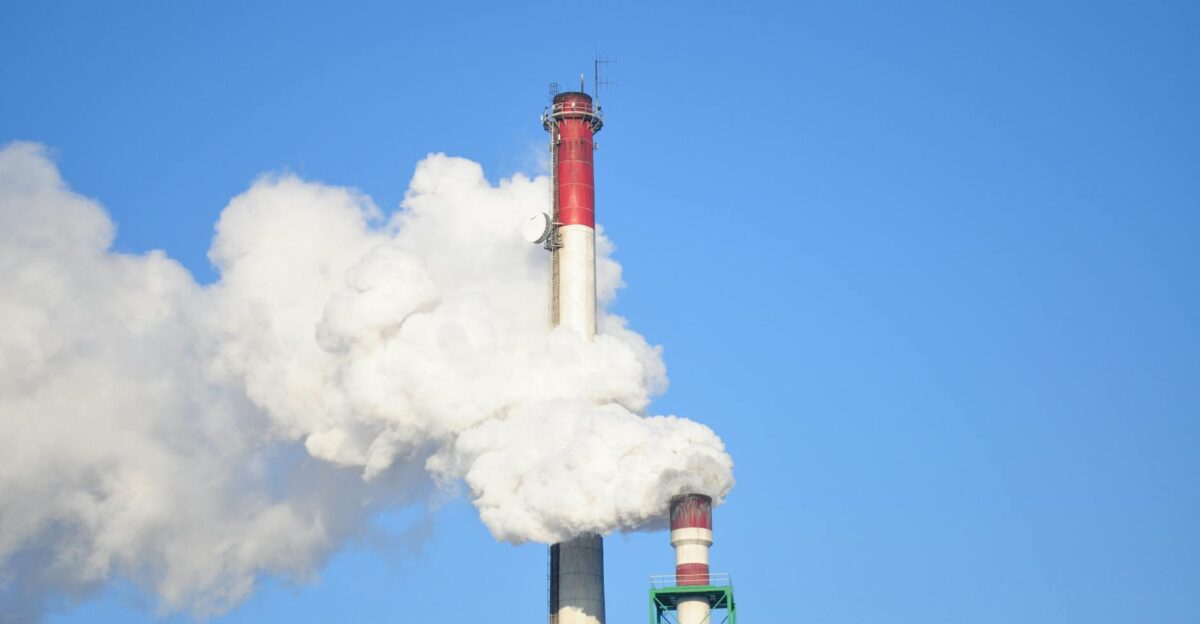
The hydrogen hubs were projected to eliminate 25 million metric tons of CO₂ annually—a reduction equal to less than one half of one percent of U.S. emissions. The White House touted the program as the primary pathway to decarbonize steel, shipping, and heavy transport.
By cancelling the hubs, the U.S. forfeits a critical tool to decarbonize hard‑to‑electrify sectors and reduces anticipated health savings of nearly $3 billion.
Cultural Divide
The terminations highlight a cultural gulf over climate policy. Rural counties that supported Donald Trump applauded the end of “Green New Deal” spending, while urban and tribal communities faced industrial job losses.
Republican Representative Dan Newhouse nonetheless praised hydrogen’s ability to decarbonize farming and trucking and urged continued investment. Democratic Senators Chris Murphy and Jeff Merkley denounced the cuts as undemocratic and warned they would raise utility bills for everyone.
Precedent and Path Forward
This episode marks the largest peacetime cancellation of congressionally approved infrastructure in U.S. history. It sets a precedent that future administrations may selectively rescind predecessors’ programs, injecting partisan volatility into long‑term investment.
For hydrogen, survival now hinges on state leadership and private markets. Whether Congress reinstates funding or states and industry forge ahead will determine if America remains competitive in the global hydrogen race.