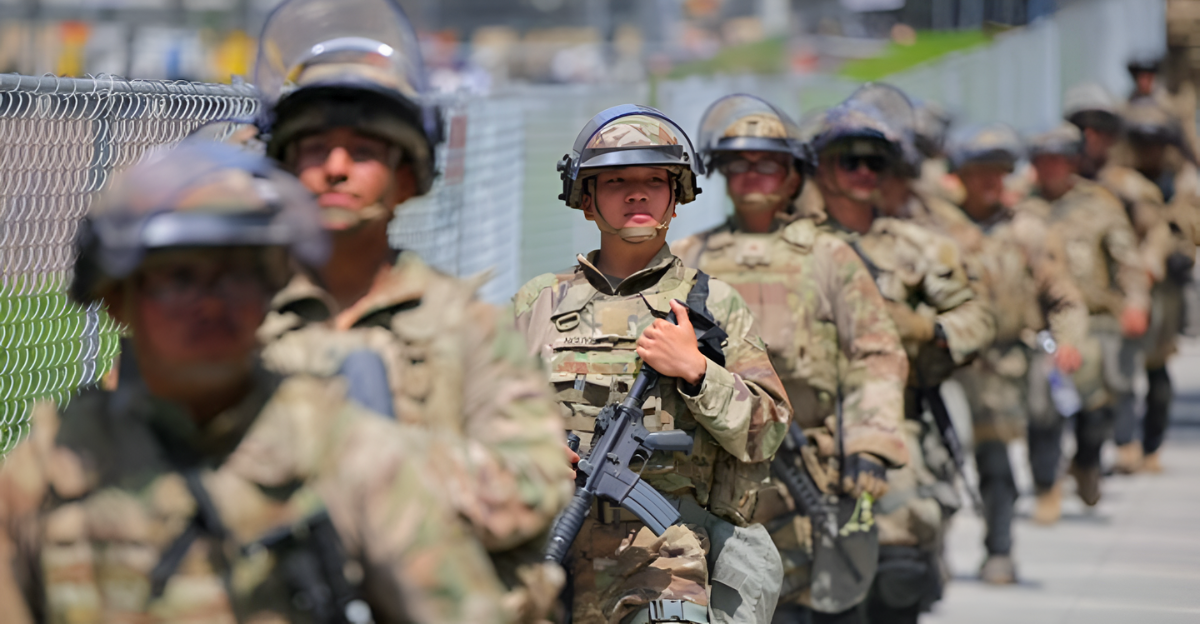
Great Lakes Naval Station, usually a quiet training hub, shifted overnight into the center of national tension. According to ABC News, federal agents and National Guard units began arriving in large convoys, quickly transforming the landscape. Neighbors told Reuters they saw patrols circling the perimeter, helicopters overhead, and buses of personnel unloading at dawn.
Local officials admitted they received little advance notice. “This is a significant escalation,” a Navy spokesperson said in remarks carried by BBC. “We’re preparing for any scenario,” an aide to Governor Pritzker added, signaling caution and unease.
Trump’s “Department of WAR” Post
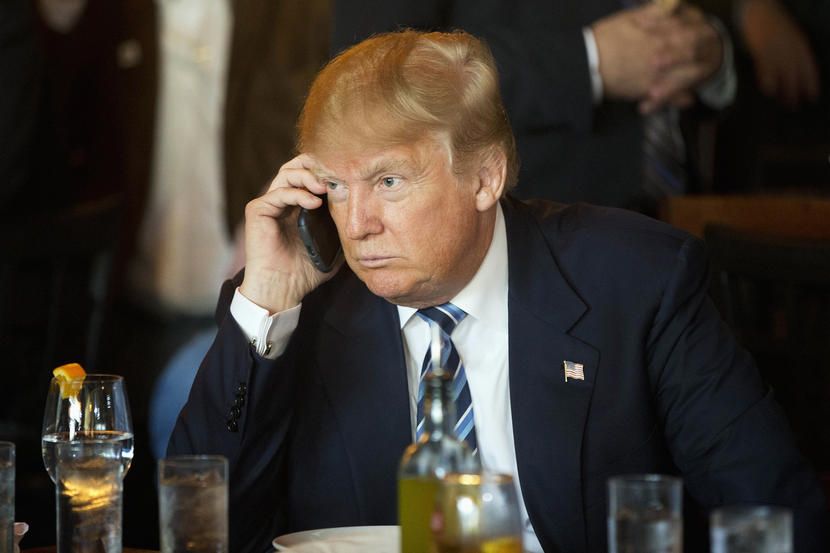
President Trump lit up social feeds Saturday with a post declaring, “Chicago will find out why it’s called the Department of WAR.” CNN reported that the meme, referencing Apocalypse Now, spread instantly and spurred both ridicule and alarm. A columnist in The New York Times called it “a rallying cry, not just rhetoric.”
Families messaged one another to stay indoors, worried about what might follow. “That’s not leadership, that’s provocation,” Mayor Brandon Johnson countered, according to Fox News. The online post became a flashpoint, amplifying fears that words could soon harden into action.
Great Lakes – The New Staging Ground
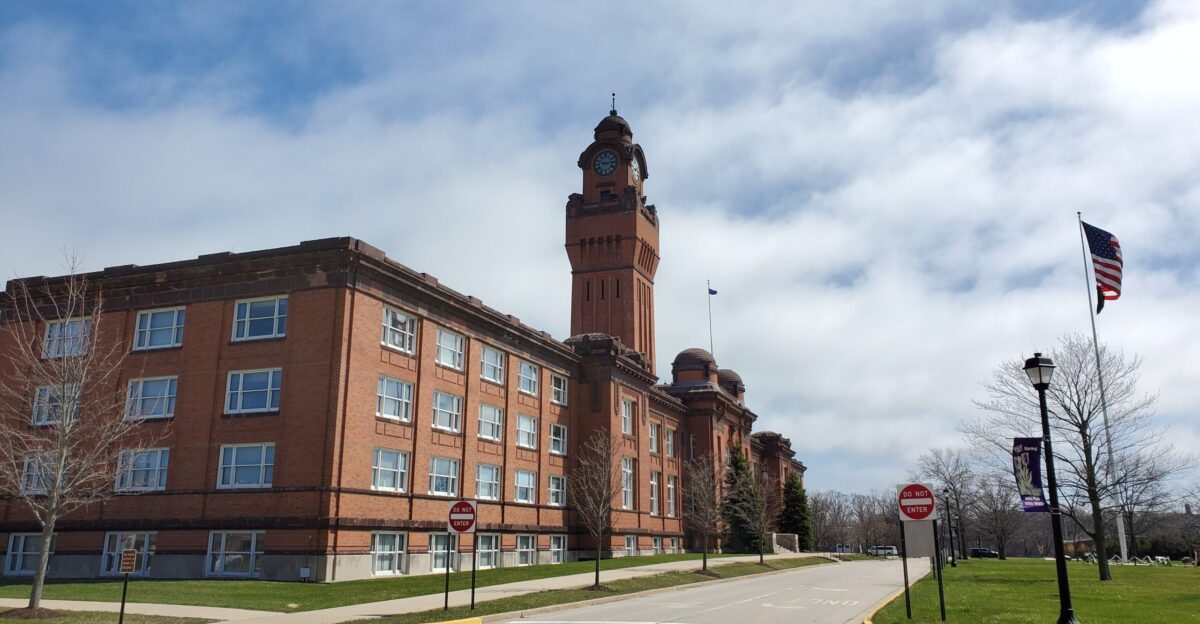
CBS News described a steady buildup at Great Lakes Naval Station on Friday, with armored trucks rolling through the gates and ICE units establishing command posts. “This looks like a full operation,” one civilian worker told Reuters. Homeland Security confirmed to ABC7 that hundreds of agents and support staff were already inside the perimeter by Saturday morning.
A Navy veteran quoted in the Chicago Tribune admitted, “We’ve never seen anything at this scale here.” The rapid transformation rattled city officials, who scrambled to piece together updates from scattered sources, desperate for clarity on what would come next.
Leaders Draw Legal Lines
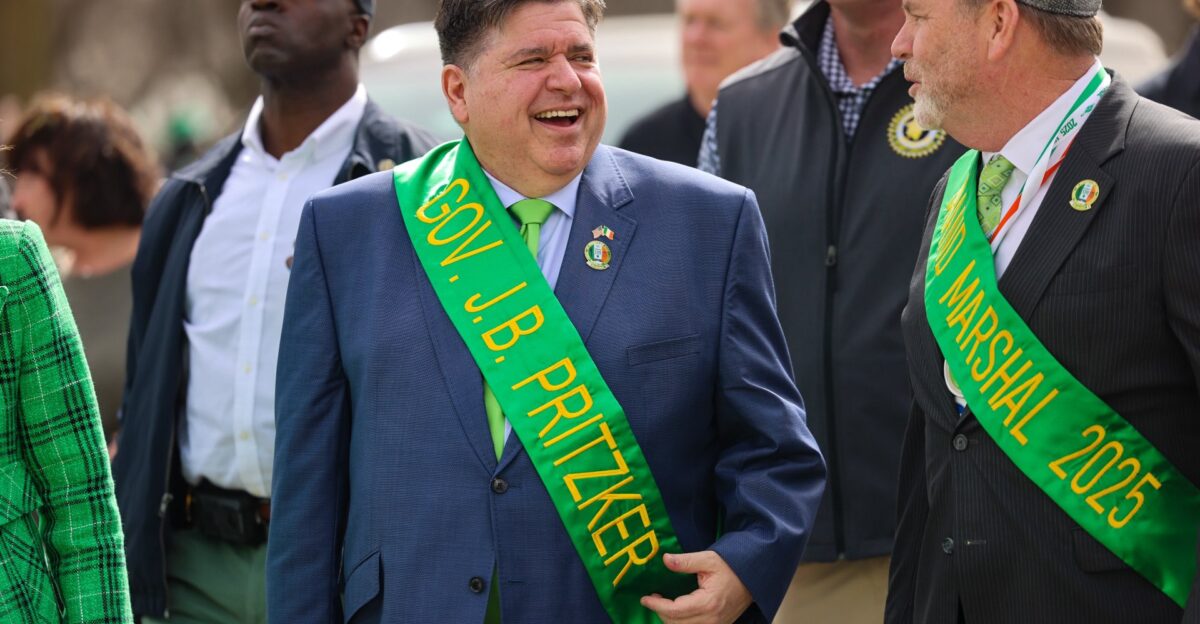
Governor J.B. Pritzker warned that Illinois is “ready to file suit within hours” if federal troops enter Chicago, as reported by Politico. Mayor Johnson echoed that resolve, telling ABC News, “We will not be provoked into chaos.” Legal advisers pointed to a California court ruling blocking unauthorized troop deployments last year, a precedent NPR described as central to Illinois’ case.
“This is about the rule of law,” Johnson added in comments quoted by the Chicago Sun-Times. Both state and city leaders made clear they intend to fight in court as fiercely as they do in public.
A City on Edge
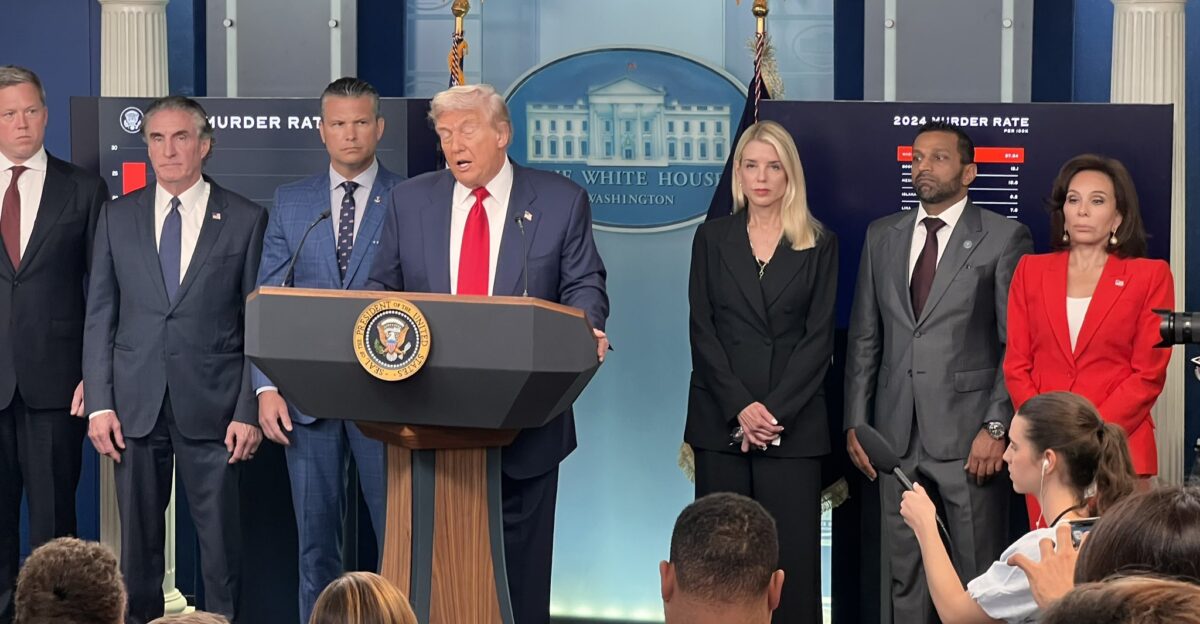
At a White House briefing, President Trump cited eight recent homicides in Chicago as his justification for intervention, according to BBC News. Chicago’s police chief quickly countered on CNN, insisting, “Violent crime is down, and our officers have made real progress.” CBS highlighted that homicide rates were significantly higher in 2021 than they are today.
A city spokesperson told the Washington Post, “We’re frustrated by the distortion of facts.” For residents, the clash of narratives only deepened anxiety, leaving many torn between national headlines and their own lived experiences in neighborhoods that feel caught in political crossfire.
Legal Battle Lines
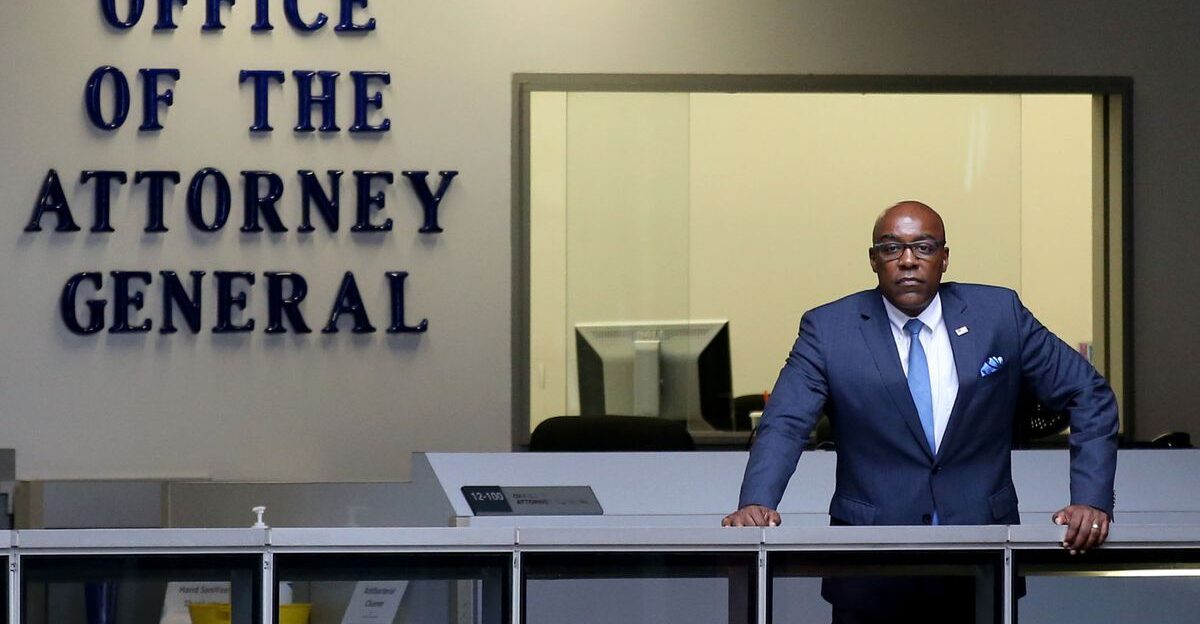
Illinois Attorney General Kwame Raoul warned that federal troops cannot act as police without explicit authorization, citing the Posse Comitatus Act, according to NPR. Court filings reviewed by CBS News showed state lawyers drafting emergency injunctions. Legal analysts told Reuters that Illinois may rely on precedent from a Los Angeles case last year, where federal deployment was curtailed.
The New York Times reported that Chicago leaders want to send a message that the Constitution, not federal muscle, sets the limits. One state legal adviser emphasized, “We’re prepared to fight this in court and in principle. “
Nationwide Impact

“This is a test for every city,” a Baltimore council member told NPR, as mayors across the country voiced support for Chicago. Politico reported that New Orleans and Baltimore may soon face similar federal reviews. The New York Times described leaders in other urban centers watching “hour by hour,” anxious for lessons.
According to the Associated Press, governors and mayors joined urgent calls over the weekend, tracking events from Illinois in real time. What unfolds in Chicago, many said, could shape the balance of power between Washington and city halls for years to come.
Protesters Flood the Streets
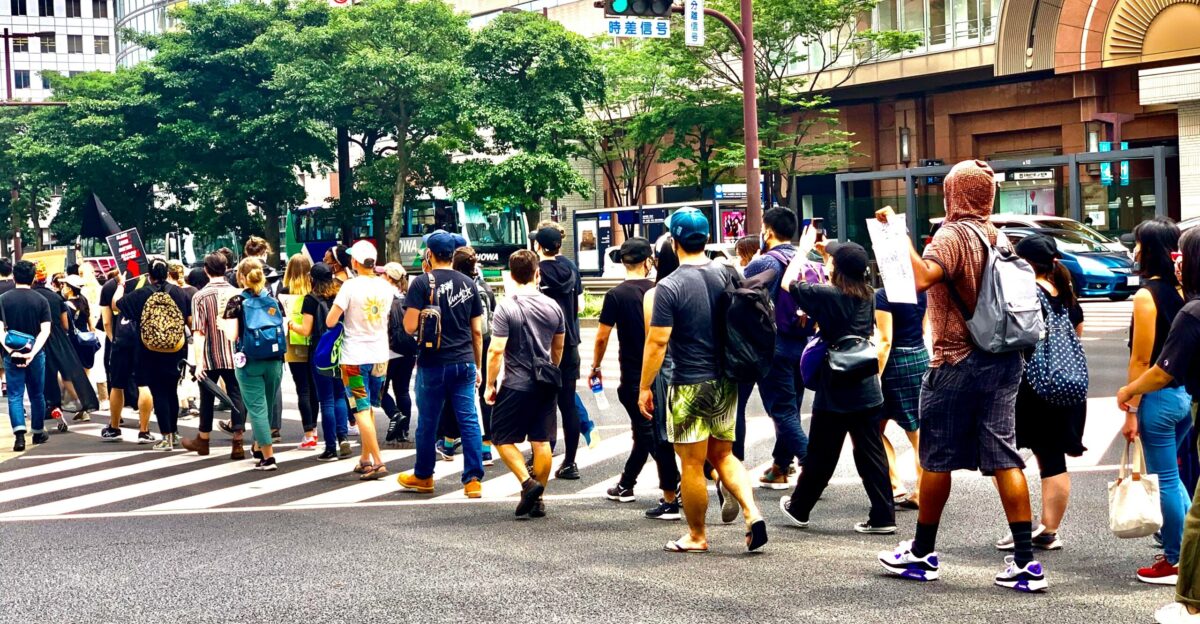
Downtown Chicago pulsed with energy Saturday as protesters marched through the Loop. “We’re here to protect our city, not let it be occupied,” a demonstrator told Reuters. Al Jazeera footage showed banners reading “No Federal Troops” and chants echoing between skyscrapers.
Organizers told USA Today they aimed to keep demonstrations peaceful, focus on protecting families, and hold leaders accountable. A local pastor interviewed by PBS NewsHour framed the march as a moral struggle: “Peaceful resistance is a core Chicago value.” For many on the streets, the march was as much about identity as it was about politics.
Sanctuary Status Pressured
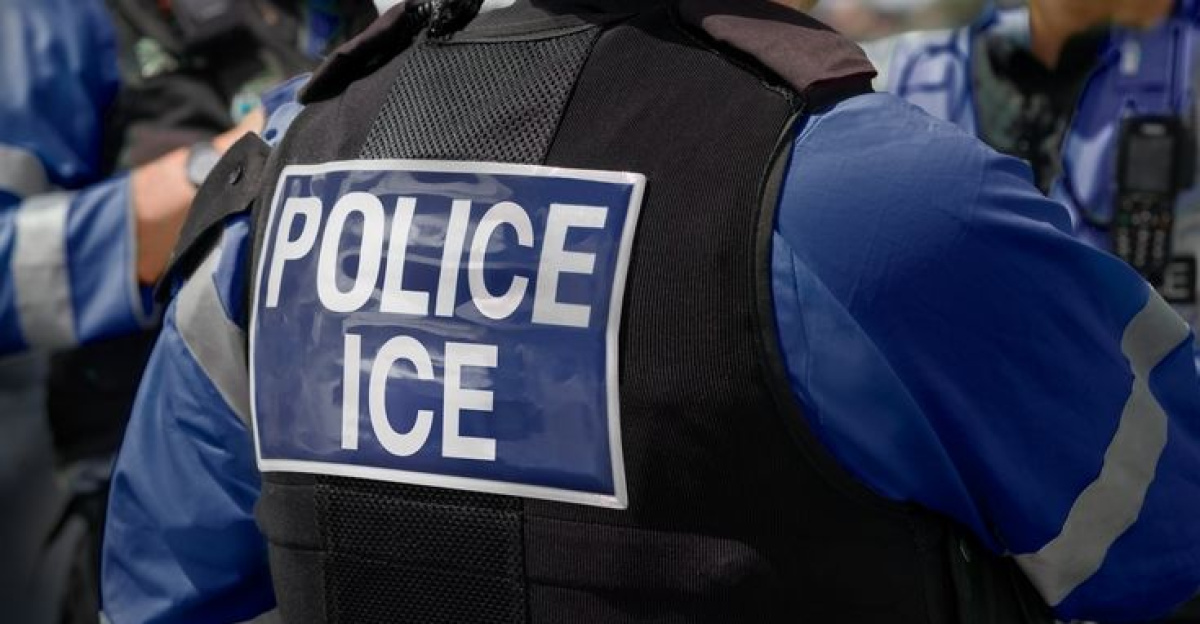
Mayor Johnson reaffirmed Chicago’s sanctuary status Friday, saying, “Our police will not aid federal raids,” according to Fox News. Community groups scrambled to set up legal hotlines, telling ABC7 they were fielding hundreds of calls daily. Advocates told NPR that immigrant families were “scared but learning their rights.”
Rumors of large ICE operations spread quickly, fueling worry in already vulnerable neighborhoods. For some residents, uncertainty turned routine tasks like walking children to school and commuting to work into moments of fear. “We’re holding the line for our communities,” one organizer said, highlighting how local networks stepped up under pressure.
ICE Readiness Uncertain
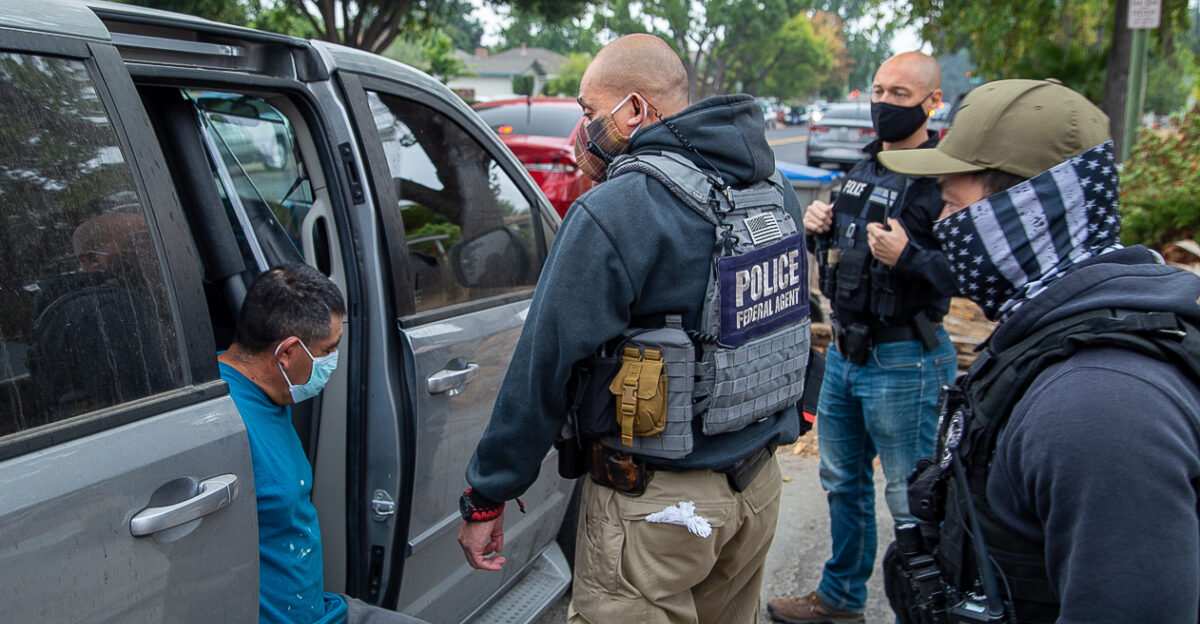
Tom Homan, a federal immigration adviser, told Politico that ICE enforcement “will escalate across Chicago in the coming days.” ABC News confirmed that agents staged at Great Lakes were on alert, though precise timing was kept confidential.
CBS reporters noted ICE vehicles already spotted in multiple neighborhoods Saturday morning. “They’re everywhere,” one resident told the Chicago Tribune, describing the surreal sight of marked vans parked outside grocery stores and schools.
According to federal officials, visibility is intentional, a strategy meant to project authority. For many locals, though, that visibility reads as intimidation and invasion.
Trump’s Social Posts Dominate Discourse
Every new post from the president became headline material. “He’s using military imagery to raise tensions,” a media scholar told the New York Times’ live blog. CNN observed that memes, especially the “Apocalypse Now” image, spread “anxiety faster than official policy updates.”
Local leaders fought back on Twitter, calling the rhetoric “dangerously provocative,” a phrase that Fox’s digital desk documented. Families said on Facebook they were sharing escape plans with relatives. According to PBS, the effect of Trump’s online presence is “a running commentary that shapes events as much as actual orders.”
Emergency Legal Teams Mobilize
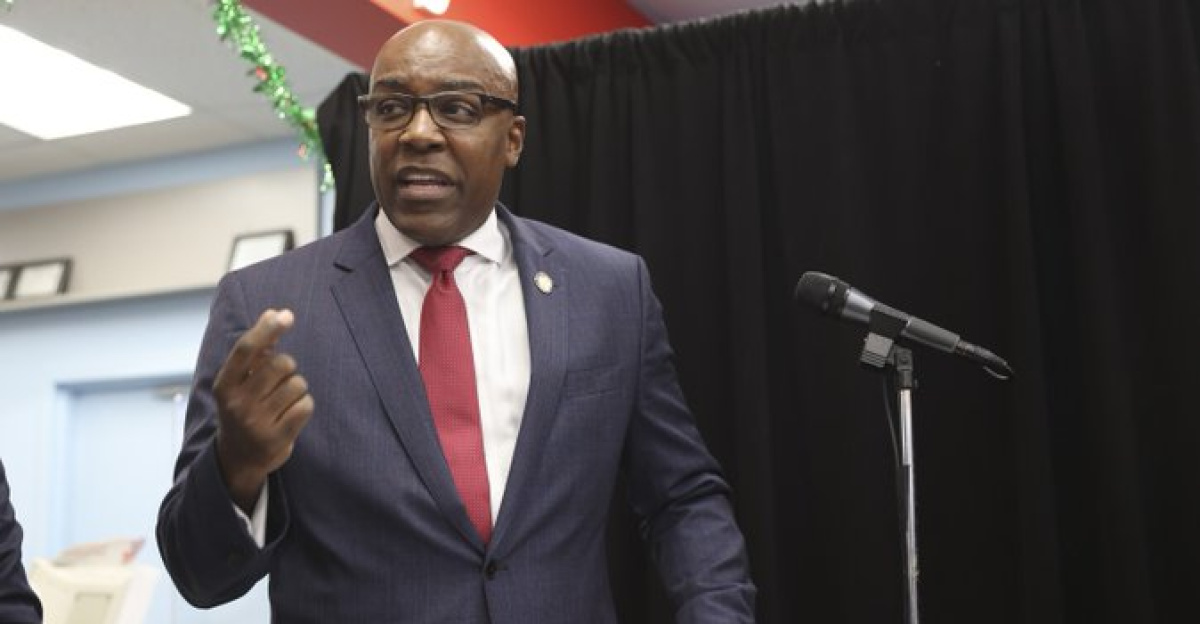
“We’ll be in court before federal boots touch city soil,” Attorney General Raoul promised, according to NPR. CBS News reported that city attorneys were working around the clock on injunctions and filings. PBS confirmed that Chicago’s legal department had crafted a “multi-layered strategy ready for immediate use.”
One attorney told local reporters, “We can’t afford legal lag in a crisis like this.” Behind the scenes, paralegals and clerks pulled overnight shifts, compiling case law, preparing affidavits, and bracing for a courtroom fight as intense as the one outside.
Military Logistics Take Center Stage
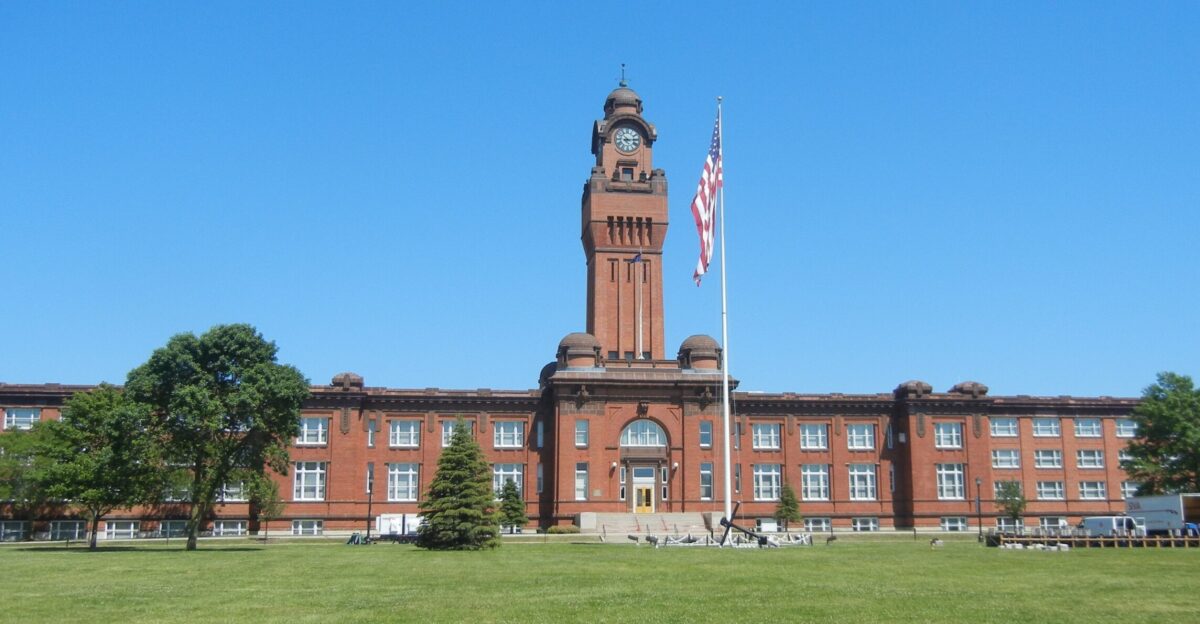
Pentagon sources confirmed that the Great Lakes base is now at “maximum readiness,” according to CBS News. “We have thousands of personnel on short-notice alert,” one senior officer told ABC. Reuters described long lines of supply trucks, security checkpoints, and rotating armed patrols circling the perimeter.
A neighbor living near the gates told reporters, “It feels like we’re living next to a war zone.” Military spokespeople insisted preparations were precautionary. Yet the sight of so many troops, vehicles, and barricades left local families unsettled, wondering whether their town had quietly become the launchpad for something much larger.
Chicagoans React
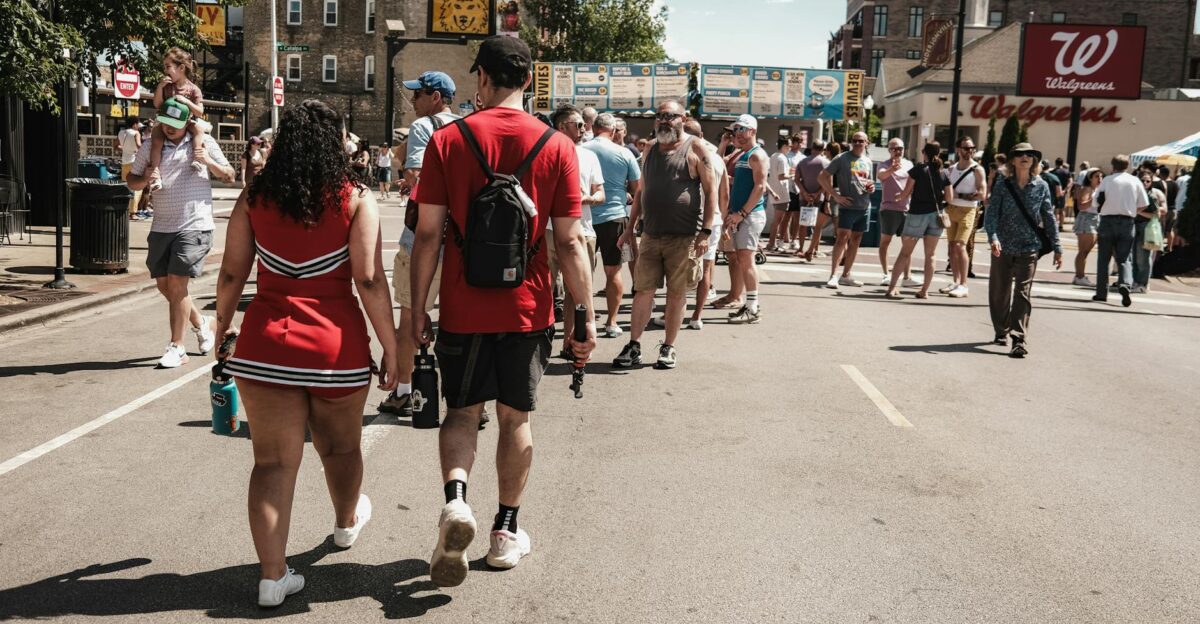
Across Chicago’s neighborhoods, federal presence became impossible to ignore. CNN spoke with a parent who saw ICE vans near his child’s school. ABC News reported that nonprofit operations could disrupt worried youth programs. A teacher told Reuters, “We feel anxious not knowing how this will touch daily life.”
Some families said they avoided public spaces altogether. Grocery store owners quoted in the Tribune described a dip in foot traffic as shoppers stayed home. For many Chicagoans, the waiting – between rumors, patrols, and uncertain plans – proved as heavy as any action that might follow.
Trump’s Stated Motive
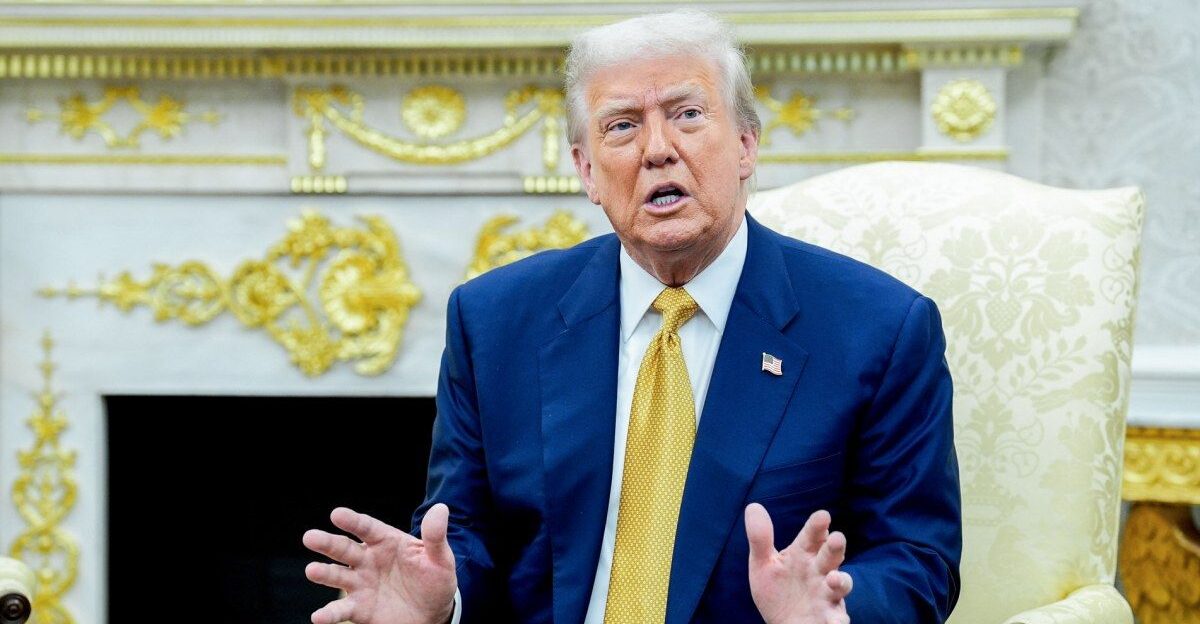
When pressed on criticism, Trump told reporters, “Public safety is my only concern, not politics,” according to Reuters. CBS repeated the remark across its weekend coverage. Chicago’s police superintendent countered on ABC Live, arguing the city has “handled crime rates better than most urban centers.” A community organizer told NPR the moves “undermine progress built block by block.”
While supporters saw decisive action, skeptics called it theater at residents’ expense. The conflicting interpretations revealed how the battle for narrative was becoming just as fierce as the looming battle over streets and courts.
Fierce Pushback and Rally
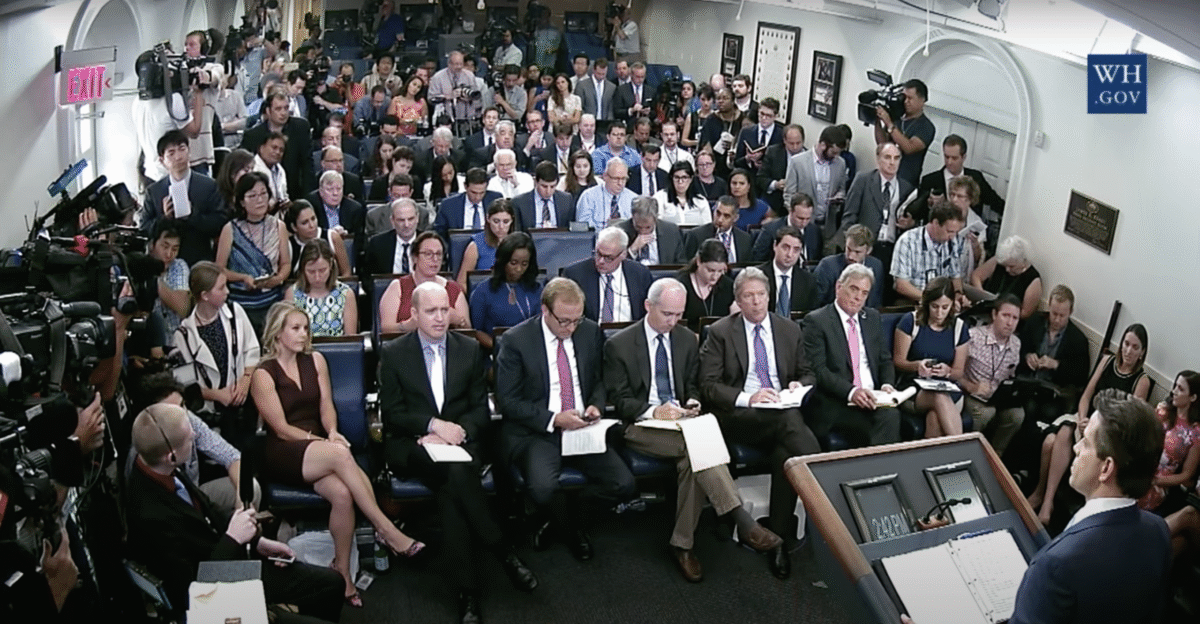
Governor Pritzker denounced the president’s plans as “unhinged and unnecessary,” Fox News reported from his Friday press conference. USA Today wrote that city hall rallied its staff with a call to “hold the line.” CBS noted that Mayor Johnson vowed not to accept “intimidation.” The Associated Press quoted Democratic lawmakers promising to be “visible and vocal” in their opposition.
Across the city, resistance became a rallying cry, echoing in press briefings, council meetings, and social media feeds. The message was clear: Chicago leaders would contest every move made at their doorstep.
Marches Link Causes
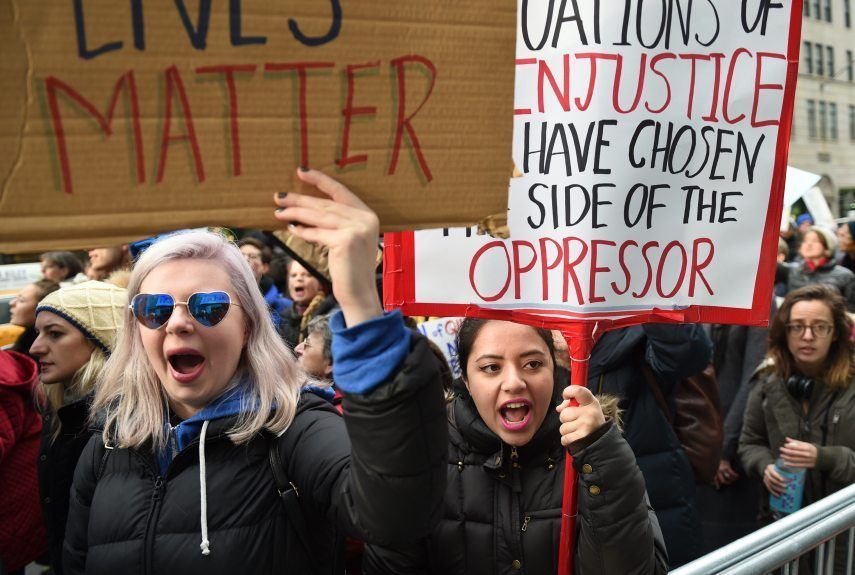
Saturday’s demonstrations evolved into broader discussions of justice and rights. Al Jazeera described teach-ins where speakers connected immigration, policing, and equity. “It all connects, this is about dignity,” one activist said. Reuters footage showed protesters marching past Trump Tower, chanting as families carried signs alongside seasoned organizers.
USA Today highlighted that groups from across the Midwest joined in solidarity. For many, Chicago’s moment represented more than one city’s crisis; it symbolized a broader national struggle, weaving together threads of race, community, and who has the right to shape daily life.
Waiting and Watching
Despite the buildup, no start date for enforcement was announced. “The timeline is fluid,” a White House spokesperson told CNN. Chicago leaders advised residents through ABC7 alerts to “stay informed and report irregularities.” CBS quoted community watch groups predicting “a long weekend of uncertainty.”
In neighborhoods, people kept one eye on their phones and another on the street, unsure when or if action would arrive. The waiting game became a test, stretching patience, nerves, and the thin line between calm vigilance and spiraling fear.
National Ripple Effect

“As Chicago goes, so could other big cities,” an analyst wrote in the New York Times. NPR reported that Illinois’ legal filings may set the template for nationwide challenges to federal intervention. Politico confirmed that governors convened emergency sessions, weighing what a precedent here could mean for their states.
Across capitals, officials studied Illinois’ strategies closely, preparing to replicate them if necessary. For many city leaders, Chicago was no longer just Chicago; it was the first front in a wider test of local authority against Washington’s heavy hand.
The Next Chapter
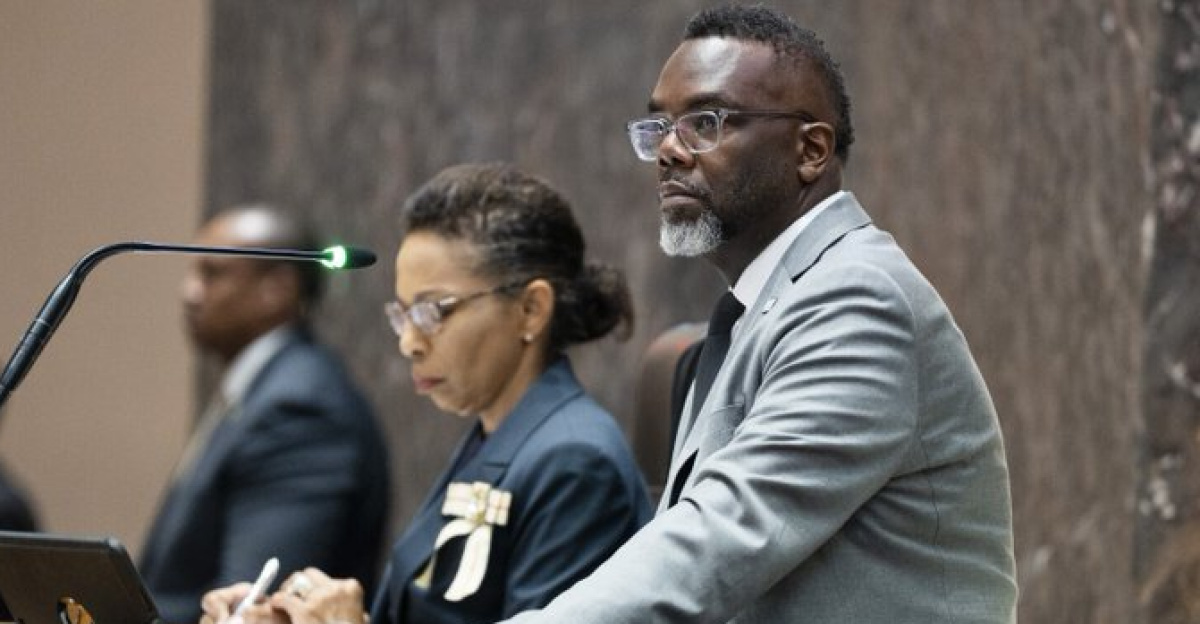
With every hour of uncertainty, Chicago’s story has become a national question. “We’re writing history in real time,” Mayor Johnson said Saturday, according to Fox News. Residents stayed glued to their screens, calling friends, attending rallies, or waiting for stability to return.
Reuters quoted one journalist who said, “This isn’t just Chicago’s story—it’s America’s question: who decides what happens next?” For now, the city stands in tense anticipation, caught between legal filings, military staging, and the steady drumbeat of rhetoric that shows no signs of slowing.