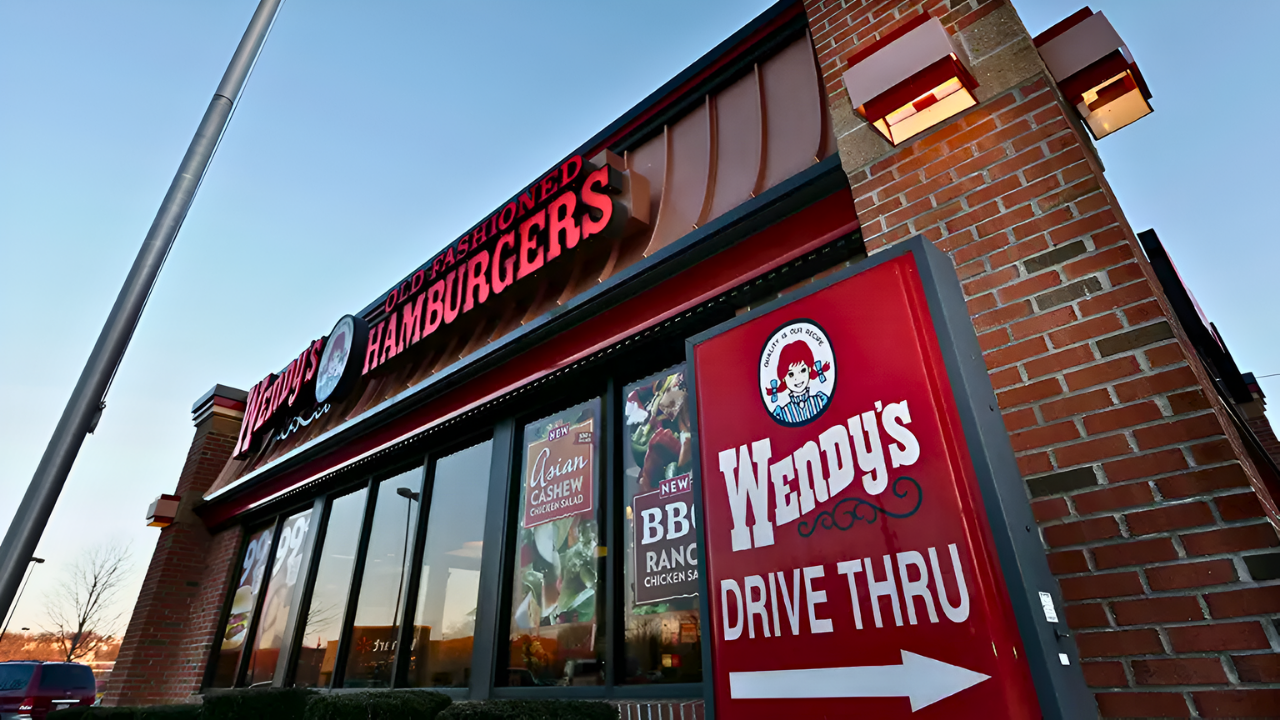
Wendy’s is on the brink of its largest closure wave, preparing to shut down up to 350 underperforming stores across the U.S. As sales plummet and consumer behavior shifts, Wendy’s faces a pivotal moment that could reshape its future. These closures, starting in late 2025 and extending into 2026, follow a prior wave of 140 shutdowns in 2024. The company is now forced to reckon with the pressures of economic change, shifting habits, and faltering demand. But what led to this drastic action?
This move comes as Wendy’s struggles to cope with falling same-store sales and declining traffic. Lower-income consumers, once its core market, are cutting back spending on fast food, even at discount prices. Amid this, Wendy’s launched Project Fresh to reduce its U.S. footprint and focus on its most profitable locations. But how will this contraction impact the brand’s future? The story is far from over.
Why Wendy’s Is Cutting Back
Wendy’s interim CEO, Ken Cook, explained that same-store sales fell 4% in the first nine months of 2025, while revenue dropped 2% to $1.63 billion, and net income fell 6% to $138.6 million.
The primary driver of this decline is the growing pressure on lower-income consumers, who are cutting back on discretionary spending, even on lower-priced fast food options. In response, Wendy’s launched Project Fresh, an initiative to reduce underperforming locations and streamline operations to focus on high-potential areas.
Consumer Pullback: Cash-Strapped Diners
Wendy’s executives reported a noticeable shift in consumer behavior, with lower-income Americans visiting fast-food chains less frequently. Even traditionally affordable options like fast-food meals are now being viewed as occasional splurges, not everyday staples.
Ken Cook emphasized the ongoing strain on this consumer demographic, predicting that these pressures would persist into late 2025. The fast-food industry, once considered recession-proof, is now facing an unprecedented squeeze as these core customers, who are critical for sales, pull back their spending.
Shrinking Wendy’s Footprint
Before the closures, Wendy’s had around 6,000 U.S. locations. The upcoming closures will reduce this number to approximately 5,700 stores after combining the 2024 and 2025 closure waves. This restructuring is part of Wendy’s Project Fresh initiative, which focuses on eliminating underperforming stores that fail to meet brand standards.
Some of these locations will undergo upgrades or be transferred to new franchisees, while others will shut down completely. This rebalancing will lead to a more efficient and competitive Wendy’s operation moving forward.
Rising Competition in Local Markets
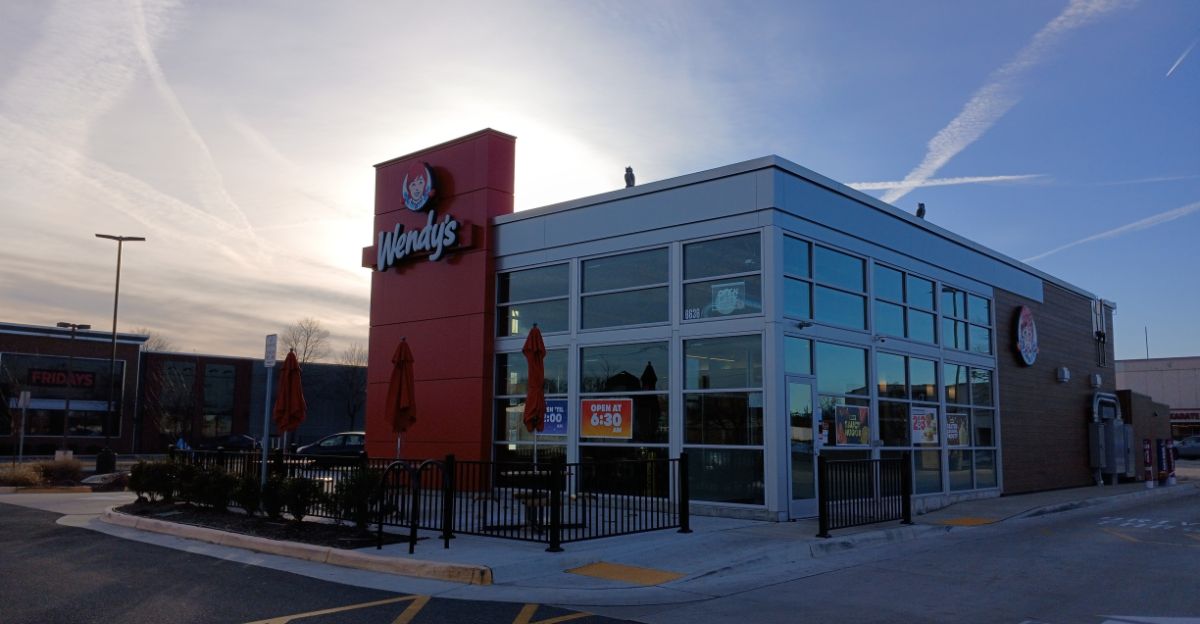
As Wendy’s exits weaker locations, competing fast-food chains such as McDonald’s, Burger King, and regional burger establishments are primed to capture the displaced traffic. Additionally, local independent restaurants may also benefit from Wendy’s departure in some neighborhoods.
To defend its market share, Wendy’s is introducing $5 and $8 meal deals to attract price-conscious consumers where the chain still operates. Meanwhile, competitors are also enhancing their value menus to retain customers and compete more aggressively for the shrinking pool of discretionary dining dollars.
Shifting Focus: International Growth
While trimming its U.S. footprint, Wendy’s is pivoting its focus to international expansion, where the company sees greater growth potential. Under Project Fresh, Wendy’s is allocating more resources towards global markets while optimizing its existing U.S. locations.
The company views its international efforts as a way to mitigate the declining domestic sales and strengthen the brand’s global presence. This strategic shift suggests that Wendy’s is positioning itself for long-term growth overseas, shifting away from the saturated U.S. market to embrace new global opportunities.
Job Losses and Franchisee Strain
Many of the affected locations are operated by franchisees, who are already dealing with strained finances due to weak sales and rising operational costs.
Some franchisees may lose their stores entirely, while others could take on additional units from struggling operators. These closures will put further financial strain on franchisees, while workers may face unemployment as the company restructures.
The Legal and Financial Scrutiny
As a publicly traded company, Wendy’s must disclose large-scale closures and restructuring plans in SEC filings. These filings will provide transparency to investors, regulators, and analysts, who will scrutinize how the company handles impairment charges, restructuring costs, and the potential impacts on its workforce.
Wendy’s has stated that it expects further challenges in the short term, and its ability to recover in the long run will depend on how effectively it executes Project Fresh and navigates the complex financial and regulatory landscape ahead.
Inflation and the Value Economy
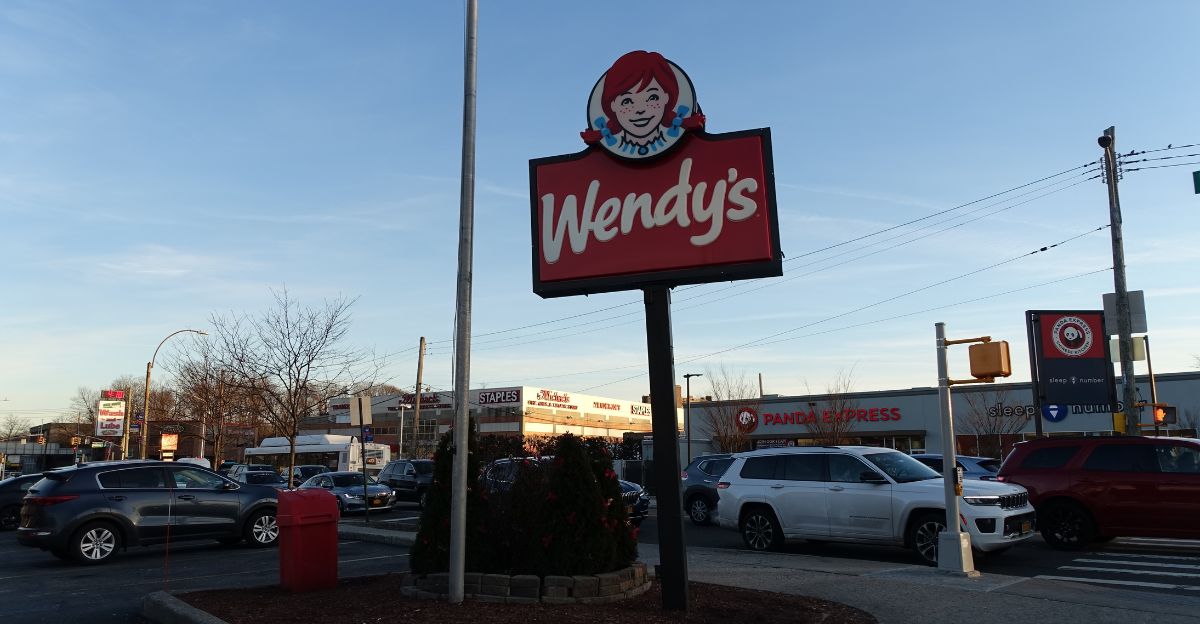
The decline in Wendy’s sales despite introducing value meal deals is a direct reflection of the broader inflationary pressures on the U.S. economy. When even budget-friendly chains like Wendy’s struggle, it signals a deep problem with discretionary spending among lower-income households.
Analysts are viewing this trend as a potential indicator that the traditional assumption of “recession-proof” fast food is no longer valid. Wendy’s inability to stem sales declines, even with discounts, highlights how inflation and the shifting economy are impacting fast-food consumption patterns across the country.
Changing Consumer Habits
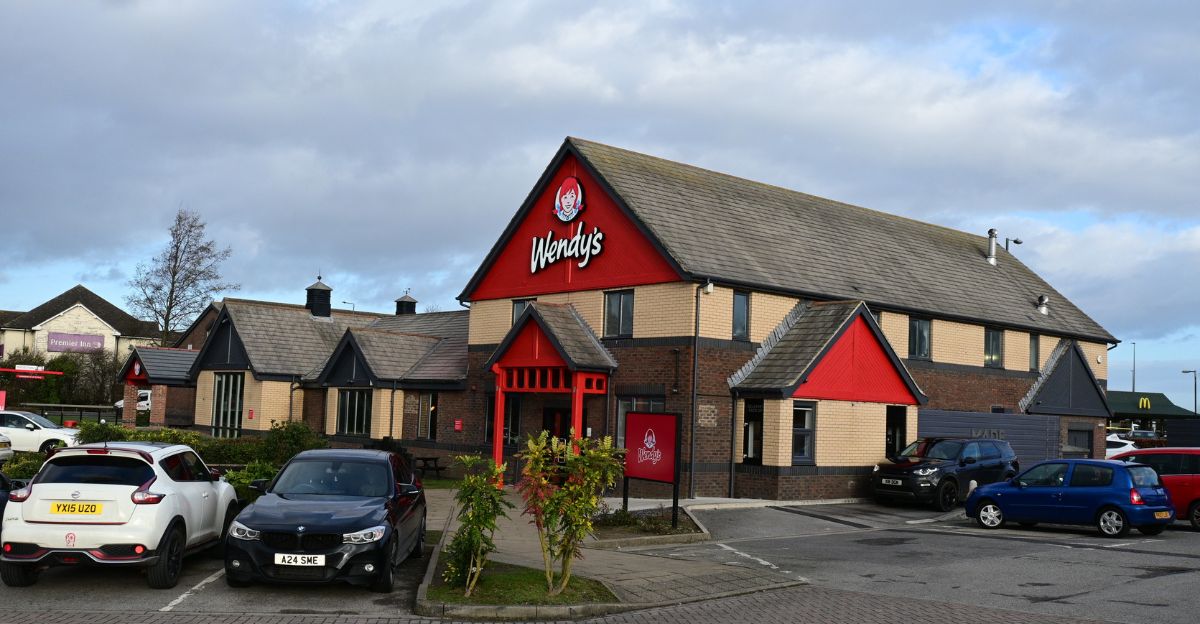
As Wendy’s reduces its presence in many areas, consumers are adjusting their habits by cooking more at home or turning to grocery store prepared foods as alternatives to fast food. The rise of fast-casual dining and delivery-only restaurant models also means Wendy’s faces increased competition for the convenience dollar.
In response, Wendy’s is investing in digital channels, technology, and equipment upgrades to keep its remaining U.S. locations competitive in an increasingly fragmented and diverse foodservice market.
Environmental and Urban Footprint Implications
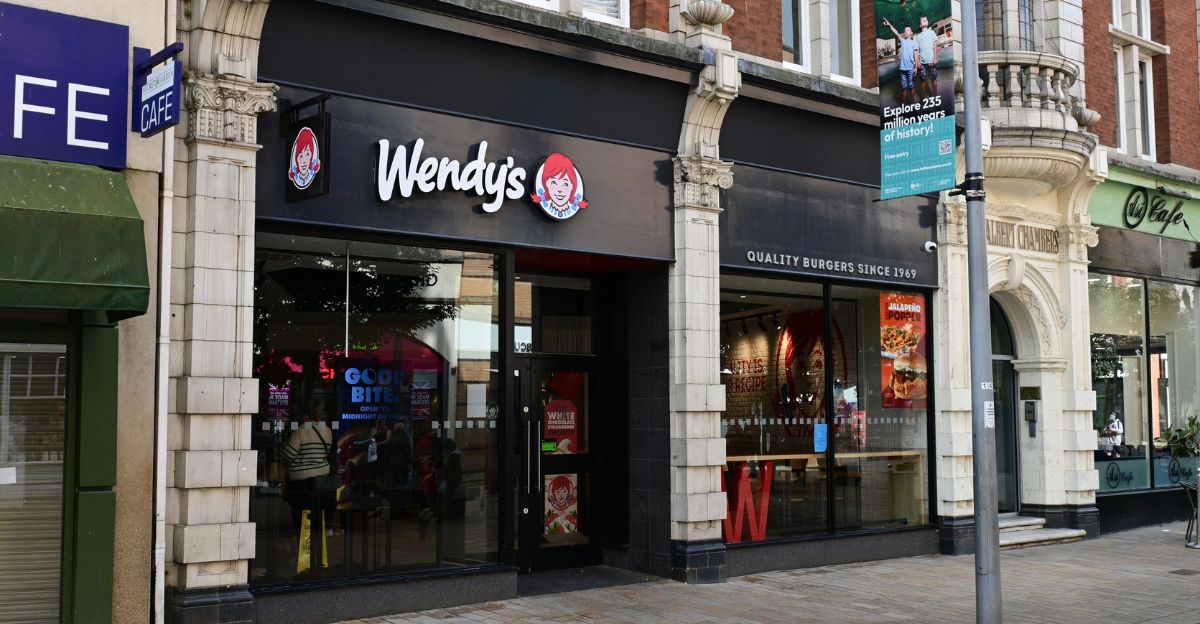
The closures could lead to changes in energy consumption, food waste, and traffic patterns at specific Wendy’s locations. However, they will also leave behind vacant commercial properties that cities must repurpose.
As fast-food chains reevaluate their footprint and move toward more sustainable models, these areas may need redevelopment to accommodate changing consumer behaviors and evolving urban landscapes.
Brand Perception at a Crossroads
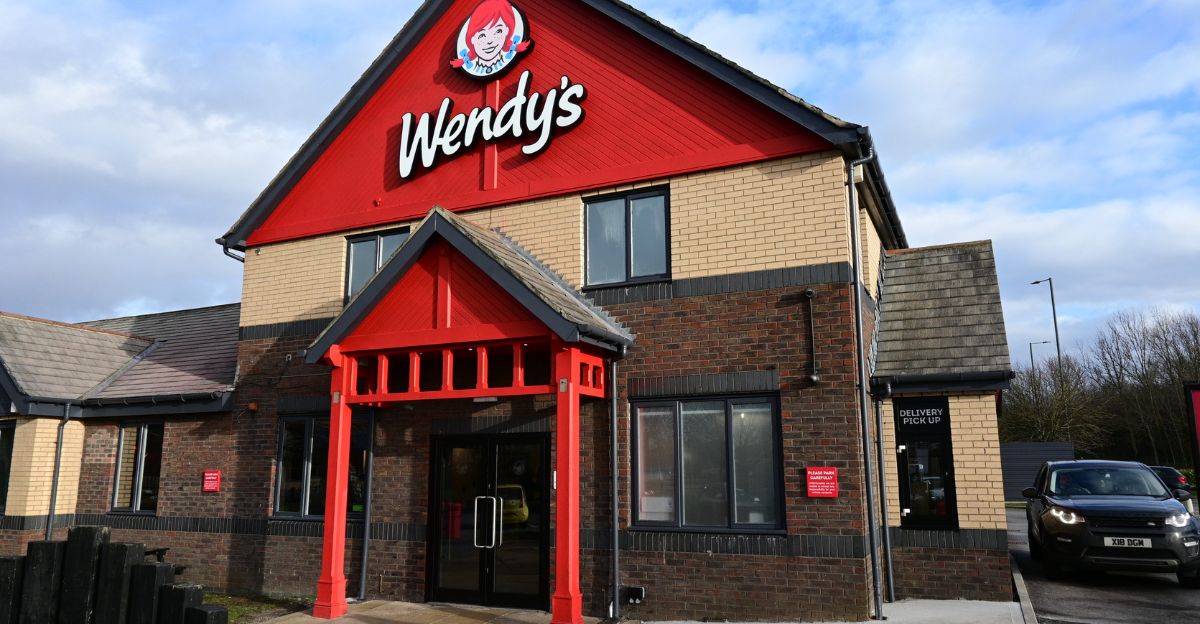
Wendy’s decision to close hundreds of domestic restaurants while expanding internationally could raise questions about the brand’s stability. While Project Fresh aims to revitalize the Wendy’s experience, the mass closures could lead consumers to question whether the chain is on the decline or reinventing itself.
For the brand to succeed, it will need to strike the right balance between maintaining its identity in the U.S. and solidifying its international foothold, while keeping both franchisees and consumers engaged and confident in the brand’s future.
Who Gains as Wendy’s Retreats?
Wendy’s competitors, especially those with strong value menus like McDonald’s, may see incremental sales gains as the chain exits certain markets. Local independent restaurants in affected neighborhoods could also benefit from the customer base Wendy’s leaves behind.
Meanwhile, Wendy’s hopes that its remaining franchisees will experience higher sales and profitability once underperforming units are eliminated from the system.
What to Watch: Investor and Consumer Impact
Wendy’s stock has fallen 46% in 2025, and investors are closely monitoring whether the store closures will lead to improved sales and margins. For consumers, paying attention to local store closures and new promotional offers will be key as Wendy’s continues to adapt its pricing strategy.
The company’s success in restoring profitability will depend on how well it can navigate these closures, improve its remaining stores, and manage the complex shift in consumer behavior toward more value-conscious dining habits.
What’s Next for Wendy’s?
Wendy’s is using Project Fresh to address declining U.S. demand, leadership turnover, and a sharp drop in stock value. The outcome of these strategic moves will shape the future of franchise economics, labor markets, and competitive dynamics across the quick-service sector.
By 2026, it will be clear whether Wendy’s mass closures were a necessary retreat or a calculated reset to position itself for a more resilient and competitive future in the fast-food industry.
Sources:
Houston Chronicle: Wendy’s could close up to 300 stores by the end of 2025
People.com: Wendy’s is set to close hundreds of restaurants across the U.S. by the end of 2025