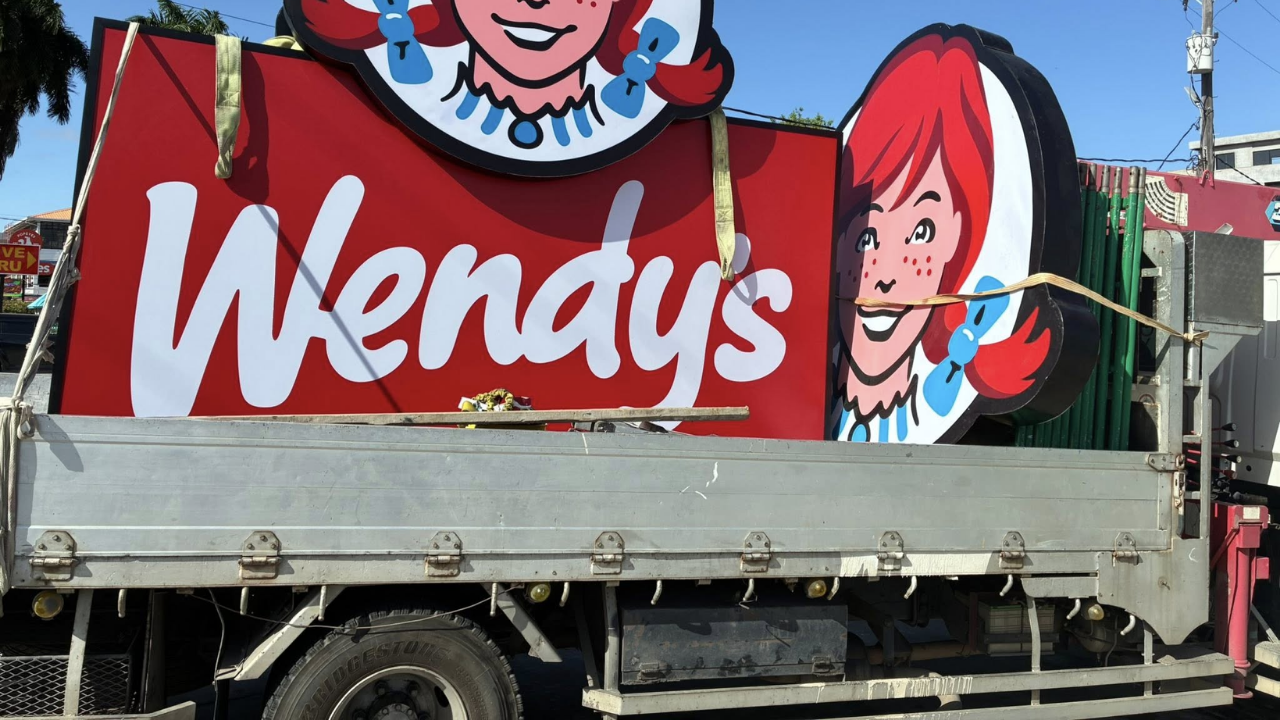
In late 2025, Wendy’s shocked the fast-food world by announcing plans to close 200–350 U.S. locations. The company, once known for its iconic square burgers and catchy ads, reported a significant 4.7% drop in same-store sales for Q3 2025.
As news broke, fans, workers, and franchisees were left wondering which restaurants would be next and what this meant for the brand’s future.
Why Is Wendy’s Closing Hundreds of Stores?
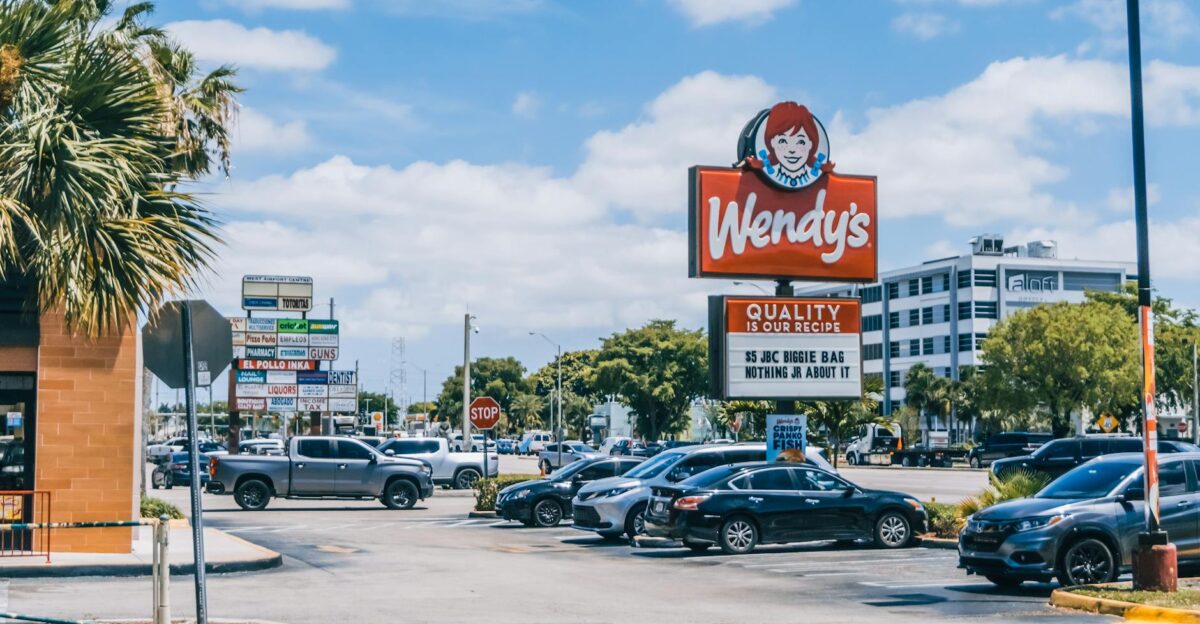
The closures are due to declining sales performance, with Wendy’s seeing a notable slide in Q3 2025 figures.
Interim CEO Ken Cook pointed to “Project Fresh,” a strategy designed to shutter underperforming restaurants and stabilize the company’s financial standing.
Consumers Will Lose Their Local Wendy’s
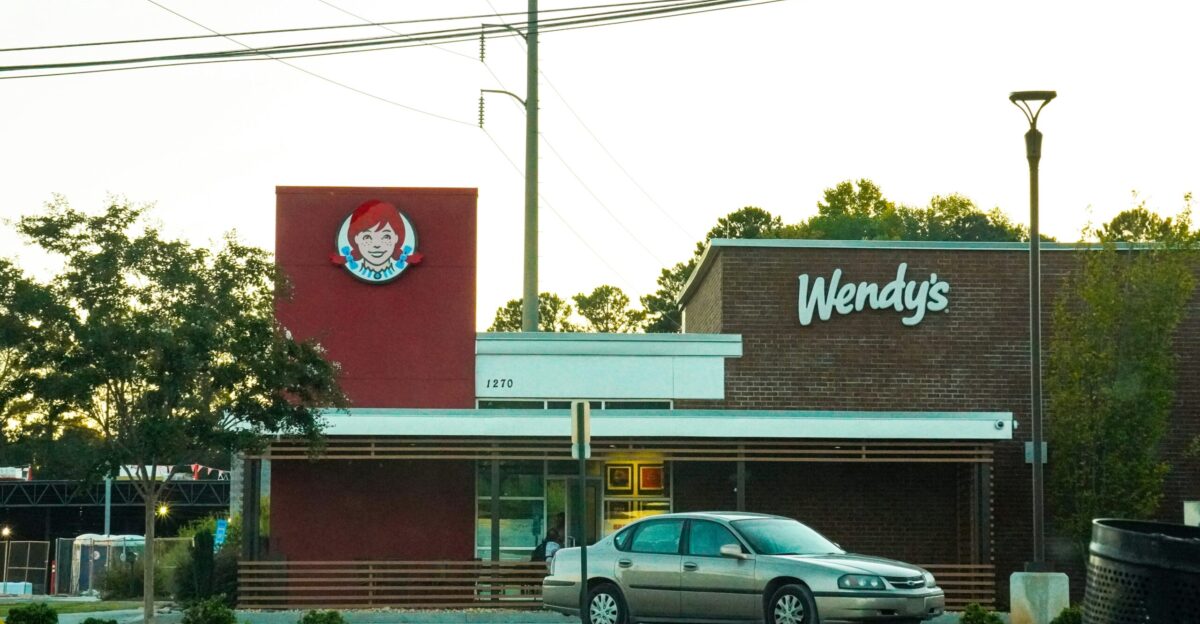
As 200–350 locations close, many U.S. customers will lose access to their local Wendy’s.
The chain has not released a public list of which locations will close, creating uncertainty for communities and diners who depend on the fast-food staple.
Franchisees Under Pressure
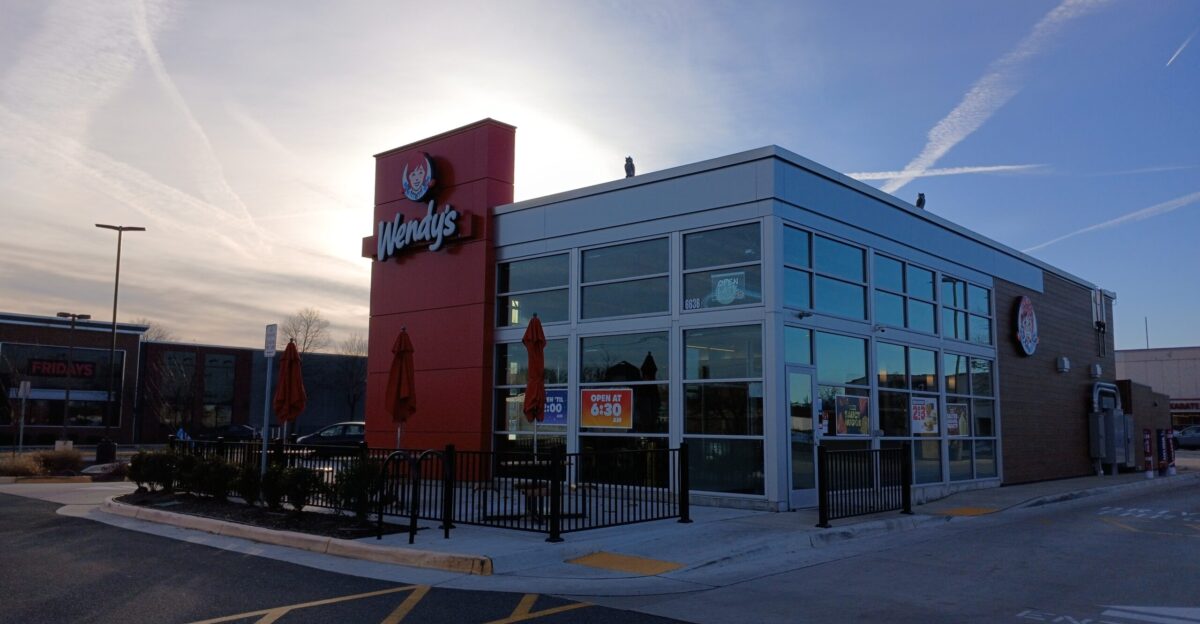
Wendy’s franchisees are under pressure to reinvest in the remaining locations.
Although the company aims to strengthen its overall system, franchisees face challenging decisions regarding staffing, operations, and financial planning amidst a shrinking footprint.
Rivals Capitalize on Wendy’s Decline

As Wendy’s retreats, its competitors, including McDonald’s, Burger King, and Shake Shack, posted positive earnings.
These rival brands are positioned to absorb the market share left behind, drawing in customers displaced by the closures and expanding their own presence.
U.S. Closures Have Global Ramifications
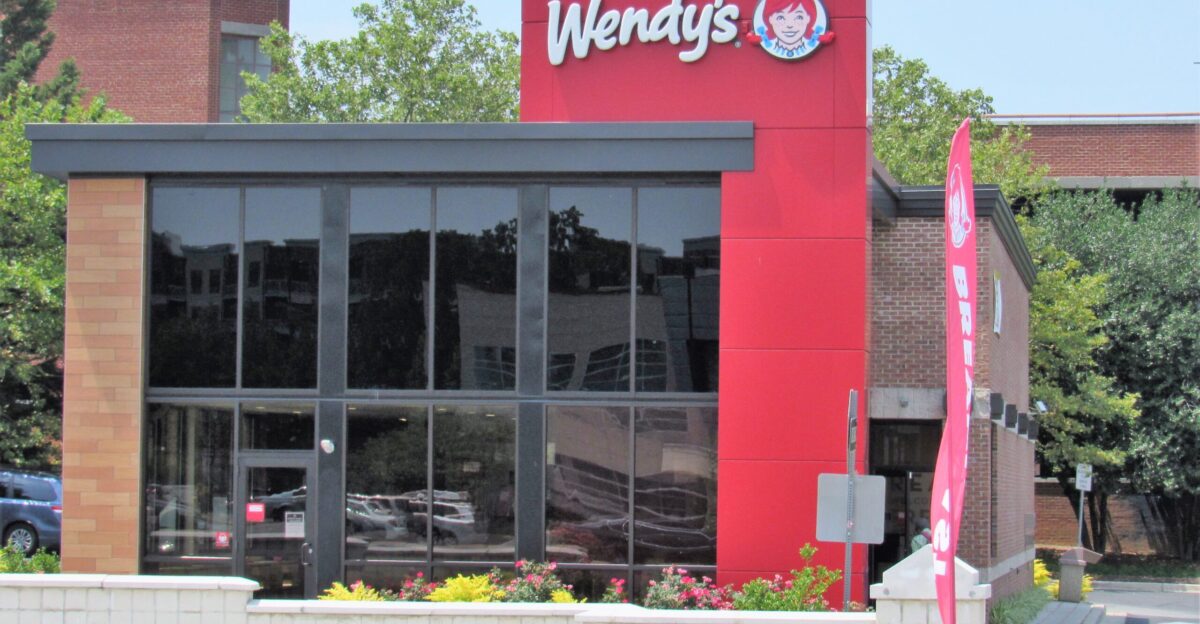
Wendy’s operates approximately 6,000 U.S. locations, with the closures affecting the company’s global operations.
The U.S. shutdowns could impact supply chains, brand perception, and franchise expansion plans internationally, amplifying the effect of the decline.
Job Losses Amid the Closures
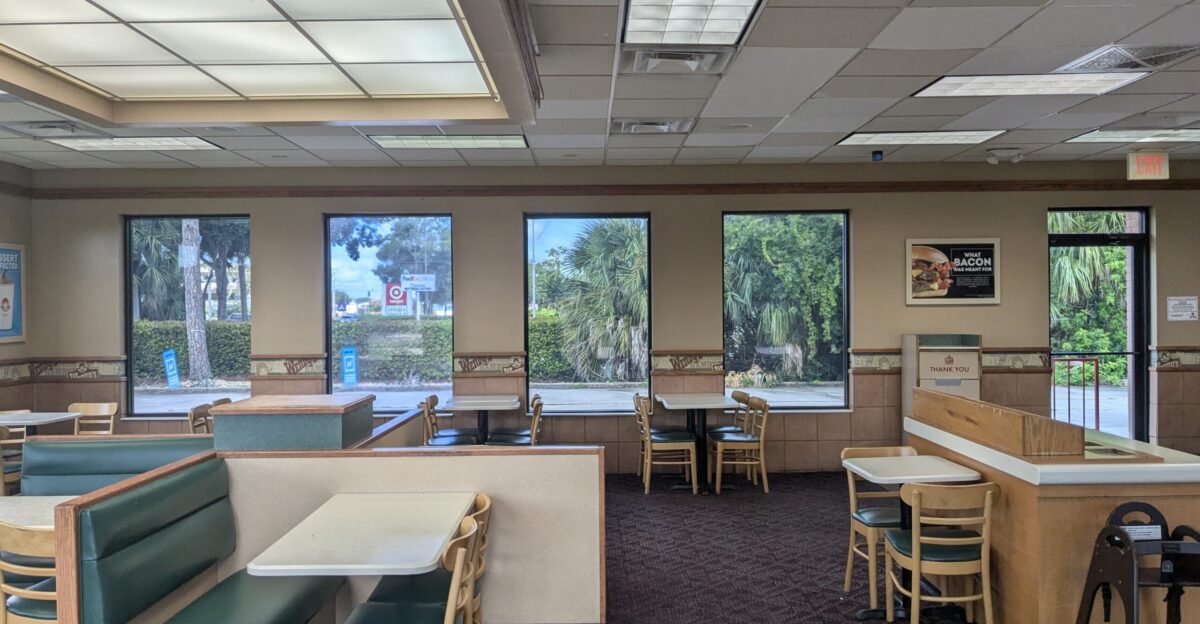
The closures could put a significant number of jobs at risk, with workers needing to seek new employment in a competitive job market.
The loss of so many locations highlights the human cost of corporate restructuring and financial setbacks.
Local Economic and Community Impact
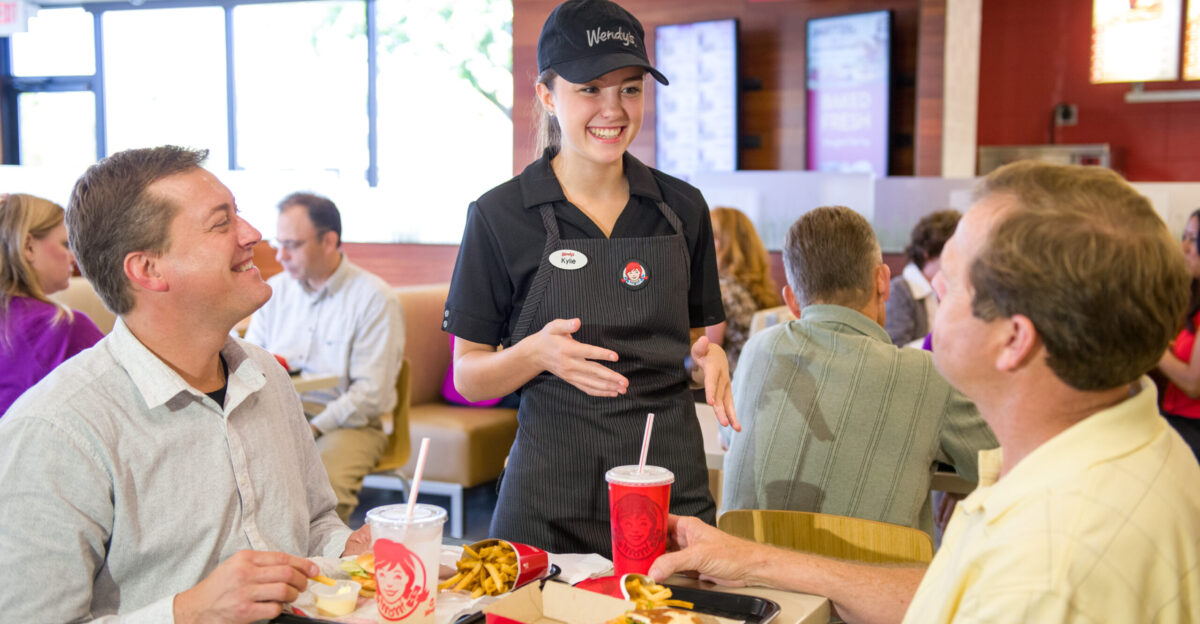
The closures will reverberate through local economies, affecting suppliers, landlords, and others dependent on fast-food traffic for stability. Restaurant closures create ripple effects extending beyond direct job losses to impact supply chains, commercial real estate markets, and local tax revenue. When restaurants close, food distributors, delivery drivers, uniform suppliers, paper product vendors, and equipment maintenance providers all experience reduced business.
Landlords face rental income losses and struggle to find replacement tenants for restaurant-configured properties, which often require costly renovations or demolition to repurpose. Local governments lose commercial property tax revenue, while communities experience reduced economic activity as displaced workers curtail spending.
The Shift in Consumer Habits
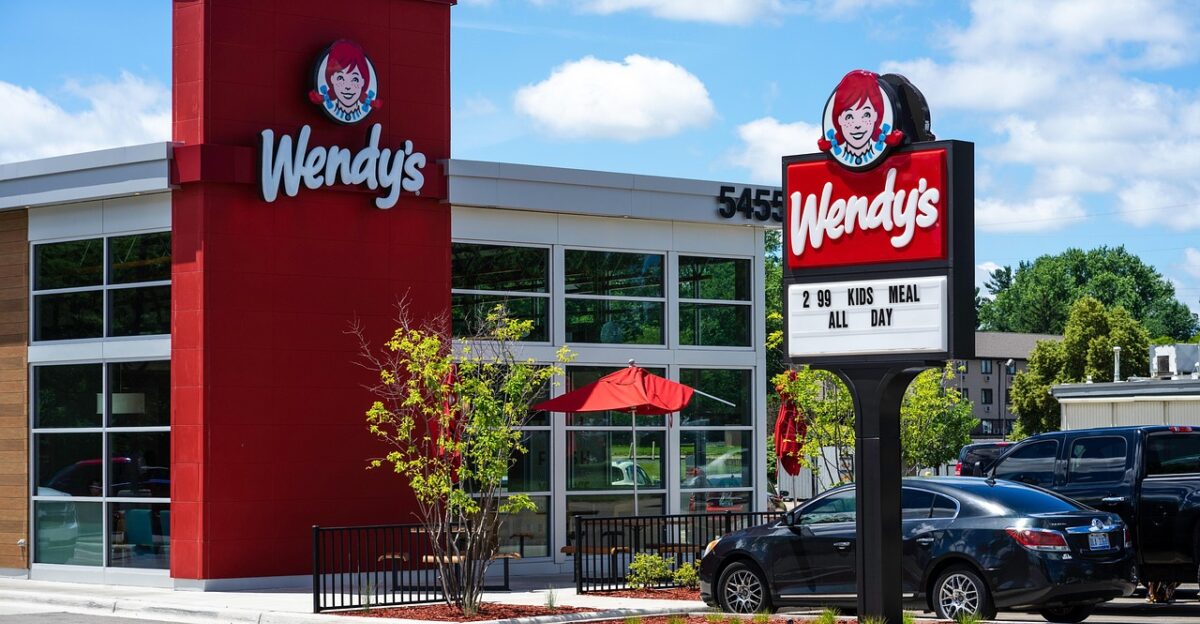
With fewer Wendy’s locations, consumers may turn to alternative dining options such as home cooking, meal delivery, or rival chains.
As digital ordering continues to grow in popularity, Wendy’s has increased investment in its digital platform to meet changing consumer preferences.
Fast Food’s Changing Role in American Culture

The closures spark a wider debate about fast food’s place in American culture.
As consumers seek healthier or more convenient options, the closures may represent a cultural shift away from traditional fast-food dining experiences, particularly in communities experiencing the greatest number of shutdowns.
The Global Impact on Consumer Behavior
International consumers are monitoring these changes in the U.S., and Wendy’s global franchisees may adjust menus, marketing, and expansion strategies to reflect shifting consumer tastes as the company responds to economic pressures in its home market. Fast food chains increasingly adapt to local preferences through “glocalization”—maintaining brand consistency while tailoring menus to regional dietary patterns, cultural values, and religious requirements.
Wendy’s international growth strategy, targeting 2,000 international restaurants by 2028 with 70% of expansion occurring outside the U.S., positions global franchisees to learn from domestic challenges and innovate accordingly. International markets like Canada, UK, India, and Australia are embracing customization, health-conscious options, plant-based alternatives, and digital ordering platforms, while Wendy’s franchisees observe U.S. performance metrics to inform their localized operational decisions and investment priorities.
Unlikely Winners and Losers
While Wendy’s suppliers could lose business, competitors and industries such as grocery stores and food delivery services stand to benefit.
Wendy’s “Tendys” chicken tenders sold out before official advertising even launched, showing that certain products continue to attract strong demand amid uncertainty.
Financial Outlook

Wendy’s forecasted $195–210 million in free cash flow for 2025, indicating that financial challenges remain for the company.
Consumers are advised to watch their local Wendy’s status and consider alternative fast-food options as the restaurant landscape evolves.
What Lies Ahead for Wendy’s and Fast Food?

Wendy’s retrenchment marks a critical juncture in the fast-food industry. As the brand adapts to its new reality, further closures, consolidation, and innovation are likely.
The future of fast food remains in flux as companies adjust to changing tastes and economic conditions.