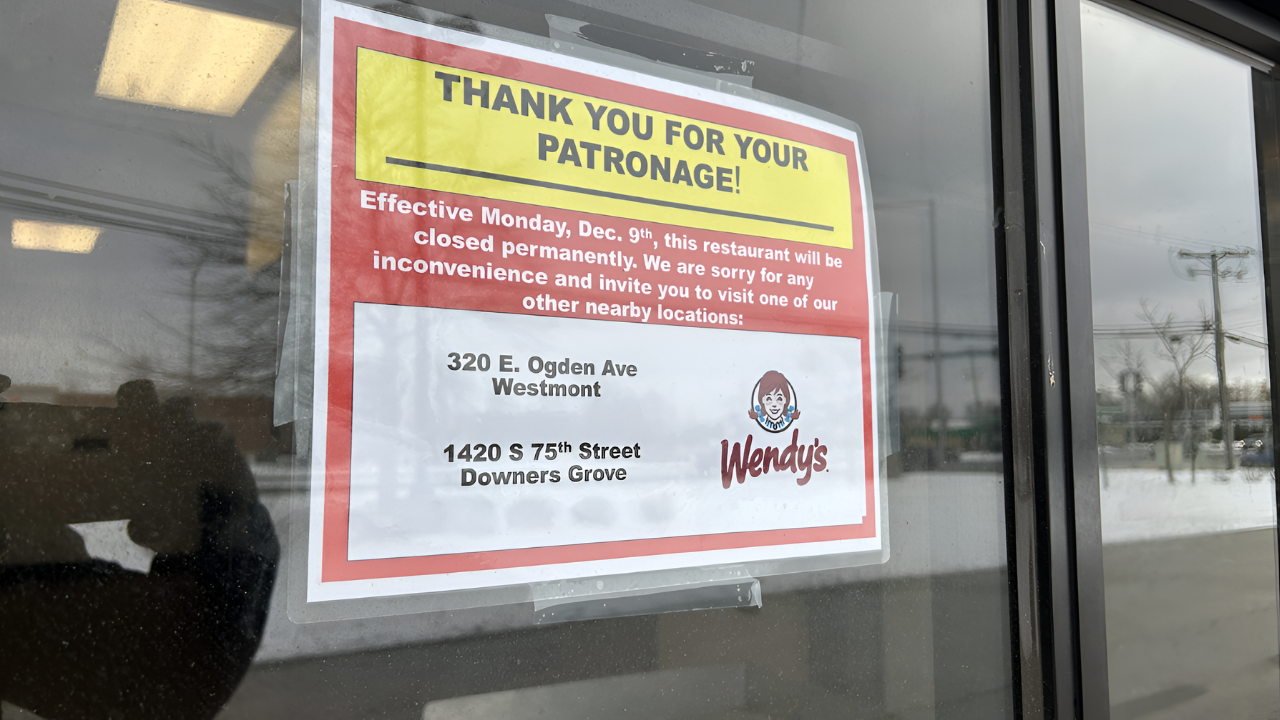
Wendy’s announced it would shut down 350 of its U.S. locations, an unprecedented move in the company’s history. The news dropped amid plummeting sales and rising inflation, catching the industry off guard.
The closures mark a turning point for Wendy’s, a brand once known for its consistent growth and innovation. But what prompted this sudden shift, and how will it affect the fast-food giant’s future? Stay tuned for what’s next.
Wendy’s Major Contraction
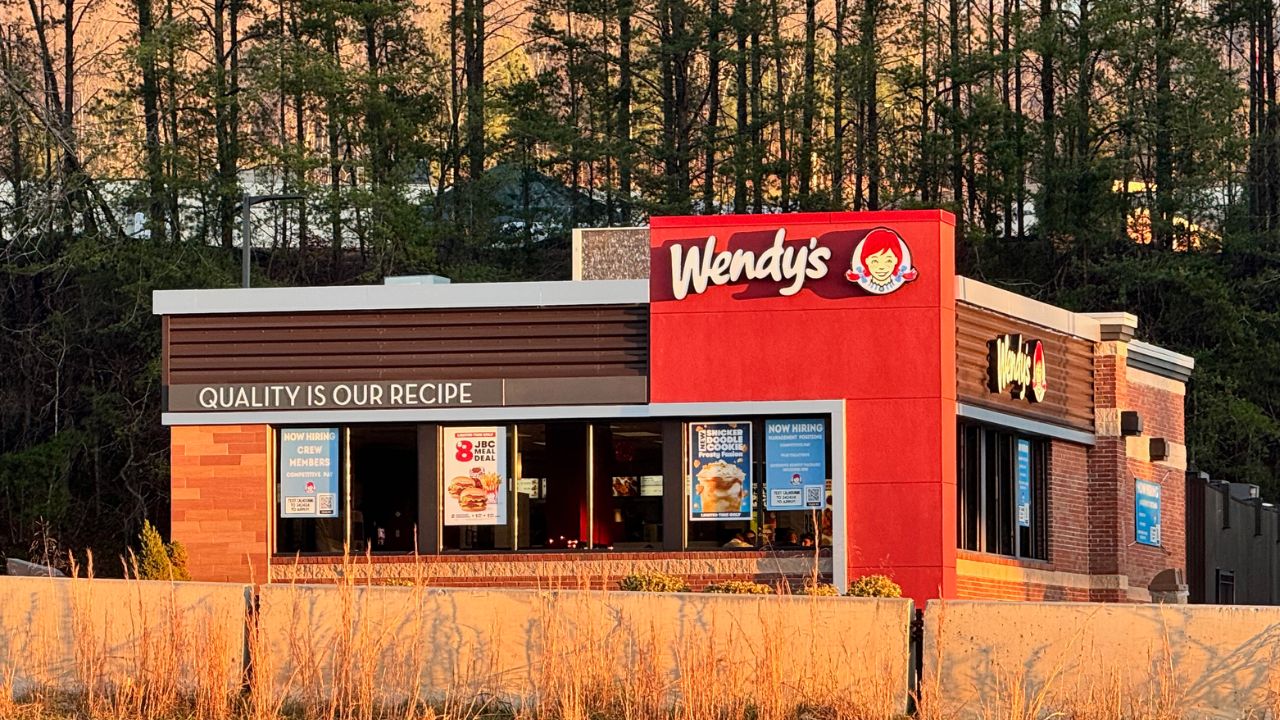
In response to declining sales, Wendy’s is set to close 200–350 underperforming U.S. locations starting in 2025, continuing into 2026.
This represents a significant reduction, about 5% of its 6,000 U.S. restaurants. The move underscores the challenges fast-food chains face in staying relevant amidst rising costs and shifting habits.
Wendy’s Growth Journey
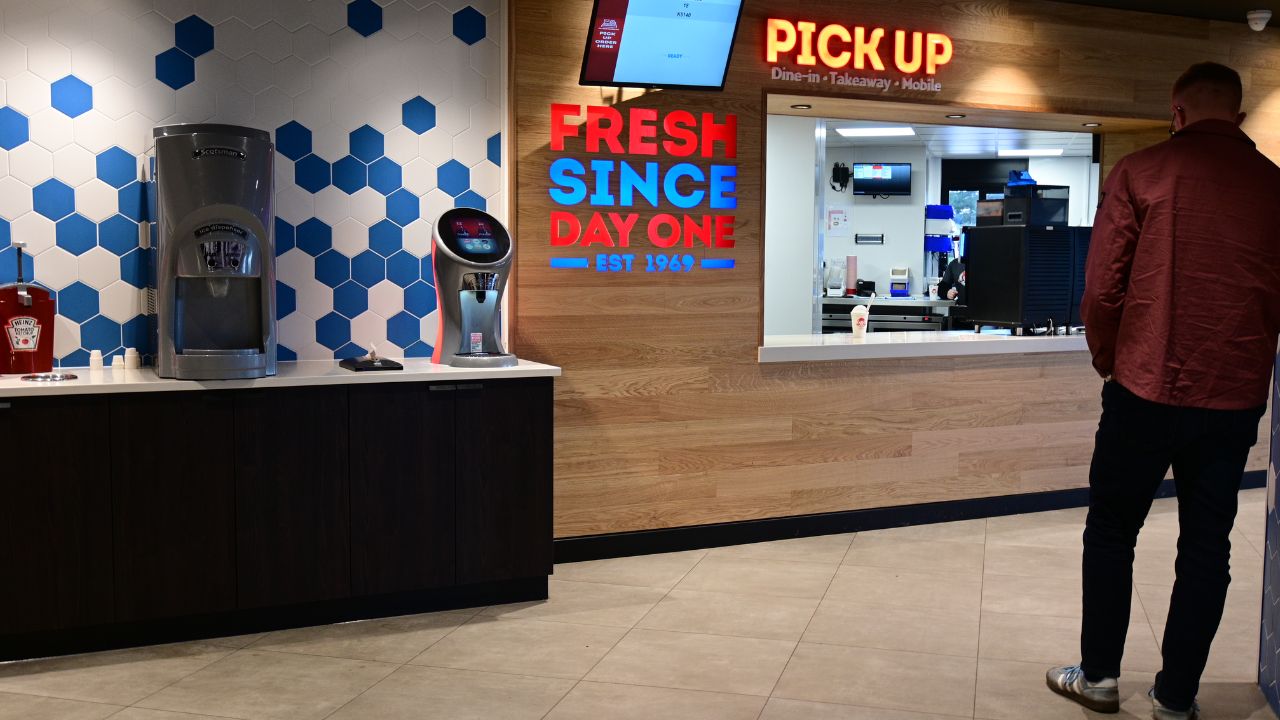
Since its founding in 1969, Wendy’s has been a staple in the fast-food landscape, differentiating itself through menu innovation and strong brand positioning.
However, with over 6,000 U.S. locations, Wendy’s now finds itself at a crossroads, where growth has slowed, and sustainability is key.
Financial Strain in 2025
For the first nine months of 2025, Wendy’s saw a 2% decline in total revenues, dropping to $1.63 billion, down from $1.67 billion in 2024.
Net income also fell by 6%, signaling mounting pressure. Same-store sales in the U.S. are down 3.7%, with Q3 numbers showing a 4.7% decline—pointing to a tough road ahead.
The Closure Announcement
Wendy’s interim CEO Ken Cook revealed the company’s strategy to close underperforming restaurants as part of their turnaround plan, “Project Fresh.”
These closures are an attempt to streamline operations, focusing on efficiency and sustainability rather than sheer expansion.
Evaluating Performance Across Regions
While the company has yet to provide a detailed list of closures, Wendy’s Q3 2025 results show that company-operated restaurants outperformed the system by 4%, demonstrating stronger operational performance in some units.
The focus now is on improving sales growth rather than increasing unit count.
Local Impact of Closures
The closures will undoubtedly affect workers, franchisees, and local communities.
With no specific job-loss estimates, these changes could result in significant disruption for employees and the economies around these restaurants, adding an emotional dimension to the financial shifts underway.
Industry-wide Trends
Wendy’s closures reflect a broader trend in the fast-food industry where chains are scaling back locations to focus on operational excellence and profitability.
As consumers become more price-conscious, reducing the footprint of underperforming units is becoming a common strategy across the sector.
Navigating the Consumer Squeeze
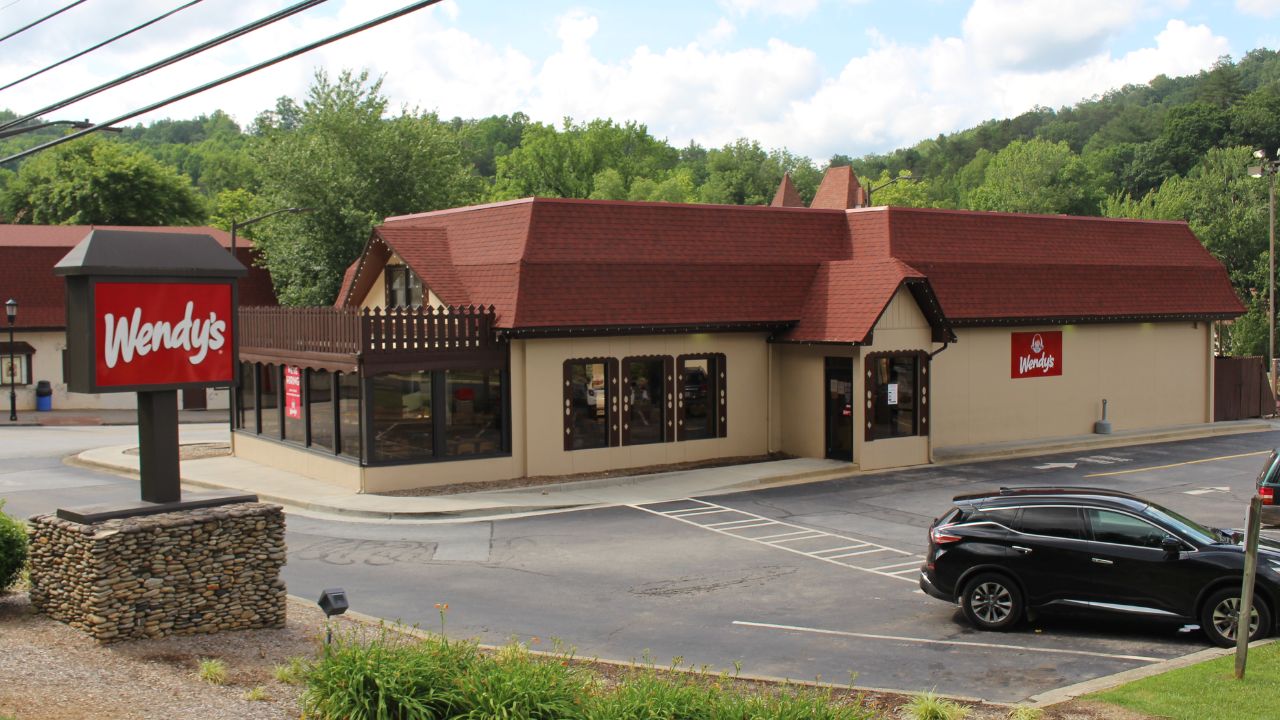
Inflation and rising operating costs have made margins tighter for restaurants, especially with value-focused diners becoming more selective.
Wendy’s has seen traffic declines in the U.S., contributing to the pressure on their margins. It’s clear: maintaining foot traffic is now a major challenge.
The Project Fresh Strategy
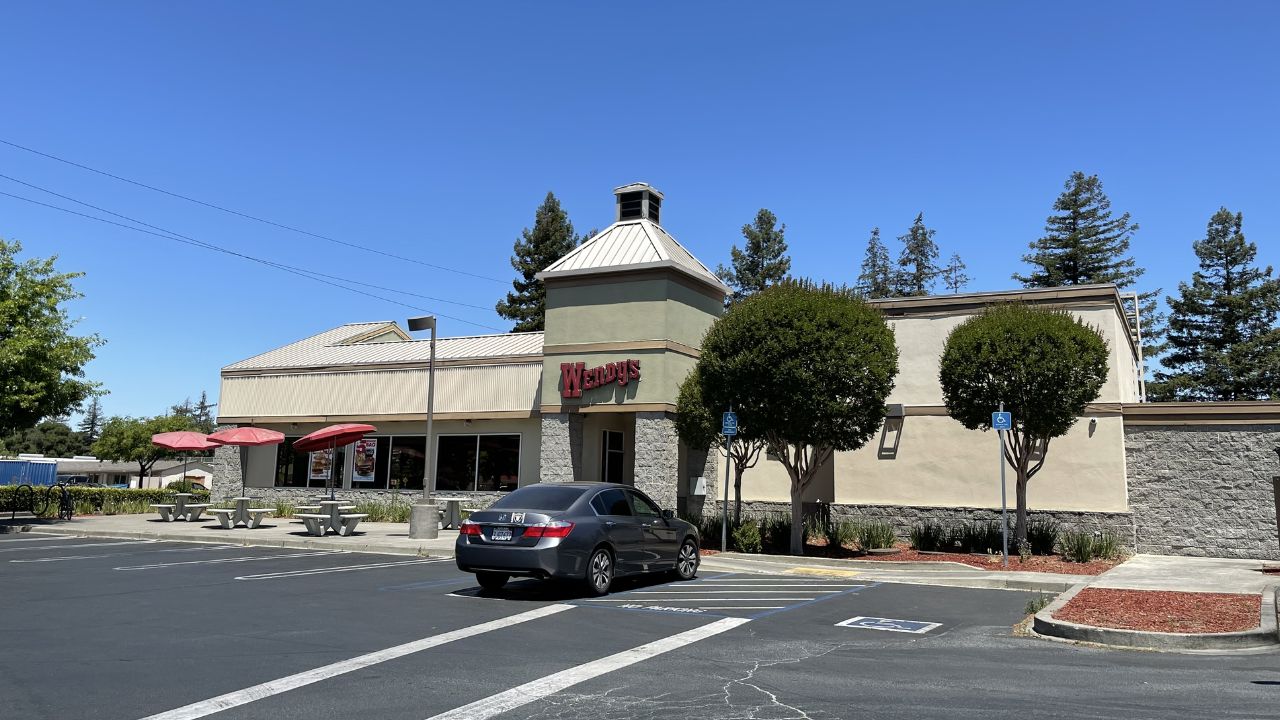
“Project Fresh” is Wendy’s plan for revitalization. The strategy focuses on optimizing labor, capital, and technology, while also improving the customer experience.
With initiatives ranging from operational enhancements to franchise support, Wendy’s is betting on these efforts to turn around its U.S. operations.
Franchisee Response
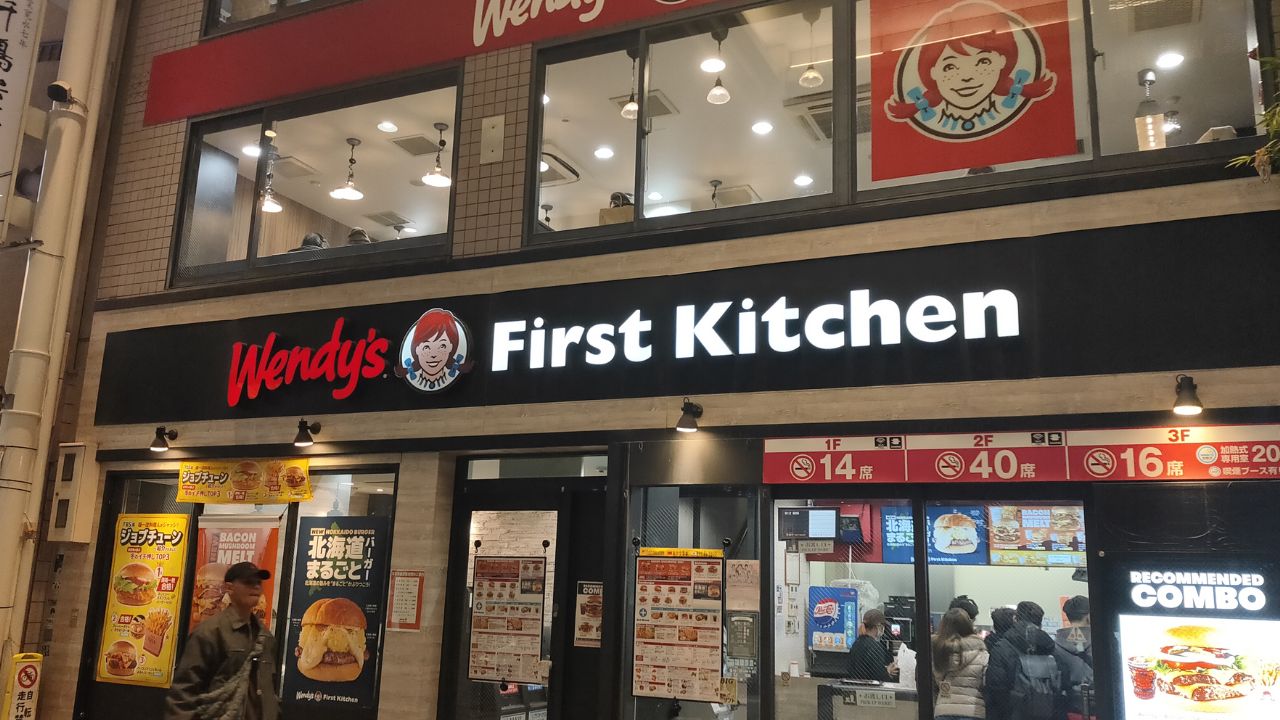
Most Wendy’s locations are franchised, so franchisees are key to the company’s ability to successfully implement changes.
While company-operated restaurants showed strong performance, franchisees may face tougher decisions on whether to reinvest or exit, depending on the costs of upgrading.
New Leadership at the Helm
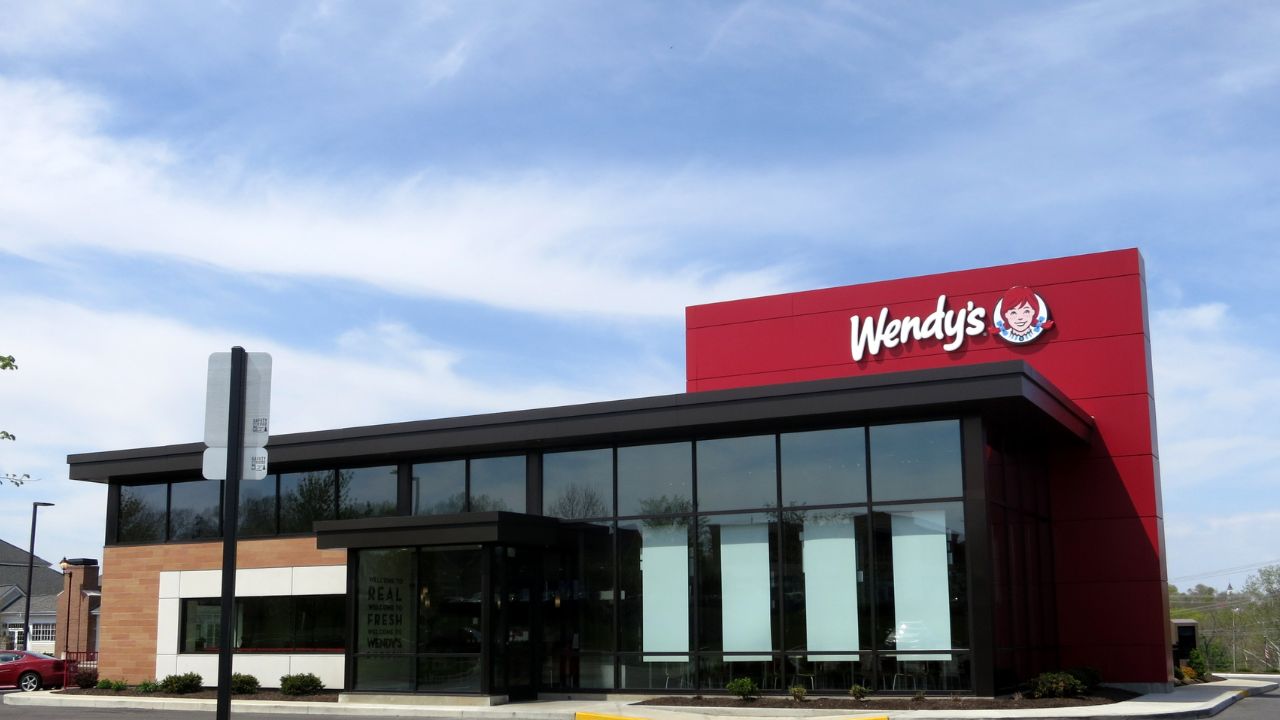
Ken Cook, the company’s CFO, was appointed interim CEO in July 2025, following the departure of the previous CEO.
This leadership change coincides with Wendy’s renewed focus on executing its strategic priorities. The success of these changes will depend heavily on Cook’s leadership.
A Focus on Menu Innovation
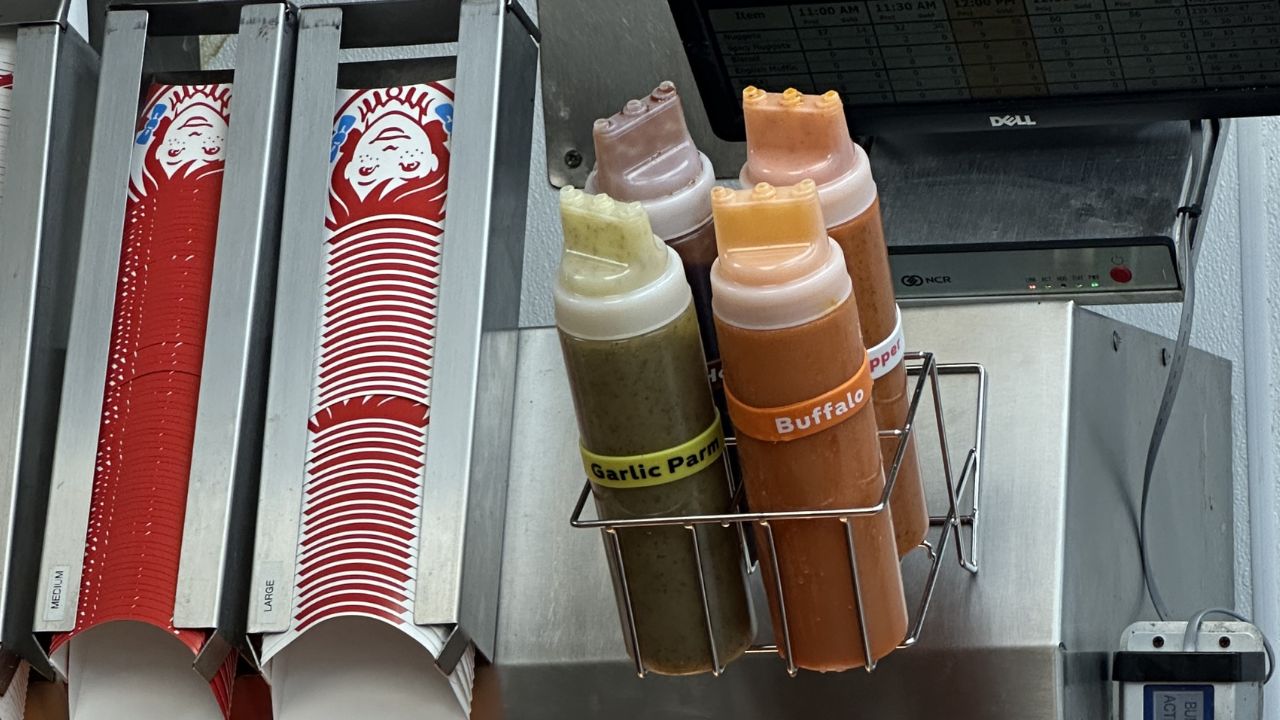
Wendy’s has found success with new product launches, like their popular chicken tenders.
As part of their recovery plan, they continue to innovate on their menu, hoping that new offerings will help boost sales and give their U.S. operations a much-needed lift.
Skepticism About the Plan’s Effectiveness
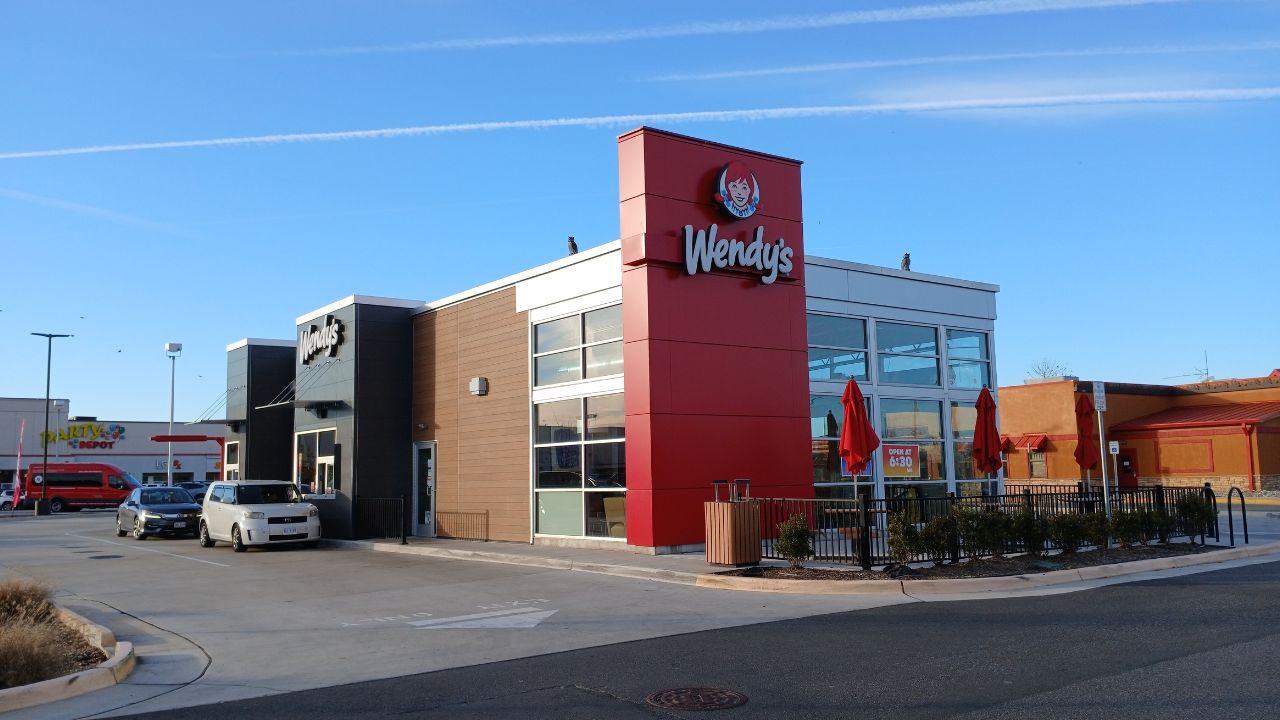
While closures may help improve unit economics by consolidating demand, there is skepticism in the industry.
The real question is whether Wendy’s can stabilize sales, boost profitability, and win back customer traffic with these changes. The path to success remains uncertain.
What’s Next for Wendy’s?
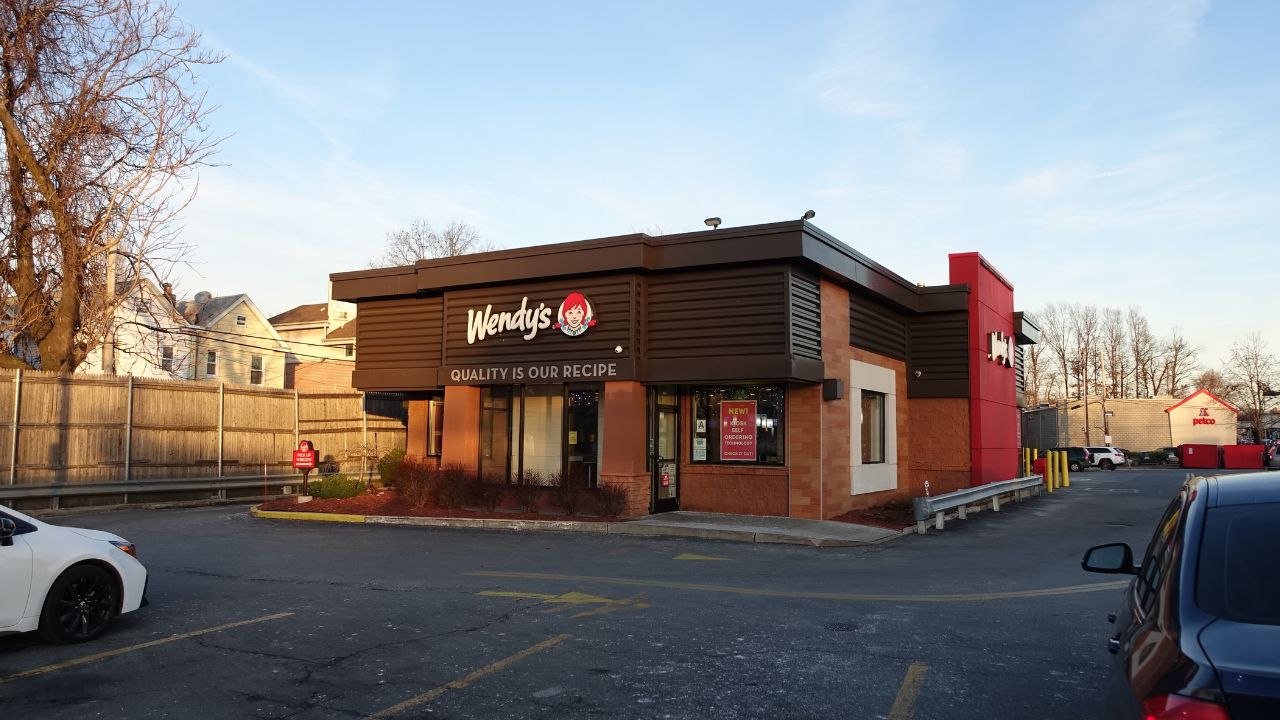
Wendy’s faces the critical question: can it balance closing underperforming locations with improving overall profitability?
While shrinking the footprint could lead to short-term losses, the operational improvements required could take years to fully materialize.
Legal and Economic Impact
Restaurant closures come with potential legal complexities. Issues like employee severance, franchise agreements, and local economic disruptions may arise, affecting the communities and workers who depend on those locations.
These matters can be complicated, especially with varying state regulations.
A Global Perspective
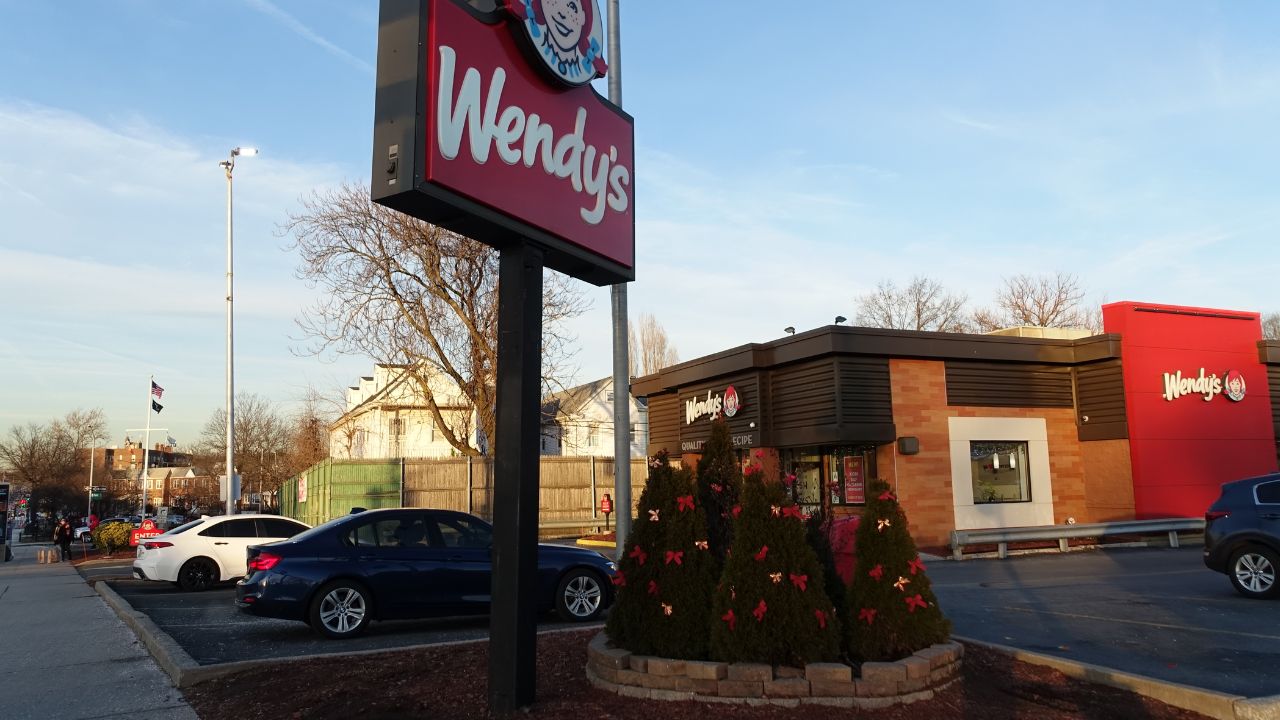
Despite struggles in the U.S., Wendy’s saw growth internationally, with systemwide sales up 8.6% in Q3 2025.
As U.S. sales dip, the company is turning its attention to international markets, where there is still momentum. It’s a stark contrast to the challenges they face at home.
Legal Complexities of Closures
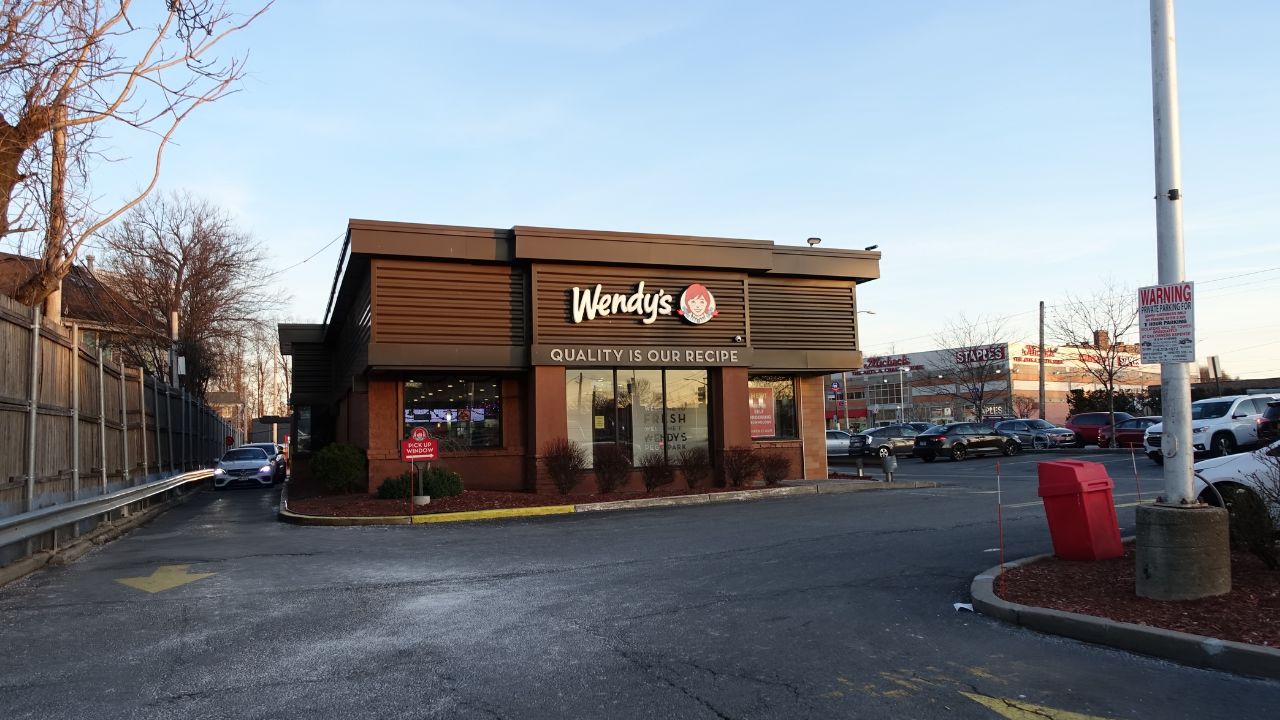
Each closure brings with it legal and contractual challenges, including lease obligations and franchise rules.
While Wendy’s has not disclosed a specific list of closures, the varying legal landscape could lead to disputes, especially around franchise agreements and employee rights.
Generational Shifts in Fast Food
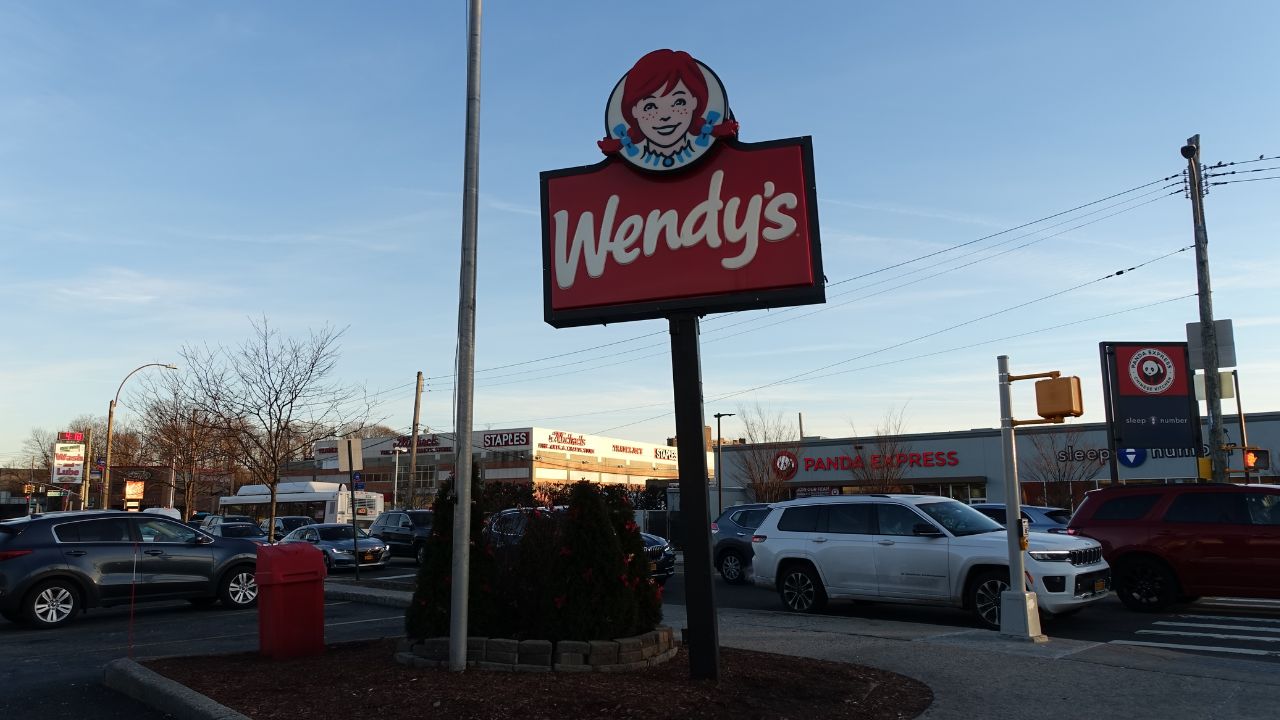
As consumer habits evolve, younger generations are more tech-savvy and health-conscious, and they expect brands to align with their values.
Wendy’s is navigating this shift by rethinking its brand identity, focusing on stronger communication and enhanced customer service at remaining locations.
The Future of Fast Food

Wendy’s closures and strategy shift reflect a larger trend in the fast-food sector, moving away from rapid expansion toward improving the quality of existing units.
If Wendy’s can execute its turnaround plan effectively, it could emerge leaner and more profitable. If not, further adjustments may follow.
Sources:
“Wendy’s to close hundreds of U.S. restaurants as low‑income consumers cut back.” CBS News / Associated Press, Nov 2025.
“Wendy’s to close hundreds of locations: list of fast‑food casualties in 2025 grows longer.” Fast Company, Nov 2025.
“Wendy’s could close hundreds of restaurants amid weak same‑store sales and Project Fresh rollout.” Restaurant Dive, Nov 2025.
“THE WENDY’S COMPANY launches ‘Project Fresh,’ a strategic plan to drive growth and enhance value creation.” PR Newswire / The Wendy’s Company press release, Oct 2025.