
For decades, WeightWatchers dominated the weight-loss industry with community support groups, motivational meetings, and a points-based system that encouraged behavioral change. But everything shifted when powerful prescription medications like Ozempic, Wegovy, and Mounjaro entered the market.
These drugs work by mimicking natural gut hormones to suppress appetite, and clinical trials have shown that they can help people lose up to 20 percent of their body weight—dramatically more effective than traditional diet programs. In 2024 alone, these medications generated $26 billion in global sales, with market analysts predicting the industry could reach $156 billion by 2030.
As more Americans chose weekly injections over weekly meetings, Weight Watchers’ relevance declined. Between 2023 and 2025, the company lost over a million members, and its stock price plummeted by more than 99 percent from its 2018 peak. The company wasn’t alone in its struggles—competing weight-loss company Jenny Craig shut down completely in 2023, signaling a broader industry crisis.
Digital competitors like Noom and social media influencers offering quick-fix solutions have further eroded the market for traditional, community-based weight loss programs, which once filled arenas with devoted followers.
Leadership Failures and Financial Collapse
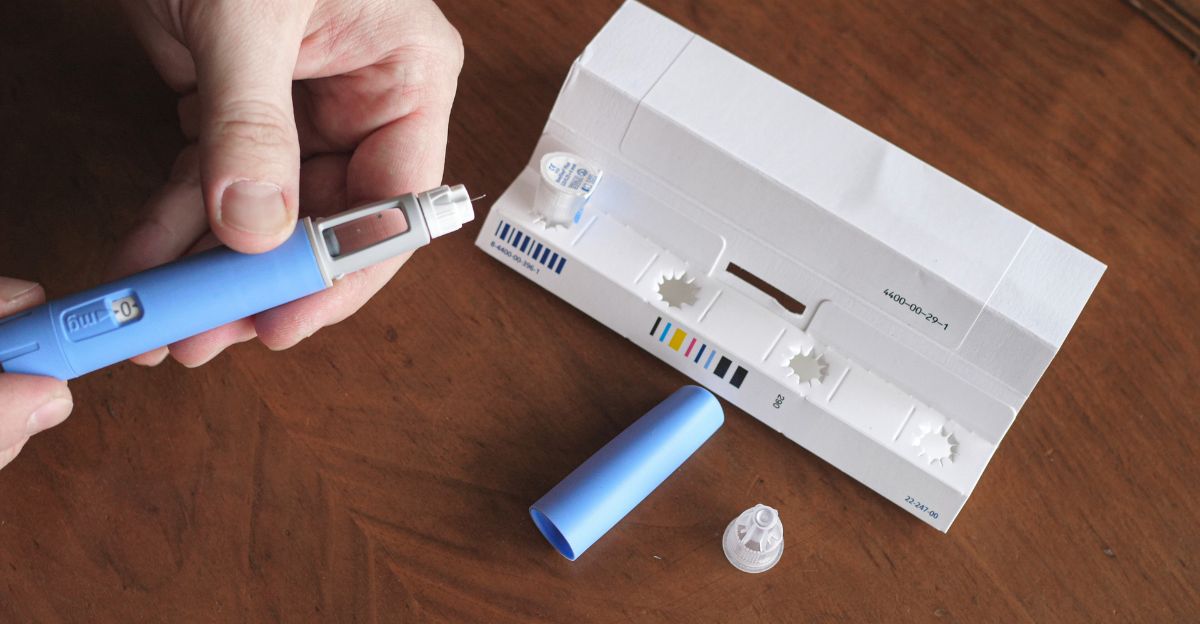
WeightWatchers’ downfall was accelerated by poor strategic decisions and leadership instability. In an attempt to compete with GLP-1 drugs, CEO Sima Sistani joined the company in 2022 and spent $106 million acquiring Sequence, a telehealth startup, to offer GLP-1 prescriptions directly to customers.
The plan backfired. By September 2024, Sistani resigned after her digital overhaul failed to stop the company’s losses. The company also faced a major public relations setback when Oprah Winfrey, who had been a board member and the public face of the brand since 2015, resigned in early 2024—partly because she had been publicly advocating for GLP-1 medications over traditional weight-loss methods.
Her departure triggered another steep decline in the stock. By 2024, WeightWatchers’ annual revenue had dropped to $786 million, with net losses reaching $346 million. The company’s attempts to sell compounded, pharmacy-made versions of weight-loss drugs provided temporary relief but ended abruptly when the FDA tightened regulations in early 2025.
On May 6, 2025, WeightWatchers filed for Chapter 11 bankruptcy protection in Delaware, carrying $1.15 billion in debt. Under the bankruptcy plan approved in June 2025, the company shed 70 percent of its debt but at a severe cost: shareholders were left with only a 9 percent stake as creditors took control.
The company’s workforce shrank by nearly a quarter, with the deepest job cuts hitting the New York City headquarters and the coaches who once led in-person support meetings.
A Transformed Weight-Loss Industry and an Uncertain Future
The Weight Watchers bankruptcy reflects a fundamental shift in how society views and addresses obesity. Society now increasingly treats weight loss as a medical condition requiring pharmaceutical solutions, rather than viewing it primarily as a matter of willpower and personal discipline.
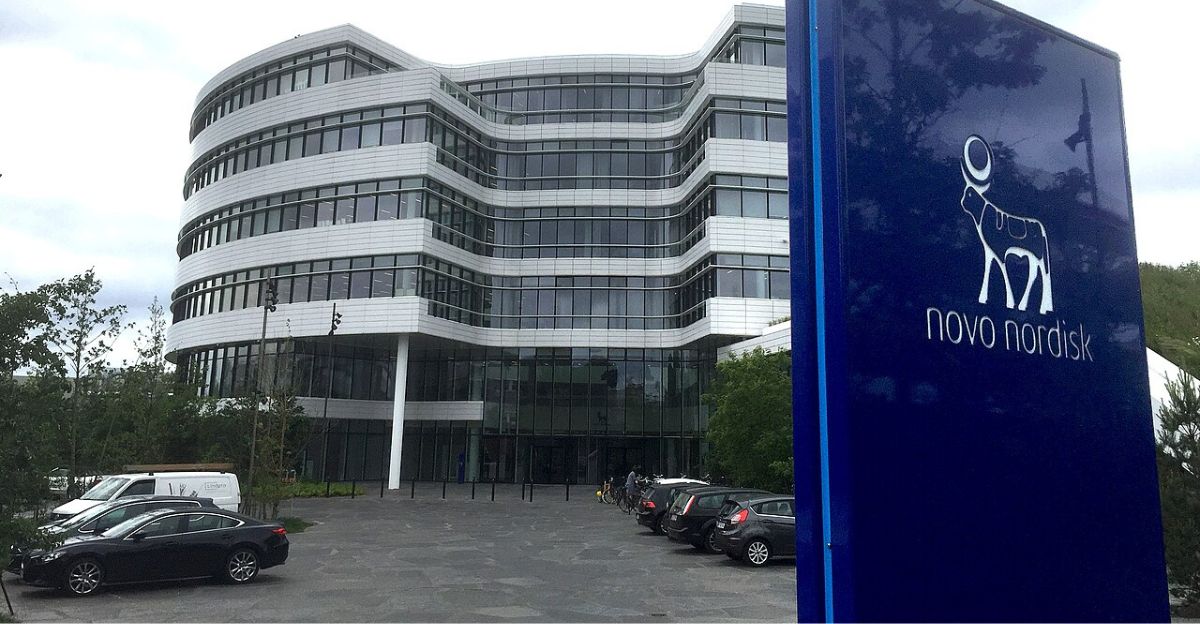
On social media, the hashtag #Ozempic has garnered billions of views on TikTok, fueling both excitement and controversy among doctors, celebrities, and everyday users. Denmark, home to Novo Nordisk (the manufacturer of Ozempic), has seen the drug’s success become a major economic driver for the nation.
U.S. lawmakers and regulators are now grappling with the broader economic and ethical implications of widespread GLP-1 use, from rising Medicare costs to concerns about the safety of compounded drugs. As WeightWatchers emerges from bankruptcy, the company is attempting to reinvent itself by blending digital tools, personal coaching, and medical partnerships.
Some supporters believe it can carve out a new role as a bridge between behavioral science and pharmaceutical care. However, with cheaper, faster, and trendier alternatives rapidly gaining market share, the future remains uncertain.
The WeightWatchers story raises a critical question: in a world increasingly defined by prescription solutions, do community support and personal accountability still matter?