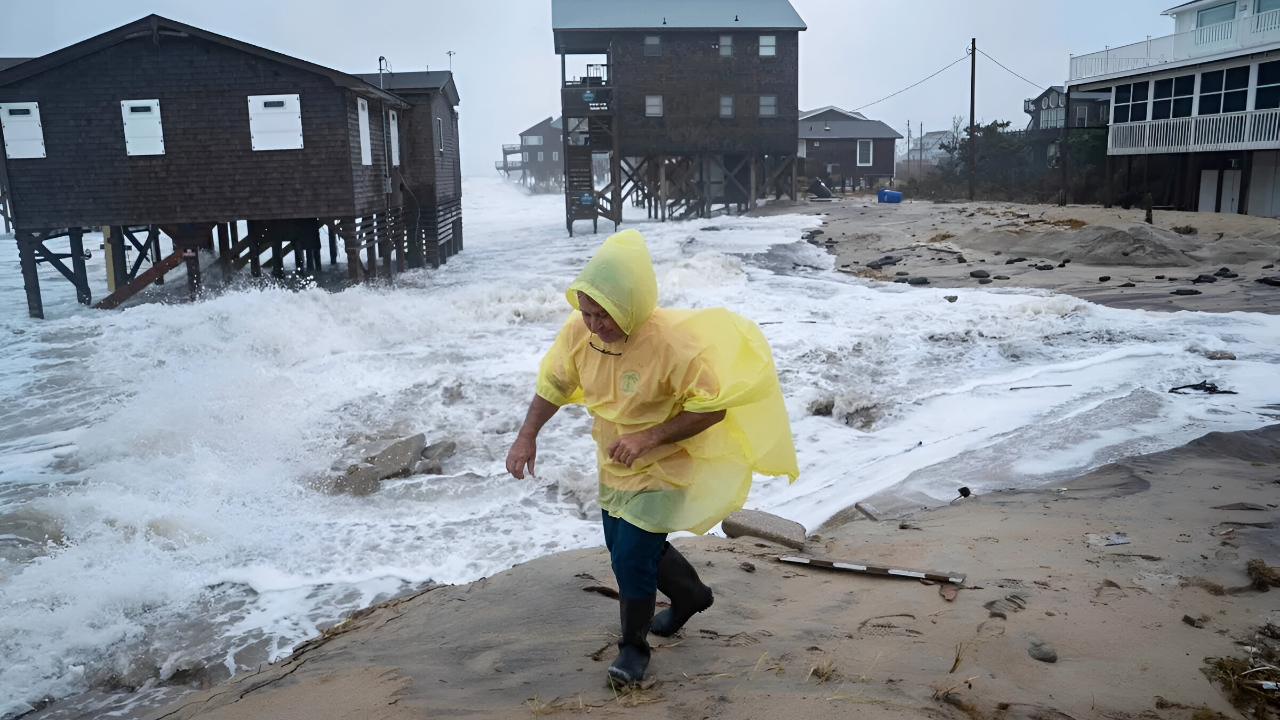
On October 30, 2025, a historic event unfolded as the National Weather Service issued simultaneous weather alerts spanning nearly 95,000 miles of U.S. coastline. This unprecedented situation placed millions of Americans at risk and bewitched those concerned about climate-driven hazards.
The alerts marked a new era in meteorological history, highlighting the growing impact of climate change on weather patterns. Coastal communities braced for severe impacts, marking a pivotal moment for weather forecasting and emergency preparedness. This comprehensive warning underscored the urgent need for better coastal resilience strategies in response to increasingly frequent and severe weather events.
The Meteorological Cause: Powerful Storm Systems
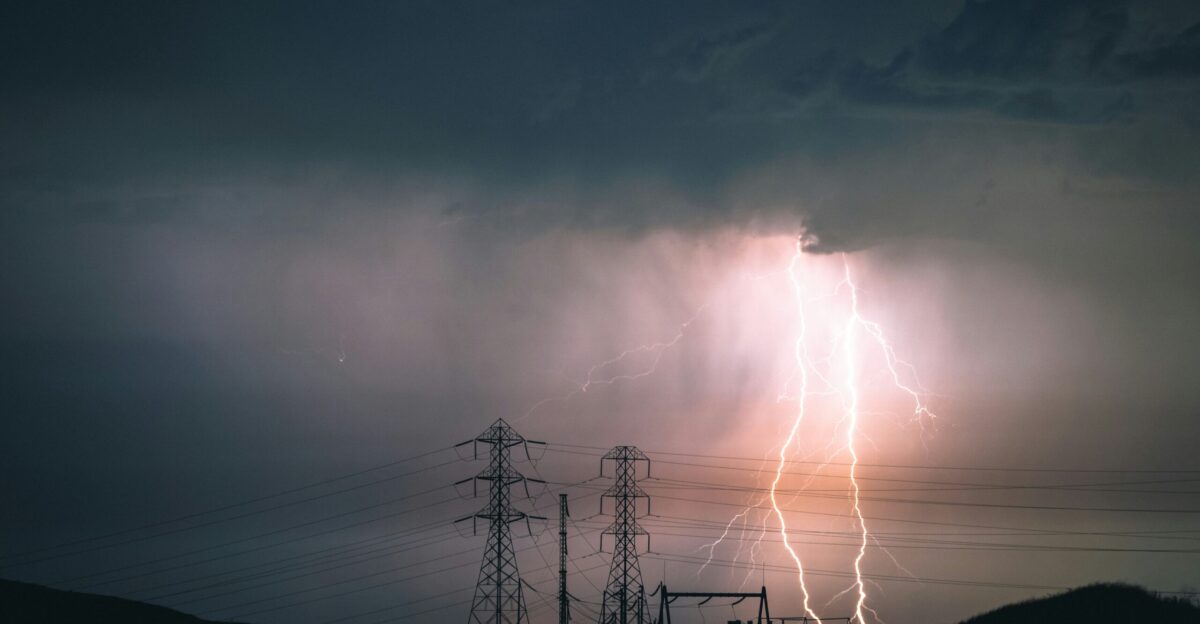
A powerful, occluded low-pressure system was responsible for this extreme alert. Sweeping across the Atlantic, Pacific, and Gulf coasts, it brought with it gale-force winds and heavy rainfall. Meteorologists attributed the storm’s strength to rapid atmospheric circulation and a low-level jet stream, with wind gusts peaking at 80 mph in several areas.
“This kind of storm system is becoming more typical as climate conditions change,” said a representative from the Weather Prediction Center. The ferocity of this storm serves as a reminder of nature’s unpredictability, prompting questions about future preparedness across coastal regions.
Direct Consumer Impact: Coastal Communities at Risk
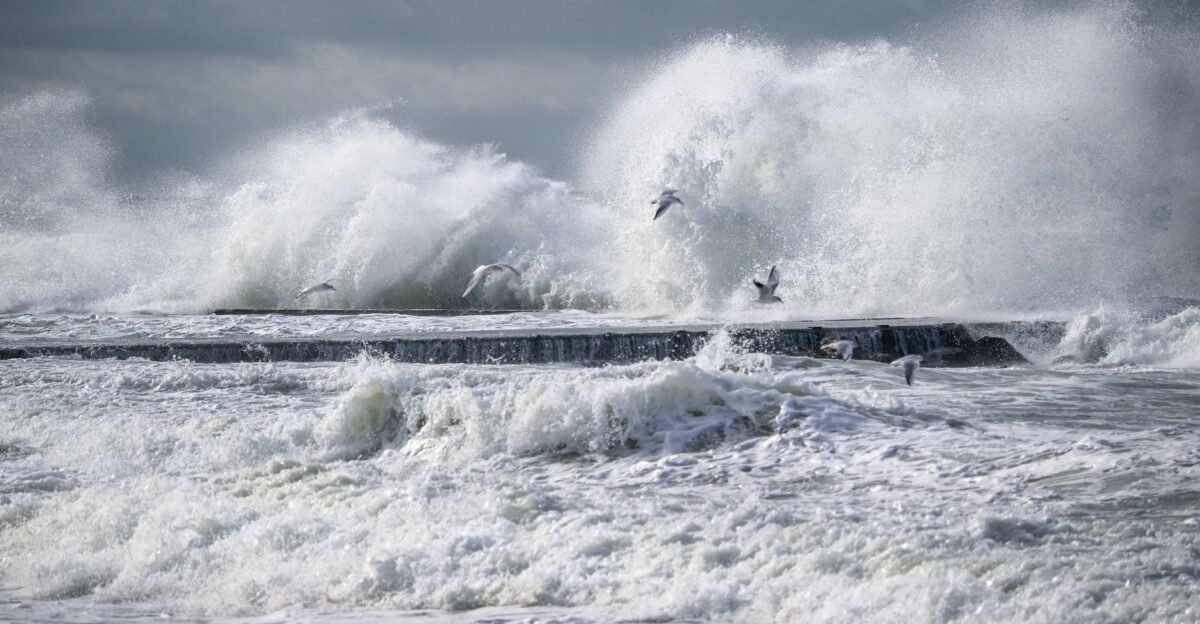
The impact of these alerts was felt immediately across coastal communities, affecting nearly 127 million Americans residing in coastal counties. Many faced direct threats from flooding, high surf, and intense wind damage. Notably, residents in New Jersey, Delaware, and Maryland experienced minor flooding, while Ocean County’s back bays witnessed moderate flooding conditions.
“I’ve never seen flooding like this during October,” shared a resident from Delmarva, reflecting the sudden changes that left many scrambling. This prompted local authorities to encourage residents to remain vigilant and heed the warnings from the National Weather Service.
Business Response: Retailers and Service Providers
In light of these extreme conditions, retailers and service providers swiftly adapted their operations. Many businesses closed early and shifted Halloween promotions online to prioritize safety. Utility companies prepared for potential power outages, proactively staging crews to respond to downed lines.
Insurance companies braced for a surge in claims related to the storm’s wind and water damage. “We’ve had to reallocate resources rapidly to ensure we support our customers,” explained an insurance adjuster. The proactive measures established by businesses illustrated their resilience and commitment to community safety during chaotic times.
Adjacent Markets: Recreational Boating and Tourism
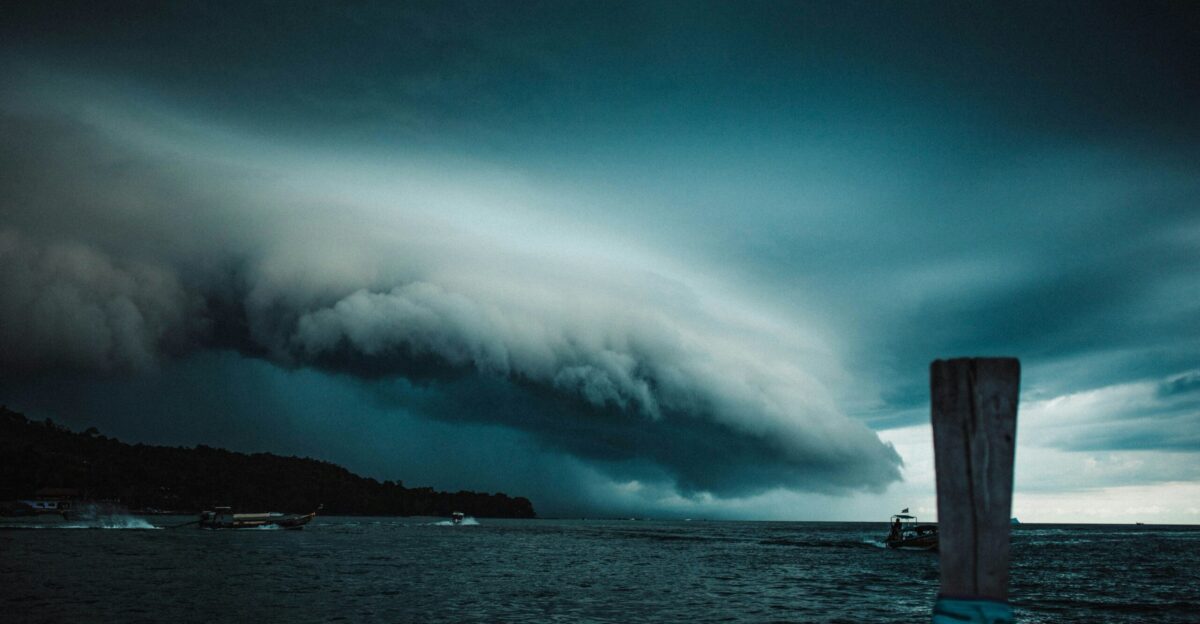
The storm’s ferocity also led to significant disruptions in adjacent markets such as recreational boating and tourism. Small craft advisories resulted in around 850,000 recreational vessels being grounded, halting local tourism and fishing activities.
Coastal hotels reported a wave of cancellations as travelers avoided hazardous conditions, disrupting seasonal revenue streams. “We’ve seen a drastic drop in bookings due to the storm warnings,” noted a hotel manager in Cape May. Such cancellations spell potential economic challenges for local businesses as the peak tourist season comes to a close, exacerbating the financial implications of the storm.
International Trade Effects: Ports and Shipping

Major U.S. ports along the Atlantic and Gulf coasts were also severely impacted as gale warnings disrupted cargo operations. Shipping schedules faced significant delays, with international companies opting to reroute vessels to avoid turbulent waters.
“The ripple effects on global supply chains have been immediate,” noted an analyst at a marine logistics firm. This unprecedented interruption raised concerns about the stability of trade networks that many businesses rely on. As companies scrambled to adapt, the event emphasized the importance of resilient trade practices in mitigating the risks associated with extreme weather patterns.
Workers and First Responders
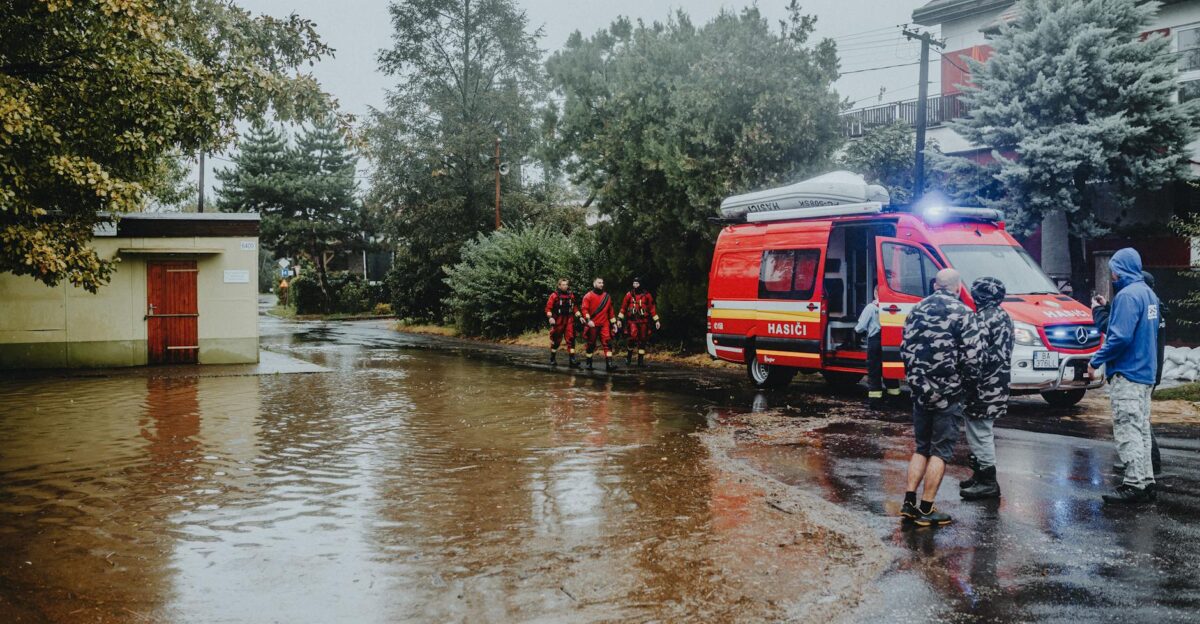
Amidst the turmoil, dockworkers, emergency crews, and local officials worked tirelessly to secure waterfront infrastructure and assist residents. In metropolitan areas like New York and Virginia, first responders managed evacuations and addressed downed power lines, underscoring the human element in such extreme weather events.
“We’re focused on keeping everyone safe, even when conditions are tough,” shared a firefighter in Virginia. The dedication displayed by these frontline workers highlighted the profound impact of extreme weather, serving as a reminder of the challenges faced during climate-related crises.
Political and Policy Response: Government Action
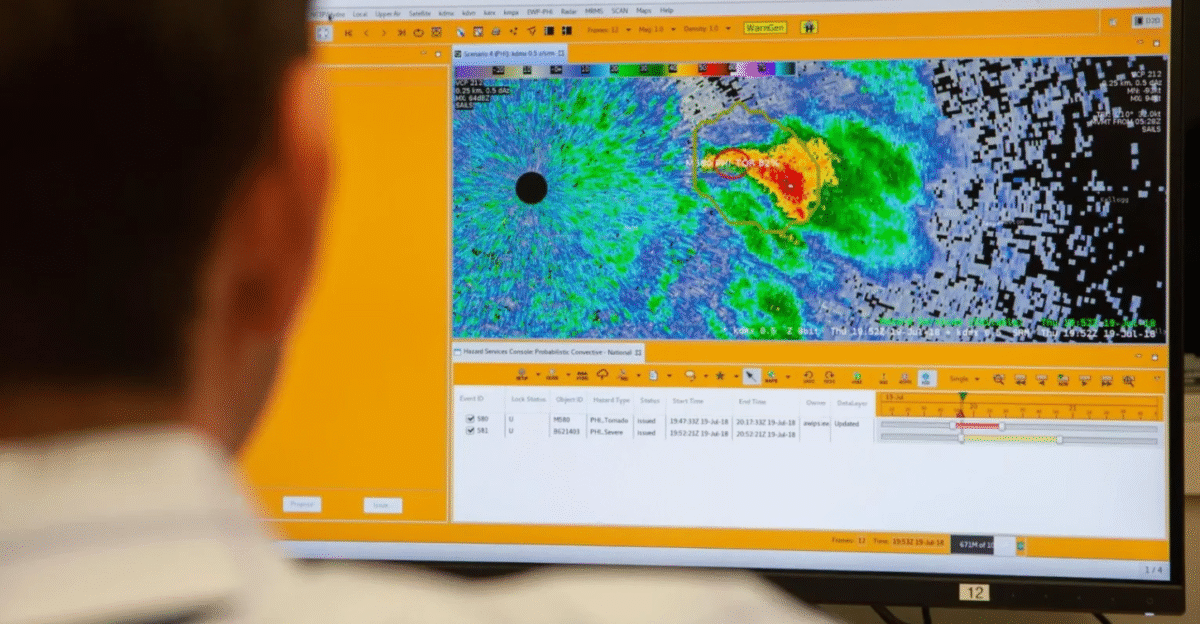
In response to the crisis, federal and state agencies mobilized to coordinate emergency plans and deploy essential resources. The National Weather Service took proactive measures by issuing advisories in multiple languages to ensure information reached diverse communities. Local governments activated disaster response protocols, urging residents to heed official warnings.
“We’re committed to ensuring the safety of our citizens during these unpredictable weather events,” stated a government spokesperson. The amplified governmental response underscored the evolving role of policymakers in addressing the repercussions of climate-driven hazards.
Economic Ripple: Property and Insurance Markets

The severity of this storm placed $9.6 trillion in coastal property at risk, leading insurers to anticipate record claims. In the wake of the alerts, real estate markets encountered a temporary freeze, as buyers and sellers awaited damage assessments and policy updates.
“It’s a tense waiting game for many homeowners,” remarked a local realtor on the unsold properties lining the coast. The economic implications created ripples throughout the real estate and insurance sectors, provoking discussions about the long-term resilience necessary in response to ongoing climate threats.
Lifestyle and Health Changes: Halloween Disrupted
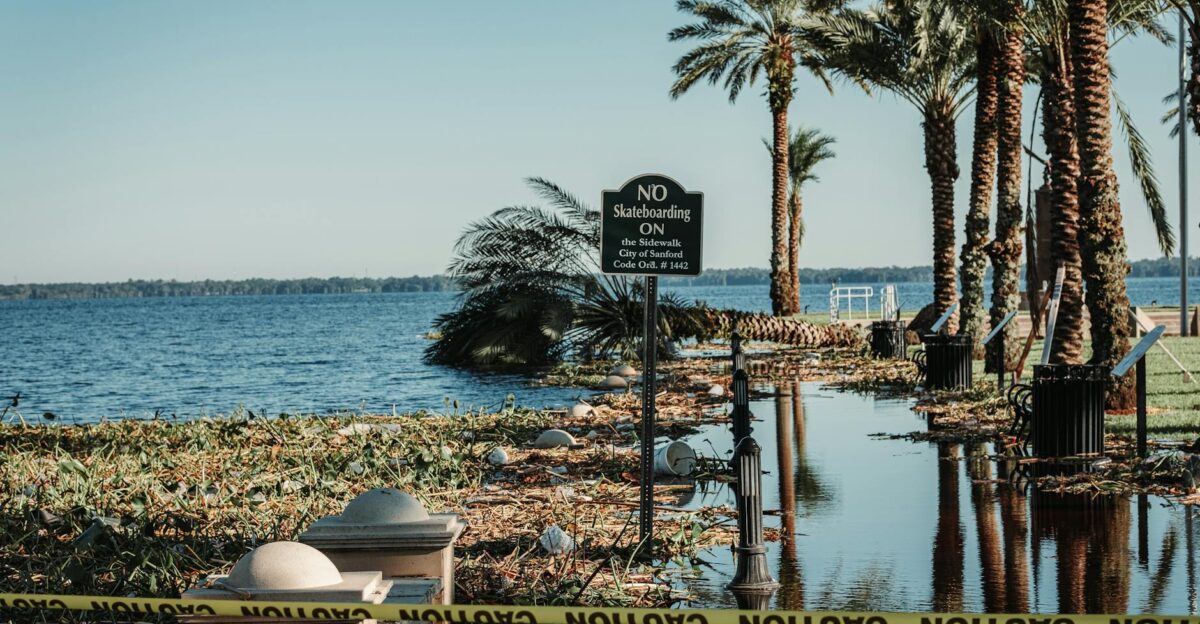
As the storm loomed, millions of families in coastal areas adjusted their Halloween plans. Many opted to move festivities indoors or cancel events altogether. Health officials warned of heightened risks for drowning and injuries from debris, urging caution during outdoor activities.
“We’re more concerned than ever about the impact of storms on community celebrations,” commented a public health official. This shift not only underscores the immediate health risks but also the broader social and psychological effects of extreme weather events on families, highlighting a change in lifestyle due to climate concerns.
Cultural and Environmental Debate: Climate Resilience
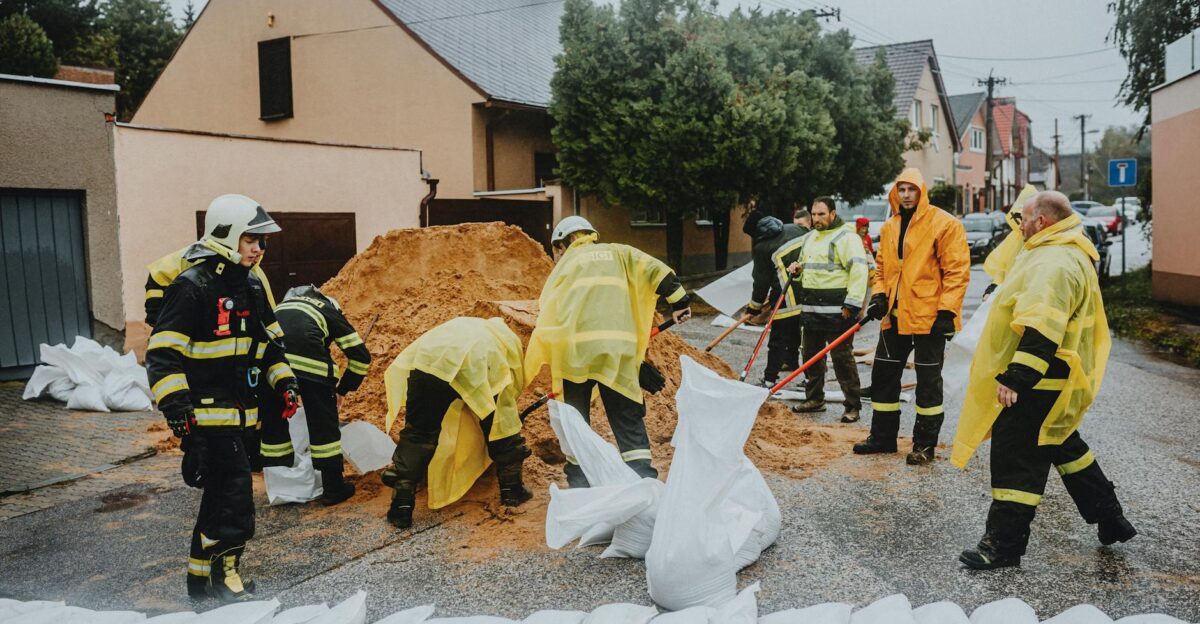
The simultaneous weather alerts reignited discussions about climate adaptation and coastal resilience. Environmental groups seized this moment to advocate for stronger infrastructure and flood defenses, pushing policymakers to take decisive actions. “We need to invest in sustainable solutions to protect our communities,” stated a spokesperson from a leading environmental organization.
Meanwhile, skeptics question the frequency and severity of such events, emphasizing the need for balanced conversations. This renewed debate underscores the pressing necessity for comprehensive strategies to address the increasingly unpredictable nature of coastal weather.
Global Consumer Perception: Adaptation Strategies
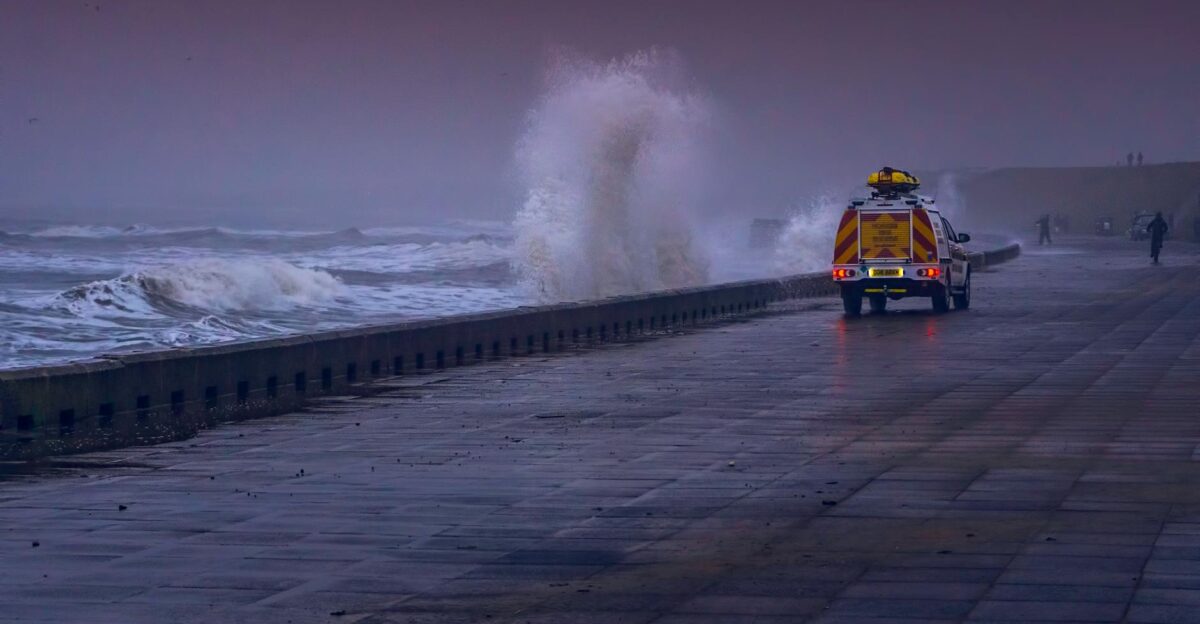
International observers noted the United States’ swift response to the simultaneous alerts, prompting several countries to review their own coastal warning systems. Global insurers and travel companies have begun revising their risk models in response to heightened awareness of climate-driven hazards.
“This event has opened the eyes of many regarding what’s at stake,” noted a risk analyst from a global insurance firm. The shift in consumer perception emphasizes the interconnected nature of modern global challenges, as countries learn from one another in relation to climate risks and disaster preparedness.
Unexpected Winners and Losers: Industry Shifts

Amid the turmoil, unexpected beneficiaries emerged in the storm’s wake. While tourism and boating suffered losses, home improvement retailers experienced a spike in demand for storm-proofing supplies. “Sales for protective gear have skyrocketed this week,” revealed a store manager specializing in emergency supplies.
Additionally, tech firms offering remote work solutions saw increased engagement as businesses adapted to weather disruptions. The response to the crisis highlights the unpredictable shifts within industries, showcasing both the vulnerabilities and opportunities present during extreme weather events.
Financial Market Speculation and Consumer Advice

Financial analysts cautioned about the short-term volatility affecting insurance and real estate markets following the storm. With heightened awareness of climate-related threats, investors have become increasingly cautious about coastal properties, resulting in fluctuations in market confidence.
“We advise clients to proceed with caution when considering coastal investments,” stated a financial consultant. As the economic landscape continues to evolve in response to extreme weather, consumer behavior is also shifting, underscoring the need for adaptable strategies in managing risk and uncertainty.
Looking Forward: Preparedness and Community Resilience
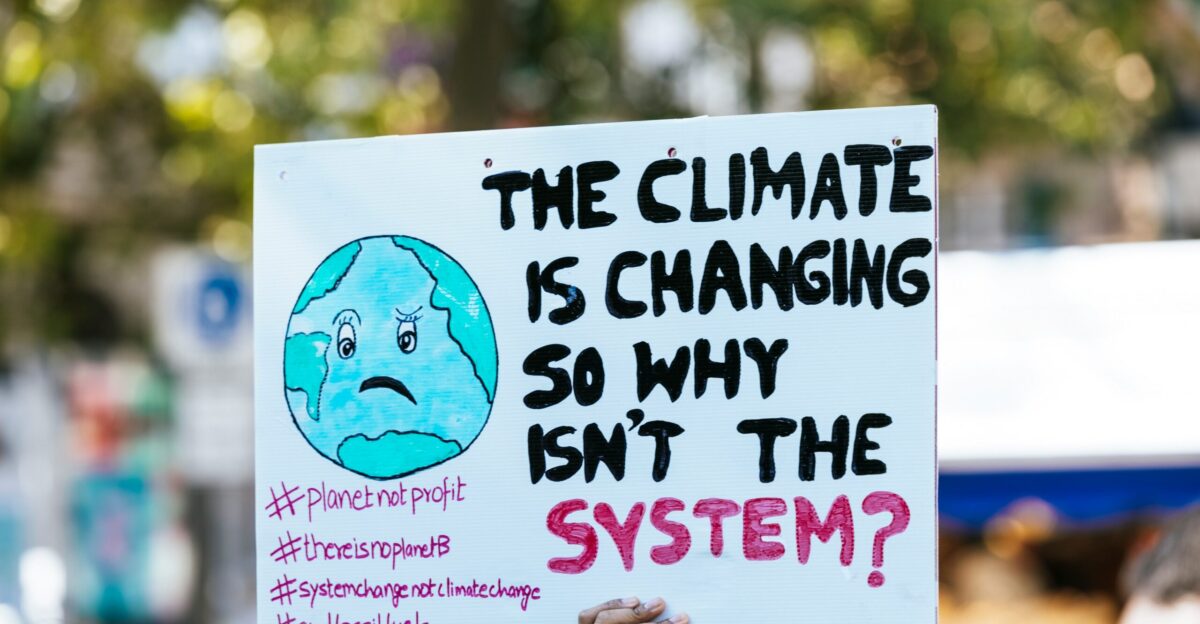
As we reflect on this historic weather event, the focus now shifts to future preparedness and building resilient communities. Investing in infrastructure improvements and education about climate risks emerges as a priority. “We must prioritize proactive measures to safeguard our communities from future storms,” implored a local community leader.
Engaging residents and local businesses in conversations about resilience will be essential as the frequency of severe weather events continues to rise. This event serves as a crucial reminder of the pressing need to adapt and work collectively to face the challenges of climate change head-on.