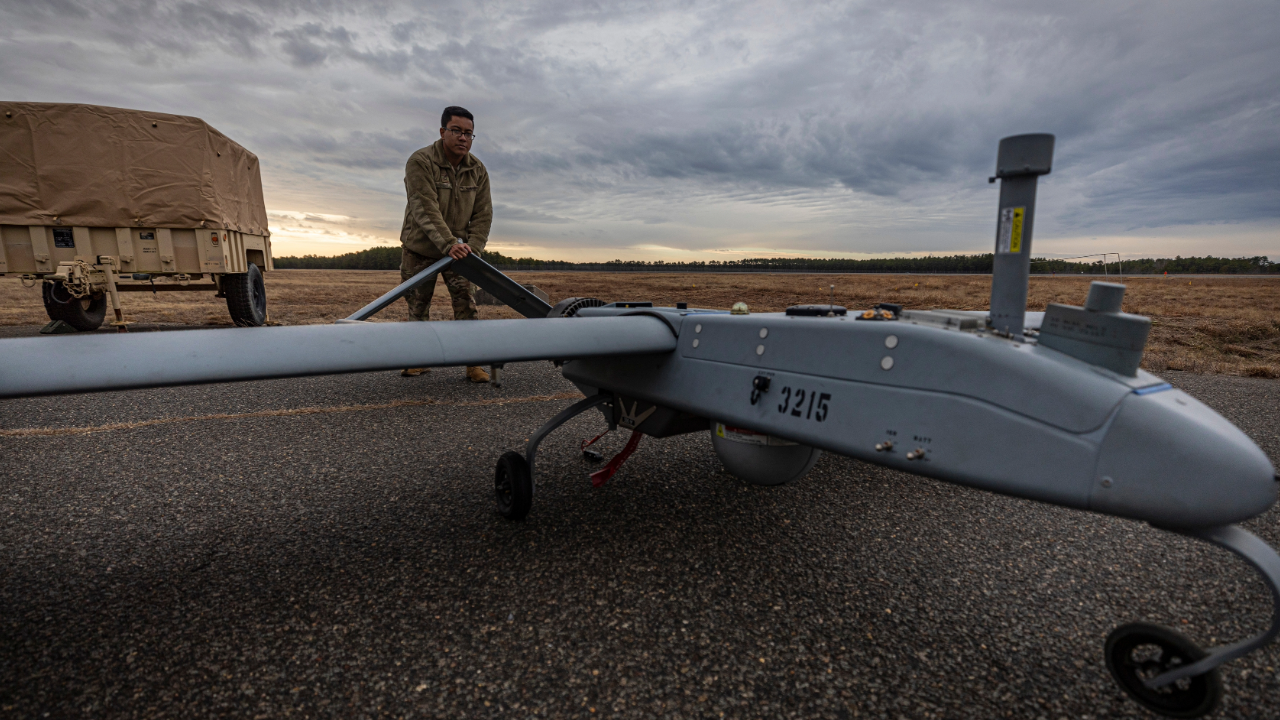
The strike was sudden and precise: Ukrainian long-range drones slammed into power substations across Russian-controlled territories in Luhansk, Donetsk, and Zaporizhzhia on January 12-13, 2026. In an instant, over 213,000 residents—civilians living under Moscow-installed administrations—were plunged into darkness amid freezing temperatures reaching minus 18°C at night.
Across the blacked-out regions, residents scrambled for warmth, while emergency teams raced to restore power. The attacks were the latest chapter in a brutal energy war—one that defense analysts describe as both sides “weaponizing winter” by targeting infrastructure during peak heating demand in subzero conditions. How will the cold grip of winter intensify this energy battle?
Freezing Crisis
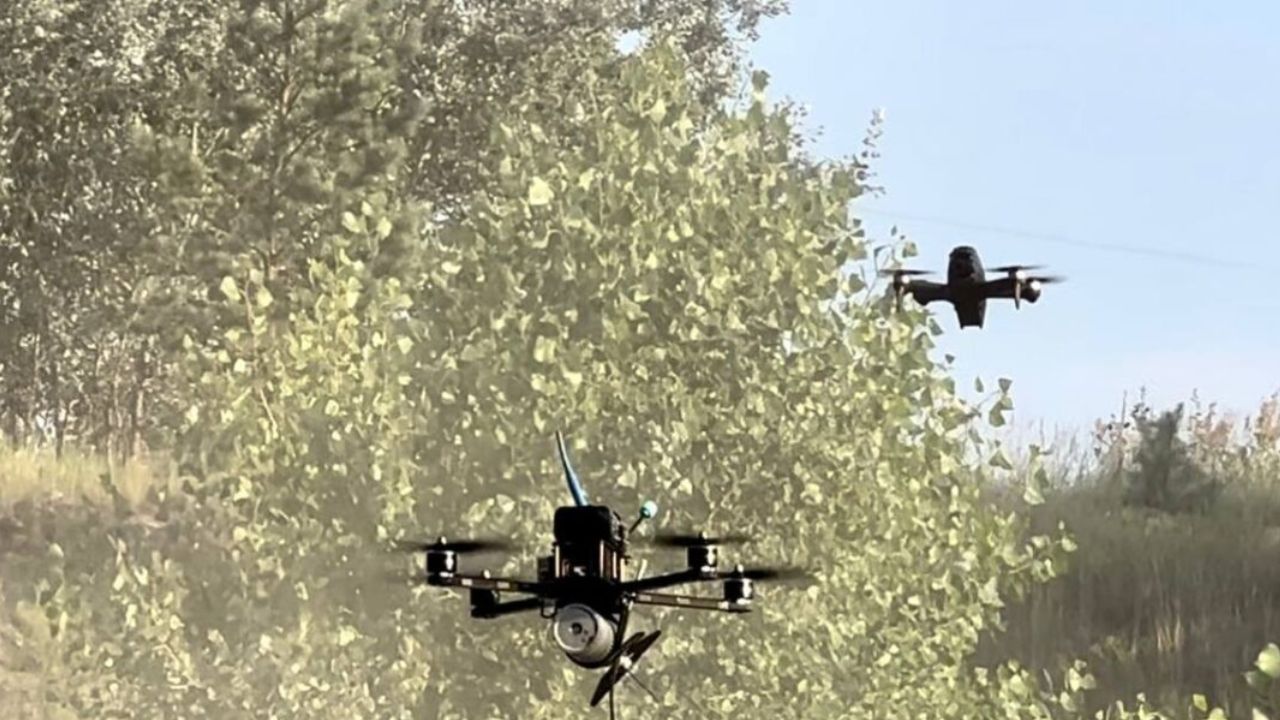
Moscow-installed officials report over 213,000 residents without electricity in Zaporizhzhia alone, following attacks on key substations.
With temperatures dropping to minus 12°C during the day and minus 18°C at night, heating failures leave families vulnerable in extreme cold. Russian authorities blame Ukraine, heightening tensions. How severe is the humanitarian toll?
Conflict Energy War
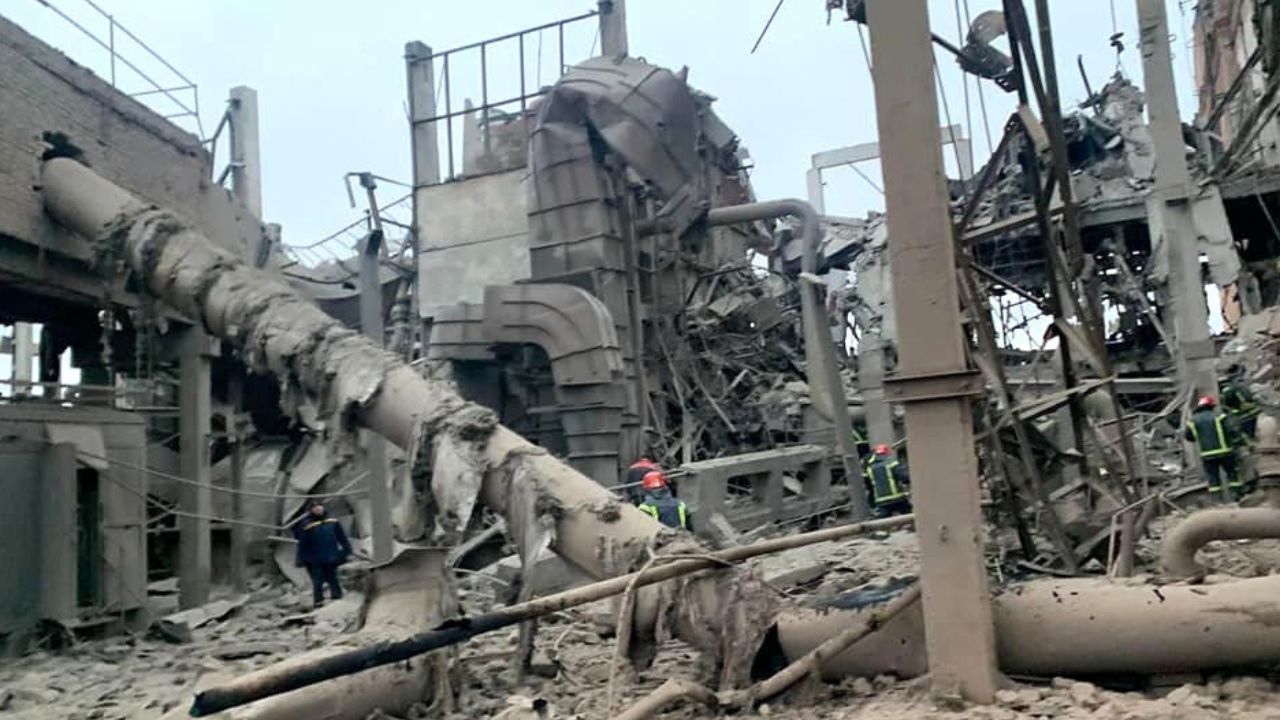
Russia has hammered Ukraine’s energy system for years, destroying thermal plants and forcing blackouts. Ukraine now counters with precision drone operations deep into occupied zones.
This mutual infrastructure sabotage defines the war’s fourth winter. What changed this January?
Drone Revolution
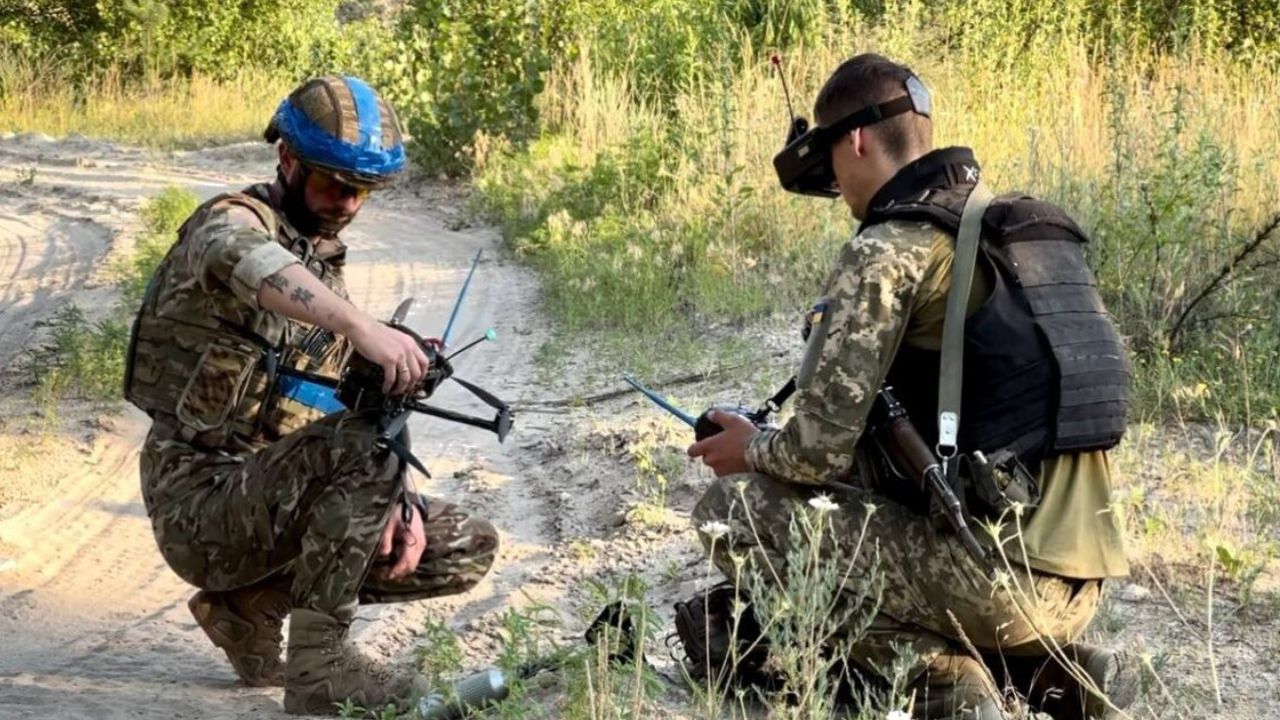
Kyiv’s cheap, long-range drones now threaten substations far behind front lines, flipping the script on energy warfare. Strikes force Russia to divert resources from military logistics to civilian power restoration.
Pressures mount as cold snaps spike demand. When did the boldest operation unfold?
Strike Revelation
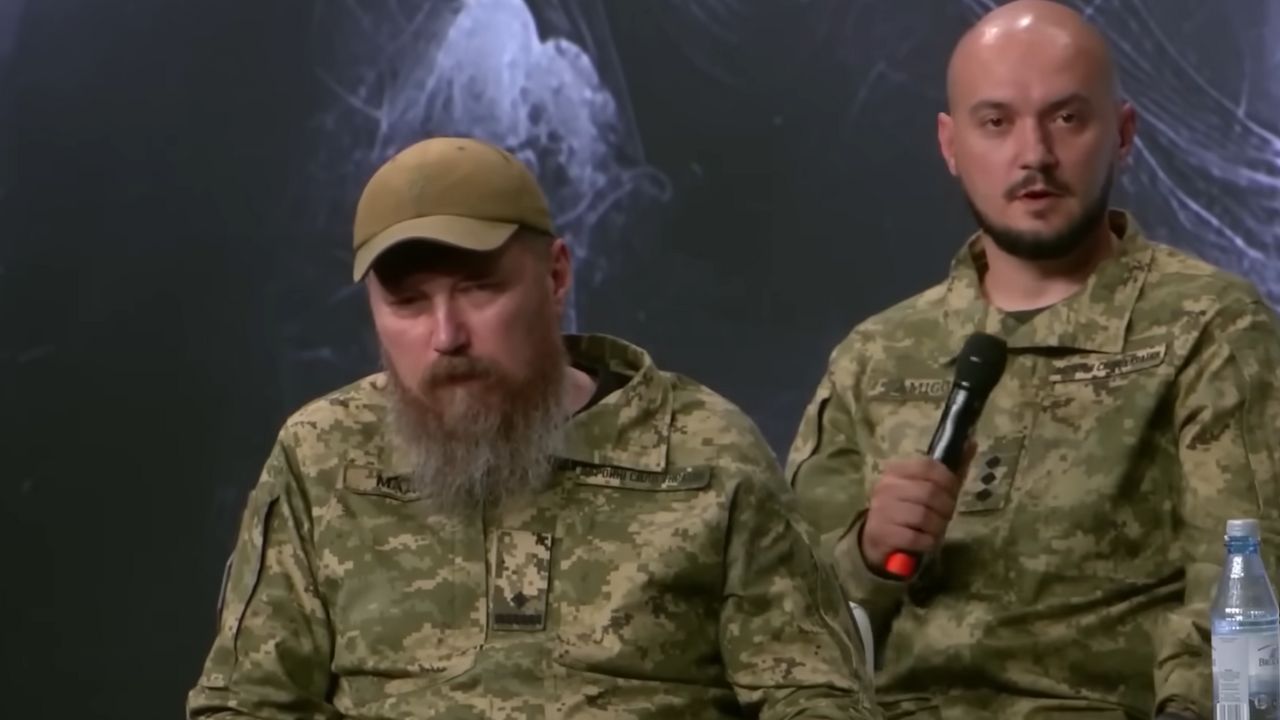
Ukrainian Unmanned Systems Forces Commander Major Robert “Magyar” Brovdi confirmed on January 13 that Ukrainian long-range drones struck the Myrna and Azovska power substations in Russian-controlled Luhansk, Donetsk, and southern Ukraine mid-January 2026.
The strikes on these 330 kV transmission facilities cut power to over 213,000 residents in occupied territories. Russian officials confirm “hundreds of thousands” affected. This marks Kyiv’s deepest infrastructure push yet.
Luhansk Blackouts
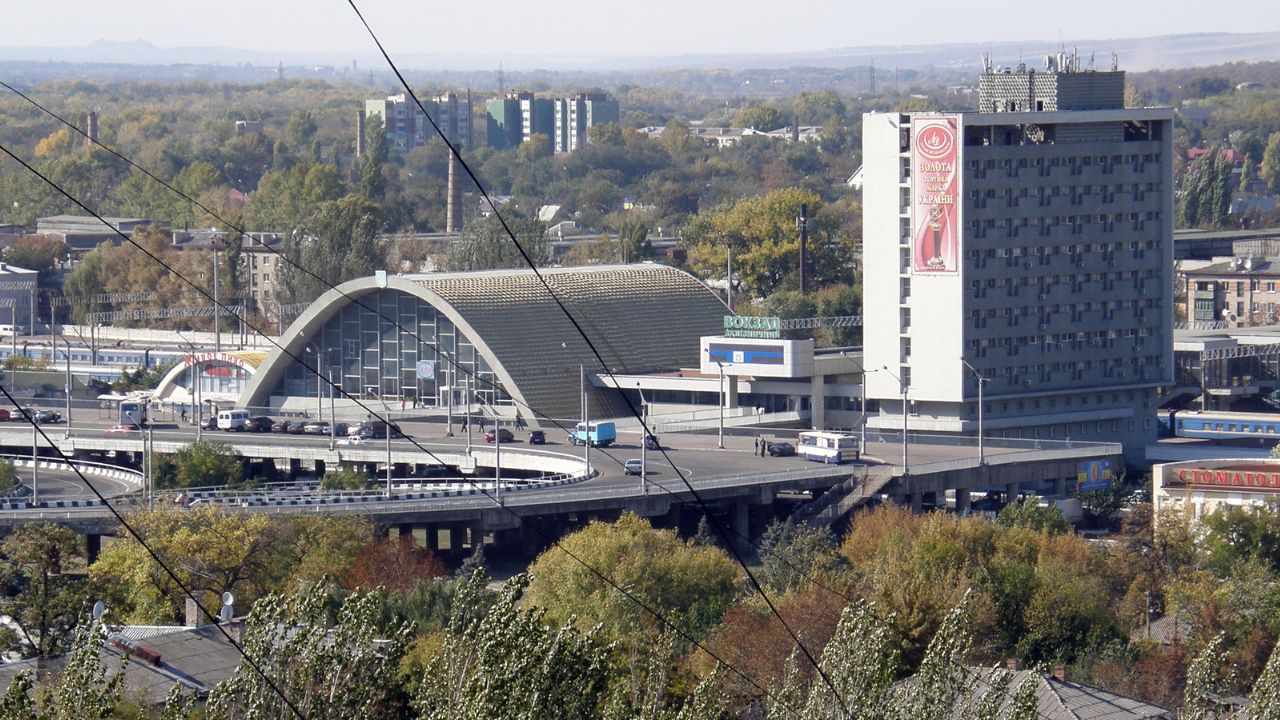
In Luhansk, substation damage triggered outages hitting tens of thousands of households. Freezing weather compounds misery, with no heat or light for days.
Local repairs lag amid ongoing threats. How are Donetsk residents faring?
Human Toll
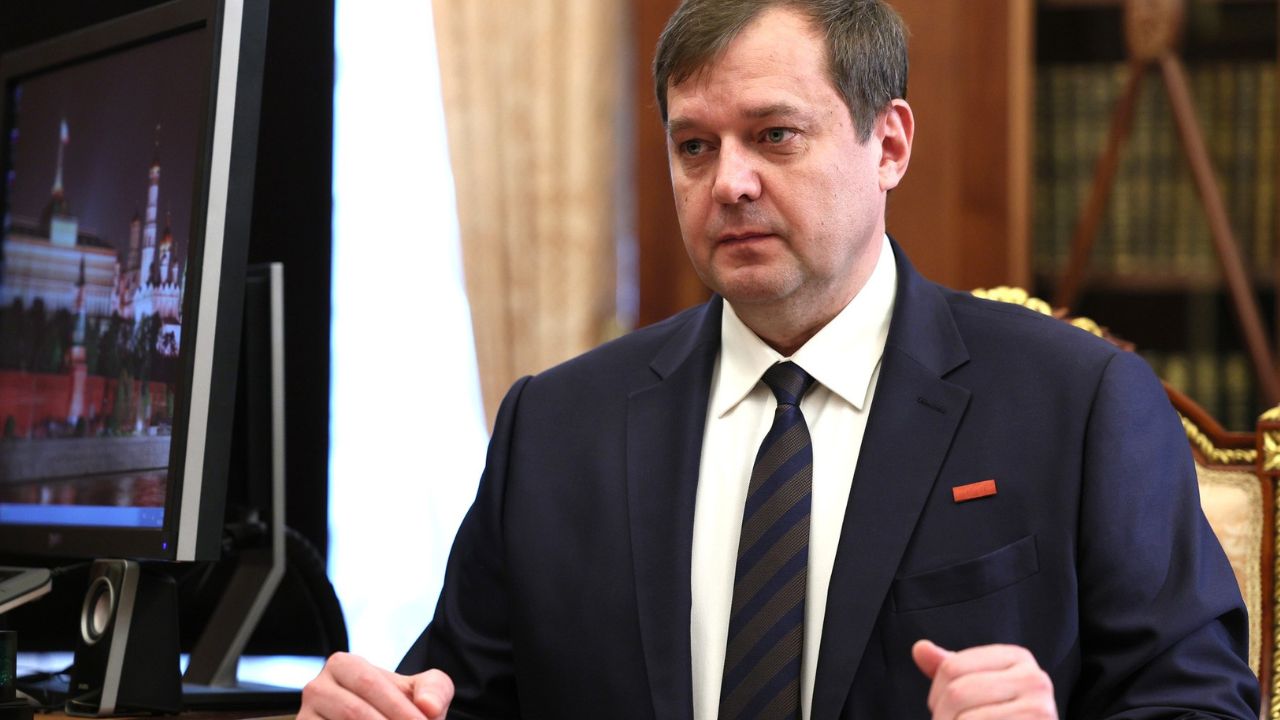
Moscow-installed Zaporizhzhia governor Yevgeny Balitsky stated: “Following an enemy attack on the region’s energy infrastructure, a large part of the Zaporizhzhia region has been left without electricity,” affecting 213,000 customers across 386 localities. Households across the affected regions lost heat in temperatures reaching minus 18°C at night. E
mergency heating centers were established to assist affected populations, with authorities deploying generators to critical facilities including hospitals and water supply systems. What broader effects emerge?
Logistics Hit
Ukraine frames the strikes as targeting dual-use infrastructure that serves both civilian and military functions, presenting them as retaliation for Moscow’s grid attacks.
However, the proportionality of such attacks on infrastructure serving civilian populations remains subject to ongoing international legal debate under humanitarian law principles. How does this shift the battlefield?
Macro Disruption
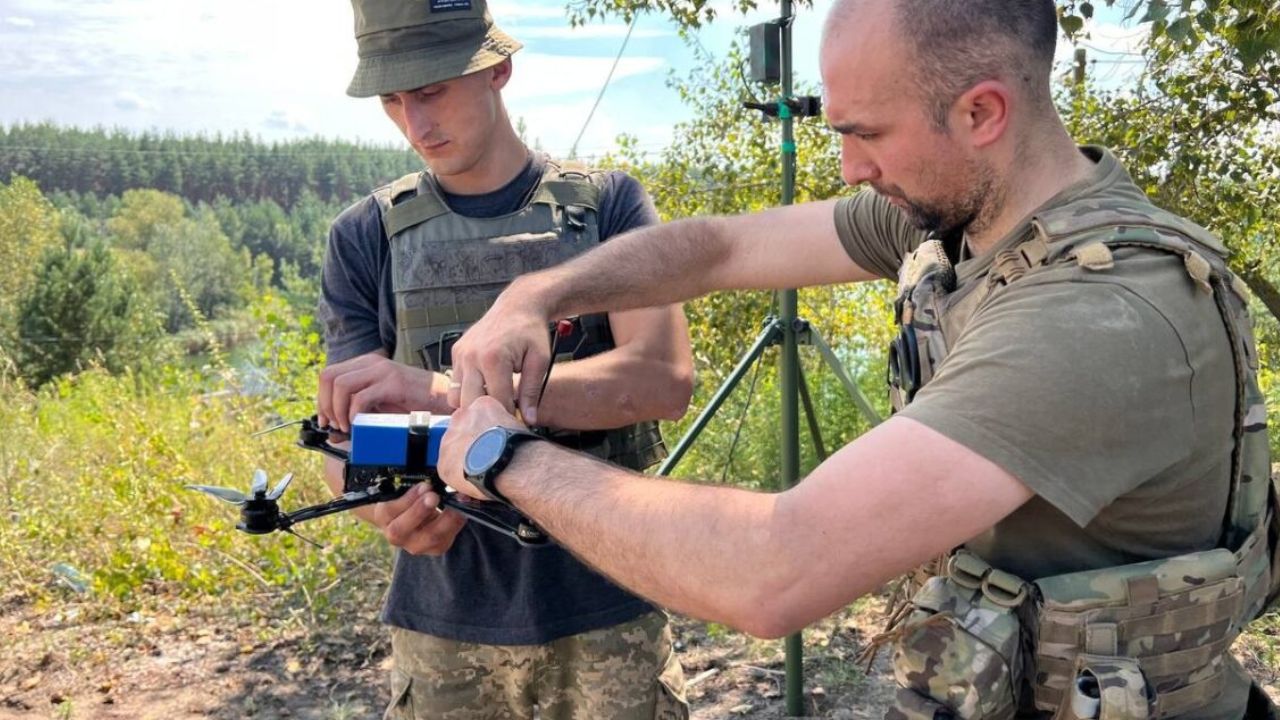
Drones prove low-cost UAVs can blackout occupied zones, forcing Russia to prioritize civilian power over front-line defenses.
This trend echoes Russia’s own winter campaigns fracturing Ukraine’s grid. Energy becomes a decisive weapon. What hidden fallout lurks?
Ammo Bonus
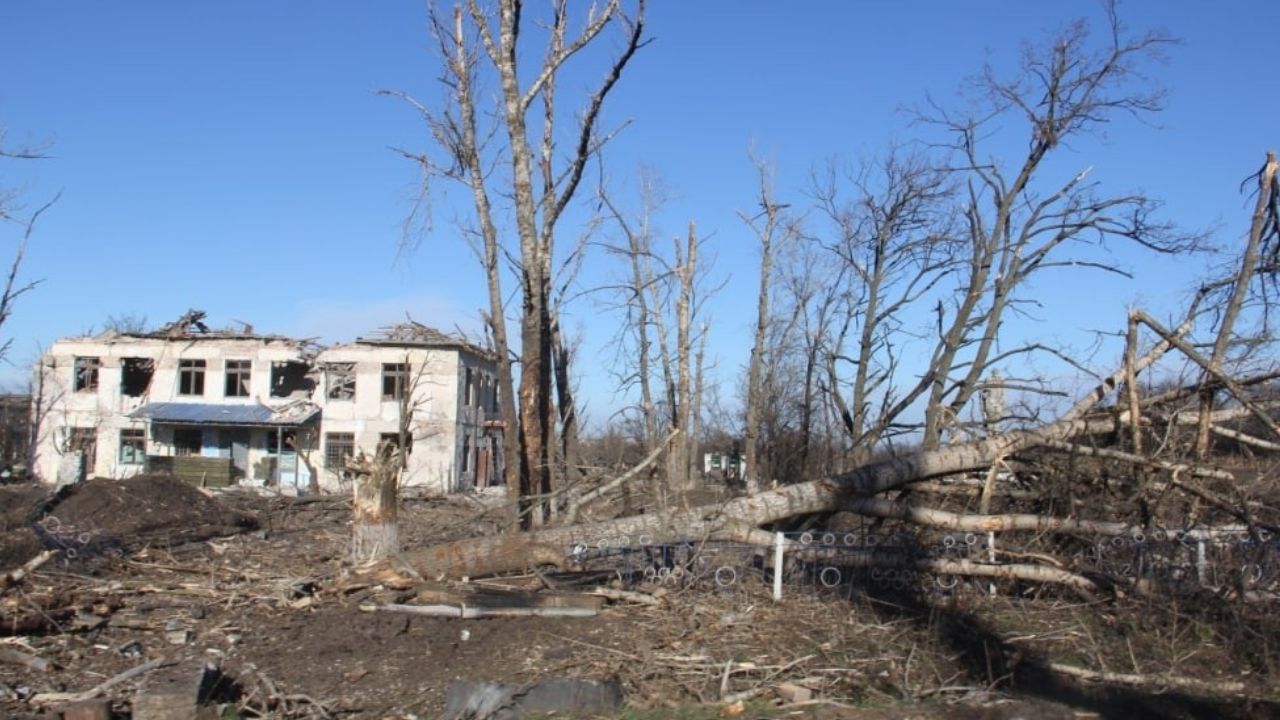
Beyond power cuts, the same January 12-13 operation obliterated a Russian ammunition depot in occupied Makiivka, holding munitions from Russia’s 51st Combined Arms Army. Secondary blasts lit the sky, gutting logistics.
Ukrainian General Staff confirmed the strike, which defense analysts describe as part of a multi-pronged assault strategy. How will Russia respond?
Official Fury
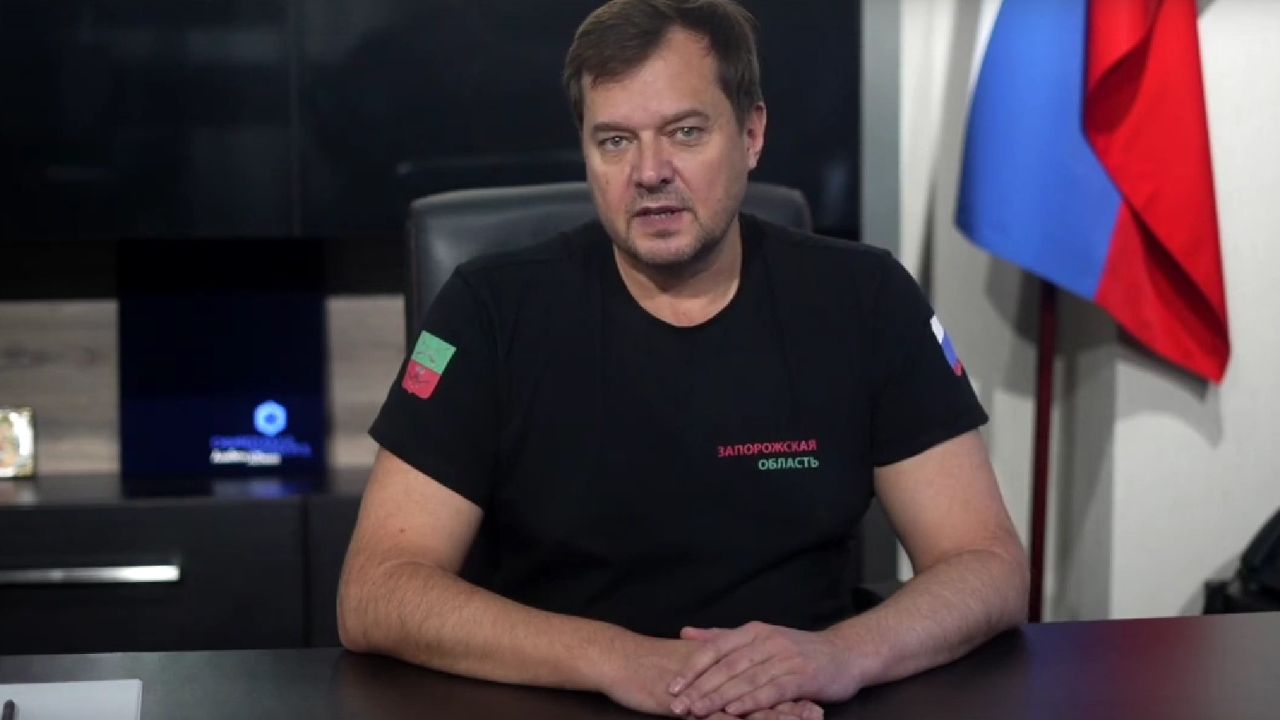
Zaporizhzhia governor Yevgeny Balitsky reports 213,000 without power across 386 localities, blaming Ukraine for the blackouts. In Kherson, Moscow-installed governor Vladimir Saldo reports widespread outages affecting 14 towns and 450 villages following Ukrainian strikes on electrical substations.
Frustration boils over repair delays in brutal cold. Stakeholders note the difficult civilian-military tradeoff in infrastructure targeting. Can fixes keep pace?
Leadership Strain
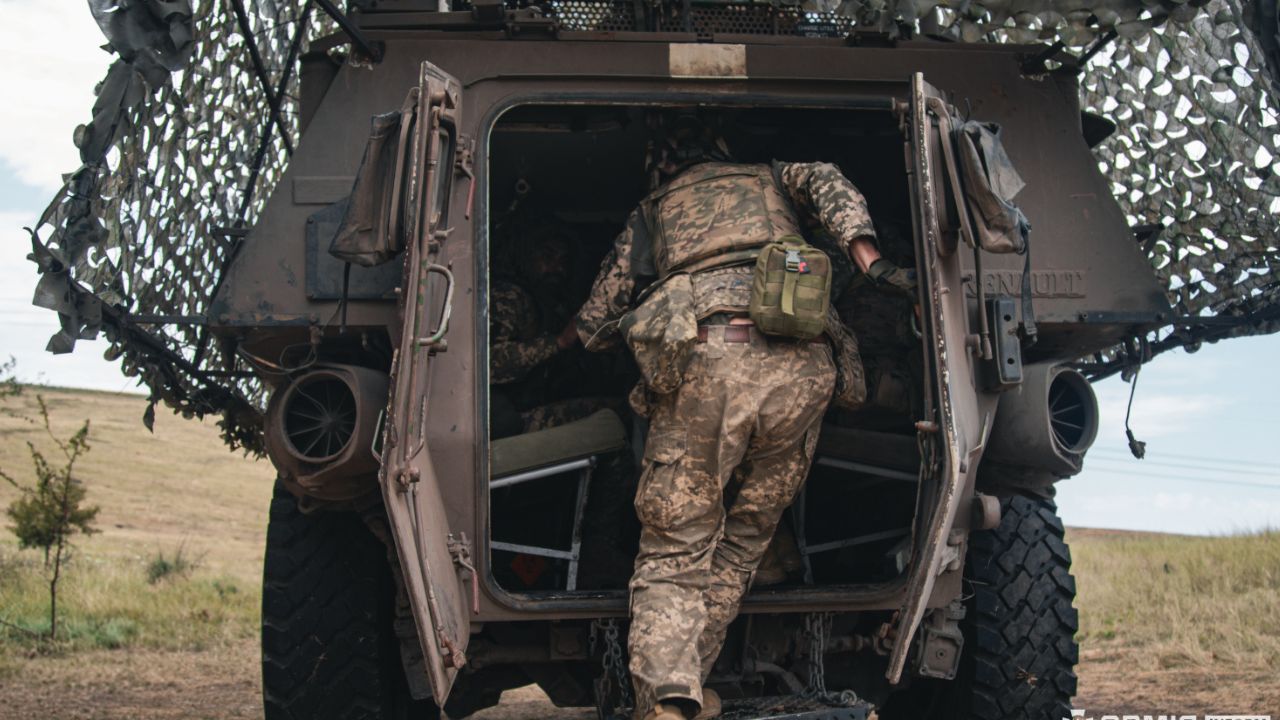
Russian command reallocates air defenses to protect energy hubs, straining front-line resources. Officials in occupied regions report partial restorations after substation hits.
Leadership faces tough choices on priorities. What recovery steps follow?
Repair Push
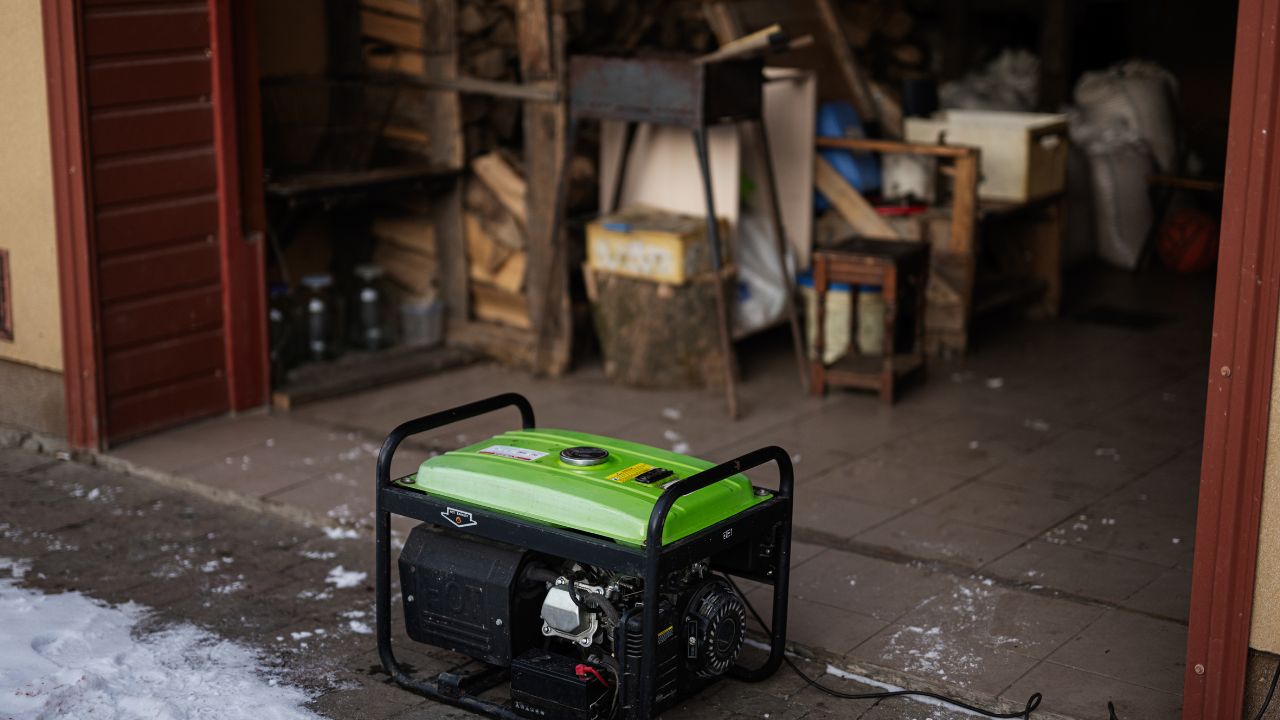
Authorities deploy emergency generators and accelerate substation repairs despite weather. Ukraine’s Unmanned Systems Forces claim ongoing operations.
Russia bolsters defenses around key nodes. Will power hold through the cold snap?
Expert Doubts
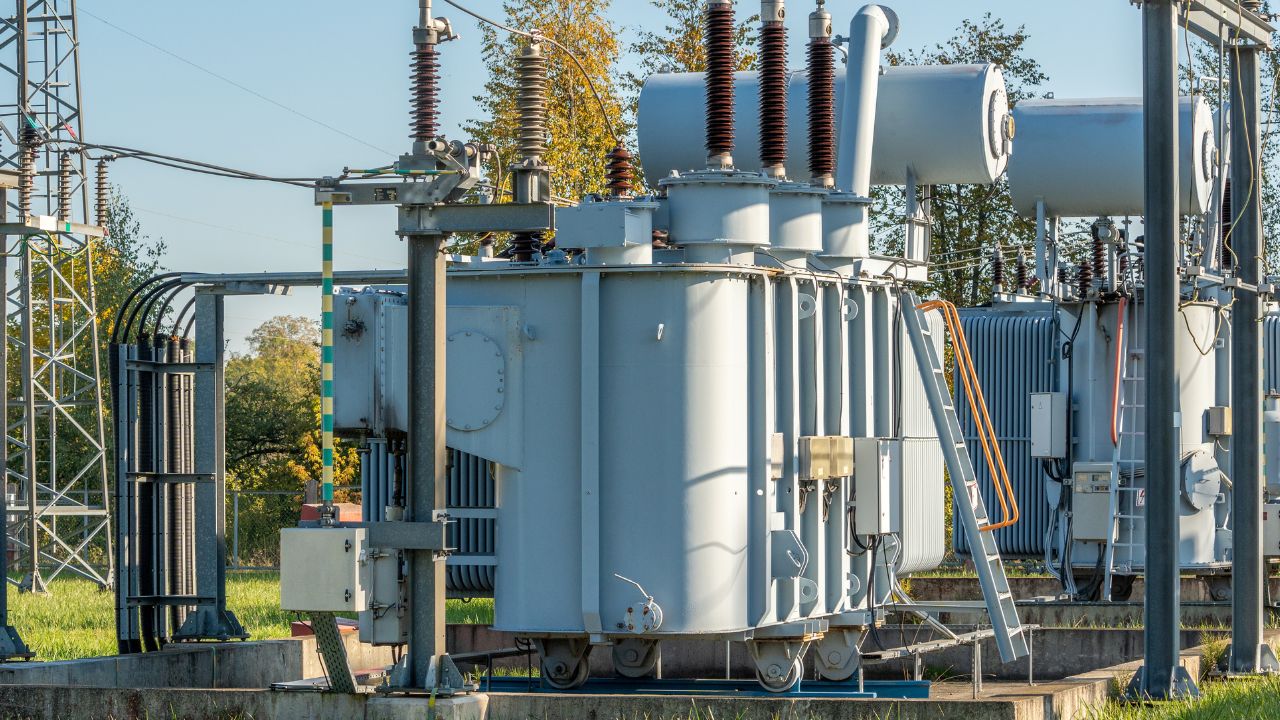
Energy experts note that high-voltage transformers can take months to replace, with procurement and installation timelines ranging from several months to over a year for specialized equipment, according to grid operator assessments from previous infrastructure damage.
Skepticism grows over Russia’s ability to shield all assets. International humanitarian law principles governing infrastructure attacks, including proportionality considerations, continue to be debated among legal scholars and military analysts. Is full recovery feasible?
Future Shadows
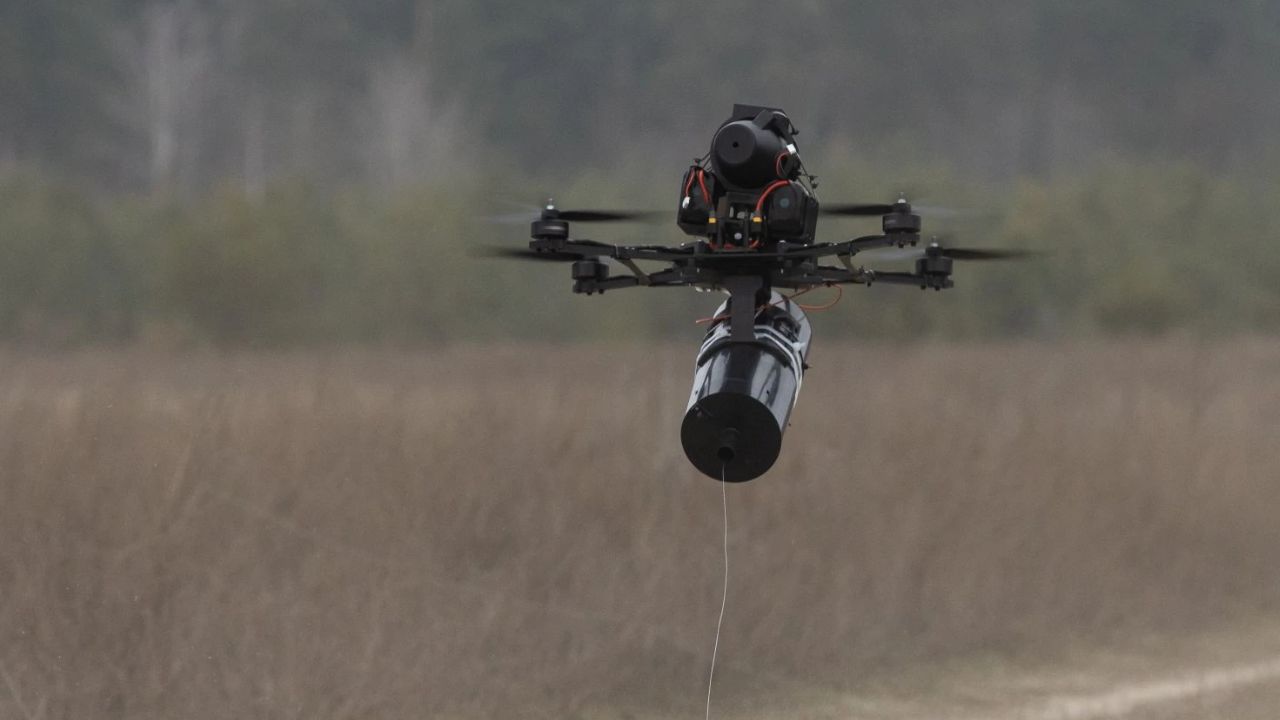
As drones evolve, will energy infrastructure remain a frontline target? Ukrainian Defense Intelligence warned on January 17, 2026, that Russia may be considering attacks on substations linked to Ukraine’s nuclear power plants, raising catastrophic risk concerns.
The International Atomic Energy Agency announced plans to assess 10 critical substations in response. Kyiv’s strikes signal parity in attrition warfare. Can diplomacy avert total grid collapse?
Sources:
“More than 200,000 homes without power in Russian-occupied Ukraine, official says.” ABC News / The Associated Press, 17 Jan 2026.
“Drone strike cuts power supply in Russia-held parts of Ukraine’s Zaporizhzhia region.” Reuters, 18 Jan 2026.
“51st Army loses ammunition depot: Ukraine’s drone forces destroy Russia’s Makiivka stockpile.” Euromaidan Press, 13 Jan 2026.
“Russia considers strikes on substations serving Ukraine’s nuclear power plants, Ukrainian intelligence says.” Ukrainska Pravda, 17 Jan 2026.