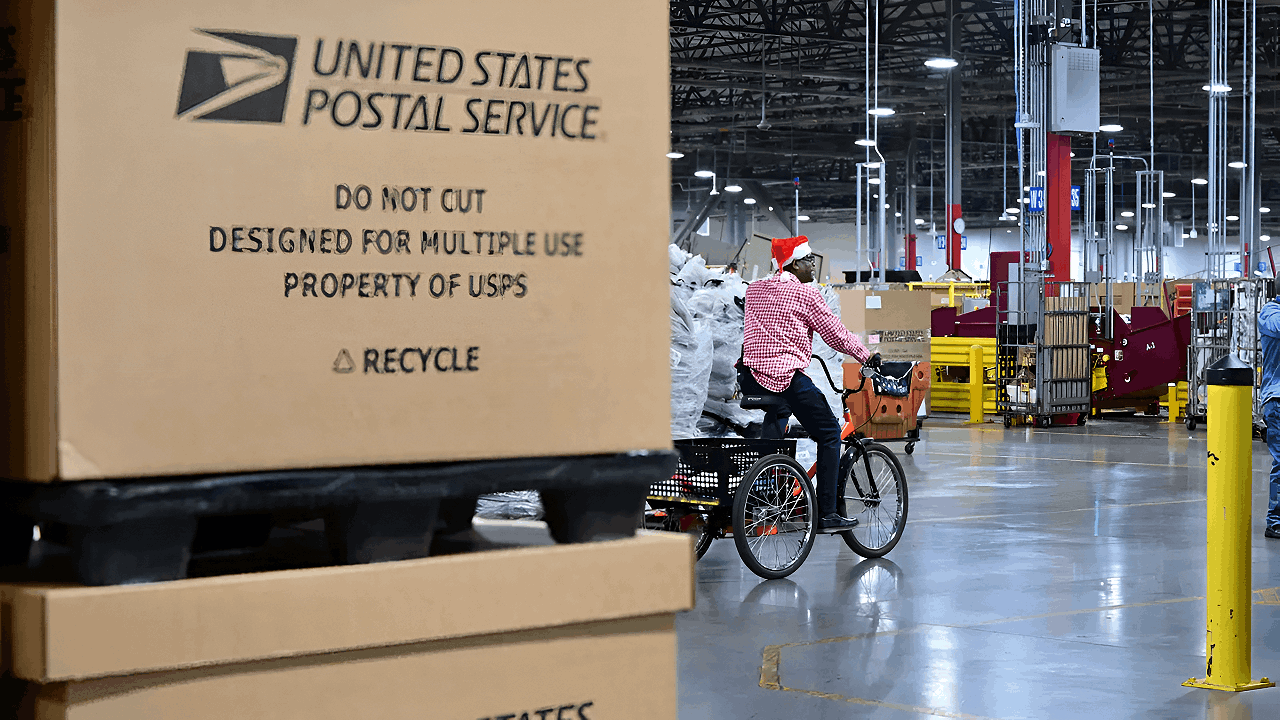
As the 2025 holiday season approaches, the U.S. Postal Service (USPS) is set to implement its largest-ever temporary surcharge, adding up to $16 to heavy, long-distance parcels from October 5, 2025, through January 18, 2026. This unprecedented move comes as the USPS faces a $9.5 billion deficit, raising concerns about the affordability of shipping for millions of Americans and businesses during the busiest time of year. The surcharge, targeting Priority Mail Express parcels between 26 and 70 pounds, is designed to offset soaring operational costs and bring USPS pricing closer to that of private competitors.
Financial Pressures and Industry Context
The USPS’s financial crisis is at the heart of this decision. With a reported $9.5 billion annual deficit in fiscal year 2024, the agency is under mounting pressure to balance its books while maintaining service quality. The holiday season brings a surge in shipping demand, which drives up labor and transportation expenses. According to USPS officials, costs continue to rise across the board, and this surcharge represents a necessary step to keep the Postal Service viable.
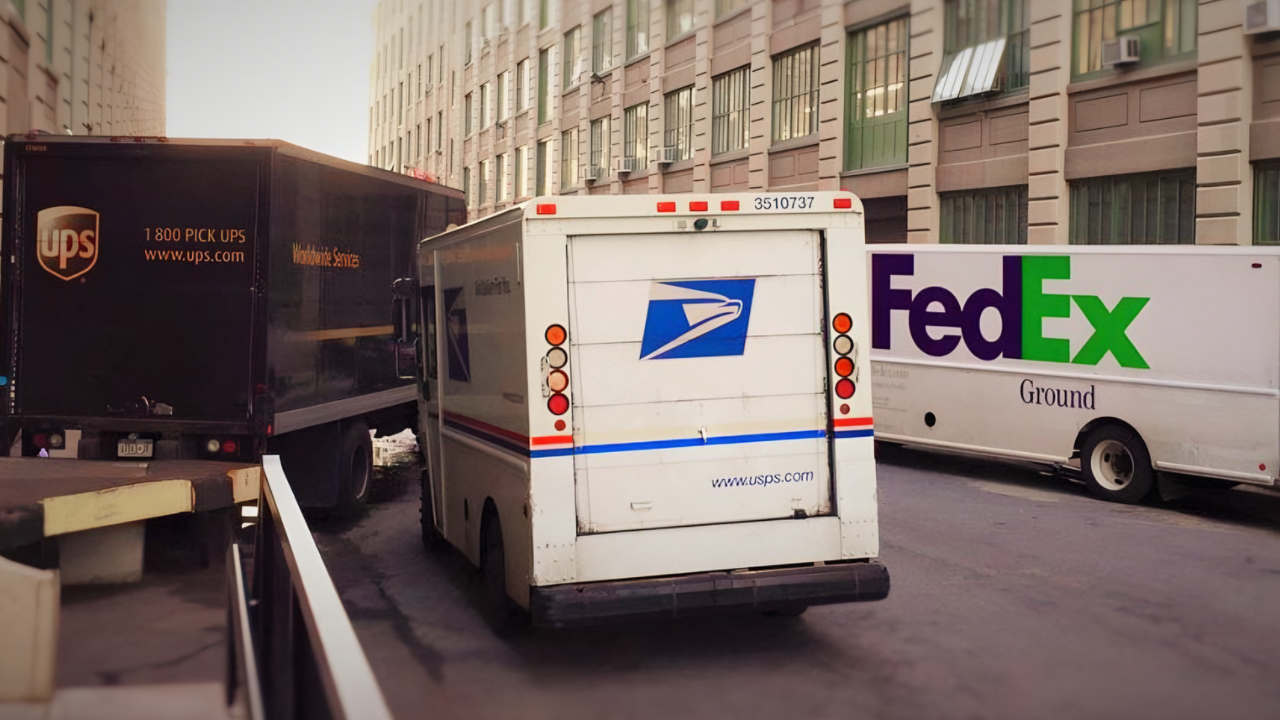
The surcharge is also a strategic response to competition from FedEx and UPS, both of which have their own seasonal surcharges—FedEx’s ranging from 40 cents to $108.50 per package. However, the USPS’s move is notable for its scale and timing, affecting an estimated 169 million delivery points nationwide. For many small businesses, the change means reevaluating shipping budgets and promotional strategies at a time when consumer spending is already projected to decline by 5% compared to last year.
Consumer and Business Reactions
For consumers, the surcharge translates to higher shipping costs, particularly for heavier packages sent over long distances. Small retailers face tough choices between absorbing the extra costs or passing them on to customers, with many expressing concern about maintaining competitive free shipping offers during the holidays.
Industry analysts predict that some businesses will shift to alternative carriers or regional couriers, though these options may offer only marginal relief as FedEx and UPS have also raised rates. Others are optimizing packaging, consolidating shipments, or encouraging early holiday shopping to avoid peak surcharges. Retailers are getting creative—some are renegotiating contracts, while others are pushing digital gift cards to sidestep shipping costs altogether.
Global and Sector-Wide Implications
The effects of the USPS surcharge extend beyond U.S. borders, complicating international e-commerce. Sellers shipping to global customers face higher costs, which could lead to increased prices or longer delivery times for international buyers. This shift may prompt some overseas shoppers to seek local alternatives, especially as global consumer sentiment trends toward value-driven purchases.
The hospitality and restaurant sectors, which often depend on USPS for shipping gift cards and specialty items, are also feeling the pinch. Industry data shows that gift cards remain a top holiday purchase, partly due to concerns about shipping costs. Packaging and logistics companies are responding by innovating—streamlining box sizes and investing in technology to reduce expenses and maintain efficiency.
Workforce and Leadership Under Strain
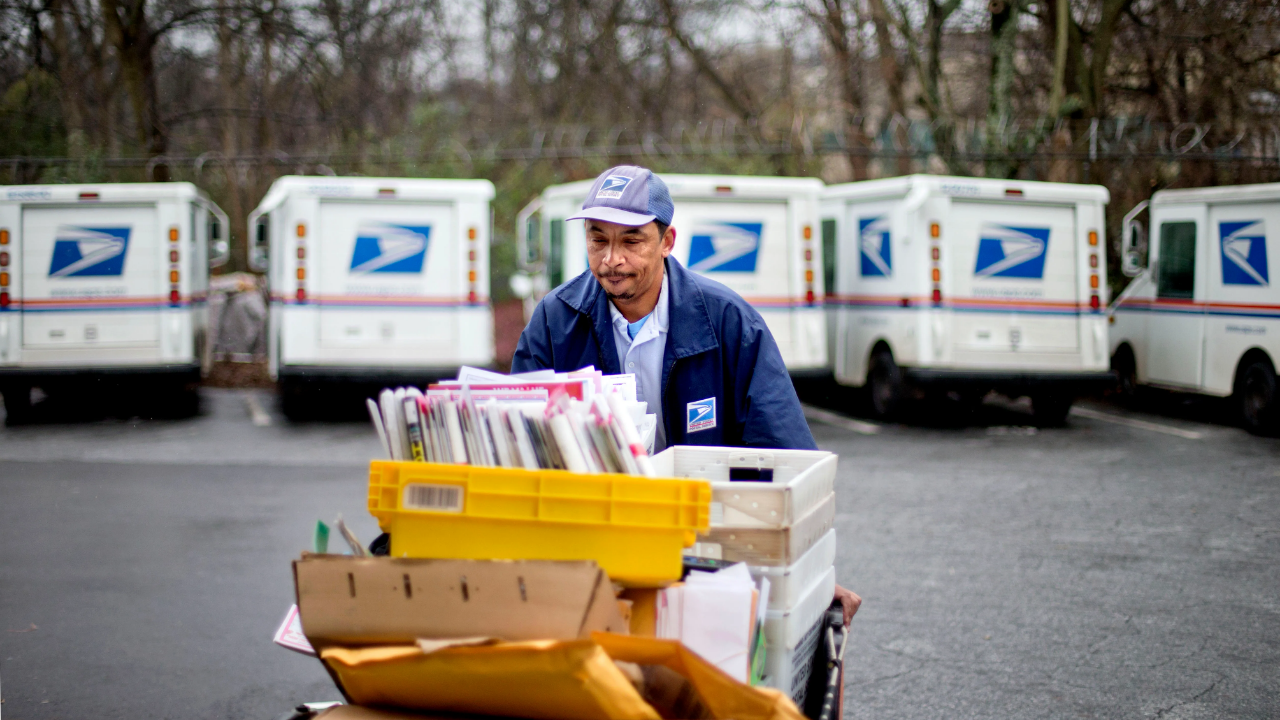
Behind the scenes, USPS workers are preparing for a demanding season. With labor costs accounting for over 75% of the agency’s budget, the surcharge is partly intended to cover the additional staffing and overtime required to handle peak volumes. More than 600,000 postal employees will be on the front lines, balancing increased workloads with heightened customer expectations.
Leadership changes add another layer of complexity. David Steiner, who became Postmaster General in July 2025, faces the challenge of steering the USPS through financial turmoil and public scrutiny. The Postal Regulatory Commission’s oversight of the surcharge underscores the need for transparency and accountability as the agency navigates these turbulent times.
Looking Ahead: Shifting Habits and the Path Forward
The USPS surcharge is likely to accelerate changes in holiday shopping habits. With over 80% of shoppers expecting higher prices, many plan to buy fewer items, shop earlier, or opt for digital gifts. Local shopping and value-driven purchases are on the rise, reflecting a broader shift in consumer priorities.
As the shipping landscape evolves, businesses and consumers alike are adapting to new realities. The stakes are high: the USPS’s ability to maintain its role as a reliable, affordable service is under scrutiny, and its decisions this season may shape its future for years to come. Transparent communication and strategic innovation will be essential as the agency, retailers, and households navigate a holiday season defined by change.