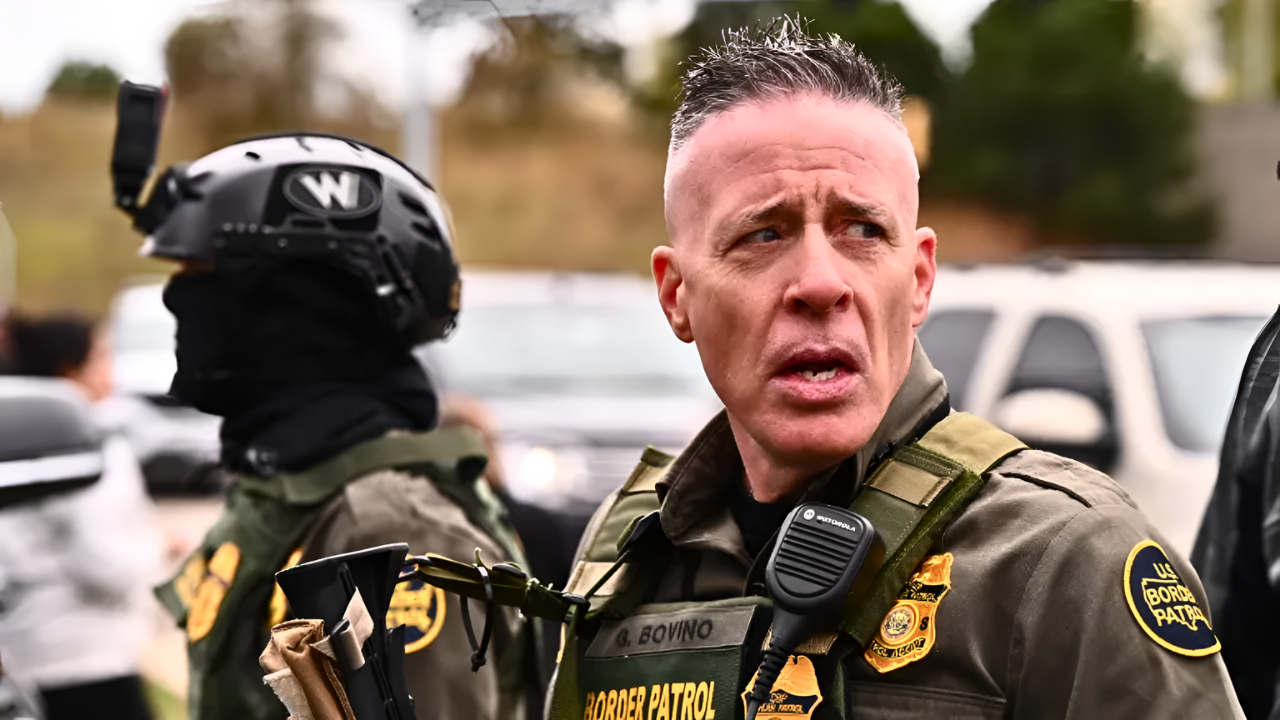
Federal immigration agents are clashing with court orders amid rising protests against detention raids in U.S. cities, as commanders pledge to maintain force tactics despite judicial limits on tear gas and chemical munitions.
Tear gas deployments have intensified during operations in places like Chicago and Minneapolis, sparking lawsuits from civil rights groups. Federal judges have stepped in with injunctions protecting peaceful demonstrators, yet Border Patrol leader Gregory Bovino insists agents will use the minimum force needed to complete missions. This standoff tests the boundaries between enforcement needs and First Amendment rights, with video evidence and official statements fueling the dispute.
A Commander’s Defiant Stance
Border Patrol commander Gregory Bovino, a veteran of Chicago operations, drew attention after a Fox News interview where he vowed agents would continue deploying less-lethal munitions like tear gas. He specified use only against those he considers violent, claiming agents have never targeted peaceful protesters. Critics view his words as a challenge to recent rulings, particularly since Bovino faces questions over past actions.
In Chicago proceedings, Judge Sara Ellis noted Bovino admitted initially lying about being hit by a rock before throwing a gas canister at protesters, potentially violating her earlier temporary restraining order. This incident, captured on video and reported by ABC News and The New York Times, has cast doubt on his assurances of compliance.
Escalation of Tactics in Raids
Immigration enforcement has relied on chemical agents since Trump-era expansions, with court filings documenting their use in urban raids. Operations in Chicago involved tear gas amid protests, prompting swift backlash from immigrant-rights advocates. Similar patterns emerged in Minneapolis, where federal teams faced crowds during detentions.
These tactics, once routine for crowd control, now face restrictions as judges cite excessive force and free-speech violations. The shift highlights a pattern: agents prioritize mission completion, while oversight demands de-escalation around nonviolent observers.
Judicial Interventions Spread
Federal courts have issued targeted bans. In Chicago, Judge Sara Ellis’s preliminary injunction requires agents to identify immediate threats and issue warnings before using chemical munitions on protesters.
Minnesota’s Judge Kate Menendez went further on January 16-17, 2026, prohibiting detentions or tear gas against peaceful individuals not obstructing operations or committing crimes. Covered agents must show probable cause for any action against observers. Civil rights complaints detail prior tear gas use on nonviolent participants, bolstering these cases.
Such rulings now span jurisdictions, consistently emphasizing evidence of violence over mere presence at enforcement sites.
Debates Over Force Thresholds
A key dispute centers on defining “peaceful” versus “violent.” Agents argue blocking roads or ignoring dispersal orders justifies force. Courts demand proof of actual threats or obstruction.
Bovino’s public claims align with agency views that force follows a “line” crossed by protesters. Yet plaintiffs and experts question this, noting operational gray areas allow continued munitions use. Internal agency tensions reveal fears of liability versus effectiveness, with no clear guidance yet from DHS or the Attorney General.
Compliance doubts persist, as legal analysts predict audits may be needed to enforce changes.
Ongoing Risks and Ramifications
Potential violations could lead to contempt charges against Bovino and agencies, with judges empowered to impose sanctions or personal liability. Past excessive-force cases have yielded settlements, raising class-action risks.
The conflict intersects immigration policy, protest rights, and executive-judicial balance, likely amplifying in 2026 elections. Republicans decry limits as weakening law enforcement; Democrats see safeguards against abuses. Globally, groups like Amnesty International scrutinize U.S. practices against human rights standards.
This judicial push signals tighter oversight on federal tactics nationwide. Without clearer leadership directives or legislative fixes, field operations risk repeated clashes, underscoring the need for defined protocols to align enforcement with constitutional bounds.
Sources:
Fox News – Border Patrol commander vows to continue tear gas use in Minneapolis immigration crackdown – 2026-01-16
NPR – Judge rules immigration officers in Minneapolis can’t detain peaceful protesters – 2026-01-16
Al Jazeera – US judge orders curbs on ICE agents’ actions against Minnesota protesters – 2026-01-17
The New York Times – Judge Sara Ellis Rules Greg Bovino Lied About Tear Gas Usage in Chicago Operation – 2025-11-06
ABC News – Border Patrol commander admitted he lied about tear gas incident in Chicago – 2025-11-06
Yahoo News – Border Patrol Chief Vows to Keep Using Tear Gas and Pepper Spray on ‘Anarchists’ – 2026-01-17