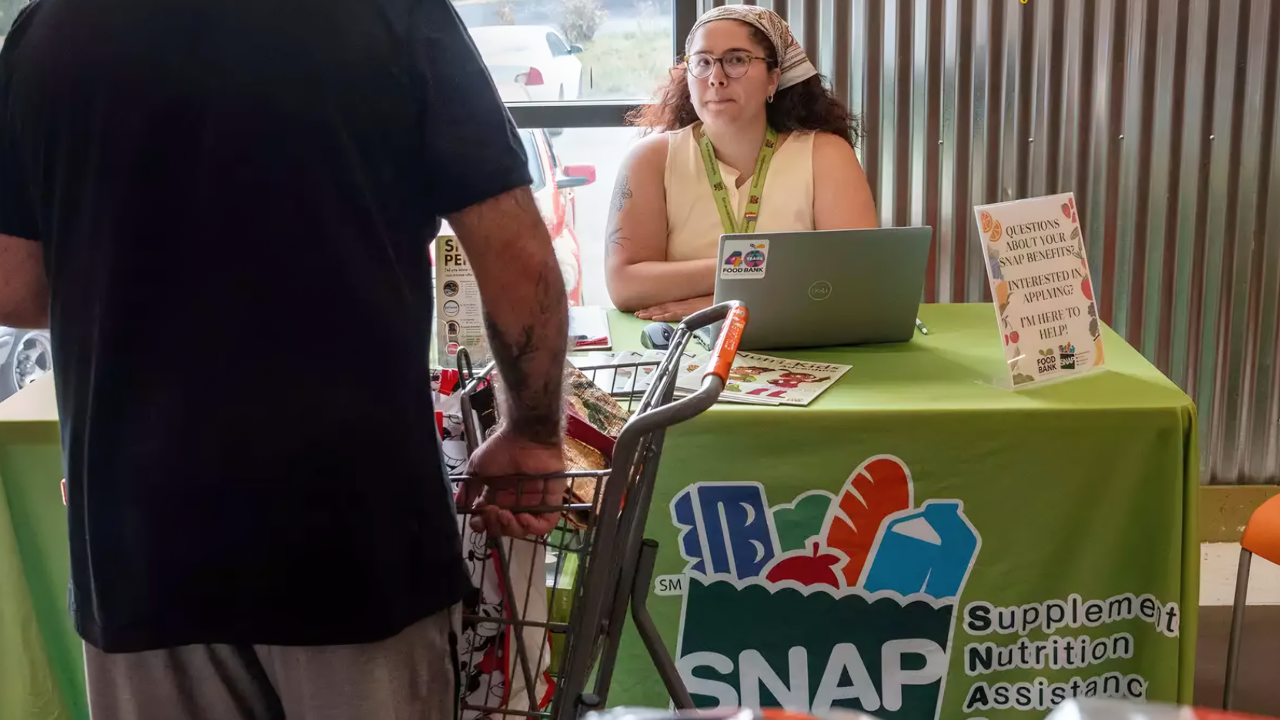
On November 1, 2025, the United States witnessed a historic disruption in food assistance as the Department of Agriculture suspended monthly SNAP benefits for 41 million Americans. This unprecedented move, triggered by a prolonged government shutdown and congressional gridlock, left families, retailers, and entire communities bracing for immediate and far-reaching consequences.
The Shutdown’s Ripple Effect
The halt in SNAP benefits stemmed directly from the ongoing federal shutdown, with Congress unable to reach a budget compromise. USDA officials announced “the well has run dry,” confirming that emergency reserves were exhausted and no further food assistance could be provided. This decision marked the largest single interruption of SNAP in the program’s history, exposing millions to sudden food insecurity and highlighting the severe impact of political stalemate on everyday lives.
For families who depend on SNAP, the loss was not just financial—it was existential. Many households rely on these benefits to feed children and elderly relatives. As November approached, local governments and advocacy groups warned of a looming hunger crisis, especially in communities already struggling with poverty. New Mexico, where 21% of residents rely on food stamps, faced particularly acute challenges. The anxiety felt nationwide as families faced an uncertain future was palpable.
Economic Shockwaves for Retailers and Grocers
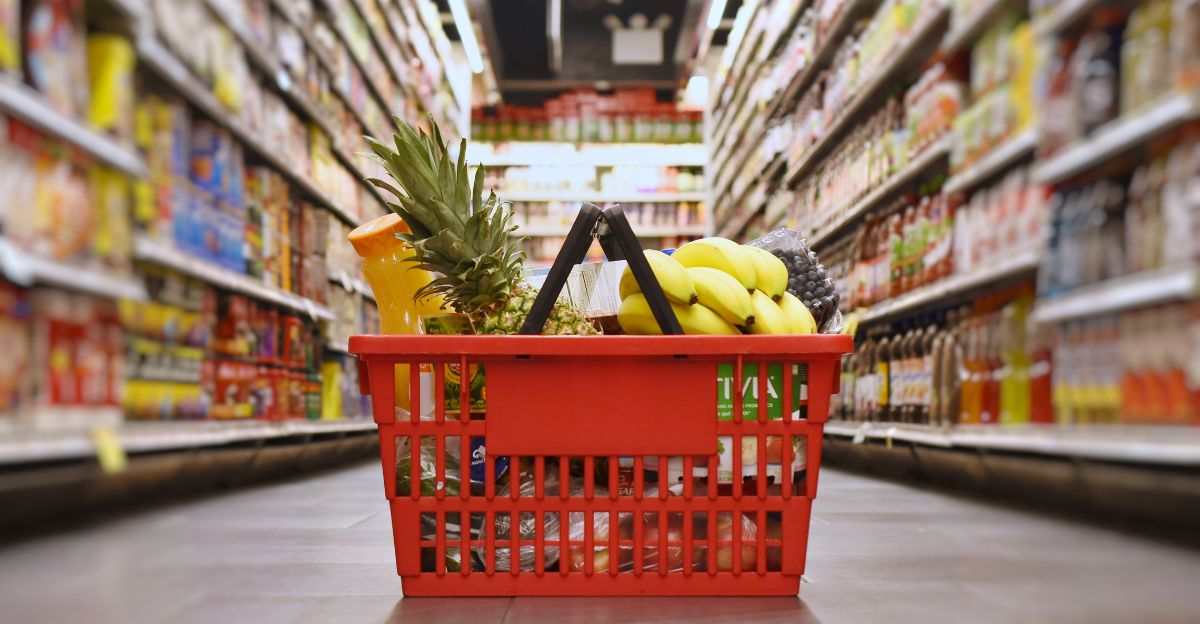
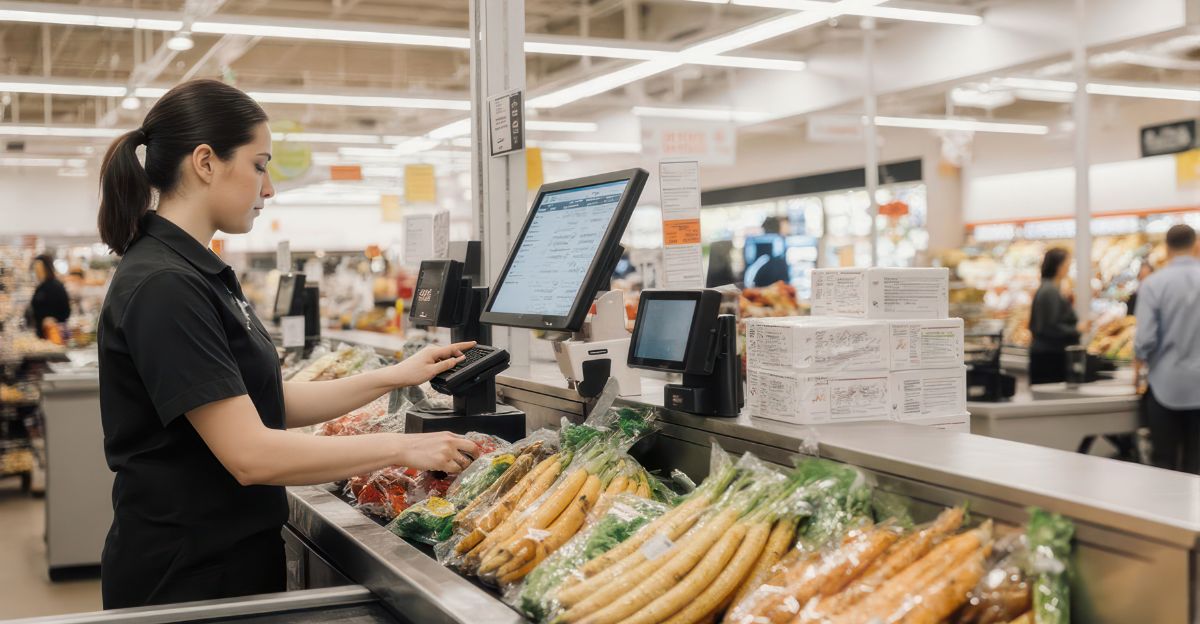
The suspension of SNAP sent shockwaves through the retail sector, particularly in low-income neighborhoods. Supermarkets and small grocers, whose customer base depends heavily on food assistance, prepared for a sharp decline in sales. Jose Pajares, manager of a Save A Lot in Springfield, Massachusetts, noticed declining sales immediately. “It’s concerning,” he said. “I see fewer customers each day because they are hesitant to spend all their money for the month.” Pajares began ordering less inventory and lowering prices to stimulate sales, yet still found meat and produce remaining on shelves past their expiration dates.
Anthony Peña, owner of several stores that rely on SNAP sales, expressed concern about long-term viability. “After one or two months, I’ll have to consider drastic measures, as we call them, like shutting down the store,” Peña acknowledged. Retailers adjusted operations and braced for financial strain as customer traffic diminished, with some considering reduced hours or layoffs.
Restaurants, especially fast-food and affordable dining establishments, also expected fewer customers as disposable income shrank. The economic fallout extended beyond food retailers to transportation and local service sectors tied to consumer spending, deepening the crisis in vulnerable communities.
Food Banks Under Pressure
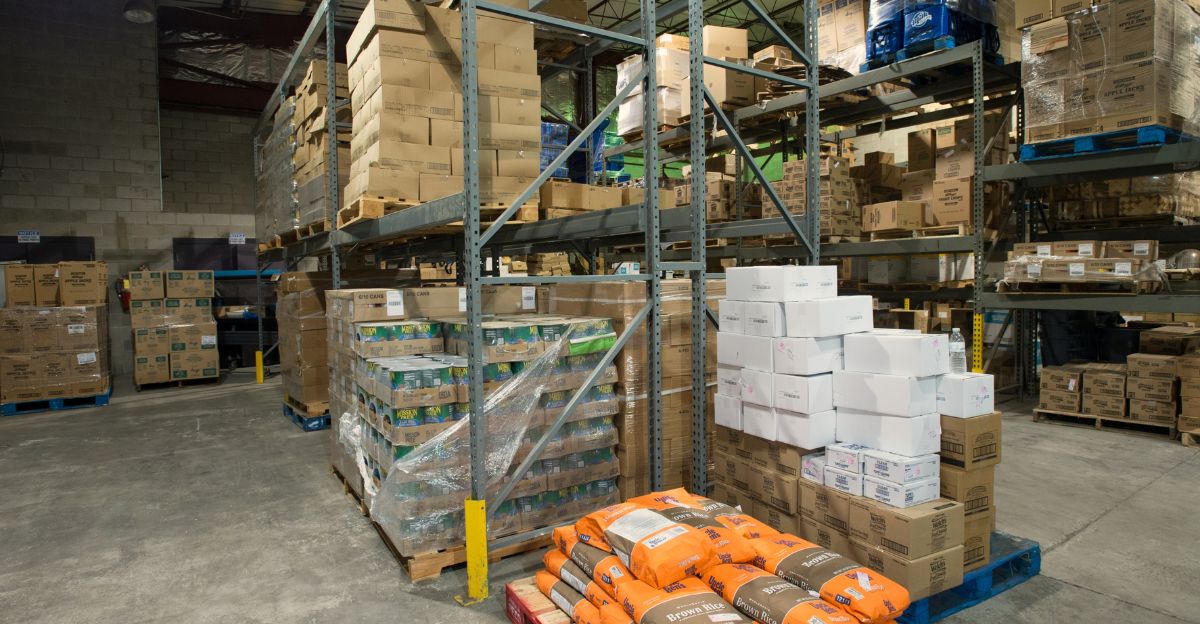
As SNAP benefits disappeared, food banks and emergency pantries across the country experienced overwhelming demand. Louisiana and Virginia declared emergencies, anticipating a surge in requests for food assistance. Charitable organizations scrambled to meet the rising need, but resources were stretched thin.
Mary Martin, who volunteers at the World of Life Christian Fellowship International pantry in the Bronx while also relying on it for food to supplement her SNAP payments, expressed the desperation many felt. “If I didn’t have the pantry to come to, I don’t know how we would make it,” Martin said. “I’m not gonna see my grandkids suffer.”
Eric Cooper, president and CEO of San Antonio Food Bank, reported that the organization typically feeds 105,000 to 120,000 people per week but was now seeing close to 170,000 people per week—an additional 50,000 to 65,000 people seeking assistance. “Right now, we’ve had to open up afternoon shifts because there are new shifts in our distributions because we can’t accommodate the number of people coming in a normal shift as a result of the government shutdown,” Cooper told ABC News. Despite taking in eight to 12 tractor trailer loads a day, the demand for food items exceeded the supply, causing inventory to shrink.
Brian Greene, CEO of the Houston Food Bank, warned that “the real impacts are starting now. There has been an increase, but it’s nowhere near what we will experience by early November. It’s going to be unprecedented.”
The strain on community support systems intensified, with volunteers and staff working overtime to fill the gap left by federal assistance. Joel Berg, CEO of Hunger Free America, noted that calls to the organization’s hunger hotline were higher than they were during the last week of October. “We’re really seeing just a tremendous spike in people needing food and concern and fear, and to some degree, you know, panic and despair over the nation’s largest source of food aid going away literally overnight.”
Impact on Agriculture and Supply Chains
The SNAP suspension threatened to disrupt the agricultural market, as millions of households cut back on food purchases. U.S. farmers who supply products to low-income families faced declining demand, which could ripple through the entire supply chain. Reduced SNAP spending meant less demand for fresh produce and staple goods, potentially leading to supply shortages, price fluctuations, and financial hardship for producers, transporters, and retailers.
Globally, the U.S. was not alone in grappling with food assistance challenges. In the United Kingdom, cuts to Universal Credit similarly strained food banks and local economies, underscoring the vulnerability of social safety nets in times of crisis.
Political Stalemate and Calls for Action
The crisis sparked urgent calls for emergency action. More than 214 House Democrats urged the USDA to tap remaining reserves to continue SNAP benefits, while governors from affected states declared emergencies and pressed Congress to act. Despite mounting pressure, lawmakers remained deadlocked, and the fate of SNAP recipients hung in the balance.
The debate also raised ethical questions about the use of emergency reserves and the government’s responsibility to protect its most vulnerable citizens. Advocates argued that immediate intervention was necessary to prevent widespread suffering, while opponents cited fiscal constraints and political priorities.
Looking Ahead: Stakes and Uncertainty
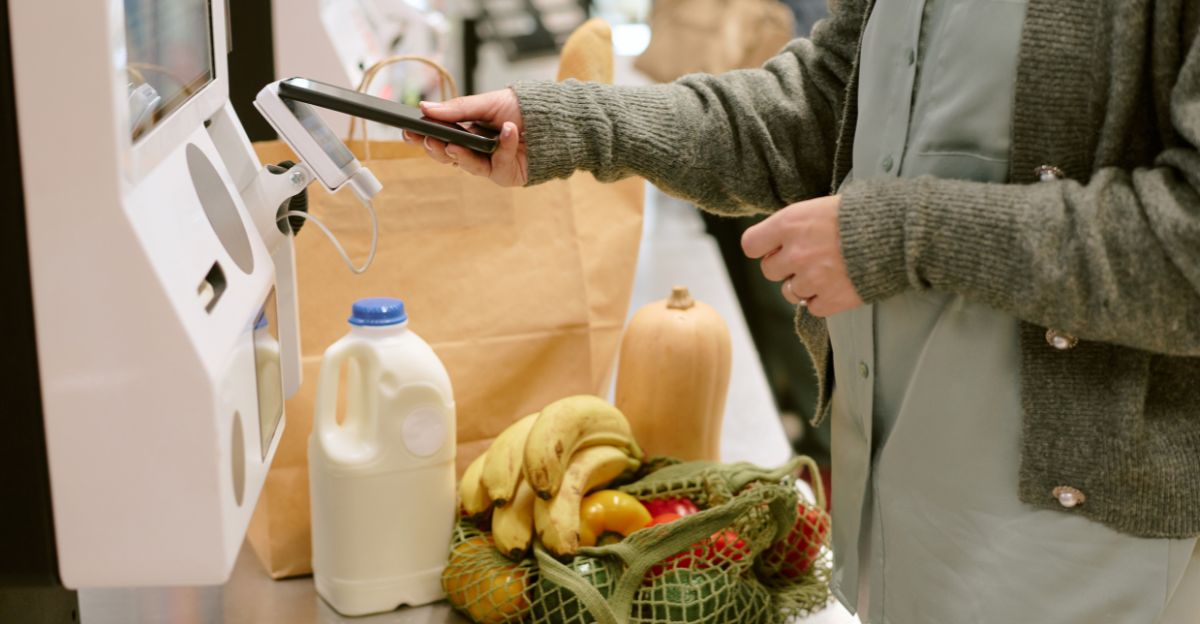
As the shutdown dragged on, the suspension of SNAP benefits exposed deep vulnerabilities in America’s social safety net. The stakes were high—not only for families facing hunger, but for local economies, public health, and the future of food policy. Experts warned of increased malnutrition, especially among children and seniors, as families turned to cheaper, less nutritious options.
Roma Hammonds, 60, from Chattanooga, Tennessee, who depends on her monthly SNAP benefits of $563 to provide for her family of four, expressed the uncertainty many faced. “I don’t know what I’ll do,” Hammonds said, as Tennessee indicated it lacked the funds to cover the aid independently.
With Congress still at an impasse, the timeline for restoring benefits remained unclear. The crisis prompted a national conversation about resilience, responsibility, and the sustainability of food assistance programs. As the nation stood at a crossroads, the outcome would shape the future of food security in the United States, leaving millions waiting for answers and relief.