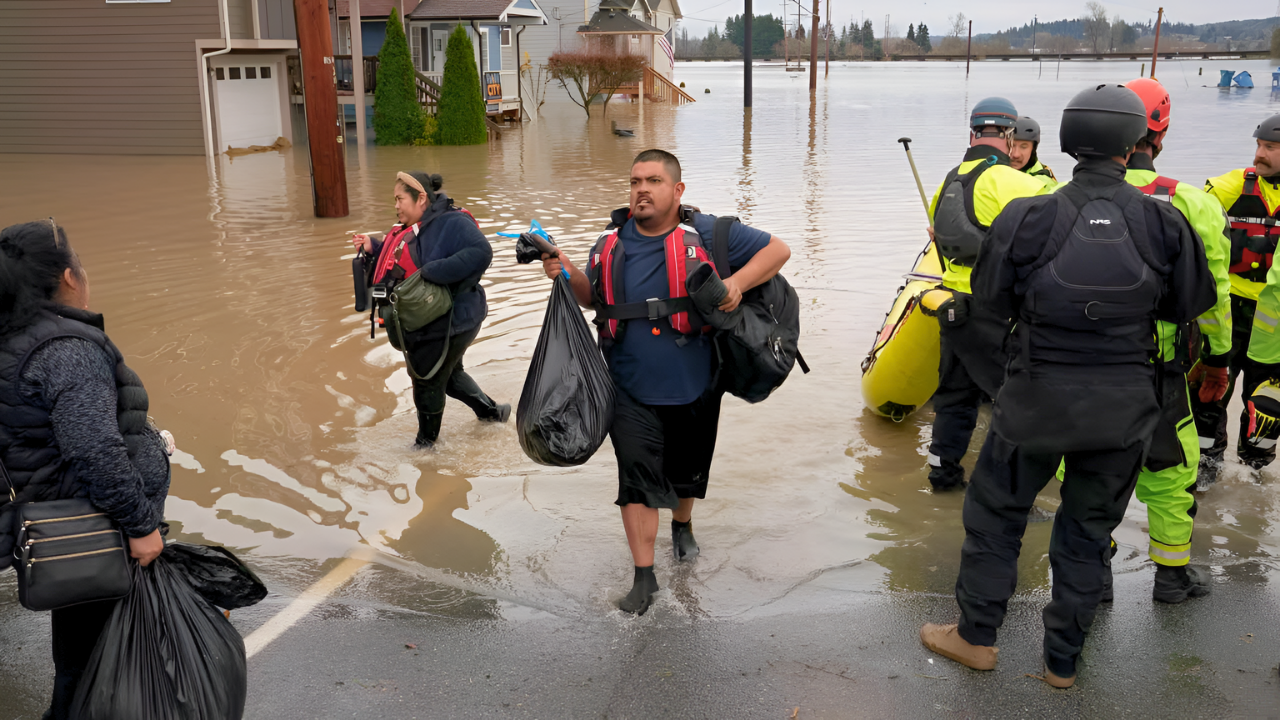
It’s 1:30 a.m. on December 16, 2025, when the White River levee in Pacific, Washington, bursts wide open. A wall of floodwater crashes through the town, forcing 2,100 residents to scramble for safety. The surging water quickly overtakes 220 homes, and the roar of the river drowns out everything else.
Families grab whatever they can as emergency sirens blare—this is not a drill. The unexpected breach sends waves of panic through the community. But it’s just the beginning. How will the state respond to what’s unfolding?
Atmospheric River Deluge Unleashes Trillions of Gallons
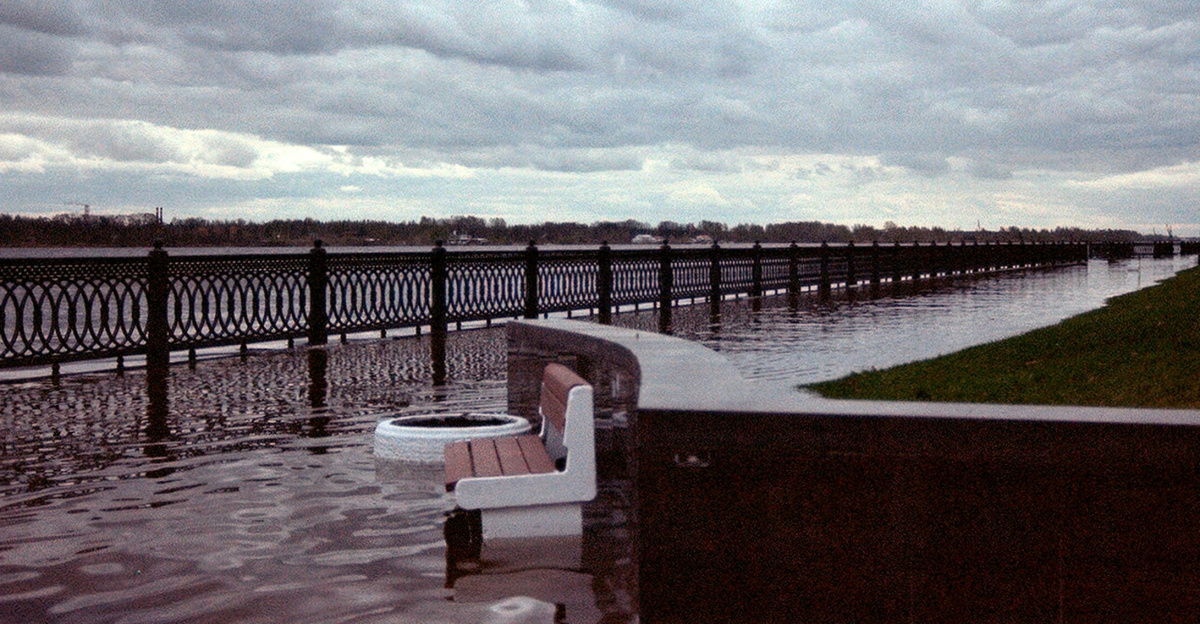
An atmospheric river—reaching Category 5 intensity—delivered an astonishing nearly 5 trillion gallons of rain across western Washington.
From December 8, 2025, the storm overwhelmed levees, including the White River breach, with snowmelt from unseasonably warm temperatures in Yakima, which reached 72°F. The intensity of this atmospheric river exposed longstanding vulnerabilities in the region’s flood infrastructure.
A Statewide Crisis: 100,000 Evacuated
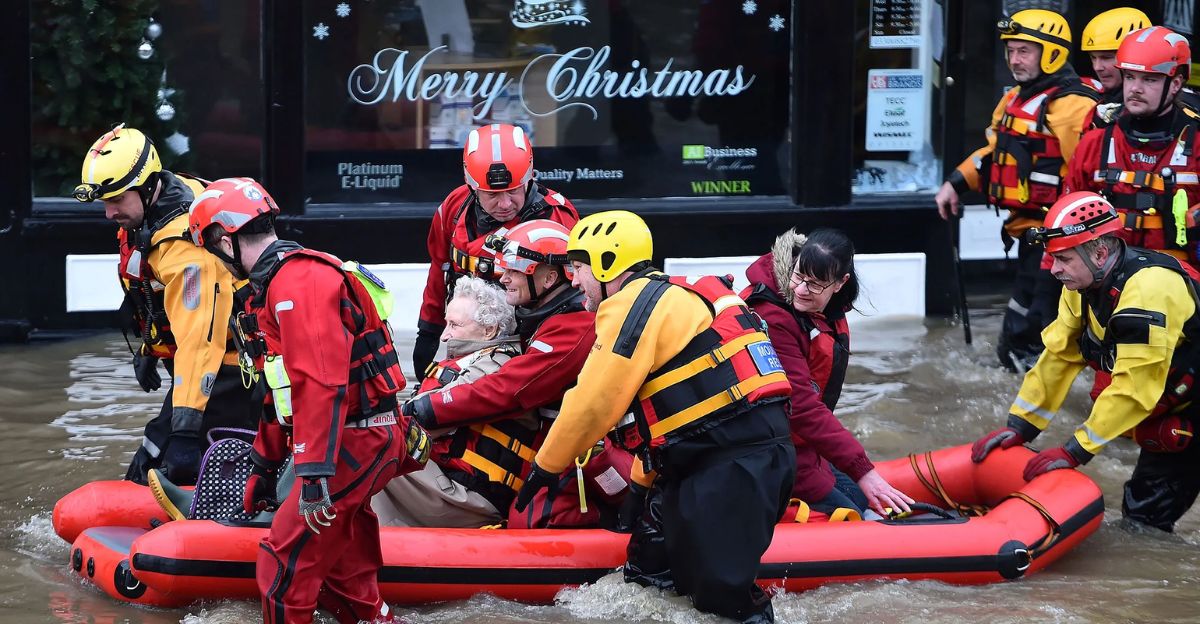
Evacuations were ordered for approximately 100,000 people across Washington. In Pacific, over 2,100 residents were evacuated as floodwaters surged.
Skagit County was hit hardest, with 75,000 residents ordered to flee. With Level 3 alerts issued, many families had to abandon their homes in the dead of night, and the chaos spread across the state as conditions worsened.
Commerce Grinds to a Halt Amid Flooding
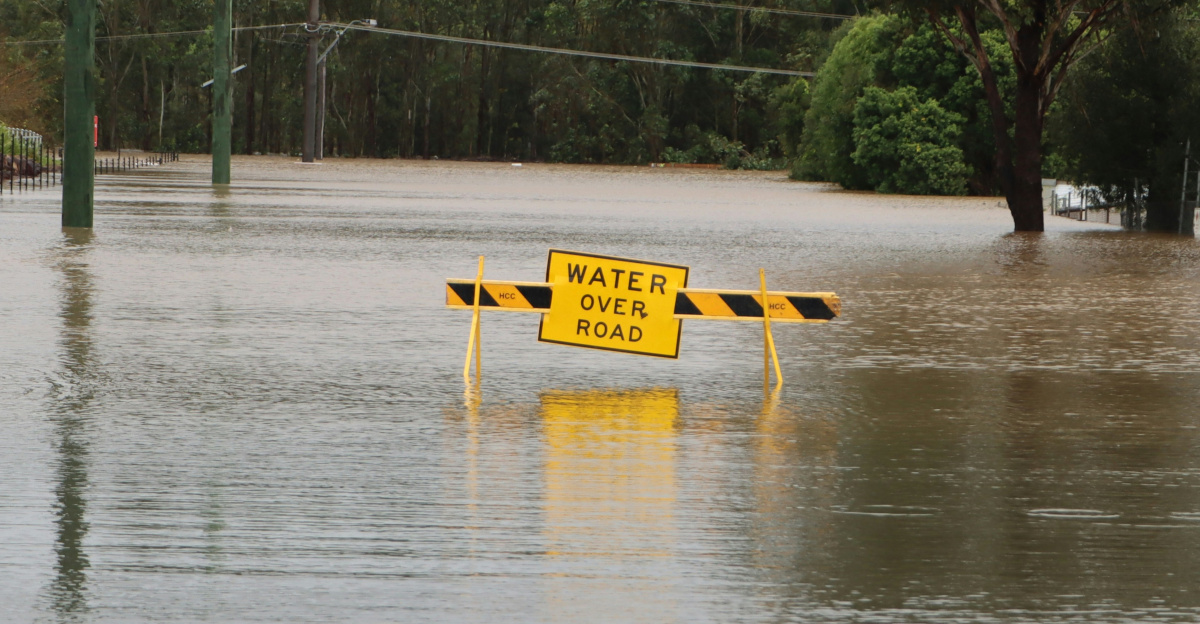
As roads closed, including a 49-mile stretch of U.S. Route 2, local businesses faced severe disruptions. Thousands were left without power, and stores struggled to stock essential supplies.
Flooded agricultural zones added to the strain, causing a ripple effect through regional supply chains, with retailers facing inventory losses and the agricultural community bracing for long-term damage.
Markets Shift as Suppliers Adapt to Flood Crisis
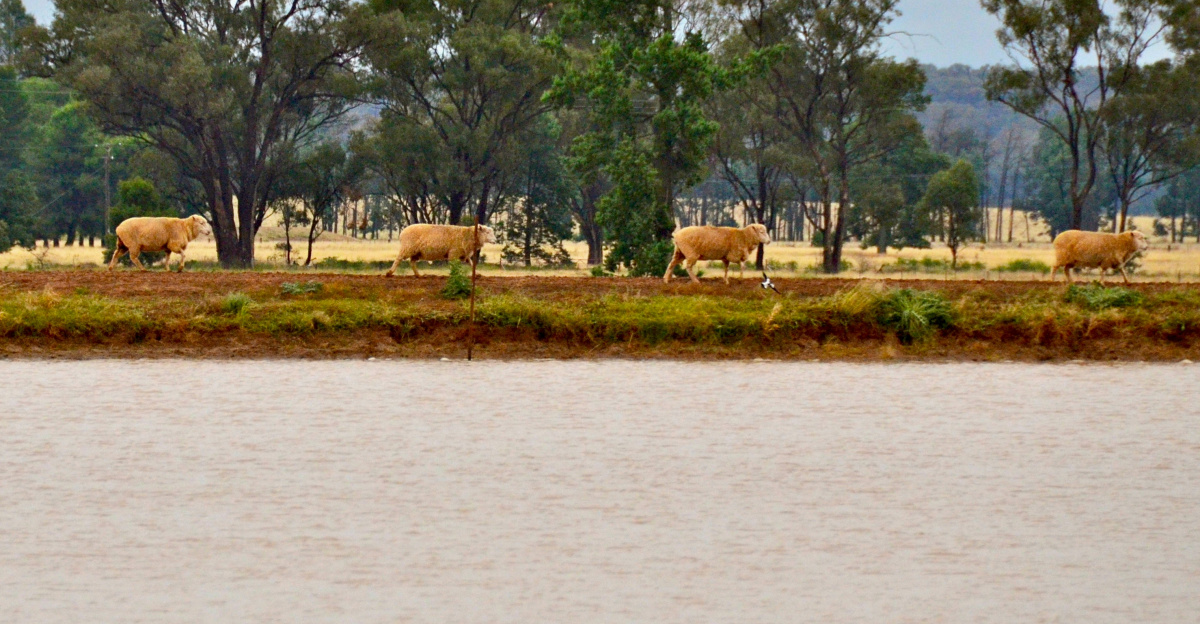
With floodwaters devastating fields in Skagit Valley, regional agricultural producers faced significant disruptions. Construction companies eyed urgent levee repair contracts, while hardware stores saw a spike in demand for sandbags and generators.
The flood’s ripple effect reached industries from farming to construction, altering seasonal consumer habits and supply lines.
Cross-Border Trade Disrupted by Severe Weather
The storm’s impact wasn’t confined to Washington alone. British Columbia’s Lower Mainland was cut off from the interior, halting vital trade routes. In Chilliwack, a tragic fatality occurred when a falling tree claimed a life during the storm.
Properties in British Columbia, including in Sumas Prairie, were placed under evacuation orders and alerts, further compounding the economic strain from the Pacific Northwest disaster.
Pacific Residents Face Immediate Flooding Nightmare
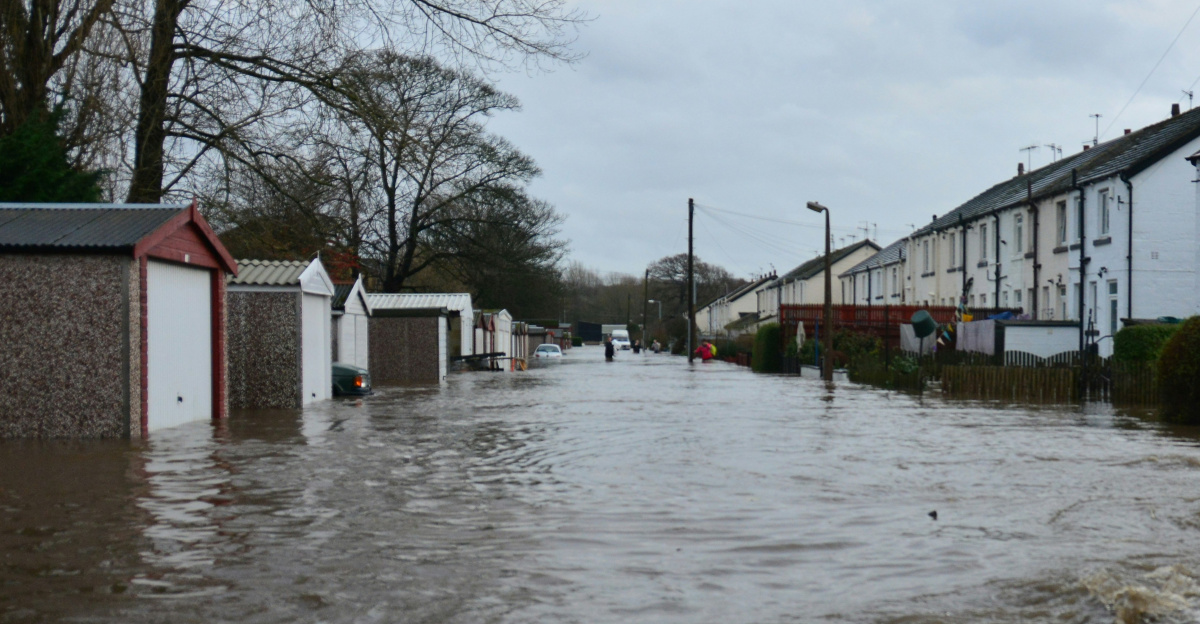
Pacific’s residents were thrust into chaos after the levee breach flooded approximately 220 homes. At 1:30 a.m., emergency services responded, rescuing families from rising waters.
The swift flooding left many with little time to save their belongings, and statewide, 629 rescues were conducted as the storm’s destructive force took hold in the hours following the breach.
Governor Ferguson Responds with Emergency Actions
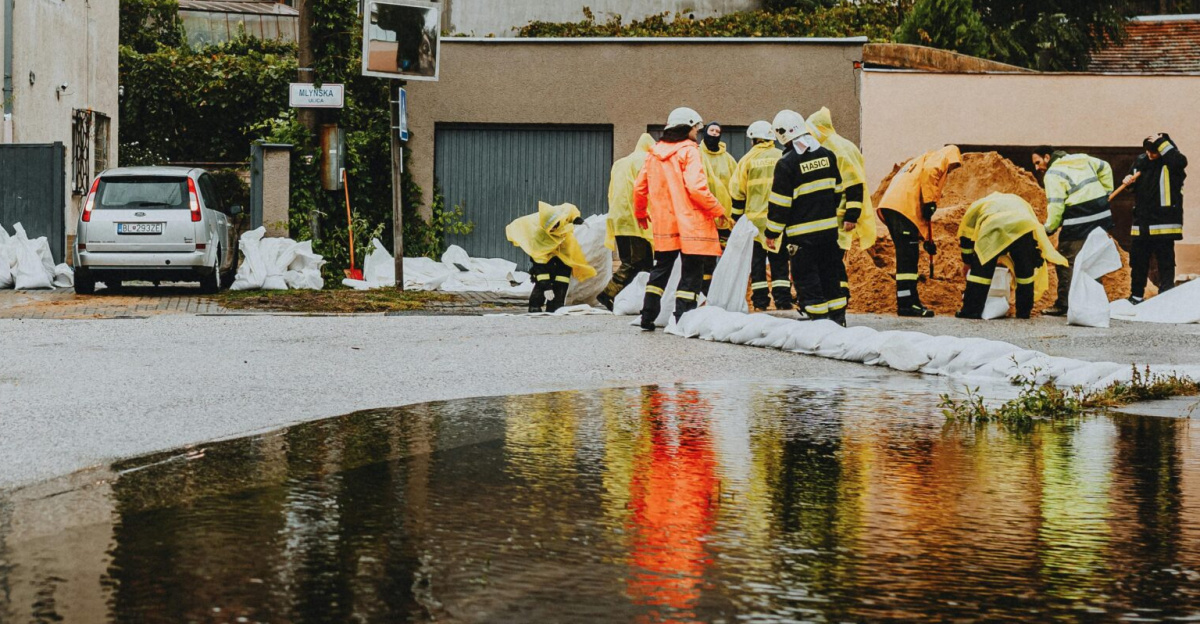
Governor Bob Ferguson swiftly declared a state of emergency, deploying approximately 300 members of the Washington National Guard to assist with rescues and flood management.
Alongside the U.S. Army Corps of Engineers, the state began assessing levee failures, particularly the Desimone breach on Green River. State leaders began calling for long-term upgrades to aging infrastructure in light of the unprecedented flooding.
Inflation Pressures Mount on Local Goods and Services
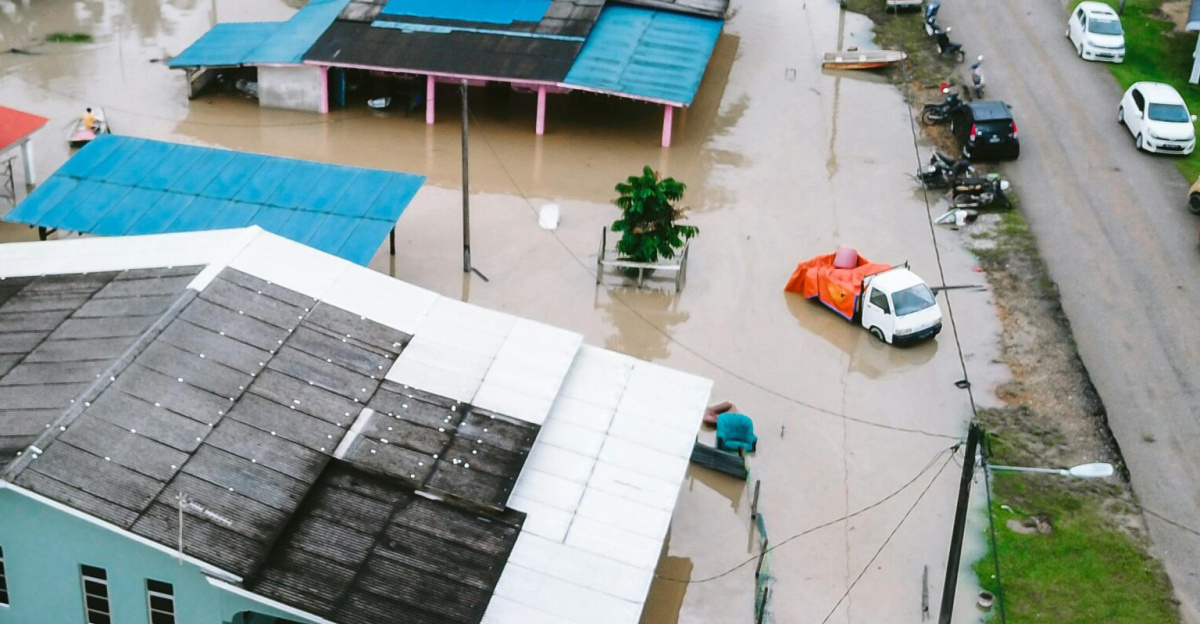
The floods added pressure to an already strained local economy. With the Snohomish, Skagit, and Cedar Rivers breaking records, agricultural production was severely impacted, affecting prices for essential goods.
The region’s recovery efforts also fueled economic pressures, as repairs to infrastructure like roads and levees demanded massive resources. The economic aftershock is expected to last for months.
Health and Safety Risks Escalate in Shelters
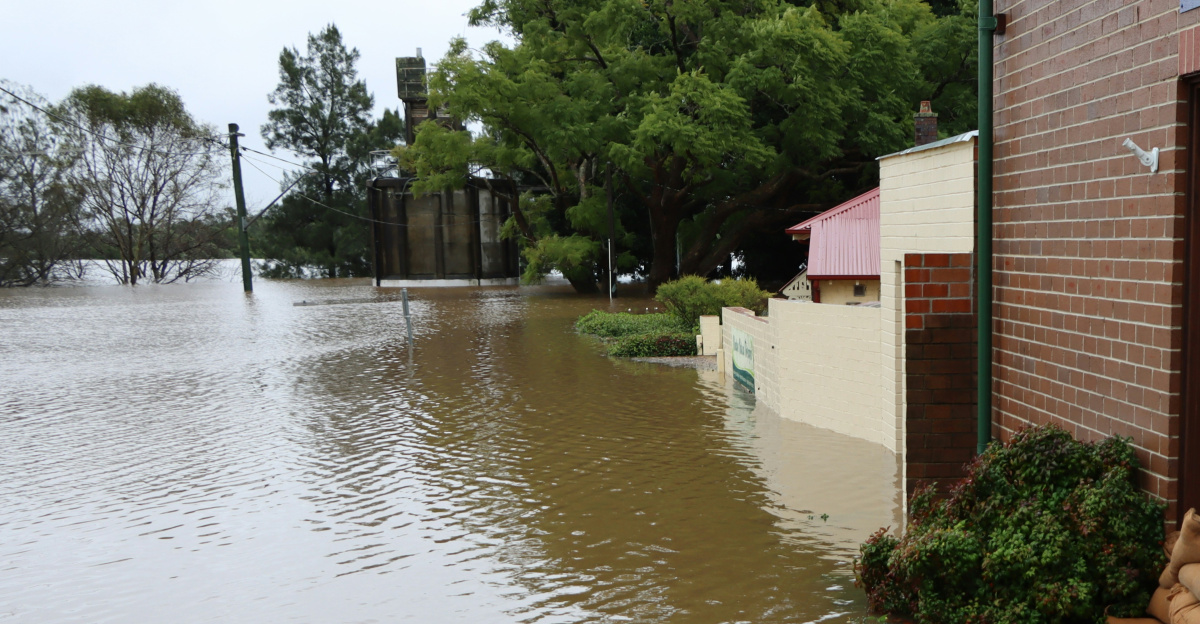
As evacuees moved into emergency shelters, health risks emerged. Pacific and Skagit residents faced challenges from power outages and contaminated water concerns in flooded areas.
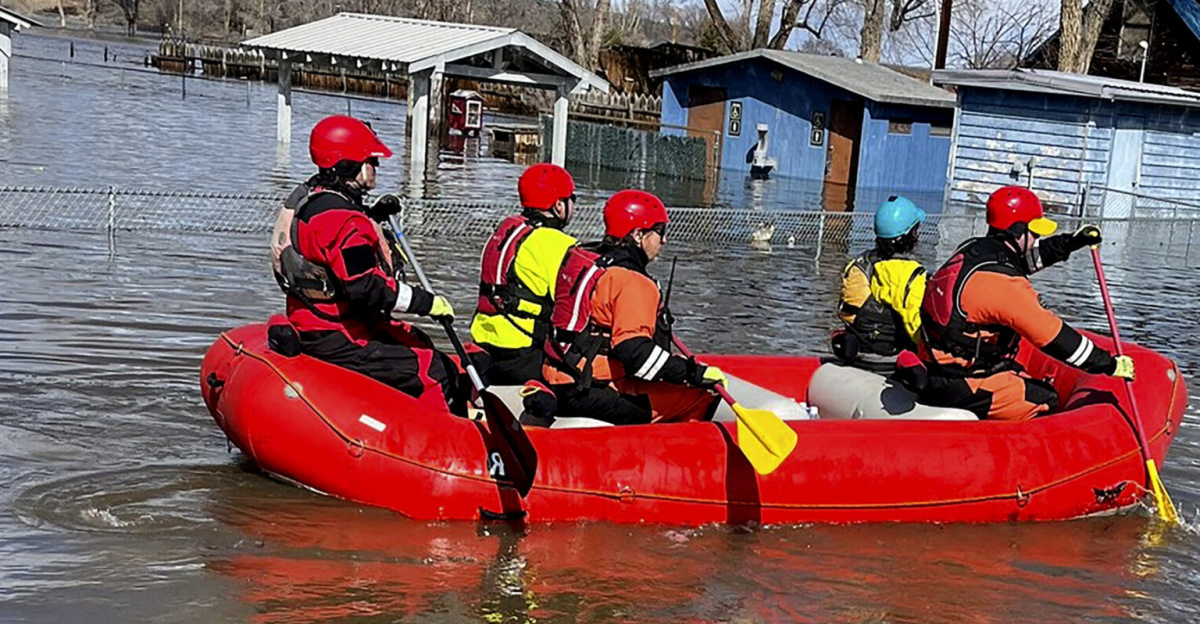
With 629 rescues and 572 assisted evacuations conducted, the immediate human toll of the disaster continued to unfold, with responders stretched and mental health concerns rising amid the ongoing crisis.
A Growing Debate: Climate vs. Infrastructure
As the scale of the flooding became apparent, critics focused on the aging levee systems, which were no longer able to withstand the extremes caused by warming temperatures and increasingly intense atmospheric rivers.
Governor Ferguson acknowledged the need for infrastructure improvements while sparking a statewide debate on climate adaptation and flood mitigation strategies to protect communities from future disasters.
Global Spotlight Shines on U.S. Flooding Crisis
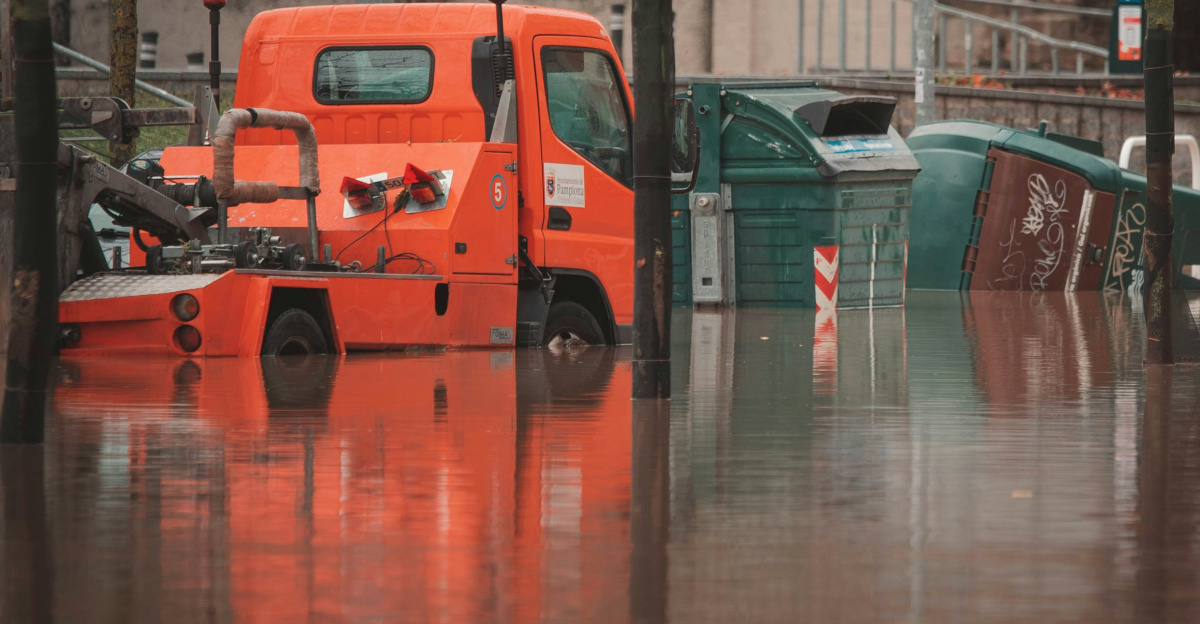
International media turned their attention to the Pacific Northwest’s devastation, with Washington’s levee failures making headlines worldwide. The floods disrupted regional commerce and supply chains.
Export delays from the region sparked concerns in broader markets, highlighting the economic fallout of this disaster beyond the region.
Industry Response to Washington’s Crisis
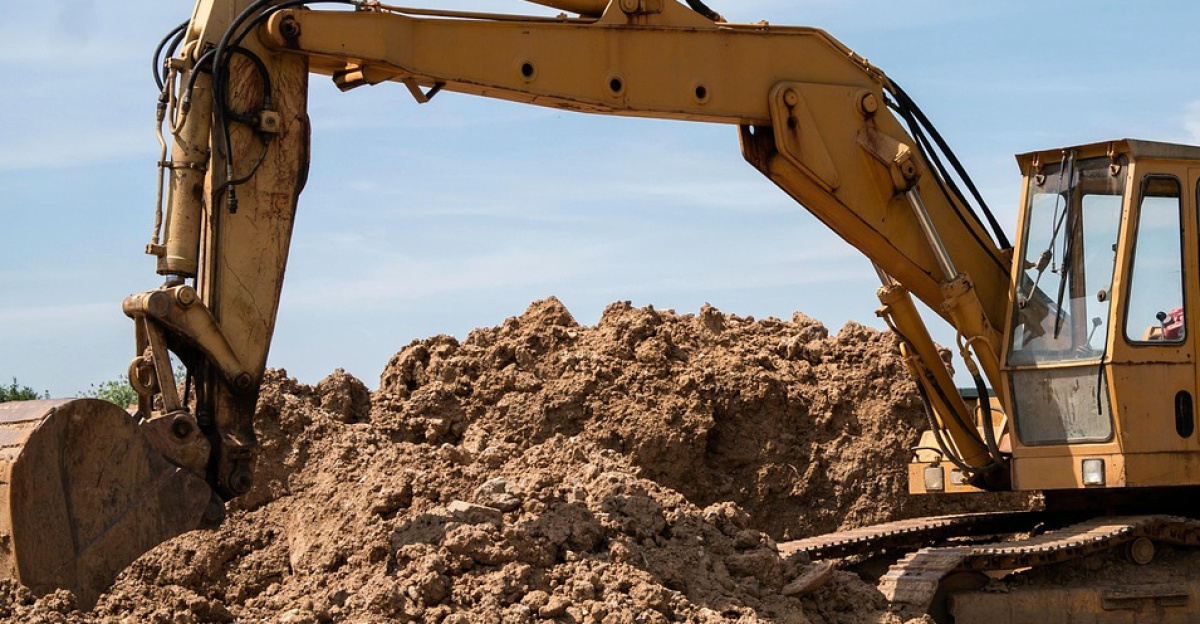
In the wake of the disaster, industries such as emergency response, construction, and supply chain logistics were called into action. The Washington National Guard and U.S. Army Corps of Engineers mobilized emergency response efforts to aid recovery.
Meanwhile, emergency supply companies experienced increased demand, as communities scrambled to meet ongoing needs for generators, food, and flood defenses.
Preparing for Future Floods: Consumer Tips
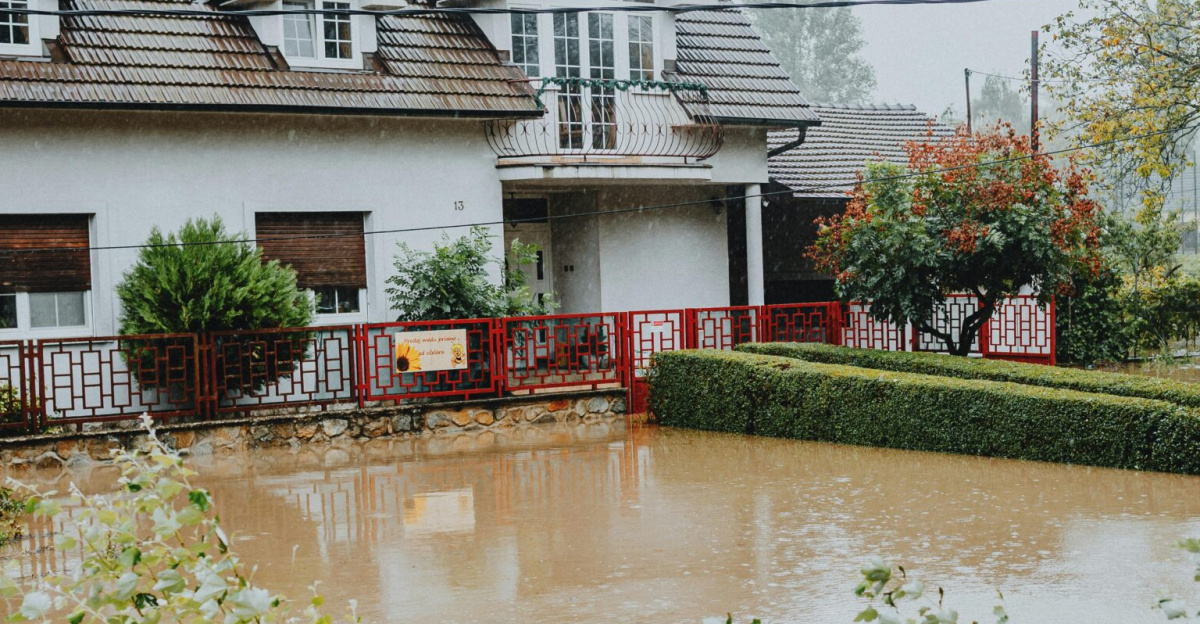
As recovery efforts ramp up, local authorities are urging residents to prepare for future disasters. In response, experts suggest consumers stock up on non-perishable goods, elevate valuables, and secure flood insurance.
Monitoring real-time weather updates through apps and ensuring home preparedness are also key to mitigating future risks. For many in Pacific, these precautions came too late.
A Call for Resilient Infrastructure and Future Action
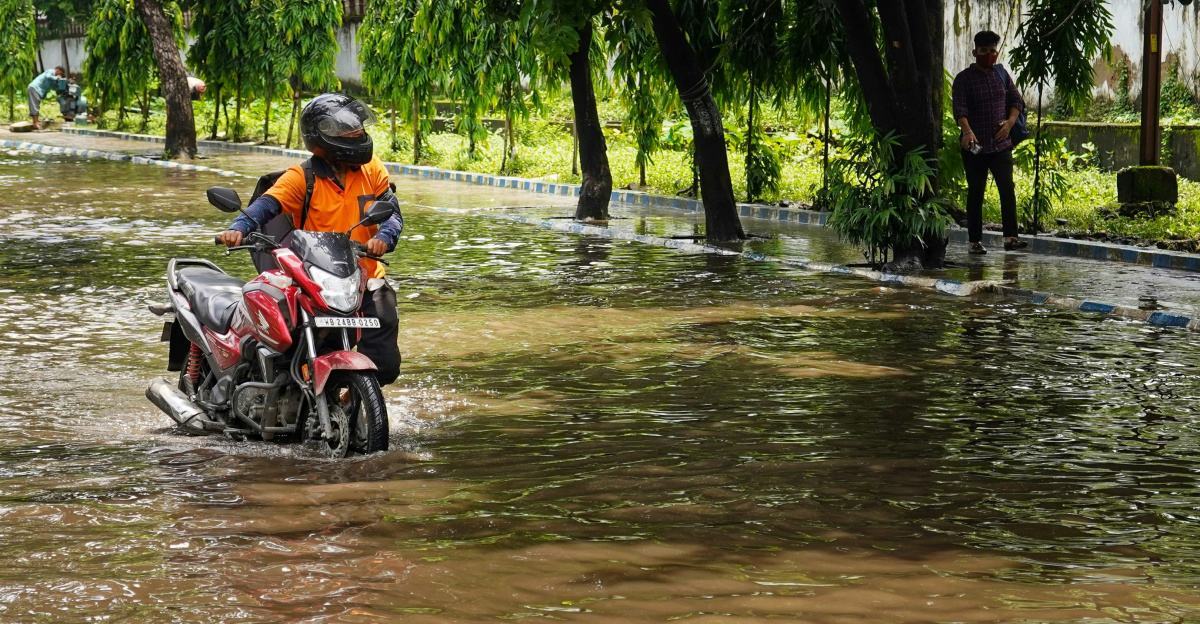
The Pacific Northwest’s record-breaking floods have brought critical attention to the region’s infrastructure vulnerabilities.
Governor Ferguson characterized this disaster as “one of the most devastating” in the state’s history, and with the ongoing threat of further storms, the future of flood control and infrastructure resilience is in sharp focus. How the state rebuilds and adapts will define its preparedness for future climate-related disasters.
Sources:
“2025 Pacific Northwest Floods.” Wikipedia, December 2025.
“Torrential Rains Unleash Widespread Flooding, Evacuations Across Pacific Northwest.” Reuters, December 11, 2025.
“Washington Levees Fail Amid River Flooding as Atmospheric River Dumps Rain on Pacific Northwest.” CNN, December 15, 2025.
“Damage from Record Flooding in Washington State is Profound.” Oregon Public Broadcasting, December 17, 2025.