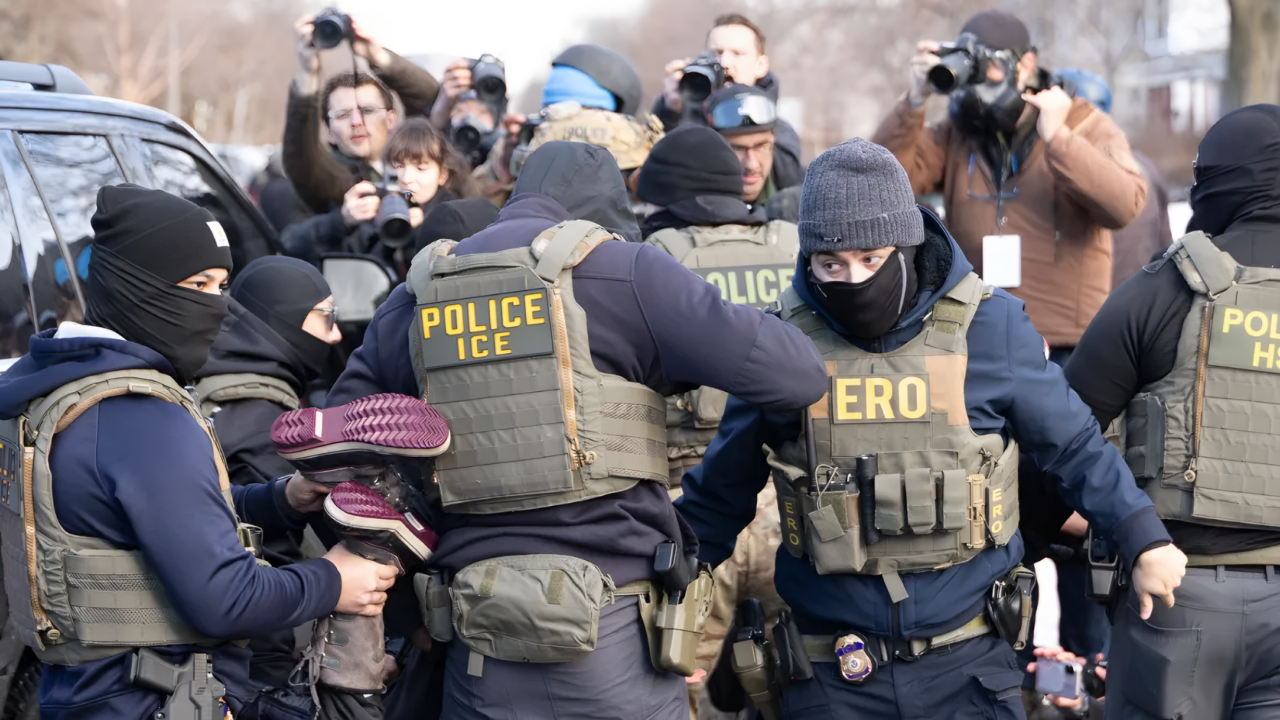
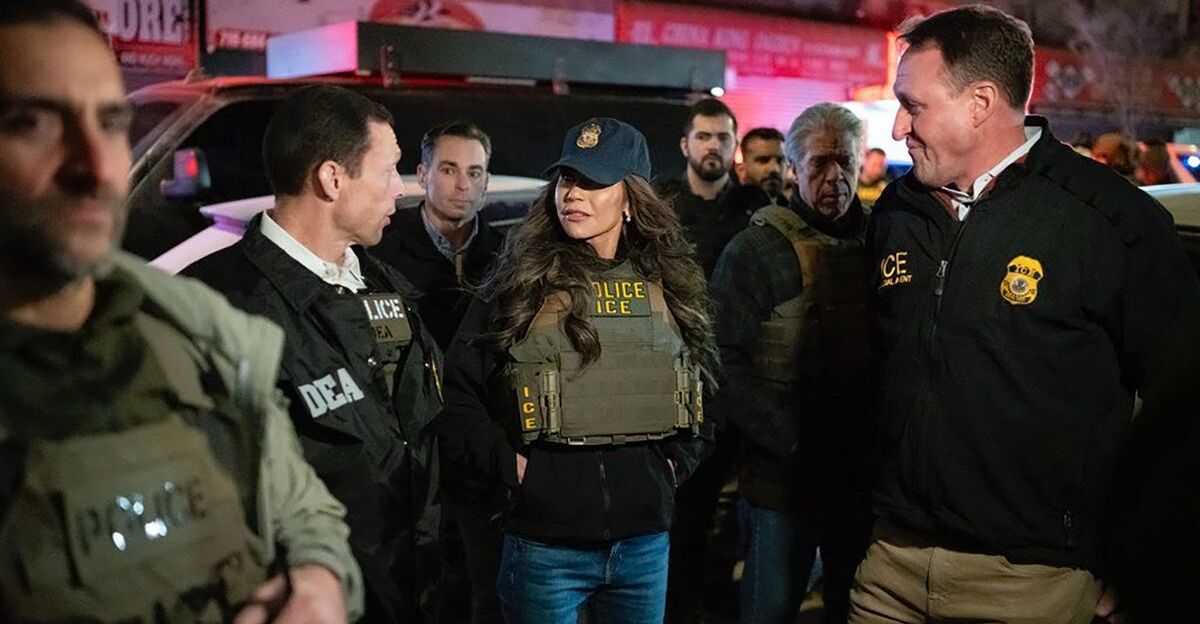
Operation Metro Surge was launched in early December 2025, targeting undocumented immigrants in the Twin Cities of Minnesota.
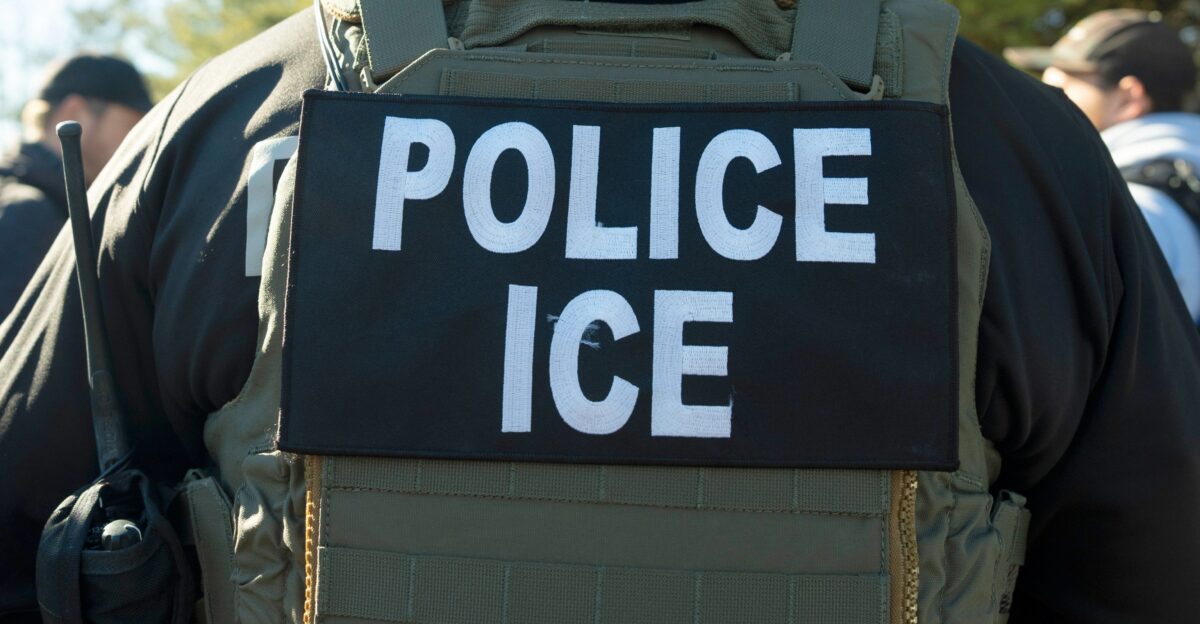
ICE, under the Department of Homeland Security (DHS), deployed hundreds of agents initially, focusing on those with deportation orders, including serious criminals.
By mid-January 2026, arrests surpassed 2,500, with DHS calling it the largest such effort ever. Local leaders decried the tactics and their intensity.
Federal Deployment Scale
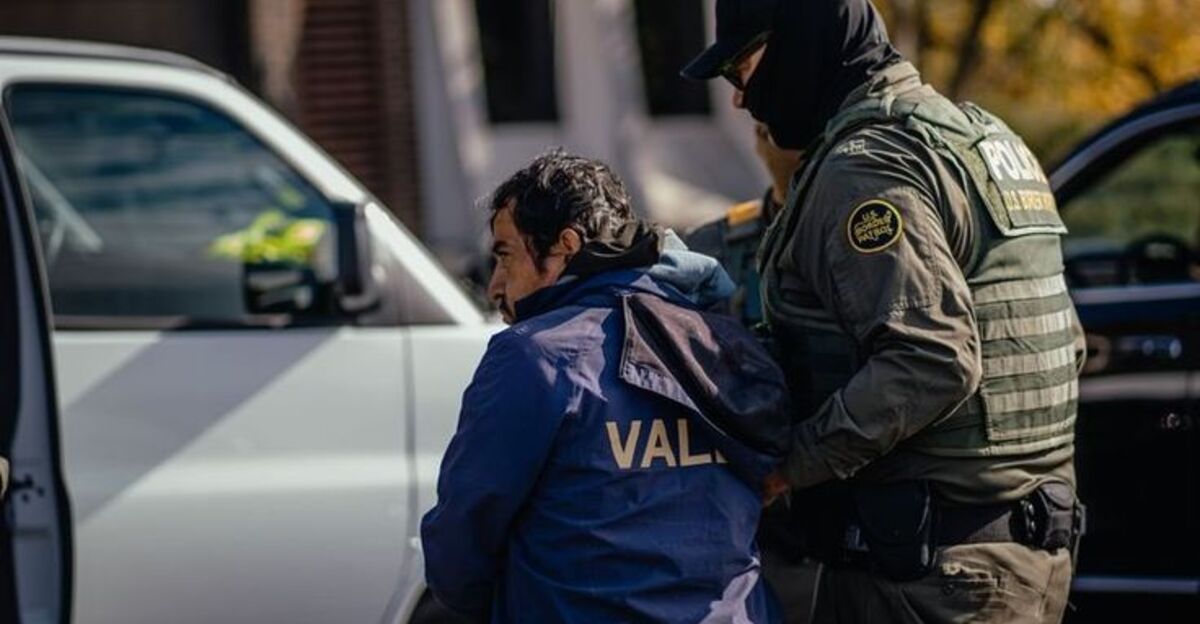
Between 2,400 and 3,000 armed DHS agents, including ICE and CBP, surged into Minneapolis-St. Paul starting in early December 2025
The operation expanded statewide. Arrests reached approximately 2,500 by mid-January, with 212 individuals (10%) labeled as the “worst of the worst.”
However, only 103 violent criminals, representing just 5.2% of all arrests, were identified. Local police reported chaos from raids across neighborhoods.
Governor Walz’s Response
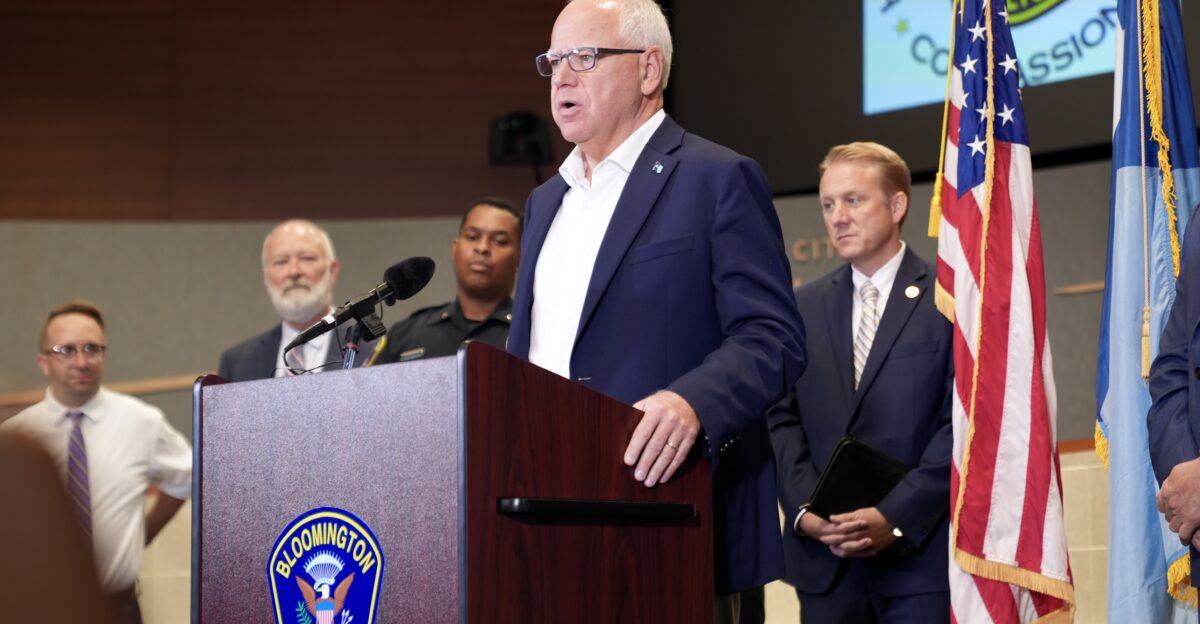
On January 14, 2026, Governor Tim Walz delivered a prime-time address calling the operation an “occupation.” He urged residents to document ICE activities on phones for future legal proceedings.
Walz explicitly called for peaceful protest, stating: “We must protest loudly, urgently, but also peacefully” and “We cannot and will not let violence prevail.” He rejected federal tactics.
Operation Timeline
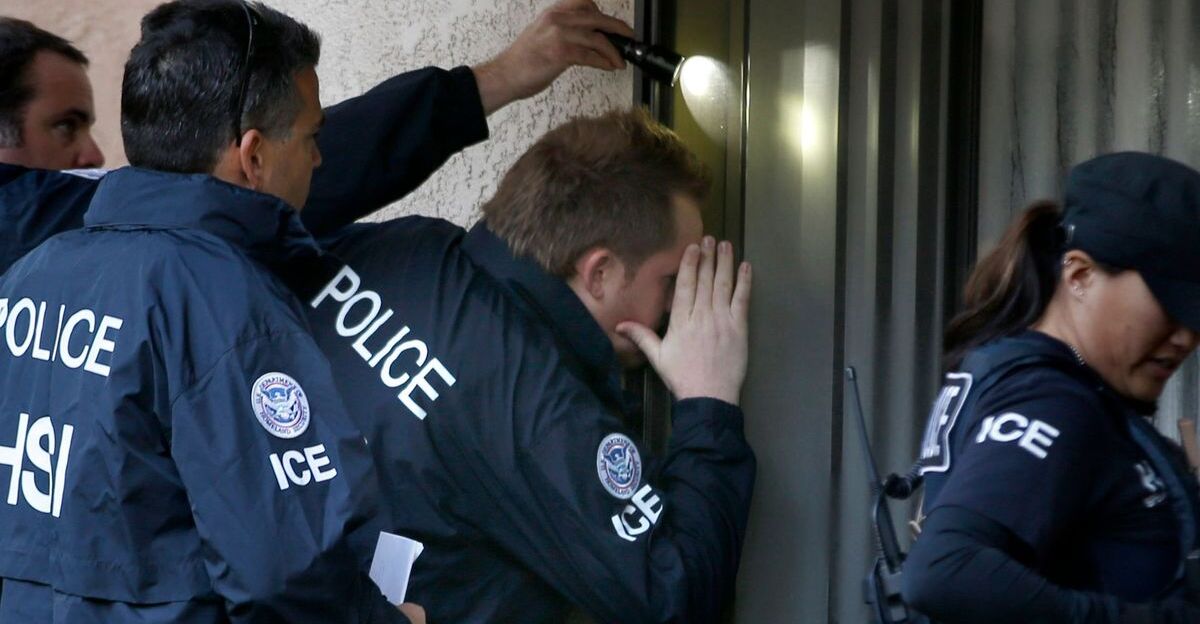
Operation Metro Surge officially began in early December 2025 with 12 arrests documented December 1-5. The operation escalated dramatically on January 6, 2026, when 2,000 additional agents were deployed to the Twin Cities—the largest immigration operation in DHS history.
DHS officials cited Minnesota’s alleged $9 billion welfare fraud allegations as context for targeting the state specifically for this massive surge.
Community Disruptions
Raids disrupted schools, businesses, and hospitals throughout the region. Minneapolis Public Schools locked down after agents used force near Roosevelt High on January 8.
Schools switched to remote learning; businesses halted operations. Minneapolis police worked 3,000+ overtime hours between January 7-11, costing taxpayers an estimated $2 million for just four days of federal operations.
Arrest Breakdown

Of 2,500 total arrests since Operation Metro Surge began, only 212 individuals (10%) were labeled “worst of the worst.”
Within that subset: 75 violent crime/gang members, 28 sex offenses, 45 fraud/theft/trafficking, 57 drug offenses, and 7 DWI arrests.
This means 94.8% of all arrests involved non-violent offenders or individuals with no criminal history—contradicting the “worst of the worst” framing.
Renee Good Shooting
Renee Good, a 37-year-old U.S. citizen and mother of three, was fatally shot by ICE agent Jonathan Ross on January 7, 2026, in south Minneapolis.
The Trump administration initially called her a “domestic terrorist” before retracting the statement.
Her death galvanized Minneapolis and raised questions about ICE tactics, particularly involving civilians, during the operation’s early days.
Sanctuary Status Paradox

Minnesota has no statewide sanctuary law. Governor Walz testified to Congress on June 11, 2025: “The Minnesota legislature has passed no such bill making Minnesota a sanctuary state, and I have signed no such law.”
Yet DOJ placed Minnesota on its “sanctuary jurisdictions” list in June 2025 and sued the state in September 2025 for alleged sanctuary policies that legally don’t exist.
Legal Challenge Filed
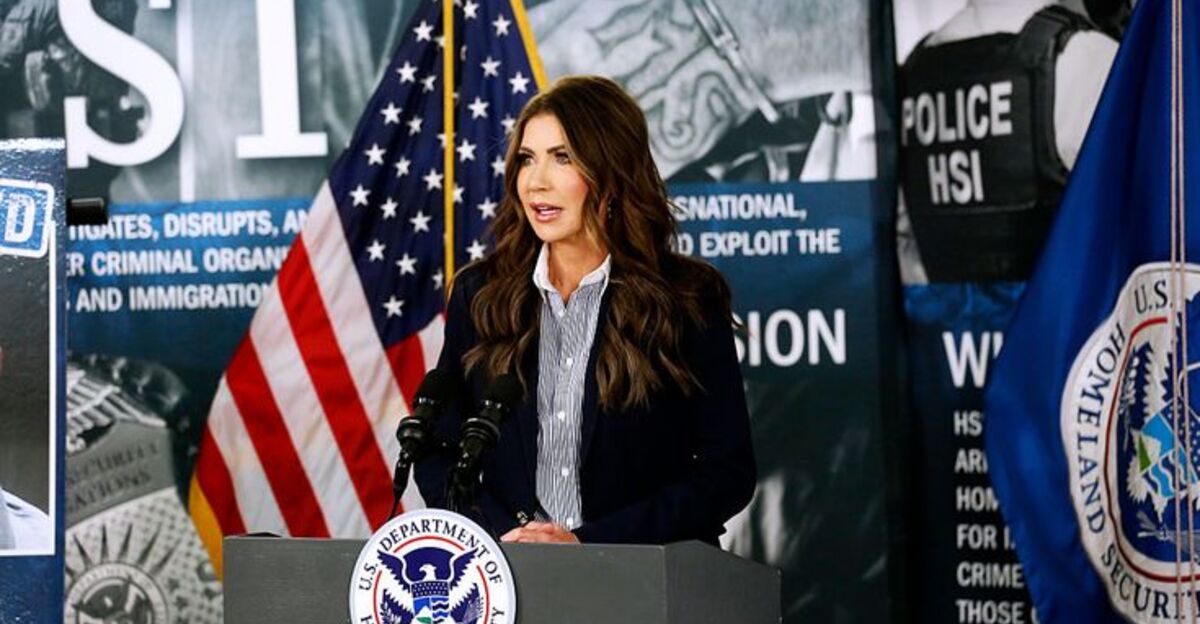
On January 12, 2026, Attorney General Keith Ellison, representing Minneapolis and St. Paul, sued DHS, alleging violations of the First and Tenth Amendments, excessive force, and racial profiling.
Judge Menendez denied the temporary restraining order on January 14 but acknowledged the issues were “enormously important.” The federal response was due on January 19, with oral arguments expected before the end of the month.
Voter Fraud Reality

Heritage Foundation data tracks rare noncitizen voting fraud nationwide—only 77 confirmed cases over 24 years (1999-2023), averaging 3.2 fraudulent votes per year.
This contradicts claims that sanctuary cities enable systematic voter fraud. No evidence shows that sanctuary status enables voter fraud affecting election outcomes. The data undermines justifications offered for Operation Metro Surge’s massive scale.
Federal Funding Threats
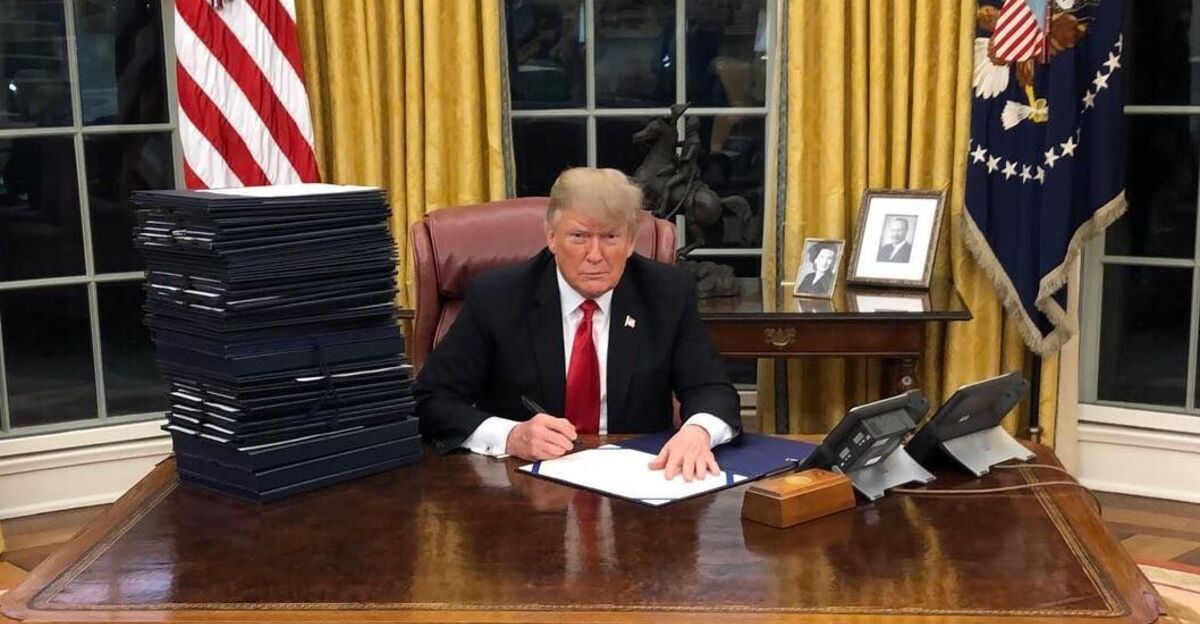
President Trump announced on January 14, 2026, that no federal funds would flow to sanctuary jurisdictions like Minnesota starting February 1, 2026, calling Governor Walz incompetent.
A federal judge blocked a similar funding cut attempt in August 2025, raising questions about legal viability. This reframes the surge as a form of political retaliation against states that voted against Trump.
Assault Statistics Disputed
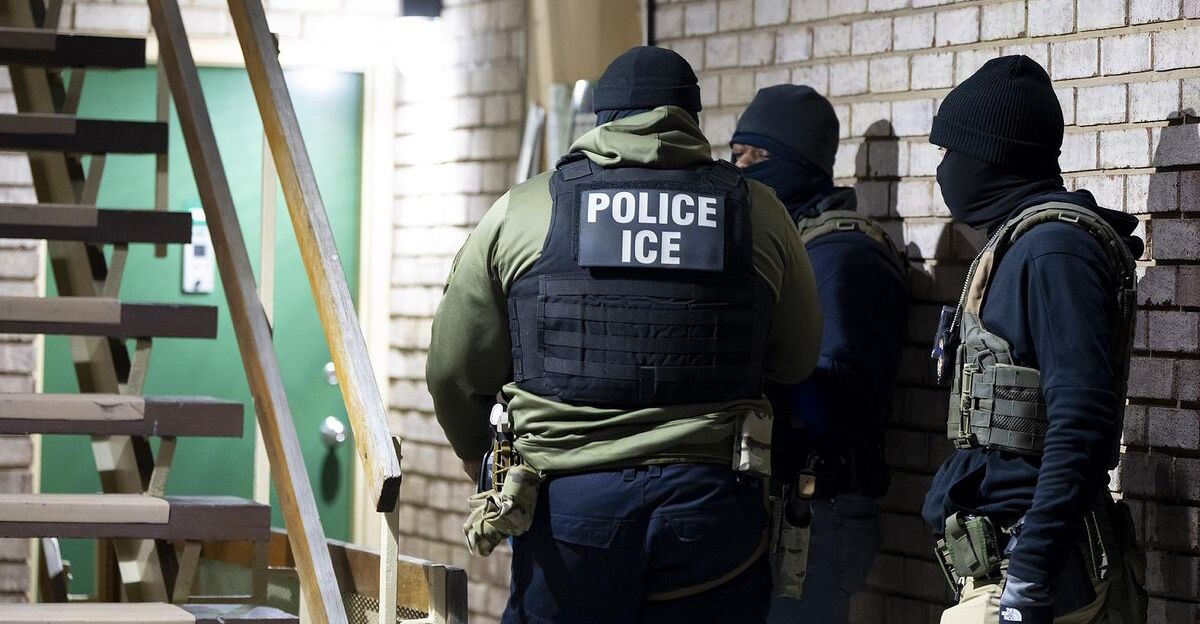
The Trump administration claimed assault rates against ICE agents increased from 300% (April 2025) to “more than 1,000%” (August 2025).
However, NPR/Colorado Public Radio analysis of federal court records found assault charges against all federal officers increased only 25% nationally through mid-September 2025.
The DHS refused to release the methodology, underlying data, or ICE-specific numbers, casting doubt on the claims.
Documented Incidents
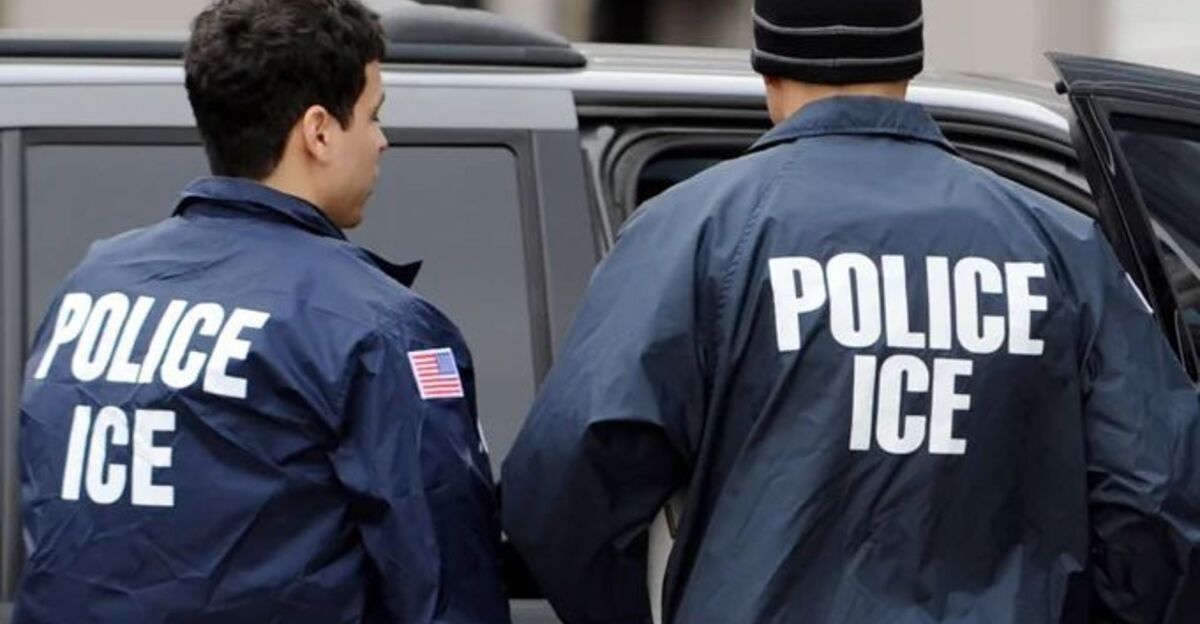
Attorney General Ellison reported 20 instances of what he described as apparent kidnapping of residents by ICE agents.
Sixty people were charged with obstruction or assault in just 5 days (January 8-13), representing approximately 2-3% of protesters.
Three Oglala Sioux tribal members—all U.S. citizens—were detained under a Minneapolis bridge despite their citizenship status.
Political Weaponization
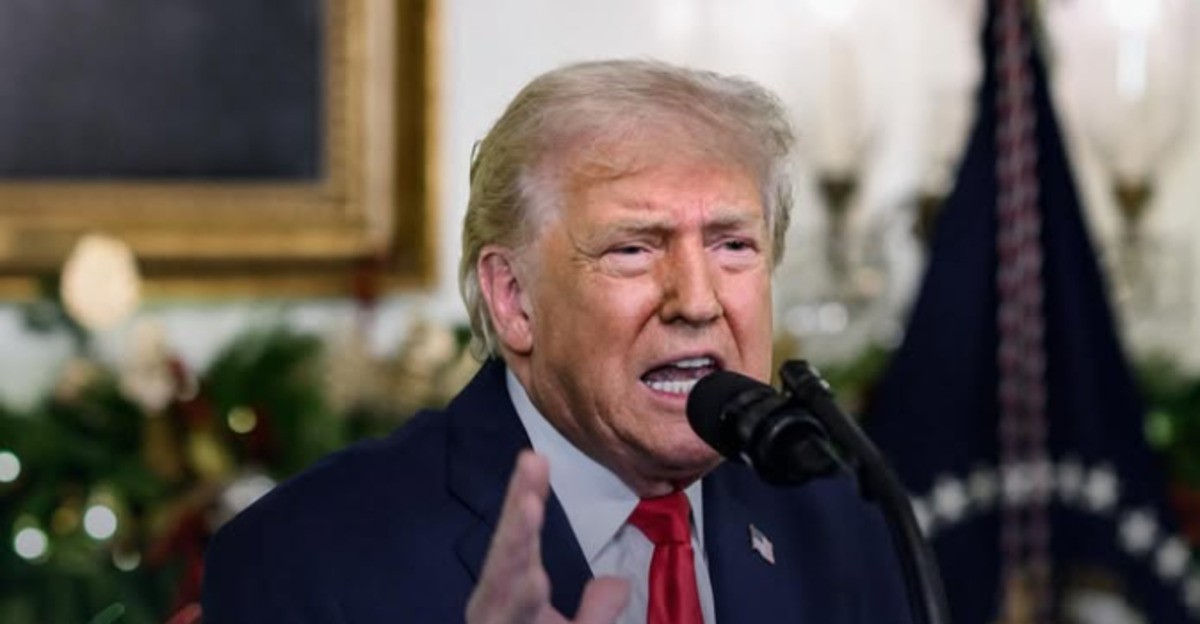
Trump labels Minnesota “corrupt,” tying the surge to election disputes after Minnesota voters rejected him for the third consecutive time.
The White House published an article on January 8, 2026, titled “57 Times Sick, Unhinged Democrats Declared War on Law Enforcement,” listing Walz and other Democratic officials who criticized ICE tactics, suggesting political targeting of opponents.
Critical Questions Ahead
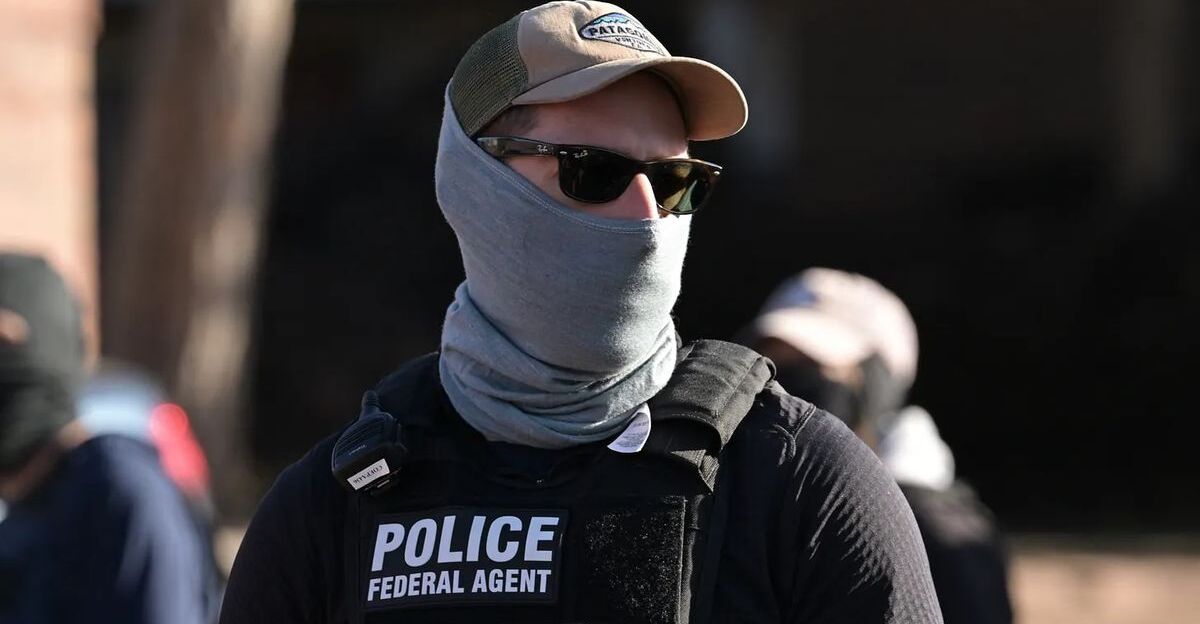
Will courts halt Operation Metro Surge before the February 1 federal funding cuts? As arrests approach 2,500 over seven weeks, Minnesota braces for economic impact and escalating protests.
Federal agents outnumber local police 2-to-1 in the Twin Cities.
The operation raises constitutional questions about federal-state power, the scope of immigration enforcement, and civil liberties during peacetime domestic operations.
Sources:
FOX 9 Minnesota News (January 2026)
Wikipedia Operation Metro Surge
State of Minnesota Lawsuit, January 12, 2026
U.S. Census Bureau population data
Politico federal funding reporting
NPR/Colorado Public Radio assault statistics analysis