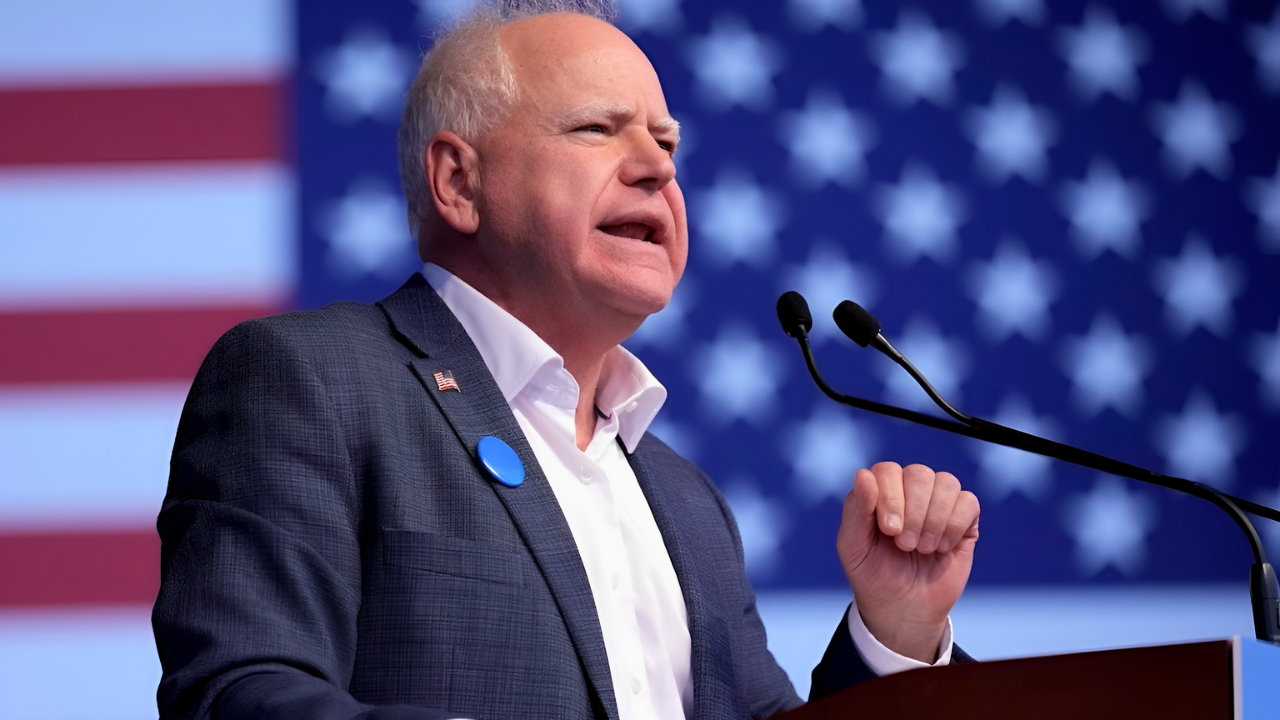
In January 2026, federal immigration agents clashed with Minnesota’s state sanctuary rules in a standoff that led to arrests, disputed arrest counts, and fatal shootings, highlighting deep divisions over authority and public safety.
Federal Core Dispute
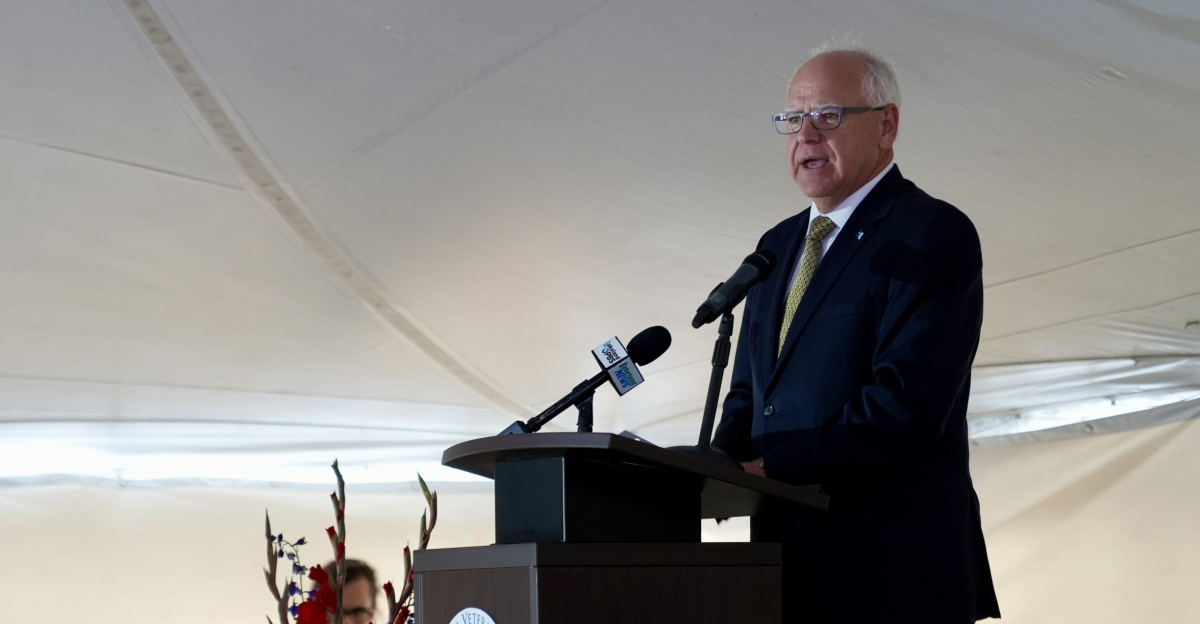
Homeland Security officials accuse Governor Tim Walz’s administration of blocking ICE by refusing immigration detainers for over 1,360 noncitizens with criminal records held in state custody. They argue that these sanctuary-style jail policies prevent deportations ordered by federal judges. Minnesota’s Department of Corrections disputes this, stating there are only about 300 active detainers and demanding supporting documents from federal authorities. State law mandates judicial warrants for transfers, rejecting administrative detainers alone. Federal agents contend that this forces riskier street arrests instead of using secure jail handovers for those considered public safety threats.
Disputed Numbers and Legal Stance
The U.S. Department of Homeland Security (DHS) reports more than 1,360 detainers in Minnesota facilities, including 500 with final deportation orders. However, the state challenges these figures, stressing compliance only with court-backed requests to ensure constitutional protections in its corrections system. Minneapolis and Minnesota operate under sanctuary policies, prioritizing judicial oversight to avoid potential rights violations during transfers. Federal leaders criticize the warrant requirement, viewing it as a bureaucratic hurdle that delays the removal of individuals with court-ordered deportations. This disagreement over numbers and procedures has fueled an ongoing enforcement impasse.
ICE Surge and Arrest Scale
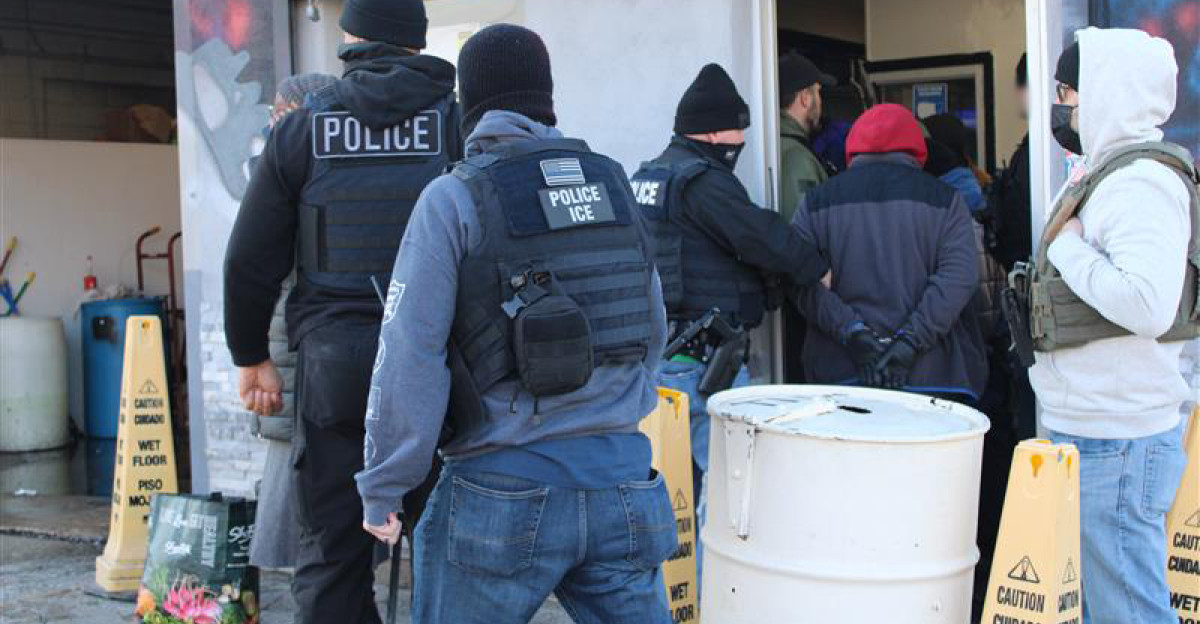
In response, DHS deployed a significant increase in personnel to the Twin Cities in January 2026, marking the largest such operation in Minnesota in years. This effort is linked to investigations into fraud within state assistance programs, allegedly connected to Somali networks, alongside a focus on criminal histories and immigration violations. Federal figures claim that over 3,000 arrests were made in the Minneapolis area that month, with 113 arrests in one weekend alone, and more than 10,000 statewide in the first year of heightened operations. These numbers, while significant, have been questioned by local advocates, who argue that they may target a broader group than the most dangerous offenders.
Enforcement Tactics and Tensions
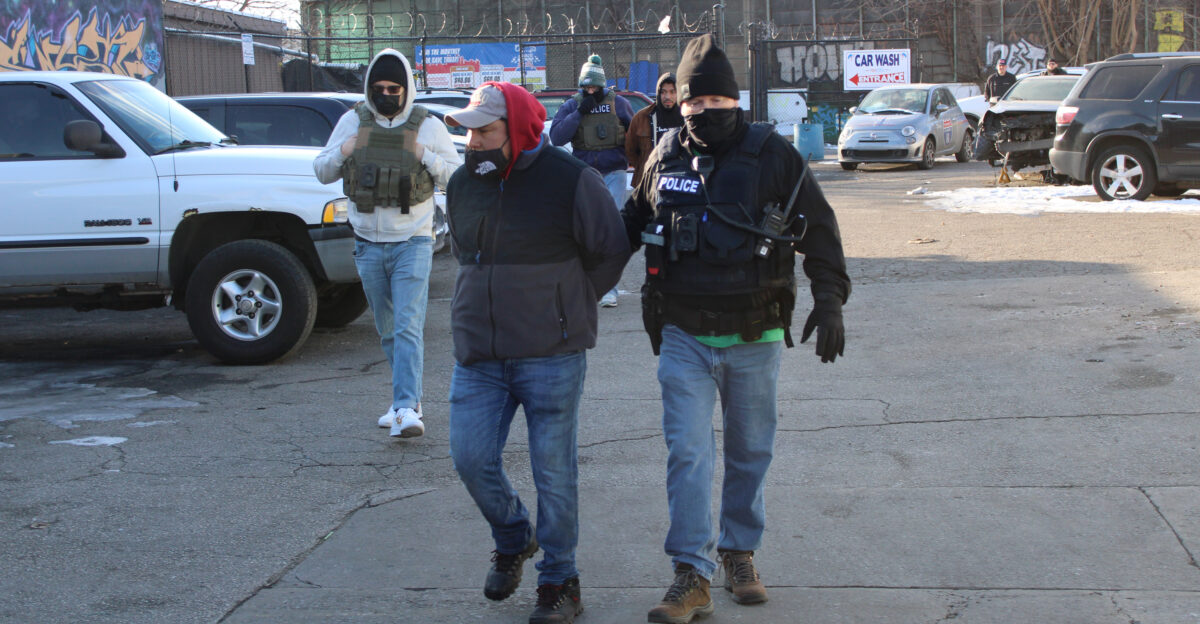
Tom Homan, the White House Border Czar, urged for jail access, stating that this would avoid the disruptive street arrests that endanger officers and communities. Federal priorities include cracking down on criminal records and investigating fraud linked to taxpayer-funded state programs. While state officials acknowledge the fraud issues, they dispute the extent of the detainees’ risks. Governor Walz maintains that immigration enforcement is a federal responsibility, not a state one. Minneapolis Mayor Jacob Frey reaffirmed the city’s stance on noncooperation, while Minnesota’s Corrections Commissioner Paul Schnell emphasized that transfers occur only when judicial warrants are issued, rejecting claims that dangerous individuals are being released.
Incidents, Protests, and Path Ahead
In early January, ICE agent Jonathan Ross fatally shot Renee Good in Minneapolis, an incident that DHS described as a response to domestic terrorism, though witnesses dispute this claim. Another shooting occurred following an alleged attack on agents. Investigations into these incidents are ongoing. On January 23, thousands participated in a general strike, with unions, faith leaders, businesses, and schools protesting the Good shooting and calling for accountability. Vigils continue, reflecting the growing erosion of community trust. Key unresolved issues—warrant legality, federal authority versus state rights, and safer enforcement methods—suggest that the situation may ultimately be settled through court rulings or policy changes. Without a resolution, operations will likely continue, with authorities attempting to balance deportation goals against local safeguards and public safety concerns.
Sources:
CBS News Trump’s border czar on Minneapolis ICE shooting
New York Times Minnesota Medicaid fraud investigation November 2025
Politico Tom Homan Minnesota cooperation statements January 2026
Department of Homeland Security ICE enforcement statements January 2026
Minnesota Department of Corrections official statements
Minneapolis Mayor Jacob Frey public statements
Governor Tim Walz administration policy documents
Federal Bureau of Investigation use-of-force incident investigations
Minnesota Attorney General public records