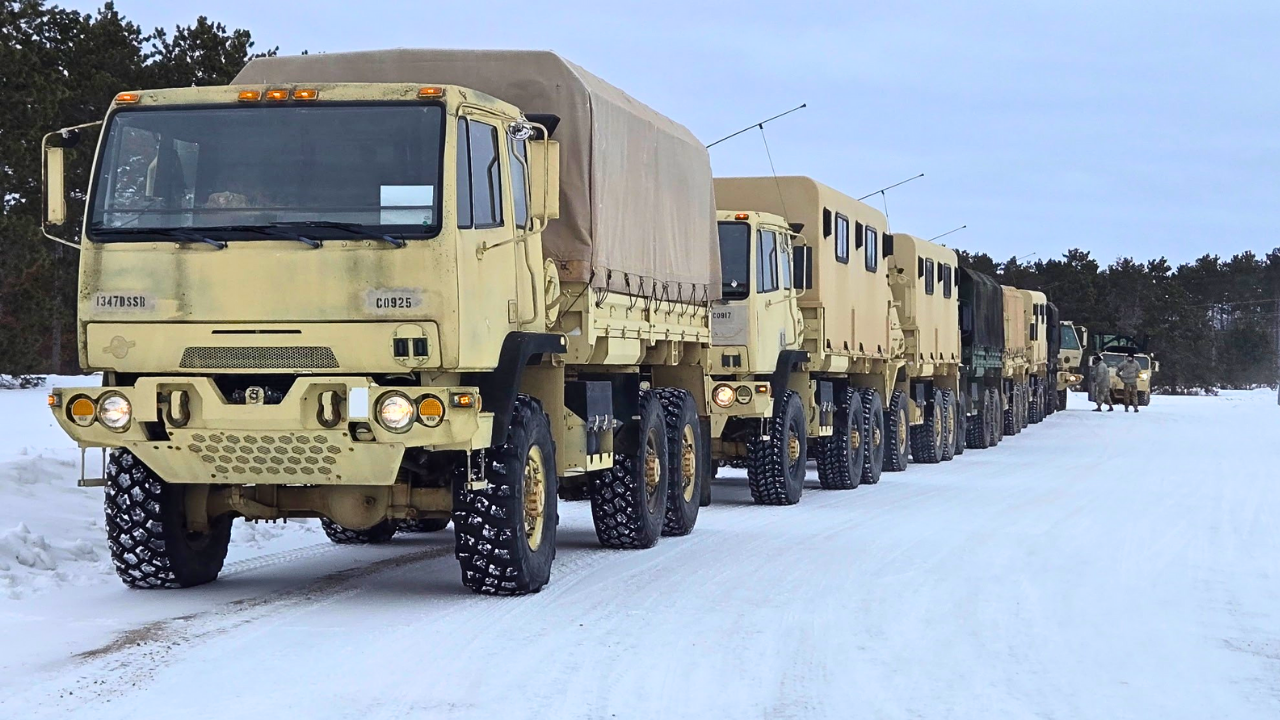
A 37-year-old mother of 3 was fatally shot by an ICE agent during a routine traffic stop in Minneapolis, igniting nationwide protests and triggering an unprecedented federal crisis. Within 10 days, a 2nd shooting erupted. Now, President Trump threatens to invoke the 1807 Insurrection Act while Minnesota’s governor deploys the National Guard, marking a collision between state and federal authority not seen in decades. Here is how it escalated.
A Mother’s Final Moment Caught On Video
On the morning of Jan. 7, 2026, Renee Nicole Good, a 37-year-old poet and mother of 3, sat in her Honda Pilot on a residential street in south Minneapolis. Her vehicle was diagonally positioned on Portland Avenue when federal agents approached. Witnesses recorded everything. The officer saw only a potential threat, and Minneapolis soon changed.
The Split-Second Detail That Defined It

Federal agents, part of a massive immigration enforcement operation, ordered Good out of her vehicle as she sat observing their activities in her neighborhood. Video analysis by ABC News later showed Good turned her steering wheel right, away from agents, just a few seconds before shots. Three bullets struck her. But the shooter’s own history soon resurfaced.
An Agent’s Past Trauma Comes Back

The ICE agent who fired, 43-year-old Jonathan Ross, claimed he feared for his life. Ross, an ICE officer with more than 10 years of service, had faced violence before. In June 2025, about 6 months earlier, he was dragged and injured by a fleeing driver in Bloomington, requiring 20 stitches right arm, 13 left hand. Some wondered what fear lingered.
Who Renee Good Was To Loved Ones

Renee Macklin Good was a poet who loved writing and community organizing. She lived in Minneapolis with her wife and young child, having moved there after Trump’s 2024 electoral victory. She was a mother to 3 children total. Her wife, Becca Good, described her as made of “sunshine” and kindness. Grief soon shifted into anger.
Another Shooting Deepens The Crisis
On Jan. 14, 2026, just 1 week after Good’s death, a 2nd shooting erupted. An ICE agent shot a Venezuelan national in the leg after a traffic stop turned violent. DHS said the man fled, and 2 others attacked with a snow shovel and broom handle. The self-defense claim fueled fresh outrage and fear.
Streets Flood With Protesters And Vigils
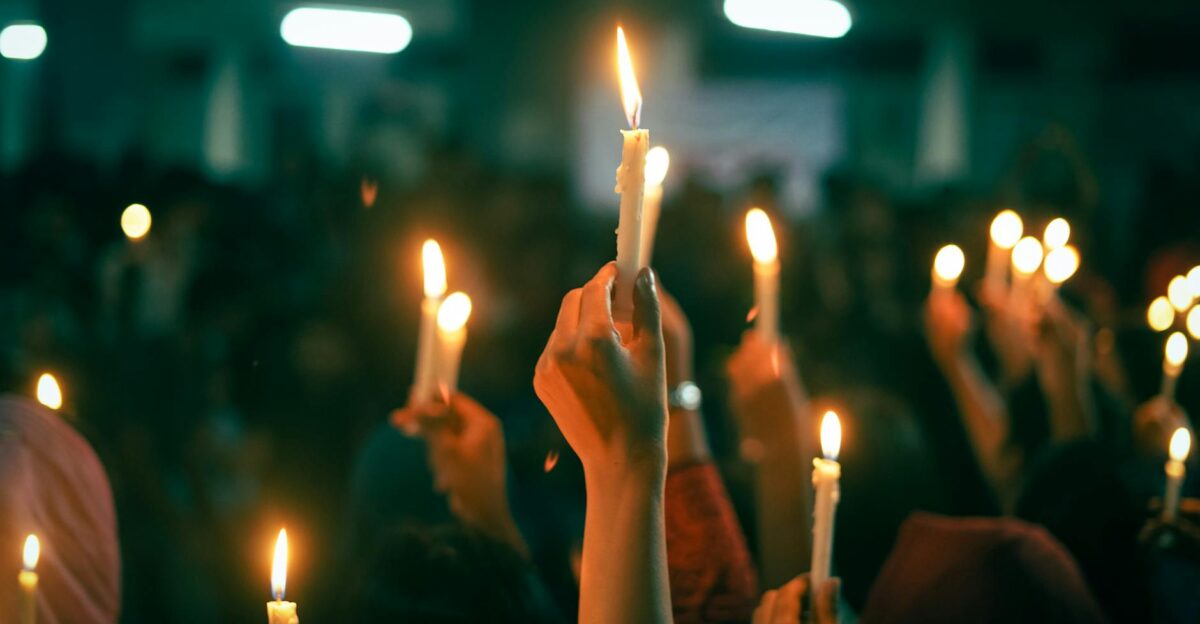
Protests exploded across Minneapolis after Good’s death. On Jan. 10, about 10,000 demonstrators marched downtown demanding ICE withdraw from Minnesota. Crowds grew daily at the Whipple Building, where federal agents were headquartered. Protesters chanted “ICE out of Minneapolis” and held vigils. By Jan. 17, demonstrations spread nationwide, but tensions turned sharper.
Trump Draws A Line On Truth Social
On Jan. 15, 2026, President Donald Trump warned Minnesota officials on Truth Social. He wrote that if they did not “stop professional agitators and insurrectionists from attacking” ICE agents, he would “institute the INSURRECTION ACT” and “quickly put an end to the travesty” in Minnesota. The threat raised one blunt question: could a president override a governor?
Walz Mobilizes Guard Under State Control
Governor Tim Walz responded by mobilizing the Minnesota National Guard on his terms. On Jan. 17, Walz signed an executive order staging about 13,000 available Guard soldiers and airmen to support local law enforcement if needed. They would remain under state control and wear bright yellow reflective vests, distinct from federal agents. Still, the Pentagon was preparing elsewhere.
Troops On Standby Far From Minneapolis
Behind closed doors, the Pentagon prepared. About 1,500 active-duty soldiers from the U.S. Army’s 11th Airborne Division, based at Fort Wainwright in Fairbanks, Alaska, received prepare-to-deploy orders. Defense officials said they would move only if Trump invoked the Insurrection Act. The White House called it routine planning, but the optics felt ominous.
The Operation Behind The Explosion
Long before Good’s death, the Trump administration launched “Operation Metro Surge” in early December 2025. DHS initially deployed about 100 ICE agents to Minneapolis, then 2,000 more arrived. By mid-January, about 3,000 ICE and CBP agents were in the Twin Cities. Acting ICE Director Todd Lyons called it the agency’s “largest immigration operation ever.” The numbers dwarfed local policing.
When Federal Presence Outnumbers City Police
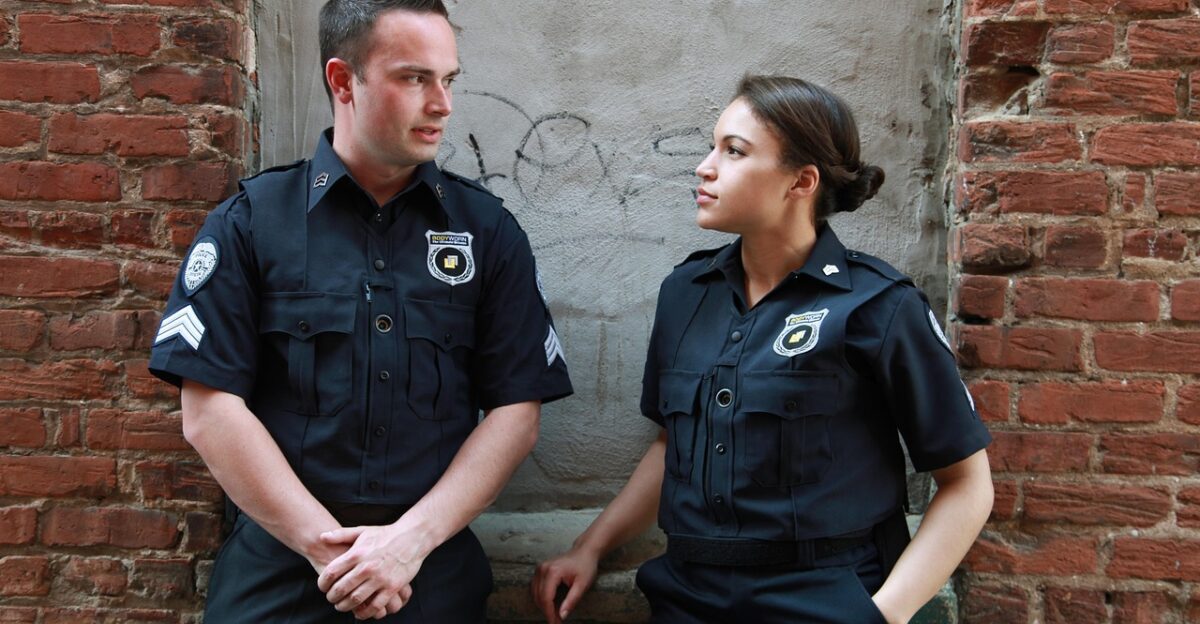
The operation eclipsed local forces. Minneapolis had about 850 sworn officers and Saint Paul about 500, while federal immigration agents outnumbered city police by more than 2-to-1. Minneapolis Mayor Jacob Frey called the federal presence an “occupying force.” With that scale came sharper constitutional questions about federal power, and whether conditions truly justified emergency measures.
Legal Limits And Vague Insurrection Language
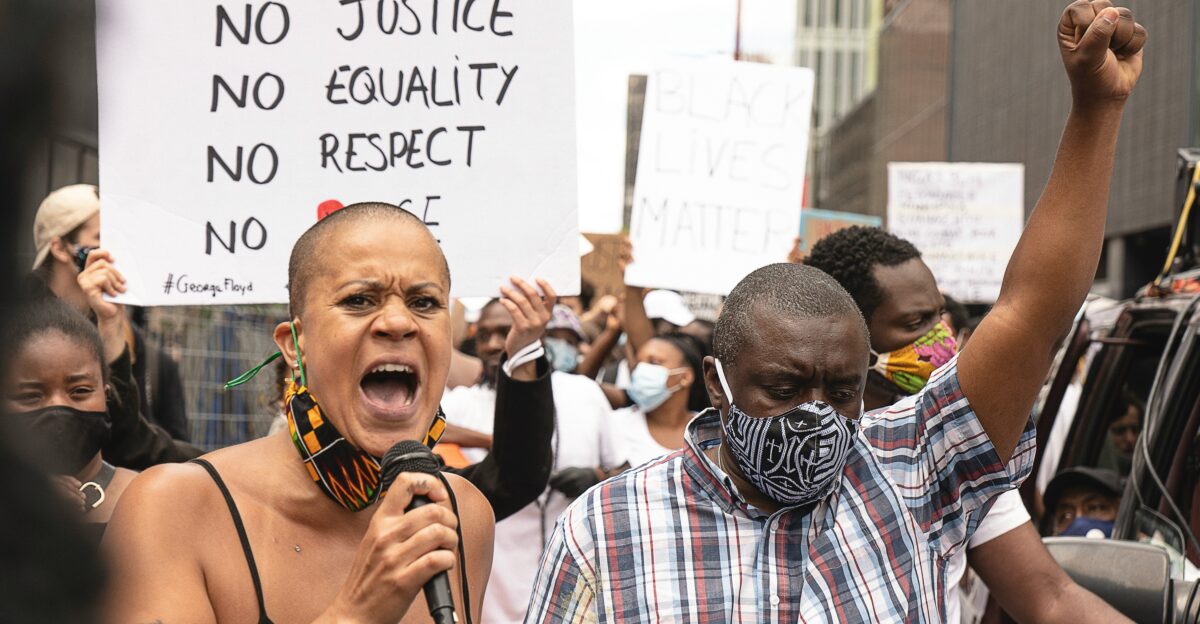
Legal scholars and civil rights organizations flagged constitutional concerns. The Insurrection Act grants extraordinary power, but use against a governor’s explicit wishes is nearly unprecedented. The last invocation was in 1992 during the Los Angeles riots, after the governor requested help. Minnesota argued neither extreme circumstances nor a breakdown existed. Still, the act’s vague language gave Trump discretion, and lawsuits were already forming.
A Judge Stops Certain ICE Crowd Tactics

On Jan. 17, 2026, U.S. District Judge Katherine Menendez issued a preliminary injunction barring ICE from using pepper spray, tear gas, or nonlethal munitions against peaceful protesters in Minnesota. It also barred arresting or detaining people engaged in unobstructive protest activity, and said vehicles safely following agents did not justify traffic stops. DHS appealed, but DOJ soon escalated in another direction.
DOJ Targets Walz And Frey Personally

The Department of Justice opened an investigation into Governor Walz and Mayor Frey, alleging they conspired to impede federal immigration agents through public statements criticizing ICE. The probe cited 18 U.S.C. § 372. Walz denied it, saying the administration was “weaponizing the justice system” and noting “the only person not being investigated for the shooting of Renee Good is the federal agent who shot her.” What else was driving the surge?
Fraud Claims Add A Deeper Backdrop

Operation Metro Surge was not solely about immigration. The administration claimed Minnesota faced massive welfare fraud. Federal officials said DOJ charged 98 defendants in Minnesota fraud cases, 85 of Somali descent. They alleged at least half of the $9 billion paid through Medicaid waiver programs since 2018 could be fraudulent, though contested. Civil rights groups argued the focus and rhetoric signaled retaliation, not accountability.
DOJ Appeals The Judge’s Protest Limits

On Jan. 19, 2 days after the injunction, DOJ appealed to the Eighth Circuit. DHS Secretary Kristi Noem called the order “a little ridiculous,” saying agents “only use those chemical agents when there’s violence happening.” The government argued restrictions hampered flexibility; civil liberties advocates said they enforced constitutional protections. The legal fight sharpened as military planning stayed in the background.
How Close Could Soldiers Really Get
Pentagon officials said no deployment order had been issued and troop standby reflected contingency planning. Yet White House Deputy Chief of Staff Stephen Miller and others suggested they saw the Minneapolis protests as an “insurrection.” Noem said the federal government would “continue to surge resources” to Minnesota. If clashes intensified or Trump invoked the act, troops could arrive within hours, and that possibility shaped every decision.
A Law With A Long And Dark History
The Insurrection Act, enacted March 3, 1807, has been invoked about 30 times. Presidents Washington and Lincoln relied on it. Eisenhower and Kennedy used it to enforce school desegregation. The last use was May 1, 1992, when President George H.W. Bush sent troops to Los Angeles after the Rodney King verdict, with 63 deaths and $1 billion in damage. Trump’s threat without consent pushed boundaries rarely tested.
Communities Describe A City Under Siege
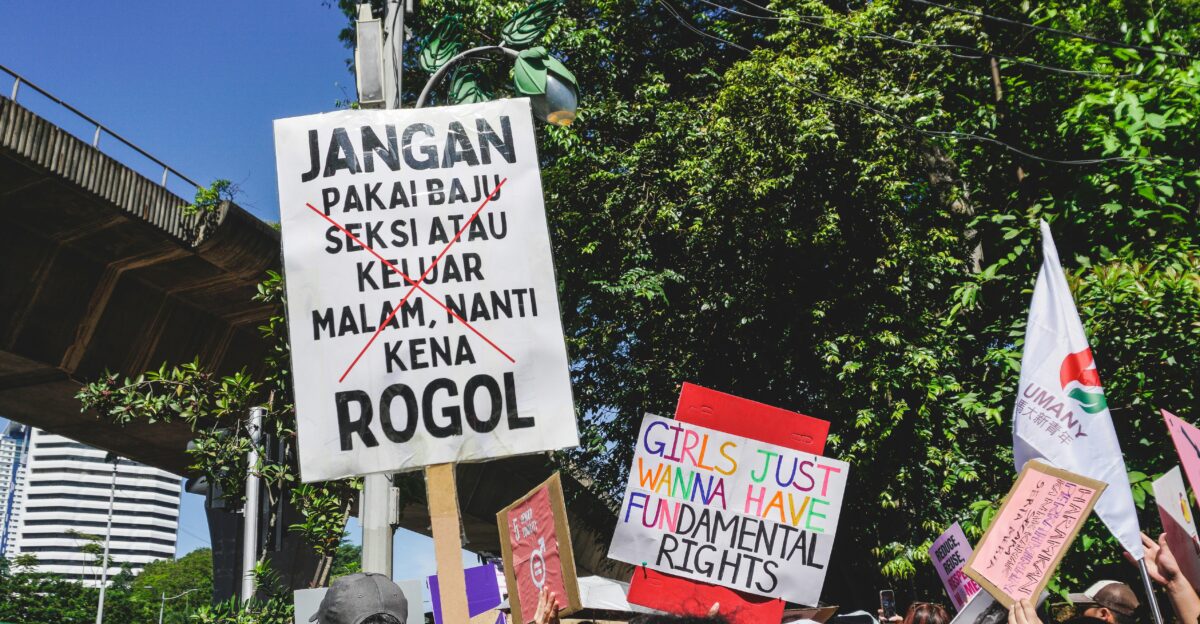
Minneapolis residents reported terror from federal enforcement. The ACLU sued on behalf of U.S. citizens allegedly detained without probable cause based on perceived ethnicity. Student walkouts hit Roosevelt High School after tear gas was deployed near campus. Businesses reported 50% to 80% revenue drops as customers stayed home. Police Chief Brian O’Hara warned of “a moment where it all explodes,” and daily life kept tightening.
A Standoff That Still Has No Off Ramp
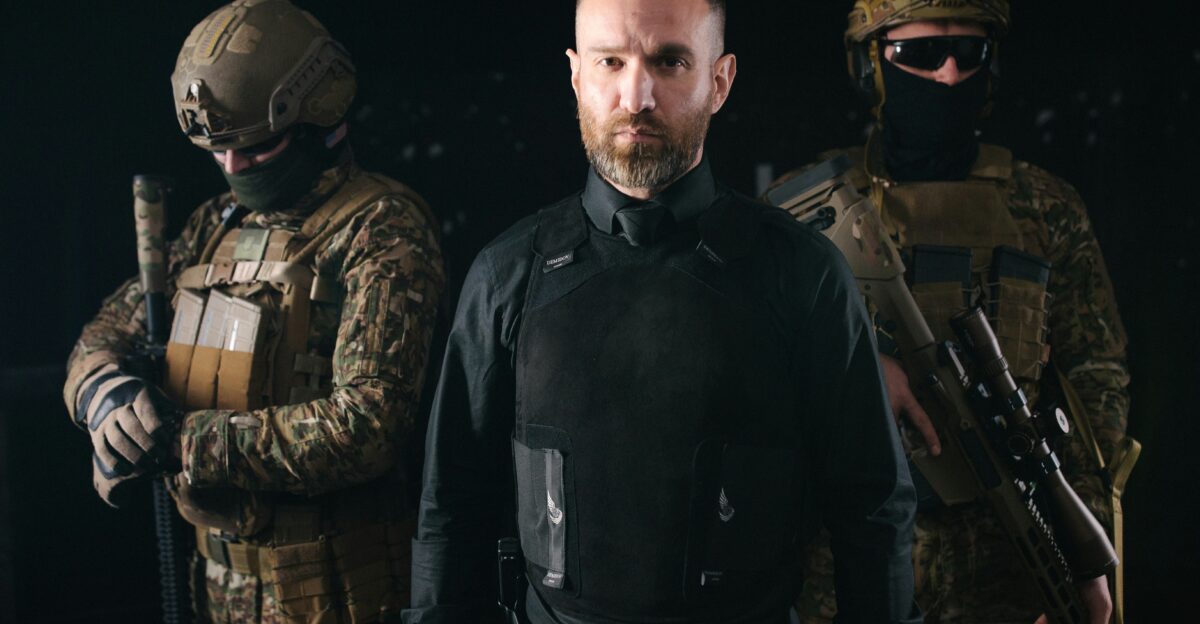
By late January, Minnesota’s Guard was staged but not deployed, while active-duty troops remained on standby in Alaska. ICE continued under court restrictions. Protests persisted at lower intensity. Walz insisted the Guard would operate only under state authority, and Trump still hinted at the Insurrection Act. Frey demanded ICE leave, while federal officials vowed expansion. The fragile balance held, but one spark could reset everything overnight.
Sources:
Minneapolis ICE Shooting: A Minute-by-Minute Timeline of How Renee Nicole Good Died. ABC News, Jan. 9, 2026
Judge Rules ICE Can’t Arrest Peaceful Protesters in Minnesota. Time Magazine, Jan. 17, 2026
DOJ Investigating Gov. Tim Walz, Minneapolis Mayor Jacob Frey Over Alleged Conspiracy to Impede Immigration Agents. CBS News, Jan. 17, 2026
The Insurrection Act, Explained. Brennan Center for Justice, 2026
U.S. Justice Department Appeals Temporary Restraining Order on Federal Agents’ Response to Protests. CBS Minnesota, Jan. 20, 2026