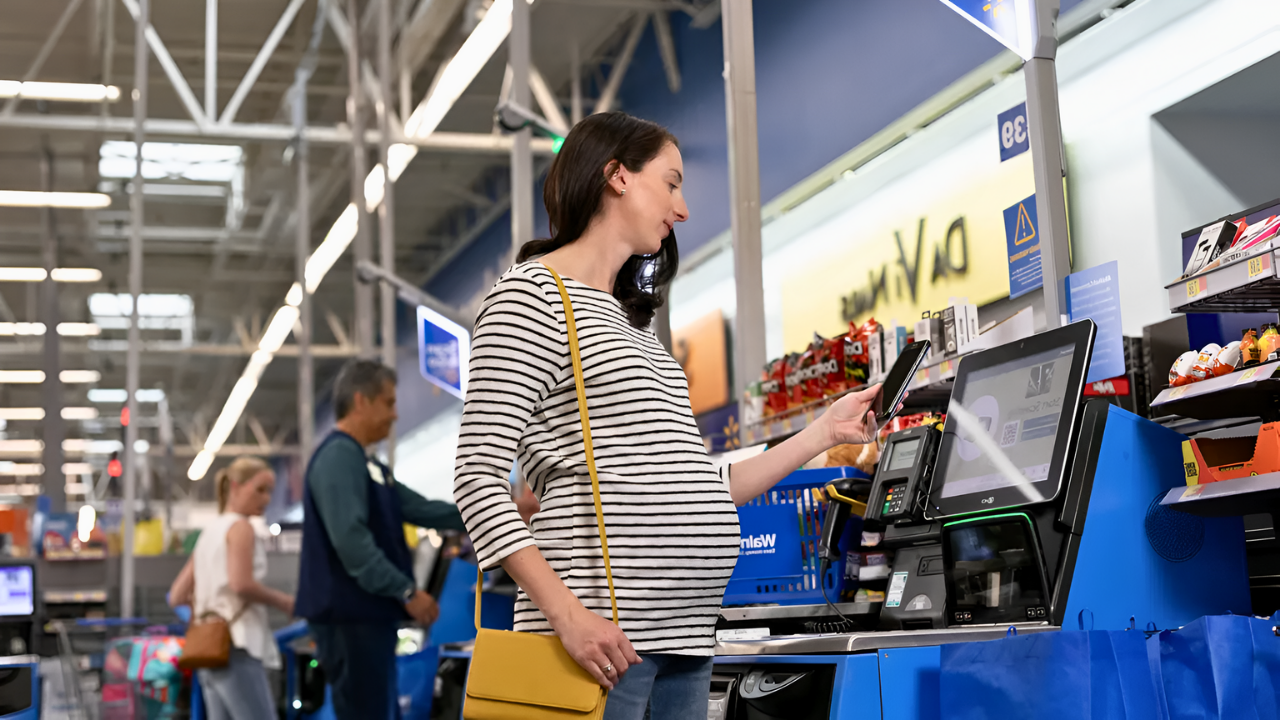
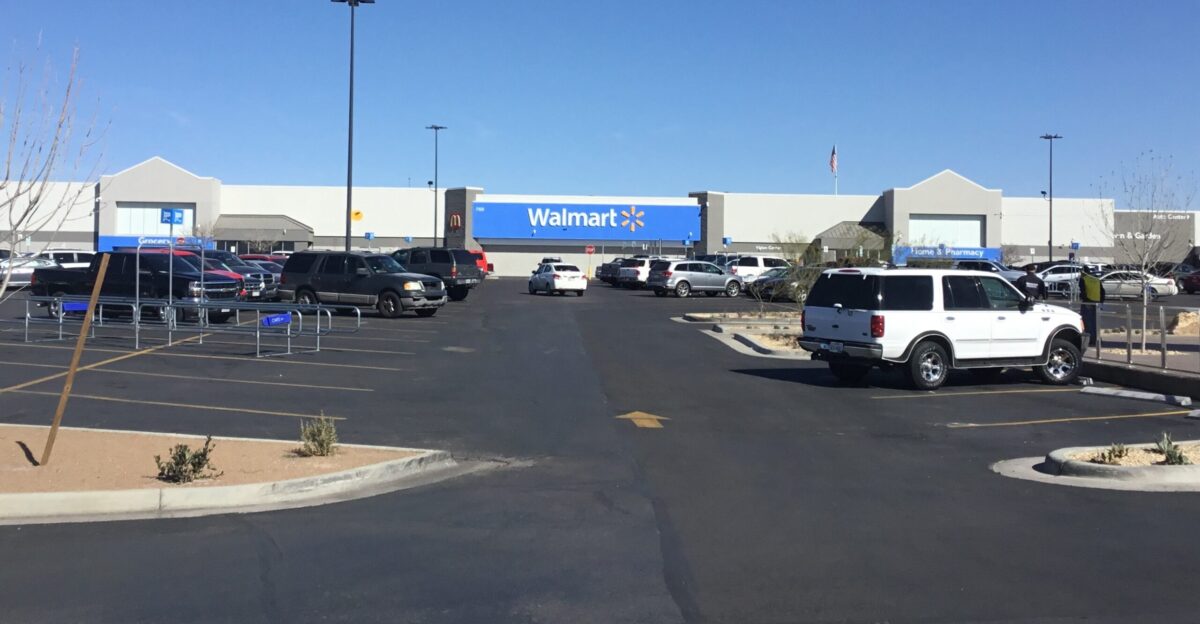
Between January and May last year, the Walmart Supercenter at 7437 Watson Road in Shrewsbury, Missouri, averaged 3.3 police visits daily. The 509 total calls represented 27% of all city police responses, a staggering share in a town of 6,328 residents.
A closer look at the logs reveals which months spiked and the types of incidents that overwhelmed officers.
When One Store Becomes a Public Safety Crisis
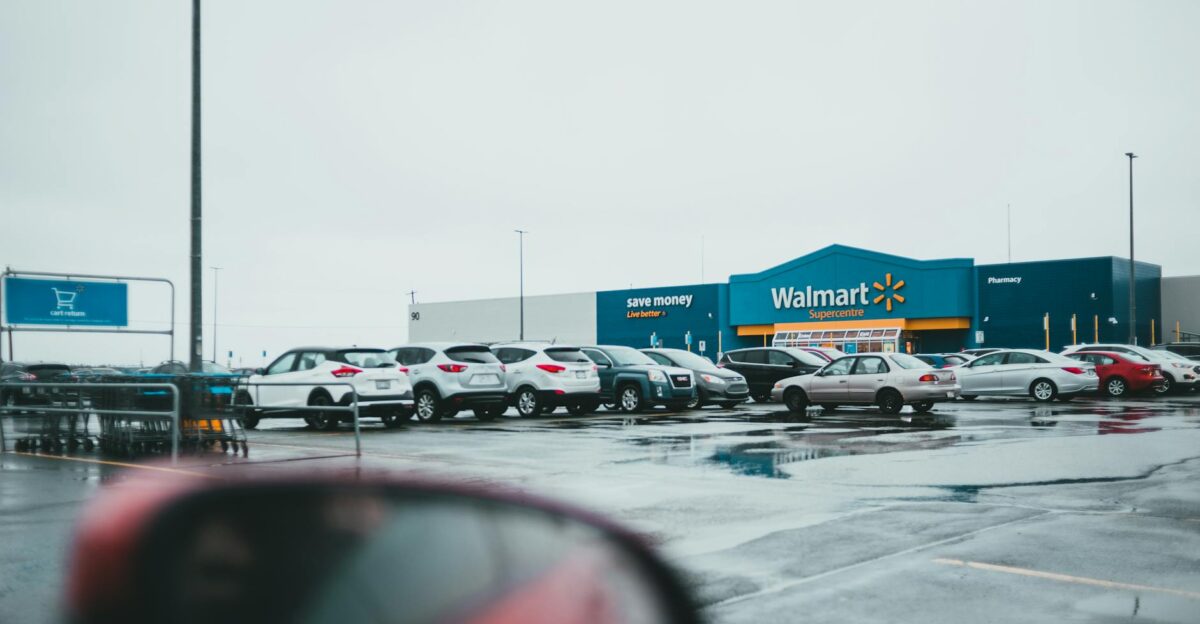
Shrewsbury Police Chief Lisa Vargas faced an impossible math problem: one store accounted for over a quarter of emergency responses. Neighborhood patrols and broader community safety efforts were sidelined as officers constantly responded to retail theft incidents.
This drain originated from a system designed to enhance efficiency—a stark contradiction in the promises of retail automation.
The Theft Method That Changed Everything
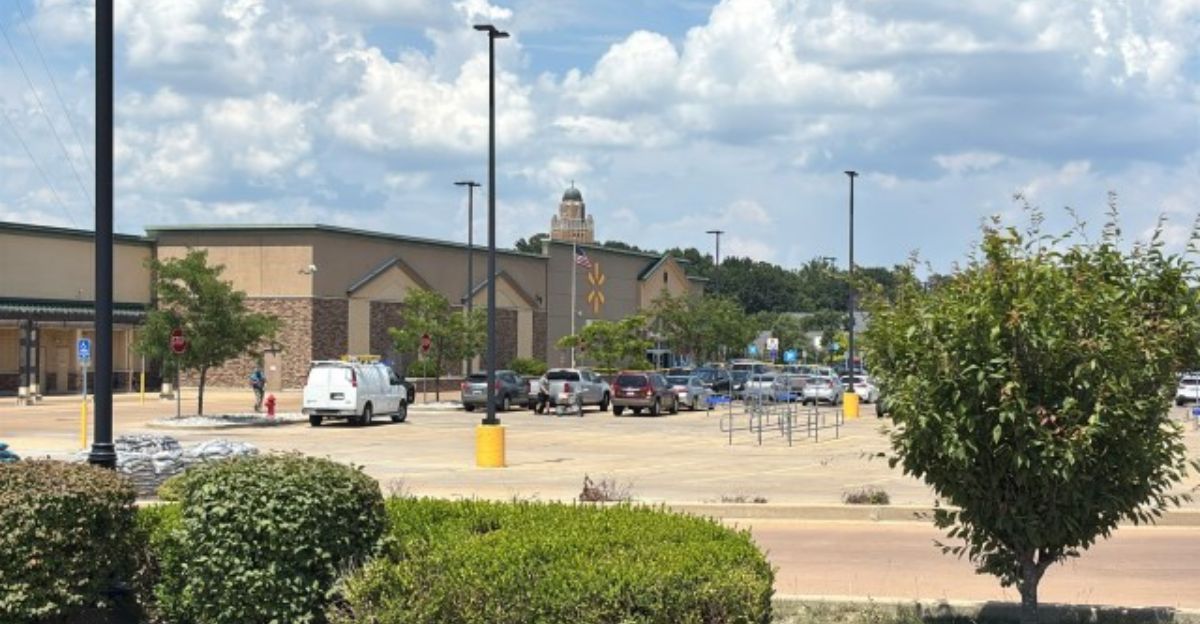
Most theft occurred at self-checkout, where customers bypassed paying while scanning items. This wasn’t organized crime; it was ordinary shoppers exploiting a flawed honor system. The design assumed perfect scanning, vigilance, and honesty from every customer.
Economic stress, combined with minimal supervision, created cracks. Walmart’s next move would reshape retail security nationwide.
Why Shoppers Actually Steal
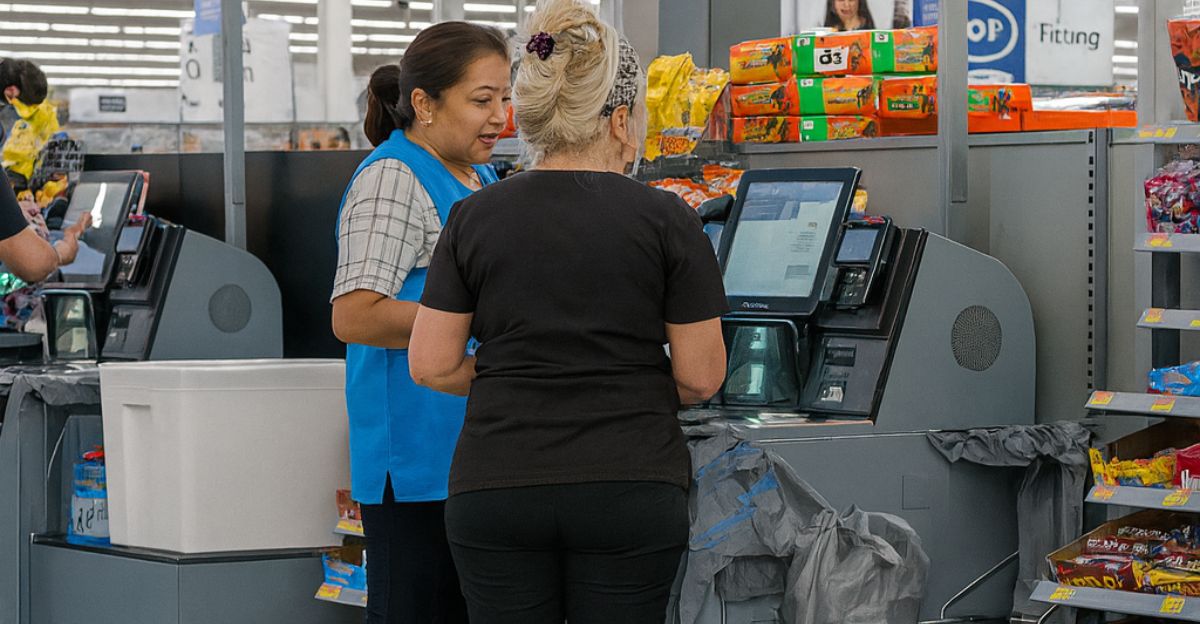
A July 2024 LendingTree survey found 20% of Americans admitted to retail theft. Reasons were economic: 34% said prices were unaffordable, 30% cited basic needs, 27% tried to save money. “It’s survival, not greed,” said LendingTree Chief Credit Analyst Matt Schulz on July 29, 2024.
Retail theft exposed a truth often overlooked: crime sometimes reflects economic hardship rather than moral failure.
What Is 1.38% Worth?
Walmart’s shrinkage rate—1.38% of total sales from theft, fraud, and waste—costs the company about $3 billion annually. At a single store like Shrewsbury, that translates to $2-5 million in estimated yearly losses.
These numbers hide the true cost: diverted police resources, degraded neighborhood safety, and broader community strain.
The National Retail Crime Crisis Hits Peak
By 2025, retail theft reached breaking points. The National Retail Federation reported an 18% increase in shoplifting and a 17% rise in violent theft incidents. U.S. retailers lost $112.1 billion annually—exceeding the combined profits of Walmart, Target, and Amazon.
Shrewsbury’s crisis was a visible example of a broader national epidemic.
Walmart CEO’s Unheeded Warnings
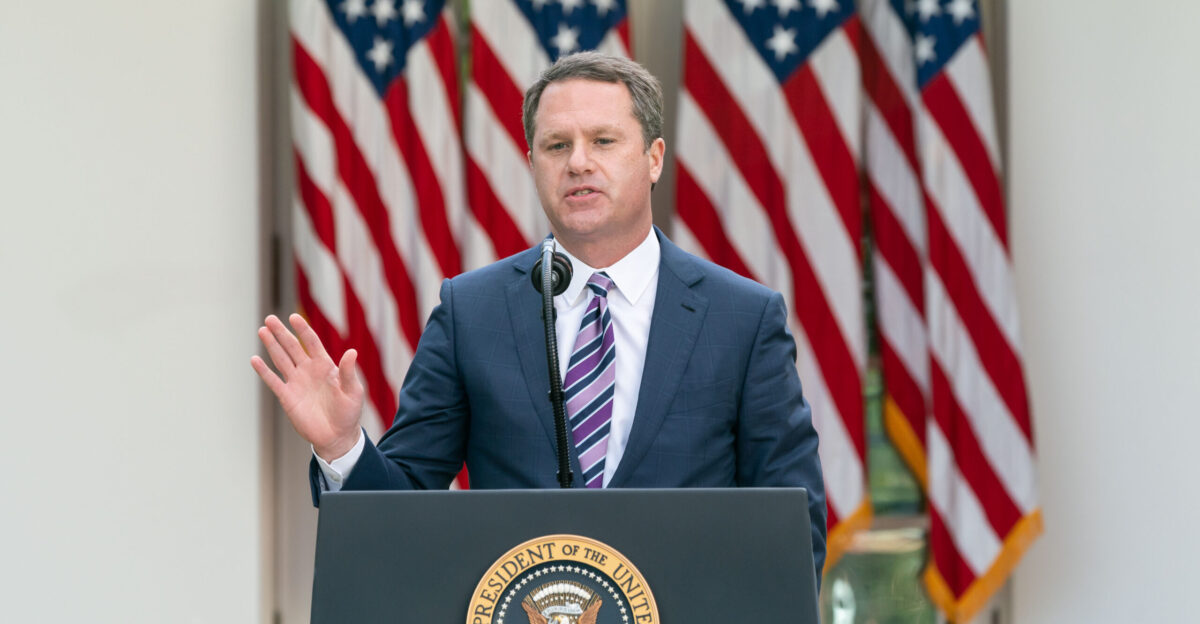
“Theft is a concern. It’s at a level higher than what we have historically observed,” Walmart CEO Doug McMillon told CNBC on December 5, 2022. He warned that leniency would lead to increased prices or store closures, highlighting the role of law enforcement in addressing theft.
Shrewsbury would become the practical test of McMillon’s predictions.
April 2024: The Radical Decision
Walmart completely removed self-checkout lanes from Shrewsbury in April 2024. No hybrid or AI monitoring—just staffed cashiers replacing automated systems. Retail automation took a backward step.
Yet this reversal proved more effective than decades of technology aimed at reducing theft.
How Staffed Checkout Changed Everything
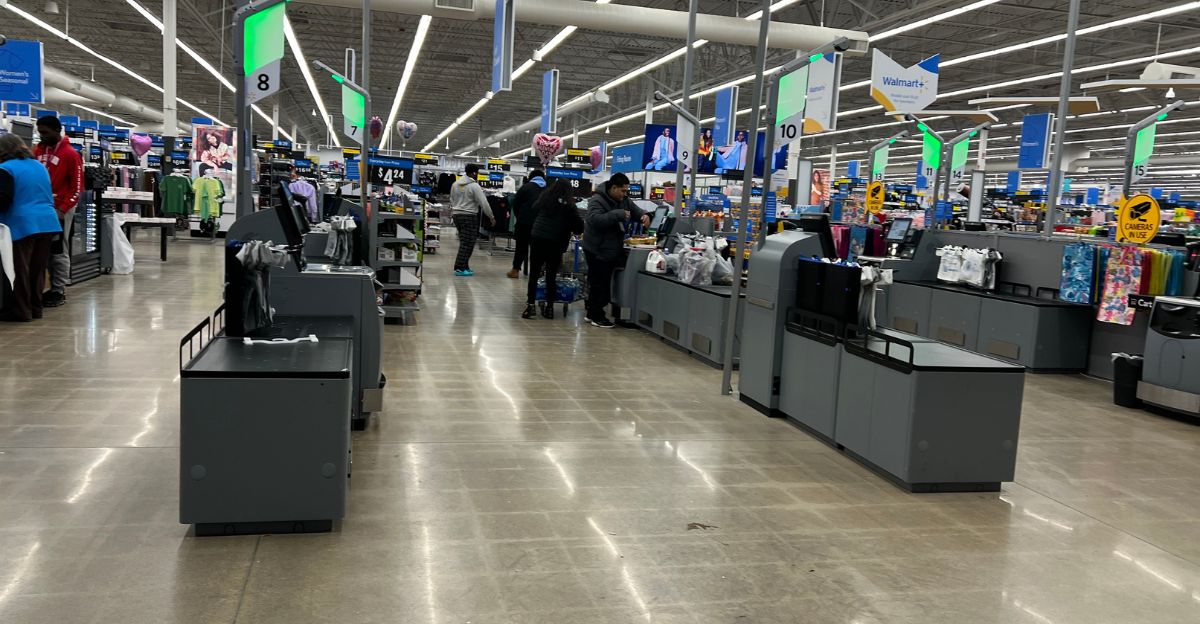
Human supervision on each transaction eliminated opportunities for undetected theft. Unlike self-checkout, staff observed every item scanned, holding customers accountable.
This simple change triggered cascading benefits for police efficiency and overall community safety.
Five Months Later: The Evidence Emerges

Police calls dropped from 509 to 183, a 64% reduction. Arrests at Walmart decreased from 108 to 49, while citywide arrests dropped by 66%, indicating that the store accounted for nearly 68% of all arrests during peak months.
The results exceeded projections, prompting city-level verification of the intervention’s impact.
Chief Vargas Goes Public With Verified Data
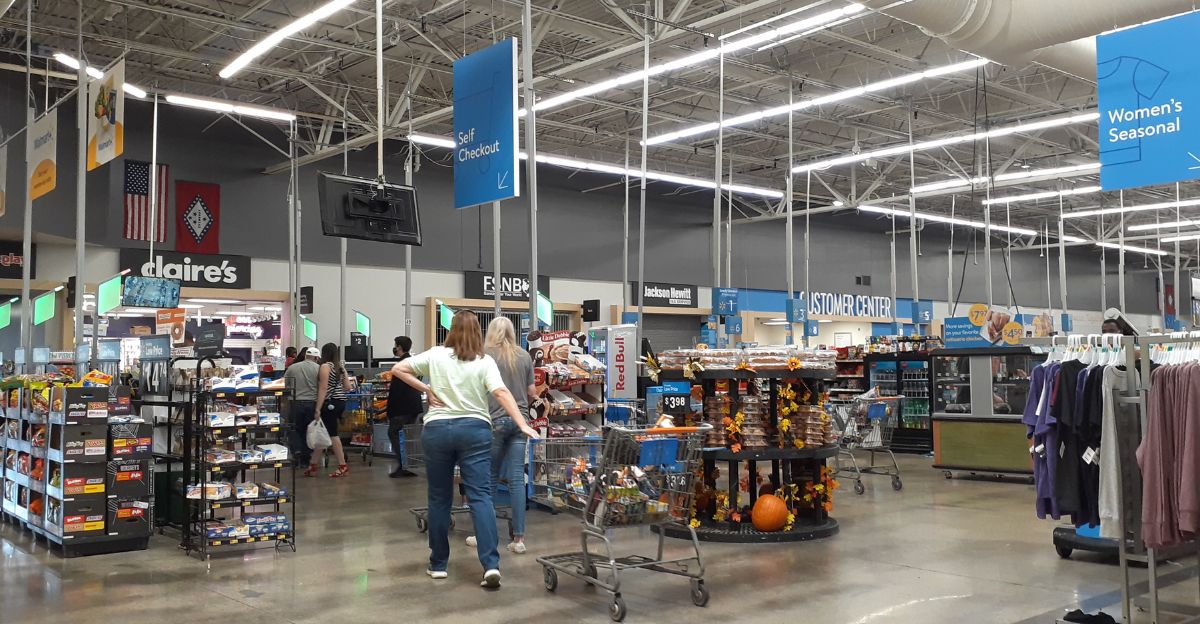
On June 10, 2025, Chief Lisa Vargas presented findings to the Shrewsbury City Board. “That’s a huge change. We really appreciate Walmart taking initiative and removing those self-checkers,” she said on June 21, 2025.
This official validation offered rare third-party proof that a retail intervention could measurably reduce crime.
The Hidden Taxpayer Windfall
326 fewer police calls resulted in roughly 245 officer-hours saved over five months, translating to $22,800 in salary costs. Broader operational savings, including equipment and dispatch, suggest $2-4 million in reclaimed resources annually.
A single store’s change freed community resources to focus on broader safety rather than retail theft.
What Industry Competitors Actually Did
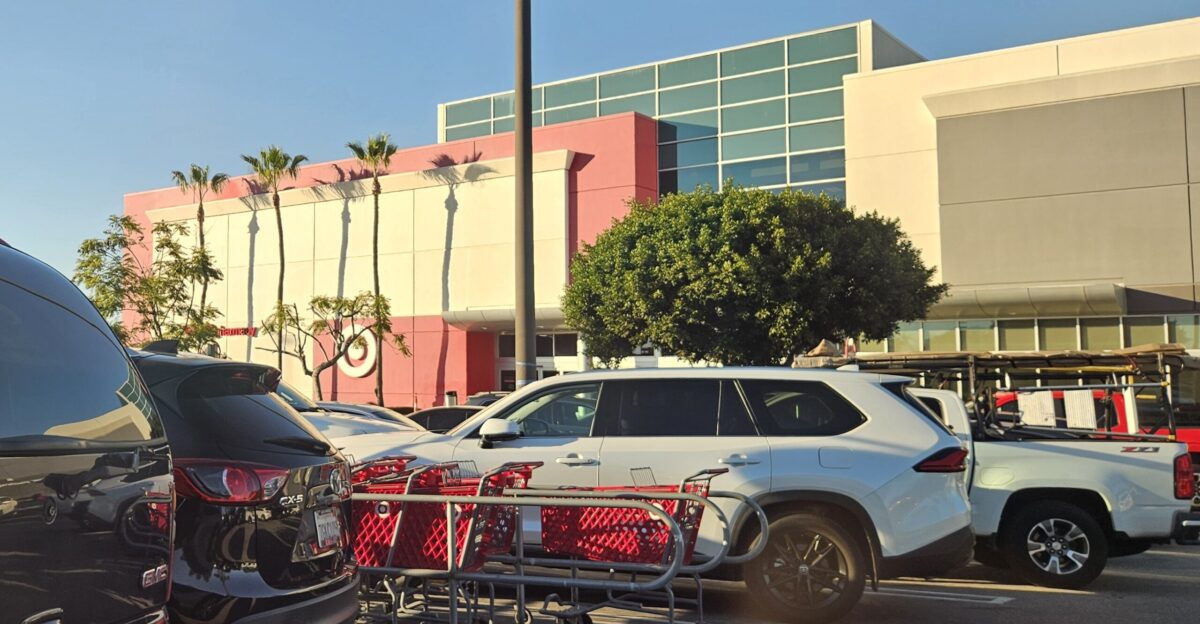
Target limited self-checkout to 10 items per transaction at 2,000 stores from March 17, 2024. Dollar General implemented assisted-checkout at 9,000 stores, entirely removing lanes at 300 high-loss locations.
None matched Shrewsbury’s complete elimination, with municipal verification proving a reduction in crime.
The Regional Context That Made This Matter
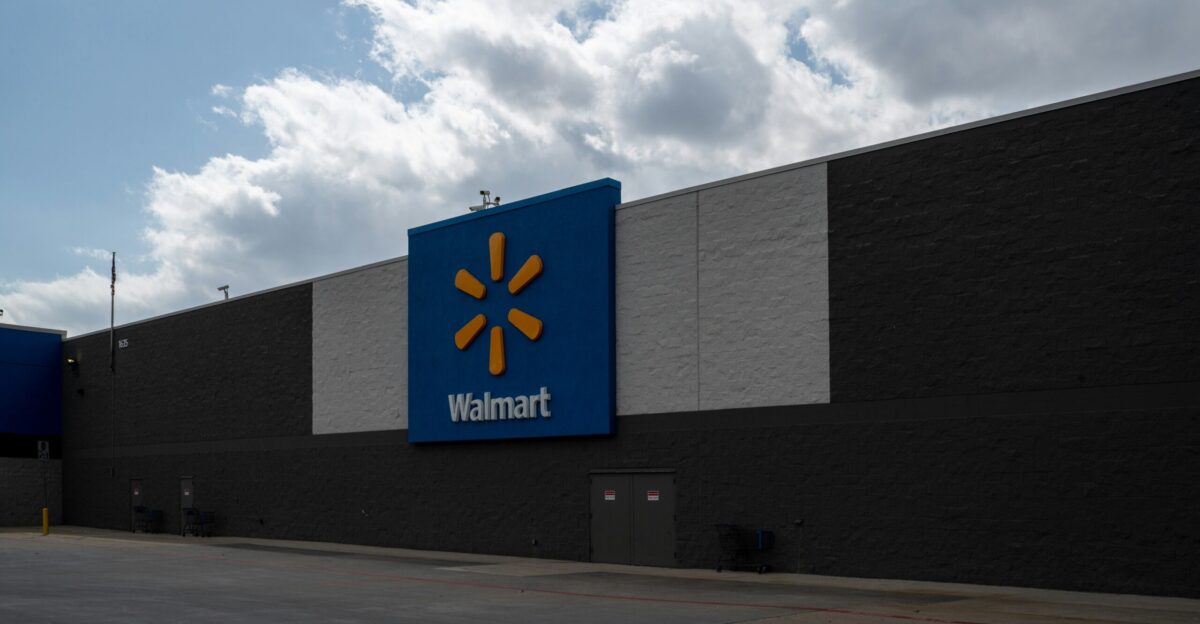
St. Louis County has 60 separate police agencies. One store, which accounted for 27% of calls, disrupted patrols, delayed responses, and hindered community policing.
In smaller municipalities, the store’s impact became existential for public safety, illustrating how fragmentation amplifies retail crises.
The Employee Angle: Jobs, Not Just Cuts
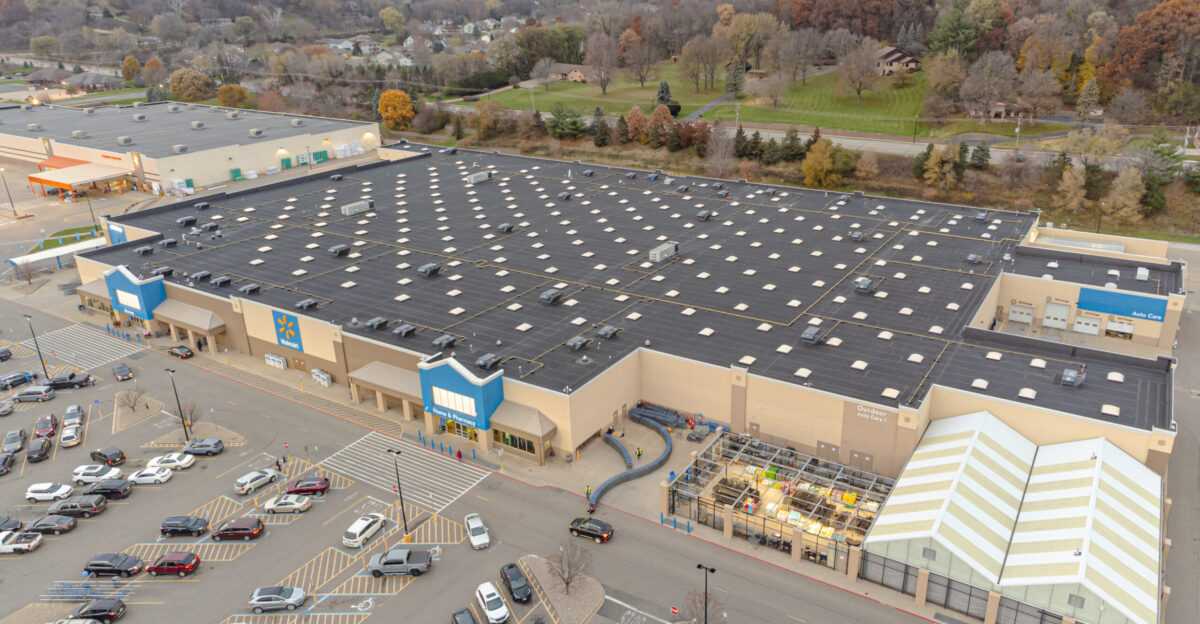
Walmart associates earn $14-37 hourly, averaging $18.25. Removing self-checkout restored cashier jobs, reversing decades of automation. Nationally, Walmart promoted 2,300 employees and converted 3,500 part-time employees to full-time in April 2025, in New York alone.
Shrewsbury became a rare case where anti-theft measures also supported employment growth.
Why The Self-Checkout Dream Died
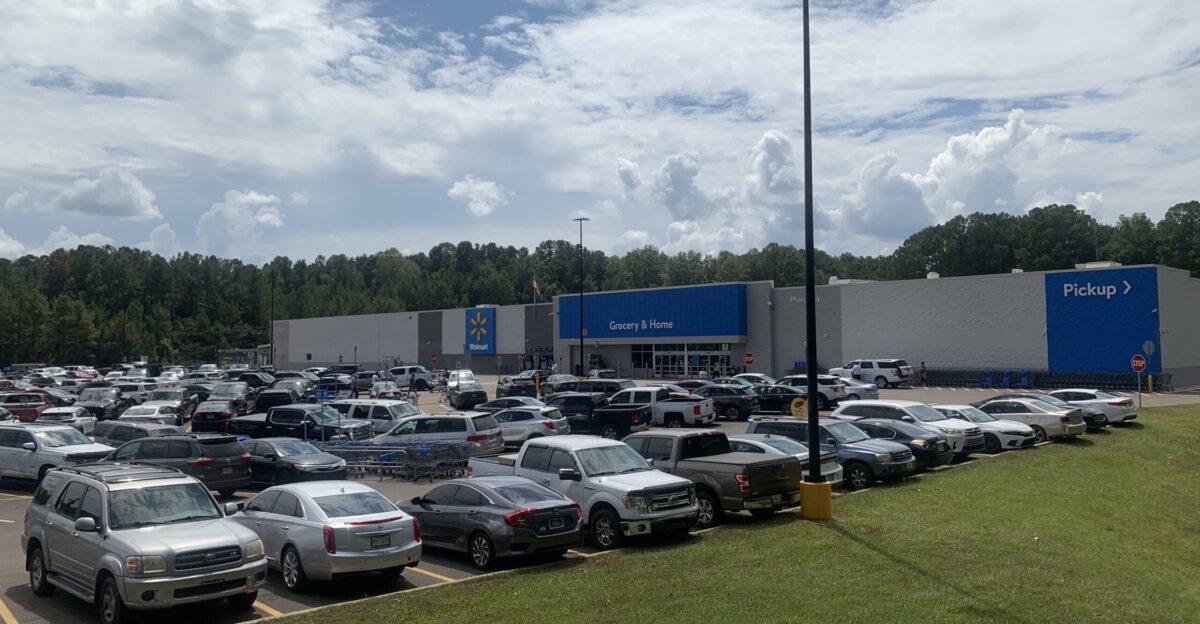
Self-checkout promised speed, savings, and convenience but relied on customer honesty. By 2024, Shrewsbury revealed unacceptable shrinkage and daily police involvement.
For decades, 1-2% shrinkage was tolerated—raising the question: had the retail industry normalized predictable failure?
Is This Isolated? Or Just The Beginning?
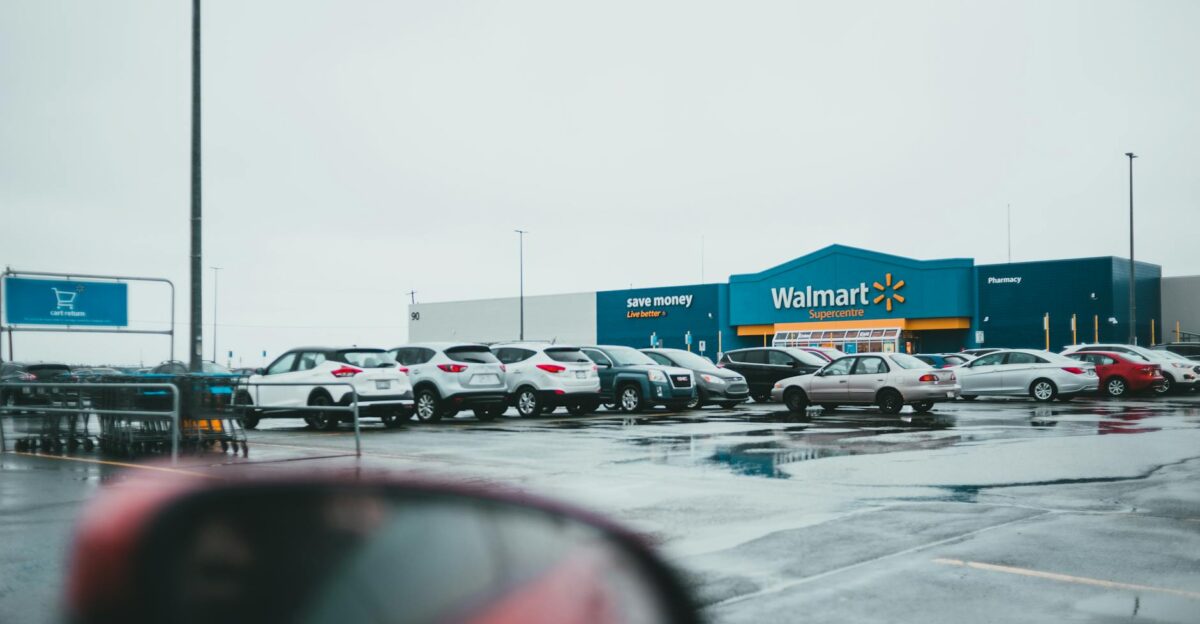
Walmart confirmed that only 6-10 stores nationally removed self-checkout. Shrewsbury remains an isolated experiment.
Yet the data circulated in retail networks, prompting competitors to reconsider their strategies and search for other potential Shrewsbury locations.
The Hidden Cost Passed to Consumers
Retail shrinkage contributes to inflation, adding approximately $400 annually to the cost of living for each U.S. household. Eliminating $2-5 million in Shrewsbury theft reduced local price pressures.
Nationally, $112.1 billion in annual shrinkage continues as a hidden tax, impacting every shopper’s wallet.
The Most Dramatic Reversal In 20 Years
Self-checkout removal has occurred before, but never with verified police data or at a scale comparable to a superstore. Shrewsbury proved staffed checkout could cut crime 64%, arrests 55%, and save millions in police resources.
Yet Walmart’s cautious stance shows companies may hesitate to scale proven interventions nationally.
What Comes Next For Retail?
Global self-checkout is projected to hit 2.1 million terminals by 2030. Shrewsbury’s results challenge assumptions, showing automation can fail, and reversal can work.
Retailers now face a choice: adopt evidence-based solutions or continue normalizing shrinkage. The coming years will reveal which strategy prevails.
SOURCES
National Retail Federation October 2025 Theft and Violence Study
Shrewsbury Police Department Municipal Records June 2025
Walmart Corporate Communications Doug McMillon Statements December 2022
LendingTree Retail Theft Survey July 2024
People Magazine Coverage June 21 2025
Bureau of Labor Statistics Police Officer Salary Data 2025