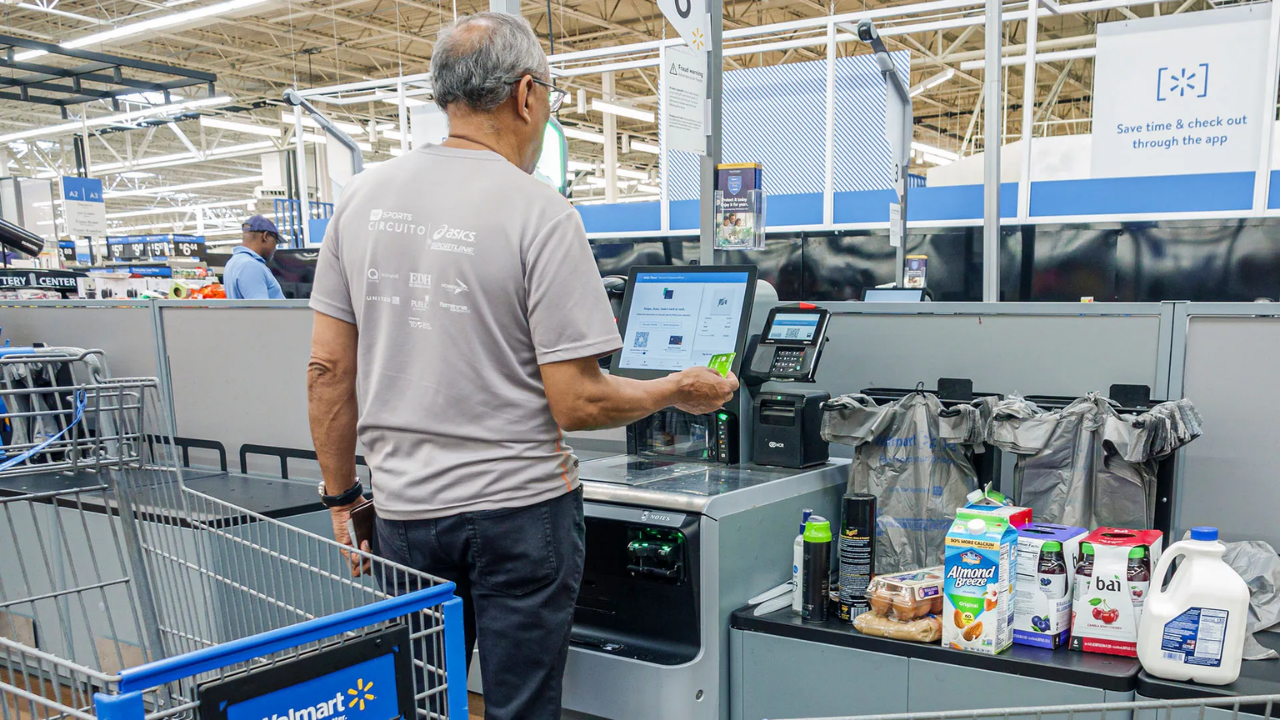
Police calls to a single Walmart location in suburban Missouri dropped from 509 to 183 in just five months—a 64% plunge that has reverberated across American retail.
The Shrewsbury Supercenter eliminated all self-checkout kiosks in April 2024, and the results shocked local law enforcement so dramatically that Police Chief Lisa Vargas publicly declared, “We really appreciate Walmart taking initiative and removing those self-checkers.” But what happened next forced industry leaders nationwide to reconsider whether the self-checkout revolution had backfired entirely.
When Crime Became Unmanageable

Between January and May 2024, before the removal, the Shrewsbury Police Department fielded a total of 1,915 calls across the city. An astonishing 25% of those calls originated from the Walmart location alone. Officers were responding to theft incidents, shoplifting, and customer confrontations with such frequency that the store had become a drain on police resources.
The situation was unsustainable for a medium-sized suburban police department managing multiple precincts.
Arrests Collapse After Removal

The arrest data proved equally compelling. Between January and May 2024, the Shrewsbury police made a total of 160 arrests across the city, with 108 occurring at Walmart, accounting for 67.5% of all arrests. Fast-forward to the same five-month period in 2025, following the removal of self-checkout: total arrests dropped to just 55, with only 49 occurring at Walmart.
That represents a 54.6% decline in Walmart-related arrests in a single year after a single operational change.
The Hidden Theft Tax on Honest Shoppers
Self-checkout theft has become a $4.9 billion annual problem across American retail. Approximately 34% of all retail shrinkage originates at self-checkout stations, where customer honesty is the primary security mechanism. One in five shoppers admits to stealing at self-checkout at least once, with 61% keeping accidentally removed items anyway.
The theft losses are staggering: only 25% of self-checkout shoplifters are caught, leaving 75% undetected.
The Economics Don’t Add Up Anymore

Retailers initially embraced self-checkout to reduce labor costs by up to 66%, promising major profitability improvements. However, the financial reality has become impossible to ignore. Companies now spend approximately $200 million annually on theft-prevention technology specifically for self-checkout stations.
Stores with self-checkout experience an 8% increase in operational costs related to security measures. Shrinkage rates at self-checkout lanes range from 3.5% to 4%, which is up to four times higher than at traditional staffed lanes.
Dollar General’s Historic Pullback Signals Capitulation
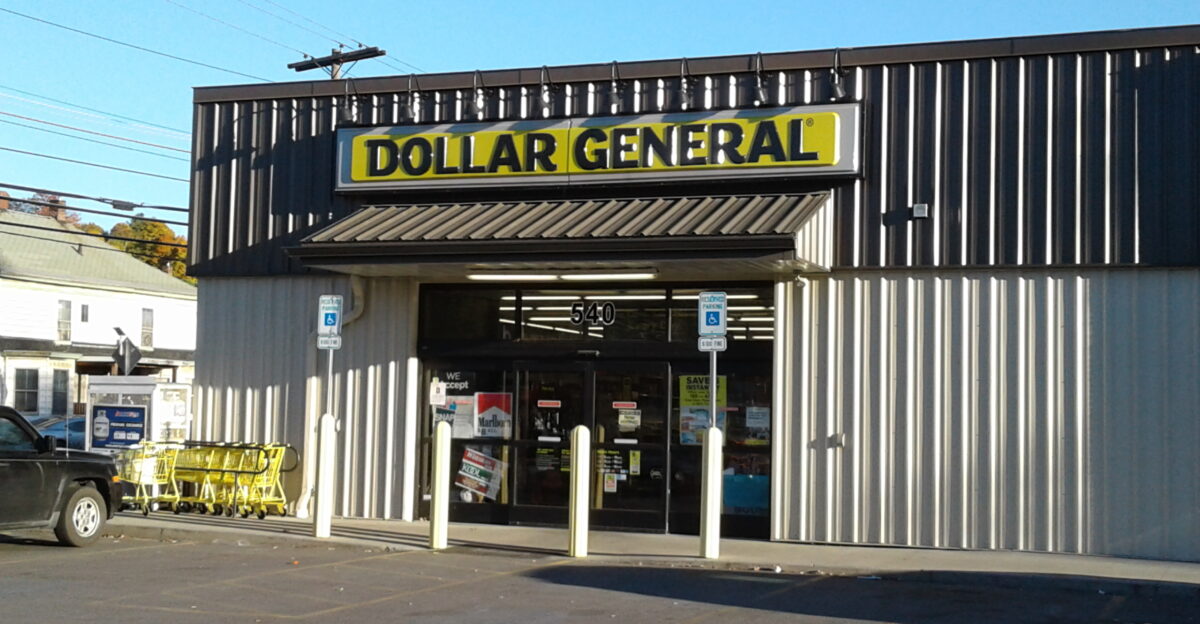
Dollar General removed self-checkout from approximately 12,000 of its more than 20,000 stores, representing roughly 60% of all locations. CEO Todd Vasos publicly identified “shrink” as “the most significant headwind in our business,” explaining the dramatic reversal.
The company retained self-checkout only in “higher-volume and low-shrink” locations where theft problems were manageable. Dollar General’s decision, which affected thousands of stores nationwide, signaled that major retailers were abandoning the self-checkout model entirely rather than attempting to remediate it.
Target Imposes Restrictions as Compromise Strategy
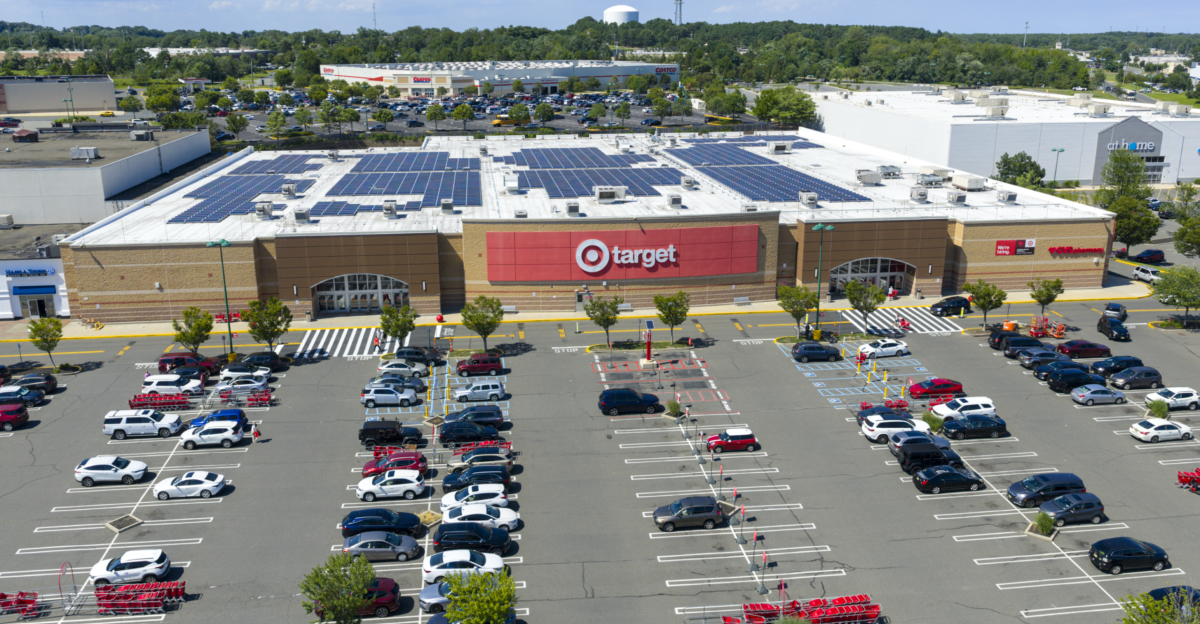
Target took a different approach, introducing 10-item purchase limits at self-checkout lanes while simultaneously expanding traditional cashier-staffed checkouts. The company reported nearly $500 million in shrink-related losses in 2023, compared to the previous year, demonstrating the magnitude of the theft problem.
Target’s hybrid model suggests the company believes self-checkout technology is salvageable with strict restrictions and monitoring.
Five Below and Regional Chains Join the Exodus
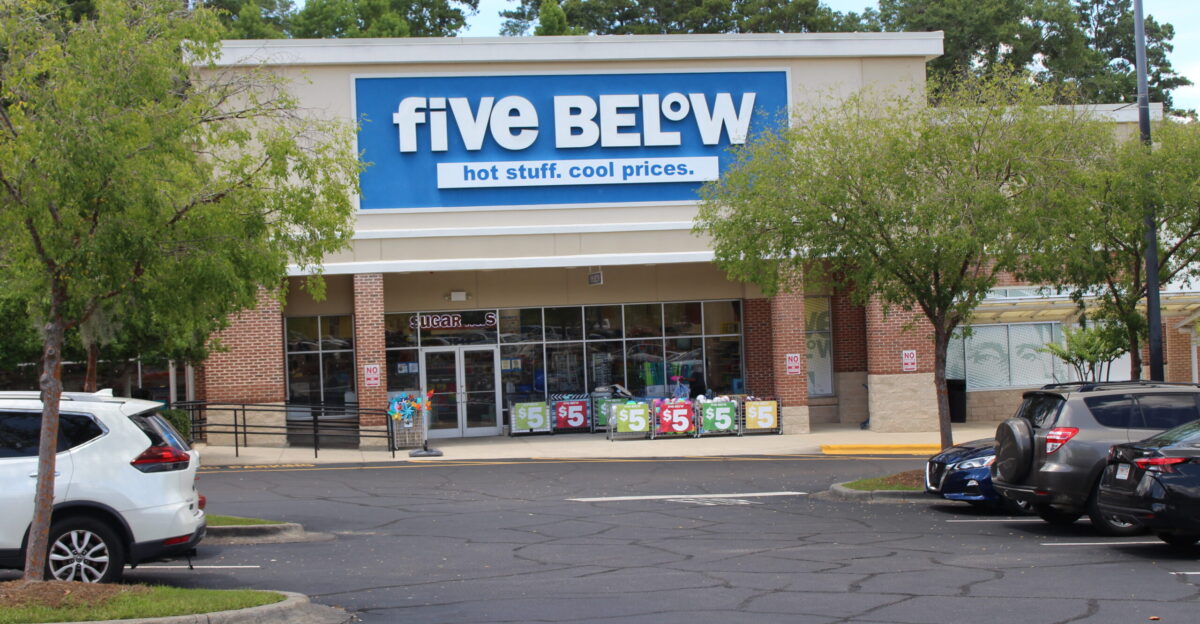
Five Below reduced self-checkout machine availability while implementing aggressive loss-prevention measures including receipt checks, increased staffing, and security guards at exits. The company discovered that “scaling back self-checkout and having more associates at the front of the store proved most effective in fighting inventory loss”.
Aldi removed self-checkout from multiple locations in summer 2025. Safeway eliminated self-checkout at several Bay Area stores specifically due to “increasing amount of theft”.
The Broader Shoplifting Crisis Accelerates
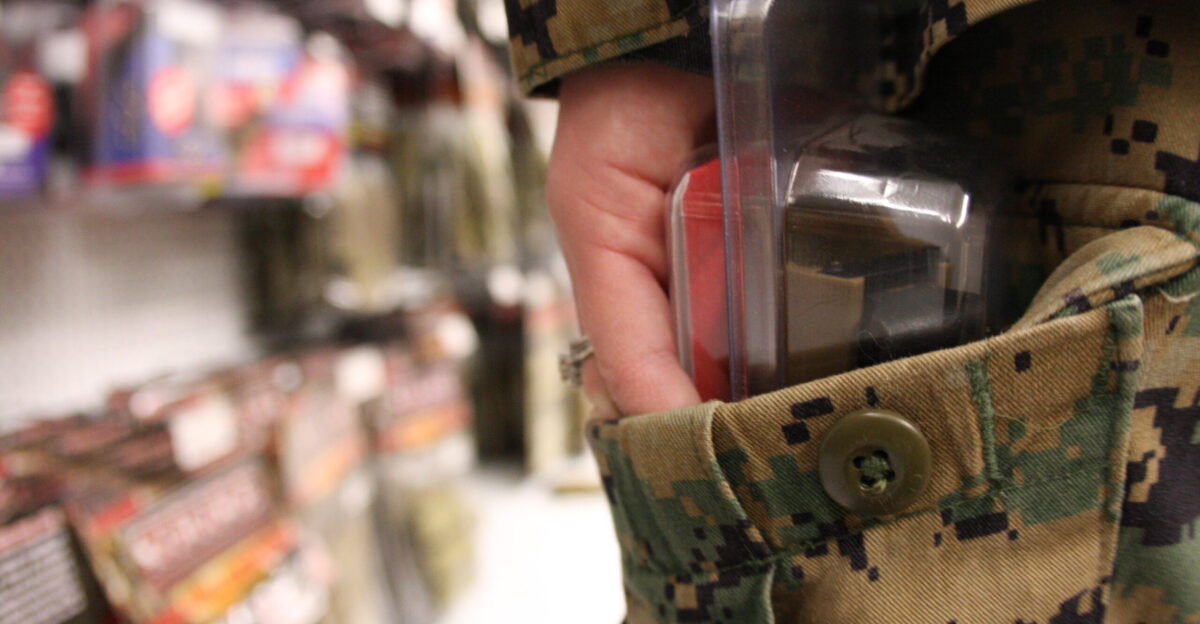
Self-checkout theft occurs within a catastrophic shoplifting epidemic affecting all American retail. In 2024 alone, U.S. retailers lost an estimated $45 billion to shoplifting across all store formats. Global retail shrink reached $132 billion in 2024, up from $112 billion in 2022. In 2025, more than half of retailers surveyed reported increases in shoplifting and merchandise theft being conducted by organized retail crime groups.
These criminal organizations exploit both physical and digital channels, operating across state lines and international borders with sophistication retailers struggle to counter.
Walmart’s Middle-Path Strategy: Membership-Only Checkout
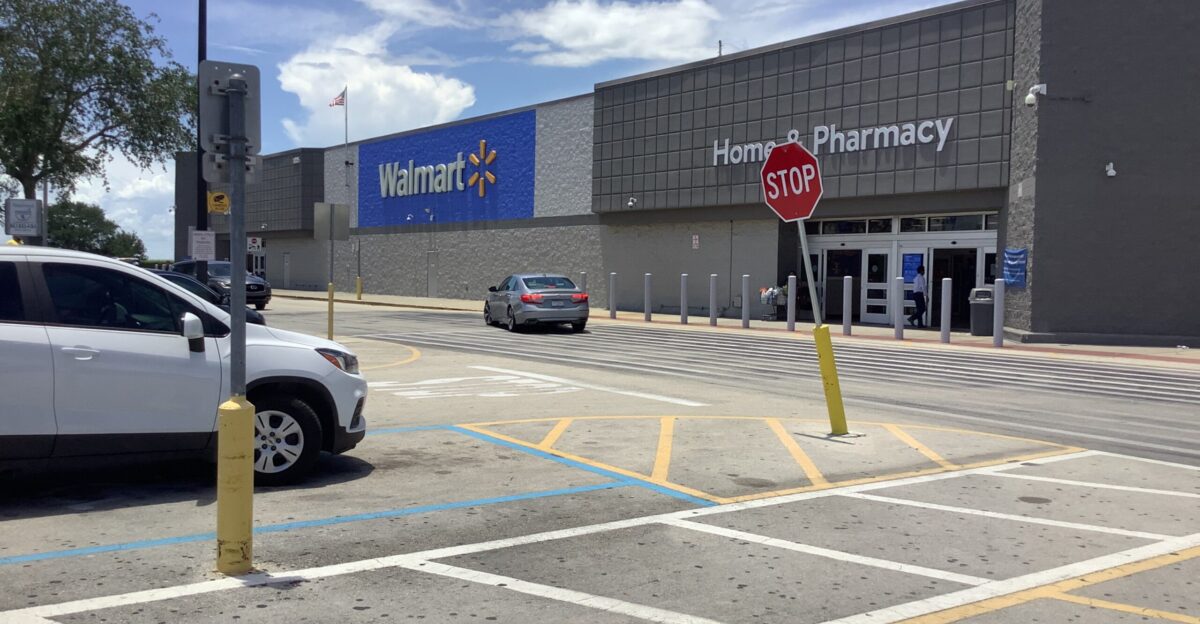
Rather than complete elimination, Walmart adopted a sophisticated hybrid approach at some locations. The company restricted remaining self-checkout access exclusively to Walmart+ members and delivery drivers. This membership-based model ties transactions to verified accounts, reducing anonymous theft significantly and enabling enforcement action against repeat offenders.
Walmart implemented invisible barcode technology covering entire product surfaces, preventing criminals from concealing barcodes.
Sam’s Club and Costco Pioneer Advanced Scanning

Sam’s Club continues developing “Scan & Go” technology using mobile apps with AI-powered verification systems. Costco similarly developed advanced scanning technology to speed checkout while maintaining security controls.
Both companies employ computer vision, artificial intelligence monitoring, and RFID technology to detect unscanned items automatically. These systems eliminate the primary self-checkout failure: customer honesty at the point of sale.
Amazon’s “Just Walk Out” Technology: The Ultimate Solution?

Amazon offers its proprietary “Just Walk Out” cashierless technology to third-party retailers as an alternative to both traditional and self-checkout options. The system uses camera vision and sensor fusion to identify items customers take and automatically charge accounts. Amazon has deployed this technology over 300 times across stadiums, hospitals, and retail stores.
The system eliminates self-checkout theft by removing customer involvement entirely while providing maximum checkout convenience.
A Lesson in Retail Economics

Security specialists emphasize that forcing customers to use staffed checkout lanes demonstrably reduces theft and saves retailers money. Retail economics have shifted dramatically: the labor cost savings from self-checkout proved illusory when accounting for theft-related expenses.
Experts note that retailers abandoned the industry standard of one employee per four self-checkout kiosks, creating gaps in supervision that enabled theft. The combination of inadequate staffing, customer dishonesty, and technical failures created a perfect storm of inventory loss.
The Checkout Experience Paradox: Speed Versus Control
Customers report that average checkout times have increased dramatically at some Walmart locations following the removal of self-checkout. One store experienced an increase from 5-7 minutes to approximately 37 minutes post-removal. The extended wait times led to customer frustration, increased confrontations at registers, and higher abandoned cart rates.
Some customers would simply leave their items and exit the stores without making a purchase. However, after six months of negative feedback, that particular Walmart reintroduced self-checkout machines, demonstrating the tension between theft prevention and customer experience.
Police Departments: Unexpected Allies in Retail Strategy
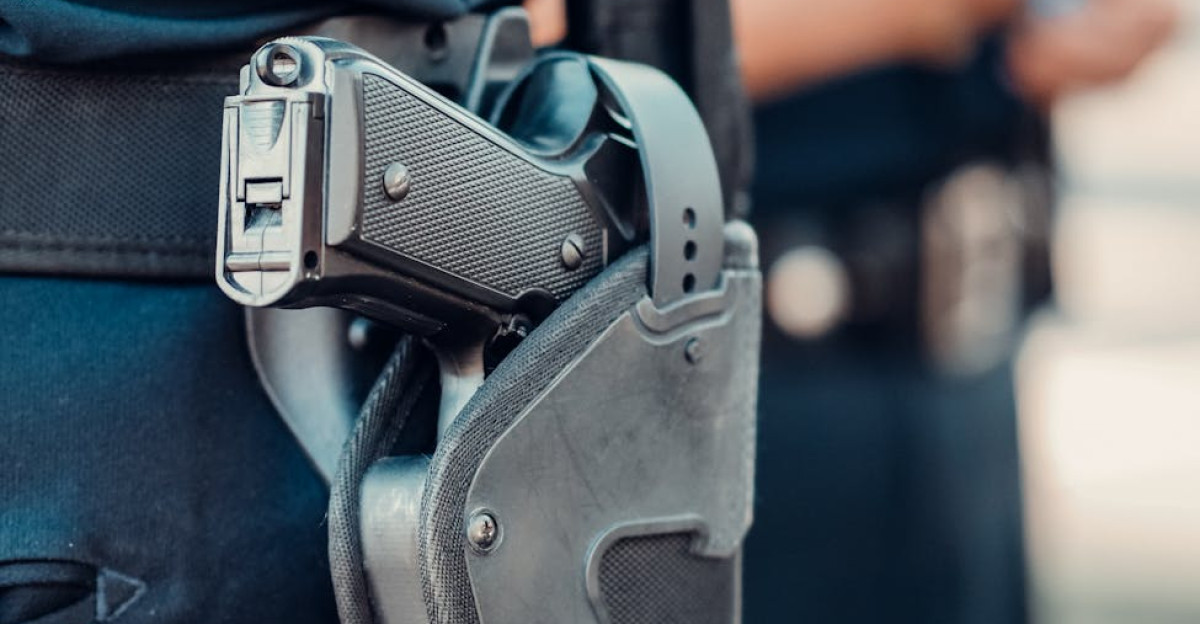
Shrewsbury Police Chief Lisa Vargas publicly praised Walmart’s decision to remove self-checkout during a city council presentation, providing a rare law enforcement endorsement of a retail policy. Police data showed that eliminating self-checkout reduced departmental calls by 64%, freeing officers to respond to other community concerns. The situation represents an unusual intersection of business efficiency and public safety: a retail operational decision that demonstrably improved policing effectiveness.
Other police departments nationwide have noted similar patterns at retail locations with self-checkout problems, suggesting this may be a replicable model.
Global Market Contradiction: Why International Adoption Continues
Despite American retailers retreating, the global self-checkout market presents a striking paradox. The worldwide self-checkout systems market is projected to reach $3,926.1 million by 2025, with a 10.4% compound annual growth rate through 2035. Germany installed over 38,000 self-checkout systems, with store adoption increasing 143% in just two years.
Consumer demand remains surprisingly strong internationally: 67% of users employ self-checkout when available, up from 56% previously. Seventy-seven percent of customers choose self-checkout over manned lanes specifically for speed advantages.
What’s Coming Next: The Hybrid Retail Checkout Future
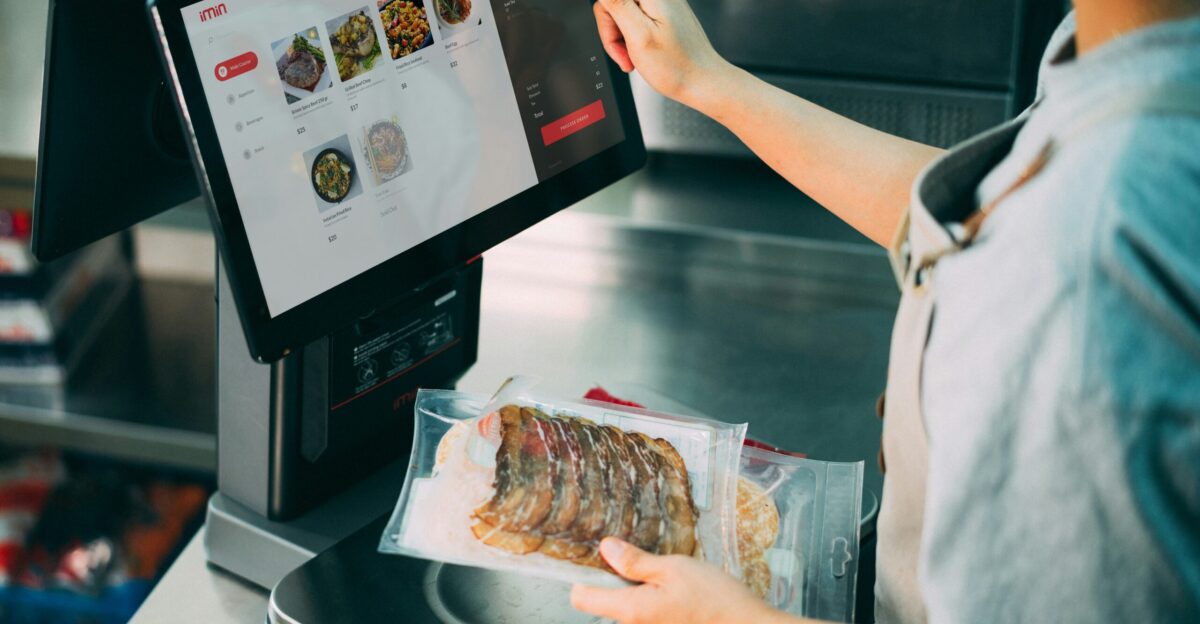
Complete self-checkout elimination appears unlikely industry-wide, as consumer preference for the speed of automation remains strong. The future will likely combine human services with advanced AI, computer vision, and membership-based systems, maintaining convenience while addressing security concerns. Premium customers may receive access to advanced scanning technology, while others use traditional staffed lanes.
Retailers will increasingly differentiate checkout experiences based on customer value and store-specific theft patterns.
The Industry Turning Point: What Shrewsbury Means Nationwide
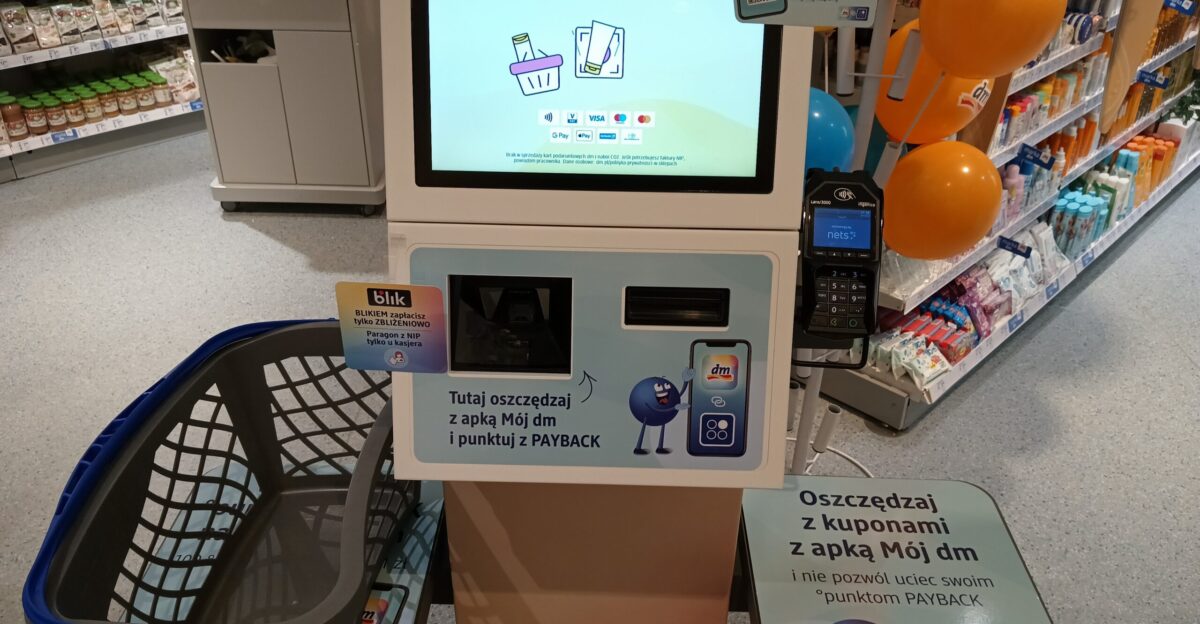
The Shrewsbury case has become a turning point in retail history—the moment when objective data contradicted the promise of self-checkout. Police records, arrest statistics, and crime data create an undeniable narrative: eliminating self-checkout dramatically improves store security and reduces community burden. This evidence, combined with quantified theft losses exceeding billions annually and organized retail crime escalation, has convinced major retailers to reverse course.
While Walmart stopped short of announcing nationwide removal, the company’s strategic hedging—testing Scan & Go while maintaining selective removal—suggests broader changes are imminent.
Sources:
“Walmart Makes Sudden Self-Checkout Decision After Dramatic Crime Spike.” Yahoo Finance/AP, June 2025.
“Five Below Scales Back Self-Checkout to Fight Shrink.” Retail Dive, March 2024.
“Self Checkout Theft Statistics: Reports 2025.” WiFi Talents, May 2025.
“How a Walmart Store Cut Shoplifting With One Major Change.” AOL/Yahoo News, June 2025.
“Walmart Removing Self-Checkout: A Shift Back to Traditional Lanes.” Final POS, March 2025.
“Organized Retail Crime.” National Retail Federation, November 2025.