
Liz Cardenas nearly doubled her hourly wage to $43.50 after completing Walmart’s six-month training program.
The 24-year-old went from operating equipment at a Texas distribution center to repairing conveyor belts and machinery. “I was able to move out of my parents’ house. I have my own apartment. I was able to get a car,” Cardenas told Fortune in December 2025.
The Skilled Trades Shortage Reaches Crisis Levels

McKinsey research reveals America faces 20 job openings for every net new skilled worker entering the field through 2032.
This translates to approximately 584,000 annual openings but only 26,000 net new employees across 12 critical trade categories including welders, electricians, HVAC technicians, and maintenance workers. Companies collectively spend over $5.3 billion annually just on recruitment and training costs.
Baby Boomer Retirements Create Massive Gap

For every five Baby Boomers retiring from skilled trades, only two younger workers enter to replace them. This 5:2 ratio accelerates the talent deficit as experienced technicians leave the workforce.
By 2030, the manufacturing sector alone faces a projected shortage of 2.1 million unfilled positions. Over 7 million able-bodied males aged 25-55 remain voluntarily absent from America’s workforce.
Walmart’s $1 Billion Training Investment

Walmart launched its revamped Associate to Technician program in spring 2024, targeting 4,000 trained workers by 2030. The initiative forms part of the retail giant’s $1 billion commitment to career-focused training by 2026.
Training is completely free for participating employees. The program operates at facilities in Dallas-Fort Worth, Vincennes Indiana, and Jacksonville Florida.
Six-Month Program Delivers Immediate Results

The curriculum blends 70 percent hands-on instruction with 30 percent classroom learning over six months. Students earn OSHA safety certifications, electrical fundamentals, HVAC systems training, refrigeration technology credentials, and advanced troubleshooting skills.
All 108 graduates from the Dallas-Fort Worth pilot cohort secured technician positions immediately upon completion. Approximately 400 employees had graduated by November 2024.
Wages Jump From $18 to $45 Per Hour

Walmart’s average U.S. field associate earns $18.25 hourly, while team associates range from $14 to $37 per hour. Skilled trades technicians graduating from the program command $19 to $45 hourly.
Specialized roles reach premium levels: HVAC technicians earn $27.68 to $46.99, and diesel technicians make $32.94 to $40.97. Program graduates average $32 per hour.
Equipment Failures Cost Hundreds of Thousands

Walmart Vice President of Facility Services R.J. Zanes revealed that a single refrigeration system breakdown costs between $300,000 and $400,000 in lost product per store.
With over 4,600 U.S. locations, maintaining skilled technician staffing prevents operational disruptions that directly threaten revenue. IoT-enabled monitoring systems help track equipment performance, but human technicians remain essential for repairs.
Success Stories Inspire Workforce Transformation

Jason “JB” Helm transitioned to skilled trades after determining accounting wasn’t his career path. “Since the start of the program, I have become a way better technician.
The virtual training and hands-on classes in Dallas have given me the ability to do so much more,” Helm stated. Hurk Kenney, an 11-year Walmart veteran, called the opportunity “the world to me” for providing better life prospects.
Retention Rates Quadruple With Training Programs
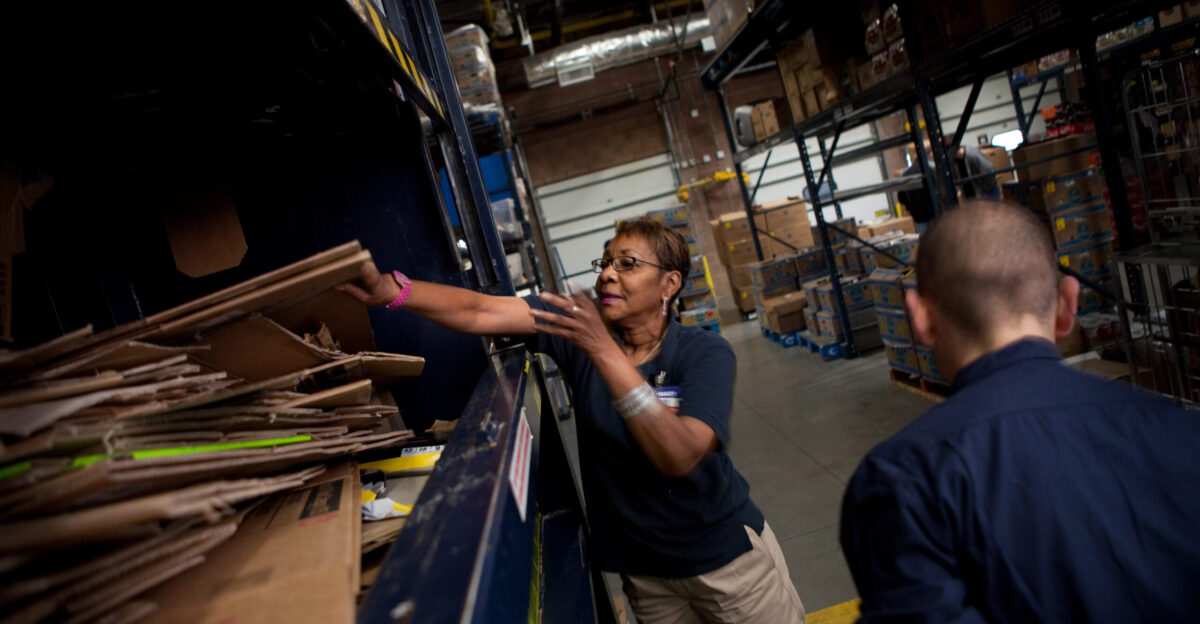
Walmart employees participating in education and training programs leave the company at one-quarter the rate of non-participants, according to a September 2021 Lumina Foundation study.
Participants also achieve promotions at twice the rate of colleagues not enrolled in development programs. Male participants saw 95 percent higher promotion rates, while female participants experienced 70 percent increases.
Major Retailers Launch Competing Initiatives

Lowe’s committed $50 million over five years to prepare 50,000 people for skilled trades careers, granting $43 million to 60 organizations by December 2024.
Home Depot’s Path to Pro initiative has produced over 60,000 graduates since 2021 with more than 100,000 total participants. The Home Depot Foundation invested $10 million in youth skilled trades education.
Business Roundtable Coordinates Industry Response

The Business Roundtable, representing CEOs from 150 major U.S. companies, launched a Skilled Trades Initiative in summer 2024.
Lowe’s CEO Marvin Ellison co-leads the effort, stating: “While technology continues to evolve, it cannot replace plumbers, electricians, construction workers, maintenance and repair pros, or other tradespeople.” Carrier Global plans to train 100,000 climate solutions professionals over five years.
Infrastructure Investments Amplify Worker Demand

The Bipartisan Infrastructure Law’s $550 billion in new spending could create 345,000 additional job openings at peak implementation in 2027-2028. However, researchers estimate a 1.1 million worker shortage concentrated in construction trades.
The Associated Builders and Contractors projects the construction industry must attract 439,000 new workers in 2025 alone.
Skilled Trades Now Rival College Graduate Salaries

Average electrician salaries range from $60,000 to $100,000+, while plumbers earn $58,000 to $95,000+ annually. HVAC technicians command $50,000 to $90,000+, and specialized positions reach premium levels.
Elevator installers earn $80,000-130,000+, and lineworkers make $65,000-110,000+. These figures compare favorably to many bachelor’s-degree professions without student debt burden.
Degree Requirements Eliminated for 75 Percent of Roles

Walmart eliminated degree requirements for three-quarters of its positions, emphasizing demonstrated competencies over credentials.
CEO Doug McMillon identified awareness as a fundamental barrier, stating: “Most Americans probably don’t know what a tech makes that helps take care of our stores and clubs.” The skills-based hiring approach expands talent pools while creating opportunities for workers without traditional four-year degrees.
Automation Increases Need for Skilled Technicians

Walmart’s automation deployments in distribution centers and stores paradoxically increase demand for maintenance workers.
Automated material handling systems, robotics, IoT sensor networks, and AI-enabled equipment monitoring require sophisticated technical expertise for installation, calibration, troubleshooting, and repair. “For as long as somebody physically needs to fix this, the shortage will persist,” one expert noted.
Training Delivers Measurable Return on Investment

U.S. Department of Labor research documents a median 44.3 percent ROI for employers in apprenticeship programs.
Walmart avoids recruitment costs typically reaching 20-25 percent of annual salary by developing internal talent. For 4,000 technicians at an average $60,000 annual salary, avoiding external hires saves approximately $3-4 million in recruitment fees alone. Improved retention generates additional millions in avoided turnover costs.
Geographic Expansion Faces Infrastructure Challenges

Scaling from three training locations to serve 4,000 participants requires additional facilities or mobile training units. Training centers must provide hands-on equipment access including HVAC systems, electrical panels, refrigeration units, and automation technology.
Experienced technicians who can teach effectively remain difficult to recruit. Remote and rural store locations face particular access constraints to centralized training hubs.
Transferable Credentials Create Competitive Vulnerabilities

EPA-608 refrigeration certifications, OSHA safety credentials, and HVAC licenses qualify graduates for positions across industries.
Competitors, contractors, and facilities management firms can recruit Walmart-trained graduates immediately, capturing benefits without investment costs. Walmart mitigates poaching risk through competitive compensation at $32-45 per hour matching or exceeding external market rates for entry-to-mid-level technicians.
Federal Workforce Development Funding Lags Infrastructure Spending

The Biden administration’s infrastructure investments created unprecedented skilled worker demand, but workforce development funding remains dramatically insufficient. The original Build Back Better proposal included $100 billion for workforce training, ultimately reduced to approximately $40 billion with many provisions eliminated.
Georgetown University economist Nicole Smith noted: “We have $550 billion of new funding coming down the pike for these types of jobs, and we don’t have the money for training”.
Long-Term Impact Reshapes Middle-Class Pathways
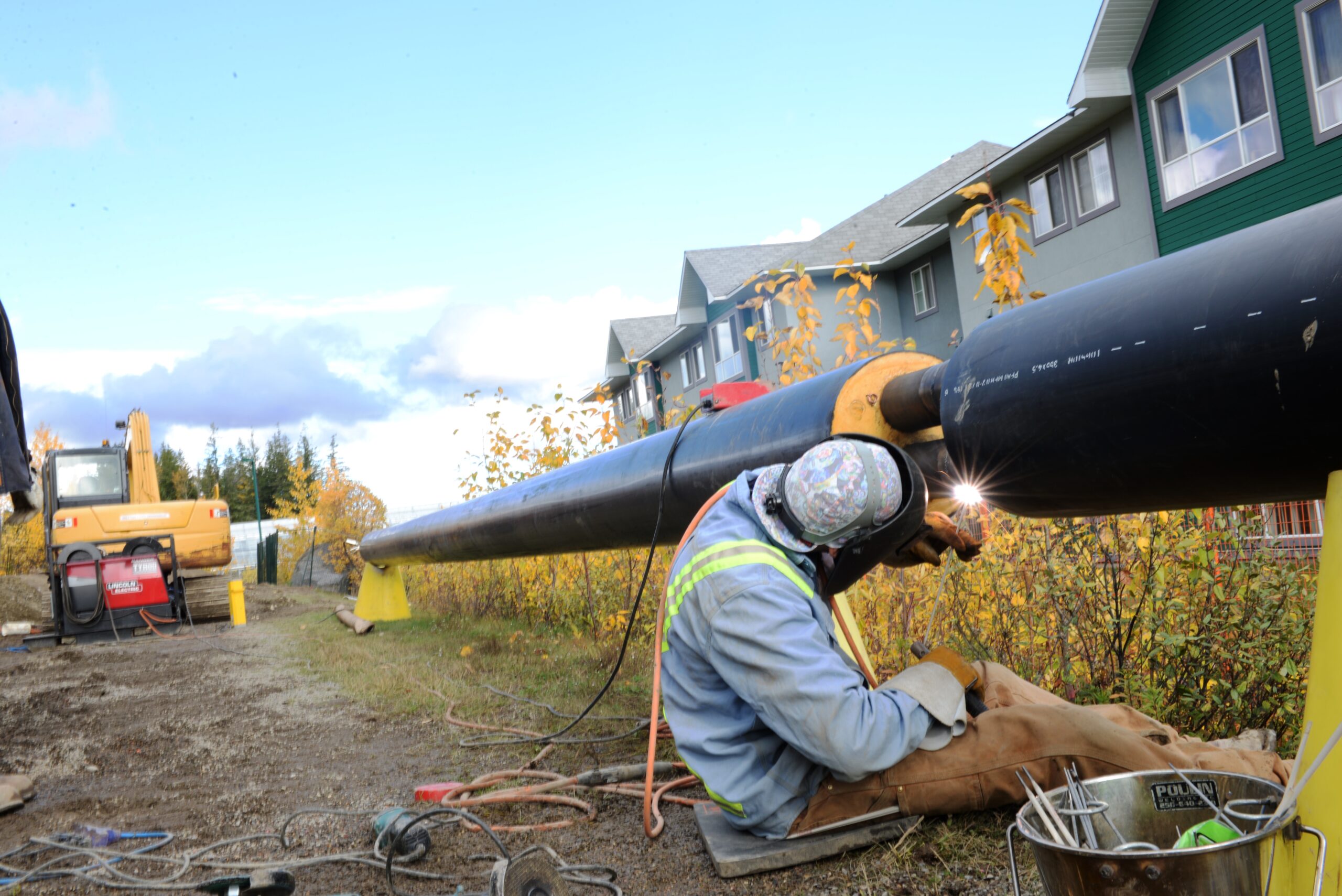
Walmart’s skilled trades initiative validates alternative routes to economic security beyond four-year college degrees. As demographic headwinds intensify through the 2030s, organizations building robust internal talent development capabilities secure substantial competitive advantages.
The program demonstrates that well-designed training delivers mutual benefits: 100 percent job placement for pilot graduates, near-doubling of wages, and strong retention indicators position participants for sustainable middle-class careers.
Sources:
“Walmart Pilots AI Interview Coach and Accelerates Associate to Technician Program.” Walmart Corporate News, June 2025.
“Tradespeople Wanted: The Need for Critical Skilled Workers in the US.” McKinsey & Company, April 2024.
“Walmart and Other US Companies Want to Build a Pipeline of Skilled Tradespeople.” ABC News, December 2025.
“Study Shows the Benefits of Walmart Education Effort.” Lumina Foundation, September 2021.
“Walmart Employee Nearly Doubled Her Pay After Entering Its Skilled Trades Training Program.” Fortune, December 2025.
“Business Roundtable Launches New Workforce Initiative to Strengthen Talent Pipelines for Skilled Trades.” Business Roundtable, 2024.