Walmart, the world’s largest retail chain, has reportedly taken a $400M hit from liability claims, despite recently benefiting from increased sales.
These mounting costs have sparked growing concern among investors and analysts, who are questioning how effectively the company is managing its legal risks and protecting shareholder value.
Mounting Corporate Risk
In its most recent earnings report, Walmart announced that comparable sales in its U.S. stores rose 4.6% in the second quarter of the year compared to the same period last year. Meanwhile, new figures from Placer.ai show that customer visits to Walmart locations climbed by about 1% over the same quarter.
However, the stakes are escalating as Walmart’s legal liabilities continue to grow. Recent financial disclosures reveal that the company lost $400 million in just three months due to lawsuits and settlements. This trend is putting pressure on Walmart’s leadership and drawing scrutiny from investors and analysts.
The Rollbacks
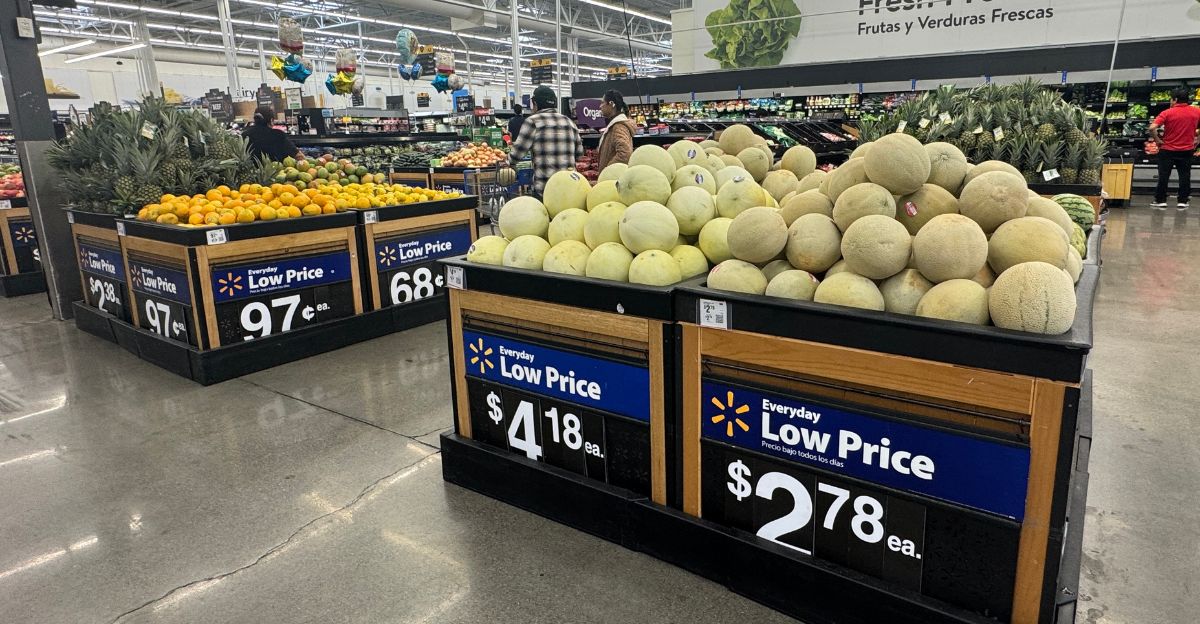
The rise in consumer demand follows Walmart’s decision to implement 7,400 price rollbacks over the quarter, about 2,000 more than it offered during the same period last year, in an effort to appeal to budget-conscious shoppers.
“We’re keeping our prices as low as we can for as long as we can,” Walmart CEO Doug McMillon said during the company’s August 21 earnings call.
Nothing New
But Walmart’s legal troubles are nothing new. Over the past decade, the company has faced a wide range of lawsuits, from workplace discrimination and hazardous waste disposal to consumer fraud and wage disputes.
These cases have resulted in hundreds of millions in settlements and ongoing legal costs. The volume and diversity of legal actions against Walmart have increased in recent years. This mounting pressure is forcing Walmart to devote significant resources to legal defense and compliance.
The $400 Million Loss
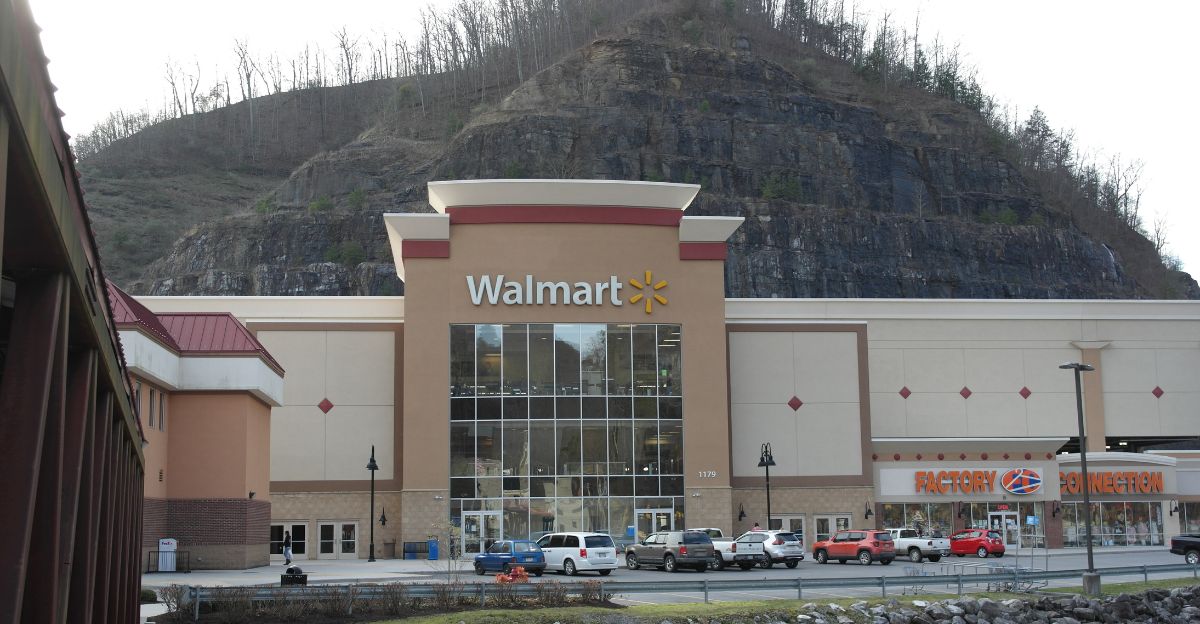
Despite stronger sales, Walmart’s earnings report showed that its U.S. operating income grew by just 2% year-over-year in the quarter. The company noted that this gain was held back by approximately $400 million in unexpected costs linked to higher-than-expected liability claims.
Liability claims arise when customers or employees are injured on a retailer’s premises. Shoppers can also file these claims if they’re hurt by a defective or unsafe product bought from the store.
The Numbers Are Staggering
Walmart self-insures for these claims, and while incidents have actually decreased year-over-year, the cost to settle each one has skyrocketed, from minor settlements to six and seven-figure payouts.
A slip that might have cost $15,000 to settle five years ago now regularly results in million-dollar judgments, creating an impossible mathematical equation for retail operations built on thin margins and predictable cost structures.
Post-COVID Legal Landscape Transformed
Before the pandemic, liability costs increased a predictable 1% annually for two decades, according to Walmart CFO John David Rainey. He said, “Post-Covid, for a number of reasons, we began to see the cost increase, and we’ve also increased our accrual since that period of time.”
In recent quarters, however, the expenses tied to settling these claims have surpassed Walmart’s forecasts and budget estimates. CFO John Rainey noted that he anticipates these costs will continue to rise in the future. It remains unclear which specific cases he was referencing, and the company has not yet provided additional details or responded to requests for comment.
Risks Across Thousands Of Locations
“It’s disappointing that this is a larger amount and surprising to all those on the call,” Rainey acknowledged.
He went on to explain that with an organization as large and complex as Walmart, unexpected developments are sometimes inevitable, given the company’s scale, diverse operations, and constant exposure to risk across thousands of locations.
Injuries Are A Key Factor
It’s still unclear what exactly caused Walmart’s sudden jump in settlement costs. Rainey referenced injuries as a key factor, but general liability insurance can also cover property damage and a range of other claims. He explained that for each incident, Walmart operates under a self-insurance model, setting aside funds in advance based on what it expects those future settlements to cost.
“A lot of those are settled,” Rainey said. “In fact, the vast majority are settled just by us handling that with our customers. Sometimes, they go to torte, and that often results in them becoming more expensive. It’s a smaller percentage of them overall, but also a more expensive bucket there.”
The Industry-Wide Bombshell
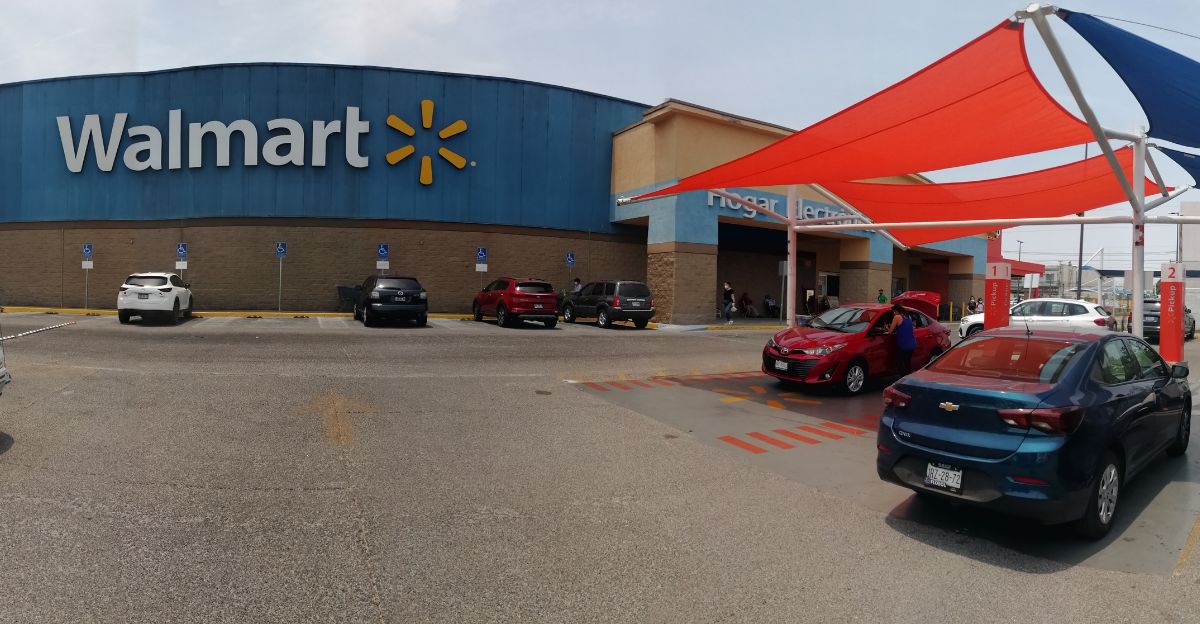
But Walmart is not alone. According to The Street, Dollar Tree, Dollar General, and Best Buy all reported similar liability issues. This problem is affecting every major chain regardless of its size, customer base, or operational excellence.
The synchronized timing suggests fundamental shifts in America’s legal system that no individual company can solve through better management or safety protocols.
The Legal System’s New Reality
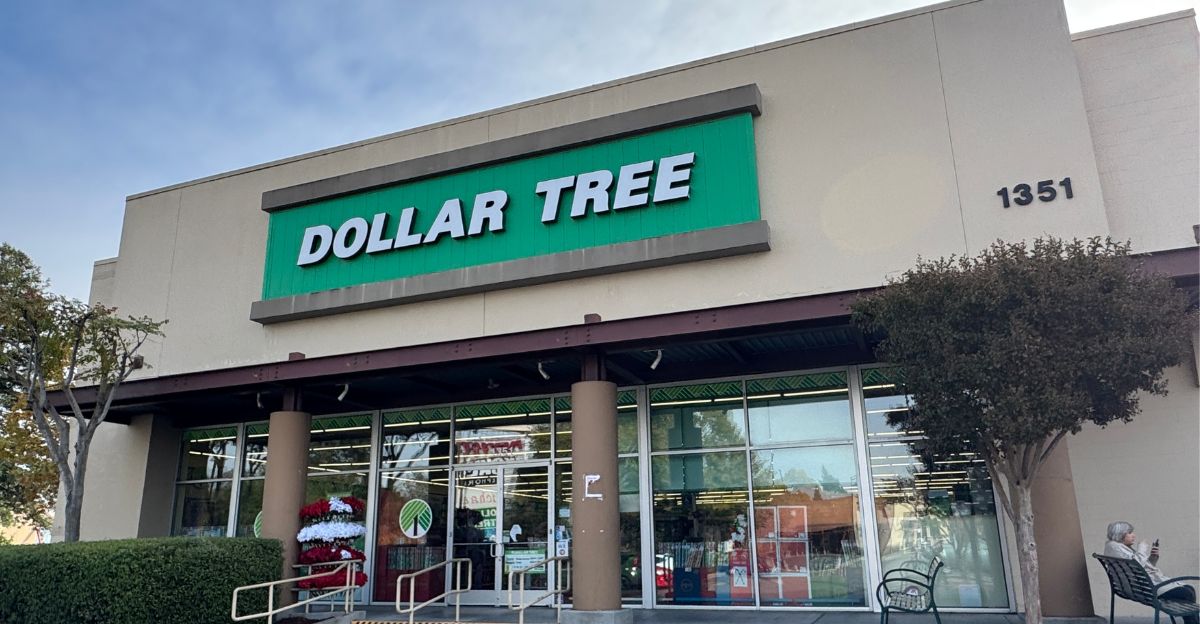
“This is something we’re seeing across all industry, the cost of settling claims is getting higher,” confirmed Dollar Tree’s CFO, Stewart Glendinning, during an earnings call on September 3.
Even when retailers win cases or settle early, legal fees, expert witnesses, and medical evaluations have all inflated dramatically. The entire ecosystem around liability claims has become more expensive, from initial investigations through final settlements, creating cost pressures that compound exponentially throughout lengthy legal processes that can stretch for years.
Social Inflation Meets Economic Inflation
Insurance experts call it “social inflation” — juries awarding unprecedented damages, attorneys taking more aggressive approaches, and a general shift toward larger settlements in a post-pandemic world.
This phenomenon represents a permanent recalibration of how Americans value pain, suffering, and corporate accountability, creating a new baseline for damages that reflects broader cultural shifts toward holding large corporations responsible for individual hardships and systemic inequalities.
The Impact On Operations
Walmart’s $400 million loss has had a notable effect on its day-to-day operations. Financial hits of this scale can influence multiple areas, including inventory management, staffing levels, logistics, and overall customer service quality.
These kinds of disruptions often require operational teams to step in quickly to address issues, restore efficiency, and maintain Walmart’s expected service standards. While these corrective actions aim to stabilize operations, they may also drive the company to strengthen internal systems and processes to reduce the risk of similar costly setbacks in the future.
Investors
Walmart’s massive loss, along with the public acknowledgment of operational disruptions, is likely to affect investor confidence. Shareholders might see this as a test of the company’s ability to manage unexpected challenges while maintaining profitability.
Analysts will be closely monitoring how this setback affects Walmart’s long-term operational performance, resilience, and overall ability to navigate future financial and legal pressures.
Moving Forward
As Walmart moves forward, the company faces a critical period of adjustment. How effectively it manages rising liability costs, strengthens compliance programs, and mitigates operational risks will be closely watched by investors, regulators, and the broader retail industry.
While Walmart’s size and market presence provide a buffer, these challenges show the growing complexities of running a global retail giant in a post-pandemic world. The big question is whether Walmart can adapt quickly enough to protect its bottom line and its reputation, setting the stage for how large retailers navigate similar pressures in the years ahead.