
Police calls to a single Walmart in suburban Shrewsbury, Missouri, plunged by nearly two-thirds after the store scrapped its self-checkout lanes, turning a local operational change into a closely watched test case for U.S. retail.
The Shrewsbury Supercenter removed all self-checkout kiosks in April 2024. In the first five months after that decision, police calls tied to the store dropped from 509 to 183, a 64% decline that prompted Police Chief Lisa Vargas to publicly thank the company for “taking initiative and removing those self-checkers,” according to local reporting. The steep fall in incidents has fueled a broader debate over whether the spread of self-service lanes has undermined store security and strained public resources.
Rising Crime At A Single Store
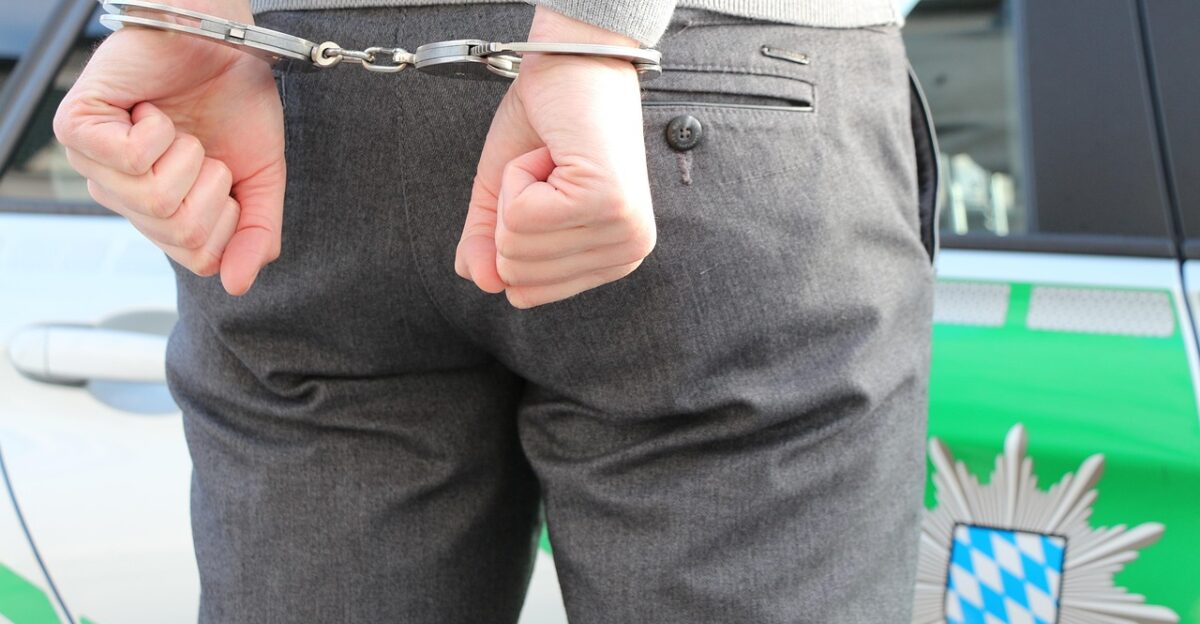
Before the change, the Shrewsbury Walmart had become an outsized source of police activity. Between January and May 2024, the city logged 1,915 calls for service, and about one in four came from that one location. Officers were dispatched repeatedly for shoplifting, disputes at the registers and other disturbances, stretching the capacity of a midsize department responsible for the wider community.
Arrest data underlined the impact. Over those same five months in 2024, police made 160 arrests citywide, 108 of them at Walmart—more than two-thirds of all arrests. In the corresponding period in 2025, after self-checkout was removed, total arrests fell to 55, with 49 at Walmart. The store still accounted for a significant share of arrests, but Walmart-related arrests dropped 54.6% year over year. For police, the shift translated into fewer calls and more time to respond to other priorities.
How Self-Checkout Became A Costly Liability
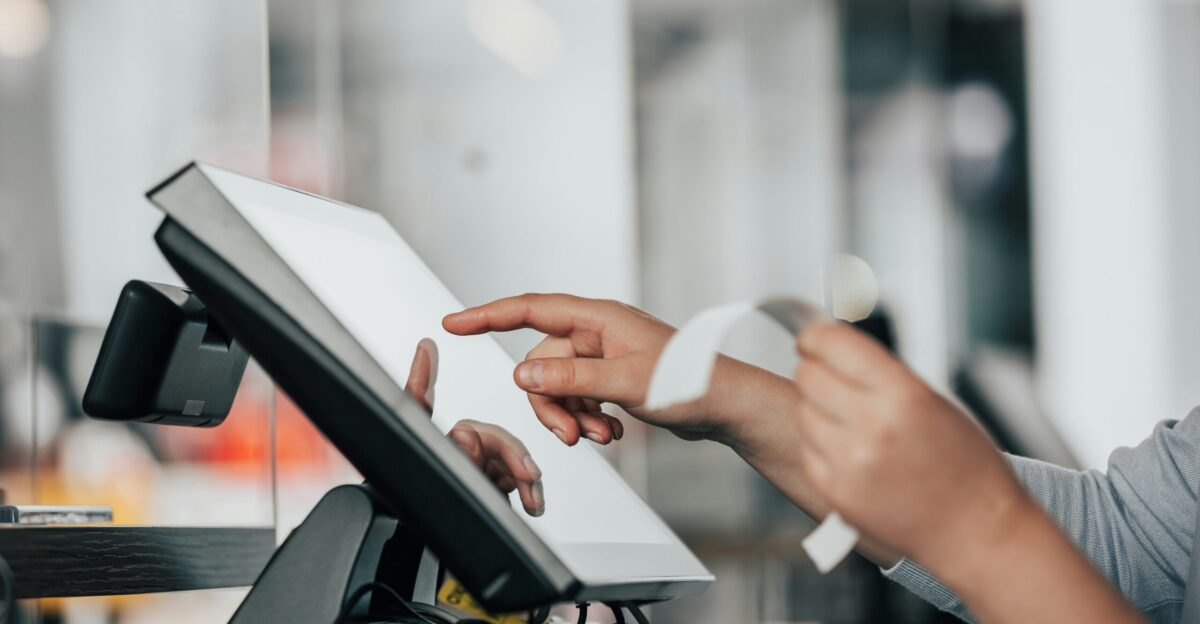
The Shrewsbury case comes amid mounting evidence that self-checkout has carried an unexpected price. Industry research cited by retailers and analysts estimates that self-checkout losses have grown into a roughly $4.9 billion annual problem in the United States. About 34% of all “shrink” — the industry term for inventory loss from theft, error and damage — is linked to self-checkout stations, where customers scan and bag items with limited oversight.
Surveys indicate that one in five shoppers admits to stealing at self-checkout at least once, and most who walk out with unscanned items say they keep them even when the mistake was accidental. Only about a quarter of those who steal at the machines are caught, according to these reports, leaving the majority of losses undetected and unrecovered.
Retailers initially embraced self-checkout for its promise of cutting front-end labor costs by as much as two-thirds. Over time, however, many have concluded that the savings on wages are outweighed by higher security spending and elevated shrink. Companies now devote an estimated $200 million a year to theft-prevention tools specifically for self-checkout areas. Stores using the systems report shrink rates of 3.5% to 4% at those lanes—up to four times higher than at fully staffed registers—and an 8% rise in operating costs tied to security.
Retailers Retreat, Adjust Or Double Down
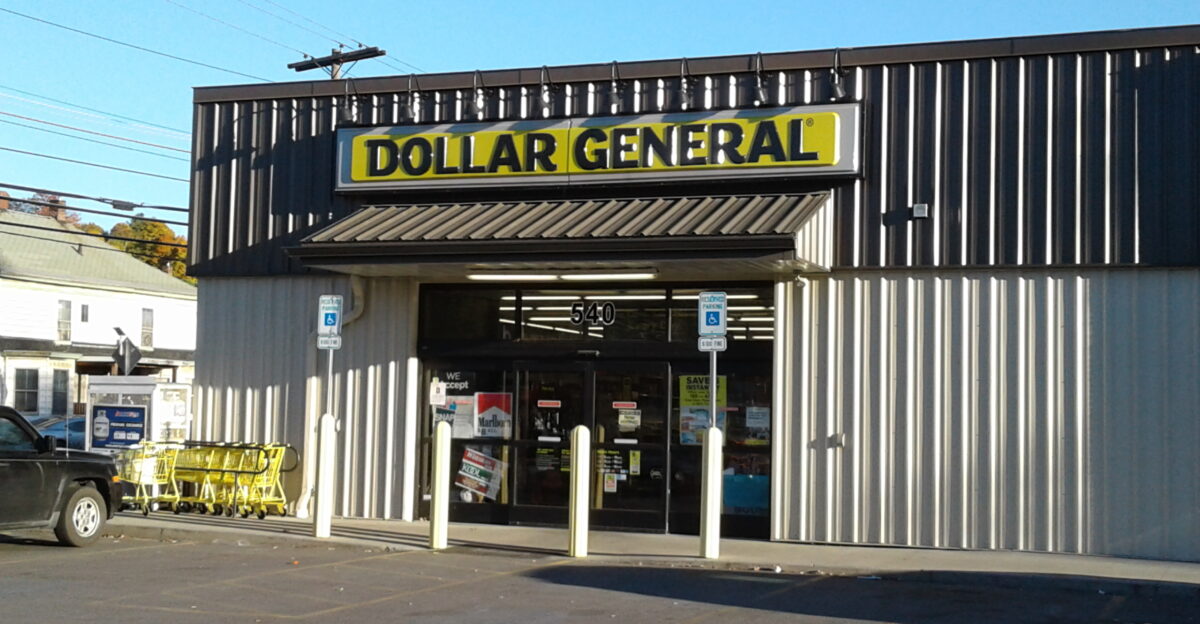
Those pressures are driving a wave of changes in how major chains manage checkout. Dollar General has pulled self-checkout from about 12,000 of its more than 20,000 stores, roughly 60% of the chain. Chief executive Todd Vasos has described shrink as the company’s most significant business challenge and said self-checkout will remain only in higher-volume stores with relatively low theft levels.
Others are trying to retain self-checkout in more limited forms. Target has imposed 10-item caps at self-service stations in many locations while investing in additional staffed lanes. The company has disclosed nearly $500 million in shrink-related losses in 2023 compared with the prior year. Five Below has reduced self-checkout availability and bolstered front-end staffing, security at exits and receipt checks after finding that scaling back the machines cut inventory losses. Regional operators including Aldi and Safeway have removed self-checkout outright at some locations, with Safeway citing rising theft at certain Bay Area stores.
Walmart itself has tested several approaches. In some places it has eliminated self-checkout entirely, as in Shrewsbury. Elsewhere, it has limited the lanes to Walmart+ subscribers and delivery drivers, tying transactions to identifiable accounts. The retailer has also adopted “invisible” barcoding that covers more of an item’s surface, making it harder to hide or mis-scan labels.
Technology And A Wider Crime Wave
The shift away from traditional self-checkout comes as retailers confront what trade groups describe as a broader shoplifting surge. U.S. merchants were estimated to have lost about $45 billion to shoplifting in 2024 across all formats. Globally, retail shrink climbed to about $132 billion in 2024 from $112 billion in 2022. Surveys conducted in 2025 found that more than half of retailers reported rising theft and shoplifting tied to organized retail crime, with groups operating across multiple stores, states and even countries.
At the same time, some operators are betting that more advanced technology can preserve speed and convenience without inviting higher theft. Warehouse chains Sam’s Club and Costco are expanding systems that combine mobile scanning, computer vision, artificial intelligence and radio-frequency identification to verify that all items leaving a store have been paid for. Amazon, which has scaled back some uses of its own technology in recent years, continues to offer its “Just Walk Out” system to stadiums, hospitals and retailers. The system uses cameras and sensors to track what shoppers take and automatically charge their accounts, aiming to remove both staffed checkout and customer-operated scanning.
Global Outlook And A Hybrid Future

Despite the pullbacks in the United States, the worldwide market for self-checkout systems continues to grow. Market research forecasts that global sales of self-checkout technology will reach nearly $3.93 billion by 2025, with double-digit annual growth projected through 2035. Germany alone has installed more than 38,000 self-checkout units, and adoption there surged 143% over two years. International surveys suggest that around two-thirds of shoppers choose self-service when it is available, with about three-quarters citing speed as the main reason.
The Shrewsbury Walmart has become a reference point in this evolving landscape: a rare case where detailed police statistics link a single operational decision to a marked drop in local crime. As major chains weigh customer expectations for quick, technology-driven service against the financial and social costs of shrink, many analysts expect a mixed model to dominate. That would combine staffed lanes, restricted-access self-checkout and more sophisticated automation, adjusted store by store based on theft patterns, customer behavior and community needs.
Sources
“Walmart Makes Sudden Self-Checkout Decision After Dramatic Crime Spike.” Yahoo Finance/AP, June 2025.
“Five Below Scales Back Self-Checkout to Fight Shrink.” Retail Dive, March 2024.
“Self Checkout Theft Statistics: Reports 2025.” WiFi Talents, May 2025.
“How a Walmart Store Cut Shoplifting With One Major Change.” AOL/Yahoo News, June 2025.
“Walmart Removing Self-Checkout: A Shift Back to Traditional Lanes.” Final POS, March 2025.
“Organized Retail Crime.” National Retail Federation, November 2025.
“Self-Checkout Systems Market Strategies: Trends and Growth.” Data Insights Market, July 2024.
“Crime and Shrink Benchmark 2025: Retail Crime ‘Spiralling Out of Control.’” British Retail Consortium, January 2025.