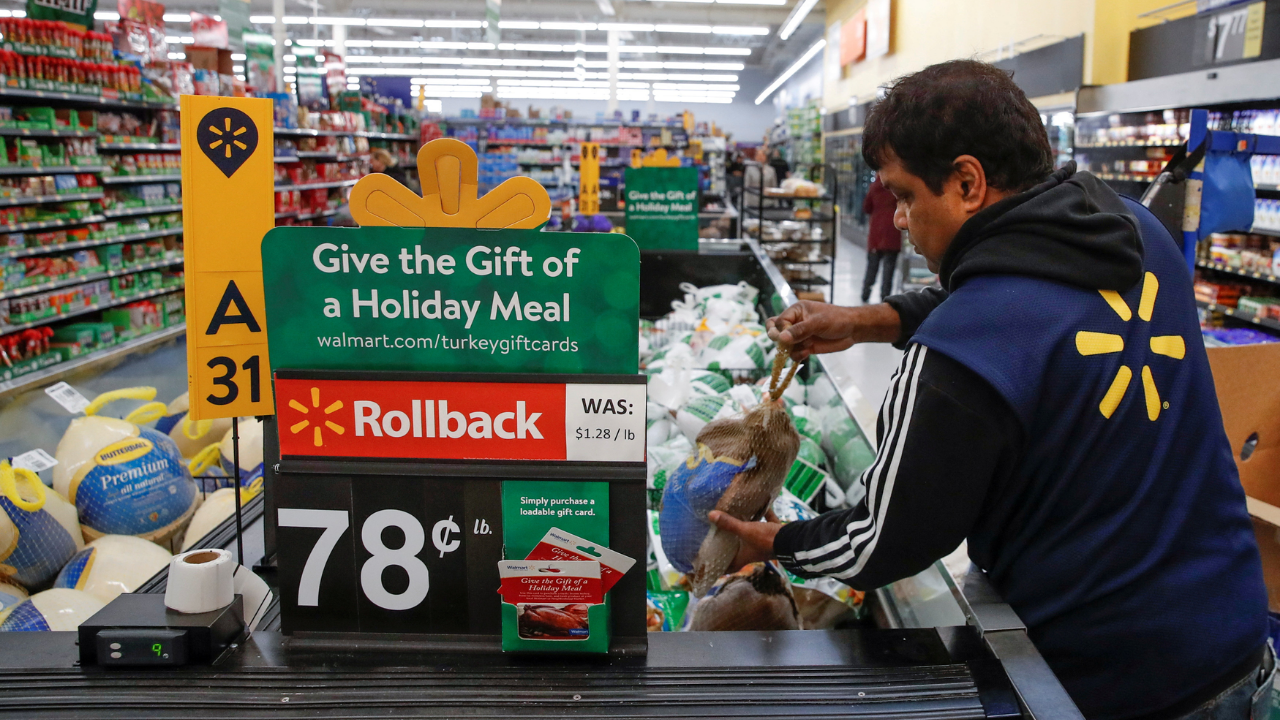
Walmart announced a striking 25% price reduction on its 2025 Thanksgiving meal basket, dropping the cost from approximately $55 to under $40. The announcement generated headlines celebrating improved affordability, with political figures citing it as evidence of economic progress. However, the discount obscures a deliberate retail practice that fundamentally changes what consumers actually receive—a tactic known as shrinkflation that the grocery industry has refined into an art form.
The Basket’s Hidden Transformation
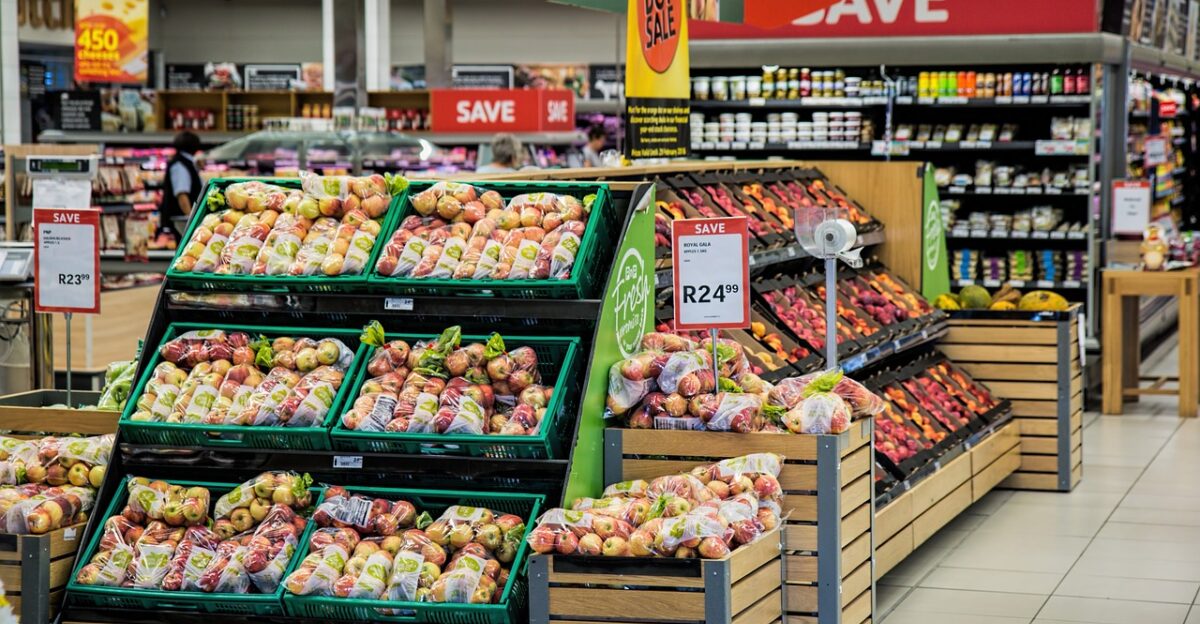
This year’s Thanksgiving bundle contains 15 product types across 22 individual packages, compared to 29 packages representing 21 product types in 2024—a 24% reduction in items. Walmart removed pecan pie, sweet potatoes, miniature marshmallows, corn muffin mix, fresh onions, celery, and poultry seasoning from the offering. The retailer made no prominent announcement about these omissions when marketing the price reduction, banking on shoppers comparing only the bottom-line cost rather than scrutinizing contents.
Beyond removed items, Walmart downsized existing products. Cream of mushroom soup was reduced from two cans to one. Crispy fried onions changed from French’s brand at 6 ounces to Kinder’s brand at 4.5 ounces. Fresh cranberries replaced canned versions. These modifications allowed Walmart to claim substantial savings while delivering significantly less food.
Understanding Shrinkflation

Shrinkflation represents a deliberate corporate strategy where companies reduce product quantities while maintaining or lowering prices rather than raising prices directly. Consumer psychology research reveals why this tactic succeeds: according to behavioral economics studies, shoppers demonstrate greater sensitivity to price increases than to size reductions. Purdue University’s October 2024 Consumer Food Insights report found that only about half of consumers consistently check unit prices or product weight—key indicators that would help spot shrinkflation. This cognitive blind spot allows explicit price hikes to trigger immediate brand switching, while removing 20% of product content often escapes notice.
According to 2024 reports, shrinkflation averaged 11.2% among selected national grocery brands in 2023, and consumer surveys indicate growing awareness of the practice. Yet despite this recognition, most shoppers continue accepting reduced portions without demanding regulatory intervention.
The Brand Substitution Component

Walmart’s 2025 basket contains a higher percentage of its “Great Value” store brand compared to 2024’s more name-brand-heavy selection. Sweet Hawaiian rolls became generic dinner rolls. French’s crispy fried onions became Kinder’s. Ocean Spray cranberry sauce was replaced with fresh cranberries. These lower-cost brand substitutions enable Walmart to reduce its costs while maintaining marketing claims about affordability.
David Anderson, livestock economist at Texas A&M University, directly addressed this deception: “It’s not apples to apples, right? What this does highlight is individual retailers’ strategies for getting customers in the door.” The 25% savings claim misleads consumers by comparing fundamentally different product bundles.
Industry-Wide Coordination
Walmart operates within an industry-wide pattern. Target’s four-person meal maintained its $20 price point by substituting French bread and frozen corn for green beans and mushroom soup. Aldi and Lidl offer competing Thanksgiving meals at similar price points while employing identical tactics—swapping ingredient brands and reducing quantities. This coordinated approach reveals industry-wide strategy rather than competitive pricing innovation.
The Regulatory Gap
According to Purdue University’s October 2024 Consumer Food Insights report, 77% of consumers noticed shrinkflation within the previous 30 days. Despite this awareness, 74% agree that mandatory transparency requirements should exist for product size reductions. Currently, no federal regulations require prominent labeling when products shrink.
France introduced regulations effective July 1, 2024, requiring retailers to flag products reduced in size without corresponding price cuts. This legislative response acknowledges shrinkflation as a deceptive practice requiring government intervention. American consumers enjoy no such protections, leaving them vulnerable to undisclosed product changes.
The Real Mathematics
When accounting for removed items and downsized quantities, the basket’s actual value declined significantly. The $15 price reduction masks substantial reduction in food volume. Shoppers aren’t necessarily saving money; they’re receiving substantially less food while Walmart manages cost pressures through carefully orchestrated product changes.
Food companies cite rising transportation and production costs as shrinkflation justification. However, major retailers like Walmart reported record profits during the same period that shrinkflation accelerated—Walmart’s FY 2024 earnings reached $16.3 billion, up 44% from FY 2023—raising questions about whether the practice serves cost survival or profit maximization.
Moving Forward
Until transparency regulations exist requiring prominent disclosure of product changes, retailers will continue this calculated practice. Consumers should compare unit prices rather than package prices, check net weights consistently, and photograph products to track size changes over time. Real affordability requires honesty about what’s included—not just headlines about prices.