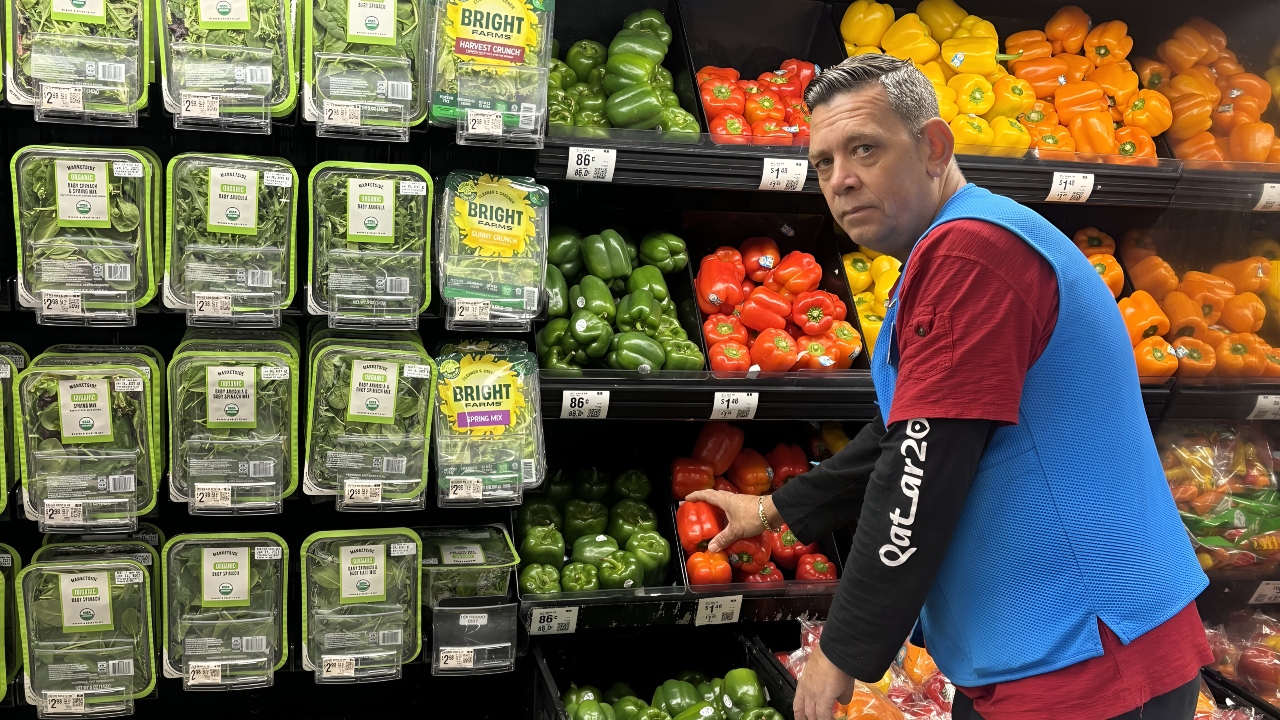
On Oct 5, 2025 USDA announced a recall of ~3.8M lb of Foster Farms chicken corn dogs after wooden fragments were found in the batter. Five customers reported injuries from the tainted food.
The recall – covering Walmart stores nationwide – immediately set off alarms in the retail supply chain, signaling a possible widespread safety crisis.
New Hazards Surface in Home Products
In mid-2025, injuries from other common products began emerging. Walmart recalled 850,000 Ozark Trail 64-oz water bottles after lids blew off and injured three people (two lost vision).
Sunbeam (Oster) recalled 1.29M countertop ovens after 95 users suffered burn injuries when oven doors slammed shut. These incidents suggested the corn-dog problem was part of a larger product safety failure.
Lessons From Past Recalls
Walmart points to previous recall protocols and insists it is “committed to the health and safety of our customers”. Yet October 2025’s crisis dwarfs anything before. For example, Tyson/Hillshire recalled 58M lb of corn dogs in late September – far less than the combined recalls now at Walmart.
Critics note that even extensive compliance systems have blind spots when scope grows so large.
Mounting Safety Pressures
By late summer 2025, regulators were already on high alert. In August the FDA found radioactive Cesium-137 in frozen shrimp imported from Indonesia. Safety inspectors also discovered a lethal flaw in a child’s product: a retractable safety gate was pulled from shelves after regulators found a gap wide enough to entrap a toddler.
These findings, on top of earlier recalls, intensified calls for stronger oversight even before October’s cascade.
Record-Breaking Recall Totals

When federal agencies tallied the numbers on Oct 5, the scope was staggering. FSIS confirmed ~3.8M lb of Foster corn dogs were recalled – and that month included another 58M lb from Tyson/Hillshire. Walmart’s lists also covered 850k defective water bottles and 1.29M faulty ovens.
Altogether, more than 64 million items were pulled from stores – the largest coordinated product recall in U.S. retail history.
Geographic Recall Hotspots

California and Texas accounted for the most recalled goods. Foster Farms’ Livingston, CA plant alone made ~3.8M lb of the contaminated corn dogs.
In Texas, Hillshire’s Haltom City facility was behind ~58M lb of sausage and corn dogs recalled for wood fragments. Other Gulf Coast and rural states also saw heavy impacts, especially where consumers buy bulk frozen foods.
Victims Speak Out

Consumers shared harrowing accounts. One Texas woman said she heard “a loud pop” when her Ozark Trail bottle lid exploded and blinded her in one eye. Foster Farms received five injury complaints from wood-filled corn dogs.
These personal stories brought home the real human cost behind the recall numbers, illustrating how dangerous the products were to everyday families.
Retailers Feel the Shockwaves
America’s retail chains reacted swiftly. Costco pulled all Foster Farms corn dogs from shelves, and Walmart launched audits of its food suppliers. Even unrelated items were swept up: Home Depot recalled 175,000 Scripto torches after federal safety regulators found them unsafe.
The crisis made clear that one supplier’s failure could ripple through the entire retail ecosystem, triggering emergency measures at multiple chains.
Cracks in the Supply Chain
Investigations pointed to global supply-chain failures. The recalled Gunaito dressers were made in China, and the contaminated shrimp came from an Indonesian plant. Even the wood in the corn dogs likely came from a splintered paddle during production.
In each case, the lengthy international supply lines allowed hazards to slip past standard inspections, exposing dangerous blind spots in sourcing and oversight.
A Pandemic-Era Fallout

Investigators later found a common thread: pandemic-era cutbacks and staffing shortages had weakened quality control. Industry experts say the recalls were the “delayed consequences of pandemic-era shortcuts” – essentially an aftershock of Covid disruptions.
One report warned firms to “evaluate multiple aspects of their supply chains” under heightened scrutiny.
Executive Damage Control
Walmart’s leaders moved to contain the fallout. The company reiterated that “the health and safety of our customers is always a top priority”. On the ground, however, store managers complained that recall alerts arrived too slowly, leaving dangerous items on shelves for days.
Foster Farms’ parent admitted only a “limited number” of corn dogs contained wood and said it recalled them out of caution. Both companies pledged to enforce stricter quality controls going forward.
Leadership Under Fire
Consumer advocates demanded accountability. A Washington Post investigation revealed Walmart had known about the exploding bottle lids since 2018, spurring calls for congressional hearings on the retailer’s supplier oversight. Under pressure, Foster Farms reportedly replaced its plant quality director.
The CPSC announced plans for surprise audits at major retailers to ensure recalls are executed swiftly and completely.
Crisis Recovery Plans
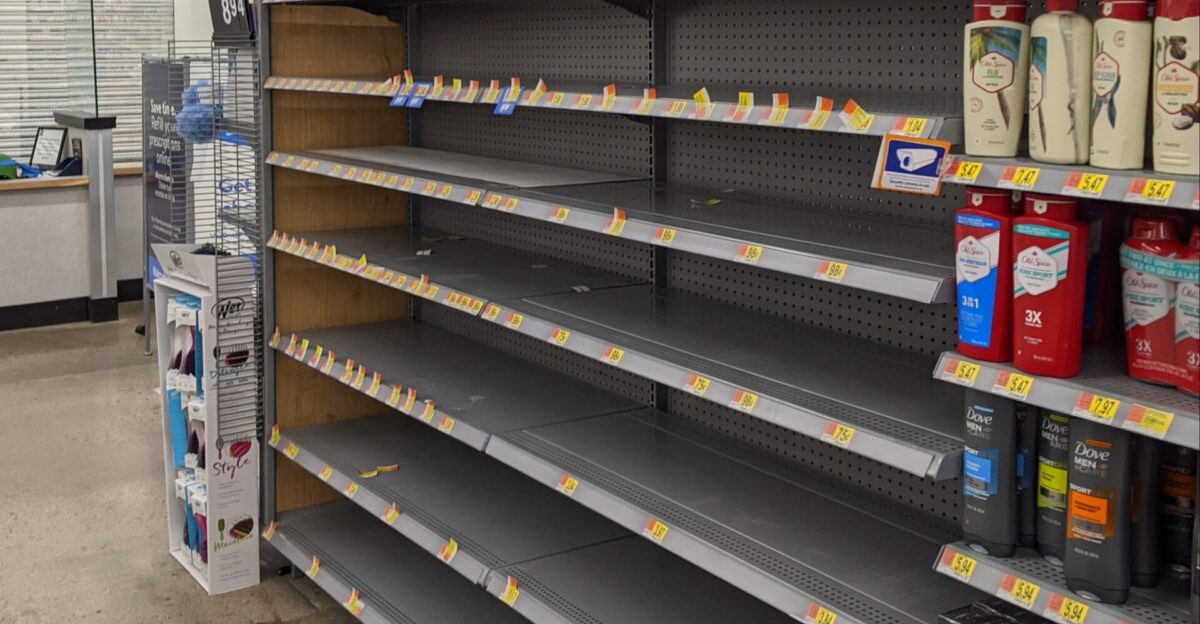
Retailers outlined major corrective steps. Walmart said it would audit roughly 10,000 food suppliers and warned that any safety violations would lead to contract terminations. The company is also contracting independent testing labs to screen products before they hit shelves.
Foster Farms announced multistage improvements, too, reportedly investing millions in additional metal detectors and hiring dozens of new quality inspectors. Both companies said they are overhauling procedures to catch defects earlier.
Skepticism from Experts

Safety experts greeted these promises with skepticism. After a Florida jury awarded $2.7M in a child’s wrongful-death case against Walmart, the family’s lawyer said it should “serve as a wake-up call to corporations everywhere: prioritize safety…or face the consequences”.
Legal analysts note that without real financial penalties, safety pledges mean little. Several predict a wave of class-action lawsuits that could impose “hundreds of millions” in damages on retailers and suppliers.
Will Reform Follow?
Some see October 2025 as a turning point. Federal officials are reportedly considering laws forcing full supply-chain transparency and holding manufacturers liable for defects years after sale.
Whether this crisis spurs lasting change or is shrugged off as just another compliance cost remains unclear. Retailers now face a choice: can they keep cutting corners on safety to protect margins, or must they accept higher standards (and costs) to regain public trust?
Politics and Oversight
The recalls quickly became a political flashpoint. Congressional Democrats argued the events proved corporate self-policing has failed consumers. Senator Elizabeth Warren announced plans for a bill requiring mandatory safety testing of imported products.
Republicans countered that excessive regulation risks higher consumer prices and could harm U.S. competitiveness. This partisan clash laid bare the broader debate over how to balance robust safety oversight with free-market trade policies.
International Repercussions

The crisis strained international relations. On Oct 4, the FDA imposed strict new import-certification rules on shrimp and spices from Indonesia after detecting Cs-137 contamination. U.S. officials publicly demanded access to Indonesian processing plants for inspections.
European regulators launched their own investigations into products from the same suppliers. Experts warn these safety scares could trigger a broad reassessment of food and product safety agreements between Western countries and developing-nation exporters.
Legal Aftershocks
Product-liability lawyers report unprecedented demand. One Florida attorney noted a surge of calls from victims of recalled products. In Miami-Dade, a jury recently hit Walmart with a $2.7M verdict in a wrongful-death suit, underscoring the new stakes.
Many attorneys say these cases will set new liability precedents for retailers. In the years ahead, the legal fallout from October’s recalls could reshape how companies insure against and respond to safety failures.
Cultural Shift in Retail

The public reaction revealed a change in attitude toward “bargain” retail. Social media was flooded with posts of recalled items still in home freezers and closets, highlighting how many consumers had missed recall notices.
Shoppers began questioning America’s obsession with cheap products in the face of safety lapses. Industry observers noted that the era of ultra-low prices may be ending if it comes at the expense of basic safety standards.
Hard Questions
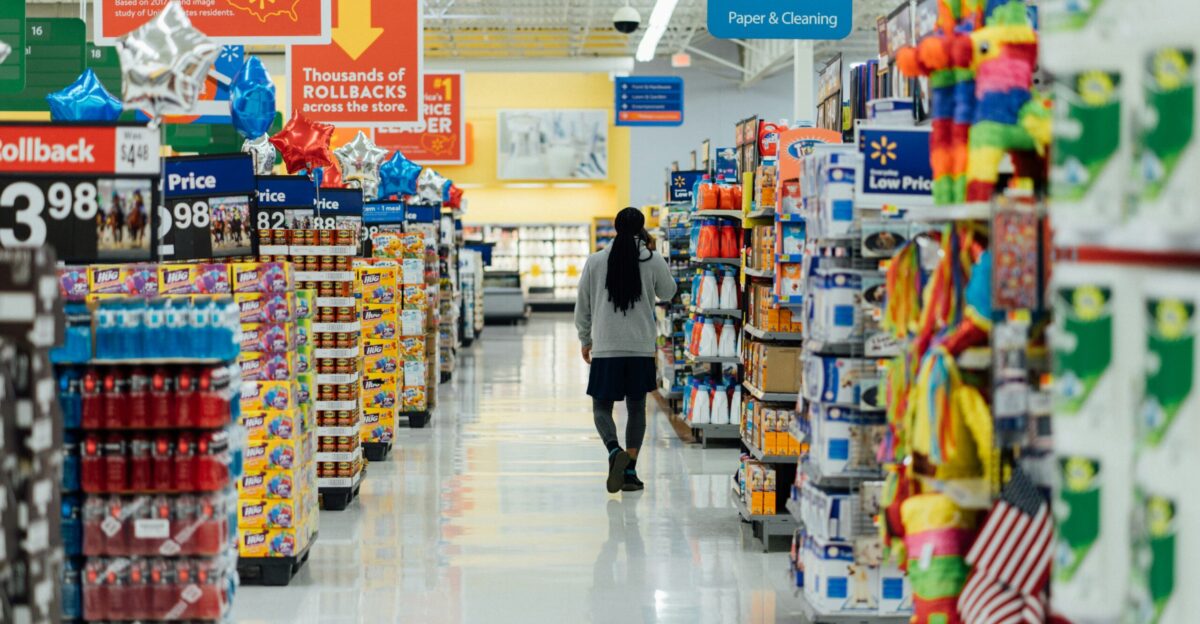
October’s recalls laid bare trade-offs in modern commerce: pushing products to market cheaply allowed dangerous items into millions of homes. As one analyst put it, the crisis showed that America’s obsession with rock-bottom prices has let safety slip through the cracks.
Now companies, regulators, and consumers face a fundamental question: in today’s global supply chains, who truly shoulders responsibility for product safety? The answers may define retail regulation for years to come.