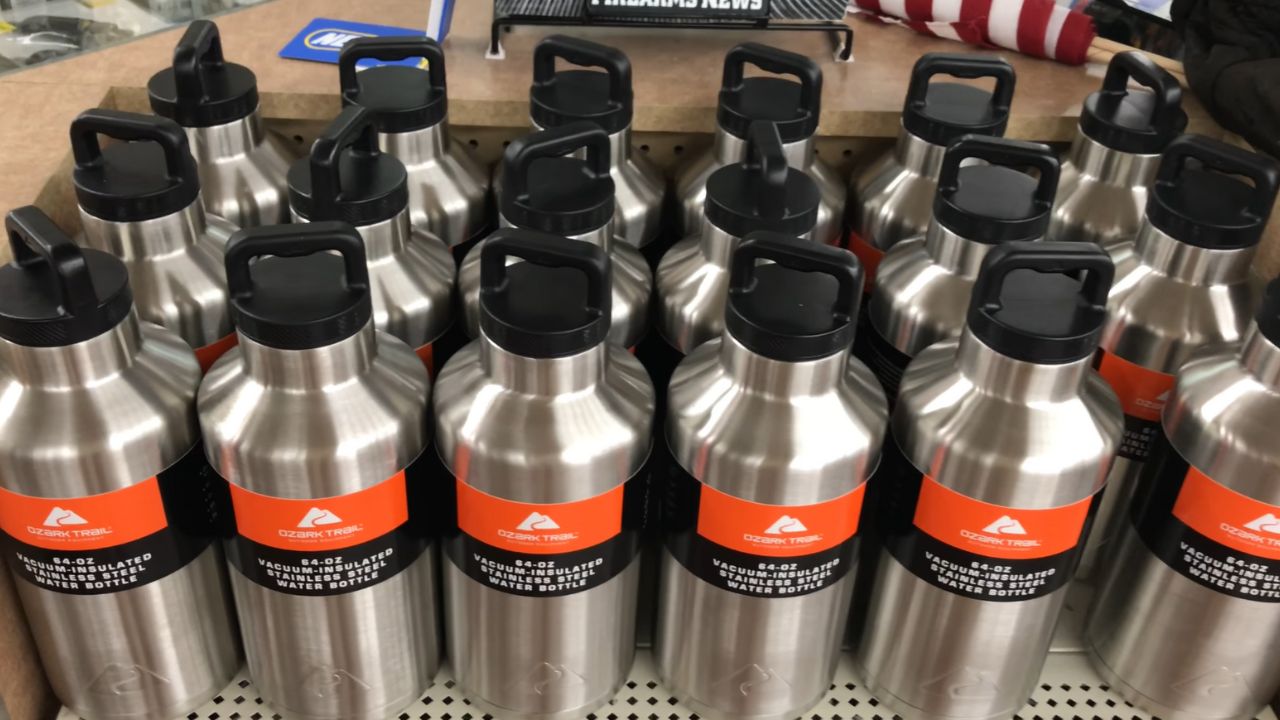
Boxes of stainless-steel water bottles were being pulled from Walmart shelves when regulators confirmed the injuries: a bottle lid had launched upward with enough force to permanently blind users. The recall covered 850,000 Ozark Trail 64-ounce insulated bottles, sold nationwide for years.
What looked like a routine hydration product had suddenly become a projectile, triggering one of the most alarming consumer safety actions of 2025.
Everyday Dangers Rise
The recall wave spanned nearly every room of the home. 3.6 million “burst-proof” HydroTech garden hoses ruptured, injuring 29 people. Pressure cookers caused burns.
According to the Consumer Product Safety Commission, failures stretched across categories, pointing to systemic safety breakdowns rather than isolated defects. The problem wasn’t niche—it was national.
Insulated Bottle Boom
Reusable stainless-steel bottles surged after 2020, fueled by sustainability trends and plastic bans. Walmart’s Ozark Trail brand sold millions of insulated bottles, priced around $15, since 2017.
Marketed for hiking, commuting, and everyday hydration, the bottles became household staples. Few consumers realized that sealed insulation combined with common liquids could create internal pressure powerful enough to cause serious injury.
Pressure Warnings Ignored
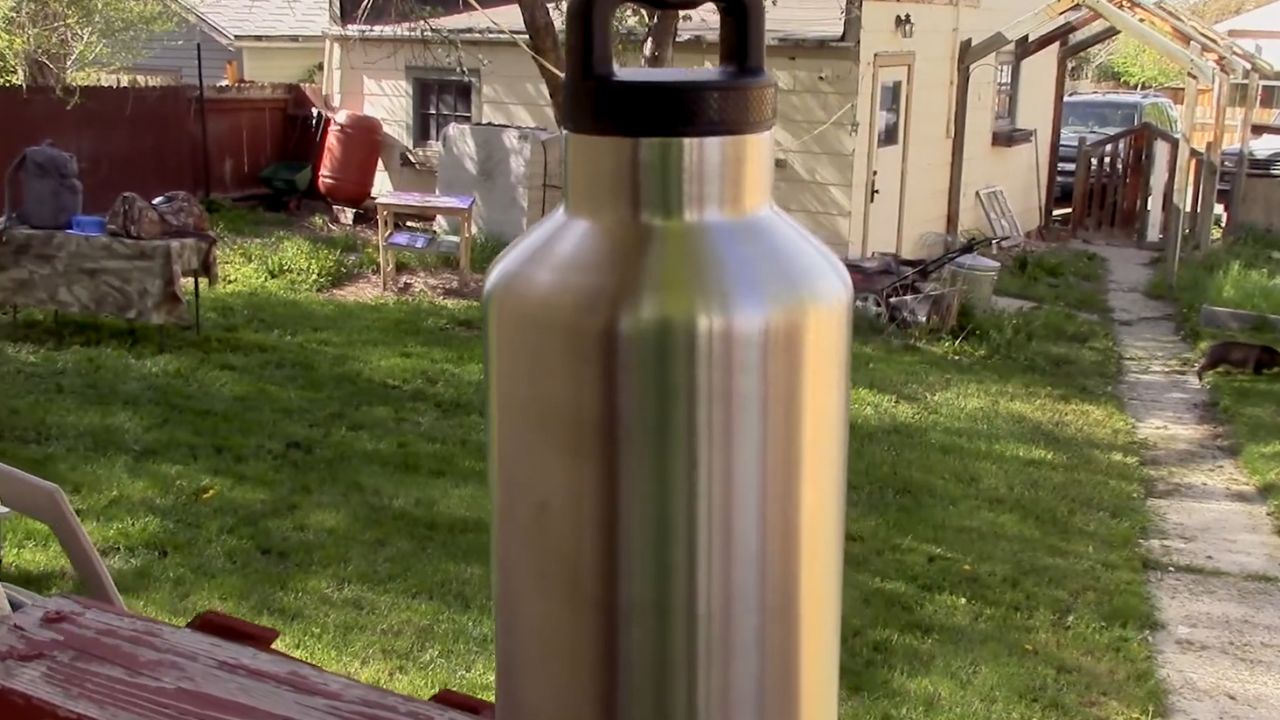
Complaints mounted when users stored juice, milk, or soda inside insulated bottles. Fermentation produced gas, increasing pressure in sealed containers.
The CPSC tracked similar failures across brands, but Ozark Trail bottles lacked pressure-relief mechanisms. Roughly 850,000 units were sold nationwide since 2017, intensifying regulatory concern as reports escalated.
Walmart Recall Reveal
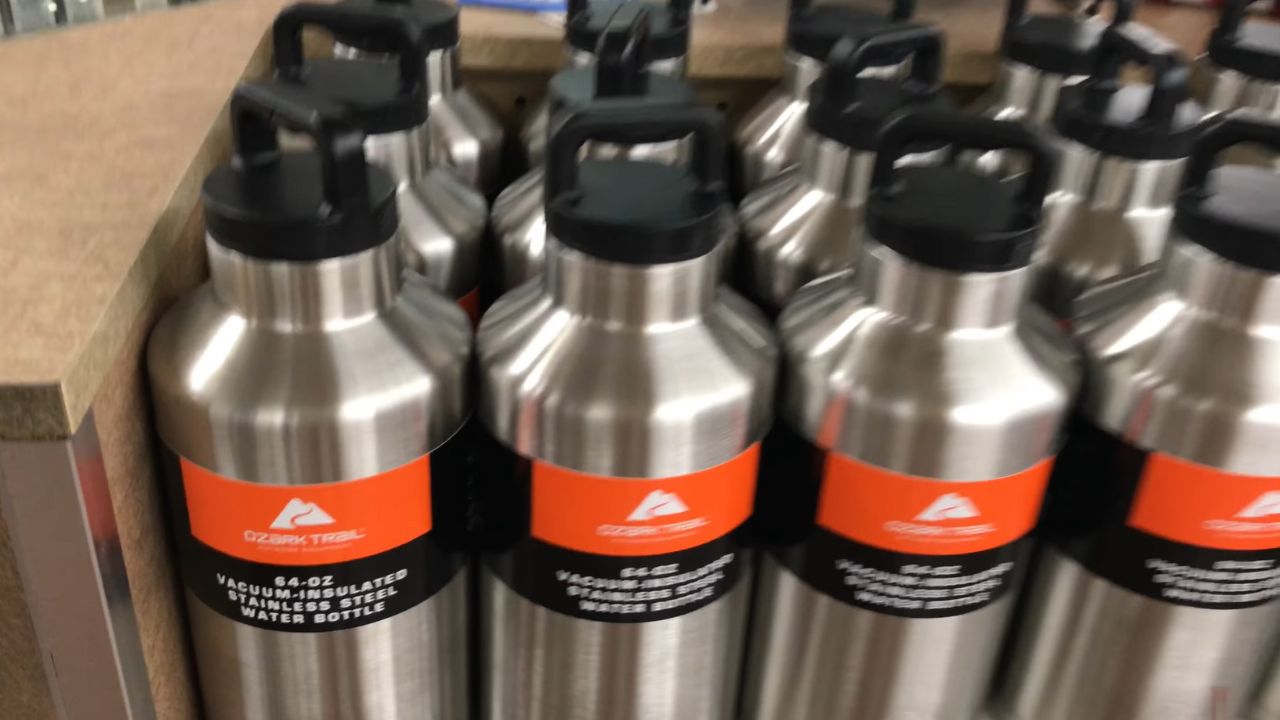
On July 10, 2025, Walmart and the CPSC issued a recall for 850,000 Ozark Trail 64-ounce stainless steel insulated water bottles. The lids could violently eject, striking users in the face.
The recall applied to bottles sold in U.S. stores and online. Walmart offered full refunds and urged customers to stop using the product immediately.
Nationwide Scope
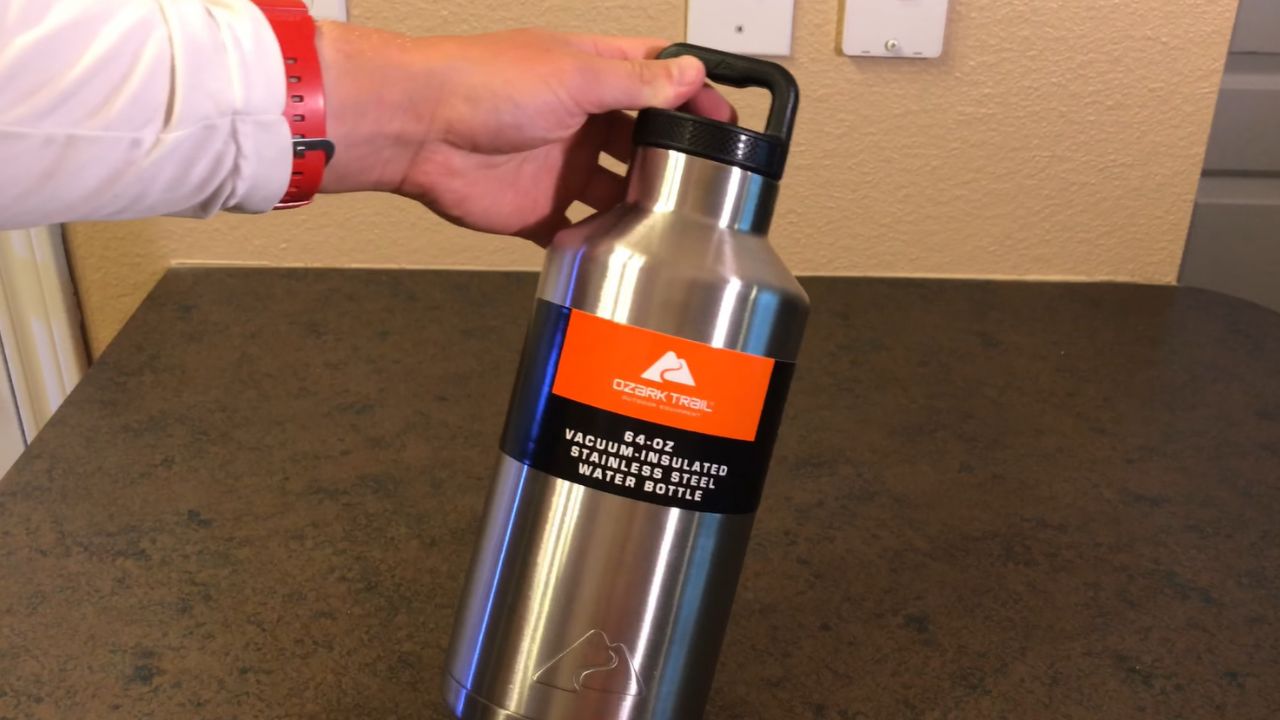
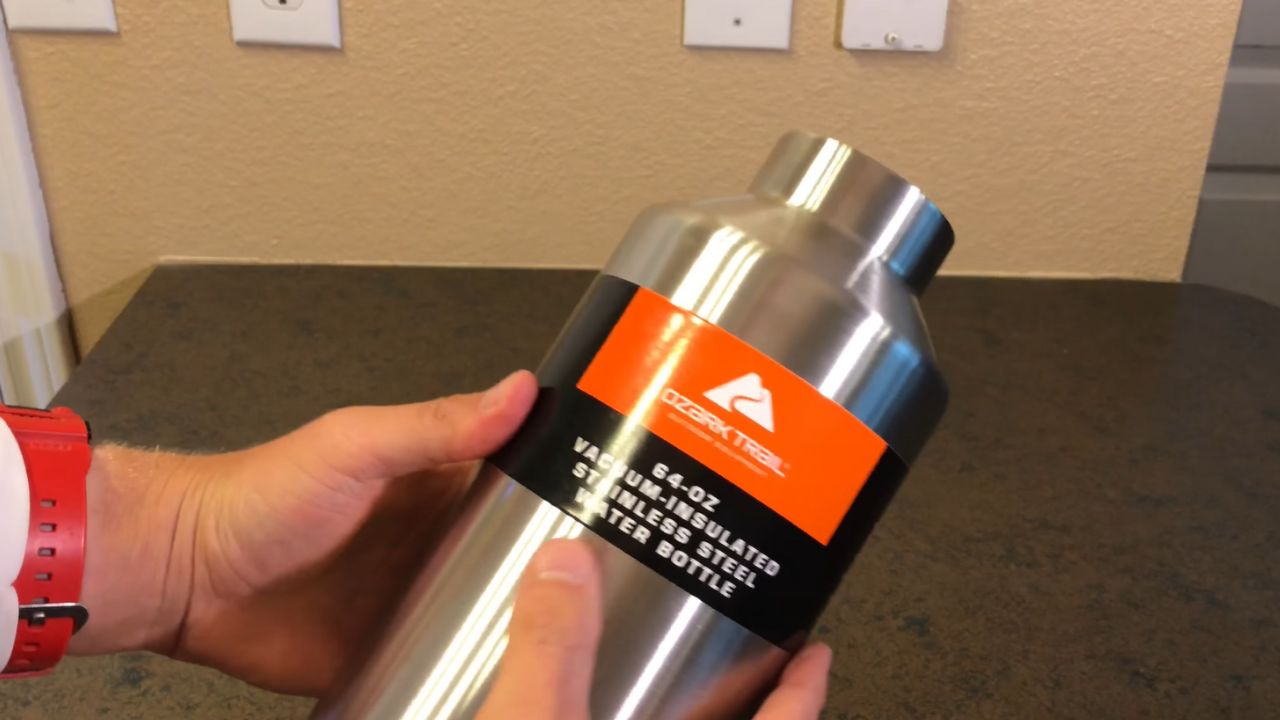
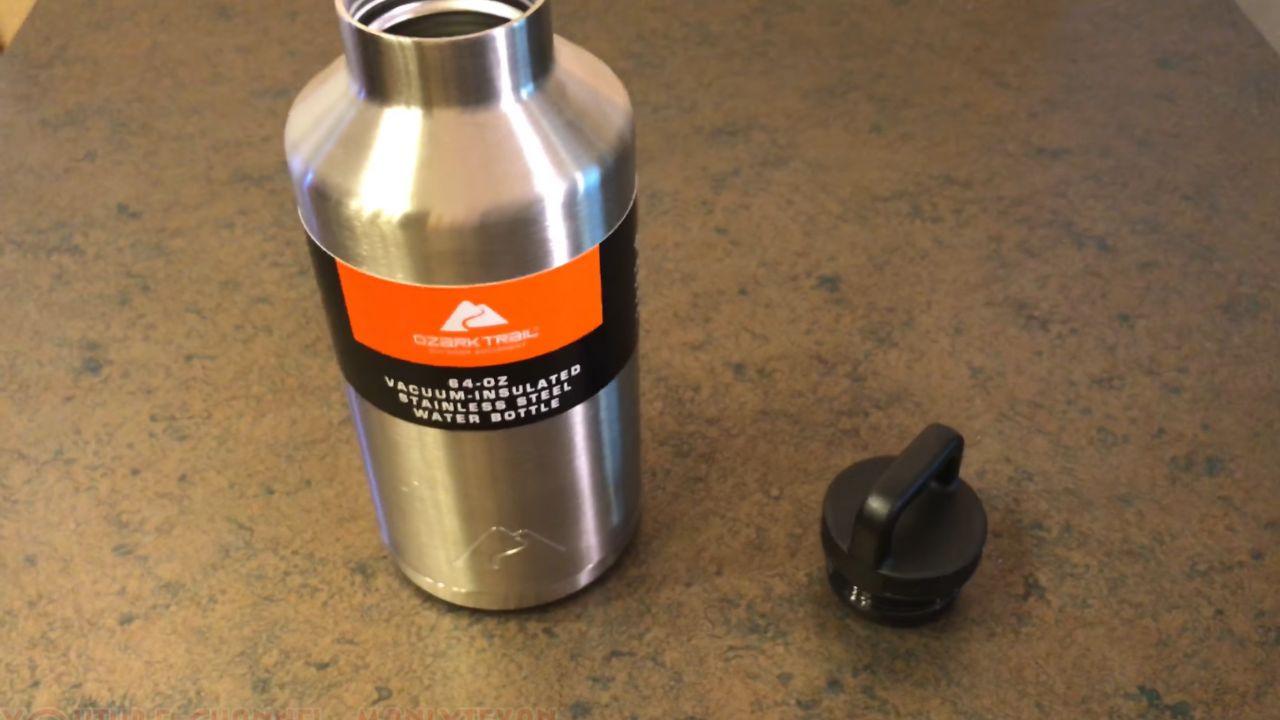
The recalled bottles were sold exclusively at Walmart and Walmart.com since 2017. They are silver stainless steel with black screw caps and labeled model 83-662 on packaging.
Measuring 4.41 × 4.41 × 11.5 inches, the bottles reached consumers in every U.S. state. Regulators urged households nationwide to check cabinets, backpacks, and gym bags.
Victims Speak Out

The CPSC confirmed three injuries tied to the bottles. Two consumers suffered permanent vision loss after being struck in the eye by ejected lids. A third sustained facial lacerations.
Regulators described victims being “struck in the face by a lid forcefully ejected.” For affected families, the consequences of a low-cost hydration product became lifelong.
Regulatory Heat
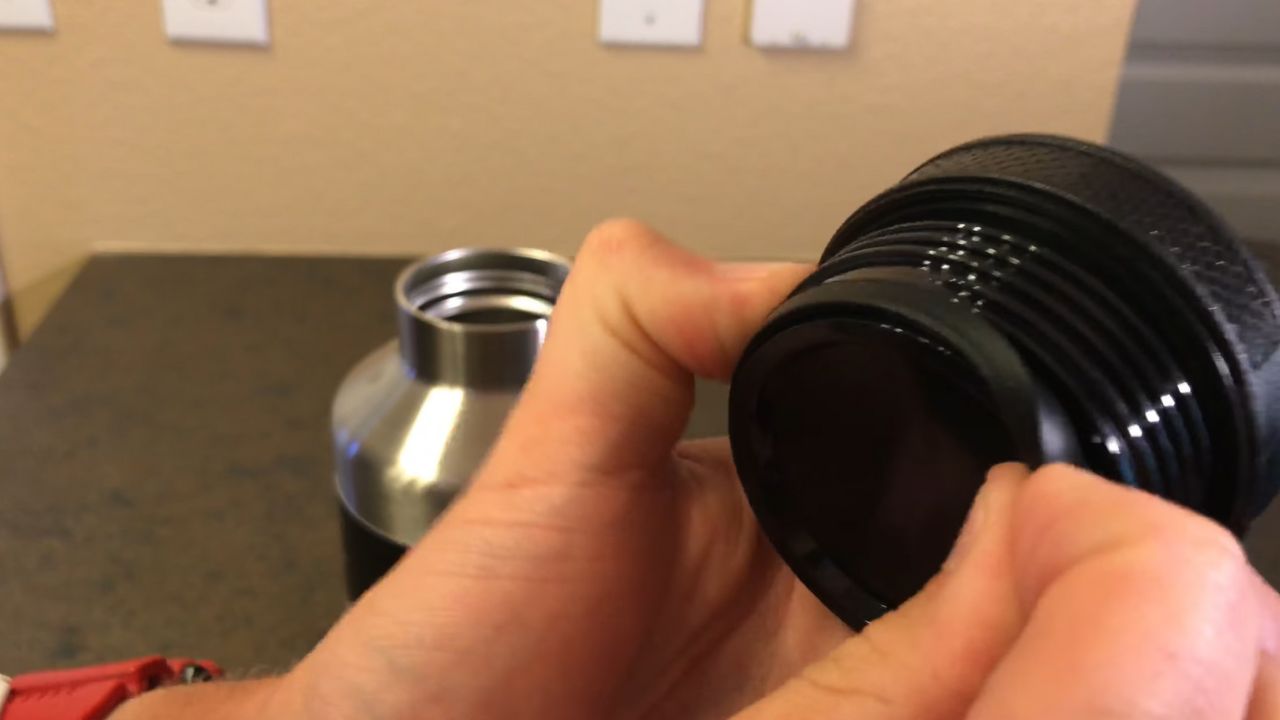
The CPSC classified the recall under Recall No. 25-377, barring resale under federal law. The action followed other high-profile 2025 recalls, including 1.85 million SharkNinja pressure cookers linked to over 100 burn injuries.
Walmart removed remaining stock swiftly as regulators emphasized that retailers must act once a product poses an unreasonable risk.
Decade-High Trend
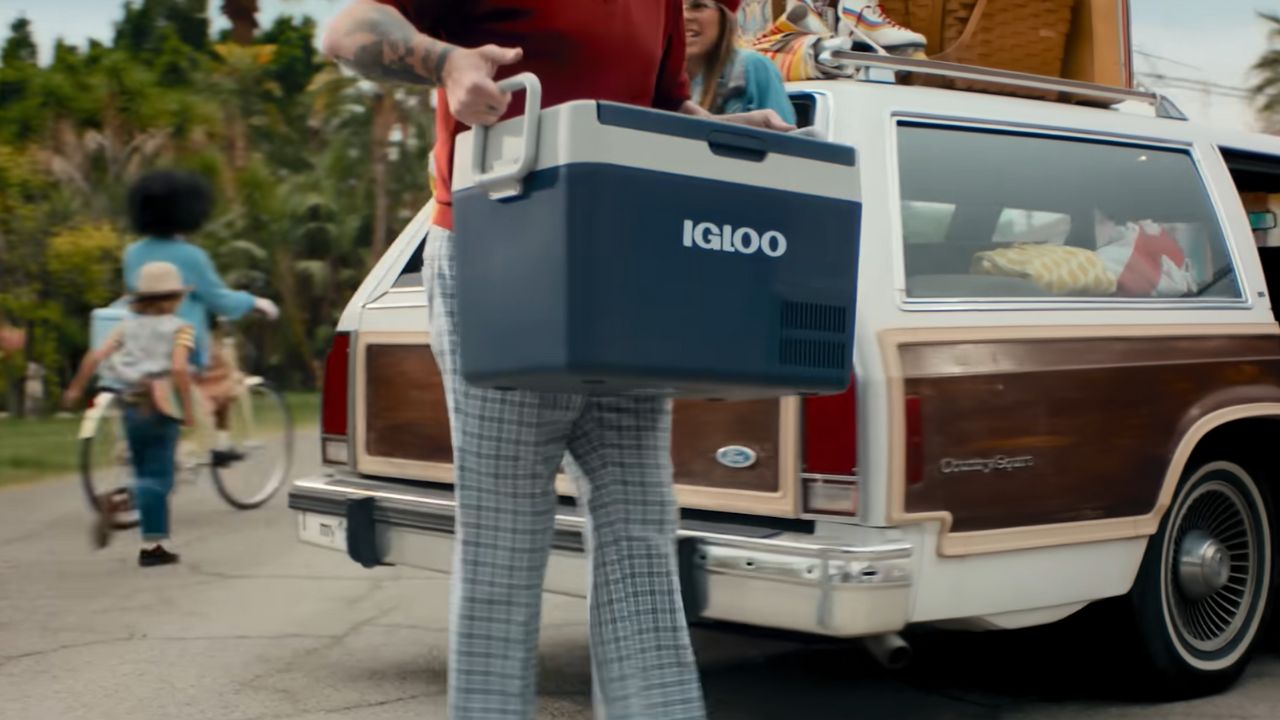
Beyond water bottles, 2025 recalls included Igloo coolers linked to fingertip amputations, Anker power banks that ignited fires, and Costco Kirkland Prosecco bottles that shattered spontaneously.
With more than 350 products recalled, regulators cited manufacturing defects and quality-control lapses. Product-related injuries already cost the U.S. economy over $1 trillion annually.
Design Flaw Exposed
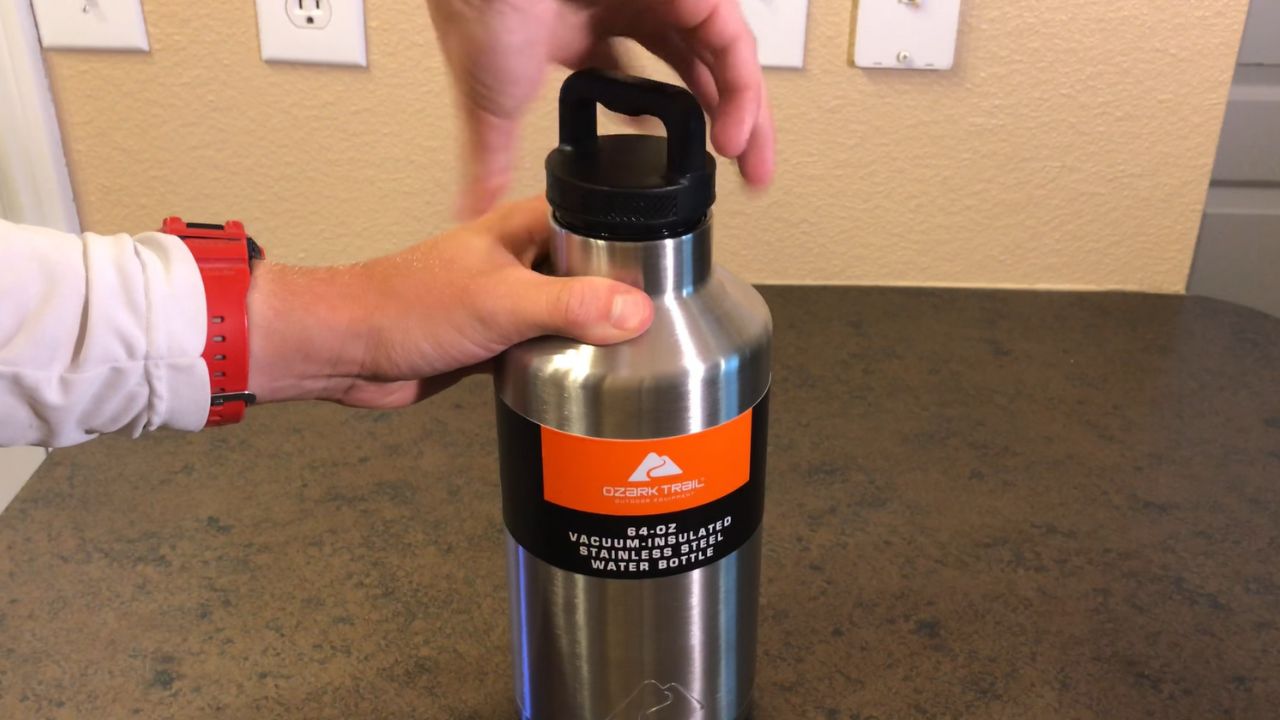
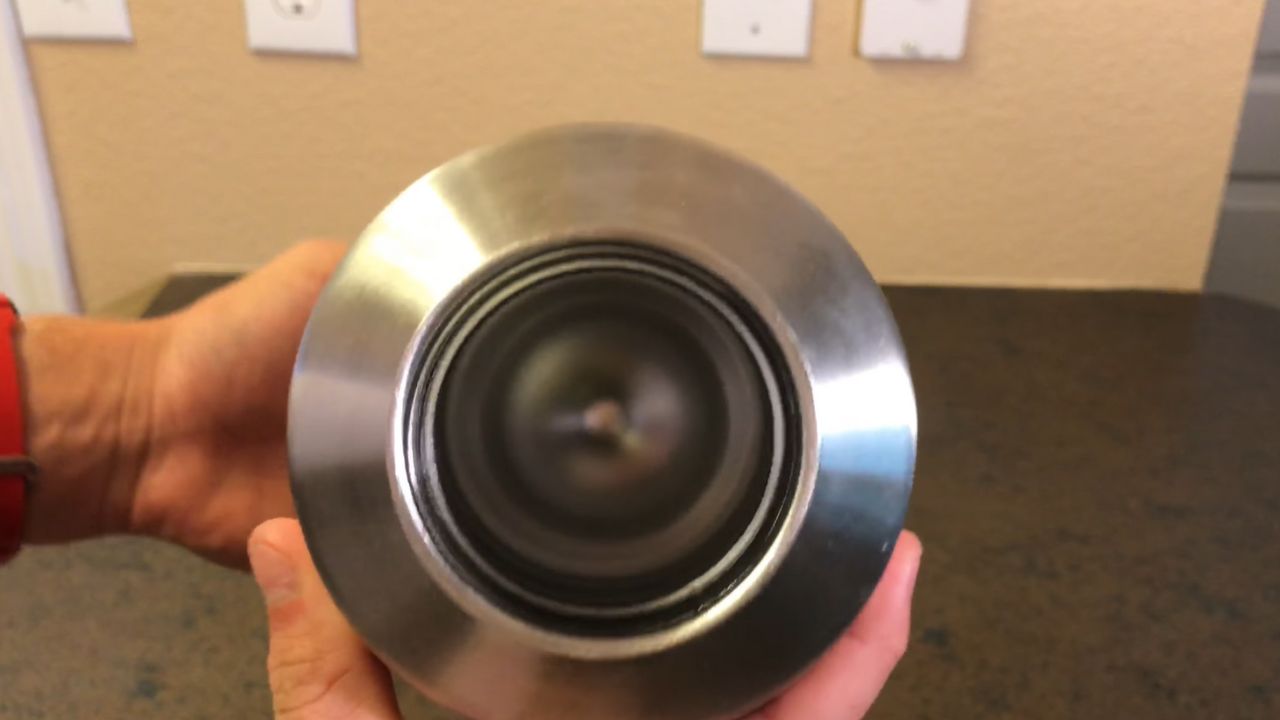
The central defect was structural. Unlike vented competitors, the Ozark Trail bottle lacked a pressure-release valve. When perishable liquids fermented, pressure had nowhere to escape.
Attorneys and safety experts pointed to inadequate testing that failed to reflect real-world use. The importer, Olympia Tools, was named alongside Walmart in recall documentation.
Retailer Frustrations
Walmart said it was “concerned for customer safety” and urged customers to check products immediately. Consumers were directed to Walmart’s customer service line for guidance.
Internally, the retailer coordinated recalls and refunds while responding to growing public scrutiny over how such failures reached store shelves.
Leadership Response

No executive resignations followed, but Walmart worked closely with the CPSC to manage the recall. Olympia Tools shared responsibility as importer.
According to regulators, both parties cooperated promptly. Walmart also indicated it would review supplier standards and testing protocols to reduce future risk.
Refund Rollout
Consumers were instructed to return recalled bottles to any Walmart location for a full refund, with no receipt required. Online customers could also access recall information through Walmart’s website.
All 850,000 units were eligible, making the program one of the largest hydration-product refunds in recent years.
Expert Doubts

Product-liability attorneys warned the case may fall under strict liability, meaning victims need only show the product was defective and caused harm.
Experts questioned whether fermentation risks were overlooked during testing. While long-term injury rates have declined since the 1970s, 2025’s recall spike raised fresh concerns.
Safety Horizon
The recall reignited debate over mandatory safety features in insulated bottles. Regulators encouraged consumers to monitor SaferProducts.gov alerts.
Retailers began discussing redesigns, including pressure-relief systems. Whether new standards emerge in 2026 remains an open question.
Policy Pushback

Consumer advocates argued the recall wave exposed enforcement gaps, particularly for imported goods. Federal law prohibits resale of recalled products, but critics say oversight often comes after injuries occur.
Calls grew for tighter screening of overseas manufacturing before products reach U.S. shelves.
Global Supply Ripples
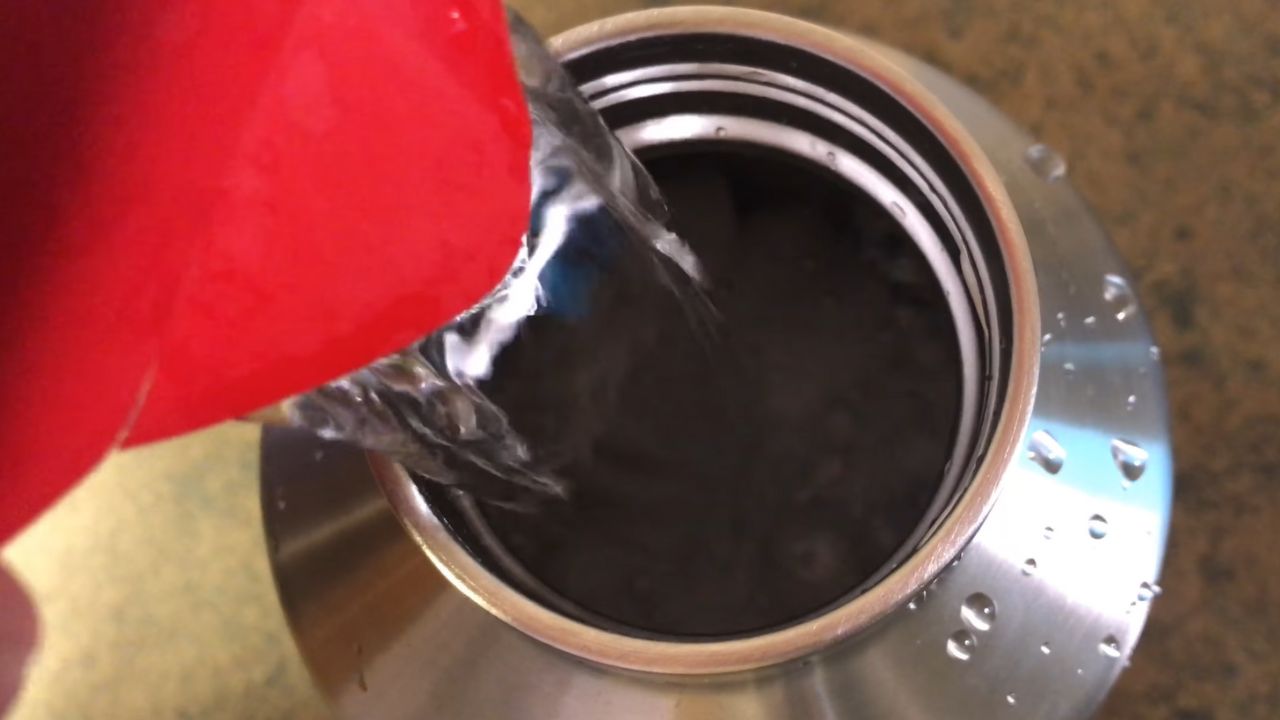
The bottles were manufactured in China, highlighting U.S. reliance on overseas production. Similar pressure-related incidents have been reported internationally.
Importers like Olympia Tools face increased scrutiny as regulators examine global supply chains tied to consumer injuries.
Legal Recourse
Under state product-liability laws, victims may seek compensation for medical costs, lost wages, and permanent impairment.
Attorneys confirmed investigations into design-defect claims. Vision loss cases, in particular, represent some of the most severe injuries linked to consumer hydration products.
Cultural Wake-Up
Reusable bottles symbolize sustainability, especially among younger consumers. The recall disrupted assumptions that eco-friendly products are inherently safe.
Safety experts urged shoppers to prioritize design safeguards over branding or price, noting that even trusted retailers are not immune to failure.
Recall Legacy
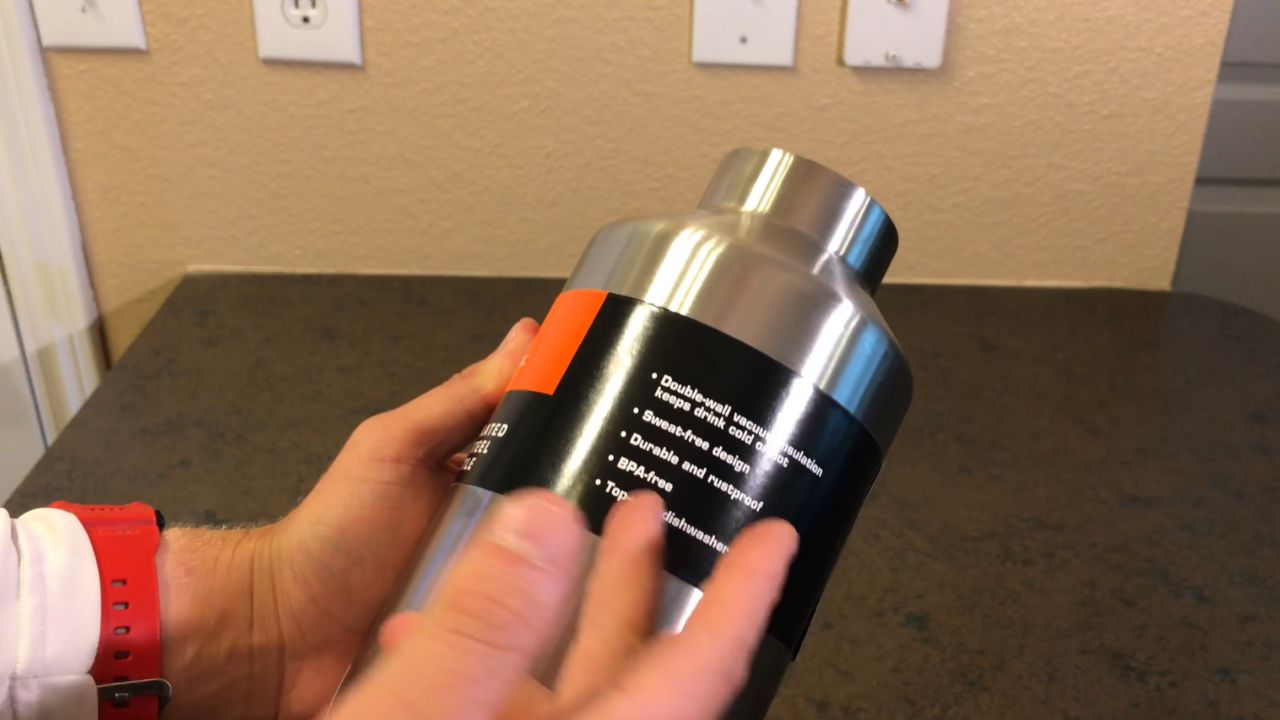
The Ozark Trail recall became one of 2025’s most striking examples of how ordinary products can cause extraordinary harm.
As recall totals hit decade-high levels, regulators, retailers, and consumers face renewed pressure to rethink safety testing, accountability, and vigilance moving into 2026.
Sources:
“Walmart Recalls Ozark Trail 64 oz Water Bottles Due to Serious Impact and Laceration Hazards.” U.S. Consumer Product Safety Commission, 10 Jul 2025.
“Walmart recalls 850,000 water bottles after customers suffer eye injuries.” USA Today, 11 Jul 2025.
“The Largest Consumer Product Recalls of 2025.” ETQ, 8 Sep 2025.
“SharkNinja Recalls 1.8 Million Foodi Multi-Function Pressure Cookers Due to Burn Hazard.” U.S. Consumer Product Safety Commission, 30 Apr 2025.