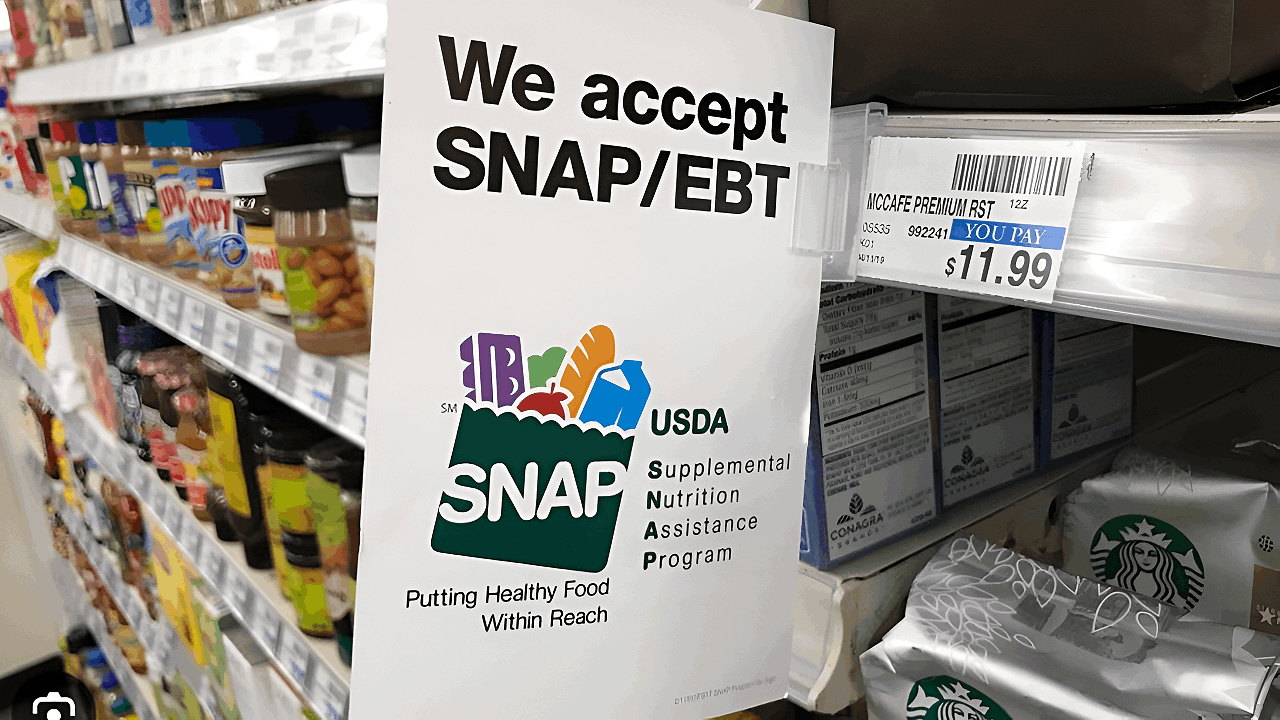
The clock ticks down as Walmart braces for a multibillion-dollar crisis. On November 1, 2025, a historic government shutdown will freeze Supplemental Nutrition Assistance Program (SNAP) benefits, cutting off access to food for 40 million Americans.
Walmart, the nation’s largest retailer, faces a staggering loss of up to $2 billion in sales—nearly a quarter of which comes directly from SNAP shoppers. As shelves empty and families scramble, what happens next for the world’s biggest retailer?
Why the SNAP Spigot Ran Dry: A Funding Crisis in Washington
The government shutdown, which has now lasted 27 days, has depleted USDA contingency funds, leaving the agency unable to issue new SNAP benefits.
The political gridlock has transformed a standard budget debate into a national emergency, affecting millions of low-income households and major retailers across the U.S.
Hunger Games: 40 Million Americans Face Immediate Food Insecurity
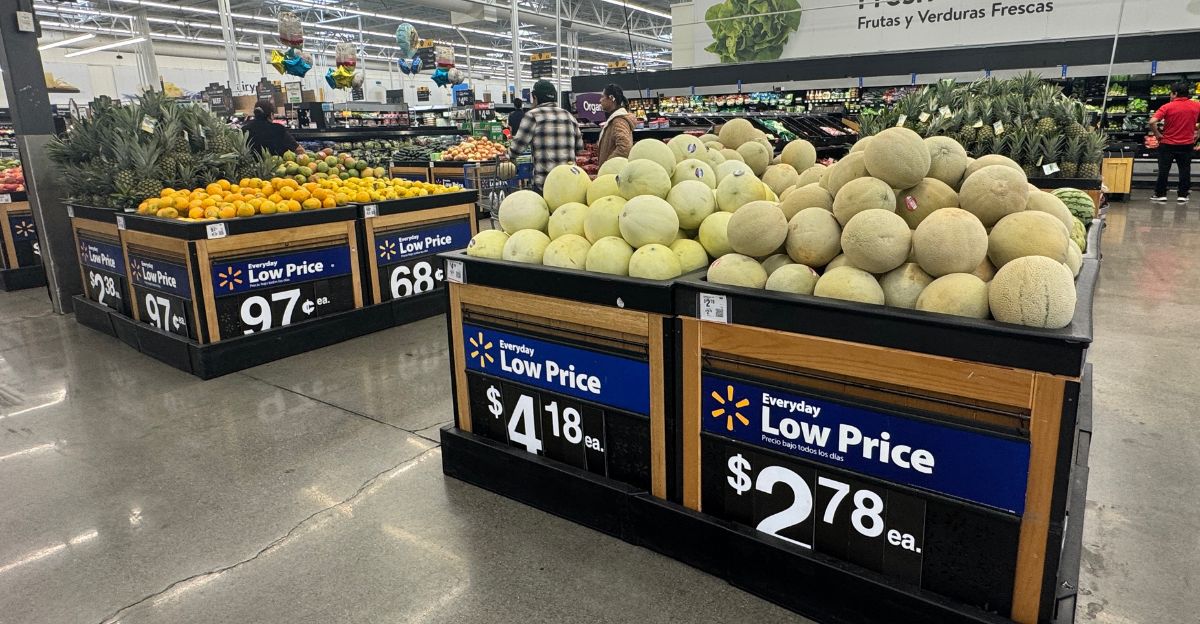
With SNAP benefits frozen, over 40 million Americans—including 1.4 million children who were lifted out of poverty in 2024—face increased food insecurity.
As food pantries ration aid and demand surges, families once reliant on SNAP find themselves without basic resources, leading to desperate choices.
Walmart’s $2 Billion November Nightmare
Walmart’s unique dependency on SNAP leaves it vulnerable to significant losses. Experts estimate the retailer could lose $2 billion in sales for November alone.
With 24% of SNAP shopper spending funneled through Walmart, the shutdown poses a major threat to the company’s $681 billion in annual revenue.
Grocery Sector Braces for an 8% Sales Blackout
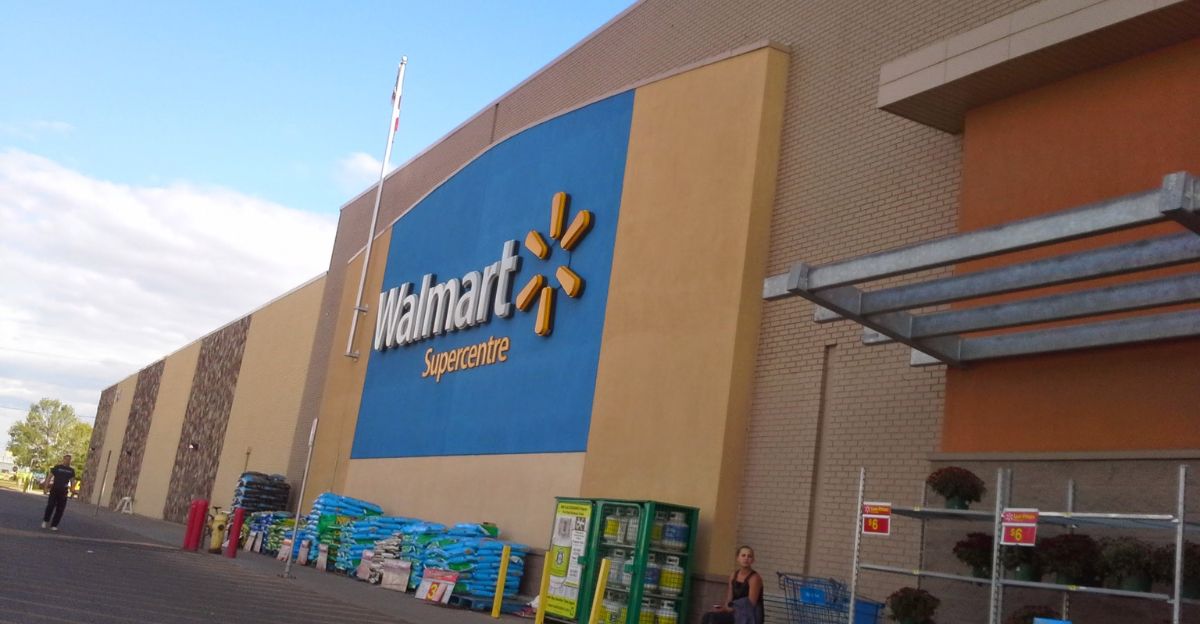
The entire U.S. grocery sector faces an 8% revenue loss in November as SNAP spending disappears. Besides Walmart, chains like Kroger, Amazon, and Sam’s Club are expected to feel the sting.
Retail workers, too, could face job cuts and reduced hours as grocery sales plummet.
Pantries, Dollar Stores, and Black Markets: The Substitution Effect
As SNAP benefits vanish, many families turn to food pantries, dollar stores, and informal networks.
However, with demand soaring, pantries are rationing supplies, and some households may resort to cheaper, less nutritious alternatives. These shifts could reshape shopping habits long after the benefits resume.
Global Food Trade Feels the Ripple
U.S. agricultural exports are also feeling the shockwave as domestic demand drops. Major CPG brands like Tyson Foods (8.4% of sales from SNAP households) and Post Holdings (10.6%) face uncertain futures.
International partners may see delayed payments and reduced orders, affecting supply chains globally.
Cashiers, Stockers, and Farmers: The Human Toll
The SNAP freeze hits more than just corporations; it has a personal toll. Retail employees, farmers, and food producers are facing job uncertainty.
Workers across the industry report concerns about maintaining employment and supporting their families as sales decline.
Capitol Hill Reacts: Calls for a Stopgap, But Gridlock Persists
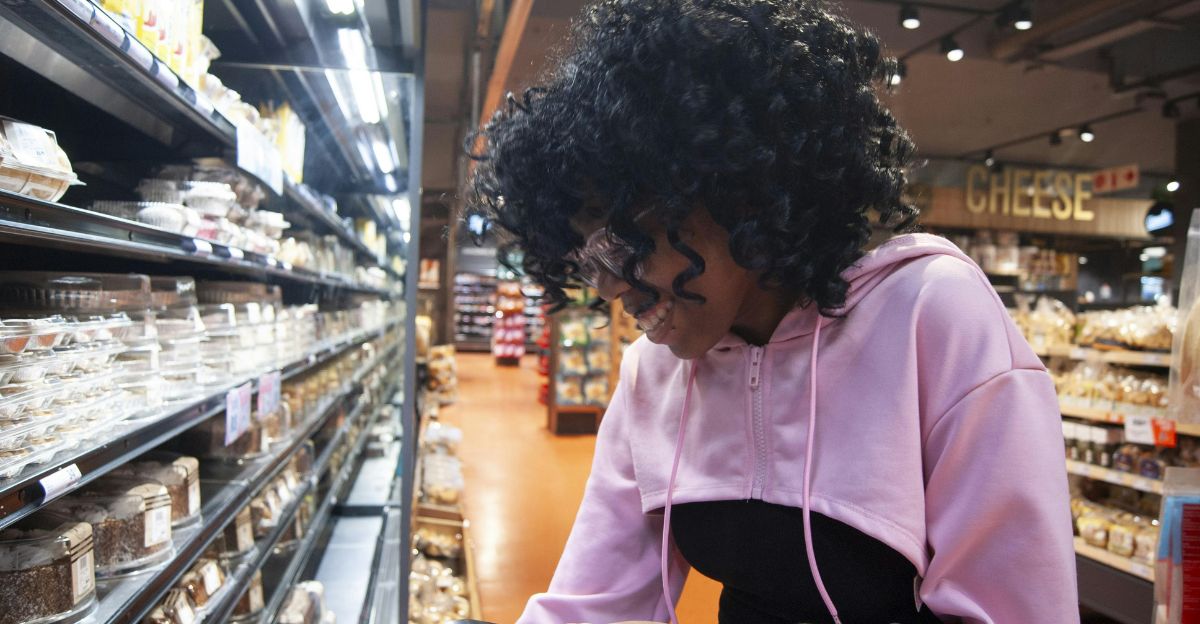
Congress is under pressure to pass a stopgap funding bill to prevent further SNAP disruptions. However, partisan gridlock has delayed action.
Advocacy groups warn that each day of inaction worsens the crisis, while business lobbies urge swift resolution to prevent greater economic damage.
Inflation’s Hidden Accelerator: When 8% of Grocery Demand Vanishes
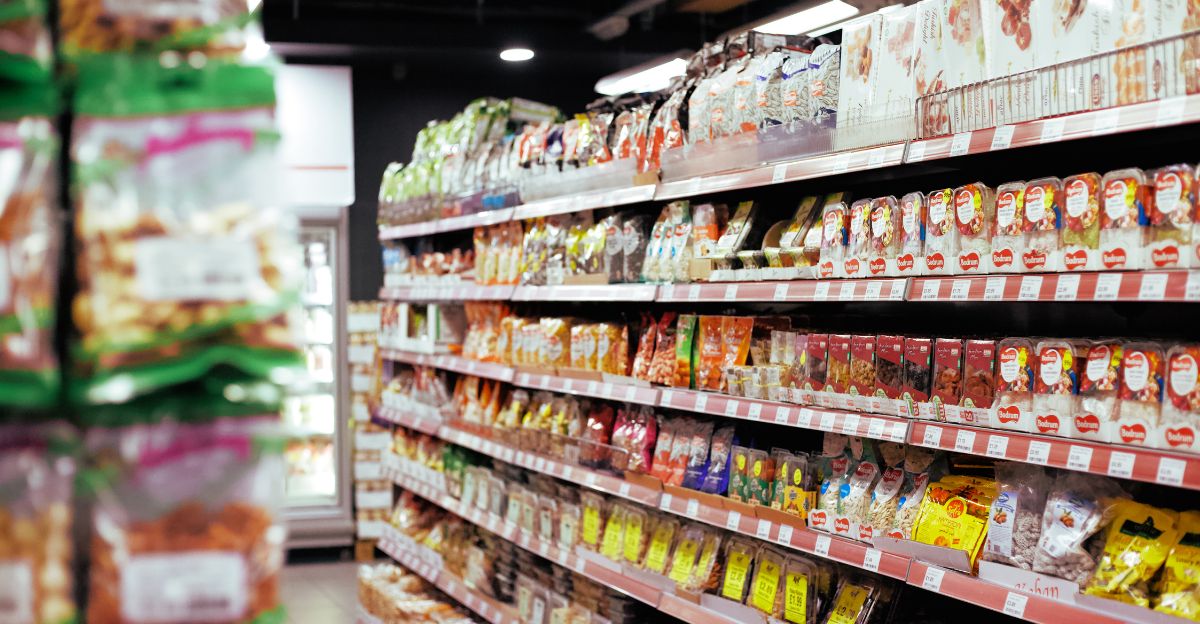
Economists predict the SNAP shutdown will distort grocery prices and supply chains.
The sudden disappearance of 8% of grocery demand may lead to both price drops in some items and scarcity in others. This disruption could complicate efforts to stabilize food inflation.
Health on the Line: Less Protein, Fewer Veggies, More Processed Foods
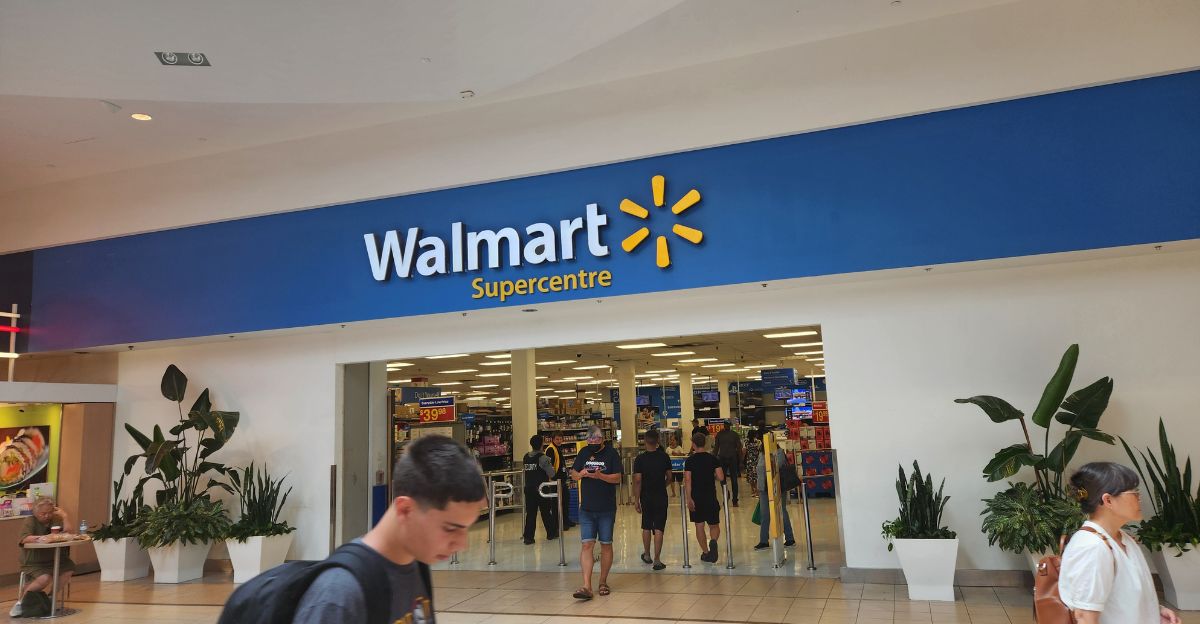
Nutrition experts warn that families relying on SNAP are already consuming fewer healthy foods. Prolonged cuts to benefits could exacerbate malnutrition and diet-related diseases, particularly among vulnerable groups like children and seniors.
The nutritional gap may widen, increasing public health risks.
Culture Clash: Food Security as a National Litmus Test
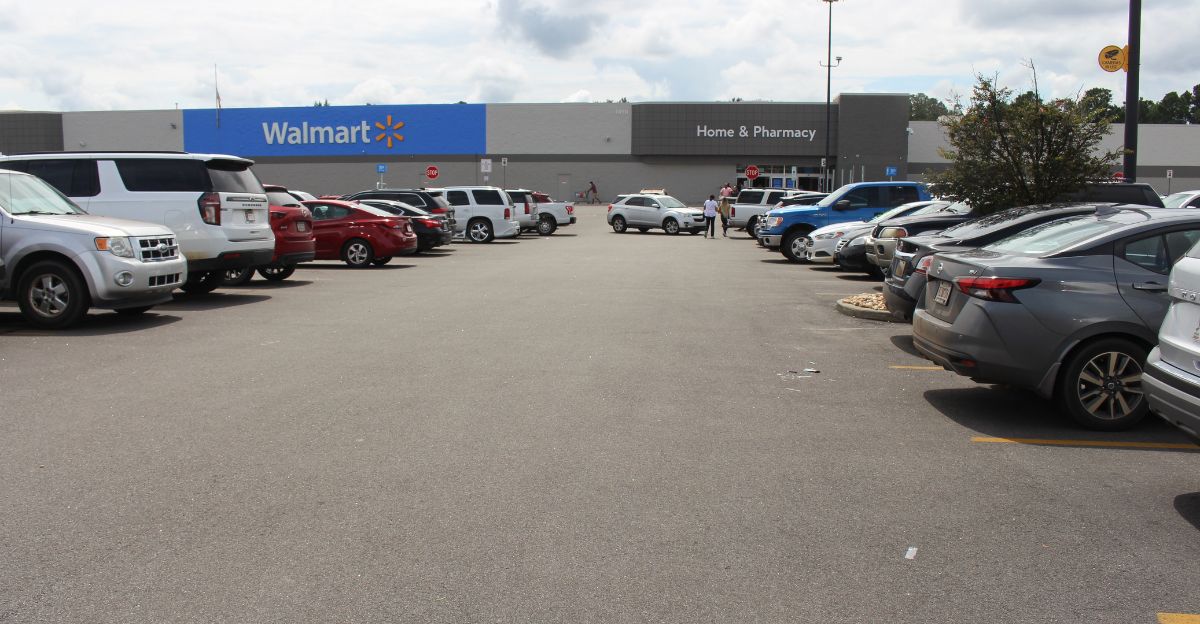
The SNAP crisis has sparked debates about America’s safety net. Some view the situation as a test of personal responsibility, while others highlight the systemic issues underlying food insecurity.
The paradox of food waste rising even as hunger spreads points to inefficiencies in food distribution systems.
Surprise Winners: Discount Chains, Meal Kit Startups, and Community Networks
Amid the crisis, alternative food options may flourish. Discount chains, meal kit services, and local mutual aid groups are positioned to meet growing demand.
At the same time, traditional grocery stores and large CPG companies are struggling, prompting investors to shift their focus to more adaptable, cost-effective players.
Markets on Edge: How Investors and Shoppers Can Respond
Financial analysts expect grocery stocks to face pressure, while “recession-proof” consumer goods may see increased interest.
Shoppers are advised to comparison-shop, use loyalty programs, and seek local food banks. Budget-conscious options like meal-planning apps and community-supported agriculture (CSA) can help families weather the storm.
After the Freeze: A Nation Forced to Rethink Food Security
The SNAP shutdown is not just a fiscal crisis—it’s a wake-up call for America. When benefits resume, the damage may already be done: altered consumer behaviors, a strained food system, and a wary retail sector.
The question remains whether this crisis will drive lasting reform or fade away.