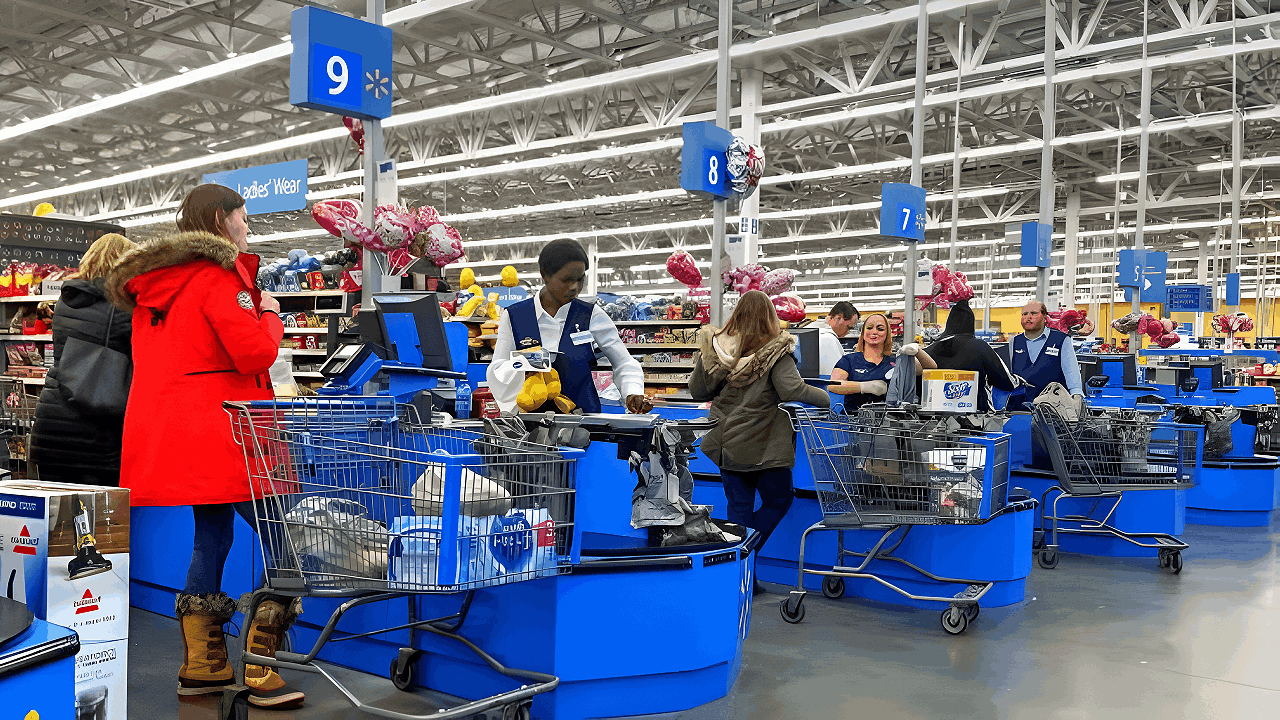
America’s food assistance safety net has collapsed. As the longest government shutdown in U.S. history enters its 36th day, the Supplemental Nutrition Assistance Program that feeds one in eight Americans ground to a halt on November 1, 2025, leaving 42 million people—and the nation’s largest retailer—scrambling for solutions.
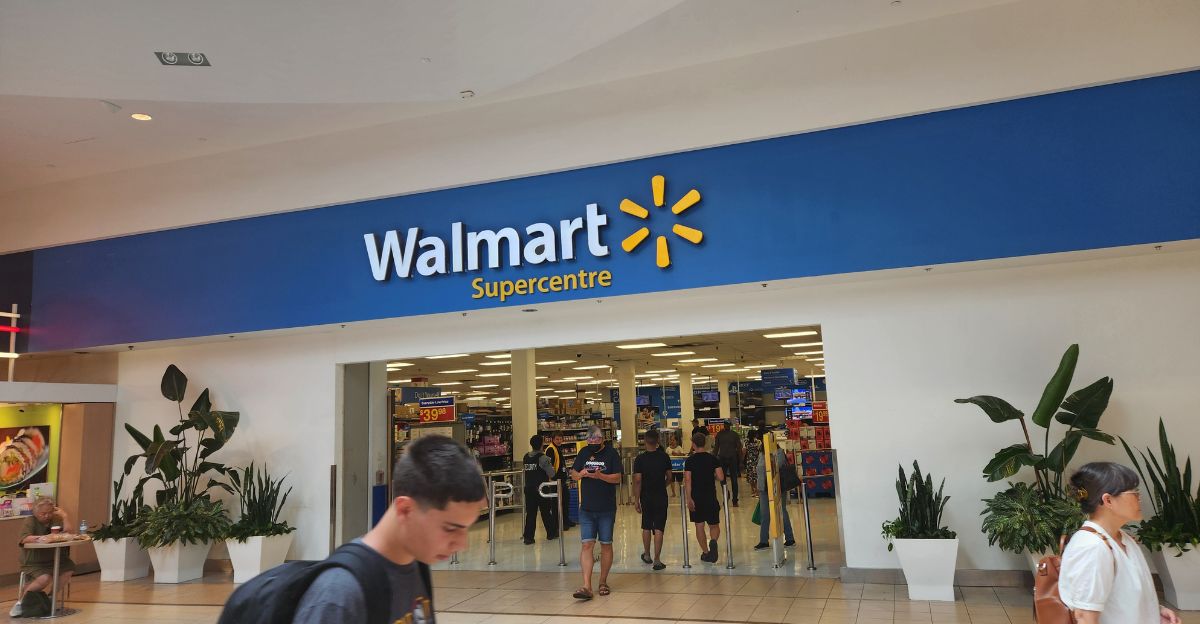
Walmart, which captures nearly a quarter of all SNAP spending, faces an estimated $2 billion sales hit in November alone. The freeze marks an unprecedented disruption to a program that pumps roughly $8.3 billion monthly into grocery stores nationwide, with ripple effects extending far beyond retail aisles.
When Politics Met Empty Plates
The crisis stems from a funding impasse that began October 1, when Senate Democrats and Republicans failed to agree on a government funding bill. Democrats pushed for extending expiring Affordable Care Act subsidies and reversing Medicaid cuts; Republicans insisted health policy discussions wait until after the shutdown ends. The deadlock has now surpassed the previous 35-day record set during the first Trump administration.
The U.S. Department of Agriculture initially announced it lacked funds to issue November benefits, with Secretary Brooke Rollins bluntly acknowledging the failure: “Your government is failing you right now. That poverty line is not red or blue, it is not a Republican or Democrat issue, doesn’t matter who you voted for or even if you voted”. After federal judges in Rhode Island and Massachusetts ordered the administration to continue payments using emergency reserves, officials agreed to provide only 50-65% of normal benefits—with implementation delayed for weeks or months in some states.
The Human Cost
For SNAP recipients like Erin Annis, a Pennsylvania resident unable to work after cancer treatments and knee replacement surgery, the stakes are existential. “This should not be a political issue. This should be a human privilege to be fed,” Annis told CBS News. When asked what the benefits mean to her life, she answered simply: “Everything. It means everything to me”.
The partial payments announced by the Trump administration may exclude nearly 1.2 million households—almost five million people—who could receive zero benefits this month due to complex calculation rules imposed on states. Food pantries report surging demand as they ration dwindling supplies, forcing families toward cheaper, less nutritious alternatives.
Retail Sector Absorbs the Shock
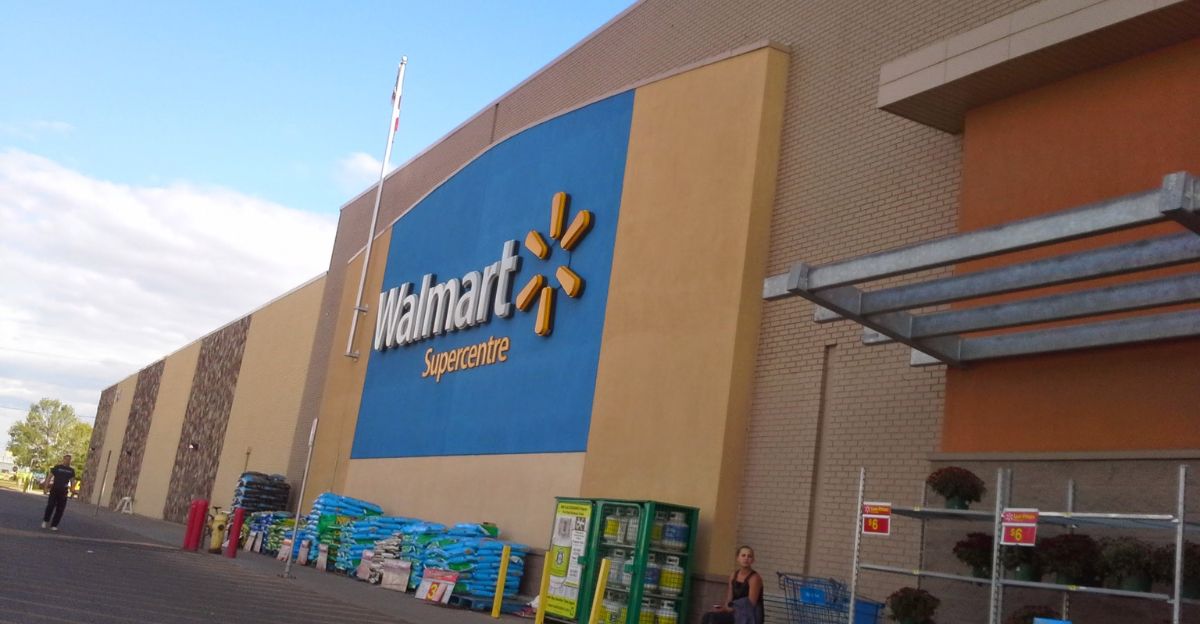
Ismael Martinez, an economist at the Economic Policy Institute, warned of widespread economic pain. “SNAP benefits constitute about 8% of all grocery retail spending; even a minor disruption in this expenditure could lead to layoffs and other difficult adjustments within the industry,” Martinez told Newsweek. He noted that SNAP allocations comprise more than 8% of Walmart’s grocery sales.
Beyond Walmart, other major retailers face significant exposure: Kroger accounts for 8% of SNAP spending, followed by Costco at 6%, Amazon at 5%, and Sam’s Club at 4%. The sudden disappearance of $8 billion in monthly purchasing power threatens jobs and hours for retail workers across the sector.
A Global Outlier
The disruption highlights paradoxes in America’s approach to food security. Despite ranking among OECD countries with the lowest food insecurity risk based on economic indicators, the U.S. still sees 8-15% of its population facing food insecurity—rates higher than some peer nations. Unlike most developed countries, U.S. food assistance programs historically function as effective countercyclical stabilizers, automatically expanding during economic downturns. Research shows SNAP reduces poverty by approximately 10% and generates a 1.54 multiplier effect on GDP, meaning each dollar in benefits produces $1.54 in economic activity.
By contrast, food assistance programs in countries like Mexico provide far lower benefits as a percentage of income and reach fewer eligible households. The current shutdown represents the first time in SNAP’s history that benefits have been interrupted—a development that underscores both the program’s traditional resilience and the severity of the current political impasse.
What Comes Next
The administration’s decision to deplete the entire $4.65 billion contingency fund to cover partial November benefits means no resources remain for new applicants, disaster relief, or December payments if the shutdown continues. With Republicans controlling the House, Senate, and White House, pressure mounts to resolve the deadlock before the crisis deepens.
As families stretch remaining funds and food banks face unprecedented strain, the shutdown has transformed a budget dispute into a referendum on America’s commitment to its most vulnerable citizens. Whether this moment catalyzes lasting reform to the nation’s food security infrastructure—or fades as previous crises have—remains uncertain.