
The retail landscape is witnessing a significant transformation as Walmart and Dollar General initiate major reductions in self-checkout availability across the U.S. This marked shift signals a substantial pivot back to traditional staffed lanes after years of embracing automation.
As theft losses reached staggering heights, totaling $6.5 billion for Walmart in 2023, these decisions reflect a need to address growing customer frustrations and theft rates at kiosks. The industry is grappling with a crucial question: what has prompted these giants to reverse their automation strategies after investing heavily in self-service technology?
Billions at Risk
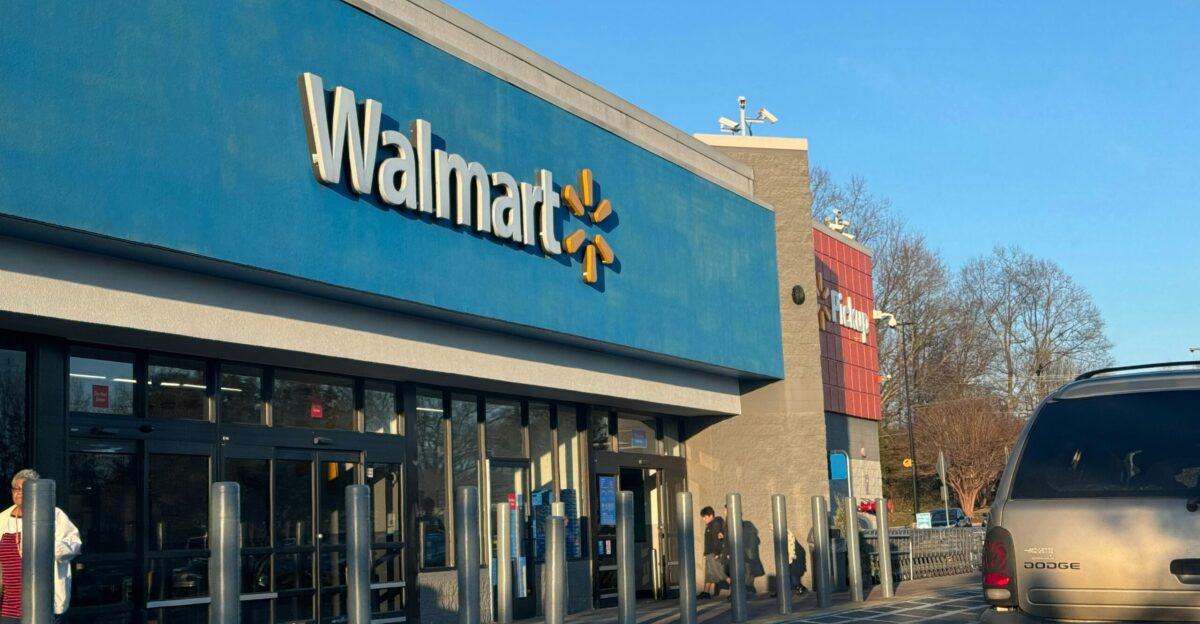
Retailers are facing the dire consequences of rampant theft, which has compelled a reevaluation of self-checkout systems. For Walmart, reported shrinkage due to theft reached an astounding $6.5 billion in 2023 alone. Dollar General and other retailers echo similar challenges, emphasizing the urgency of shifting back to staffed lanes.
This drastic measure is not merely about technology; it’s about safeguarding revenue, restoring customer confidence, and adapting to a market that demands more from retail environments. As retailers recalibrate their strategies, the financial stakes have never been higher.
Automation’s Rise
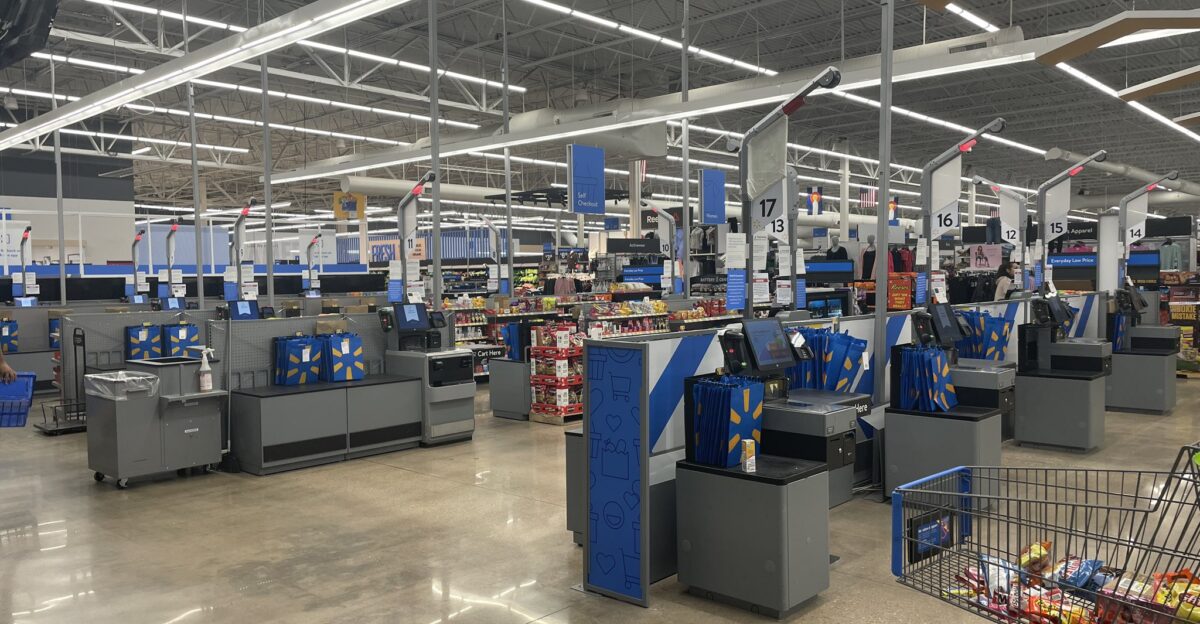
Self-checkout machines first emerged in major retail chains in the early 2000s, marking a new era that promised efficiency and reduced labor costs. By 2023, self-checkouts were responsible for nearly 44% of grocery transactions, a sharp increase from 29% in 2022, indicating that automation had become a runaway success. However, the tide has turned swiftly.
The current backlash against self-service kiosks highlights an urgent reckoning with the limitations of technology. Where convenience once thrived, retailers are now prioritizing security and customer service, marking a pivotal point in the evolution of the shopping experience.
Mounting Pressures
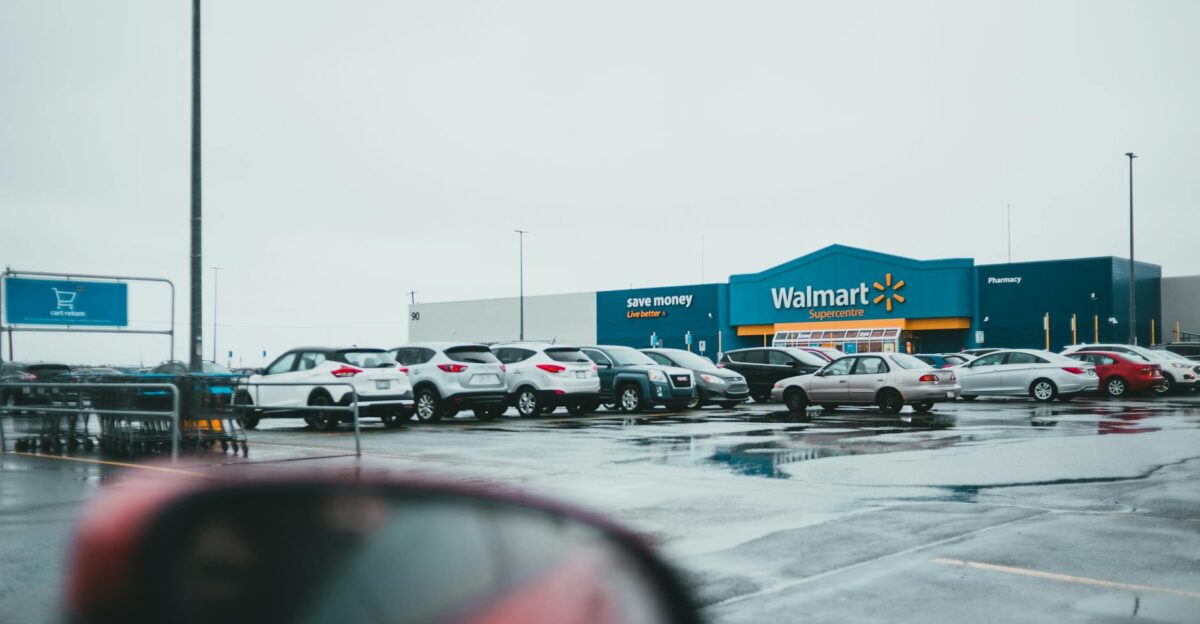
The alarming rise in theft incidents is a critical factor in the recent strategic shift. Retail data revealed that self-checkout lanes were five times more susceptible to theft compared to traditional cashier lanes. Additionally, customers expressed dissatisfaction with the confusing interfaces and inadequate assistance they experienced while using self-checkouts.
This growing frustration has left executives with an uncomfortable decision: should they continue along the path of automation or revert to a more human-centered shopping experience? This dilemma underscores the importance of adaptation in a rapidly changing retail environment.
The Big Reveal

In a bold move, Walmart has initiated the removal of all self-checkout machines from its Shrewsbury, Missouri Supercenter, taking similar actions in Cleveland, Ohio, and three New Mexico stores. Dollar General has promptly reacted by eliminating self-checkouts from 300 stores and converting some or all self-checkout registers to assisted checkout in 9,000 locations.
This seismic shift is anticipated to address concerns about theft while enhancing the customer shopping experience. As Walmart spokesperson Brian K. Little remarked, “We decided to take out self-checkout lanes and place staffed lanes in some stores,” emphasizing the priority of service over speed.
Regional Impact
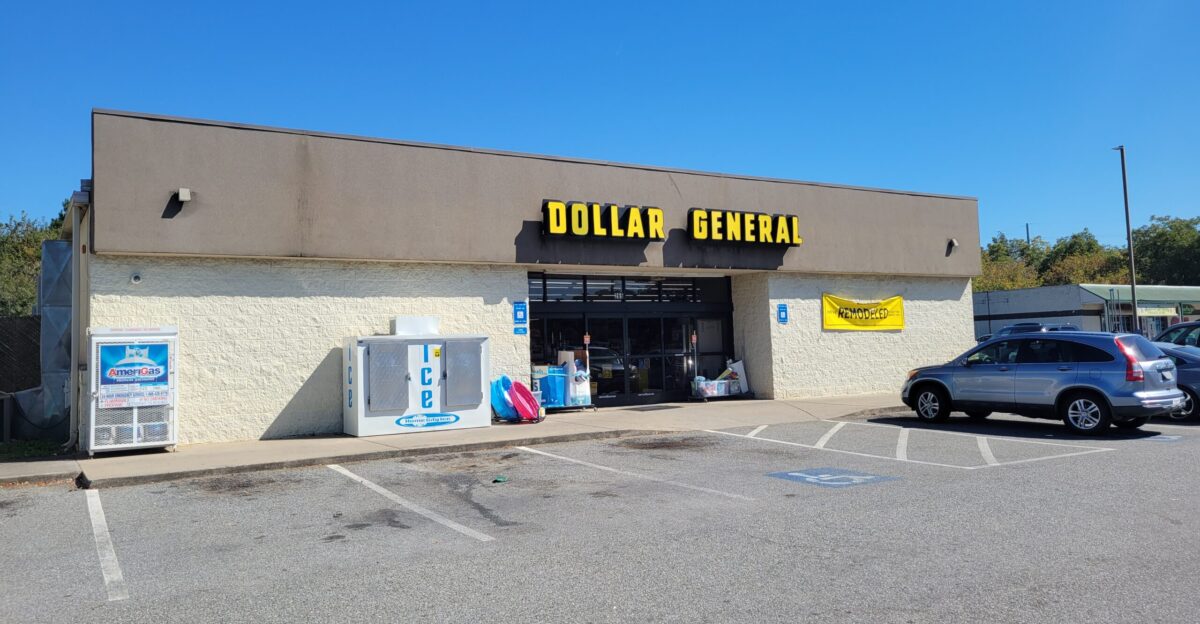
The changes in self-checkout deployment are not uniform nationwide. Walmart’s phased removal began in select states, specifically Missouri, Ohio, and New Mexico. Conversely, Dollar General’s conversion of 9,000 stores includes locations throughout nearly every U.S. state.
Local communities are beginning to witness the repercussions of this shift; while they may face longer wait times at checkout, they are also experiencing more personalized service from cashiers. This strategy reinforces the notion that striking a balance between technology and human interaction can foster a more effective shopping environment.
Human Touch Returns
The reintroduction of staffed registers signifies a hopeful turn for retail employees. Companies like Five Below are increasing staff across new locations, and Walmart associates are now able to provide more personalized customer service.
“We are focusing on providing a better experience for our customers,” said a local Walmart employee, reflecting a broader sentiment shared among workers. As retailers navigate this transition, the restoration of jobs and the development of enhanced service models can help rebuild trust and satisfaction among consumers, reintroducing a vital human element to the shopping experience.
Competitors Respond

In light of Walmart and Dollar General’s significant shift, competitors are reassessing their checkout strategies. Target has rolled out a 10-item-or-fewer express self-checkout option, catering to customers who still seek speed and convenience.
Meanwhile, Five Below is hiring more staff due to rising shrinkage at its self-checkout locations. This shifting landscape reveals that the industry may adopt a hybrid model, whereby technology complements human oversight rather than overtaking it, aiming for a balance that meets diverse customer preferences.
Macro Trends
The retreat from self-checkouts is indicative of a broader trend in the retail sector. Prominent retailers like Aldi, Amazon, and Booths are similarly slowing down their automation efforts, often citing issues with unreliable technology and growing customer dissatisfaction.
This shift marks a notable change in consumer behavior. Shoppers appreciate the efficiency of tech, but also crave meaningful interactions with human staff. The reevaluation of automated systems suggests that the future of retail may strike a balance between technology’s advantages and the human touch.
Jobs Restored

The pivot away from self-checkouts has resulted in the restoration of retail jobs within major retail chains. Companies like Five Below and Dollar General are actively hiring more cashiers to fill the gaps left by automation.
This trend represents a refreshing shift for retail workers, marking a notable victory in an era dominated by technology-driven layoffs. As the industry shifts back to more human-driven service models, employees find renewed opportunities for stability and career advancement.
Stakeholder Frustration

Despite the apparent benefits, not every stakeholder is satisfied with these changes. Some millennial customers who valued the speed and convenience of self-checkout now face longer lines and increased wait times.
Meanwhile, other shoppers are pleased with the return of personal interactions in stores. Retailers are now tasked with navigating these competing demands, striving to refine checkout strategies that harmonize speed with personalized service, ensuring they cater to a diverse customer base amid this ongoing transition.
Leadership Shifts
Adapting to the evolving retail environment has prompted shifts in leadership strategies. Walmart’s senior management, including its Senior Manager of Corporate Communications, emphasizes the importance of customizing checkout formats based on shopper volume and staffing requirements.
Store managers now possess greater autonomy to adjust lanes to meet local needs, reflecting a shift towards localized decision-making. This approach enables retailers to respond more effectively to the unique challenges and preferences of their customer bases.
Strategic Comeback
While Walmart and Dollar General are backing away from conventional self-checkout systems, they are not forsaking technology entirely. Walmart is piloting new AI-powered self-checkout systems at its Sam’s Club locations and exploring RFID-based scanning technology in select stores.
Their strategic comeback aims to combine the advantages of human service with advanced technology, demonstrating a commitment to enhancing customer experiences while striking a balance between security and efficiency. This dual approach may redefine the future functionality of retail environments.
Expert Outlook
Retail experts caution that merely removing self-checkout kiosks may not eliminate all associated problems. Longer lines could lead to customer frustration and potentially alter theft tactics.
Analysts advocate for a hybrid approach that combines the efficiency of technology with vigilant staff oversight as the most sustainable way forward. This strategy may not only mitigate theft but also elevate the overall customer experience, aligning more closely with consumer expectations in a rapidly evolving shopping landscape.
What’s Next?
As other retailers contemplate following Walmart and Dollar General’s lead, the industry is closely monitoring these developments. The outcomes of these initiatives could significantly transform shopping experiences nationwide.
Implications extend beyond checkout strategies to include job opportunities, the driver of technology in retail, and the essential element of customer service. The evolving retail environment promises exciting prospects and challenges that may redefine consumer interactions for years to come.
Policy Implications

As retailers shift away from self-checkouts, the broader policy landscape may also experience impacts. States like California have begun examining regulations that govern retail operations, especially in light of rising theft and the security measures needed to combat it.
Policymakers must consider how legislation can support retailers in implementing practical solutions without sacrificing job opportunities or consumer convenience. The outcomes of these discussions will shape the future of retail and the complex relationship between technology and employment.
The Consumer Perspective

What do shoppers think about the return to staffed lanes? Many express relief over the reintroduction of human cashiers, which fosters a sense of community and connection. A local shopper remarked, “I appreciate when someone is there to assist me,” highlighting the demand for personal interaction.
Yet, others lament the loss of the expedience once provided by self-checkouts. This mixed feedback suggests that while some customers welcome the change, others struggle with the trade-off between speed and service.
The Retail Climate
In the wake of this dramatic shift, the retail climate is poised for significant transformations. Companies must navigate a landscape marked by customer expectations for efficiency, security, and personalized service.
This change highlights the importance of retailers maintaining agility, enabling them to quickly adapt to market dynamics, consumer behavior, and emerging technologies. As the retail industry evolves, agility and responsiveness remain essential traits for those aiming to succeed in an increasingly complex environment.
The Road Ahead

Looking forward, the focus will likely center on how retail can innovate while respecting the nuances of human interactions. Retailers will be challenged to create shopping experiences that provide both technological efficiency and the comfort of personal service.
Observing how Walmart, Dollar General, and their competitors maneuver through this period of change will offer valuable insights into the future trajectory of retail operations, shaping strategies and customer engagement for years to come.
A Future Reimagined

The recent moves by Walmart and Dollar General reflect a seismic shift in retail, a transition away from reliance on self-checkouts and back towards human-centered service. This evolution promises not only to restore jobs but also to redefine the shopping experience.
As the industry grapples with the implications of this shift, one thing is clear: the future of retail will require a delicate balance between technology and the human touch. With ongoing challenges ahead, the quest for optimal service will continue to dominate discussions in the retail landscape.