
Walmart’s stock surged to an all-time high of $117.48 on January 12, 2026, fueled by the retailer’s landmark partnership with Google Gemini announced the previous day. The deal propelled shares up about 3% in one session, boosting market capitalization by billions and signaling investor confidence in Walmart’s aggressive push into AI-driven shopping.
What Just Happened at Walmart
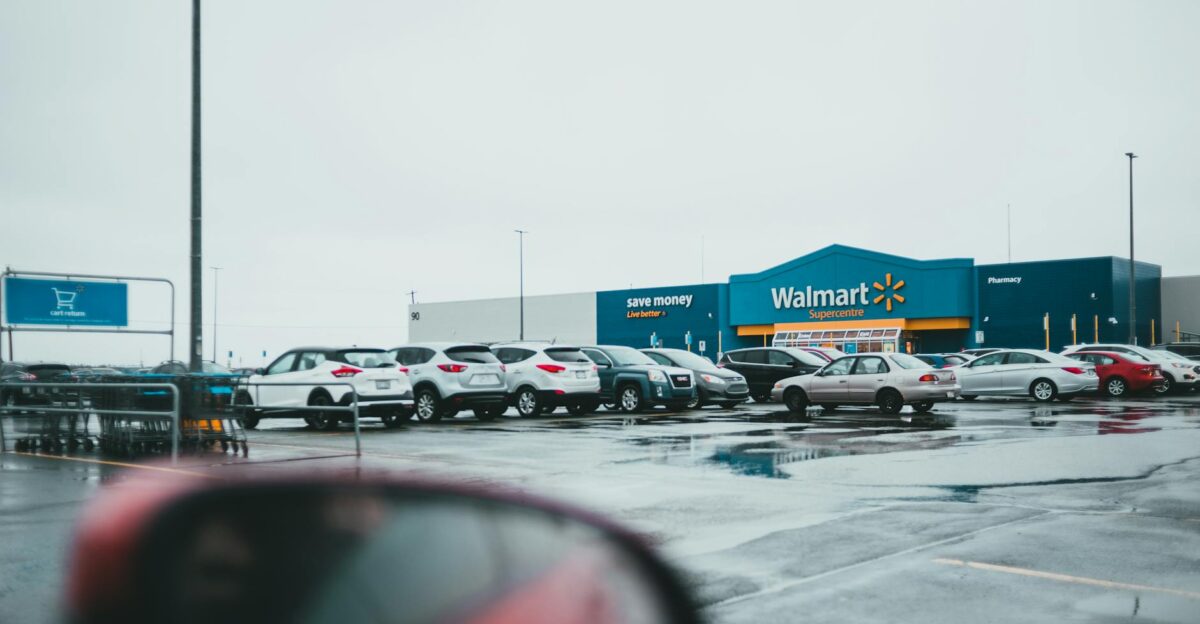
At the National Retail Federation’s Big Show in New York City, Walmart and Google announced plans to integrate the retailer’s full product catalog into the Gemini AI assistant. Shoppers will be able to converse with Gemini to browse items, receive personalized recommendations drawn from purchase history, and complete buys via Google Pay—all without visiting websites. Select deliveries will arrive in as little as 30 minutes, streamlining the path from intent to ownership.
Leadership Stakes Company’s Future on AI

Incoming CEO John Furner, set to take over on February 1, 2026, joined Google CEO Sundar Pichai to unveil the collaboration. Furner, with over 30 years at Walmart starting as an hourly associate, has led U.S. operations since 2019. Outgoing CEO Doug McMillon noted AI’s potential to transform every role at the company. This timing underscores Walmart’s commitment to AI as a core growth driver.
The Technology Powering the Revolution
Central to the partnership is the Universal Commerce Protocol (UCP), co-developed by Google and Shopify. UCP standardizes AI interactions with merchant systems, managing discounts, loyalty points, subscriptions, and transactions universally. Before UCP, custom integrations per retailer and AI platform hindered scale. Now, over 20 retailers—including Target, Home Depot, Best Buy, Wayfair, and Etsy—have adopted it, easing widespread rollout.
Walmart’s Multi-Platform AI Strategy
This Gemini tie-up follows Walmart’s October 2025 deal with OpenAI, enabling shopping via ChatGPT. The approach taps ChatGPT’s 700 million weekly users and Gemini’s 350 million monthly active users, engaging customers earlier in their shopping journeys across multiple platforms. Internally, Walmart launched Sparky, an app-based AI trained on proprietary data for product discovery, comparisons, review summaries, and contextual suggestions—like sports jerseys for game nights. In January 2026, Sparky introduced sponsored ads in recommendations, with 81% of users consulting it pre-purchase to sustain ad revenue in conversational shopping.
Amazon Takes the Opposite Approach
Unlike Walmart’s open model, Amazon confines its Rufus AI assistant to its ecosystem. CEO Andy Jassy forecasts Rufus driving over $10 billion in yearly sales, with users 60% more likely to buy. This closed strategy locks in customers, blocking rival discoveries via external AIs.
The Trillion-Dollar Market Opportunity

McKinsey forecasts $900 billion to $1 trillion in U.S. agentic commerce by 2030, or 15-25% of e-commerce, with global totals at $3 trillion to $5 trillion. Morgan Stanley projects $190 billion to $385 billion in U.S. AI-agent spending, capturing 10-20% share. Bain & Company aligns at $300 billion to $500 billion domestically. Salesforce data shows AI influenced 20% of 2025 holiday sales globally—$262 billion—with $3 billion on U.S. Black Friday. Yet conversion rates lag 86% behind traditional channels due to infrastructure shortfalls, despite 39% consumer adoption and 805% year-over-year growth in ChatGPT retail referrals.
Early promise meets hurdles: privacy worries affect 82% of consumers, with only 12% trusting AI for full purchases. As America’s largest private employer, Walmart eyes AI automating 60% of routine tasks like inventory and checkout, shifting staff to customer experience and strategy. Regulations intensify—New York mandates pricing algorithm disclosures, the FTC probes surveillance pricing, and EU rules add data compliance layers.
Physical stores bolster Walmart’s edge. Its 4,600 locations enable 30-minute delivery and instant pickup, countering e-commerce rivals’ shipping delays. With fiscal 2025 net sales of $674.5 billion and projected fiscal 2026 growth of 4.8% to 5.1%, the company expects revenues to reach approximately $707 billion to $709 billion, with margins at 3.3% from ads and automation; Walmart holds 21% of U.S. groceries and serves 270 million weekly customers.
Zero-click shopping—voicing needs for AI to handle research, buying, and delivery—demands superior data, fulfillment, and trust. UCP standardization, vast AI reach, and adoption set explosive growth for 2026-2027, including multi-retailer checkouts. Walmart’s head start positions it to claim outsized value, while competitors scramble amid infrastructure gaps, privacy risks, and rules—reshaping retail’s future.
Sources:
“Walmart partners with Google Gemini on shopping tool.” CNBC, 11 Jan 2026.
“Walmart and Google Turn AI Discovery Into Effortless Shopping Experiences.” Walmart Corporate News, 10 Jan 2026.
“Walmart Stock Jumps on Google AI Partnership.” Yahoo Finance, 12 Jan 2026.
“Agentic Commerce Impact Could Reach $385 Billion by 2030.” Morgan Stanley Insights, 7 Dec 2025.
“2030 Forecast: How Agentic AI Will Reshape US Retail.” Bain & Company, 16 Dec 2025.
“Walmart Announces John Furner as President and Chief Executive Officer.” Business Wire, 13 Nov 2025.
“The agentic commerce opportunity: How AI agents are ushering in a new era.” McKinsey & Company, 16 Oct 2025.