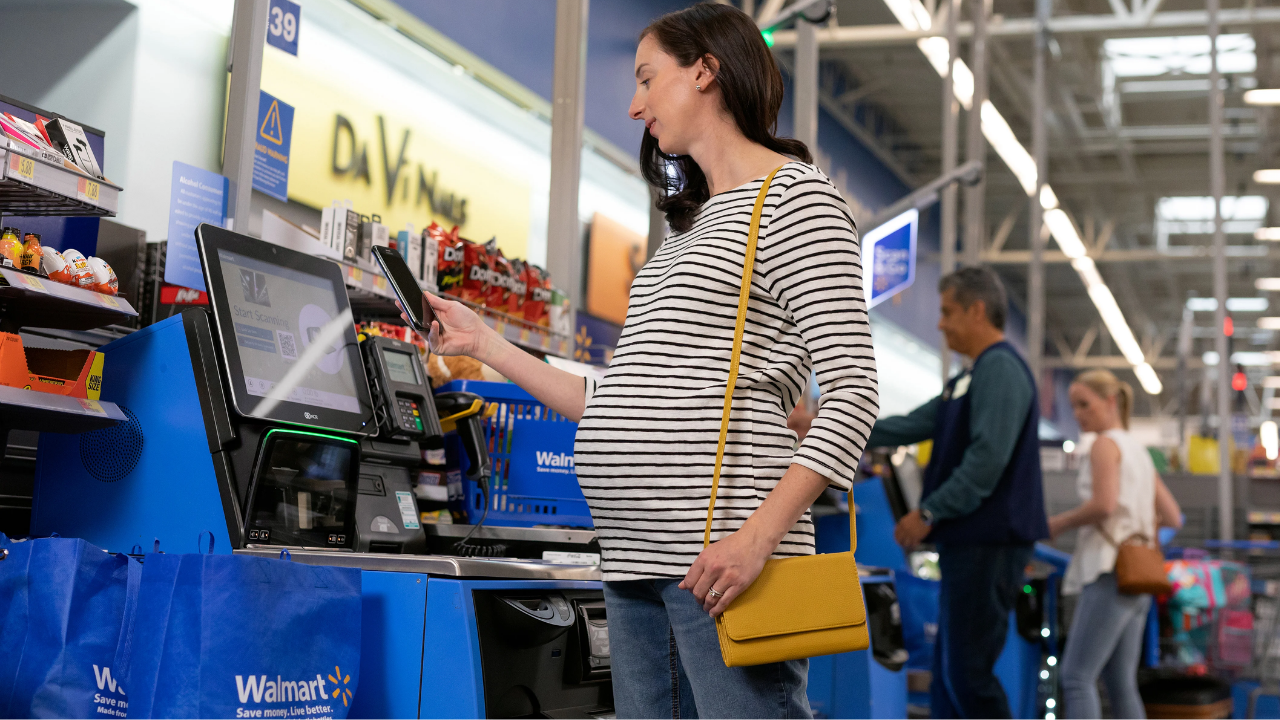
On a spring morning in 2024, discount retailers across America began quietly reversing years of automation. Dollar General, the nation’s second-largest retailer by store count, announced plans to convert 9,000 stores from self-checkout to assisted lanes and remove the technology entirely from 300 high-theft locations. Around the same time, select Walmart stores—including one in Shrewsbury, Missouri—shut down self-checkout altogether.
What began as an experiment in convenience has become retail’s most dramatic course correction in decades, reshaping more than 14,000 stores nationwide and signaling that the era of unmanned registers may have peaked sooner than anyone expected.
Why Retailers Pulled the Plug

The rollback stems from one persistent problem: shrink—industry shorthand for theft and loss. Dollar General CEO Todd Vasos called shrink the company’s “most significant headwind,” while Walmart’s Doug McMillon warned it could drive price hikes or store closures. With U.S. retailers losing an estimated $13 billion annually to theft and reporting a 93 percent increase in shoplifting from 2019 to 2023, action became inevitable.
For Walmart specifically, the financial toll has been staggering: the retail giant suffered losses from theft estimated at $3 billion in 2021, $6.1 billion in 2022, and $6.5 billion in 2023. Research indicates that self-checkout terminals account for approximately 50 percent of all Walmart’s losses, making them a focal point of the company’s theft prevention strategy.
Studies show 15 percent of shoppers admit to stealing at self-checkout, where theft rates run up to 16 times higher than at staffed registers. The financial drain has forced even the biggest retailers to reconsider how much convenience they can afford.
Longer Lines, Mixed Feelings
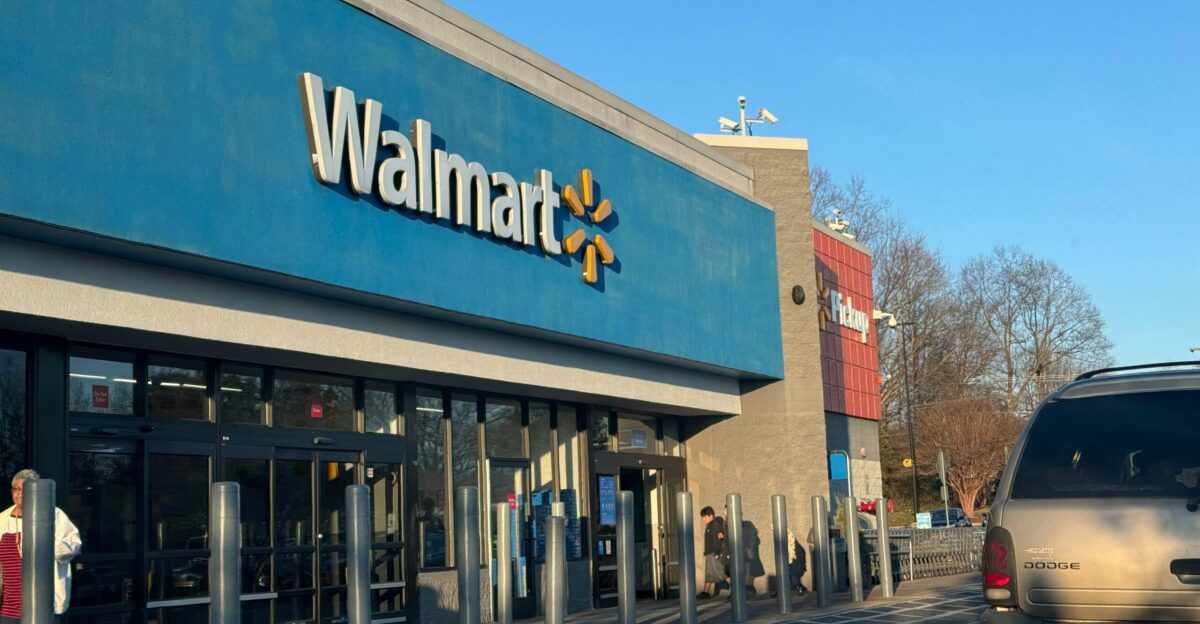
In Missouri, Ohio, and New Mexico, customers now wait at traditional lanes as self-checkouts vanish. The Shrewsbury, Missouri Walmart became a test case for the reversal—completed within just two weeks—demonstrating how quickly the retail giant can pivot when losses mount. Frustrated shoppers miss the quick scan-and-go routine, but Walmart says the change restores accuracy and accountability. Efficiency, for now, has yielded to security—an inconvenience many see as necessary.
Some Walmart locations have taken a hybrid approach, restricting certain self-checkout lanes exclusively to Walmart+ subscribers and Spark delivery drivers as of February 23, 2024. The move, while not mandated by corporate headquarters, reflects individual store managers’ discretion to balance theft prevention with customer flow.
For some, longer lines feel like a step backward. Yet many employees and managers note smoother operations and fewer incidents, suggesting that a slower checkout may ultimately save time, money, and stress.
The Industry Follows
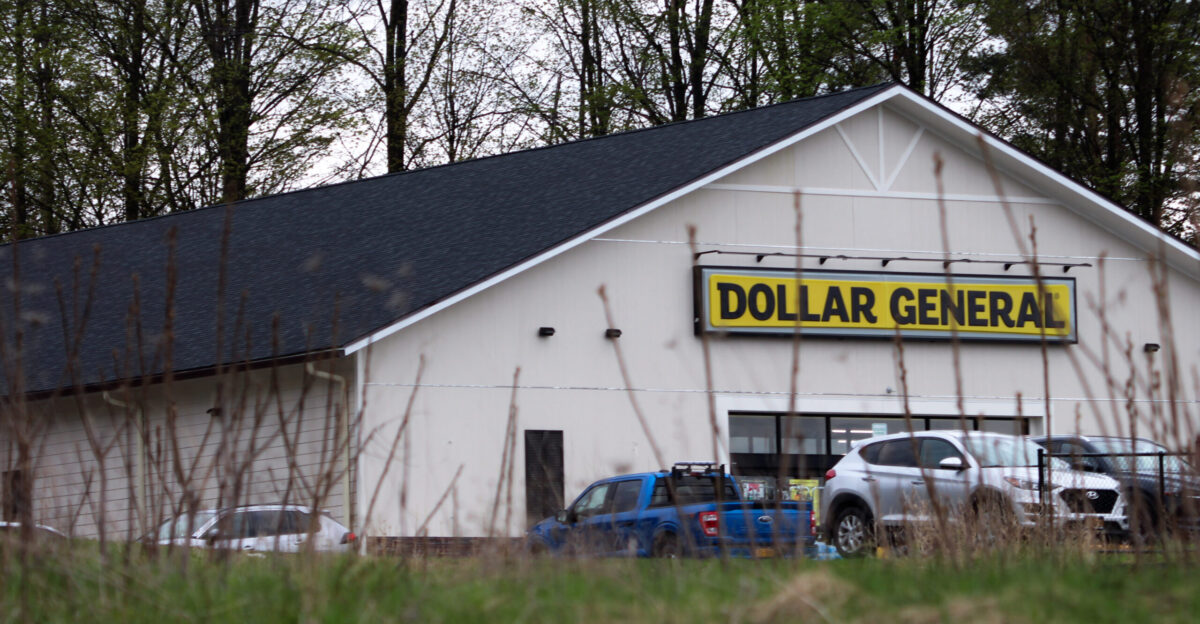
Dollar General’s retreat rattled competitors. By mid-2024 it had shifted or removed self-checkout in more than 12,000 of its 14,000 stores—the largest rollback in retail history. Target soon followed, limiting express self-checkout to 10 items nationwide.
Walmart removed the technology from several stores in Missouri, Ohio, New Mexico, and Los Angeles, while restricting it elsewhere to Walmart+ members only. Once a symbol of modernization, self-checkout has become a cautionary tale of automation without oversight.
Tech Firms Feel the Impact
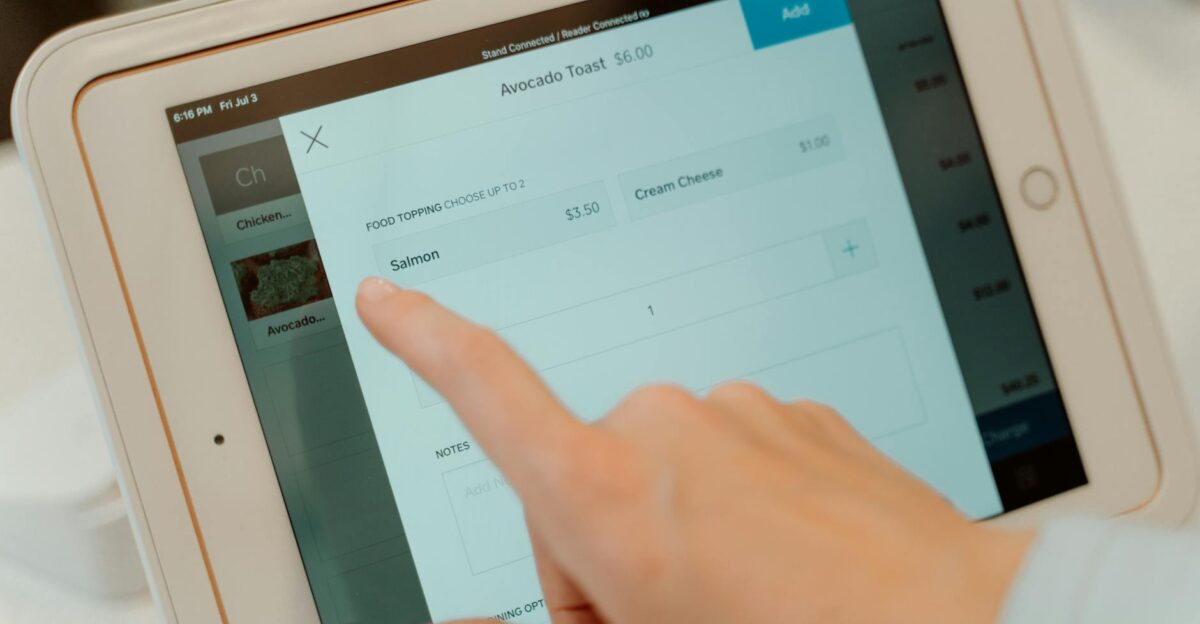
Hardware and software vendors are absorbing the shock. In 2023, 217,000 self-checkout terminals shipped globally—a 12 percent increase from the prior year—but U.S. orders have since declined sharply. Payment-tech firms, sensor suppliers, and kiosk manufacturers face uncertainty as expansion plans stall.
The crisis wasn’t confined to theft alone. In March 2024, a system failure at Walmart affected 1,600 stores, causing widespread mispricing at self-checkout kiosks for days. Customers were charged incorrect prices—some higher, some lower—due to a technical glitch that prevented product information from updating properly. While over 80 percent of overcharged customers received reimbursements, the incident highlighted the operational vulnerabilities of self-checkout systems and further eroded consumer trust.
For companies built on frictionless shopping, the friction has suddenly returned. Many are now pivoting toward AI-powered theft detection and “assisted automation” instead of fully self-serve systems.
A Global Rethink
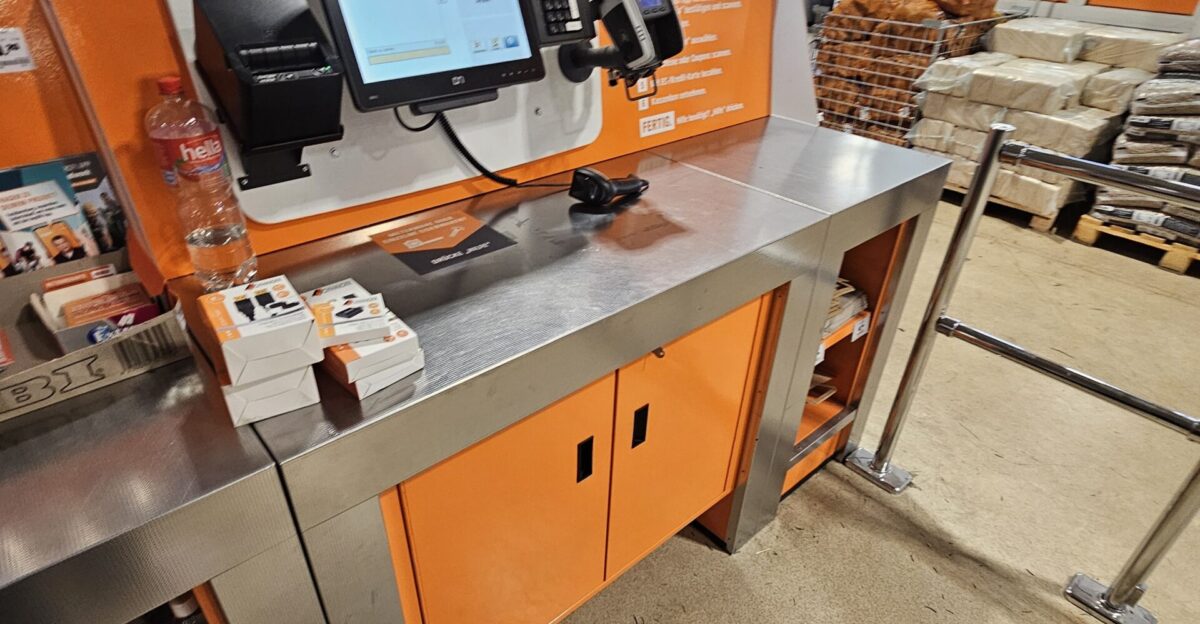
Overseas, retailers are watching closely. In late 2023, UK supermarket Booths removed self-checkout from 26 of 28 stores, citing customer preference for human interaction. Germany’s EDEKA is testing AI kiosks that detect shrink in real time, while other international chains experiment with theft-prevention safeguards.
The $2.28 billion North American self-checkout market—once growing 14.5 percent annually—now faces a reckoning. Global chains must decide whether automation’s efficiency outweighs its cost in losses and customer frustration.
Employees Return to Registers
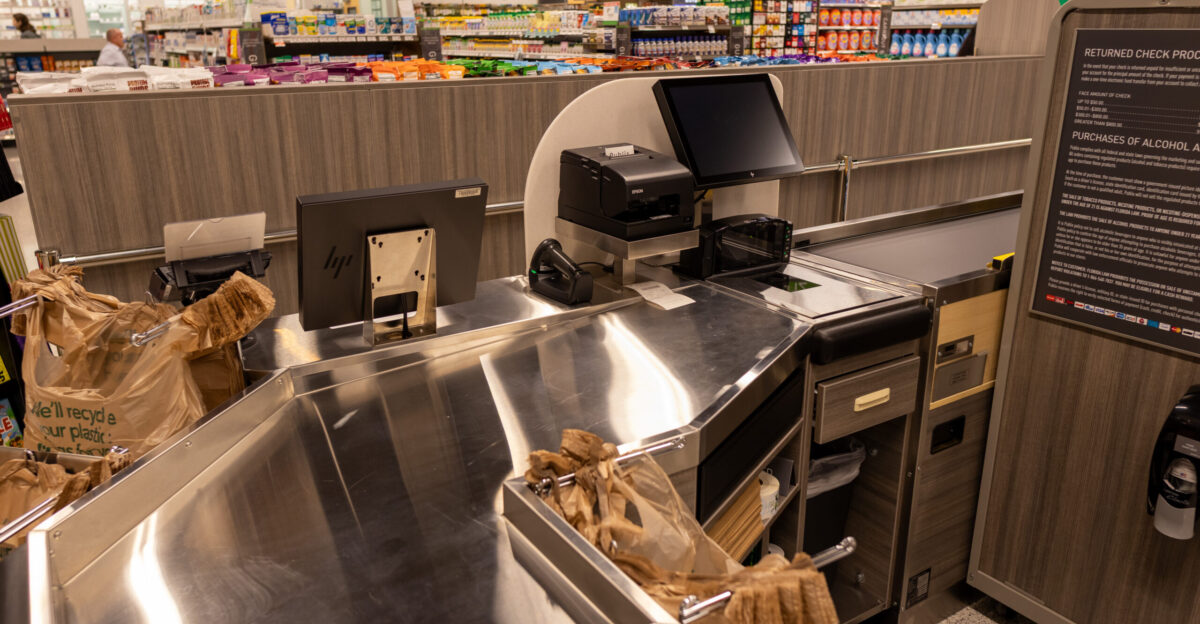
In many stores, associates who once supervised multiple machines now return to manned lanes. Walmart says these shifts emphasize “service and security,” not layoffs, allowing staff to focus on personal interaction and vigilance.
For employees, the change feels familiar—and often welcome. After years of monitoring screens, they’re back to greeting customers face-to-face, reinforcing the human connection retail once revolved around.
Law Enforcement and Lawmakers Respond
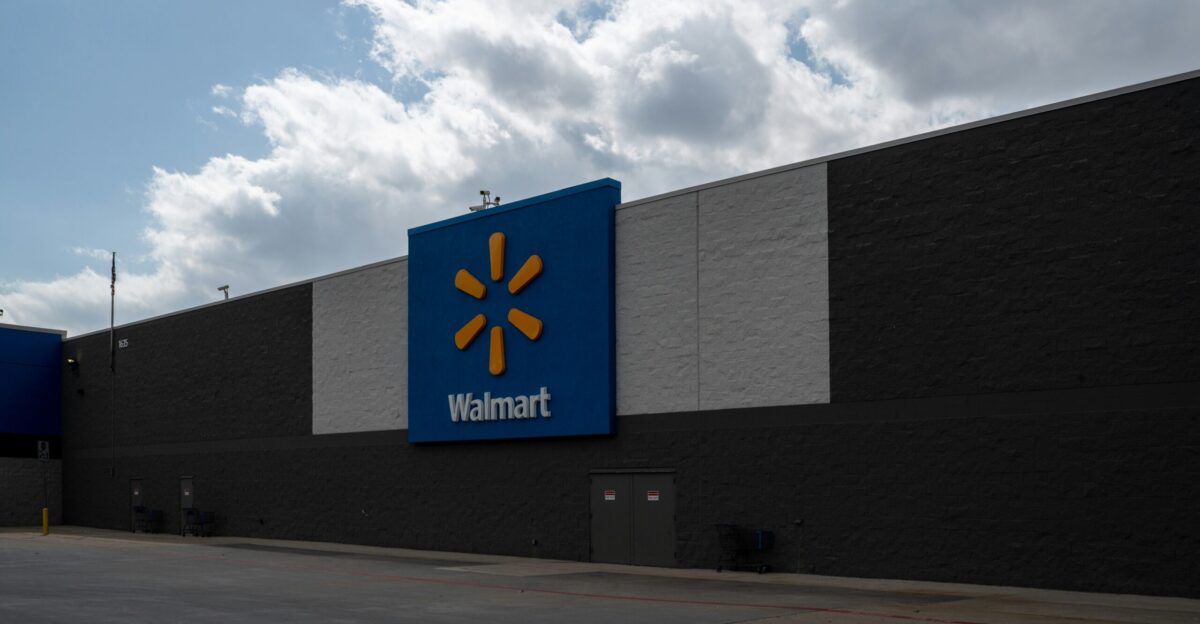
Police in Shrewsbury, Missouri, reported theft-related calls dropped by more than half after Walmart removed self-checkout, with arrests cut significantly. The data gives retailers tangible proof that the strategy works, at least in the short term.
Lawmakers have noticed, proposing tougher shoplifting penalties and exploring new regulations for self-service technology. What began as an internal business fix now sits at the intersection of policy, policing, and consumer behavior.
Inflation’s Hidden Link
Every stolen item raises prices for honest shoppers. Retail analysts say theft alone costs U.S. stores over $13 billion yearly, while total shrink—including internal losses—is far higher. The impact quietly feeds inflation across essential goods.
In the U.K., the British Retail Consortium reported theft losses rising from £1.8 billion in 2023 to £2.2 billion in 2024—a 22 percent increase. Retailers warn that unchecked shrink forces price hikes, meaning theft doesn’t just hurt profits—it hits every customer’s wallet.
Experimenting with New Models
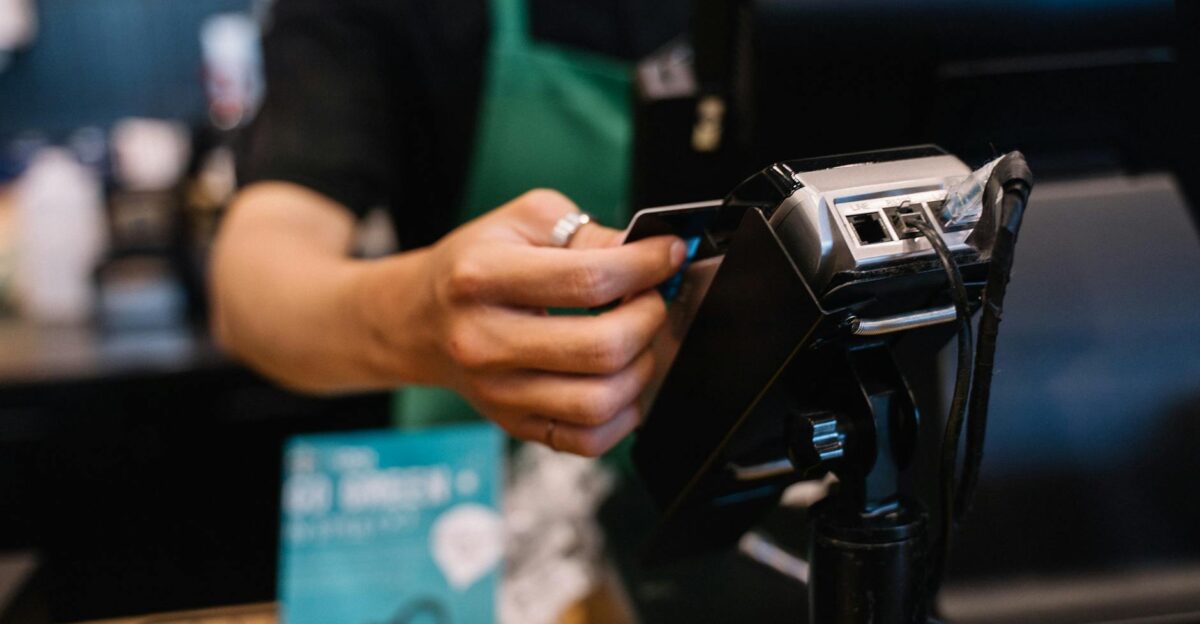
Retailers aren’t abandoning innovation; they’re refining it. Walmart and others are piloting “hybrid” systems: staffed lanes supported by AI cameras, invisible barcodes, and mobile self-checkout for loyalty members.
Sam’s Club uses AI to verify scanned items in its “Scan & Go” app. The future checkout may not be self-serve but smart-assisted—blending human oversight with digital efficiency to cut theft without alienating tech-savvy shoppers.
Beyond Retail: Hospitality Watches Closely

Fast-food chains, airports, and hotels—heavy users of self-service tech—are paying attention. Some are delaying kiosk rollouts, while others are strengthening security and auditing systems.
As retail’s biggest names recalibrate, the self-service model across service industries faces new scrutiny. Convenience alone no longer guarantees profit or trust.
Ripple Effects Across Supply Chains
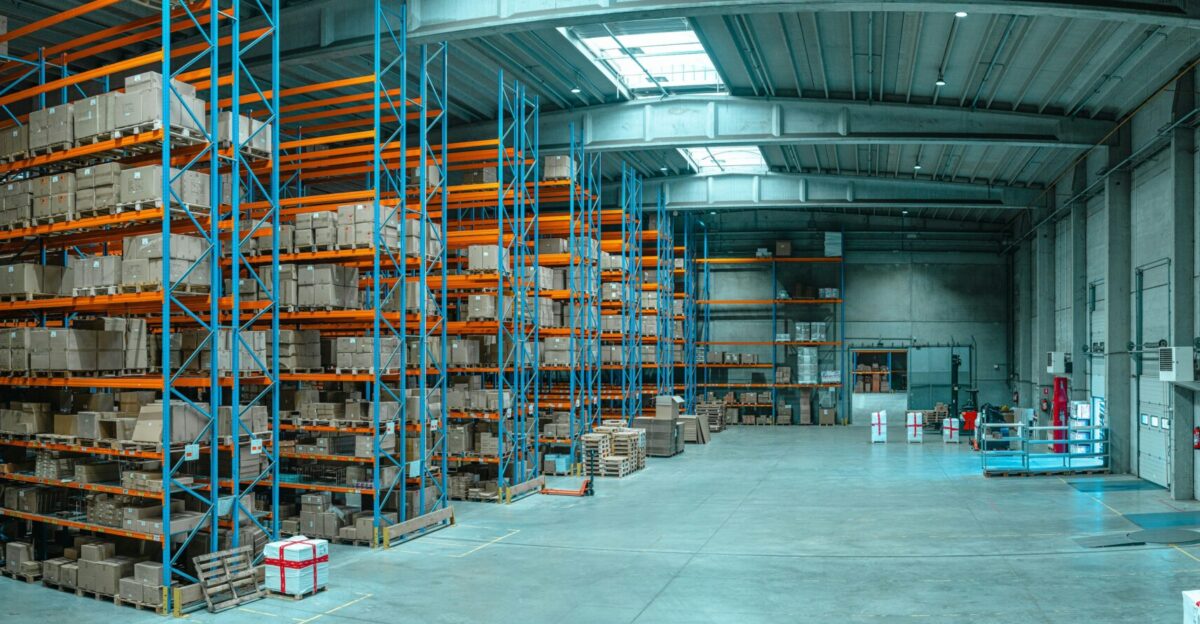
The reversal has rippled through packaging, security, and tech supply chains. Packaging firms are developing tamper-proof designs, while security vendors report surging demand for AI surveillance and smart tags.
Kiosk builders, meanwhile, are seeing contracts paused or canceled as clients reassess automation investments. Entire ecosystems built around self-service are now in flux.
Global Consumers Feel the Change
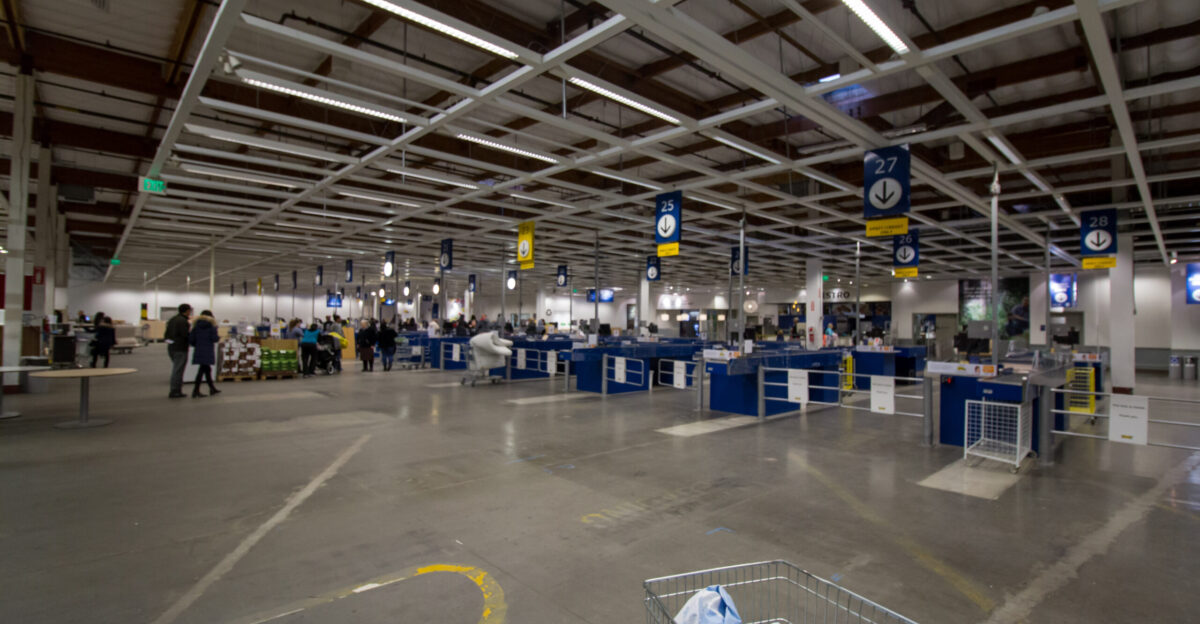
From London to Toronto, shoppers notice more staffed lanes and stricter monitoring. International retailers are reconsidering automation strategies, wary of repeating America’s costly missteps.
The debate over trust, theft, and technology now spans continents, suggesting the self-checkout experiment may have been more fragile than it appeared.
The Human Touch Returns

For many, the shift is a relief. Seniors and customers with disabilities welcome the return of full-service lanes and personal assistance. Others lament losing speed and privacy.
Data shows over 20 million Americans have stolen from self-checkout kiosks, with 69 percent of consumers admitting it’s easier to steal from automated systems than traditional cashiers. The generational divide between convenience and connection is once again shaping shopping habits.
Automation vs. Accountability

Critics say self-checkout blurred moral boundaries, turning ordinary shoppers into “accidental thieves.” Supporters argue it offered independence and efficiency, especially during the pandemic.
With shoplifting up 93 percent since 2019, data suggests automation may have unintentionally fueled bad behavior. The nation is left weighing convenience against accountability.
Winners and Losers
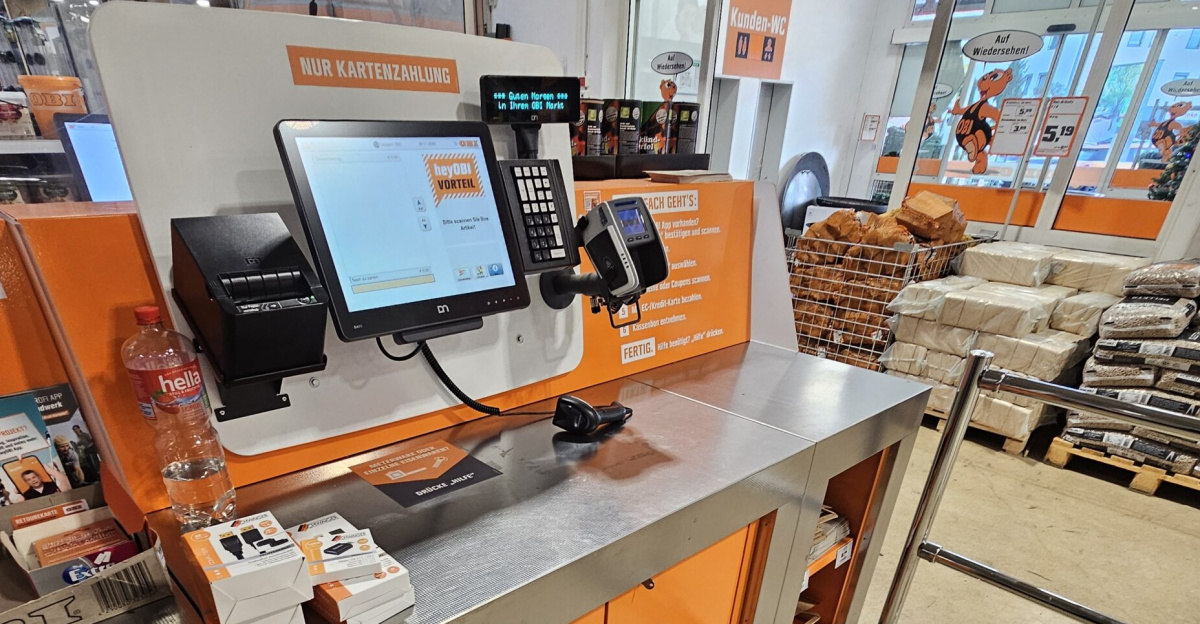
Winners include returning cashiers, loss-prevention firms, and AI security developers. Losers include kiosk manufacturers, automation startups, and tech-loving shoppers who preferred self-service.
For Walmart and Dollar General, the goal isn’t victory—it’s survival. Each conversion aims to curb losses while keeping service intact, even at the cost of speed.
Markets Adjust
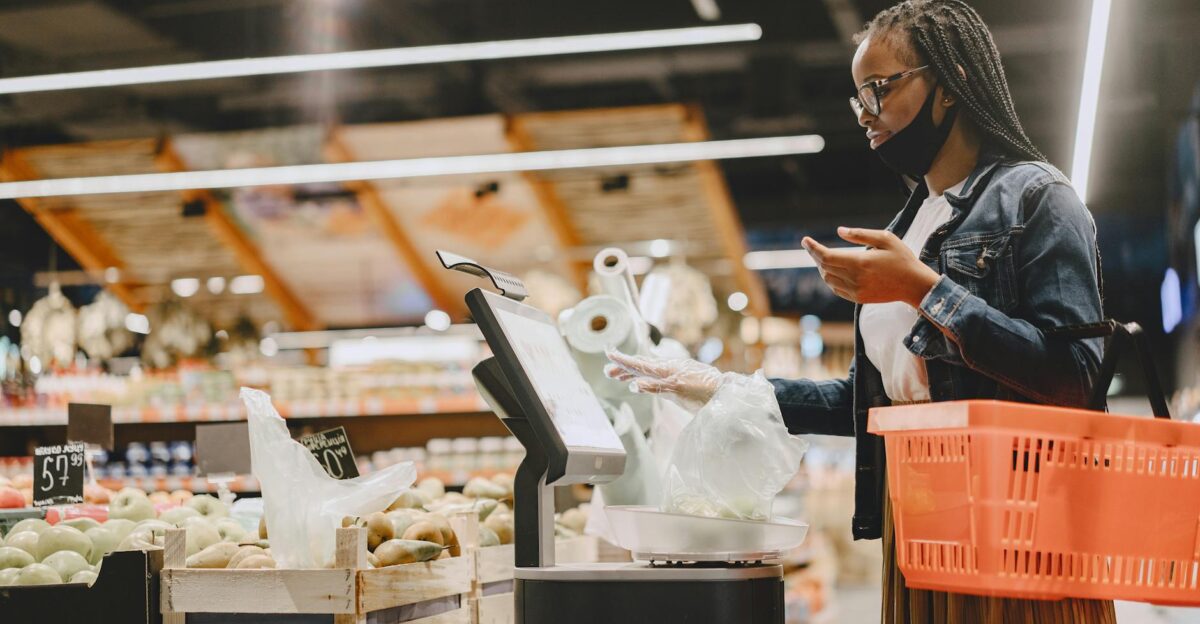
Investors have noticed. Shares tied to self-checkout tech have wavered, while security-focused firms see renewed interest and funding.
Analysts describe a “retail reset,” as companies reassess automation’s true return beyond labor savings. Market confidence is shifting—up for human-staffed solutions, down for unmanned systems.
Navigating the New Checkout
Shoppers should expect longer waits and more face-to-face service. Visiting during off-peak hours or using mobile checkout apps can help minimize delays.
Retailers are testing new systems rapidly, sometimes without notice. The checkout experience is being redesigned in real time, blending technology and human oversight.
What’s Next for Automation
Major chains are investing in AI-driven loss prevention, smart carts, and adaptive staffing that balance efficiency with accountability.
Despite current hesitation, analysts still project nearly two million self-checkout terminals worldwide by 2029. The next generation may merge automation’s speed with human trust.
A New Era for Retail

Dollar General’s 9,000-store conversion, Walmart’s removals, and Target’s restrictions mark a cultural shift as much as a policy one. Together, they’ve forced retailers to confront automation’s blind spots—vulnerability to theft, customer frustration, and the loss of human connection.
From global supply chains to everyday shoppers, the ripple continues. The message is clear: technology can’t replace trust, and retail’s future will depend on finding balance between convenience and control.