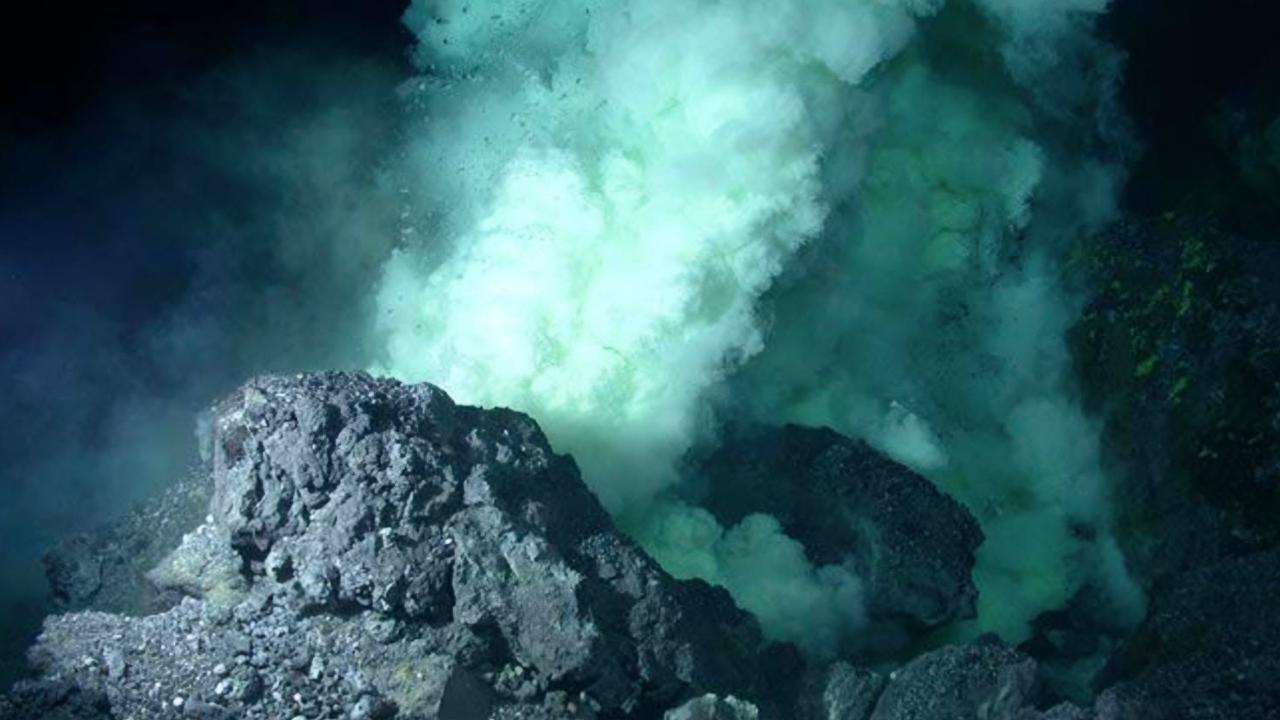
One mile beneath the Pacific Ocean, off Oregon’s coast, scientists have installed 660 miles of fiber-optic cables and 140 sensors around Axial Seamount. This network tracks pressure shifts, earthquakes, and temperature changes in real time, marking the most advanced attempt to forecast a submarine eruption.
Forecasting Revolution
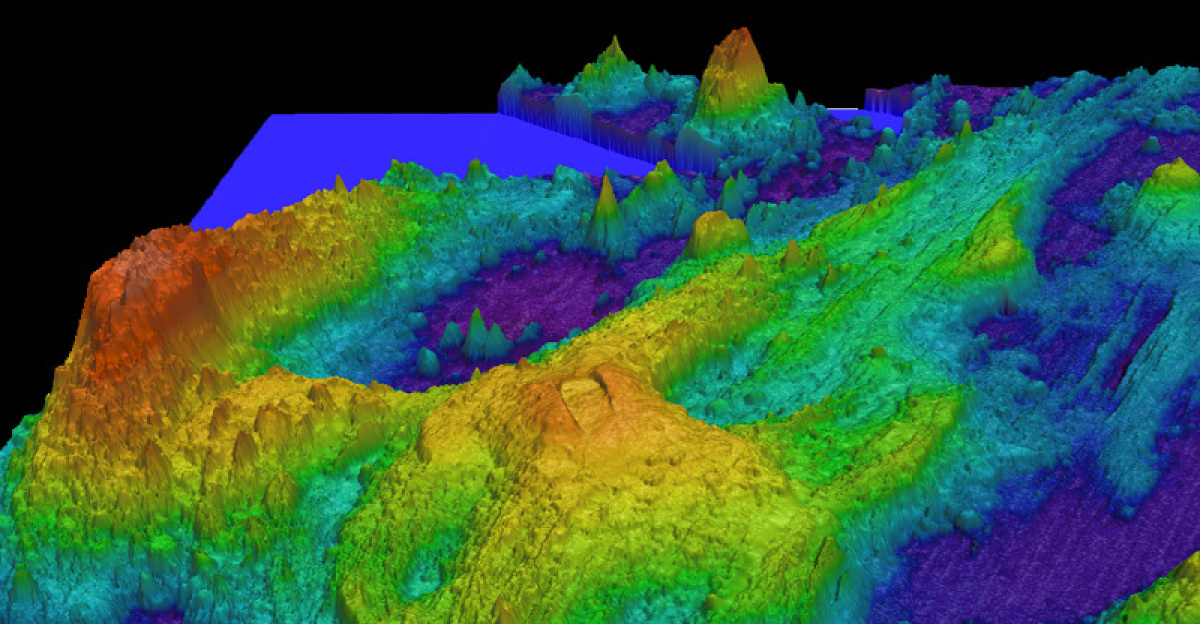
For years, underwater eruptions caught geologists off guard, with lava flows discovered weeks later. Axial Seamount changed that. Bottom-pressure recorders enabled predictions years ahead, based on steady magma supply and recharge cycles. This physics-driven model now influences global volcanic studies.
The Predictable Monster
Situated on the Juan de Fuca Ridge, where Earth’s crust pulls apart, Axial receives consistent magma. Unlike erratic land volcanoes, it erupts every 5 to 10 years in repeatable patterns. Magma builds steadily between events, inflating the seafloor like a balloon until pressure triggers rupture.
The Recharge Race
Post-1998 eruption, the seafloor rose 6 inches annually as magma refilled. By 2011, pressure peaked, causing an 8-foot drop before recharge resumed. A 2006 forecast accurately predicted activity before 2014. Seven years into the current cycle, sensors show ongoing inflation.
Eruption Forecast: Mid-to-Late 2026
In October 2025, Bill Chadwick and Scott Nooner updated their prediction: Axial will erupt mid-to-late 2026. New data from Regional Cabled Array sensors showed slower inflation than a prior 2025 estimate. At current rates, critical thresholds from 2011-2015 levels won’t be hit until then. The forecast draws from two decades of pressure data.
The Isolated Abyss
Axial rises 3,609 feet above the ridge but peaks at 4,500 feet deep, 300 miles west of Oregon. No shipping lanes or settlements nearby ensure eruptions affect only the seafloor. This isolation allows unrestricted study.
Regional Cabled Array
Launched in 2014 by the Ocean Observatories Initiative and University of Washington, the array spans 660 miles of cable linking 140 instruments. It monitors pressure, temperature, seismicity, and hydrothermal chemistry continuously, making Axial a live laboratory for undersea volcanoes.
The Physics Model
Past forecasts blended records, data, and intuition. Axial’s enabled the first quantitative model, simulating magma as pressure in a balloon. Sensor inputs calculate eruption odds, offering a blueprint for other sites.
Global Implications
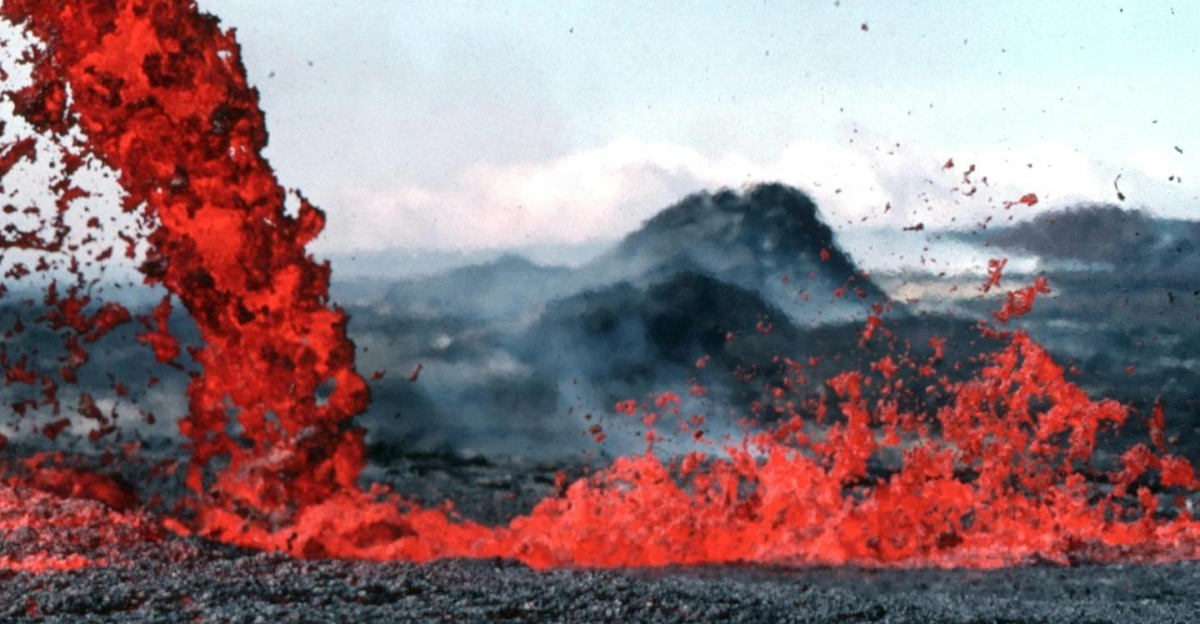
Of Earth’s 1,350 active volcanoes, 70 percent are submarine and understudied. Axial’s success templates monitoring mid-ocean ridges. Japan deployed fiber-optic quake networks; France builds an observatory near Mayotte Island. Cabled systems could turn submarine volcanism into routine data flows.
The October 2025 Revision
Mid-2024 data suggested 2025, but October analysis revealed slower recharge. Weekly real-time feeds prompted the shift to 2026, underscoring model refinement.
Eruption in Deep Time
Geological records show 50 eruptions over 800 years, averaging every 16 years. Recent ones: 1982, 1987, 1998, 2011, 2015. Effusive lava flows shape its rectangular caldera and rift zones.
Deep-Sea Eruptions: No Explosion
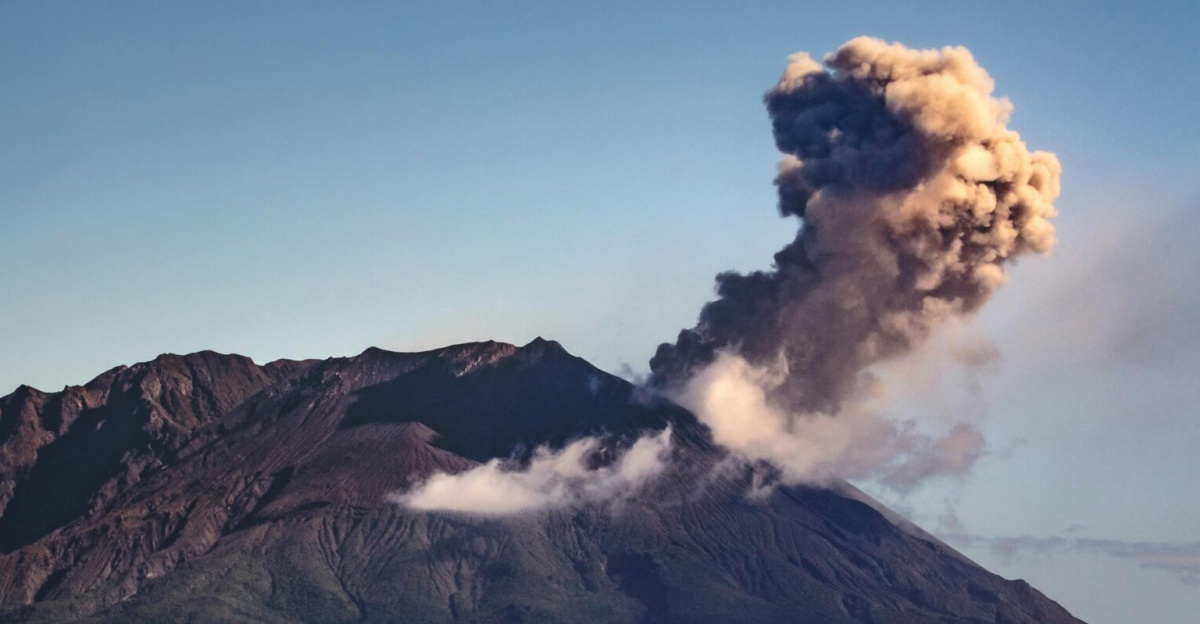
At 4,500 feet, water pressure quells explosions; lava oozes like honey. Past events caused seafloor quakes undetected on land, with no tsunamis.
Invisible Earthquakes
Before 2015, quakes surged from under 1,000 to 8,000 daily. Hydrophones and recorders captured them clearly, free from continental noise.
Research Frontier
Axial yields peer-reviewed insights on recharge, triggers, and hydrothermal shifts. Its data archive trains volcanologists worldwide, justifying major investments.
A Question of When
As of December 2025, inflation continues steadily, seismicity low. Critical pressure looms June to December 2026, though exact timing varies, as in April 2011 and 2015 events. This forecast tests models, potentially advancing warnings for riskier volcanoes and deepening ocean floor knowledge.
Sources
Bill Chadwick, Scott Nooner, Oregon State UniversityOcean Observatories InitiativeUniversity of Washington School of OceanographyGlobal Volcanism ProgramYahoo News and Indian Defence Review, December 8, 2025USGS Global Volcanism Program