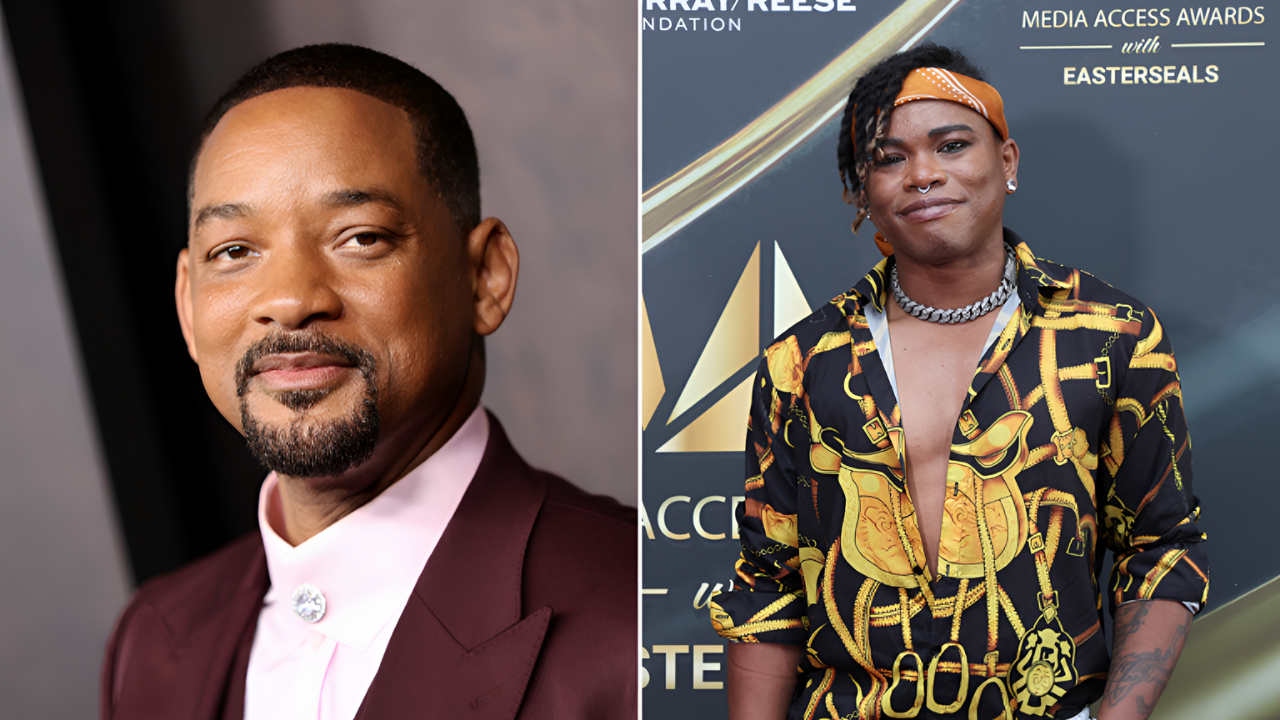
On a March evening in 2025, electric violinist Brian King Joseph returned to his hotel room at the Mandalay Bay in Las Vegas and found an unsettling surprise — a handwritten note and personal belongings that were not his. That moment would later set off a legal battle involving one of Hollywood’s biggest names. Nine months after the incident, Joseph filed a retaliation and wrongful termination lawsuit against Will Smith and his management company, alleging harassment and unsafe working conditions during Smith’s music tour.
Return to Music, Interrupted by Legal Turmoil
Will Smith’s long-anticipated return to music began with optimism. His 2025 world tour followed the release of Based on a True Story, his first studio album in two decades. The album’s success brought sold-out shows across the U.S., Europe, and the U.K., positioning Smith back at the forefront of global pop culture.
But by year’s end, media attention on his music had shifted toward the lawsuit filed by Joseph, a former tour musician and “America’s Got Talent” finalist. Joseph’s complaint—filed in Los Angeles Superior Court on December 30, 2025—alleges sexual harassment, retaliation, and wrongful termination, claiming that his dismissal came within days of reporting the Las Vegas hotel incident to security and tour management. Smith and his management have categorically denied all allegations.
The Las Vegas Incident
According to court filings, Joseph was housed at the Mandalay Bay as the tour prepared for its Las Vegas performance on March 20, 2025. When he returned to his assigned room late that night, he allegedly discovered a note reading, “Brian, I’ll be back no later [sic] 5:30, just us (heart), Stone F.” The room also contained items such as HIV medication, hospital paperwork, wipes, a beer bottle, and a red backpack.
Joseph immediately reported the matter to hotel security and Smith’s management. Security staff confirmed that no signs of forced entry were found and that only tour-affiliated personnel had key access. Feeling unsafe, Joseph asked to be moved to another room and soon after returned home.
Months later, Joseph shared a social media video describing lingering emotional effects and calling his firing a form of retaliation. Smith’s management, through Treyball Studios, issued a statement at the time describing the claims as “fabricated” and saying that the tour was simply “moving in a different direction.” A new violinist was brought in to replace him.
Allegations and Denials
Joseph’s lawsuit invokes California’s Fair Employment and Housing Act (FEHA), a law requiring employers to address workplace harassment even when it originates from third parties. His filing claims that Smith made inappropriate remarks, including telling Joseph that the two shared “a special connection.” The complaint ties these alleged comments and the hotel encounter together as part of a pattern of harassment and reprisal.
Smith’s attorney, Allen B. Grodsky, has strongly denied the allegations, calling them false and irresponsible. Smith and Treyball Studios are both named as defendants, and his representatives have indicated they will seek a jury trial. The case is now moving into the discovery phase, in which both sides will review evidence, including hotel surveillance footage, staff correspondence, and witness statements.
Broader Implications for the Industry
The lawsuit arrives at a critical moment for Smith’s career, which has been in a rebuilding phase since the 2022 Oscars controversy. Beyond its personal consequences, the case shines a light on broader concerns inside the touring industry—particularly how employers handle safety and harassment complaints among traveling crews and performers.
California’s FEHA sets clear standards for employer accountability, and similar legal frameworks exist internationally, such as under the United Kingdom’s Equality Act. Because Smith’s tour covered multiple countries, the proceedings may also raise jurisdictional questions about worker protections across borders. If Joseph prevails, the outcome could influence how entertainment companies handle complaints during global tours, potentially setting a stronger precedent for tour worker safety.
What Lies Ahead
Joseph is seeking compensatory and punitive damages along with attorney’s fees. His lawyer, Jonathan J. Delshad, who has represented clients in other high-profile entertainment cases, has indicated that further evidence will reveal the extent of retaliation preceding Joseph’s termination.
Legal analysts expect the case to center on whether Smith’s team properly addressed Joseph’s safety concerns and whether his dismissal can be linked to his complaints. The absence of forced entry in the Las Vegas incident may play a key role in the defense’s argument.
As both sides prepare for a protracted courtroom battle, the case underscores the complexities of maintaining safe and respectful workplaces in the entertainment world—especially for touring artists working under intense schedules and close quarters. The outcome could ripple beyond the immediate dispute, shaping employer conduct and accountability standards across high-profile creative industries in the years to come.
Sources:
“Violinist on Will Smith’s Tour Files Wrongful Termination Lawsuit.” The New York Times, 2 Jan 2026.
“Will Smith sued: Fired violinist alleges sexual harassment.” Los Angeles Times, 1 Jan 2026.
“Will Smith sexual harassment lawsuit tied to Las Vegas visit.” Las Vegas Review Journal, 9 Jan 2026.
“Will Smith Announces ‘Based on a True Story’ Album Release Date.” Billboard, 14 Mar 2025.